Best line weight for desert reservoir fishing
One of the trickiest parts about fishing in Nevada's stunning, yet often harsh, desert reservoirs is nailing down the right fishing line. You've got these incredibly clear waters, big, strong fish that pull hard, and often, some pretty intense wind and scorching sun to contend with. Trying to figure out if you need super thin, invisible line for the wary trout or heavy-duty braid for those monster stripers can feel like a guessing game. This guide is here to untangle that confusion, helping you choose the best line weight for a successful day out on Nevada's unique desert waters.
The Unique Demands of Desert Reservoirs and Why Line Weight is Your Secret Weapon
Fishing in Nevada isn't like fishing back East or on the coast. Our desert reservoirs, places like Lake Mead, Lake Mohave, and even some of the smaller ones up north, present a really distinct set of challenges that directly impact your line choice. Ignoring these factors can lead to snapped lines, missed bites, and a whole lot of frustration. Understanding why certain line weights and types excel here is the first step to becoming a more effective angler.
The Crystal-Clear Water Conundrum
Many of Nevada's reservoirs are fed by snowmelt or are simply deep, offering incredible water clarity. While this makes for beautiful scenery, it also means the fish have a much better chance of seeing your line. Wary fish, especially trout and even some of the more pressured bass, will often shy away from baits or lures if they can detect a thick, visible line. This is where line weight, or more accurately, line diameter, becomes incredibly important. Lighter pound test lines generally have a thinner diameter, making them less visible underwater. It's a trade-off, of course – thinner line means less breaking strength, so you need to find that sweet spot between invisibility and durability.
Battling Deep Water and Stubborn Fighters
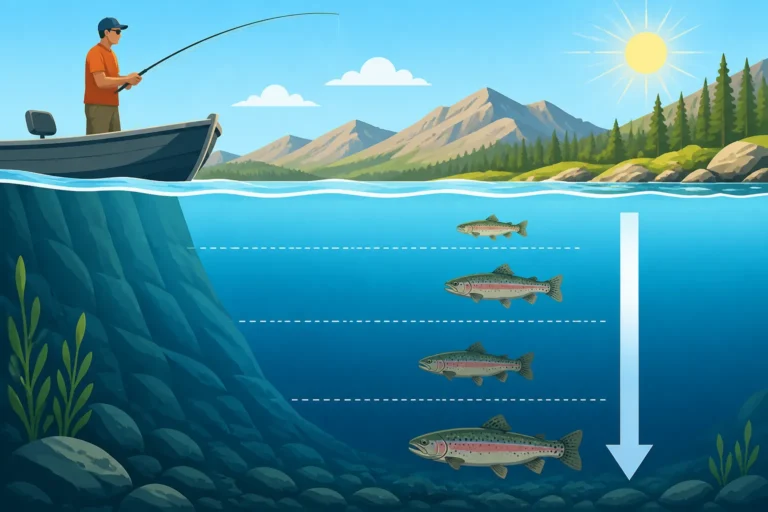
Nevada's desert reservoirs can be incredibly deep, with contours and structures that hold fish far below the surface. When you're dropping a lure down 50, 80, or even 100 feet, you need a line that can cut through the water efficiently, minimizing drag and allowing your bait to get to the strike zone quickly. Heavier, thicker lines create more drag, making it harder to feel subtle bites and impacting the natural presentation of your lure. Moreover, the fish in these waters, from the feisty rainbow trout to the powerful striped bass, are often strong fighters. They'll make blistering runs and try to break you off on submerged rocks or brush. Your line needs to have enough tensile strength to withstand these battles, even if you're using a lighter test. It’s a delicate balance: light enough to be stealthy, but strong enough to bring in a trophy.
Wind, Sun, and Abrasion: The Desert Gauntlet
Anyone who's spent time fishing in Nevada knows the wind can pick up unexpectedly, turning a calm morning into a choppy, challenging afternoon. Strong winds can create a huge belly in your line, making casting accurate and feeling bites incredibly difficult. Thinner, lighter lines are less affected by wind, helping you maintain better control. Then there's the sun. The intense desert sun, combined with the reflective surface of the water, can degrade fishing line over time, making it brittle and weak. Regular inspection and replacement are crucial. Finally, the bottom structure of many desert reservoirs often includes sharp rocks, submerged brush, and even zebra or quagga mussels in some areas, which are like underwater razor blades. Your line needs to resist abrasion from these hazards, protecting your connection to the fish. Thinking about these factors will help you make a smart decision before you even hit the water. Nevada Fishing Gear Essentials touches on other critical items you'll want to have on hand for these conditions.
Deciphering Fishing Line Types for Nevada's Diverse Waters
Before we even talk about specific line weights, it's critical to understand the different types of fishing line available, as each has its own strengths and weaknesses that make it more or less suitable for Nevada's unique desert reservoir fishing scenarios. No single line does everything perfectly, so often, a combination of lines or choosing the right line for the right situation is key. You'll find a wide variety of these lines readily available from major retailers like Amazon or your local tackle shop.
Monofilament: The Classic All-Rounder
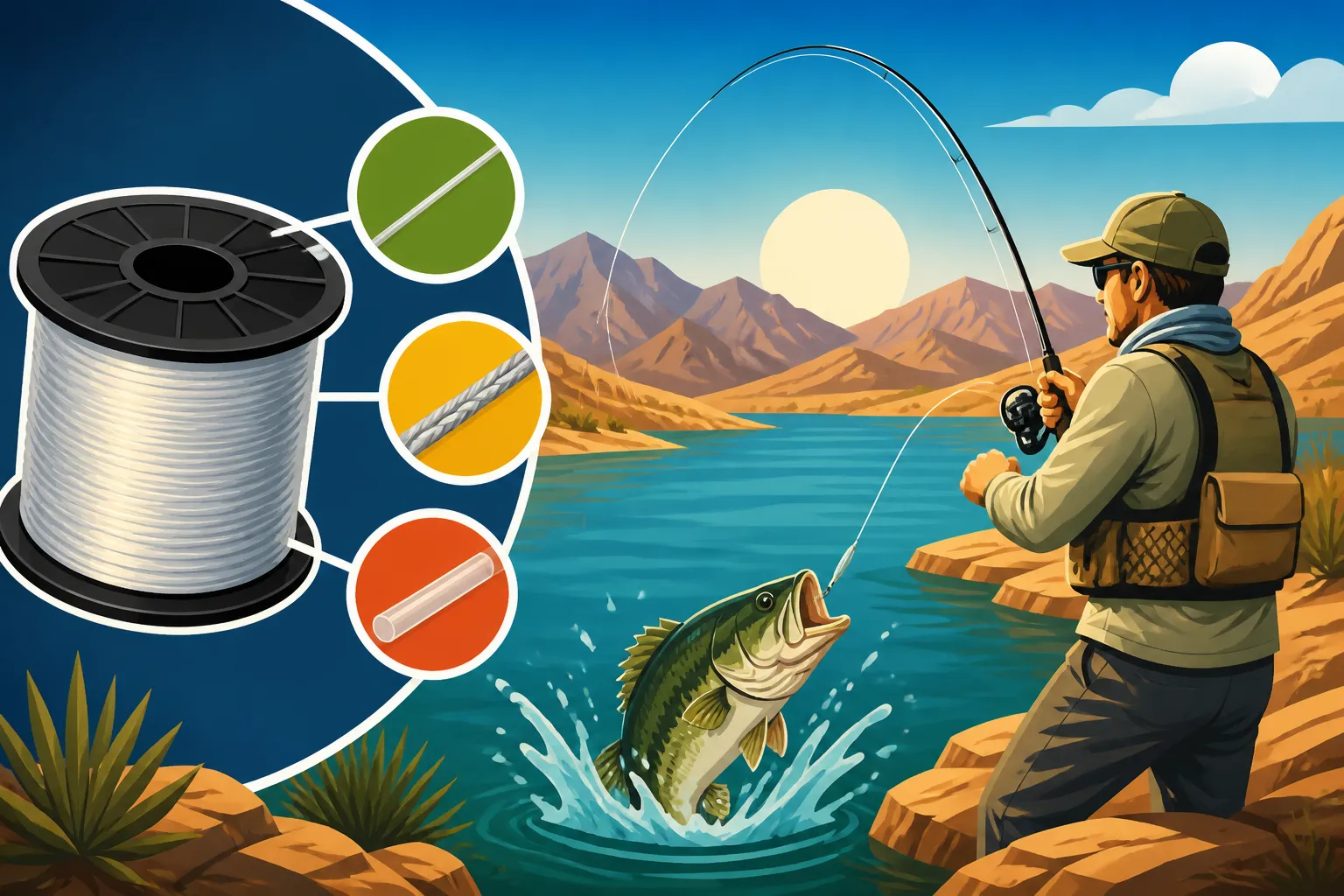
Monofilament, often just called "mono," is made from a single strand of nylon. It's usually the most affordable option and widely available.
- Pros: Mono has a good amount of stretch, which acts like a shock absorber when a fish strikes or makes a sudden run, reducing the chance of hooks pulling out or the line snapping. It's also easy to tie knots with, offers decent abrasion resistance for its cost, and floats, making it a good choice for topwater lures. Many anglers appreciate its forgiveness, especially when learning to fish.
- Cons: The biggest drawback for clear desert waters is its visibility. Mono is more visible underwater than other line types. It also has "memory," meaning it can retain the coil shape from the spool, leading to more tangles or "bird nests," especially on spinning reels. Over time, UV rays from the intense Nevada sun can degrade mono, weakening it. This means you'll want to replace it more frequently than other types.
Best Use in Nevada: Monofilament is great for all-around casual fishing, particularly when targeting trout in smaller ponds or when using topwater lures for bass where line visibility is less of a concern. It also makes an excellent backing line for reels or a shock leader for certain applications.
Fluorocarbon: The Stealth Assassin
Fluorocarbon, or "fluoro," is a relatively newer line material that has gained immense popularity, particularly for its near invisibility underwater.
- Pros: Fluoro has a refractive index very close to that of water, making it virtually invisible once it's submerged. This is a massive advantage in Nevada's clear reservoirs, especially when targeting wary fish like Lahontan cutthroat trout at Pyramid Lake Nevada Fishing Guide or pressured bass. It also boasts excellent abrasion resistance, which is fantastic for fishing around rocky structures or submerged cover. Unlike mono, fluoro sinks, which helps lures get to depth faster and can improve sensitivity by creating a more direct connection to your bait. It also has very little stretch, increasing sensitivity.
- Cons: It tends to be stiffer than monofilament, which can sometimes make knot tying a bit more challenging if you're not careful (you'll want to moisten your knots generously before cinching them down). While its lack of stretch improves sensitivity, it also offers less forgiveness during hard strikes, requiring a properly set drag. It's generally more expensive than monofilament.
Best Use in Nevada: Fluorocarbon excels as a leader material for nearly all applications in clear water. Many serious bass and trout anglers use it as their main line, particularly in lighter tests, for its stealth and sensitivity. It's ideal for finesse techniques, bottom fishing, and any situation where visibility is paramount. For instance, using a fluorocarbon leader is almost a requirement when How to Fish for Trout in Nevada.
Braided Line: The Powerhouse
Braided line, or "braid," is made by weaving together multiple strands of synthetic fibers, often resembling a very thin rope.
- Pros: Braid offers incredible strength-to-diameter ratio, meaning a 20 lb test braid is much thinner than a 20 lb mono or fluoro. This thin diameter allows for incredibly long casts and excellent line capacity on your reel. It has virtually no stretch, providing unparalleled sensitivity – you'll feel every bump, every tick, every subtle bite. Its strength and lack of stretch make it excellent for fishing in heavy cover where you need to muscle fish out, or for powerful species like striped bass.
- Cons: Its biggest downside is visibility; braid is highly visible underwater. It also has very little shock absorption, which means fish can sometimes rip hooks out if your drag isn't set perfectly. Braid can also be prone to cutting into itself on the spool if not wound tightly, and it can be difficult to cut without sharp scissors. It also "digs in" on a spinning reel spool sometimes when fighting a fish or casting, leading to snags.
- Best Use in Nevada: Braid is fantastic as a main line when paired with a fluorocarbon leader in clear desert waters. It's perfect for long casts, feeling subtle bites, and when targeting larger, powerful fish like Striped Bass Fishing in Nevada at Lake Mead, especially when you need to pull them away from structure. For heavy cover bass fishing, many anglers use braid directly to their lure.
Matching Line Weight to Your Target Species and Tactics in Nevada
Now that we've covered the types of line, let's dive into the specifics of line weight. The "best" line weight isn't a universal number; it completely depends on what you're trying to catch and how you're trying to catch it. In Nevada's diverse waters, you might find yourself needing a range of line weights depending on your day's target.
Trout Tactics: The Finesse Game
When you're chasing trout in Nevada, whether it's the stocked rainbows in urban ponds, wild browns in a mountain stream, or the legendary Lahontan cutthroat at Pyramid Lake, finesse and stealth are usually your best friends. These fish are often quite line-shy, especially in the clear water they inhabit.
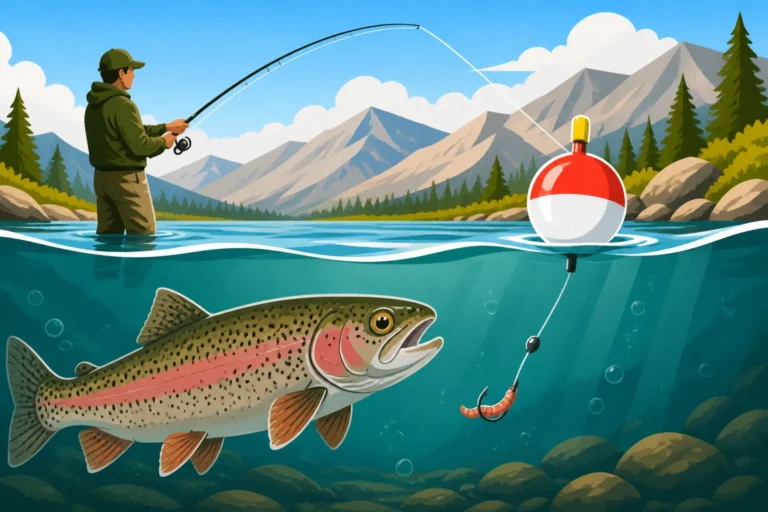
- Stocked Rainbows and Smaller Trout (Urban Ponds, Smaller Reservoirs): For these situations, a lighter line is almost always preferable. Think 4 to 6-pound test monofilament or fluorocarbon. This lighter line allows for a more natural presentation of baits like PowerBait, worms, or small spinners and spoons. The thinner diameter is harder for the trout to see, leading to more bites. If you're using ultra-light gear, you might even drop down to 2-pound test, but be prepared for a real fight if you hook into something substantial. For specific tackle ideas, check out Best Tackle for Nevada Trout Fishing.
- Larger Trout (Wild Browns, Lahontan Cutthroat, Trophy Rainbows): When targeting bigger, smarter trout, you might need to slightly increase your line strength, but still prioritize invisibility. For main line applications, a 6 to 8-pound fluorocarbon is often ideal. Many anglers, especially at Pyramid Lake, will use 10 to 15-pound braided main line with a long, 6 to 10-pound fluorocarbon leader. This combination gives you the casting distance and sensitivity of braid, with the stealth of fluoro right at the business end. Best Bait for Pyramid Lake Cutthroat will give you some excellent ideas to pair with that line.
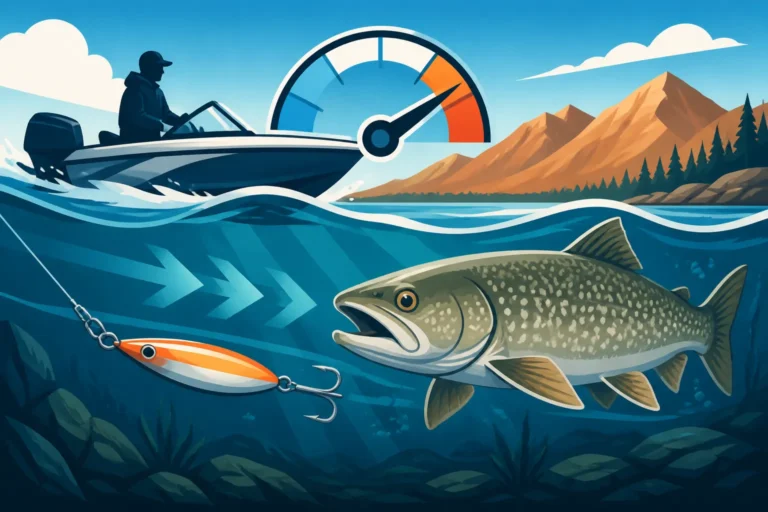
- Trolling for Mackinaw (Lake Tahoe): Lake Tahoe's Mackinaw (Lake Trout) often require different tactics. While your main line might be a heavier 15-20 pound braided line for strength and direct contact with your downrigger, your leader to the lure will still be a stealthy fluorocarbon, typically in the 10 to 20-pound range, depending on the size of fish you expect and the lure presentation. This gives you the strength to fight a big Mackinaw while keeping your lure looking natural deep in the water column.
Bass Fishing: Power and Precision
Bass fishing in Nevada, particularly for largemouth and smallmouth bass in lakes like Mead and Mohave, requires a versatile approach to line weight. You'll often be fishing around cover, making line strength and abrasion resistance critical.
- Largemouth Bass (Heavy Cover, Structure): If you're flipping jigs into brush, punching through weeds, or throwing spinnerbaits around submerged trees, you need line that can withstand abuse and muscle fish out of thick stuff. Here, 15 to 20-pound test fluorocarbon or braided line is common. Some anglers will even go up to 30-pound braid in extremely heavy cover. The abrasion resistance of fluoro is a huge plus, as is the sheer power of braid. When fishing with braid, a 15-20 pound fluorocarbon leader is often used to maintain stealth.
- Smallmouth Bass (Open Water, Rocky Areas): Smallmouth often prefer open, rocky points and deeper humps. While they're powerful fighters, they can be more line-shy than largemouth in open, clear water. For finesse techniques like drop-shotting, shaky heads, or Ned rigs, an 8 to 12-pound fluorocarbon main line is excellent for its invisibility and sensitivity. If you prefer a braid main line, use a 10 to 15-pound braid with a 6 to 10-pound fluorocarbon leader. This allows for long casts and feeling those subtle bites, while still having enough backbone to handle a good smallie. Explore Best Soft Plastics for Bass Fishing for lure ideas.
- Reaction Baits (Crankbaits, Jerkbaits): For baits that cover water, like crankbaits and jerkbaits, a 10 to 15-pound fluorocarbon is often preferred due to its low stretch and ability to sink, helping the lure dive deeper and giving better feel. Some anglers still opt for a good quality monofilament in the 10-12 pound range for its stretch, which can prevent trebles from pulling out when a fish strikes hard.
Striped Bass: The Unyielding Force
Lake Mead and Lake Mohave are famous for their powerful striped bass, and these fish demand serious line. They make incredible runs and can quickly snap insufficient tackle. You won't regret going a little heavier here.
- Casting Lures and Live Bait: When targeting stripers with swimbaits, topwaters, or live bait, a 15 to 25-pound monofilament or fluorocarbon main line is a good starting point. However, many experienced striper anglers prefer 20 to 30-pound braided line as their main line for its casting distance, incredible strength, and sensitivity. With braid, you'll want to use a tough 15 to 25-pound fluorocarbon leader to provide invisibility in the clear water and excellent abrasion resistance against their rough mouths. You can find excellent options for both braid and leaders on Amazon.
- Jigging and Trolling: For vertical jigging or trolling for stripers, the same principles apply. A strong braided main line (20-30 pound) is ideal for directly transmitting the action of your lure and feeling strikes, paired with a heavy fluorocarbon leader (15-25 pound) for stealth and abrasion resistance. Remember, these fish hit hard and will test your knots! Make sure to check out Best Lures for Striped Bass for some great options.
Panfish and Other Species: The Light Touch
For smaller species like bluegill, crappie, or yellow perch, especially in urban ponds or smaller lakes, scaling down your line weight is key.
- Panfish: A 2 to 4-pound test monofilament is often perfect. Its light diameter allows for the most natural presentation of tiny baits and jigs, and the extreme sensitivity helps you detect even the slightest nibble. It also makes fighting a feisty bluegill feel like a monster catch, which is half the fun!
Summary of Line Type and Weight Recommendations
Here's a quick reference to help you decide on your line setup for different species and conditions in Nevada's desert reservoirs:
| Line Type | Key Characteristics | Best Nevada Use (Species/Technique) | Recommended Weight (Lbs) |
|---|---|---|---|
| Monofilament | Stretchy, good knot strength, floats, visible, cheap | General trout, topwater bass, backing, shock leader | 4-12 |
| Fluorocarbon | Near invisible, sensitive, sinks, abrasion resistant | Leader for all species, finesse bass, main line for clear water trout | 4-20 |
| Braided Line | No stretch, super strong, thin, casts far, visible | Main line for bass, stripers, trolling; paired with fluoro leader | 10-30 |
Optimizing Your Line Choice and Maintenance for Nevada's Conditions
Choosing the right line weight is only half the battle; knowing how to optimize your setup and maintain your line for Nevada's specific environmental challenges will significantly increase your success and enjoyment on the water.
Prioritizing Line Visibility in Clear Water
As we've discussed, the exceptionally clear water in many Nevada reservoirs means fish have ample opportunity to inspect your line. This is why fluorocarbon has become such a game-changer. Whether you're using it as a main line or, more commonly, as a leader, its near invisibility underwater is invaluable. When constructing a leader with braided main line, aim for a length of 4 to 8 feet. This provides enough stealthy line for the fish to see your lure without detecting the more visible braid. Nevada Western Region Fishing Regulations or Nevada Southern Region Fishing Regulations might offer additional insights into local conditions that influence how clear the water might be.
Battling the Desert Wind
Nevada's winds are notorious and can turn a perfect casting day into a frustrating mess of tangles and missed targets. Thinner diameter lines, like braided line, are far less affected by wind than thicker lines. This is another reason why a braided main line with a fluorocarbon leader is such a popular choice among serious anglers. The braid cuts through the air, allowing for longer, more accurate casts even in breezy conditions. When fishing from shore on a windy day, a heavier lure can also help carry your thinner line further.
Abrasion Resistance is Not Optional
Submerged rocks, sharp shells (especially quagga and zebra mussels in some lakes), and even the abrasive mouths of larger fish can quickly fray and weaken your line. This is where fluorocarbon's inherent abrasion resistance shines. Always inspect your line, especially the last few feet near your lure or hook, for any nicks or fraying after catching a fish or getting snagged. It's a small habit that can prevent the heartbreak of losing a trophy fish due to a compromised line. If you notice any damage, don't hesitate to cut off a few feet and re-tie.
Sun Protection and Regular Replacement
The intense UV radiation from the Nevada sun is incredibly harsh on fishing line, particularly monofilament. It causes the line to break down, lose strength, and become brittle. Even fluorocarbon and braid, while more resistant, can degrade over time.
- Storage: Store your spools of line out of direct sunlight and in a cool, dry place.
- On the Reel: When not fishing, try to keep your rods and reels covered or out of direct sunlight as much as possible.
- Replacement Schedule: A good rule of thumb is to replace your monofilament main line at least once a season, if not more often if you fish frequently. Fluorocarbon and braid can last longer, but still inspect them regularly and consider replacing them every 1-2 years, especially the top layers exposed to the most sun. A small investment in fresh line can save you a lot of heartache. Many popular line brands are available on Amazon, making it easy to restock.
The Art of Knot Tying
No matter how strong or expensive your fishing line is, it's only as good as your knot. With the varying properties of different line types, especially when connecting braid to fluorocarbon, using the correct knot and tying it meticulously is paramount.
- Monofilament: The Improved Clinch Knot or Palomar Knot are excellent choices.
- Fluorocarbon: The Palomar Knot is strong. For stiffness, ensure you moisten the knot thoroughly before cinching to prevent friction burns and ensure it seats properly.
- Braided Line: The Palomar Knot is very popular. For connecting braid to a fluorocarbon leader, the FG knot is incredibly strong and streamlined, though it takes practice. Other good options include the Alberto knot or a Double Uni knot. Practice these knots at home until you can tie them confidently and quickly. A knot that's tied improperly can lose 50% or more of your line's breaking strength. For additional tips on gear, consider consulting Nevada Boat Registration for Anglers if you plan to hit the water by boat.
By understanding the interplay of line type, weight, and the unique environmental factors of Nevada's desert reservoirs, you'll be well-equipped to make informed decisions that lead to more successful and enjoyable fishing trips.
Disclaimer
This article is for general informational purposes only and does not constitute professional advice. Laws, prices and regulations vary by location and change over time. Consult a qualified professional for guidance on your specific situation.