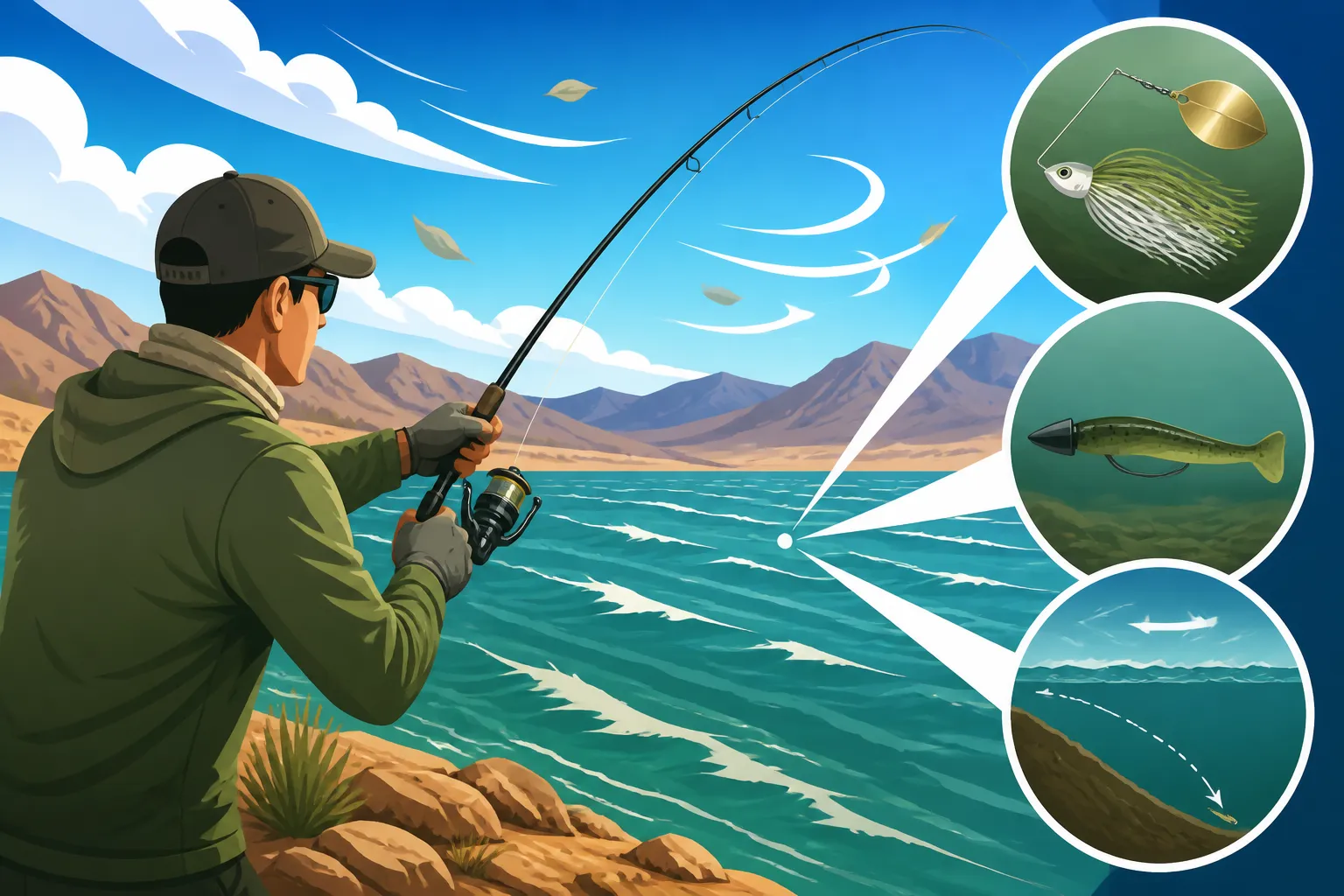
How to adjust technique for windy desert lake conditions
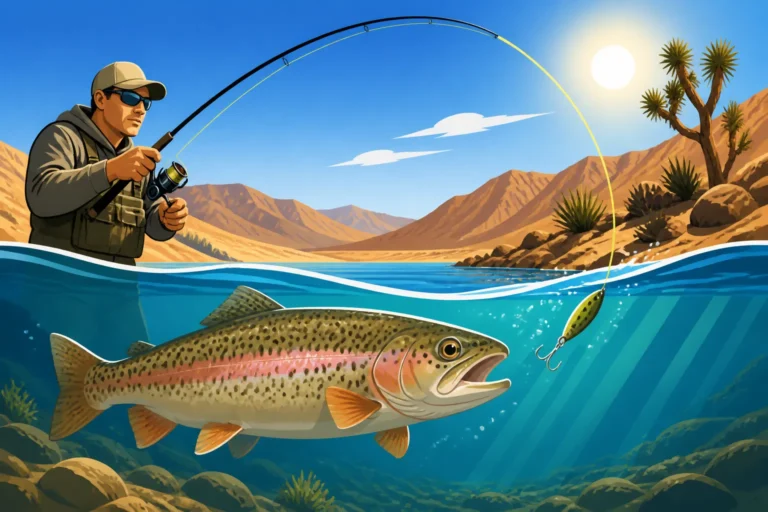
Oh, the wind! If you've spent any time fishing Nevada's stunning, yet often blustery, desert lakes, you know exactly what I'm talking about. One minute it's glassy calm, and the next, whitecaps are rolling in, making casting a nightmare and boat control a wrestling match. It can be incredibly frustrating, but trust me, a windy day doesn't mean you have to pack up and go home. This guide will walk you through how to adjust your techniques, gear, and mindset to conquer those challenging conditions and still find success on the water.
Understanding Wind's Impact on Desert Lakes
Wind isn't just an annoyance; it's a powerful force that fundamentally changes how a desert lake behaves and, consequently, how fish interact with their environment. Learning to "read" the wind and understand its effects is the first step to adapting your approach.
How Wind Affects Water and Fish Behavior
When that Nevada wind starts whipping across a large body of water like Lake Mead or Pyramid Lake, it creates surface currents and can stir up the bottom in shallower areas. This increased turbidity can either be a blessing or a curse, depending on the species and the specific location. Often, the stirred-up water can dislodge baitfish and other forage, making them more accessible to predators. This means that fish, especially active feeders like striped bass or even cruising trout, might move into these wind-blown areas to take advantage of the easy meal.
However, the wind also pushes warmer surface water around, leading to thermal shifts. Fish, being cold-blooded creatures, are very sensitive to temperature changes. They might move to the leeward (downwind) side of the lake or to deeper, more stable water to avoid the choppiest, most agitated conditions. The sustained chop can also make it harder for fish to see predators (or your lure!), which can sometimes make them more confident and aggressive in their feeding. Conversely, it can also make them hunkered down and less willing to chase. It's a delicate balance and requires keen observation.
Reading the Wind and Water
Before you even make your first cast, take a few minutes to observe the lake. Where are the whitecaps most prevalent? Where does the water look calmer? This isn't just about finding comfortable casting conditions; it's about understanding where the fish might be pushed or where they might seek refuge. For instance, strong winds blowing directly into a rocky bank can create a "wash" zone where baitfish are slammed against the shore, often attracting larger predatory fish like bass and stripers.
Conversely, the leeward side of the lake, protected by a mountain range or a prominent point, might have much calmer water. This calmer water can hold suspended fish that are trying to escape the commotion or are simply more comfortable away from the turbulence. Pay attention to how the wind creates current lines or "seams" in the water—these can be highways for baitfish and, therefore, hot spots for game fish. Sometimes, just seeing a distinct change in water texture, from choppy to relatively smooth, can indicate an underwater current or structure. Learning How to find fish in a new lake often starts with understanding these water dynamics.
Adapting Your Approach for Windy Conditions
Once you understand why the wind is affecting the lake, you can start making smart adjustments to how you fish. This is where experience and a willingness to experiment truly pay off.
Finding Shelter and Structure
On exceptionally windy days, one of the easiest ways to improve your fishing experience, and often your catch rate, is to seek out areas that offer natural protection. This could be a large point jutting out into the lake, a deep cove with high banks, or even the lee side of an island. These areas often provide a calmer surface, making casting and boat control much more manageable. The fish will also likely be more comfortable here, as they're not constantly fighting currents or being jostled by waves.
However, don't just blindly head for the calmest water. Sometimes, the fish are pushed into the wind-blown banks by the current, congregating around submerged structures like rock piles, brush, or ledges. These structures offer a break from the current and a place for baitfish to hide, creating ambush points for bigger fish. It’s about balance: finding a spot where you can fish effectively while still being in a productive area. Remember to always check the Nevada Fishing Regulations Explained for any specific rules related to fishing around certain structures or zones.
Adjusting Casting and Presentation
Casting in heavy wind can feel like an Olympic sport, but with a few tweaks, you can maintain accuracy and get your lure where it needs to go. If you're casting into the wind, you'll want to use heavier lures or baits to cut through the resistance. Think about casting low to the water to minimize wind resistance. If the wind is at your back, it can be your friend, helping you achieve incredible distances. In this scenario, you might even consider lighter lures that can be carried further.
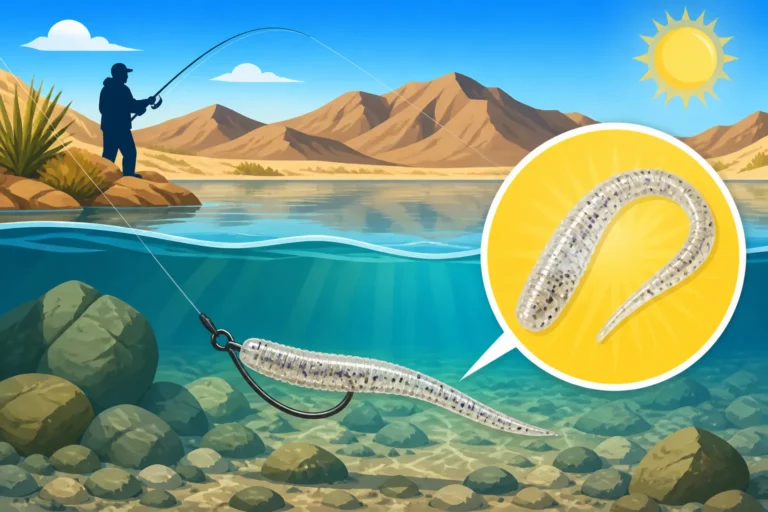
The real challenge often lies in lure presentation once it's in the water. Strong winds will create a significant bow in your line, making it hard to feel subtle bites or keep your lure at the desired depth. To combat this, try to retrieve faster to keep a tighter line, or use heavier jigs or sinkers to get down to the strike zone quickly. When using lighter presentations, like a weightless worm for bass or a small spoon for trout, cast at an angle that allows the wind and current to assist your drift, rather than fight it. This can often create a natural presentation that fish find irresistible.
Boat Control and Positioning
For boat anglers, wind is a constant battle. Without proper boat control, you'll be blown off your spots in seconds. A good trolling motor with a "spot-lock" or GPS anchoring feature is an absolute game-changer in these conditions. It allows you to hold your position precisely, even in strong winds, freeing you up to focus on fishing. If you don't have one, or if the wind is too strong, traditional anchors are your best friend. Drop two anchors, one from the bow and one from the stern, to create a stable fishing platform. This "two-point anchor" system prevents your boat from swinging back and forth, which can make a huge difference in your ability to cast and present lures.
Drift socks are another excellent tool, especially when you want to cover water but slow your drift significantly. By deploying one or two drift socks, you can reduce your boat's speed, allowing your lures more time in the strike zone and making it easier to fish vertically. When drifting, try to position your boat so the wind is blowing you along a promising contour line or structure. Always remember that the safety of your vessel and passengers comes first. For more on ensuring your vessel is up to snuff, check out the Nevada Boat Registration and Titling Guide.
Gear Modifications for Windy Days
Your tackle box might be well-stocked for a calm day, but when the wind howls across a Nevada desert lake, a few gear adjustments can make all the difference.
Choosing the Right Rod, Reel, and Line
When battling the wind, your equipment needs to be up to the task. A slightly heavier action rod can help you cast heavier lures more effectively into the wind and provide more leverage to fight fish in choppy conditions. Consider a medium-heavy or heavy power rod, depending on your target species. For reels, a good quality spinning reel with a smooth drag system is often easier to manage in wind than a baitcasting reel, especially for less experienced anglers, as it's less prone to wind knots. However, if you're a seasoned baitcaster, a higher gear ratio reel can help you pick up slack quickly when your line bows in the wind.
Line choice is critical. Braided line is often preferred in windy conditions because it has less stretch and a thinner diameter for its strength, which means less wind resistance on your cast and in the water. This translates to better sensitivity and easier line management. However, braid is highly visible, so you might want to tie on a fluorocarbon leader for invisibility, especially in the clear waters of many Nevada lakes. Fluorocarbon also sinks, helping your lure get down faster. For more specifics, consider reading up on Best Line for Desert Reservoir Fishing.
Selecting Effective Lures and Baits
Windy conditions often call for lures that can get down quickly and maintain their depth, or those that have enough weight to cast effectively. Deep-diving crankbaits are excellent for covering water and reaching fish that might be hunkering down in deeper areas. Heavy jigging spoons or blade baits can be dropped vertically or cast and retrieved, cutting through the chop with ease. Swimbaits, especially those with an internal weighting system, are also great for casting into the wind and providing a realistic profile.
If you're fishing with live bait, a heavier sinker will be necessary to keep your bait on the bottom and prevent it from being swept away by currents. Using a Carolina rig or a drop shot rig can keep your bait presentation low to the bottom, where fish might be holding tight to structure out of the current. Don't be afraid to experiment with brighter lure colors too; in turbulent or slightly muddied water, a bit of flash or an unnatural color can sometimes grab a fish's attention when subtle presentations fail. For instance, knowing the Best Lures for Striped Bass can be key on a windy Lake Mead day.
Essential Accessories for Wind
Beyond your core fishing gear, a few accessories can significantly improve your comfort and success on windy days. As mentioned, a reliable anchor setup (or two!) is paramount for boaters. Drift socks, easily found on Amazon, are a cheap and effective way to manage your boat's drift speed. For personal comfort, a good pair of polarized sunglasses is a must to cut through glare and spot structure or fish even when the surface is choppy. A sturdy fishing hat with a chin strap will prevent it from flying off with the first gust.
Investing in a good quality rain jacket and pants, even if it's not raining, can act as an excellent windbreak. Layering your clothing is always a smart move in Nevada's desert climate, as temperatures can change rapidly. And don't forget the obvious but often overlooked items: sunscreen, plenty of water, and a robust tackle box that won't blow open in a gust. A well-organized tackle bag from Amazon can ensure your smaller items are secure. To ensure you're fully equipped for any outing, review the Nevada Fishing Gear Essentials.
Safety and Comfort in Windy Weather
While the thrill of the catch is always the goal, safety on the water, especially in windy conditions, should always be your top priority. Nevada's desert lakes can turn treacherous quickly.
Prioritizing Boating Safety
Wind on large bodies of water like Lake Mead or Lake Tahoe can create significant waves in a short amount of time. Always check the marine weather forecast before heading out, and keep an eye on rapidly changing conditions. If the wind picks up beyond your comfort level or your boat's capacity, it's always best to err on the side of caution and head for shore. Never overload your boat, and ensure everyone on board is wearing a U.S. Coast Guard-approved life jacket. Children, in particular, should always have one on. You can find reliable options for all sizes on Amazon.
Make sure your boat is equipped with all the necessary safety gear, including a fully charged battery, a horn or whistle, navigation lights (if you're out near dawn or dusk), and throwable flotation devices. Let someone on shore know your float plan – where you're going and when you expect to return. Being prepared can make all the difference in an emergency. For a comprehensive list, consult the Essential Safety Gear for Boating on Lake Mead.
Staying Comfortable and Focused
Beyond safety, your personal comfort plays a huge role in your ability to stay focused and enjoy your time fishing. Cold, wet, or sunburnt anglers are rarely successful or happy anglers. Dress in layers, prioritizing windproof and waterproof outer shells. The sun's intensity in Nevada, even on a windy day, can be deceiving, so liberal use of high-SPF sunscreen is non-negotiable.
Hydration is also key. Wind can be surprisingly dehydrating, so bring more water than you think you'll need. If you're bank fishing, consider bringing a small, portable shade structure or a large umbrella that can be securely staked down. This provides a much-needed respite from the relentless sun and wind. Staying warm, dry, and protected from the elements allows you to concentrate on the fishing, rather than battling discomfort, which ultimately leads to a more enjoyable and productive day on the water.
In the table below, we've summarized common windy conditions and the corresponding adjustments you can make to your fishing technique.
| Windy Condition | Impact on Lake/Fish | Recommended Technique Adjustments | Gear Considerations |
|---|---|---|---|
| Strong Headwind | Difficult casting, line bow | Heavier lures, low trajectory casts, faster retrieves | Heavier rod action, braid with fluoro leader |
| Strong Tailwind | Easy long casts, fast boat drift | Lighter lures for distance, drift fishing, controlled retrieves | Lighter lures, drift sock (for boats) |
| Crosswind | Line bow, boat drift, difficult hooksets | Cast across wind, use heavier baits, maintain boat position | Spot-lock trolling motor, two-point anchor, heavier jig heads |
| Turbulent/Choppy Water | Dislodged forage, reduced visibility for fish | Aggressive presentations, bright colors, noisy lures, vertical jigging | Heavier jigs, deep-diving crankbaits, braid line |
| Calm Leeward Side | Fish seeking refuge, clearer water | Finesse techniques, natural presentations, slower retrieves | Lighter line, soft plastics, smaller baits |
The wind might be a common feature of Nevada's stunning desert lakes, but it doesn't have to be a deterrent to a fantastic day of fishing. By understanding its effects, adapting your techniques, adjusting your gear, and prioritizing safety, you can turn those blustery days into some of your most memorable and successful angling adventures. Don't let the wind keep you home; embrace the challenge and discover the incredible fishing that awaits!
Disclaimer
This article is for general informational purposes only and does not constitute professional advice. Laws, prices and regulations vary by location and change over time. Consult a qualified professional for guidance on your specific situation.