Kokanee Salmon and Wiper Bass in Nevada
Many anglers in Nevada focus on the well-known species like rainbow trout, largemouth bass, and the hard-fighting striped bass of Lake Mead. But if you're overlooking kokanee salmon and wiper bass, you're missing out on some truly unique and exhilarating fishing experiences the Silver State has to offer. This comprehensive guide will peel back the layers on these often-underestimated game fish, revealing where to find them, how to catch them, and why they deserve a top spot on your Nevada angling bucket list.
Understanding Kokanee Salmon in Nevada
Kokanee salmon, a landlocked sockeye salmon, offer a completely different fishing challenge than most other species in Nevada. They are notoriously finicky eaters but provide a thrilling fight once hooked, and their bright red spawning colors are truly a sight to behold. For many anglers, the pursuit of kokanee becomes an obsession, driven by their beauty and the subtle techniques required to entice them.
What Exactly Are Kokanee Salmon?
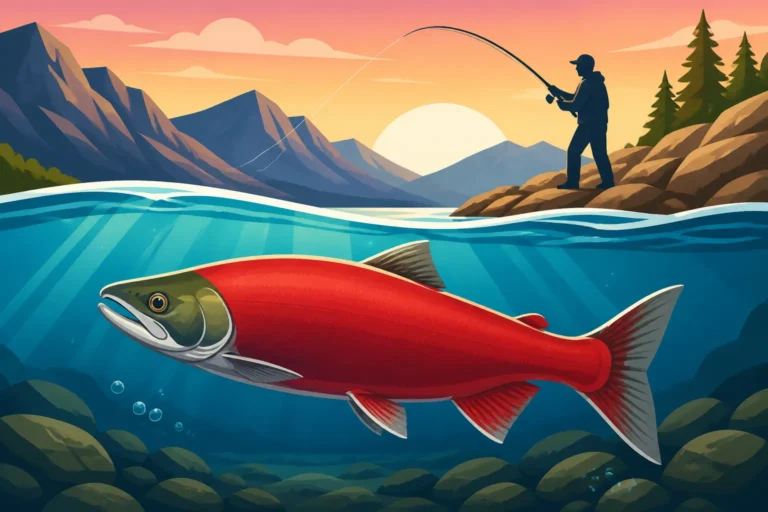
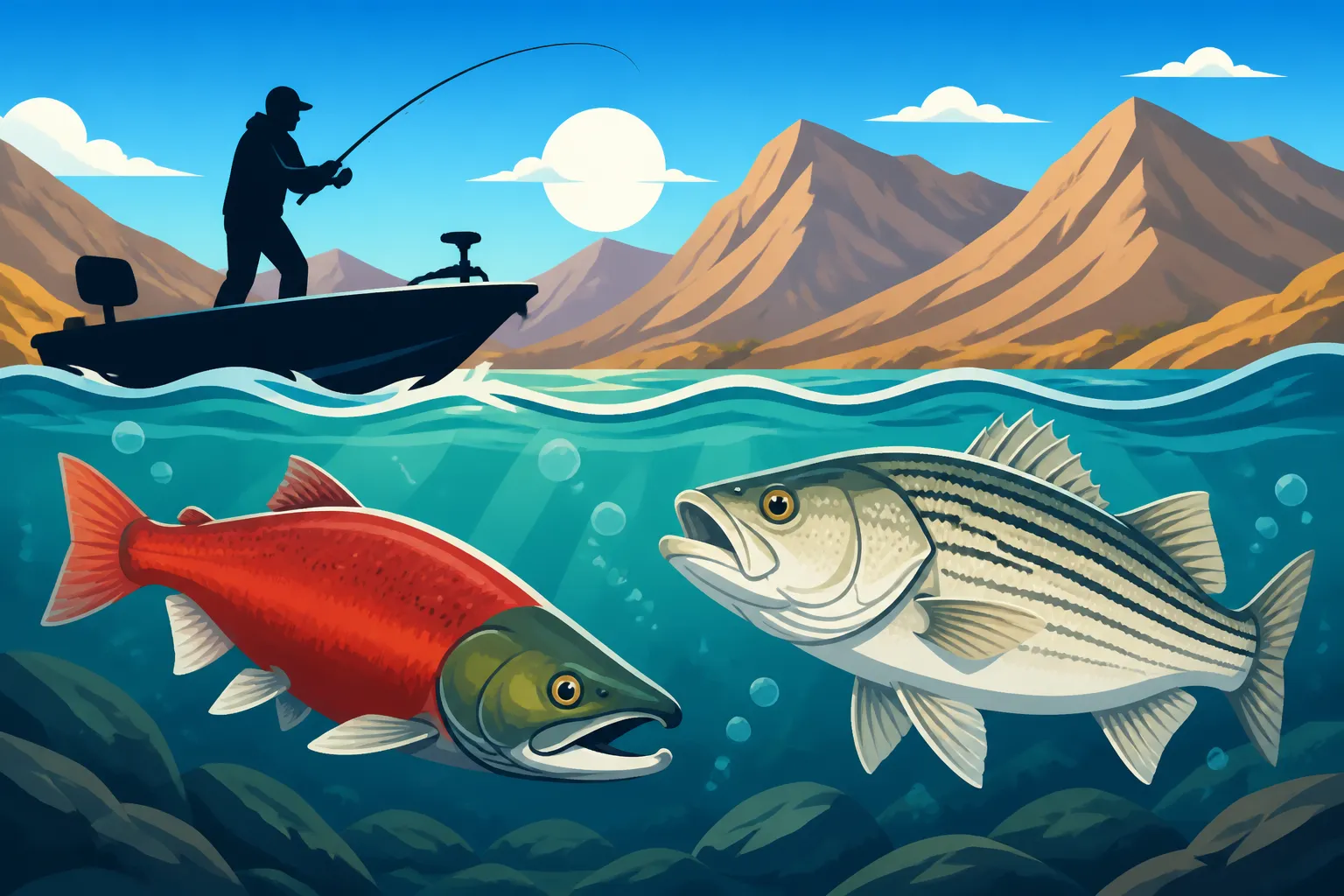
Unlike their ocean-going sockeye cousins, kokanee salmon spend their entire lives in freshwater. They are typically much smaller than anadromous sockeye, generally ranging from 10 to 18 inches in length in Nevada, though larger specimens are certainly caught. Their bodies are streamlined, and their scales often have a silvery sheen, especially when they are younger and actively feeding. As they approach spawning, however, their appearance undergoes a dramatic transformation. Males develop a pronounced humped back and a hooked jaw (kype), while both sexes turn a vibrant, almost shocking, crimson red, with green heads. This striking coloration is a clear sign that the spawning season is upon them, and their life cycle is drawing to a close after a few years. It's truly one of nature's marvels to witness this change.
Their diet primarily consists of zooplankton, tiny crustaceans, and insect larvae, making them filter feeders for much of their lives. This diet is a major reason they are so challenging to catch – they aren't typically hunting larger baitfish like bass or trout. Instead, they require anglers to present very small, subtle offerings that mimic their natural food source or entice a predatory strike during certain feeding windows. Understanding this dietary preference is crucial for selecting the right lures and baits, which tend to be small and often involve scents to draw them in. They are also known for schooling tightly, so if you find one, you're likely to find more.
Where to Find Kokanee Salmon in Nevada
While not as widespread as some other trout species, Nevada boasts a few prime locations where kokanee salmon thrive, largely due to successful stocking programs by the Nevada Department of Wildlife (NDOW). These fish need deep, cold, well-oxygenated water, which limits their habitat to specific reservoirs and lakes. One of the most popular and productive kokanee fisheries is Lake Tahoe. Here, they are a staple, often targeted by anglers employing specialized trolling techniques. The crystal-clear, deep waters of Lake Tahoe provide ideal conditions for these salmon, supporting a healthy population that grows to impressive sizes.
Another excellent spot for kokanee is Wildhorse Reservoir in northeastern Nevada. This expansive body of water offers a different angling experience, often more remote and tranquil. Wildhorse is known for producing good numbers of kokanee, especially during the peak seasons, making it a favorite among those willing to venture a bit further. Other smaller reservoirs and even some high-mountain lakes may also hold kokanee populations, though they might be less publicized. Always check the latest Nevada Fishing Regulations Explained or local NDOW reports for specific stocking information and any new opportunities. The key is seeking out those deeper, cooler sections of these lakes.
The Life Cycle and Habits of Nevada Kokanee
The life cycle of kokanee salmon is a fascinating, yet ultimately tragic, journey spanning typically three to four years. They hatch from eggs laid in gravel beds, usually in tributary streams or along lake shoals with adequate water flow, during the fall and early winter. For their first few years, they live a pelagic existence, schooling in the open, deep waters of the lake, constantly feeding on zooplankton to grow. This is their primary feeding phase, where they build up the energy reserves necessary for their final, monumental act.
As they approach maturity, usually in their third or fourth year, a powerful biological urge takes over. The kokanee stop feeding and begin their dramatic transformation. Their bodies change color from silver to vibrant red, their jaws hook, and their internal organs begin to shut down as their reproductive systems take over. They migrate to their spawning grounds, which can be rivers flowing into the lake or specific shallow areas within the lake itself. This journey is their last burst of energy. Once the eggs are laid and fertilized, both males and females die, having completed their life's purpose. This semelparous (single reproductive effort) strategy means that the population relies heavily on successful spawning each year and consistent stocking programs in many areas. Understanding this life cycle helps anglers predict their movements and feeding behaviors, knowing that once they turn red, they are no longer actively feeding, making them very difficult to catch ethically or successfully.
Techniques for Catching Nevada Kokanee
Catching kokanee salmon is often described as an art form. It requires patience, precision, and the right gear. These fish are sensitive and shy, making their pursuit a rewarding challenge. If you're used to casting big lures for bass, you'll need to adjust your approach significantly.
Essential Gear for Kokanee Angling
To successfully target kokanee, you'll need specialized gear that focuses on sensitivity and subtlety. A light to ultra-light action spinning rod, typically 6 to 7 feet long, paired with a small, sensitive spinning reel, is ideal. This setup allows you to feel the delicate bites and handle the light line often required. Monofilament or fluorocarbon lines in the 4-8 pound test range are commonly used, with many anglers preferring fluorocarbon leaders for its invisibility underwater. The key is to present your offering as naturally as possible.
When it comes to terminal tackle, small is the name of the game. Tiny, single-point hooks, often size 4 or 6, are standard. Kokanee fishing setups usually involve an attractor, such as a dodger or a small, flashy spinner, followed by a short leader (12-24 inches) to a small lure or bait. Popular lures include mini hoochies (small squid skirts), wedding rings, and tiny spoons in bright, reflective colors like pink, orange, or chartreuse. Scent is also incredibly important, and many anglers tip their hooks with shoepeg corn, often soaked in kokanee-specific attractants like Pro-Cure or Pautzke's Bait Fuel. You can find a wide array of these specialized lures and scents on Amazon, making it easy to stock up before your trip. For depth control, downriggers are indispensable for trolling kokanee, allowing you to present your lures precisely at the depth where fish are holding.
Trolling Strategies for Kokanee Success
Trolling is by far the most effective method for consistently catching kokanee salmon in Nevada's larger lakes. These fish tend to suspend in open water, often at specific depths where the water temperature and zooplankton concentrations are ideal. The first step is to locate these schools, which often requires a good fish finder. Once you've identified a depth range, you'll use downriggers to get your lures to that exact level. Speed is critical; kokanee prefer a slow, subtle presentation, typically trolling at speeds between 1.0 and 1.8 miles per hour. Experiment with slight variations in speed, as even a quarter of a mile per hour can make a difference.
The presentation itself is crucial. Dodgers or flashers are used to create an erratic, wounded-baitfish action that attracts kokanee from a distance, while the small lure or baited hook trailing behind provides the actual strike target. The short leader between the dodger and lure is important to allow the lure to dance naturally without being directly impacted by the dodger's movement. Pay close attention to your rod tip – kokanee bites can be incredibly subtle, sometimes just a slight tap or a momentary bend in the rod. Don't be too quick to set the hook; let the fish take the bait fully. When you're trolling, constantly watch your electronics for signs of fish, and be prepared to adjust your depth and speed frequently. It's a continuous process of fine-tuning.
Shore Fishing and Jigging for Kokanee
While trolling is dominant, shore fishing and jigging for kokanee can be productive under the right conditions, especially during the early morning or late evening hours, or when fish are congregating closer to shore. Shore anglers often target areas where kokanee might be staging before a spawn or moving into shallower water to feed. A long, light-action rod can help cast small, weighted lures or a slip bobber rig with corn far from shore. The challenge from shore is reaching the depths where kokanee typically suspend, but during certain times of year, they do come within casting range, particularly in areas with a quick drop-off.
Jigging is another technique that can be surprisingly effective, especially if you have a boat and can position yourself directly over schools of fish marked on your sonar. Small, slender jigs, typically 1/8 to 1/4 ounce, in metallic or brightly colored finishes, are lowered to the depth of the fish. A slow, subtle jigging action – a gentle lift and fall – is usually all that's needed to entice a strike. Just like with trolling, scent is a major advantage, and tipping your jig with a small piece of corn or a Berkley Gulp! Maggot can significantly increase your success rate. This method can be particularly exciting, as the takes can be sharp, and you're actively engaging with the fish location rather than just covering water.
Wiper Bass: The Hybrid Powerhouse
Switching gears entirely, let's talk about the incredible wiper bass – a fish that brings a whole new level of excitement to Nevada fishing. If you love a hard fight and aggressive strikes, wipers are absolutely a species you need to experience. They're built for power and speed, offering a memorable battle on the end of your line.
Unpacking the Wiper Bass Hybrid
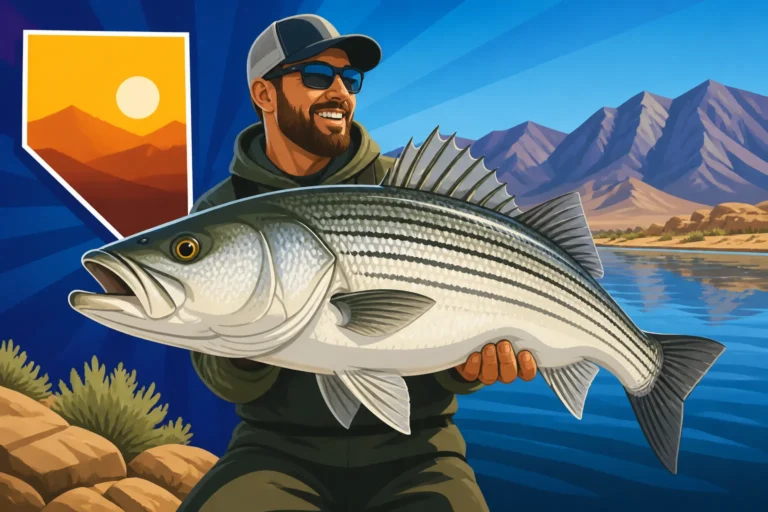
So, what exactly is a wiper bass? It's a hybrid fish, a cross between a striped bass (also known as a striper) and a white bass. This genetic blend creates an incredibly fast-growing, aggressive, and hard-fighting fish that possesses the best attributes of both parent species. Wipers often exhibit the powerful, long runs of a striped bass but can also have the schooling tendencies and the broad, deep body shape of a white bass. Visually, they have dark, broken horizontal stripes running along their silvery bodies, distinguishing them from the more solid, unbroken lines of a pure striper.
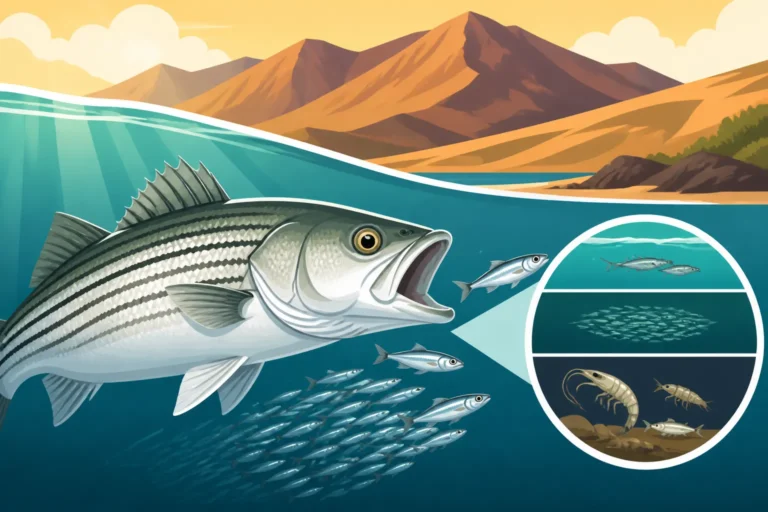
The primary reason wipers are stocked in many reservoirs is their voracious appetite. They are excellent at controlling populations of nuisance baitfish like gizzard shad, turning an abundant food source into trophy-sized game fish. This makes them a valuable component of a healthy reservoir ecosystem. They grow quickly and can reach impressive sizes, often exceeding 10 pounds in well-managed fisheries. Their aggressive nature and willingness to chase down lures make them a favorite among anglers looking for an action-packed day. The fight they put up is legendary, often involving powerful head shakes and determined dives. For more on identifying these impressive hybrids, check out Wiper Hybrid Bass Identification.
Prime Nevada Waters for Wiper Bass
While not as widespread as some other species, Nevada has some fantastic wiper bass fisheries, with the Colorado River system being the epicenter. Lake Mohave is arguably the top destination for wipers in Nevada. The lake's clear waters and abundant forage, particularly threadfin shad, create an ideal environment for these hybrids to thrive and grow to impressive sizes. Anglers regularly target wipers around structure, along points, and in open water schools at Lake Mohave. The sheer size and fighting spirit of Lake Mohave wipers draw anglers from all over.
Lake Mead, while more famous for its striped bass, also holds a population of wipers. While perhaps not as concentrated as in Mohave, anglers targeting stripers often hook into wipers as well, adding a thrilling surprise to their day. Other smaller reservoirs and even some urban ponds that are part of the Colorado River distribution system might occasionally see wipers, especially if they are stocked to control baitfish. As always, consulting local NDOW stocking reports and talking to bait shop owners or guides can provide the most current information on where the wiper action is hot. These fish are powerful, so make sure your gear is up to the task when heading to these prime locations.
Wiper Behavior and Preferred Habitats
Wiper bass are opportunistic predators with a highly active lifestyle. They are known for their schooling behavior, often hunting in packs to ambush baitfish. This makes them incredibly fun to target because if you find one, you're likely to find many. Their preferred habitat includes open water where they can chase schools of shad, but they also relate to structure such as submerged humps, points, drop-offs, and channel edges, particularly during transition periods or when baitfish are holding in these areas.
They are highly attuned to temperature and dissolved oxygen levels, moving to depths that offer optimal comfort and feeding opportunities. In warmer months, they might be found deeper in the water column during the day, moving shallower at dawn and dusk to feed. During cooler periods, they may remain in shallower zones for longer. Look for signs of surface activity – boiling water or birds diving – which often indicate a "striper boil" or "wiper boil" where they are aggressively pushing baitfish to the surface. This is one of the most exciting experiences in fishing, a true adrenaline rush as they smash bait on topwater. Understanding these behaviors is key to locating and catching these powerful hybrids, ensuring you're fishing where they're most likely to be actively feeding.
Effective Strategies for Landing Wiper Bass
Wiper bass are aggressive, but that doesn't mean they're always easy to catch. They are powerful fighters that will test your tackle and your angling skills. Having the right approach can make all the difference in turning a tough day into a triumph.
Tackle and Lure Choices for Wipers
Given their size and fighting prowess, you'll want to use medium to medium-heavy action spinning or baitcasting rods, typically 6.5 to 7.5 feet in length. Pair these with robust reels spooled with 10-20 pound test monofilament, fluorocarbon, or braided line. Many anglers prefer braided line for its sensitivity and strength, often adding a fluorocarbon leader for abrasion resistance and stealth. The powerful runs of a wiper can easily break lighter lines or quickly wear down your drag, so sturdy tackle is a must.
When it comes to lures, wipers hit hard and are attracted to anything mimicking their primary forage: shad. Lipless crankbaits, swimbaits, jerkbaits, and topwater lures are all highly effective. Colors that imitate shad, like chrome, white, silver, and blue, are excellent starting points. On Amazon, you'll find a wide selection of these lures from various reputable brands. During a "boil" or when fish are aggressively feeding on the surface, throwing large topwater poppers or walk-the-dog style baits can lead to explosive, heart-stopping strikes. For deeper-holding fish, heavy spoons or jigs can be dropped down and jigged vertically. It's often a good idea to have a variety of lures on hand to match different conditions and wiper moods.
Casting and Retrieval Techniques
Wipers are often caught by casting and retrieving lures that mimic baitfish. If you see signs of a boil, cast your lure directly into the chaos. With topwater lures, a fast, erratic retrieve that splashes and darts will often draw aggressive strikes. For lipless crankbaits or swimbaits, vary your retrieve speed; a fast, steady retrieve with occasional pauses can be very effective. Sometimes, a "stop and go" retrieve, allowing the lure to fall and then ripping it back, will trigger a reaction strike from following fish.
Jigging is another highly effective technique, especially when wipers are holding deep or near structure. Vertical jigging with heavy spoons or blade baits allows you to present a lure directly to suspended schools. A common technique is to drop the jig to the desired depth, then sharply lift and let it flutter back down on a semi-slack line. Many strikes occur on the fall, so pay close attention to any sudden slack or twitch in your line. When you hook a wiper, be prepared for a strong fight. They often make powerful initial runs, so keep your drag properly set and be ready to battle. Don't be surprised if your rod bends dramatically and your reel screams!
Live Bait and Chumming Tactics
While artificial lures are incredibly effective for wipers, live bait can sometimes be the ticket, especially when the bite is tough. Live shad or shiners, if legal to use in your area, are irresistible to wipers. These can be fished on a simple Carolina rig near the bottom, suspended under a bobber in open water, or even slow-trolled. The natural movement and scent of live bait can entice even the most reluctant wipers. Always check local regulations regarding live bait use, as rules vary by water body and region.
Chumming can also be a game-changer for wipers, drawing them into your fishing area and keeping them interested. This typically involves cutting up small pieces of anchovies, shad, or other oily baitfish and tossing them into the water. The scent trail and visual disturbance can attract schooling wipers from a distance. Once they arrive, you can then present your live bait or artificial lures within the chum line. Many anglers will use a chum dispenser, often made from a perforated bucket, to slowly release chum into the water column. While chumming can be highly effective, it's essential to do so responsibly and check for any specific regulations or restrictions on chumming in the waters you're fishing. For more detailed insights on using bait for related species, refer to Best Bait for Pyramid Lake Cutthroat or Best Bait for Nevada Trout.
Seasonal Considerations for Both Species
Understanding the seasonal movements and behaviors of kokanee salmon and wiper bass is paramount to consistent success. Nevada's diverse climate, from high mountain lakes to desert reservoirs, means fish react differently throughout the year.
Best Seasons for Kokanee Salmon Fishing
Kokanee salmon fishing in Nevada typically heats up in the late spring and continues through the summer and into the early fall. The key is finding them at their preferred depth, which changes with the seasons. In spring, as ice comes off high-elevation lakes, kokanee might be found closer to the surface as the water warms evenly. As summer progresses and surface temperatures rise, they will retreat to deeper, cooler waters, often suspending in the thermocline – the layer where warm surface water meets cold deep water. This is when downriggers become absolutely essential for precise depth control.
Late summer and early fall bring the beginning of the kokanee spawn. While this is a visually spectacular time as they turn vibrant red, it's generally not the best time for active fishing as the fish stop feeding and are focused solely on reproduction. Regulations often shift during this period, with some areas closing or having different limits to protect spawning fish. The sweet spot for catching actively feeding kokanee is usually from May to August, but this can vary by specific lake elevation and local conditions. Always consult the Nevada Fishing Seasons by Month guide for general information, and then dial in the specifics for your chosen lake.
Targeting Wipers Throughout the Year
Wiper bass, being warm-water hybrids, are generally most active and aggressively feeding during the warmer months, from late spring through early fall. As water temperatures rise, their metabolism speeds up, and they become highly predatory. This is when you'll see those explosive topwater boils, particularly at dawn and dusk. During the heat of summer, wipers may move to deeper, cooler water during the day, much like other bass species, becoming more active in the low light hours.
However, wipers can still be caught in cooler temperatures. In late fall and early winter, as water temperatures begin to drop, wipers will often school up tightly and move to deeper main lake points, humps, and channels. They may not be as aggressive, but a slow-jigged spoon or a subtle swimbait can still entice strikes. Ice fishing for wipers is also possible on lakes that freeze over, though it requires specialized gear and understanding of ice safety. During these colder periods, their metabolism slows, so a slower, more deliberate presentation is often more effective. Their year-round activity makes them a versatile target, adapting your approach to the season is key.
How Weather and Water Conditions Impact Fishing
Weather and water conditions play a huge role in the success of both kokanee salmon and wiper bass fishing. For kokanee, consistent calm weather is often preferred. Bright sun and flat calm days can push them deeper, but gentle overcast conditions can sometimes encourage them to rise slightly in the water column. Any major shifts in barometric pressure, like an approaching storm, can make them less active. Water clarity is also a factor; kokanee thrive in clear, oxygenated water.
Wiper bass, on the other hand, can be a bit more tolerant of varied conditions. Overcast days or periods of light chop on the water can actually improve the bite by breaking up the surface and making baitfish more vulnerable. Strong winds can make boat control difficult, but they can also create current and oxygenation that activate baitfish and, consequently, wipers. Water levels, which can fluctuate dramatically in Nevada's reservoirs, also impact both species by changing access to structure and forage. Falling water levels can make fish more concentrated but also more wary. Always check the current weather forecast and water conditions for your chosen Best Places to Fish in Nevada before heading out.
Conservation and Responsible Angling
As passionate anglers, it's our shared responsibility to ensure the health and sustainability of Nevada's diverse fisheries, including the unique populations of kokanee salmon and wiper bass. Practicing responsible angling helps preserve these opportunities for future generations.
Regulations and Limits for Kokanee and Wipers
Before casting a single line, it is absolutely crucial to be familiar with the current Nevada Department of Wildlife (NDOW) fishing regulations. These regulations are designed to manage fish populations, ensure sustainable harvests, and protect sensitive spawning areas or endangered species. Kokanee salmon and wiper bass often have specific bag and possession limits that can vary by water body and change seasonally. For example, some lakes might have a more restrictive limit on kokanee due to specific management goals, or there might be different rules during their spawning period.
It's not uncommon for special regulations to be in place for hybrid species like wipers or for specific areas. The annual NDOW Fishing Guide is your best resource for this information, available online and at most license vendors. Pay close attention to any size limits, daily possession limits, or tackle restrictions (e.g., barbless hooks, bait restrictions) that might apply to the specific lake you're visiting. Ignoring these rules not only risks fines and penalties but also harms the long-term health of the fishery. Always check the Nevada Statewide Bag Limits Explained and any specific regulations for your chosen body of water.
Catch and Release Practices
While harvesting fish for the table is a time-honored tradition, practicing catch and release for some or all of your catch is a vital conservation tool, especially for larger, older fish that are important for breeding. This is particularly relevant for species like kokanee salmon, where the emphasis might be on the experience rather than the harvest, or for wipers, where releasing a trophy-sized fish can help maintain a healthy population of large predators. If you plan to release fish, proper handling techniques are paramount to ensure their survival.
Minimize the time the fish is out of the water. Handle the fish gently with wet hands to avoid removing their protective slime coat. Use a knotless, rubberized landing net, which is much less damaging to scales and fins than traditional nylon nets. If the fish has swallowed the hook, cut the line as close to the hook as possible rather than attempting to rip it out. For kokanee, especially those nearing their spawn, extreme care is needed, as they are already under immense stress. Supporting the fish gently in the water and allowing it to recover before swimming off on its own vastly increases its chances of survival.
Protecting Nevada's Unique Fisheries
Beyond individual catch and release, broader efforts are needed to protect Nevada's unique aquatic ecosystems. One of the biggest threats to these fisheries is the introduction of invasive species. Quagga and zebra mussels, for instance, can devastate an ecosystem, altering the food web and impacting native and stocked fish populations. Always practice "Clean, Drain, Dry" protocol for your boat and gear every time you move between water bodies to prevent the spread of these destructive invaders. This simple act of prevention is one of the most impactful things an angler can do.
Support for organizations like the NDOW and local conservation groups is also vital. These entities conduct critical research, manage stocking programs, and enforce regulations that protect our waters. Participating in volunteer cleanups, adhering to all boating safety regulations, and educating fellow anglers about responsible practices all contribute to the long-term health of Nevada's fishing future. These fish species, kokanee salmon and wiper bass, represent fantastic angling opportunities that we all need to work together to preserve.
Comparing Kokanee Salmon and Wiper Bass Fishing Experiences
When you consider adding kokanee salmon and wiper bass to your Nevada fishing repertoire, you're not just adding new species; you're opening yourself up to entirely different angling adventures. Each fish offers distinct challenges and rewards, appealing to different facets of the fishing experience.
Unique Challenges and Rewards
Kokanee salmon fishing is a game of finesse, patience, and precision. The challenge lies in their notoriously subtle bites and their preference for tiny, often scented, offerings. It requires an angler to pay close attention to depth, trolling speed, and the delicate feel of a take. The reward, however, is immense: the thrill of hooking into a hard-fighting fish on light tackle, the beautiful aerial acrobatics they sometimes display, and the satisfaction of mastering a highly specialized technique. And of course, the vibrant red hues of a spawning kokanee are a visual spectacle that's truly unforgettable. It's a deep dive into the art of trolling and subtle presentation.
Wiper bass fishing, on the other hand, is about power, aggression, and explosive action. The challenge is locating their fast-moving schools and being ready for a sudden, brutal strike. When you find them, especially during a topwater boil, the chaos and adrenaline are unparalleled. The reward is a relentless, drag-screaming fight that will test your tackle and strength. Wipers offer a more "seek and destroy" type of fishing, where powerful casts and aggressive retrieves often yield the best results. It's an experience that leaves your arms tired and your heart pounding.
Family-Friendly Aspects of Each Fishery
When planning a family fishing trip, both kokanee and wipers offer unique appeal. Kokanee fishing, with its emphasis on trolling, can be a great way to spend a peaceful day on the water with family. Kids can take turns monitoring the rods, watching for those subtle bites, and reeling in fish. The steady pace of trolling can be relaxing, and the fight of a kokanee, while spirited, is manageable for younger anglers. Plus, the sight of a flashing dodger or a brightly colored lure can capture their imagination. It's a fantastic way to introduce kids to boat fishing and the joy of anticipation.
Wiper bass fishing, particularly during a surface feeding frenzy, offers sheer excitement that can electrify young anglers. The visual spectacle of fish crashing the surface, combined with the hard strikes, makes for an unforgettable experience that can hook kids on fishing for life. While the fight might be a bit much for very small children, older kids and teenagers will absolutely love the challenge and the raw power of a wiper. For family trips, consider spots like Lake Mohave where the chances of encountering active wipers are high, or even some Las Vegas Nevada Urban Pond Fishing Guide if they're stocked with related species, ensuring a day packed with action and excitement for all ages.
Gear Differences and Investments
The gear requirements for kokanee and wiper fishing highlight their different approaches. For kokanee, the investment is primarily in specialized trolling equipment: light action rods, sensitive reels, small lures, dodgers, and most significantly, downriggers for depth control. This setup prioritizes finesse and precise presentation. While you can start with a basic trolling setup, serious kokanee anglers often invest in sophisticated electronics to locate schools and multiple downrigger setups. You can find many of these items, from basic rods to advanced fish finders, on Amazon.
For wiper bass, the focus is on robust, powerful tackle. Medium-heavy rods, strong reels, and heavier lines are key to handling their aggressive strikes and powerful runs. Lure selection leans towards larger, baitfish-imitating presentations like crankbaits, swimbaits, and heavy jigs. While a boat is often advantageous for chasing schools, shore anglers can also have great success with proper casting gear. The good news is that much of the tackle used for wipers can also overlap with general bass or striped bass fishing, making it a versatile investment. You can explore a range of suitable rods, reels, and lures specifically designed for aggressive fighting fish on Amazon. Ultimately, understanding these distinctions helps you prepare for the unique experiences each species provides, ensuring you have the right tools for the job.
| Feature | Kokanee Salmon (Landlocked Sockeye) | Wiper Bass (Striped x White Bass Hybrid) |
|---|---|---|
| Typical Size | 10-18 inches (up to 20+ inches in prime waters) | 1-10+ pounds (often larger than parent white bass) |
| Identification | Silvery with few spots, bright red during spawn; hooked jaw in males | Silvery with broken dark horizontal stripes; deep body |
| Primary Diet | Zooplankton, small insects | Baitfish (shad, shiners), opportunistic predator |
| Preferred Habitat | Deep, cold, clear, oxygenated lakes; suspend in open water | Reservoirs, lakes; open water schools, structure, points |
| Primary Technique | Trolling with downriggers, small lures, dodgers, scented corn | Casting lures (crankbaits, swimbaits, topwater), jigging, live bait |
| Fight Style | Finicky bite, strong runs on light tackle, often jump, good table fare | Aggressive strike, powerful, sustained runs, hard fighting |
| Best Seasons | Late Spring to early Fall (before spawn) | Warmer months (Spring-Fall), active year-round with adaptation |
| Key Gear | Light rod, small reel, downriggers, dodgers, tiny lures, scent | Medium-heavy rod, strong reel, robust lures (shad imitations), braided line |
| Conservation Aspect | Vulnerable during spawn; proper handling crucial for release | Sustainable if harvested responsibly; good for controlling baitfish |
Disclaimer
This article is for general informational purposes only and does not constitute professional advice. Laws, prices and regulations vary by location and change over time. Consult a qualified professional for guidance on your specific situation.