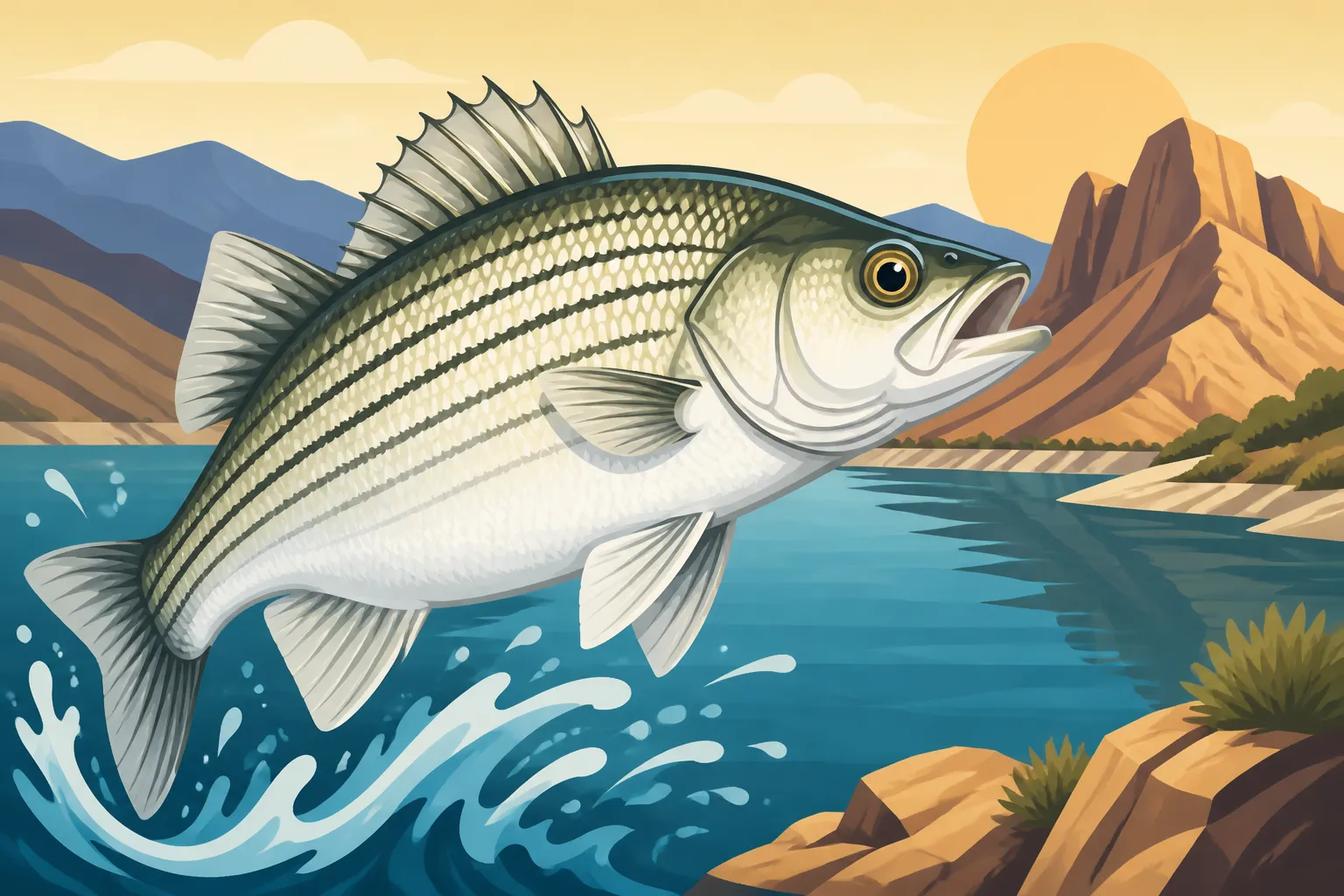
White Bass in Nevada Reservoirs
Oh, the humble white bass! Sometimes they get a bit overlooked here in Nevada, often mistaken for their larger striped cousins or just considered "too small" by some anglers. But let me tell you, if you've ever hooked into a school of actively feeding white bass, you know they offer some of the most consistent, fast-paced, and downright fun fishing experiences around. This guide is dedicated to bringing these feisty fighters into the spotlight, helping you understand where they live, what makes them tick, and how to fill your cooler with them across Nevada's amazing reservoirs.
Unraveling the Mystery of White Bass in Nevada's Waters
It's easy to dismiss a fish you don't fully understand, especially when other trophy species like Lahontan cutthroat trout or monstrous striped bass steal the show. But white bass are a fantastic game fish in their own right, and a little knowledge goes a long way in appreciating these tenacious predators.
What Exactly is a White Bass? Identification and Key Features
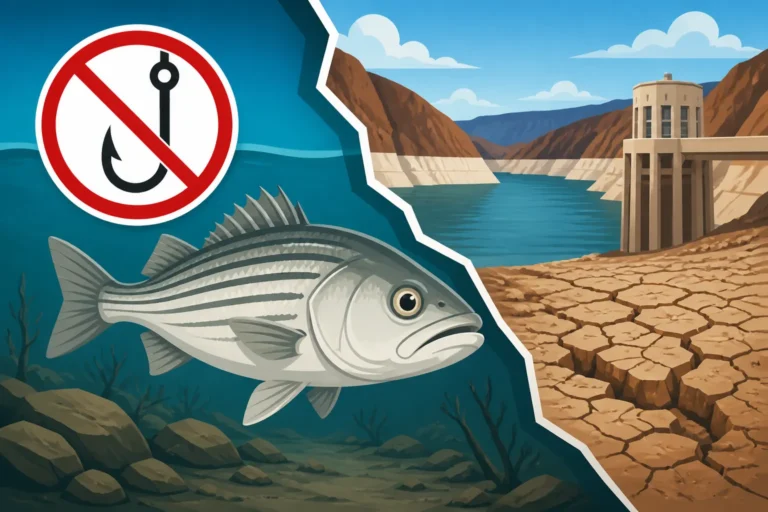
White bass ( Morone chrysops) are often confused with young striped bass, and it's an understandable mix-up, given their similar appearance. Both are silvery with dark horizontal stripes. However, white bass typically have a deeper body profile for their length compared to the more torpedo-shaped striped bass. Their stripes are also usually fainter, and the most reliable distinguishing feature is that on a white bass, only one stripe extends unbroken from head to tail. On a striped bass, multiple stripes typically reach the tail.
Another key identifier lies in their dorsal fins. White bass possess two distinct dorsal fins, one spiny and one soft-rayed, that are either barely connected or completely separate. Striped bass, in contrast, have two clearly separated dorsal fins. This subtle anatomical difference is a dead giveaway once you know what to look for. They typically range from 10 to 15 inches and weigh between 1 and 2 pounds, making them a perfect catch for a light spinning rod setup.
While they may not reach the behemoth sizes of a trophy striped bass, don't let their average dimensions fool you. White bass are pound-for-pound fighters, often displaying incredible bursts of energy and dogged resistance, especially when hooked in open water. They pull hard and consistently, making them a thrilling catch for anglers of all skill levels. If you're looking to identify other Nevada species, our Nevada Fish Species Guide can help clear up any confusion!
A Look at Their History: Native Status and Introduction
Unlike native fish like the Lahontan cutthroat trout, white bass are not indigenous to Nevada's waters. They are native to the central and eastern United States, primarily in the Mississippi River basin and Gulf Coast drainages. Their presence in Western states like Nevada is a result of intentional introductions, often for sport fishing purposes and as a forage base for larger predatory fish in reservoirs.
These introductions typically occurred decades ago, with fish being stocked from other regions where they were abundant. Once established, white bass proved to be highly adaptable and prolific, thriving in large reservoir environments. They quickly established self-sustaining populations, demonstrating their resilience and ability to colonize new habitats effectively.
While some non-native species can negatively impact local ecosystems, white bass, in established reservoirs, generally integrate well. They typically prey on small baitfish like shad, which are often also introduced species. Their aggressive feeding habits and rapid reproduction rates mean they can provide excellent sport fishing opportunities without typically outcompeting native species that occupy different ecological niches.
Where They Thrive: Preferred Habitats and Schooling Behavior
White bass are creatures of the open water, often referred to as "pelagic" fish. While they will venture into shallower areas during their spawn, their primary domain is the main body of large reservoirs, especially around areas with good current or underwater structure. Think main lake points, submerged humps, deep creek channels, and areas where baitfish congregate.
Their lives revolve around finding and feeding on schools of baitfish, primarily gizzard and threadfin shad in Nevada's warmer reservoirs. This means they are highly mobile, following these baitfish wherever they go. One of the most exciting aspects of fishing for white bass is their strong schooling behavior. When you find one white bass, you've likely found a whole school!
This schooling tendency often leads to spectacular "boils" or "jumps," where large schools of white bass (and sometimes striped bass or wipers) push baitfish to the surface, creating a feeding frenzy that can be seen from a distance. These events are a visual angler's dream, signaling prime fishing opportunities. Understanding their preferred habitat and schooling patterns is key to consistently locating these feisty fish.
Pinpointing White Bass Hotspots in the Silver State
Knowing what white bass are is one thing, but knowing where to consistently find them in Nevada's vast and varied waters is the real trick. While they aren't in every pond or river, specific reservoirs offer fantastic opportunities.
Major Reservoirs Where White Bass Roam
When we talk about white bass in Nevada, one name often comes to mind immediately: Lake Mohave. This beautiful stretch of the Colorado River, situated between Hoover Dam and Davis Dam, is a prime location for white bass. They thrive in its clear, productive waters, alongside its famous striped bass populations. Anglers frequently encounter them throughout Lake Mohave, from the upper reaches near Willow Beach down to the lower sections around Cottonwood Cove.
Lake Mead, historically, also had white bass, but the much larger and more aggressive striped bass eventually became the dominant species, and white bass populations are less commonly targeted there now. Other smaller reservoirs or certain river sections connected to the Colorado River system might hold populations, but Lake Mohave stands out as the most consistent and well-known white bass fishery in Nevada. It's a fantastic destination if you're specifically targeting these eager biters. If you're planning a trip, our Lake Mohave Nevada Fishing Guide offers more specific insights into this incredible body of water.
It's important to manage expectations, though. Not every reservoir in Nevada is suitable for white bass. They generally prefer larger, warmer bodies of water with abundant baitfish. You won't find them in high-mountain trout lakes, for example. Always check the local regulations for specific waters, as species lists can vary. Focusing your efforts on known white bass strongholds will dramatically increase your chances of success.
Tracking Their Moves: Seasonal Patterns
White bass, like many fish, exhibit distinct seasonal movements driven by spawning urges, water temperature, and baitfish availability. Understanding these patterns is crucial for consistent success.
In the spring, as water temperatures begin to rise (typically in the 50s to low 60s Fahrenheit), white bass initiate their spawning run. They move from deeper, open water into shallower coves, tributary arms, and upstream river sections with some current, where they broadcast their eggs over rocky bottoms or submerged vegetation. During this period, they are highly concentrated and aggressive, making them relatively easy to target from shore or a boat in shallower water. This is often when you'll find some of the biggest concentrations.
As summer fully sets in and water temperatures climb into the 70s and 80s, white bass retreat to deeper, cooler, more oxygenated waters in the main lake. They'll often suspend over submerged humps, points, and channel edges, following schools of shad. Early mornings and late evenings are prime times, as they frequently push baitfish to the surface in those classic "boils." During the heat of the day, they'll often be deeper, making a good fish finder invaluable. Our Best Time of Year to Fish in Nevada guide can provide broader context for seasonal patterns across species.
During the fall, as temperatures cool down, white bass become incredibly active once again. They're trying to put on weight for the winter, and baitfish are also migrating. This can be one of the best times to fish, as they continue to chase shad aggressively, often leading to prolonged feeding frenzies in open water. They might move into slightly shallower water than in summer, especially during overcast days.
Finally, in winter, white bass become more lethargic and tend to hold in deeper, more stable temperature zones. They'll still feed, but often closer to the bottom or tightly schooled. Vertical jigging or slow-trolling deep can still yield results, but the action is generally slower than in the warmer months. It's a time for patience and precise bait presentation.
From Shore to Boat: Accessing White Bass
Whether you're a landlocked angler or have a fully rigged bass boat, there are ways to access white bass in Nevada. The method often depends on the season and the specific body of water you're fishing.
Shore fishing for white bass is most productive during the spring spawn. During this period, white bass move into accessible shallow coves, creek mouths, and riverine sections that anglers can reach from the bank. Casting small spoons, spinners, or soft plastics is effective. Look for areas with a gentle current, rocky bottom, and perhaps some submerged structure where they might lay their eggs. Access points around Lake Mohave, especially in its northern sections, can provide excellent shore fishing opportunities during the spring. Our Bank Fishing Techniques for Desert Lakes might offer some useful pointers for this style of fishing.
For boat anglers, the possibilities for white bass are much broader, especially outside of the spring spawn. A boat allows you to cover vast expanses of open water, chase active feeding schools (boils!), and target deep-water structure that's inaccessible from shore. A good fish finder is almost essential for boat fishing, as it helps locate schools of baitfish and the white bass holding beneath them. You can troll, cast, or vertical jig, opening up many different tactics. Even a small jon boat or kayak can be incredibly effective for reaching prime white bass territory, especially if you're comfortable operating on larger water bodies like Lake Mohave.
Regardless of your chosen method, pay close attention to any visible signs of feeding activity—diving birds, splashing baitfish, or surface boils. These are often the clearest indicators that white bass are actively hunting and provide your best chance for non-stop action.
Mastering the Art of Catching White Bass
Now that we know what they are and where to find them, let's talk about the fun part: catching them! White bass are aggressive and not typically finicky, making them an excellent target for anglers looking for consistent bites.
Top Lures and Baits for Aggressive Strikes
White bass are primarily sight feeders and react well to lures that imitate their main forage: shad. This means bright, flashy, and fast-moving presentations are often key.
Small metal spoons, like a Kastmaster or Little Cleo, in silver, gold, or white, are absolute killers for white bass. They cast a mile, sink quickly, and have an irresistible flash and wobble. A simple cast-and-retrieve with an erratic jerk will often entice strikes. Many anglers swear by these for open-water casting or even jigging vertically. If you're browsing on Amazon, you'll find a wide selection of these classic spoons.
Spinnerbaits and inline spinners are another fantastic choice. Small Roadrunners with a white or chartreuse grub trailer are highly effective, especially when white bass are slightly shallower or near structure. Inline spinners, like a Rooster Tail or Mepps Aglia, in small sizes (1/8 to 1/4 ounce) are also great for their flash and vibration.
Small crankbaits that mimic shad are excellent for trolling or casting. Look for shallow to medium diving crankbaits in chrome, white, or shad patterns. Rapid retrieval or trolling at a decent speed will often trigger a reaction strike. You can find some great multi-packs of these on Amazon too.
Finally, soft plastics on jig heads, particularly small grubs, swimbaits, or flukes in white, chartreuse, or clear with glitter, can be deadly. Rigged on a 1/8 to 1/4 ounce jig head, they can be cast and retrieved or vertical jigged. And don't forget live bait: small minnows or shad, if legal and available, are almost always irresistible to white bass. These are similar to some of the Best Lures for Striped Bass, but usually in smaller sizes.
Your Go-To Gear: Rods, Reels, and Line
You don't need heavy-duty gear for white bass; in fact, lighter tackle makes the fight even more exhilarating!
A light to medium-light spinning rod is ideal. A 6 to 7-foot rod with a fast action tip will give you the sensitivity to feel subtle bites and the backbone to handle a fighting fish. The fast action also aids in casting lighter lures accurately. For a versatile setup, many anglers opt for a medium-light power rod, which can handle small white bass but also unexpected larger catches like a stray striped bass.
Pair your rod with a 1000 to 2500 size spinning reel. This size offers a good balance of line capacity, retrieve speed, and light weight, preventing arm fatigue during prolonged casting sessions. These reels are generally smooth and capable of handling the quick runs of a white bass. For those just starting out, a good quality spinning combo is a great way to begin. Check out our recommendations for Nevada Fishing Gear Essentials to ensure you're fully equipped.
For fishing line, 6 to 10-pound test monofilament or braided line is typically sufficient. Monofilament offers good knot strength and stretch, which can be forgiving. Braided line, with its lack of stretch, provides superior sensitivity and casting distance, which can be a huge advantage for feeling subtle bites at long range or jigging deep. If using braid, I highly recommend adding a 6 to 8-pound fluorocarbon leader (2-3 feet long) for invisibility and abrasion resistance. This combination offers the best of both worlds.
Action-Packed Techniques: Trolling, Casting, and Jigging
White bass are often active feeders, and your techniques should reflect their aggressive nature. Don't be afraid to experiment with retrieve speeds and lure presentations!
Trolling is a highly effective method, especially for covering large areas of open water to locate schools. This is particularly useful in summer when white bass are often suspended deep. Use small crankbaits, spoons, or even spinnerbaits trolled behind the boat at speeds ranging from 1.5 to 3 mph. Experiment with different depths using lead-core line, downriggers, or simply by varying your line length and lure dive depth. Once you get a strike, immediately turn the boat around and troll through the same area; where there's one, there are often many more!
Casting and retrieving is perhaps the most exciting way to catch white bass, especially when they are actively pushing bait to the surface in "boils." Spotting a boil and quickly casting a spoon or a small swimbait into the churning water is pure adrenaline. Even without visible boils, casting to main lake points, submerged islands, or drop-offs with a fast, erratic retrieve can trigger aggressive strikes. Vary your retrieve speed—sometimes a steady, fast retrieve is best, other times a stop-and-go or a "rip-and-fall" action will do the trick.
Vertical jigging becomes essential when white bass are holding deep, often marked on your fish finder. Drop a spoon, heavy jig, or blade bait directly over the school. A sharp, rhythmic jigging motion—lifting the rod tip quickly and letting the lure fall on a semi-slack line—often provokes a strike on the fall. Pay close attention to your line; a sudden slackening or a slight twitch might be a bite. This technique is often used for other deep-dwelling species too, so perfecting it will serve you well for a variety of fish.
Navigating Regulations and Responsible Angling
Even with abundant species like white bass, it's crucial to be aware of and adhere to the regulations set forth by the Nevada Department of Wildlife (NDOW). This ensures healthy fisheries for everyone.
Understanding Nevada's Rules for White Bass
Generally speaking, white bass are typically managed with very liberal regulations in Nevada, if any specific rules are mentioned at all. Because they are often abundant and can reproduce rapidly, they aren't usually subject to stringent size limits or closed seasons like some other species. Many times, you'll find there are no daily possession or harvest limits specified, meaning you can keep as many as you can reasonably use.
However, this is not a universal rule, and regulations can change, so always, always consult the current NDOW Fishing Regulations booklet or their website before heading out. Specific waters might have unique rules, even for general species. For instance, while white bass usually don't have individual species-specific rules, you'll want to ensure you're aware of broader rules like Nevada Statewide Bag Limits Explained or general definitions of legal fishing hours.
It’s also important to be able to accurately identify your catch, especially when distinguishing white bass from striped bass. While both might be managed liberally, misidentification could lead to issues if you're in an area with specific rules for one species over the other. The key is to be informed and prepared before your line even hits the water.
Keeping the Fishery Healthy: Conservation and Impact
As an introduced species, white bass have found their niche in Nevada's reservoir ecosystems. While they can be very prolific, in most cases, they haven't been identified as a major threat to native species in the waters where they are established. They primarily compete with other game fish, like striped bass, for a common forage base, primarily shad.
Responsible angling practices still apply. While harvest limits might be generous or non-existent, practice selective harvesting. Don't keep more fish than you and your family can reasonably consume. If you're practicing catch and release, handle the fish carefully, minimizing their time out of water, especially in warm weather, and use appropriate tools for quick hook removal.
Avoid the temptation to move live fish from one body of water to another. This seemingly innocent act can introduce invasive species or disrupt delicate ecosystems in a new location. NDOW actively discourages the spread of any fish species, invasive or not, to new waters, as it can have unpredictable and potentially harmful consequences. Let's do our part to keep Nevada's fisheries healthy and balanced.
Fresh from the Water: Handling and Storage
One of the great joys of catching white bass is bringing them to the table. They are excellent eating, boasting firm, white, flaky meat with a mild flavor. However, to truly enjoy them, proper handling and storage immediately after the catch are paramount.
White bass meat can spoil quickly, especially in the warm Nevada sun. As soon as you catch them, get them on ice. A quality cooler filled with ice is an absolute essential. This stops bacterial growth and preserves the delicate flavor and texture of the meat. Don't just toss them in a bucket of water; they need to be chilled down rapidly. If you're going to be out on the water for an extended period, consider bleeding the fish immediately after catching them, as this can further improve the meat quality by removing blood that can cause a "fishy" taste.
When it comes to cleaning, white bass are relatively easy to fillet. Many anglers prefer to skin them rather than scale them, as their scales can be tough. Be sure to remove the small strip of dark red meat along the lateral line (often called the "bloodline" or "mud line") from the fillet. This dark meat can have a stronger, more "fishy" flavor, and removing it will yield a much milder and more palatable fillet. Properly handled white bass will be a delicious reward for your efforts, often surprising those who haven't tried them before. For more general advice on fish consumption, you might find our article Can you eat the fish you catch at Lake Mead? helpful.
The Joy of the Catch: Why White Bass are a Nevada Gem
So, why bother with white bass when there are bigger, flashier fish around? Because these vibrant fighters offer an unparalleled angling experience, blending challenge, abundance, and delicious rewards into one neat package.
The Thrill of the Fight and Non-Stop Action
Few fish can provide the sheer volume of action that a school of actively feeding white bass can. When you locate a good school, it's not uncommon to experience continuous hookups, sometimes for hours on end. This kind of non-stop action is incredibly exciting and immensely satisfying, particularly for families with kids or beginner anglers who want to feel the tug of a fish on their line consistently. The sheer numbers make it feel like you've hit the jackpot!
Pound for pound, a white bass puts up an impressive fight. They hit lures hard, make spirited runs, and fight doggedly all the way to the boat or shore. You'll quickly learn to appreciate their tenacity, as they don't give up easily. This makes them a fantastic sport fish on light tackle, where every turn and dive of the fish is amplified, turning each catch into a mini-battle. The excitement of a "white bass boil" where fish are crashing the surface is something every angler should experience at least once.
Their aggressive nature also means they aren't typically shy about biting, making them a more forgiving target than some of their more finicky cousins. This accessibility, combined with their spirited fight, makes them a wonderful species for introducing new people to the joys of fishing without the frustration of long periods of no bites.
Bringing it to the Table: Culinary Tips and Recipes
Beyond the fight, white bass are simply delicious! Their meat is firm, white, and has a delicate, sweet flavor when properly cared for. They are incredibly versatile in the kitchen and can be prepared in countless ways.
My personal favorite way to enjoy them is simply pan-fried. Dust the filleted and skinned pieces in a seasoned flour or cornmeal mixture (salt, pepper, garlic powder, paprika are great starters), then fry them in a little oil or butter until golden brown and flaky. They cook quickly, so be careful not to overcook them! This method truly highlights their natural flavor. You can also bake them with a squeeze of lemon and some fresh herbs, or grill them wrapped in foil with vegetables.
While they are excellent fresh, if you do decide to freeze some, ensure they are vacuum-sealed or stored in a freezer bag filled with water (to prevent freezer burn) and try to consume them within a few months for the best quality. Avoiding the dark lateral line during filleting is key to a milder taste. So, the next time you're out on the water in Nevada, don't overlook these amazing fish. They offer a fantastic blend of exciting angling and a delightful meal for the whole family!
Disclaimer
This article is for general informational purposes only and does not constitute professional advice. Laws, prices and regulations vary by location and change over time. Consult a qualified professional for guidance on your specific situation.