Seasonal Movement of Fish in Reservoirs
Seasonal fish movement in Nevada reservoirs, driven by water temperature and spawning instincts, explains changing locations.
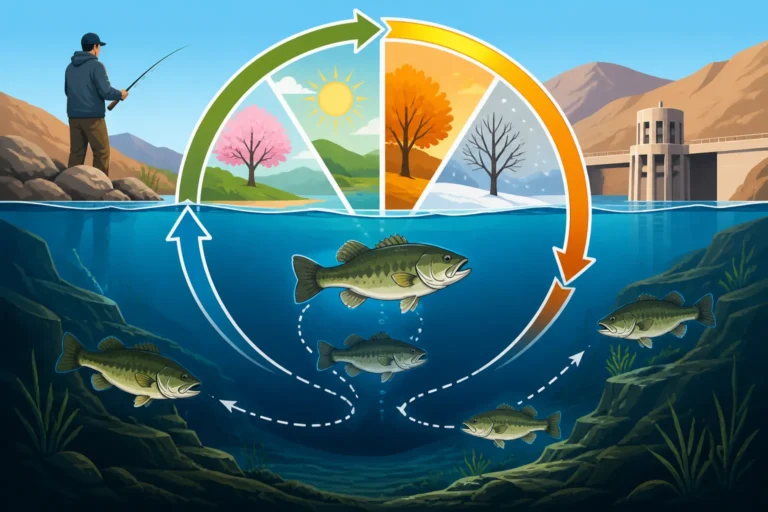
Seasonal fish movement in Nevada reservoirs, driven by water temperature and spawning instincts, explains changing locations.
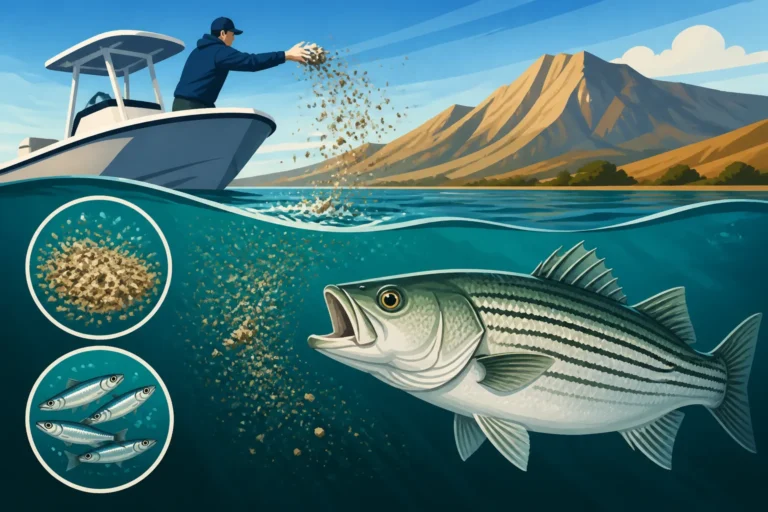
Striped bass fishing methods in Nevada reservoirs use anchovy chumming and bait presentations to draw fish from deep water.
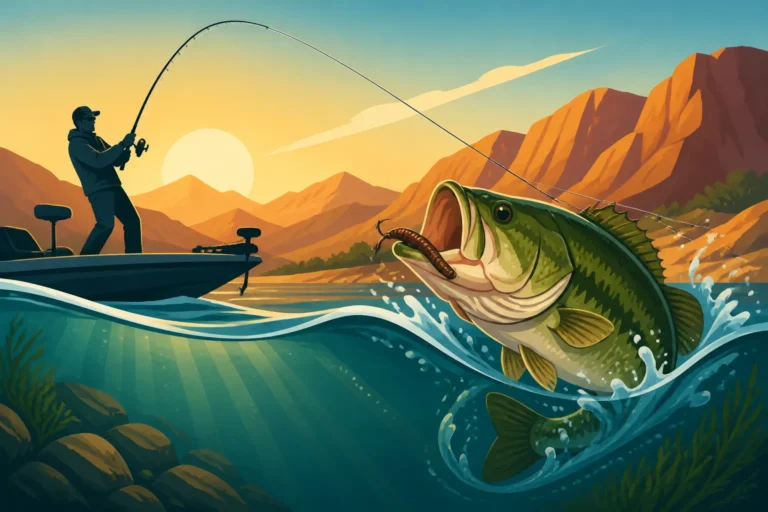
Bass fishing hook sets and strike types on Lake Mead and Lake Mohave explain how to land more fish and recognize subtle bites.

Beginner casting techniques for spinning, spincast, baitcasting, and fly gear with Nevada shoreline conditions in mind.

Water temperature dictates trout metabolism across Nevada environments, altering fish activity below forty degrees and above sixty-eight degrees.
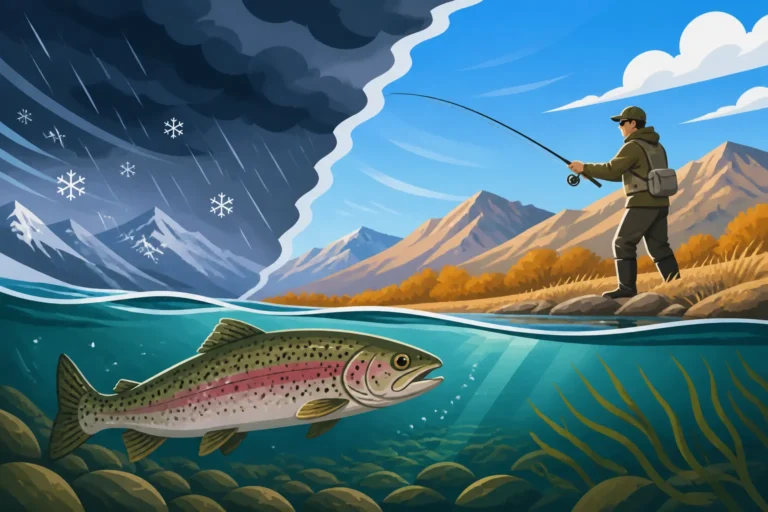
Nevada cold fronts shift barometric pressure and water temperature, slowing fish metabolism and altering species like trout behavior.

Early morning hours before eight or nine provide Nevada anglers cooler water temperatures and active fish feeding in shallow zones.
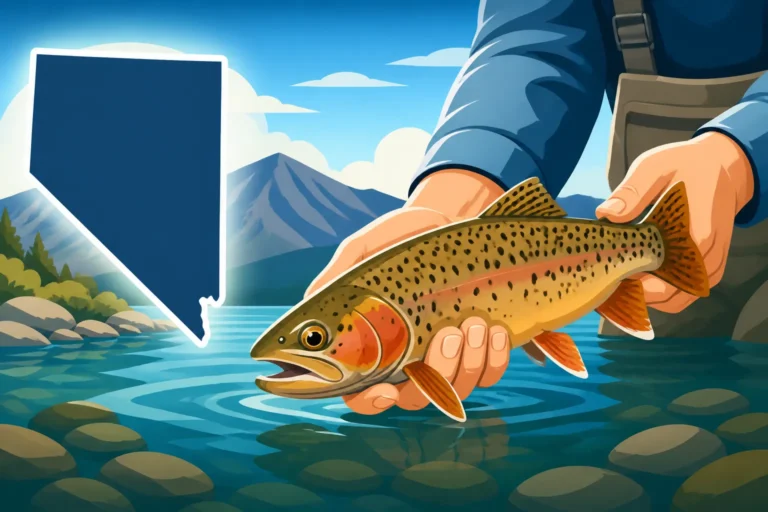
Proper techniques for handling and releasing Lahontan Cutthroat Trout in Nevada waters ensure the survival of this threatened species.

Proper catch and release techniques for Nevada trout protect fragile ecosystems and ensure the survival of native species like the Lahontan Cutthroat Trout.

Nevada trout fishing methods compared, explaining when to use nightcrawlers, worms, or PowerBait in desert reservoirs and mountain lakes.