Do you need to register a canoe in Nevada?
It's easy to feel a little lost when you're trying to figure out all the rules and regulations for enjoying Nevada's beautiful waterways. You just want to get your canoe out on the water, but the last thing you want is a hefty fine because you overlooked some obscure registration requirement. This guide is here to clear up that confusion, specifically addressing whether your canoe needs to be registered in the Silver State, and what you do need to know to stay legal and safe.
The Straight Answer: When Canoes Need Registration in Nevada
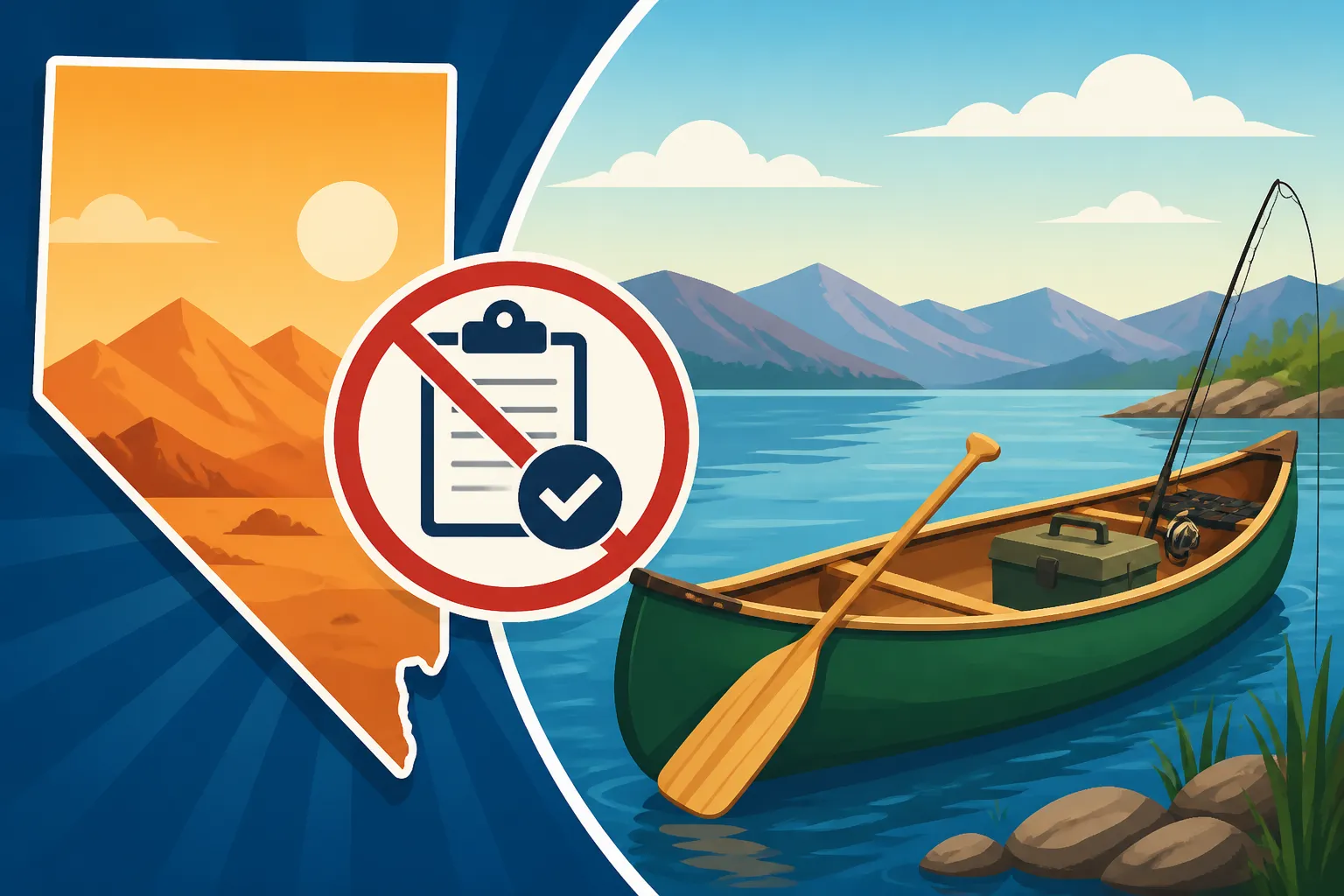
Let's get right to it: In Nevada, most canoes do not require registration. This is great news for traditional paddlers who enjoy the simplicity of a non-motorized vessel. The key word here, however, is "most." There's a crucial distinction that determines whether your canoe falls into the exempt category or if you'll need to head to the Department of Wildlife (NDOW) or DMV.
Motorized vs. Non-Motorized: The Crucial Difference
The determining factor for canoe registration in Nevada boils down to one thing: does it have a motor? If your canoe is powered solely by paddles, oars, or the wind (though sailing canoes are pretty rare!), then you are typically exempt from state registration requirements. This is similar to how the rules apply to other human-powered craft. For instance, if you're wondering, "Do you need to register a kayak in Nevada?", the answer is usually the same: no, as long as it's non-motorized. This makes getting out on the water with your paddle craft much simpler, removing a layer of bureaucratic hassle that motorized boat owners face.
However, if you've decided to outfit your canoe with even the smallest electric trolling motor, a gasoline outboard, or any other mechanical means of propulsion, then it instantly falls under the umbrella of "motorized vessels" and must be registered with the State of Nevada. This is where many canoeists sometimes get tripped up. They might think a small electric motor is inconsequential, but to the state, a motor is a motor, regardless of its size or power.
Understanding What Counts as a "Motor"
The Nevada Department of Wildlife (NDOW), which oversees boat registration, defines a "motor" quite broadly. It's any mechanical device used for propulsion. This means if you attach even a tiny, battery-powered trolling motor to the stern or side of your canoe, it’s no longer considered a non-motorized vessel. It might seem like a small addition, but it changes the legal classification entirely.
Think about it this way: the moment you add a motor, your canoe gains capabilities that unpowered vessels don't have, like sustained speed or the ability to cover long distances without physical exertion. This is why the state steps in to ensure these vessels are properly documented. The NDOW wants to keep track of all motorized vessels on its waterways for safety, law enforcement, and environmental management purposes. So, before you strap on that electric motor for an easier paddle, double-check that you’re prepared to go through the registration process.
Navigating Nevada's Boat Registration Landscape
Even if your canoe doesn't require registration, understanding the broader context of Nevada's boating laws is essential for responsible recreation. The regulations are designed to keep everyone safe on the water, regardless of the size or type of vessel they operate.
General Rules for Vessels in Nevada
Nevada law generally requires any vessel principally operated on the waters of the state to be registered if it is propelled by machinery, whether permanently attached or detachable, or by sail, and is over 12 feet in length. For those interested in the full scope, the official guide on Nevada Boat Registration for Anglers covers these details extensively. This rule helps ensure that vessels that pose a higher potential risk due to speed or size are accounted for. This also includes personal watercraft like jet skis.
Non-motorized vessels, such as canoes and kayaks, are usually exempt from this registration requirement. This is because they typically travel at lower speeds, have less environmental impact, and pose different safety considerations than their motorized counterparts. However, this exemption doesn't mean you're free from all rules. You still need to adhere to general boating safety guidelines, carry appropriate safety equipment, and follow any specific regulations for the particular body of water you're on.
The Process for Motorized Canoes If Applicable
Should you decide to add a motor to your canoe, or if you purchase a canoe that already has a motor (which is less common but not unheard of), you'll need to register it. The process is similar to registering any other motorized boat in Nevada. You'll typically need to visit an NDOW office or, in some cases, a designated DMV location.
The steps usually involve:
- Completing an Application: You'll fill out a form (often the Nevada Department of Wildlife Boat Registration Application) with details about your vessel and yourself.
- Providing Proof of Ownership: This could be a manufacturer's statement of origin (MSO) if it's new, or a bill of sale and previous registration/title if it's used.
- Paying Fees: There are registration fees, which can vary based on the length of your vessel. You can find more information on these costs in a guide like Nevada Boat Registration Fees by Length.
- Receiving Decals and a Registration Card: Once approved, you'll receive decals to affix to your canoe and a registration card that you must carry whenever the vessel is in use.
It's a straightforward process, but it requires gathering the right paperwork. While a motorized canoe might seem like a niche case, it's important to be aware of these requirements to avoid any potential fines or legal issues. Many of these details are also covered in a broader Nevada Boat Registration and Titling Guide.
Essential Safety and Gear for Every Canoeist
Whether your canoe is registered or not, safety should always be your number one priority. Nevada's waters can be stunning, but they can also be unpredictable, especially with sudden winds or temperature changes. Having the right gear isn't just about complying with the law; it's about ensuring you and your companions return safely.
Must-Have Safety Equipment
Even for a simple paddle-powered canoe, there are non-negotiable safety items you need to have on board. These are generally mandated by the Coast Guard and enforced by NDOW. Ignoring them can lead to citations, which can put a real damper on your peaceful outing.
Here’s a quick rundown of essential safety gear:
- Life Jackets (PFDs): This is probably the most critical item. You must have a properly fitting, U.S. Coast Guard-approved personal flotation device (PFD) for every person on board your canoe. Children 13 years old and younger are required to wear a PFD when underway on any vessel. Even if you're an experienced swimmer, a PFD can be a lifesaver if you capsize or encounter unexpected currents. Check out resources like Best Life Jackets for Reservoir Boating for recommendations. You can find a wide range of options, from basic vest styles to more advanced inflatable ones, on online retailers like Amazon.
- Sound-Producing Device: A whistle, horn, or other sound-producing device is required to signal for help or warn other boaters. A small, inexpensive whistle attached to your PFD is an easy way to meet this requirement.
- Navigation Lights (for night or restricted visibility): If you plan to be on the water between sunset and sunrise, or during periods of restricted visibility (like fog), your canoe must display appropriate navigation lights. For a non-motorized vessel, this typically means a white light (like a flashlight or headlamp) that can be shown in time to prevent a collision. It's not about being seen from afar, but about being able to alert others if necessary.
For a comprehensive list of all mandatory items for various vessels, refer to the Nevada required safety equipment checklist for boats. It's always better to be over-prepared than under-prepared when it comes to water safety.
Recommended Comfort and Preparedness Gear
Beyond the legal requirements, there's a whole host of gear that can make your canoeing experience much safer and more enjoyable, especially when you're out on large, open waters like Lake Mead or smaller, remote mountain lakes.
- Sun Protection: Nevada's sun is no joke. Wide-brimmed hats, sunglasses with UV protection (polarized lenses are a huge plus for spotting fish!), and high SPF sunscreen are crucial. Long-sleeved, lightweight shirts can also offer excellent protection. You'll find many great options for specialized sun protection clothing designed for anglers on Amazon.
- Water and Snacks: Staying hydrated is vital, particularly in the desert heat. Always bring more water than you think you’ll need. Non-perishable snacks are also a good idea, especially for longer trips.
- First-Aid Kit: A basic first-aid kit can handle minor scrapes, cuts, or blisters, which can easily happen during paddling or portaging.
- Communication Device: A fully charged cell phone in a waterproof bag is a must. For more remote areas with spotty cell service, a satellite messenger or personal locator beacon (PLB) can be a lifesaver.
- Emergency Repair Kit: Duct tape, zip ties, and a multi-tool can fix many minor issues on the spot, from a leaky seam to a loose seat.
- Anchor and Rope: Even in a canoe, a small anchor can be incredibly useful for holding your position while fishing or taking a break, especially on windy days.
- Dry Bag: Keep your electronics, extra clothing, and other valuables safe and dry in a good quality dry bag. Many experienced anglers invest in a solid Kayak Fishing Gear for Nevada setup, much of which applies perfectly to canoes too.
While these items aren't legally required for a non-motorized canoe, they are highly recommended by seasoned paddlers. Being prepared ensures that an unexpected turn of events doesn't ruin your day, or worse, put you in danger.
Canoeing Across Nevada: Rules and Best Practices on the Water
Once you've got your canoe and gear sorted, it's time to hit the water! Nevada offers an incredible array of paddling opportunities, from the vast expanses of Lake Mead to the peaceful high-alpine lakes. However, each body of water might have its own quirks and specific rules beyond the general state regulations.
Respecting Waterway Regulations
Even though your non-motorized canoe might not need registration, you're still part of the broader boating community. This means obeying the rules of the road (or, in this case, the water!).
- Right-of-Way Rules: Understand basic right-of-way rules. Generally, human-powered vessels have the right-of-way over motorized vessels, but it's always safer to assume larger, less maneuverable boats might not see you. Always maintain a sharp lookout.
- Speed Limits and Wake Zones: While canoes aren't typically speed demons, be aware of any posted speed limits or no-wake zones, especially near marinas, swimming areas, or sensitive shorelines. Even a small canoe can create a wake that disturbs wildlife or other paddlers.
- Local Ordinances: Some lakes, rivers, or parks might have specific rules for all vessels, regardless of whether they're motorized. For example, there might be restrictions on where you can launch, specific hours for water access, or prohibitions on certain types of bait if you're fishing. It's always a good idea to check with the local authority (e.g., state park rangers, Bureau of Reclamation for Lake Mead) before heading out.
- Fishing Licenses: If your primary goal with the canoe is to fish, remember that a Nevada Fishing License Guide is absolutely necessary, regardless of whether your canoe is registered. Just because your vessel doesn't need a license doesn't mean you don't. Make sure you understand Nevada Fishing Regulations Explained before casting your line.
Common Pitfalls and How to Avoid Them
Even seasoned canoeists can make mistakes, but being aware of common issues can help you avoid them.
- Underestimating the Conditions: Nevada weather can change rapidly. A calm morning can turn into a windy afternoon, making paddling incredibly difficult and dangerous, especially on large, open lakes. Always check the forecast and be prepared to turn back if conditions worsen. High winds can make even a small canoe feel like a toy.
- Lack of Hydration: The dry desert air and intense sun can lead to dehydration faster than you realize. Drink water frequently, even if you don't feel thirsty.
- Overloading: Canoes have weight limits. Overloading your canoe can make it unstable and difficult to paddle, increasing the risk of capsizing. Distribute weight evenly.
- Ignoring Cold Water: Even when the air is warm, Nevada's waters can remain surprisingly cold, particularly in spring or fall, or at high elevations. Falling into cold water can quickly lead to hypothermia. Dress for the water temperature, not just the air temperature.
- Not Telling Anyone Your Plans: Always let someone on shore know where you're going and when you expect to return. This "float plan" is crucial in case of an emergency.
By following these guidelines, you can ensure your canoe trips in Nevada are not only memorable but also safe and compliant with all relevant regulations. Many of these principles are part of general Nevada Fishing Gear Essentials and good outdoor practices.
Nevada Canoe Registration Snapshot
Here's a quick comparison to help you understand the core differences for canoes in Nevada:
| Feature | Non-Motorized Canoe | Motorized Canoe (any size motor) |
|---|---|---|
| State Registration | Not required | Required |
| Nevada Title | Not required | Required |
| Boat Decals | Not required | Required |
| Proof of Ownership | Not generally needed for use | Bill of Sale/MSO required |
| Life Jackets (PFDs) | Required for each person onboard | Required for each person onboard |
| Sound Device | Required (e.g., whistle) | Required |
| Navigation Lights | Required for night/low visibility | Required for night/low visibility |
| Boater Education Card | Not required for operator | Required for operators born after Jan 1, 1983 (if motor is 15hp+) |
| Fishing License (if applicable) | Required for angler | Required for angler |
This table clearly illustrates that adding a motor fundamentally changes the regulatory landscape for your canoe in Nevada. Always err on the side of caution and ensure you're compliant.
Disclaimer
The information provided in this guide is for general informational purposes only and is not intended as legal advice. Regulations can change, and specific situations may vary. Always consult the official Nevada Department of Wildlife (NDOW) resources or relevant local authorities for the most current and precise regulations before heading out on the water.