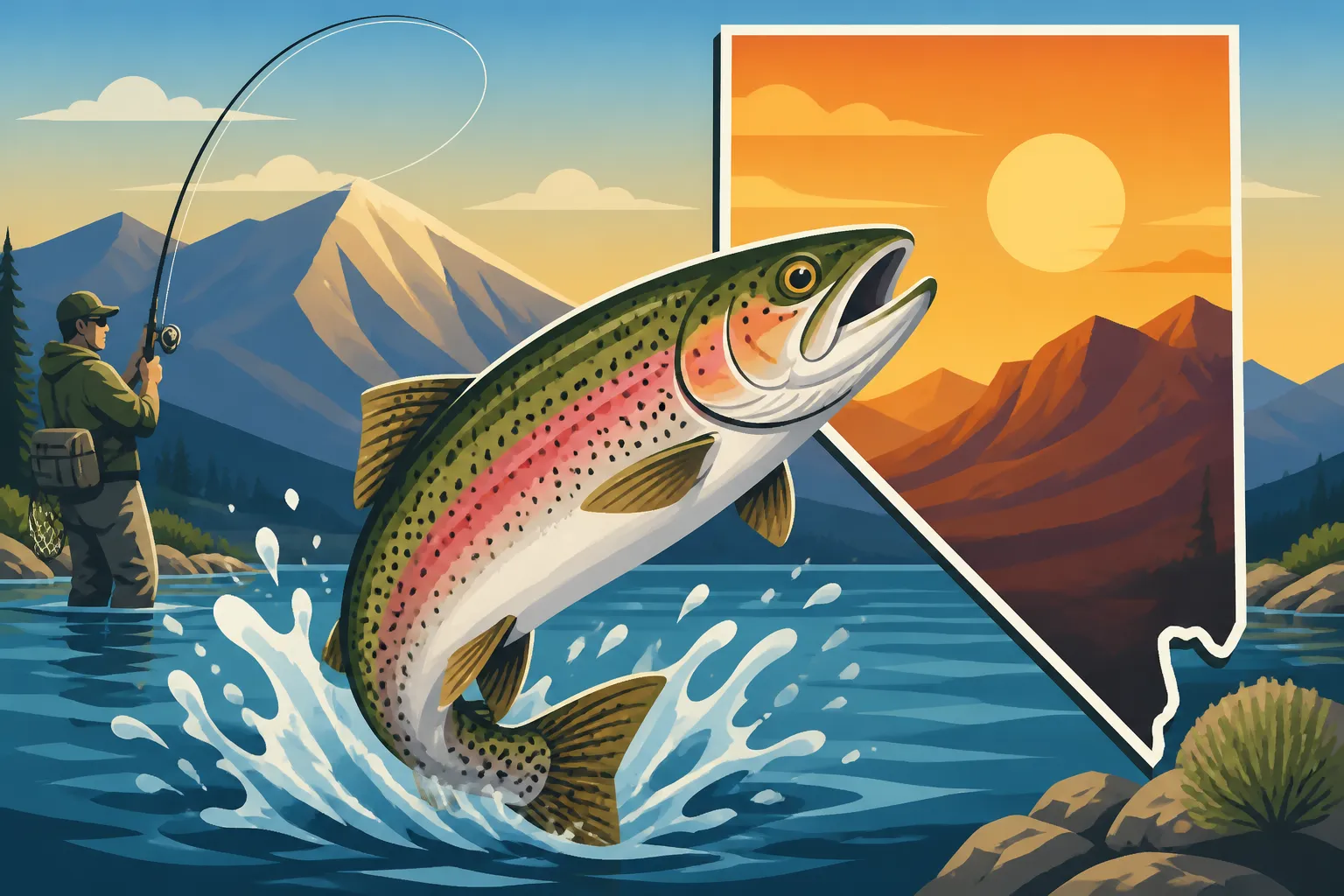
Trophy Trout Waters in Nevada
The dream of hooking into a truly massive trout in Nevada—a fish that tests your line, your patience, and your skill—is a powerful draw for many anglers. But often, the challenge isn't just about how to catch a big trout, but where to even begin looking for these elusive giants. It can be frustrating to spend hours on the water only to realize you're not in the right spot or using the right tactics for the fish of a lifetime. This comprehensive guide is designed to cut through that confusion, helping you identify Nevada's premier trophy trout waters and arming you with the knowledge to pursue those impressive catches.
Understanding "Trophy Trout" in Nevada
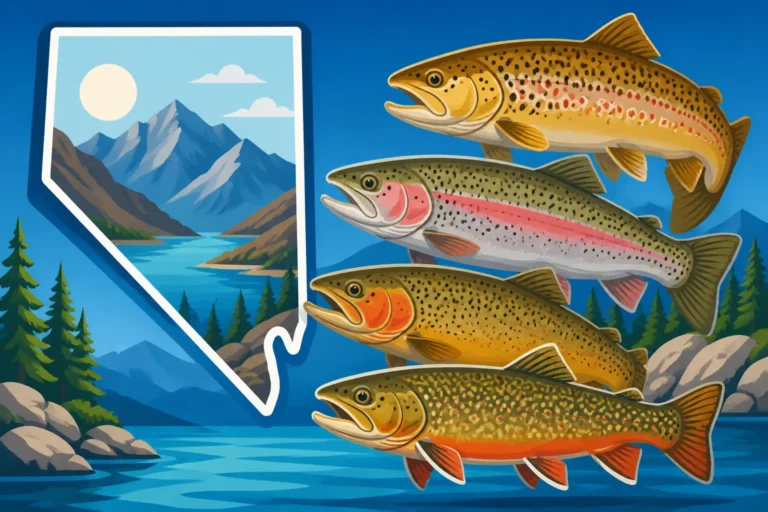
When we talk about "trophy trout" in Nevada, it's not a one-size-fits-all definition. The Silver State boasts a diverse array of trout species, and what constitutes a "trophy" for one might be an everyday catch for another. It's really about understanding the potential of each fishery and species to produce exceptionally large individuals that truly stand out.
Defining "Trophy" by Species and Water
For many anglers, a "trophy" isn't just about weight or length, it's about exceeding the typical size for a given species in a particular body of water. A 20-inch rainbow trout caught from a small mountain stream, for instance, could be considered a far greater trophy than a 20-inch rainbow from a highly stocked urban pond, simply because of the inherent challenge and rarity. In Nevada, some species are naturally prone to growing larger than others, and certain lakes or reservoirs provide the ideal conditions for these giants to thrive.
The Lahontan Cutthroat Trout, particularly those found in Pyramid Lake, are in a league of their own. Here, a "trophy" often starts at 20 inches, but anglers consistently aim for fish pushing 10, 15, or even 20 pounds, which can measure well over 30 inches. These are truly massive fish, with state records pushing beyond 40 pounds from this singular body of water. For other species like Rainbow or Brown Trout in different reservoirs, a trophy might typically range from 20 to 25 inches, with a weight of 4 to 8 pounds. While impressive, these are still overshadowed by the behemoths of Pyramid Lake.
Then we have the Mackinaw, or Lake Trout, found deep within the frigid depths of Lake Tahoe. These cold-water predators are built for size, routinely hitting weights of 10 to 20 pounds, with some exceeding 30 pounds and measuring over 3 feet long. Catching a Mackinaw over 15 pounds is definitely a trophy by any standard, requiring specialized gear and techniques to reach them in their deep-water haunts. Understanding these size expectations helps you set realistic goals and appreciate the true potential of each fishery you explore.
The Allure of Nevada's Big Trout Waters
So, what makes certain waters in Nevada produce these magnificent, oversized trout? It's a combination of unique environmental factors, abundant food sources, and often, specific management strategies. Many of Nevada's trophy trout waters are deep, cold, and have stable water levels, providing ideal conditions for trout to grow old and large. They often harbor a rich forage base, whether it's baitfish like tui chub in Pyramid Lake, kokanee salmon in Lake Tahoe, or ample invertebrates and smaller fish in other reservoirs. This consistent food supply allows trout to put on significant weight and length.
Some of these fisheries benefit from limited fishing pressure or stringent regulations, which allow fish to reach older ages and larger sizes. For example, the unique tribal management of Pyramid Lake ensures its Lahontan Cutthroat population thrives. Other waters might be managed with specific stocking programs that introduce fast-growing strains of trout or focus on quality over quantity. The sheer remoteness and pristine nature of some high mountain lakes also contribute, as less human interference means more natural growth cycles.
Ultimately, the allure lies in the challenge and the potential reward. These aren't places where you expect to catch a fish every cast. Instead, they demand patience, skill, and often, a willingness to employ specialized techniques. The payoff, however, is the chance to tangle with a fish that truly tests your mettle and leaves you with an unforgettable angling story.
Premier Trophy Trout Destinations
Nevada might be known for its desert landscapes, but hidden within its vastness are some truly world-class trout fisheries, particularly for those seeking a trophy. These are the places that consistently produce the kind of fish dreams are made of.
Pyramid Lake: Home of the Giants
If you're serious about catching a truly massive trout in Nevada, Pyramid Lake should be at the very top of your list. This ancient, terminal lake, located roughly an hour's drive northeast of Reno, is the exclusive home to the world-famous Lahontan Cutthroat Trout. These fish are native to the Great Basin and are known for their incredible size and fighting prowess. The lake itself is stunning, with vibrant blue waters, unique tufa formations, and surrounding desert mountains that create a dramatic backdrop for your fishing adventures.
Trophy Lahontan Cutthroat here routinely exceed 20 inches, with many anglers landing fish over 10 pounds and some even pushing into the 20-pound class. These magnificent fish grow large primarily by preying on the abundant tui chub that inhabit the lake. Anglers often target them from shore using long rods and artificial lures, or from boats, fly fishing from ladders set up in the shallow waters. Popular shore access points like Warrior Point, Pelican Point, and Popcorn Beach offer great opportunities, especially during cooler months. You'll definitely need a Pyramid Lake Fishing Permit Guide before heading out, as the lake is on tribal land and has specific regulations.
The unique conditions of Pyramid Lake, combined with the genetics of the Lahontan Cutthroat, create an environment where these fish can thrive and reach truly monumental sizes. The sheer number of truly large fish here makes it a bucket-list destination for trout anglers worldwide. The experience of reeling in a massive cutthroat that has called this ancient lake home is truly something special.
Lake Tahoe: Mackinaw Monsters
Straddling the Nevada-California border, Lake Tahoe is another iconic destination for trophy trout, albeit a different species altogether: the Mackinaw, or Lake Trout. Lake Tahoe is renowned for its incredible depth, pristine clarity, and very cold waters, which are precisely the conditions Mackinaw thrive in. These powerful, deep-dwelling predators can grow to astounding sizes, with fish over 15 pounds being common and monsters over 30 pounds not unheard of.
Catching these deep-water giants often requires specialized techniques, primarily deep-water trolling with downriggers or lead core line. Anglers typically use large spoons, plugs, or even live or dead bait to entice these elusive fish. The Nevada side of Lake Tahoe offers excellent opportunities, particularly around areas with deep drop-offs and underwater structures. Launching from marinas like Cave Rock or Zephyr Cove provides access to prime Mackinaw habitat. Before you go, make sure you're familiar with the Lake Tahoe Nevada Fishing License Rules, as licensing can be a bit tricky when fishing a border lake.
The thrill of battling a huge Mackinaw from the depths of Lake Tahoe is an experience you won't soon forget. Their sheer power and willingness to fight make them a formidable opponent, and the reward of hoisting one of these prehistoric-looking fish from the icy depths is truly exhilarating.
Wildhorse Reservoir and Other Northeastern Gems
While Pyramid Lake and Lake Tahoe get much of the spotlight, Nevada's northeastern region, particularly around Elko, holds some fantastic trophy trout potential, especially for Rainbow, Brown, and even the elusive Tiger Trout. Wildhorse Reservoir stands out as a prime example. Situated in a high desert setting, Wildhorse is known for its cold, productive waters and its ability to grow large trout. Anglers frequently pull out Rainbow and Brown Trout exceeding 20 inches, and sometimes even larger.
Wildhorse offers excellent opportunities for both boat and shore anglers, especially during the spring and fall. In winter, it transforms into a popular Ice Fishing in Nevada destination, where patient anglers can jig through the ice for some truly impressive trout. The reservoir's diverse forage base contributes to the healthy growth of its trout population. For a deeper dive into this great spot, check out our Wildhorse Reservoir Nevada Fishing Guide.
Beyond Wildhorse, there are other less-publicized but equally rewarding waters in northeastern Nevada. Lakes like Ruby Lake National Wildlife Refuge, Cave Lake State Park, and even some of the more remote high mountain lakes in the Ruby Mountains can produce surprisingly large trout for those willing to explore. These often require more effort to access, but the reward of a pristine setting and the chance at a significant fish makes them well worth the journey. These hidden gems can sometimes hold brown trout that have grown exceptionally large due to limited pressure and abundant natural food sources.
Seasonal Strategies for Big Trout
Targeting trophy trout isn't a year-round "set it and forget it" endeavor. These larger, wiser fish often change their patterns and locations significantly with the seasons, driven by water temperature, forage availability, and spawning cycles. Understanding these seasonal shifts is crucial for maximizing your chances of hooking into a truly big one.
Spring: Post-Spawn Feasts and Aggressive Bites
Ah, spring! This is often considered prime time for trophy trout fishing in many Nevada waters. As the ice recedes from higher elevation lakes and reservoirs, and water temperatures begin to rise, trout become incredibly active. Many species are recovering from their winter sluggishness or from recent spawning activities, making them eager to feed aggressively. This means they're more likely to strike at larger baits and lures, which is exactly what you want when hunting for a trophy.
At Pyramid Lake, spring brings the Lahontan Cutthroat closer to shore, making for incredible bank fishing opportunities. These fish are often cruising the shallows, looking for tui chub or other forage. Long casting rods and large spoons or jigs are incredibly effective. Similarly, in reservoirs like Wildhorse, the warming waters near inlets and shallow coves become hotspots for Rainbow and Brown Trout as they move up from deeper water to feed. The post-spawn period for brown trout in many systems means they are hungry and regaining strength.
The key to spring success is often focusing on shallower areas, especially those with new weed growth or structure, and targeting times of day when the sun has warmed the water slightly. Aggressive presentations and larger baits can often trigger those reaction strikes from big, hungry trout. Don't be afraid to experiment with different retrieve speeds; sometimes a slow, deliberate presentation is best, while other times a fast, erratic retrieve can ignite a chase.
Summer: Going Deep and Early/Late
When the Nevada summer heat kicks in, trophy trout tend to retreat to deeper, cooler waters where oxygen levels are stable and temperatures are tolerable. This doesn't mean trophy fishing stops; it just means you have to adjust your tactics significantly. Forget the shallow shorelines for most of the day in warmer lakes, as the big fish will be in their thermal refuge.
For Mackinaw in Lake Tahoe, summer is business as usual, as they inhabit deep, cold water year-round. However, for other trout species in more temperate reservoirs, you'll need to focus on structure, thermoclines, and deep points. This is where a good fish finder (easily found on Amazon, by the way) becomes an invaluable tool for locating these submerged havens. Trolling with downriggers or heavy lead core line is often the most effective method to present baits at the exact depth where the big fish are holding.
Another strategy for summer is to fish during the cooler parts of the day: very early morning, late evening, or even at night. These periods allow the trout to move shallower under the cover of darkness or reduced light, becoming more accessible to anglers. High mountain lakes, with their naturally cooler temperatures, also become excellent summer destinations for big trout, offering a refreshing escape from the desert heat. Learning How to Fish for Trout in Nevada during these conditions often involves subtle presentations.
Fall and Winter: Pre-Spawn and Ice Fishing Opportunities
As autumn colors paint the landscape and water temperatures begin to drop, many trout species enter a pre-spawn feeding frenzy, making fall another outstanding time to pursue trophies. This is particularly true for Brown Trout, which become incredibly aggressive as they prepare to spawn. They'll often move into shallower areas, rivers, and stream mouths, becoming more accessible and willing to strike at larger lures and flies.
For Pyramid Lake's Lahontan Cutthroat, fall and winter are arguably the peak seasons. The cooling water brings these giants closer to shore consistently, and the colder temperatures invigorate them, leading to some truly spectacular battles. This is when many of the year's biggest fish are caught from the banks. Fly fishing, using stripping techniques with large streamers or balanced leeches, becomes exceptionally productive.
Winter also opens up unique opportunities for trophy trout through ice fishing in certain Nevada reservoirs that freeze over, such as Wildhorse Reservoir. While it requires specialized gear and patience, ice fishing can produce some of the largest trout of the year, as fish are often concentrated and can be targeted effectively with jigs and bait. Remember to always prioritize safety when Ice Fishing in Nevada and check ice conditions thoroughly.
Essential Gear and Tactics for Trophy Hunters
Chasing trophy trout in Nevada isn't just about knowing where the big fish are; it's also about having the right tools and techniques to land them. These are powerful, often large, and incredibly cunning fish that demand respect and preparation. Skimping on your gear or using improper tactics will often lead to heartbreak when that dream fish finally bites.
Rods, Reels, and Line for the Big Fight
When you're targeting trout that can easily weigh into the double digits or more, your standard ultralight trout setup simply won't cut it. You need gear that can withstand immense pressure and handle prolonged battles. For Pyramid Lake and its giant Lahontan Cutthroat, many anglers opt for long (10-12 feet) medium-heavy to heavy-action spinning rods. These longer rods aid in casting heavy lures a great distance from shore and provide leverage to fight strong fish. Pair this with a high-quality spinning reel (size 4000-6000) with a smooth, reliable drag system.
For Lake Tahoe's Mackinaw, especially when deep trolling, heavy-duty conventional or baitcasting reels paired with stout trolling rods (6-8 feet, medium-heavy to heavy action) are essential. The drag on these reels must be robust and consistent to handle the sustained pulls of a large fish from hundreds of feet down. For all trophy trout fishing, your line is your most critical connection. Braided line (20-50 lb test, depending on the species and water) is highly recommended for its strength, lack of stretch, and sensitivity. Always tie on a fluorocarbon leader (15-30 lb test) for abrasion resistance and invisibility, connecting it to your braid with a strong knot like an FG or Alberto. Best Fishing Rods for Nevada Lakes offers more detailed options. You can find a fantastic selection of these robust rods, reels, and lines on Amazon, ensuring you're ready for any challenge.
Baits, Lures, and Flies for Trophy Trout
The old adage "big bait, big fish" often holds true for trophy trout. While a small worm might catch a pan-sized rainbow, enticing a truly large trout usually requires a more substantial offering. For Lahontan Cutthroat at Pyramid Lake, popular choices include large spoons (like Crippled Herring or Daredevils), heavy jigs (white, chartreuse, or black), and large streamer flies (such as woolly buggers, Pyramid Lake beetles, or balanced leeches). The key is often to mimic the tui chub or other baitfish they feed on.
For Lake Tahoe Mackinaw, large spoons, deep-diving crankbaits, or even live or dead baitfish (where permitted) are go-to choices. Colors like chartreuse, blue/silver, and natural baitfish patterns are often effective. When ice fishing at Wildhorse, large jigs tipped with bait, or even small swimbaits, can provoke strikes from bigger trout. Don't forget the power of natural scents; adding a dab of scent to artificial lures can sometimes make all the difference. For fly anglers, particularly at Pyramid Lake, understanding the right patterns and how to strip them is critical; check out Fly Fishing Gear for Pyramid Lake for more specifics.
When fishing for these larger trout, don't be afraid to experiment with size and presentation. Sometimes it's the subtle flutter of a spoon, other times it's an aggressive jigging motion that gets their attention. Having a variety of options in your tackle box, including some larger, more robust offerings, will definitely improve your chances.
Advanced Techniques for Success
Beyond the basic casting and retrieving, mastering a few advanced techniques can significantly increase your success rate for trophy trout. For instance, at Lake Tahoe, deep-water trolling is often the most productive method for Mackinaw. This involves using downriggers to precisely present lures or bait at specific depths, sometimes hundreds of feet below the surface. Understanding how to read your electronics to identify bait balls, thermoclines, and underwater structure is paramount for consistent success. Varying your trolling speed and lure action can often trigger strikes.
At Pyramid Lake, a popular and highly effective technique for fly anglers is "indicator nymphing" from a ladder or stripping large streamer patterns. Anglers position themselves on ladders in the shallow water, casting out long lines and either dead-drifting weighted nymphs under an indicator or aggressively stripping large streamers to imitate baitfish. The long rods used help manage the line and fight powerful fish. Anglers fishing from shore often employ a "countdown" method with spoons or jigs, letting them sink for a specific count to target different depths.
Another essential technique is the proper use of your electronics. A quality fish finder isn't just for locating fish; it helps you identify depth changes, underwater structure like ledges and humps, and baitfish schools that attract larger predators. Knowing how to interpret these readings can guide your presentations and put your lure right in the strike zone. Many excellent, feature-rich fish finders are available on Amazon, catering to all budgets and boat sizes. Learning to precisely present your offering in the right place, at the right depth, and with the right action will often be the difference between a good day and a truly epic trophy day.
Conservation and Responsible Angling
Catching a trophy trout is an incredible achievement, but it comes with a responsibility to the fish and the fishery. Many of Nevada's trophy trout waters, especially those with native species like the Lahontan Cutthroat, are fragile ecosystems. Practicing ethical angling and conservation is not just good sportsmanship; it's essential for ensuring these magnificent fish continue to thrive for future generations of anglers.
Catch and Release Best Practices
When you finally hook into that trophy trout, the adrenaline is pumping, and the excitement is immense. But if your goal is to release that fish to grow even larger or to spawn, how you handle it in those crucial moments after the fight truly matters. Using barbless hooks is a fantastic starting point, as they cause less damage and are easier to remove. Many trophy waters, particularly Pyramid Lake, actually require barbless hooks for this very reason. Pyramid Lake Season and Bag Limit Rules outline this and other specific requirements.
Minimize the fish's time out of the water. Have your camera ready, and if possible, keep the fish submerged while you unhook it. If you must lift it, support its entire body horizontally, avoiding hanging it vertically by the jaw or gills. Use wet hands or wet gloves when touching the fish to protect its protective slime coat. Remove the hook gently and quickly with pliers or a dehooking tool. If the fish appears sluggish, revive it by holding it upright in the water, facing into a gentle current, until it swims away under its own power. Sometimes this means holding it for a minute or two, letting water pass over its gills. Understanding Handling and Releasing Lahontan Cutthroat Trout is especially important given their sensitive nature.
Responsible catch and release practices are the cornerstone of managing trophy fisheries. Every large fish released has the potential to spawn and contribute to the next generation of giants, or to provide another angler with an unforgettable experience.
Understanding and Respecting Regulations
Nevada's diverse waters come with an equally diverse set of fishing regulations, and this is especially true for its trophy trout fisheries. These rules aren't arbitrary; they're in place to protect fish populations and ensure sustainable angling opportunities. Ignorance of the law is never an excuse, and violating regulations can lead to hefty fines and loss of fishing privileges. Always consult the latest Nevada Fishing Regulations Explained booklet published by the Nevada Department of Wildlife (NDOW) before you head out, and check for any specific local rules for tribal or federal lands.
For instance, Pyramid Lake has very specific regulations regarding permits, open seasons, legal fishing hours, bait restrictions, and most notably, slot limits and barbless hook requirements for Lahontan Cutthroat. Lake Tahoe has its own interstate regulations that can sometimes be confusing. Other reservoirs may have specific bait restrictions or gear limitations. Always be aware of daily bag and possession limits. For trophy fish, many anglers choose to voluntarily release even legal-sized fish to help maintain the quality of the fishery. Knowing the rules, even on something like Nevada Fishing License Guide requirements, is a fundamental part of responsible angling.
Protecting Nevada's Trophy Trout Fisheries
Beyond individual catch-and-release practices and adherence to regulations, anglers play a vital role in the broader conservation of Nevada's trophy trout fisheries. This includes practicing "Leave No Trace" principles by packing out all trash, including discarded fishing line, which can be deadly to wildlife. It also means being vigilant against the spread of aquatic invasive species (AIS). Before moving your boat or gear from one water body to another, always "Clean, Drain, and Dry" to prevent hitchhiking plants and organisms. These invasives can decimate native baitfish populations, degrade habitat, and ultimately harm trout growth.
Supporting conservation organizations and agencies like NDOW, which actively manage and stock these fisheries, is also crucial. Your license fees and contributions often go directly towards habitat restoration, stocking programs (like those listed in the Nevada Trout Stocking Schedule), and enforcement that protects these valuable resources. By being an informed, ethical, and proactive angler, you contribute to the health and longevity of Nevada's trophy trout fishing for generations to come.
Here's a quick comparison of some of Nevada's top trophy trout waters:
| Water Body | Primary Trophy Species | Key Characteristics | Best Time of Year | Typical Trophy Size Range (Length/Weight) | Special Considerations |
|---|---|---|---|---|---|
| Pyramid Lake | Lahontan Cutthroat Trout | Ancient terminal lake, unique tufa formations, rich chub forage base | Fall-Spring | 20-30+ inches / 10-20+ lbs | Tribal permit required, barbless hooks, specific slot limits |
| Lake Tahoe | Mackinaw (Lake Trout) | Deep, cold, clear oligotrophic lake, kokanee forage | Year-Round | 25-35+ inches / 10-30+ lbs | Deep-water trolling, specific interstate license rules |
| Wildhorse Reservoir | Rainbow, Brown, Tiger Trout | High desert reservoir, productive, ice fishing potential | Spring, Fall, Winter | 20-25+ inches / 4-8+ lbs | Can be windy, ice fishing popular in winter |
| Ruby Lake NWR | Brown, Rainbow Trout | Marshy, spring-fed, remote, abundant aquatic insects | Spring, Fall | 18-24+ inches / 3-7+ lbs | Boat restrictions, specific refuge regulations |
| High Mountain Lakes | Brook, Rainbow, Cutthroat Trout | Alpine, pristine, often hike-in access, limited pressure | Summer-Fall | 14-20+ inches / 1-4 lbs (high elevation) | Requires hiking, short season, fragile ecosystems |
Disclaimer
This article is for general informational purposes only and does not constitute professional advice. Laws, prices and regulations vary by location and change over time. Consult a qualified professional for guidance on your specific situation.