Striped bass size at Lake Mead
One of the most common questions I get from anglers heading to Lake Mead is, "Just how big do the striped bass get out there?" It's a valid query because nobody wants to spend a day on the water only to find out the fish are perpetually tiny. You're putting in the time, the effort, and the gas money, so you want to know if there's a real shot at a memorable catch. This guide will dive deep into the typical sizes you can expect, what influences a striper's growth in this unique desert reservoir, and how you can manage your expectations for a fantastic fishing experience.
The Typical Size Range of Lake Mead Striped Bass
Let's be realistic from the get-go. While Lake Mead has a legendary history for producing enormous striped bass, the day-to-day reality for most anglers involves a wide range of sizes. You're going to encounter everything from smaller "schoolie" stripers to respectable keepers, and yes, sometimes, that truly impressive trophy fish. Understanding these variations can help you adjust your expectations and even your fishing strategy.
Average Catches: The Workhorses of the Fishery
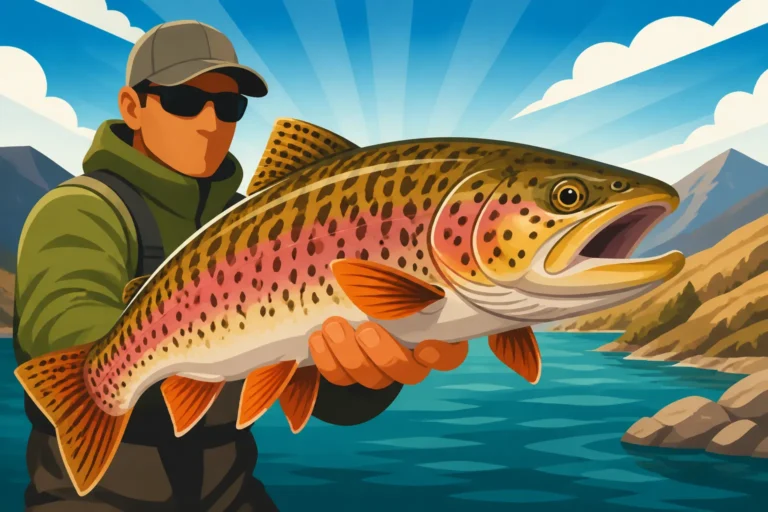
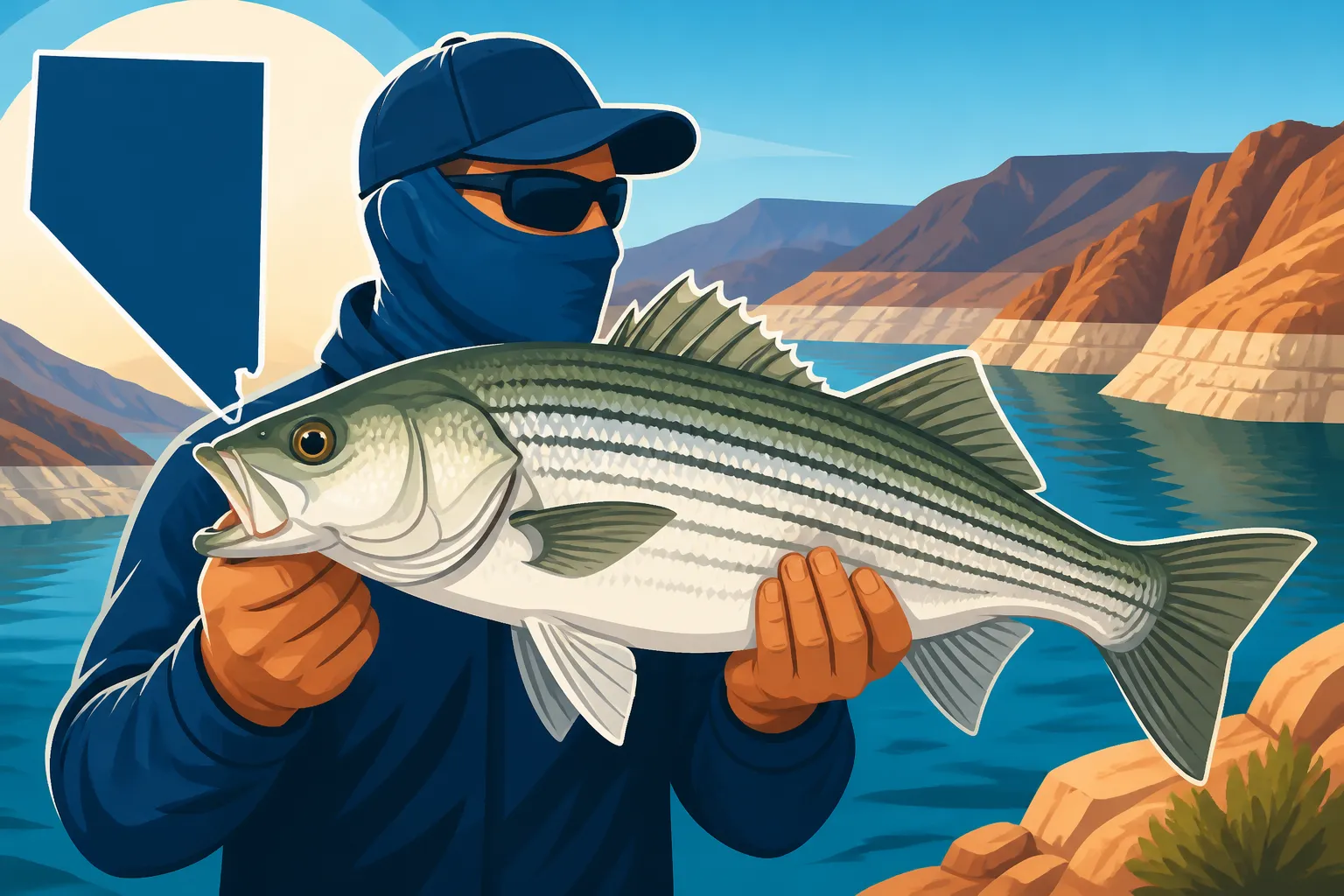
For the vast majority of your fishing trips to Lake Mead, you'll likely be reeling in striped bass that fall into the 1 to 5-pound range. These are your everyday, fun-to-catch fish, often found in large schools. They hit hard, fight well, and are excellent table fare. These "schoolies" are abundant and provide consistent action, which is fantastic for a busy day on the water, especially if you're introducing kids to fishing. They're often chasing down threadfin shad and are usually pretty aggressive, making them a joy to hook. Don't underestimate the thrill of catching several fish in this size class; it can make for a truly exciting outing.
Anglers often target these fish using lighter tackle, making the fight feel even more exhilarating. Whether you're casting lures from shore or jigging from a boat, these smaller stripers will keep you on your toes. They're a testament to the thriving, if sometimes fluctuating, ecosystem of Lake Mead. If you're wondering where to find these eager biters, places like Hemenway Bay Fishing Access or Government Wash Fishing Access are popular starting points.
The Respectable Keepers: 5 to 15 Pounds
Now we're talking about the fish that really make a fishing trip. Stripers in the 5 to 15-pound range are solid, powerful specimens that require a bit more muscle to bring in. These fish are less common than the schoolies but are certainly within reach for persistent anglers. They tend to be more solitary or found in smaller, tighter groups than their smaller counterparts. When you hook into one of these, you'll know it! They'll make strong runs, test your drag, and often surface with an impressive splash.
Catching a striper in this size class often involves targeting deeper water, looking for ledges, humps, or submerged structures where bigger fish might ambush bait. Sometimes, they'll be part of a larger school, but often they're lurking just outside, waiting for an opportunity. You might need to experiment with different Jigging Techniques for Lake Mead Stripers or focus on larger baits to entice these more substantial fish. These are the fish that you'll be proud to show off in a photo and that provide a generous amount of delicious meat for the grill.
Trophy Potential: Over 15 Pounds
Ah, the dream fish! Lake Mead has produced some absolute monsters in its history, and while they might not be as common as they once were, those truly enormous striped bass over 15 pounds, sometimes even reaching into the 20s or 30s, are still out there. These are the fish that make headlines and stories that get told around campfires for years. Hooking one of these is often a combination of skill, patience, and a healthy dose of luck.
Trophy stripers are typically older, more experienced fish that have learned how to survive and thrive. They're often found in specific areas, sometimes relating to deep structure or holding near submerged canyon walls. Targeting these giants often means using heavy-duty tackle, larger baits, and a commitment to long hours on the water. While they are rare, the possibility of catching one is what keeps many anglers coming back to Lake Mead again and again. Just imagine the raw power of a fish that size! It's an unforgettable experience.
Factors Influencing Striper Growth and Size in Lake Mead
The size of striped bass in Lake Mead isn't static; it's a dynamic reflection of the lake's health, its food web, and environmental conditions. Understanding these factors can give you a better insight into why some years or periods might produce larger fish than others, and why you might encounter different sizes in various parts of the lake.
Baitfish Availability: The Fuel for Growth
The single most critical factor for striper growth in Lake Mead is the abundance of their primary food source: threadfin shad. Striped bass are voracious predators, and their growth directly correlates with how much protein they can consume. When shad populations are booming, stripers have an all-you-can-eat buffet, and they pack on the pounds. Conversely, if shad numbers decline due to environmental shifts, water levels, or other factors, the stripers might grow slower or not reach the same impressive sizes.
Think of it like this: if you're a teenager, and suddenly the fridge is always stocked with your favorite foods, you're probably going to hit a growth spurt! The same applies to these fish. The entire ecosystem of Lake Mead hinges on that delicate balance of predator and prey. Experienced anglers often pay close attention to the Striped Bass Feeding Patterns because locating the baitfish is often the first step to locating the stripers.
Water Levels and Environmental Conditions
Lake Mead is a reservoir, and its water levels can fluctuate significantly. These changes have a profound impact on the entire aquatic ecosystem, including striped bass. When water levels are high, there's often more submerged vegetation and structure, which can provide excellent habitat for shad and other small fish, creating more hiding spots and breeding grounds. This, in turn, can lead to a healthier baitfish population and, consequently, bigger stripers.
Lower water levels can concentrate fish into smaller areas, which might make them easier to find for anglers, but it can also stress the ecosystem, reduce available habitat, and impact shad reproduction. Extreme temperature fluctuations, nutrient levels, and overall water quality also play a role. Nevada's desert climate means that the lake's environment is constantly under pressure, and the fish adapt accordingly. This is why a thorough Lake Mead Nevada Fishing Guide often discusses the impact of water levels.
Fishing Pressure and Management
Another factor that subtly influences the average size of striped bass is fishing pressure. Lake Mead is a popular destination, and while striped bass are generally resilient and prolific, consistent harvesting of larger fish can shift the average size distribution towards smaller individuals over time. Fortunately, the Nevada Department of Wildlife (NDOW) actively monitors fish populations and implements regulations designed to maintain healthy fisheries.
Unlike some trout species or black bass, there typically isn't a specific size limit for striped bass in Lake Mead; anglers are usually allowed a generous daily limit and possession limit. This management approach is often due to their prolific breeding and sometimes, their status as a non-native species in the lake's original ecosystem. However, knowing the Nevada statewide bag limits explained is crucial for responsible angling.
Chasing Trophy Stripers: What to Expect and How to Gauge It
While the chance of landing a truly monumental striped bass from Lake Mead might be lower than it was decades ago, the potential still exists, and that's what keeps many dedicated anglers coming back. Chasing a trophy isn't just about the size of the fish; it's about the challenge, the strategy, and the unforgettable moment when that rod bends double.
The Thrill of the Chase
Let's be honest, there's something incredibly exciting about knowing a fish of a lifetime could be lurking beneath the surface. For many, targeting trophy striped bass means embracing a different kind of fishing – one that requires more patience, larger gear, and often, specific knowledge of the lake's deeper contours and historical hotspots. You might spend hours, even days, without a bite, only for that one explosive strike to make it all worthwhile.
Anglers often adjust their Nevada Fishing Gear Essentials when specifically hunting for large stripers. This could mean heavier lines, more robust rods, and larger lures or baits designed to attract big fish. It’s not uncommon to spend time studying maps, watching sonar, and talking to local tackle shops to glean every bit of information possible.
Historical Perspective (Without Specific Numbers)
Lake Mead has a storied past when it comes to trophy striped bass. In its heyday, particularly during periods of optimal water levels and abundant baitfish, the lake was renowned for producing stripers that pushed, and sometimes exceeded, truly remarkable weights. These historical catches are a testament to the lake's capacity to grow enormous fish. While environmental shifts and changes in the ecosystem mean that such gargantuan catches might be less frequent today, the genetic potential for large stripers certainly remains within the population. It’s always good to remember that nature works in cycles, and conditions can improve, leading to bigger fish in the future.
Distinguishing Between Average and Trophy Catches
It's important to differentiate between the average size of fish you'll catch and the potential for a trophy. An average day might yield a good number of 2-5 pounders, which is still a fantastic day of fishing! A trophy, however, is a fish that stands out significantly from the norm, perhaps tipping the scales at 15 pounds or more. These are the fish that you might consider having mounted or at least carefully photographing before a safe release.
When you're out there, every bend of the rod is a mystery until you see the fish. But adjusting your tactics and knowing the Best Time of Year to Fish in Nevada for stripers, often spring and fall, can certainly increase your odds of encountering those larger, more elusive specimens. Sometimes, it's about going where the fish are; other times, it's about presenting the right Best Lures for Striped Bass at the right depth.
Understanding the Current Dynamics of Lake Mead's Striper Fishery
The striped bass fishery in Lake Mead is resilient, but it's also constantly adapting to environmental changes. As a desert reservoir, Lake Mead experiences unique challenges and opportunities that directly affect the fish.
The Ever-Changing Ecosystem
Lake Mead's ecosystem is a delicate balance, heavily influenced by its desert surroundings and the inflow of the Colorado River. Fluctuations in water levels, water clarity, and temperature can all impact the health and abundance of both baitfish and predatory species like striped bass. Sometimes these changes can lead to periods where fish grow faster, and other times, growth might be slower. The fish are incredibly adaptable, but they are tied to the conditions of their environment.
It's fascinating to observe how fish species like the striped bass react to these changes. They might alter their migration patterns, their preferred depths, or even their feeding habits. This adaptability is part of what makes fishing Lake Mead such a captivating challenge. Being a successful angler often means being observant and willing to adapt your own techniques to what the lake is presenting on any given day. You might find that Deep Water Techniques for Lake Mead Bass are more effective during periods of low water, for instance.
Why Every Catch is a Win
Regardless of the specific size, every striped bass caught from Lake Mead represents a successful outing and an interaction with a truly remarkable fishery. Whether it’s a feisty schoolie that tugs hard on light tackle or a massive striper that tests every ounce of your strength, the experience of fishing in such an iconic Nevada location is invaluable.
The beauty of Lake Mead's striped bass population is its sheer abundance. Even if the colossal fish of yesteryear are harder to come by, the lake still offers incredible action and the chance to reel in plenty of fish. This makes it an ideal destination for anglers of all skill levels, from beginners hoping for their first catch to seasoned veterans patiently waiting for that trophy. Remember, whether you're buying a new reel or stocking up on lures, reliable gear from places like Amazon can make a huge difference in your success and enjoyment on the water.
Planning Your Lake Mead Striper Adventure
To maximize your chances of catching quality striped bass, it's always wise to do a little research before you go. Check current reports from local tackle shops, consider the time of year, and be ready to experiment with different baits and lures. Understanding the lake's nuances is part of the fun. If you're coming from out of state, make sure you've got your Nevada Out-of-State Angler Requirements in order!
| Striper Size Class | Typical Weight Range | General Characteristics | Best for Anglers Who… |
|---|---|---|---|
| Schoolie | 1-5 pounds | Abundant, aggressive, fun fight | Seek consistent action and quantity |
| Keeper | 5-15 pounds | Strong fight, solid meal | Want a good challenge and quality fish |
| Trophy | 15+ pounds | Rare, powerful, memorable fight | Are patient, use specialized gear, seek a 'fish of a lifetime' |
Remember that Lake Mead offers fantastic opportunities for anglers targeting these hard-fighting fish. The experience of reeling in a powerful striped bass, regardless of its exact size, is a quintessential Nevada fishing adventure. Make sure your tackle box is stocked with appropriate gear, whether you're picking up basics from a local store or ordering specialized items online from a retailer like Amazon.
Disclaimer
This article is for general informational purposes only and does not constitute professional advice. Laws, prices and regulations vary by location and change over time. Consult a qualified professional for guidance on your specific situation.