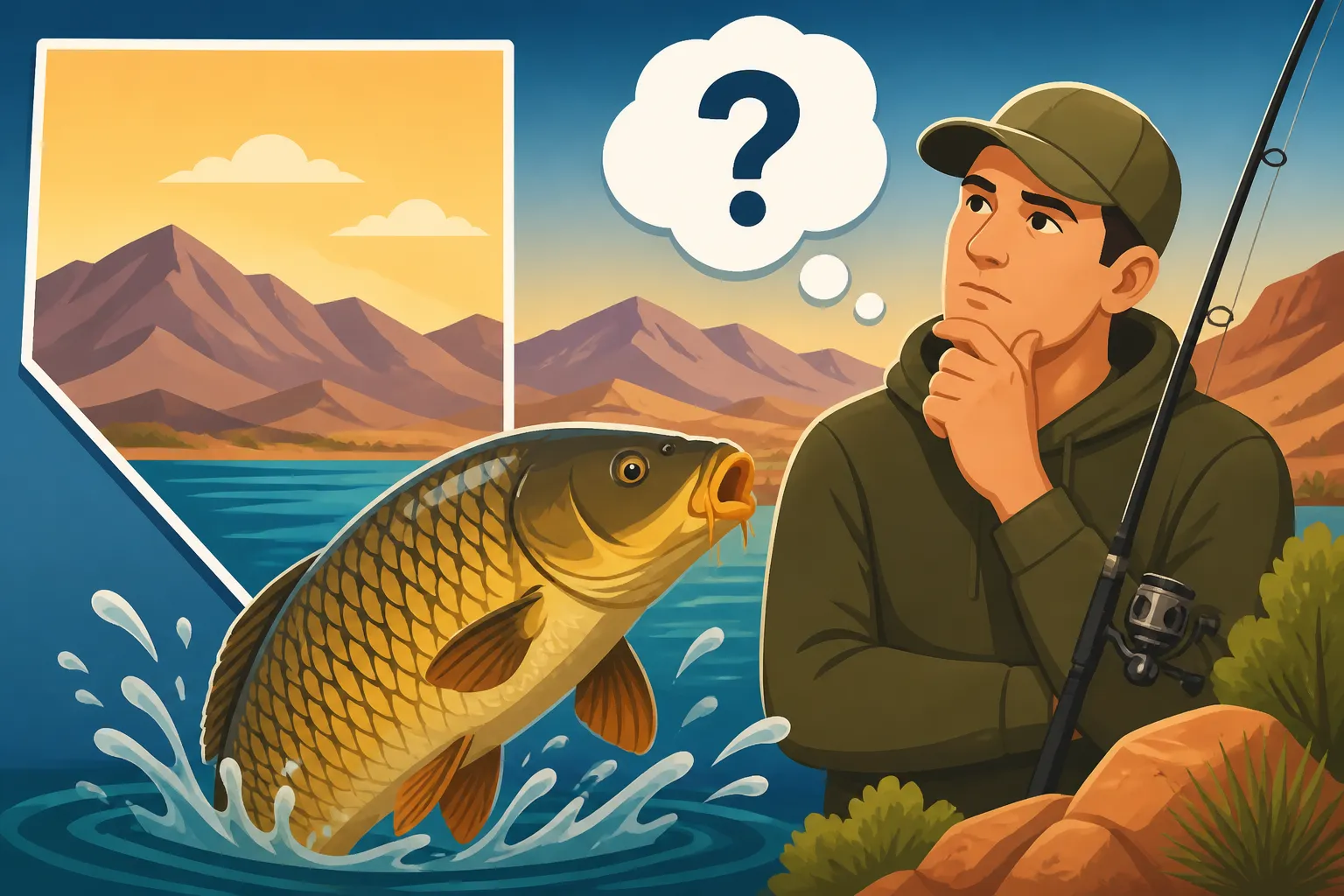
Is carp fishing popular in Nevada?
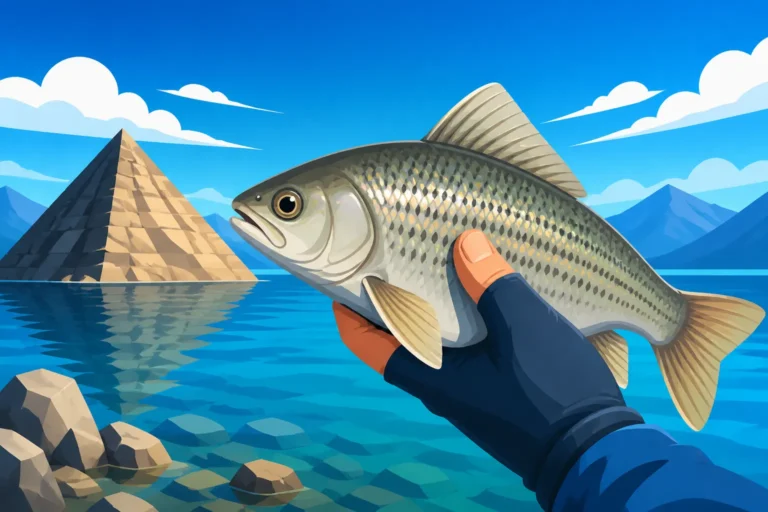
When you think of fishing in Nevada, images of monstrous Lahontan cutthroat trout at Pyramid Lake or hard-fighting striped bass at Lake Mead often come to mind. But what about carp? Many anglers wonder if carp fishing is even a thing here, often dismissing these powerful fish as "trash fish" or nuisances. The truth is, while it might not always grab the headlines like trophy trout or bass, carp fishing in Nevada is indeed alive and well, offering a unique and often thrilling challenge for those willing to give it a try. This guide will dive deep into the world of carp fishing in the Silver State, uncovering its surprising popularity among a dedicated community and providing insights into how you can get in on the action.
The Truth About Carp Fishing Popularity in Nevada
Let's be honest, carp fishing isn't exactly the poster child for Nevada's angling scene. You won't typically see pictures of giant carp gracing the covers of local fishing magazines. However, beneath the surface of mainstream fishing, there's a passionate community of anglers who specifically target carp, recognizing them for their immense fighting power and clever nature. This perception gap is often what leads to the question of its popularity.
The Perception Versus Reality
For many years, common carp (and even some native sucker species often mistaken for carp) have been viewed with disdain by a segment of the angling community. They're often seen as invaders, mucking up water clarity and competing with more "desirable" game fish like trout and bass. This perception is deeply ingrained, making it seem as though nobody would intentionally fish for them. However, if you spend time around some of Nevada's larger reservoirs or urban ponds, you'll inevitably run into anglers specifically targeting these bottom-feeders. They know a secret: carp fight incredibly hard, often putting up a more sustained battle than many other freshwater species. It's a quiet popularity, perhaps, but a fervent one. Dedicated carp anglers often find themselves enjoying peaceful solitude on the banks, far from the crowds chasing other species, making it a truly rewarding experience for those who embrace it.
Why Carp Get a Bad Rap And Why They Shouldn't
The "bad rap" largely stems from a few misconceptions. First, their feeding habits can stir up sediment in shallow areas, which can affect water clarity, especially in smaller, slower-moving bodies of water. Second, they're not native to North America; they were introduced in the 19th century, leading to them being labeled as an invasive species. However, common carp are now firmly established in many Nevada waters and are here to stay.
What often gets overlooked is their incredible sporting value. A large carp on light to medium tackle can test an angler's skill and endurance like few other fish. They are powerful, stubborn fighters that make long, surging runs. For those interested in the sheer thrill of the fight, carp offer an unparalleled experience. Additionally, catching carp can often be quite accessible, as they inhabit many waters close to urban centers, making it a great option for a spontaneous fishing trip. Think of it this way: instead of spending a fortune on specialized gear and traveling hours to remote locations, you can often find fantastic carp action right in your backyard.
Where to Find Carp in the Silver State
Nevada's diverse aquatic environments, from vast reservoirs to meandering rivers and even urban ponds, provide ample habitat for common carp. They are surprisingly widespread, thriving in waters that might be less appealing to other fish species due to temperature, depth, or clarity. Knowing where to look is half the battle when targeting these often underestimated giants.
Lakes and Reservoirs: Your Carp Hotspots
Nevada's large, warm-water reservoirs are prime real estate for carp. These expansive bodies of water offer plenty of shallow flats, submerged structures, and nutrient-rich environments where carp can forage and grow to impressive sizes.
Lake Mead and Lake Mohave, for instance, are teeming with carp. While anglers often focus on their renowned striped bass and largemouth bass populations, the carp here are abundant and can offer an incredible fight. Look for them in shallower coves, around weed beds, or near inflowing tributaries where food sources are plentiful. The warmer months are typically when carp are most active in these larger impoundments, but dedicated anglers can find them year-round. Similarly, places like Rye Patch Reservoir or Lahontan Reservoir, while known for other species, also hold substantial carp populations, particularly in the shallower, muddy areas. Best Places to Fish in Nevada offers a broader look at various angling opportunities, many of which overlap with excellent carp habitat.
Urban Ponds and Slow-Moving Rivers
Don't underestimate the carp potential in Nevada's urban settings and slower rivers. Many of the urban ponds, particularly around the Las Vegas and Reno areas, are home to surprisingly large carp. These ponds are often stocked with trout or catfish, but carp thrive in them due to the consistent food supply and often less fishing pressure directed specifically at them. Floyd Lamb Park Fishing Ponds, Lorenzi Park Fishing Pond, and Sunset Park Fishing Pond are just a few examples where carp can be found, offering convenient access for a quick fishing session. While you might be focusing on catching rainbow trout, a carp might surprise you!
Beyond ponds, slow-moving sections of rivers like the lower Truckee River or sections of the Virgin River can also be excellent carp waters. These areas often have muddy bottoms and plenty of aquatic vegetation, providing ideal foraging grounds. Carp in rivers can be even more powerful due to the current, leading to truly memorable battles. Always check Nevada Fishing Regulations Explained for specific rules regarding these local waters, as regulations can vary.
Gear Up for Nevada Carp: Simple Yet Effective
One of the beautiful things about carp fishing is that you don't always need highly specialized, expensive equipment to get started. Many anglers already have suitable gear, or you can pick up what you need without breaking the bank. That said, using appropriate tackle will significantly increase your success rate and enhance the enjoyment of battling these strong fish.
Rods, Reels, and Line: Keeping it Sturdy
When it comes to rods, think sturdy. A medium-heavy to heavy action spinning or baitcasting rod, typically 7 to 10 feet long, is a good starting point. This length allows for longer casts to reach distant feeding carp from the bank and provides the leverage needed to control powerful runs. While specialized carp rods exist, a robust catfish or even a heavy bass rod can serve you well. You can find excellent options on Amazon, often at very reasonable prices.
For reels, a spinning reel in the 4000 to 6000 size range, or a baitcaster with a good drag system, is ideal. The key here is a smooth, reliable drag that can handle prolonged fights without sticking. Line capacity is also important; you want to have enough line for those long runs. Spool your reel with strong monofilament line, typically 12 to 20-pound test, or braided line of similar strength. Braided line offers excellent sensitivity and strength-to-diameter ratio, which can be advantageous in detecting subtle bites and cutting through vegetation. However, its lack of stretch means you'll need to be mindful of your drag settings. For a deeper dive into general angling needs, consider exploring Nevada Fishing Gear Essentials.
Baits and Rigs: The Carp's Menu
Carp are opportunistic omnivores with an excellent sense of smell, making them susceptible to a wide array of baits. The most common and effective baits are often simple and inexpensive:
- Corn: Canned sweet corn is a carp favorite. It's cheap, easy to use, and highly visible. You can use it directly on the hook or incorporate it into a chum mixture.
- Boilies: These are specialized carp baits, essentially hardened dough balls with various flavors and scents. They are popular among dedicated carp anglers and can be very effective, especially for larger fish. You can find a wide variety of boilies from brands available on Amazon.
- Dough Balls: A homemade classic! Flour, cornmeal, bread, and various flavorings can be mixed to create a sticky dough that carp adore.
- Bread: Simple pieces of bread, either balled up or flaked, can work wonders, especially in urban ponds.
- Worms: Earthworms and nightcrawlers are universal baits that carp will readily consume.
For rigging, a basic bottom rig is often all you need. A popular setup involves a sliding sinker (egg sinker or no-roll sinker) above a swivel, with a 6-12 inch leader tied to a strong hook (size 4 to 8, depending on bait size). The sliding sinker allows the carp to pick up the bait and move off without immediately feeling the weight of the sinker, giving you a better hook set. Another effective method is the "hair rig," where the bait is tied to a small piece of line (the "hair") that dangles off the hook, rather than being threaded directly onto it. This allows the hook to penetrate more cleanly when the carp sucks in the bait.
Techniques for Landing Nevada Carp
Catching carp in Nevada isn't always about finesse; it's often about patience, accurate casting, and understanding their feeding behaviors. These fish are powerful, and once hooked, they'll test your gear and your resolve.
Patient Bank Fishing Strategies
Most carp fishing in Nevada is done from the bank, which makes it accessible to almost anyone. The key is patience. Carp often move slowly and deliberately, so finding a good spot and waiting them out is crucial. Look for areas with visible carp activity, such as muddy water from their feeding, rolling fish, or even jumping fish. Shallow flats, points, and areas near submerged vegetation are excellent starting points.
Once you've chosen your spot, baiting is important. Many carp anglers will "chum" an area by scattering a handful of corn, bread, or other attractants around where they intend to cast. This draws carp into the area and gets them accustomed to feeding there. Cast your baited rig into the chummed zone, set your rod in a sturdy rod holder (a bank stick or tripod works great), and keep your line taut but not overly tight. Use an audible bite alarm or pay close attention to your rod tip. When a carp bites, it's often a slow, deliberate pull or a series of steady tugs before a powerful run begins. Don't set the hook too early; let the fish commit to the bait. When you feel that strong, continuous pull, lift the rod firmly and hang on! For more general bank fishing advice, you might find tips in Bank Fishing Techniques for Desert Lakes useful.
Catch and Release Considerations
While carp are certainly edible, many dedicated carp anglers practice catch and release, especially for the larger, older fish. This helps to maintain healthy populations and allows these powerful fighters to grow even bigger. If you plan to release carp, it's important to handle them with care. Use a large, knotless landing net to safely bring the fish to shore. Unhook the fish quickly and gently while it's still in the water if possible, or support its full body weight if you bring it out for a quick photo. Laying the fish on a wet unhooking mat can also protect its scales and slime coat. Avoid dragging fish across rocks or dry ground, and release them gently back into the water once they've recovered.
Practicing responsible catch and release ensures that the next angler, or even you on another day, can enjoy the thrilling fight of a big Nevada carp. It's a testament to the appreciation these anglers have for the species, despite its often-maligned reputation. Remember, a Nevada annual fishing license cost is a small investment for the many hours of enjoyment and the strong fights these fish provide. Always be sure your Nevada fishing license validity period is current before heading out.
Final Thoughts on Nevada Carp Fishing
So, is carp fishing popular in Nevada? While it may not draw the massive crowds of some other fisheries, there is undoubtedly a dedicated and growing community that appreciates common carp for what they are: powerful, accessible, and exciting game fish. From the sprawling depths of Lake Mead to the peaceful banks of an urban pond, Nevada offers fantastic opportunities to target these often-overlooked giants.
Embracing carp fishing can open up a whole new world of angling adventure. It’s a chance to challenge yourself against a fish known for its strength, enjoy some solitude, and perhaps even change your own perception of what makes a "good" fish to catch. Grab some corn, a sturdy rod, and head out to experience the hard-fighting fun of Nevada carp fishing.
| Aspect | Common Carp in Nevada | Popular Game Fish (e.g., Trout/Bass) |
|---|---|---|
| Perception | Often "rough fish," undervalued for sport | Highly sought after, strong sporting value |
| Fighting Style | Powerful, long, sustained runs, stubborn | Often quick bursts, jumps, varied fights |
| Habitat | Widespread, tolerant of varied water quality | Often prefer specific temperatures/clarity |
| Accessibility | Often found in urban ponds, large reservoirs | Can be found in diverse waters, including high mountains |
| Common Baits | Corn, bread, dough, boilies, worms | Lures, flies, PowerBait, worms, minnows |
| Gear Requirement | Medium-heavy to heavy tackle, sturdy drag | Varied, specialized gear often used |
| Regulations | Minimal restrictions, generous limits | Often strict bag/size limits, specific seasons |
Disclaimer
This article is for general informational purposes only and does not constitute professional advice. Laws, prices and regulations vary by location and change over time. Consult a qualified professional for guidance on your specific situation.