Best trophy bass water in Nevada
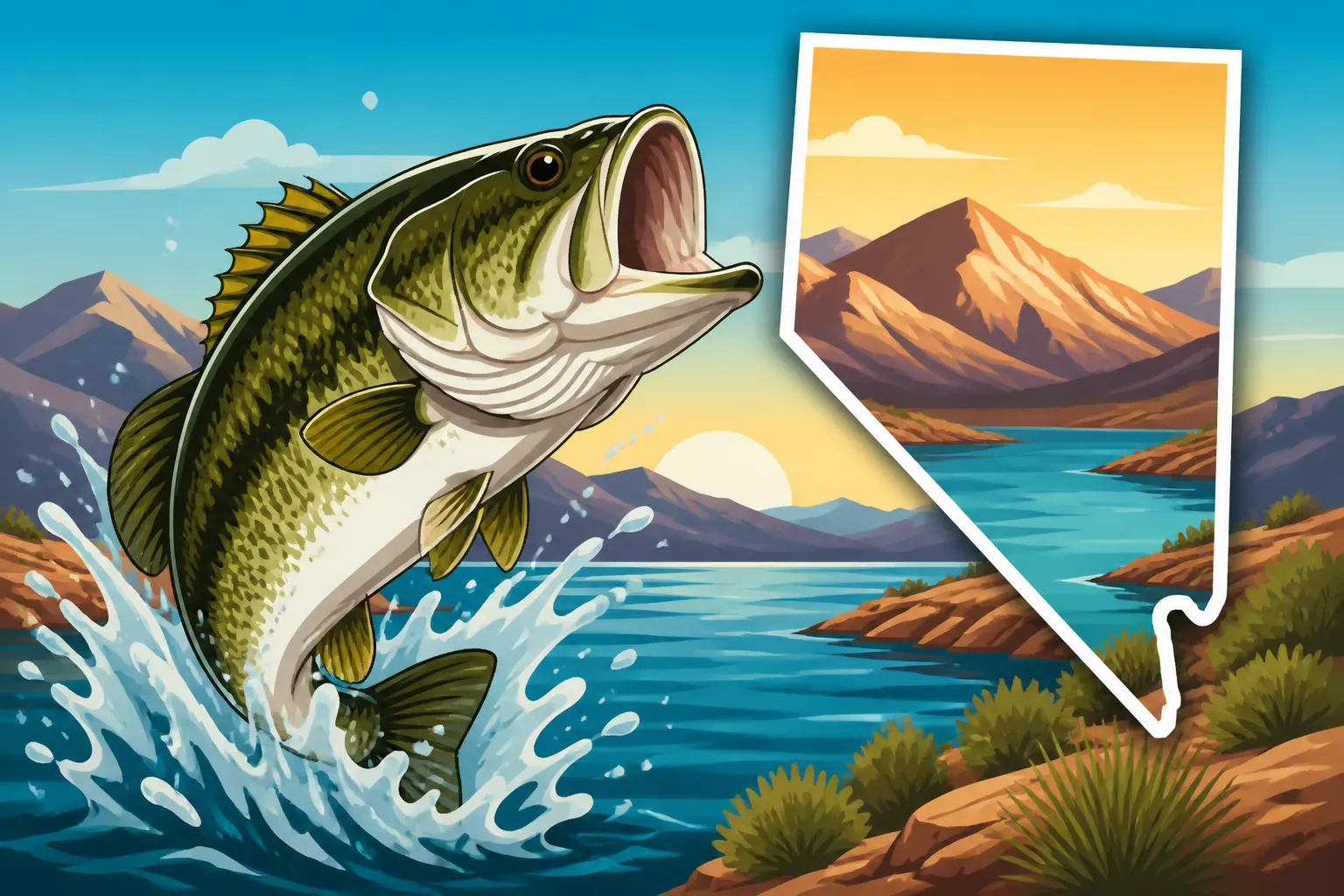
Trying to track down that elusive trophy bass in Nevada can feel like searching for a needle in a desert haystack, especially when you hear whispers of giants but aren't sure where to begin your quest. This guide is dedicated to helping you pinpoint the best waters in the Silver State where you actually stand a realistic chance of hooking into a truly massive largemouth or smallmouth bass, arming you with the knowledge to make your lunker dreams a reality.
The Quest for Nevada's Lunker Bass: Where to Even Begin
Let's be real, Nevada isn't always the first place that comes to mind when you think of world-class bass fishing. Many anglers picture vast, empty desert landscapes, and while that's part of our charm, it also means our prime bass fisheries are often overlooked. The truth is, Nevada holds some truly spectacular opportunities for trophy bass, but they require a bit more understanding and persistence than some of the more famous bass destinations across the country. We're talking about lakes that can produce fish that will make your jaw drop, but they don't give up their secrets easily.
The key to finding trophy bass isn't just about showing up at any lake that has bass. It's about identifying waters that have the right combination of forage, habitat, and management practices to allow bass to grow to exceptional sizes. In Nevada, this often means deep, clear reservoirs with ample baitfish, crayfish, and cover, especially those that maintain stable water levels and provide consistent food sources over many years. It's a delicate balance, and when it's right, that's where the magic happens.
For a lot of us, the idea of a "trophy bass" isn't just a number on a scale; it's a feeling, a memory of a fight, and the sheer awe of holding a fish that's truly magnificent. Whether you're chasing a double-digit largemouth or a smallmouth that pushes the 5-pound mark, the dedication required is immense, but the reward is unforgettable. You're not just fishing; you're hunting for a specific kind of experience, and Nevada offers a few prime battlegrounds for that hunt.
Lake Mead: The Undisputed Giant for Trophy Bass
When it comes to the sheer potential for trophy bass in Nevada, Lake Mead absolutely steals the show. It's not just a big lake; it's a massive, complex system that, despite its challenges, consistently produces some of the state's largest largemouth and smallmouth bass. Anglers from all over the world recognize Lake Mead's potential, even if its fluctuating water levels and vastness can make it intimidating to newcomers.
Historically, Lake Mead has always been known for its huge bass, particularly its largemouth. While the striped bass often dominate the headlines here, the black bass fishery is incredibly robust if you know where to look. We're talking about fish that can easily tip the scales into the double-digits for largemouth, and smallmouth that will give you a fight you won't soon forget, often weighing in at 4 to 6 pounds, sometimes more. The sheer volume of water means there's a lot of undisturbed habitat where these fish can grow old and large.
Largemouth Bass Hotspots and Habits
For trophy largemouth, Lake Mead's coves, submerged structure, and canyon arms are your bread and butter. These areas often provide the perfect ambush points and cover for big bass. Think about areas with drowned brush, rock piles, old foundations, and ledges. The key is to find that perfect blend of deep water access and shallow-water forage. The bass here love to relate to structure, whether it's natural rock or man-made debris.
During the cooler months, these big largemouth will often retreat to deeper coves and channels, looking for stable temperatures and easy meals. As the water warms in spring, they'll move shallower, especially into protected coves, for spawning. This is often the best time to target a true monster. You'll want to explore areas like the narrows, or the vast coves on the Arizona side, if you're willing to make the run. Check out Largemouth Bass Fishing in Nevada for more specific insights.
When you're out there, look for signs of baitfish activity—shad, sunfish, or even crayfish. A healthy forage base is directly linked to bigger bass. Many anglers focus on slower, more methodical presentations for these larger fish, knowing that a true trophy isn't often caught on a quick retrieve. Big swimbaits, jigs, and slower-moving plastics can be incredibly effective when patiently worked through prime habitat.
Smallmouth Bass Prowess in Lake Mead
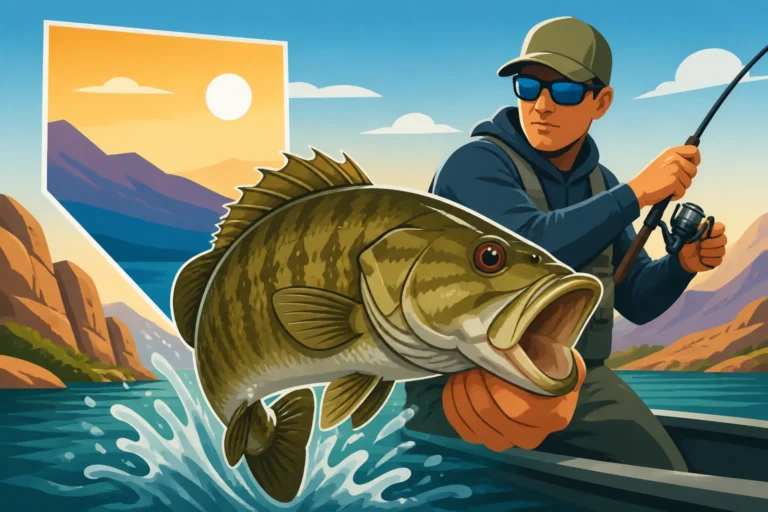
Don't underestimate Lake Mead's smallmouth bass population either! These bronzebacks are absolute fighters and often reach impressive sizes here. While they might not hit the same weight as a largemouth, a 5-pound smallmouth from Lake Mead is an incredible accomplishment and will pull like a freight train. They tend to prefer rocky points, ledges, and clear, open water areas, often deeper than their largemouth cousins.
For smallmouth, think about steep drop-offs, rock slides, and main lake points. They are notorious for schooling up, especially when actively feeding on shad or other baitfish. Drop-shot rigs, tube jigs, and small crankbaits are highly effective for these hard-fighting fish. Sometimes, you'll find them suspended over deep water, especially during the colder months, making a good fish finder indispensable. You can read more about targeting these aggressive fish in Smallmouth Bass Fishing in Nevada.
The clarity of Lake Mead's water often plays a huge role in smallmouth fishing. They are sight feeders, and clear water allows them to track prey from a distance. This also means you need to be mindful of your line choice and presentation. Fluorocarbon lines are often preferred for their low visibility, and subtle bait movements can be the difference between a bite and a swing-and-a-miss. The fight they put up is legendary, often involving acrobatic jumps and powerful runs, making them a true trophy in their own right.
Lake Mohave: A Sleeper for Southern Nevada Lunkers
Just downstream from Lake Mead, Lake Mohave offers another fantastic opportunity for trophy bass, often with a slightly different flavor. While it might not boast the sheer volume of water that Mead does, Mohave has a unique ecosystem that supports excellent growth rates for both largemouth and smallmouth bass. It's often less pressured than Mead in certain areas, providing a quieter, yet equally rewarding, trophy bass hunt.
Lake Mohave is known for its clear, cool waters, especially in its northern stretches influenced by the releases from Hoover Dam. This cooler water often translates to healthy, hard-fighting fish. The lake stretches for over 60 miles, offering diverse habitats from deep canyons to wider, more open coves. Anglers who take the time to learn Mohave's nuances are often handsomely rewarded with some truly memorable catches.
Largemouth Opportunities on Lake Mohave
For trophy largemouth in Lake Mohave, you'll want to focus on areas with submerged vegetation, especially during the warmer months, and rocky cover year-round. While not as abundant as in some other lakes, pockets of aquatic grass can be absolute magnets for big bass. Additionally, the countless rock piles, ledges, and sheer cliff walls provide excellent ambush points. The fishing can be phenomenal in areas like Cottonwood Cove or in the vast, wild stretches further south.
Much like Mead, patience and precise presentations are key here. Big jigs, Texas-rigged worms, and deep-diving crankbaits are staples for probing the depths and cover where these lunkers hide. Consider investing in a good quality depth finder to locate prime structures. When shopping for these essentials, you'll find a wide selection on platforms like Amazon, offering everything from advanced electronics to a diverse range of lures. Lake Mohave Nevada Fishing Guide offers a deeper dive into this incredible fishery.
The clarity of Mohave can be a double-edged sword; it allows fish to see your bait from afar, but also to spot you. Stealth is your friend. Early morning and late evening bites are often the most productive, particularly for those larger, more wary fish that prefer low light conditions. You might also find success fishing slowly during midday, targeting very specific, deep cover where big bass often hang out to escape the bright sun.
Smallmouth Dominance in Mohave
Lake Mohave is arguably even more renowned for its incredible smallmouth bass fishing than its largemouth. The rocky, clear-water environment is absolutely perfect for these aggressive predators. Many anglers consider Mohave to be one of the best smallmouth fisheries in the entire Southwest, and for good reason. Trophy-sized smallmouth are consistently caught here, often topping 4 or 5 pounds, with larger specimens not uncommon.
The smallmouth in Mohave absolutely crush finesse baits like drop shots, small jigs, and tubes worked along rocky banks, points, and humps. They're often found in slightly deeper water than largemouth, especially during the heat of summer. Exploring the cooler, canyon-like sections of the lake, particularly in the northern reaches, can yield fantastic results. Look for structure changes, submerged boulders, and current breaks where they can ambush prey.
Don't be afraid to experiment with different depths and retrieve speeds when targeting Mohave's smallmouth. These fish are incredibly responsive to changes in presentation. If you're struggling to get bites, try slowing down your retrieve or switching to a lighter line. The fight from a Mohave smallmouth is electric, characterized by hard runs and aerial displays, making every catch a true thrill. Remember to keep an eye on our Nevada Bass Daily Limit and Size Rules so you're always fishing within regulations.
Other Promising Nevada Waters for Big Bass
While Lake Mead and Lake Mohave are the reigning champions for trophy bass potential, other Nevada waters shouldn't be overlooked. Sometimes, a smaller, less-pressured lake can hold a surprise lunker, especially if you catch it at the right time. These spots might not produce the same consistent numbers of giants, but they can definitely offer up that unexpected trophy.
Wildhorse Reservoir
Located in northeastern Nevada, Wildhorse Reservoir is primarily known for its excellent trout fishing, but it also supports a healthy population of largemouth and smallmouth bass. While trophy bass here might mean a slightly smaller size than Mead, a 5 or 6-pound largemouth from Wildhorse is a true beast for this region. The lake has plenty of submerged timber and natural structure, providing ample habitat for bass to thrive.
The key to Wildhorse is timing. The fishing can be spectacular during the spring and fall when bass are more active in shallower waters. During summer, they tend to move deeper, following baitfish and seeking cooler temperatures. Heavy jigs, crankbaits, and spinnerbaits are effective here. If you're looking for a change of scenery and a chance at a respectable bass, Wildhorse is definitely worth the drive. You might even find some unique gear for targeting these northern Nevada bass on Amazon.
Rye Patch Reservoir
Nestled in western Nevada, Rye Patch Reservoir is another multi-species fishery that sometimes produces impressive bass. It’s primarily known for its walleye and white bass, but largemouth bass are present and can grow to solid sizes, especially given the ample forage. The lake's fluctuating water levels can make fishing challenging, but during periods of stable water, the bass fishing can really turn on.
Targeting Rye Patch largemouth often means focusing on the flooded brush and timber along the shoreline, especially in the upper arms of the reservoir. Spinnerbaits, jigs, and plastic worms are good choices here. Keep an eye on local reports, as Rye Patch can be hit or miss, but when it's on, it can surprise you with a nice lunker. Rye Patch Reservoir Fishing offers more specific details about this unique lake.
Urban Ponds (for a surprising shot)
Believe it or not, some of Nevada's urban ponds, particularly those managed by NDOW in the Las Vegas area, can occasionally produce a surprisingly large bass. While not "trophy" in the traditional sense of a Lake Mead lunker, catching a 3- or 4-pound bass in a city park pond is a trophy for many urban anglers, especially kids. These ponds are heavily stocked with trout, providing an unexpected, rich forage base for the bass that reside there.
For urban pond bass, focus on structure like submerged trees, weed beds, and even the shadows of bridges or docks. Small jigs, plastic worms, and crankbaits can entice these opportunistic feeders. It's a great way to introduce someone to the thrill of bass fishing, and you never know when a chunky one might bite! Check out Las Vegas Nevada Urban Pond Fishing Guide for specific locations.
Strategies and Gear for Luring Nevada's Trophy Bass
Catching a trophy bass in Nevada isn't just about finding the right water; it's about employing the right strategies and having the proper gear. These fish are often old, wary, and wise, meaning you need to bring your A-game.
The Right Tackle for the Job
When you're chasing lunkers, you can't skimp on your tackle. You need robust rods, reels, and lines that can handle the sheer power of a big bass, especially when they're trying to bury you in cover.
- Rods: For largemouth, a medium-heavy to heavy action rod, usually 7 to 7.5 feet long, is ideal. This gives you the power to cast larger baits and pull fish out of thick cover. For smallmouth, a medium-heavy action spinning or casting rod in the 6.5 to 7-foot range offers more sensitivity for lighter baits while still having backbone.
- Reels: Baitcasting reels are king for largemouth, offering power and control for heavy lines and baits. Look for models with a good drag system. For smallmouth, high-quality spinning reels with smooth drags are excellent for finesse presentations.
- Line: Fluorocarbon lines (12-20 lb test for largemouth, 8-12 lb for smallmouth) are popular for their low visibility and abrasion resistance. Braided line (30-65 lb test) can be great for heavy cover, often with a fluorocarbon leader. Selecting the right line can make a huge difference, and you can find a vast array of options for Best Line for Desert Reservoir Fishing.
- Lures: Big bass often respond to big baits.
- Jigs: Heavy jigs (3/4 oz to 1 oz) with bulky trailers are phenomenal for imitating crayfish or baitfish around structure.
- Swim Baits: Both hard and soft swimbaits, especially those mimicking trout or large shad, can entice monster bass.
- Plastic Worms/Creature Baits: Texas-rigged or Carolina-rigged large worms (10-12 inches) or creature baits can be deadly when slowly worked along the bottom.
- Crankbaits: Deep-diving crankbaits that reach depths of 15-25 feet are excellent for covering water and triggering reaction strikes.
- Drop Shots/Tubes: For smallmouth, finesse techniques like drop-shotting small worms or casting tube jigs are incredibly effective.
For a comprehensive look at what works, explore Best Lures for Nevada Bass. Remember, you can often find fantastic deals on these lures and other gear online, with platforms like Amazon providing reviews and detailed product descriptions to help you choose wisely.
Timing and Conditions
Big bass are creatures of habit and opportunity. Understanding their seasonal movements and preferred conditions can dramatically increase your chances.
- Spring (Pre-spawn and Spawn): This is often the prime time for trophy bass. As water temperatures rise, big bass move shallower to feed aggressively before and during the spawn. This is when they are most accessible and often at their heaviest. Pay attention to Nevada Bass Season and Spawn Timing.
- Summer: During the scorching Nevada summer, bass will generally move deeper to find cooler, more oxygenated water. Targeting deep points, humps, ledges, and submerged cover becomes crucial. Early morning, late evening, and even night fishing can be productive. Check out Best Time of Day to Fish in Summer Heat.
- Fall: As temperatures cool, bass become very active, feeding heavily to prepare for winter. They often move shallower again, chasing baitfish in vast schools. This can be another fantastic time for trophy catches.
- Winter: While slower, winter can still produce giants for those willing to brave the cold. Big bass are often lethargic but will still eat a slow-moving, tempting meal. Deep jigging and slow rolling baits are often effective.
Patience, Persistence, and Presentation
Finally, and perhaps most importantly, trophy bass fishing requires patience and persistence. You might make hundreds of casts without a bite, but that one perfect presentation could lead to the fish of a lifetime.
- Slow Down: Often, anglers fish too fast. Big bass aren't always actively chasing; they're waiting for an easy meal. Work your baits slowly and meticulously through high-percentage areas.
- Target Structure: Always be looking for structure—rock piles, submerged trees, ledges, changes in depth, or anything that provides cover or an ambush point. Use your electronics to find these hidden gems.
- Observe and Adapt: Pay attention to what the fish are telling you. Are they hitting a specific color? Do they prefer a slow crawl or a quick twitch? Is the bite better in sun or shade? Be willing to change your approach if something isn't working.
- Catch and Release: For truly trophy-sized bass, especially in waters with limited populations, practicing responsible catch and release is paramount. Handle these big fish with care, minimize their time out of water, and ensure they are revived properly before release. This helps ensure these giants are there for future anglers to enjoy.
Catching a trophy bass in Nevada is a challenge, but it's a deeply rewarding one. With the right knowledge, the right gear, and a healthy dose of persistence, your next cast could connect you with the fish of a lifetime.
| Lake | Primary Trophy Species | Key Habitat | Best Seasons | General Approach for Trophies |
|---|---|---|---|---|
| Lake Mead | Largemouth, Smallmouth | Deep coves, rocky points, submerged structure | Spring, Fall, Summer (deep) | Large swimbaits, jigs, deep cranks for largemouth; finesse for smallmouth on rocky points. |
| Lake Mohave | Smallmouth, Largemouth | Rocky banks, ledges, clear water, vegetation | Spring, Fall, Summer (deep) | Drop-shots, tubes for smallmouth; jigs, plastics in cover for largemouth. |
| Wildhorse Reservoir | Largemouth, Smallmouth | Submerged timber, rock piles | Spring, Fall | Heavy jigs, spinnerbaits, crankbaits around structure. |
| Rye Patch Reservoir | Largemouth | Flooded brush, timber | Spring, Fall (stable water) | Spinnerbaits, plastics along flooded banks. |
Disclaimer
This article is for general informational purposes only and does not constitute professional advice. Laws, prices and regulations vary by location and change over time. Consult a qualified professional for guidance on your specific situation.