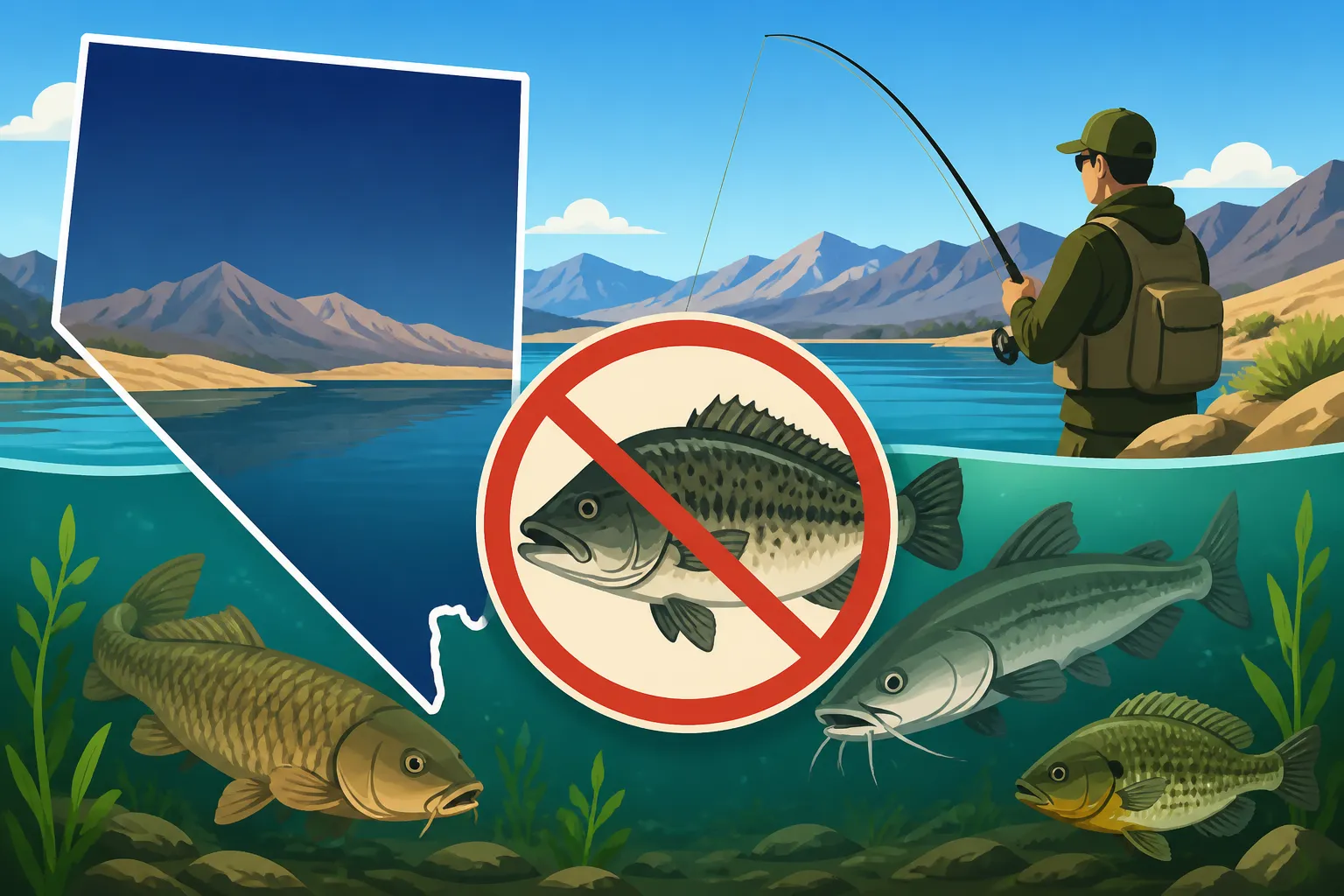
Are there invasive fish species in Nevada lakes?
It's a frustrating reality for any angler who truly cares about the health of our precious Nevada waters: the presence of invasive fish species. These unwelcome guests can disrupt delicate ecosystems, outcompete native fish for food, and sometimes even directly prey on them, turning once vibrant fishing spots into ecological challenges. This guide will walk you through what these invasive species are, how they impact our lakes and rivers, and most importantly, what you, as a responsible angler, can do to help protect Nevada's natural aquatic environment.
What Exactly Are Invasive Fish Species?
When we talk about "invasive" species, we're not just talking about any fish that isn't native to a particular body of water. An invasive species is specifically one that, once introduced, establishes a self-sustaining population and causes ecological or economic harm to the new environment. It's a big problem, and it's one that often comes with a heavy heart for those of us who love to fish. You see the effects firsthand sometimes—a once-clear trout stream becoming muddier, or a favorite bass cove showing fewer signs of life. It’s disheartening to witness the changes, and it makes you wonder what you can do to help.
The Difference Between Native and Non-Native
Let's clarify something important right off the bat. A "non-native" or "introduced" species is simply one that didn't originate in that specific body of water but was brought there by human activity. Not all non-native species become invasive. For example, many of the rainbow trout stocked in Nevada's urban ponds and reservoirs aren't native to those exact locations, but they're carefully managed and often don't establish naturally reproducing populations that cause harm. They exist as put-and-take fisheries.
An invasive species, however, is a non-native species that thrives too well, outcompetes or preys on native species, and throws the whole system out of whack. It causes a cascade of negative effects, from reducing biodiversity to altering habitats and even affecting water quality. It's like inviting a guest to dinner who then rearranges all your furniture, eats all your food, and bullies your family pets. Not ideal, right? Understanding this distinction is the first step in appreciating the gravity of the issue.
How Invasive Species Get Introduced
It might seem baffling how fish from completely different regions end up in our local lakes and rivers. Unfortunately, most introductions are a direct result of human actions, whether intentional or accidental. One common way is the illegal stocking of fish by well-meaning but utterly misinformed individuals who think they're "improving" a fishery or simply dumping unwanted aquarium pets. Imagine someone letting their pet goldfish go in a local pond, thinking it's a humane act. That seemingly innocent act can lead to a full-blown invasion.
Another major pathway is through bait bucket introductions. Anglers sometimes transport live bait, and if any of that bait escapes or is intentionally dumped at the end of a fishing trip, it can introduce new species to a waterbody. This is a huge risk, especially when you're moving between different regions or even different states. Lastly, some species hitchhike. Quagga and zebra mussels, for instance, often cling to boats and trailers, and while they aren't fish, they dramatically alter the ecosystem, which then impacts the fish populations. It's why phrases like "Clean, Drain, Dry" are so critical and something we'll discuss more later. You can find all sorts of boat cleaning solutions and equipment on platforms like Amazon to ensure your vessel is spotless before moving it to a new lake.
Major Invasive Fish Species Impacting Nevada Waters
Nevada's diverse aquatic environments, from the vastness of Lake Mead to the unique waters of Pyramid Lake and numerous smaller reservoirs, are unfortunately not immune to the pressures of invasive species. Each of these species brings its own set of challenges, drastically altering the balance of our cherished fisheries. It's a complex dance, and sometimes the impacts are immediate and obvious, while other times they're a slow, creeping change that can be hard to reverse.
The Striped Bass Conundrum
When you think of Lake Mead or Lake Mohave, one of the first fish that probably comes to mind is the striped bass. While beloved by many anglers for their fighting spirit and delicious meat, striped bass are, in fact, a non-native species introduced to these waters. They were stocked decades ago to create a sport fishery, and they absolutely thrived, establishing massive, naturally reproducing populations. They are incredible predators, growing to impressive sizes and providing thrilling action for countless anglers. Striped Bass Fishing in Nevada is a huge draw for the state.
However, their very success presents an ecological conundrum. Striped bass are voracious eaters, consuming huge quantities of smaller fish, including shad and other baitfish. While this can sometimes keep populations of prolific baitfish in check, large populations of stripers can put immense pressure on the food chain, competing with native predators and sometimes leading to declines in other sportfish. It's a delicate balance: a popular sportfish that also exerts significant predatory pressure on the ecosystem. Many anglers enjoy the challenge, but it’s crucial to remember their ecological footprint. For those wanting to try their hand at catching these powerful fish, robust fishing line and strong hooks, readily available on Amazon, are absolute must-haves.
European Carp and Goldfish
These two species often go hand-in-hand as common invaders, particularly in the quieter, shallower waters of urban ponds, canals, and some slower-moving rivers and reservoirs. European carp, often just called common carp, are incredibly hardy and prolific. They're bottom-feeders, constantly rooting around in the substrate for food. This activity stirs up sediment, making the water turbid, reducing light penetration, and destroying submerged aquatic vegetation that native fish rely on for cover, spawning, and food. Imagine a cow constantly churning up a garden patch – that's what carp do to a lake bottom.
Goldfish, often released aquarium pets, are essentially domesticated carp and exhibit similar destructive behaviors. They can hybridize with native carp species, further complicating the genetic landscape. You'll often see them in places like the Las Vegas urban ponds, where they can quickly outcompete smaller native fish and decimate plant life. Common Carp in Nevada Waters are a persistent problem. They might seem harmless, even pretty, but their ecological impact is anything but. The turbidity they create can make it difficult for sight-feeding fish to hunt and for plants to photosynthesize, fundamentally changing the aquatic environment.
Northern Pike and Walleye
These two species represent a significant threat to Nevada's coldwater and warmwater fisheries, respectively, when introduced outside of managed populations. Northern pike are ambush predators with an insatiable appetite, known to decimate populations of trout, bass, and other panfish. Their presence in a trout fishery, for example, can be catastrophic, as they will quickly eat through smaller trout, potentially wiping out year classes and collapsing the population. They are incredibly efficient hunters, and once established, they are notoriously difficult to remove.
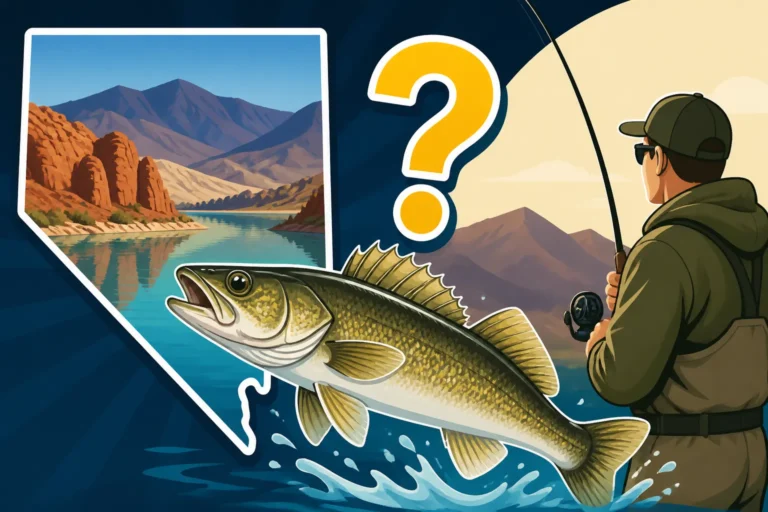
Walleye, while also a popular sportfish in some parts of the country, can become problematic in Nevada waters where they are not native. Like pike, they are efficient predators and can outcompete and prey upon native bass and trout, disrupting the existing food web. There are waters in Nevada where walleye have been legally stocked and managed for sportfishing, but unauthorized introductions elsewhere can lead to severe ecological imbalances. The issue isn't the fish itself, but its presence in an ecosystem that isn't equipped to handle it. For those fishing for native species, encountering these invaders means understanding the regulations surrounding them, as sometimes their removal is encouraged or even mandated. You can find appropriate heavy-duty tackle, designed for larger predatory fish, on Amazon to handle these species responsibly if you encounter them.
The Devastating Impact on Nevada's Ecosystems and Fisheries
The introduction of invasive fish species isn't just an inconvenience; it's a fundamental threat to the delicate balance of Nevada's aquatic ecosystems. Every species in a healthy ecosystem has a role, a niche it fills, whether it's consuming certain foods, providing food for others, or contributing to nutrient cycling. When an invasive species arrives, it often disrupts these established roles, leading to a ripple effect throughout the entire environment. It's like pulling a thread from a carefully woven tapestry – soon, the whole thing starts to unravel.
Competition for Resources
One of the most common and immediate impacts of invasive fish is direct competition for vital resources. Imagine a fixed amount of food, like aquatic insects or small baitfish, in a lake. If a new, highly efficient eater shows up and starts consuming that food at a faster rate or in larger quantities, there's simply less left for the native fish that have always relied on it. This can lead to slower growth rates for native fish, reduced reproductive success, and ultimately, declining populations.
Take the common carp, for instance. Their bottom-feeding habits churn up sediment, clouding the water. This murky water makes it harder for sight-feeding fish, like bass and trout, to find their prey. Furthermore, the stirred-up sediment can smother the eggs of native fish that spawn on the bottom, drastically reducing their reproductive success. It's not just about eating the same food; it's about altering the very environment that allows native fish to thrive. It’s a silent, persistent battle for survival that the native species are often ill-equipped to win.
Predation on Native Species
Perhaps the most dramatic and devastating impact is direct predation. Invasive species, especially large, aggressive predators, can prey upon native fish, particularly juveniles and eggs, to a catastrophic extent. Northern pike, for example, are known "wolf fish" of the freshwater world. If introduced into a lake with a vulnerable native trout population, they can quickly decimate the smaller, less aggressive trout. This is a severe problem in some high-mountain lakes where pike have been illegally introduced, turning once-thriving native trout fisheries into barren waters.
The Lahontan cutthroat trout, Nevada's state fish and a species with a unique history and conservation challenges, is particularly vulnerable to predation from non-native species. Lahontan Cutthroat Trout in Nevada are special, and their survival depends on maintaining their unique environment. Any invasive predator introduced to their habitat could have dire consequences for their recovery efforts. It's not a fair fight, as native species often haven't evolved defense mechanisms against these new, formidable predators. The impact can be swift and irreversible, highlighting the urgent need for prevention.
Habitat Alteration and Disease Spread
Beyond direct competition and predation, invasive fish can fundamentally alter the physical habitat and introduce diseases that native species have no immunity to. We've already touched on how carp can increase water turbidity, destroying aquatic vegetation vital for cover and food. This habitat destruction affects not only fish but also the myriad of invertebrates that form the base of the food web. When the structure of the habitat changes, the entire ecosystem shifts, often to the detriment of native species.
Moreover, invasive species can carry parasites and diseases that they are immune to, but which can be deadly to native fish. Imagine bringing a common cold to a remote island population with no natural defenses—the results can be devastating. These pathogens can spread rapidly through a water body, causing widespread illness and mortality among native fish populations. This unseen threat is yet another reason why preventing the introduction of invasive species is so critically important for the long-term health of Nevada's precious waters. Nevada Fish Species Guide details the native species that are most at risk.
What Anglers Can Do: Prevention and Responsible Practices
As anglers, we have a profound connection to Nevada's lakes and rivers. This connection comes with a responsibility to protect these precious resources. While government agencies work tirelessly on management and eradication, you, the individual angler, are on the front lines of prevention. Your actions, or inactions, can make all the difference. It’s not just about following the Nevada Fishing Regulations Explained; it’s about embracing a mindset of environmental stewardship.
Clean, Drain, Dry Your Equipment
This is perhaps the single most important step you can take to prevent the spread of aquatic invasive species. It's simple, effective, and applies to anyone who uses our waterways, whether you're launching a boat, kayaking, or just wading in with your boots.
- Clean: Before leaving any water body, thoroughly inspect your boat, trailer, waders, boots, and all fishing gear. Remove any visible mud, plants, or debris. This includes propeller, anchor, ropes, fishing lines, and anything else that might have come into contact with the water. You can find specialized brushes and cleaning solutions on Amazon to help with this, making sure you don't miss a spot.
- Drain: Pull your drain plug and drain all water from your boat, livewells, bilge, and engine. This is crucial because microscopic larvae or eggs can survive in even a small amount of standing water. If you've been using a livewell, empty and rinse it. Empty your bait bucket onto dry land, far from any water source.
- Dry: Allow all your equipment to thoroughly dry for at least 5-7 days, especially if you're moving between different water bodies. Heat and desiccation are incredibly effective at killing invasive species. If you can't dry it for that long, consider power washing with hot water, preferably 140°F (60°C). This applies to everything, even your fishing vest and tackle box. When it comes to something as simple as a pair of waders, drying them completely on a clothesline is usually enough, but giving them a good scrub first is key. Always check the rules for Nevada Boat Registration and Titling Guide and proper boat inspection protocols when moving your vessel.
Never Release Live Bait or Unwanted Fish
This is a big one, and it's where many well-intentioned mistakes happen. It might seem harmless to release leftover bait or a pet you no longer want into a local pond, but it's one of the primary vectors for invasive species introduction.
- Live Bait: Never, ever release unused live bait into a water body. If you've collected your own bait from a specific location, only use it in that location. If you purchased bait, dispose of any leftovers in the trash, not in the water. That minnow or crayfish might look innocent, but it could introduce a devastating disease or an entirely new invasive species that disrupts the ecosystem. This also applies to the water your bait came in – dispose of it on land, far from any natural water source.
- Unwanted Pets: As empathetic as it might feel to "free" a pet fish, releasing it into a lake or pond is a death sentence for the local ecosystem. Goldfish, plecos, and other common aquarium fish can become invasive, grow to enormous sizes, and outcompete or introduce diseases to native species. If you can no longer care for a pet fish, look for responsible rehoming options through pet stores or aquatic societies, but never release it into the wild. Remember, our goal is to protect the delicate balance of our natural waters, and every angler plays a role in this.
Support Conservation Efforts and Report Sightings
Finally, staying informed and actively participating in conservation efforts is vital. Familiarize yourself with the species that are native to your local fishing spots and those that are considered invasive. The more you know, the better equipped you are to identify and report potential threats.
- Report Sightings: If you encounter an unusual or suspected invasive species, especially in a water body where it's not typically found, report it to the Nevada Department of Wildlife (NDOW) immediately. Take photos if possible, note the location, and if it's legal and safe, consider retaining the specimen for identification. Early detection is often the best chance for successful eradication.
- Participate in Programs: NDOW and other local conservation groups sometimes organize programs for invasive species removal or public awareness campaigns. Getting involved, even in a small way, can make a significant difference. Educate your fellow anglers about the importance of preventing introductions. Every angler using Nevada Fishing Gear Essentials has a responsibility to protect what we love. Understanding the current efforts to manage species like Walleye Fishing in Nevada in specific areas, or the slot limits for native Lahontan Cutthroat Trout in Nevada, helps you become a more informed steward. You can find information on upcoming events or educational materials on NDOW's website or through local fishing clubs.
By taking these steps, you're not just protecting fish; you're protecting the entire aquatic environment that makes fishing in Nevada such a special experience for all of us.
Disclaimer
This article is for general informational purposes only and does not constitute professional advice. Laws, prices and regulations vary by location and change over time. Consult a qualified professional for guidance on your specific situation.