Best Storage Solutions for Fishing Gear
If you've spent any time at all on the water in Nevada, whether you're chasing Lahontan cutthroat trout at Pyramid Lake or battling striped bass on Lake Mead, you know one thing for sure: fishing gear accumulates. Fast. Rods, reels, tackle boxes overflowing with lures, spare spools of line, waders, life vests, a dozen different tools – suddenly, your garage, shed, or even the corner of your living room looks less like a home and more like a sporting goods explosion. This guide is all about helping you reclaim your space and, more importantly, organize your precious fishing equipment so it's always ready for your next adventure on Nevada's incredible waters.
Taming the Tackle Box Avalanche: Organizing Your Essential Fishing Lures and Tools
Let's face it, the tackle box is the heart of every angler's setup. But what starts as a neatly organized collection can quickly devolve into a chaotic jumble of hooks, weights, and tangled lines if you don't have a solid system in place. Proper tackle storage isn't just about neatness; it's about efficiency on the water and protecting your investment from rust and damage.
The Humble Tackle Box: Beyond the Basics
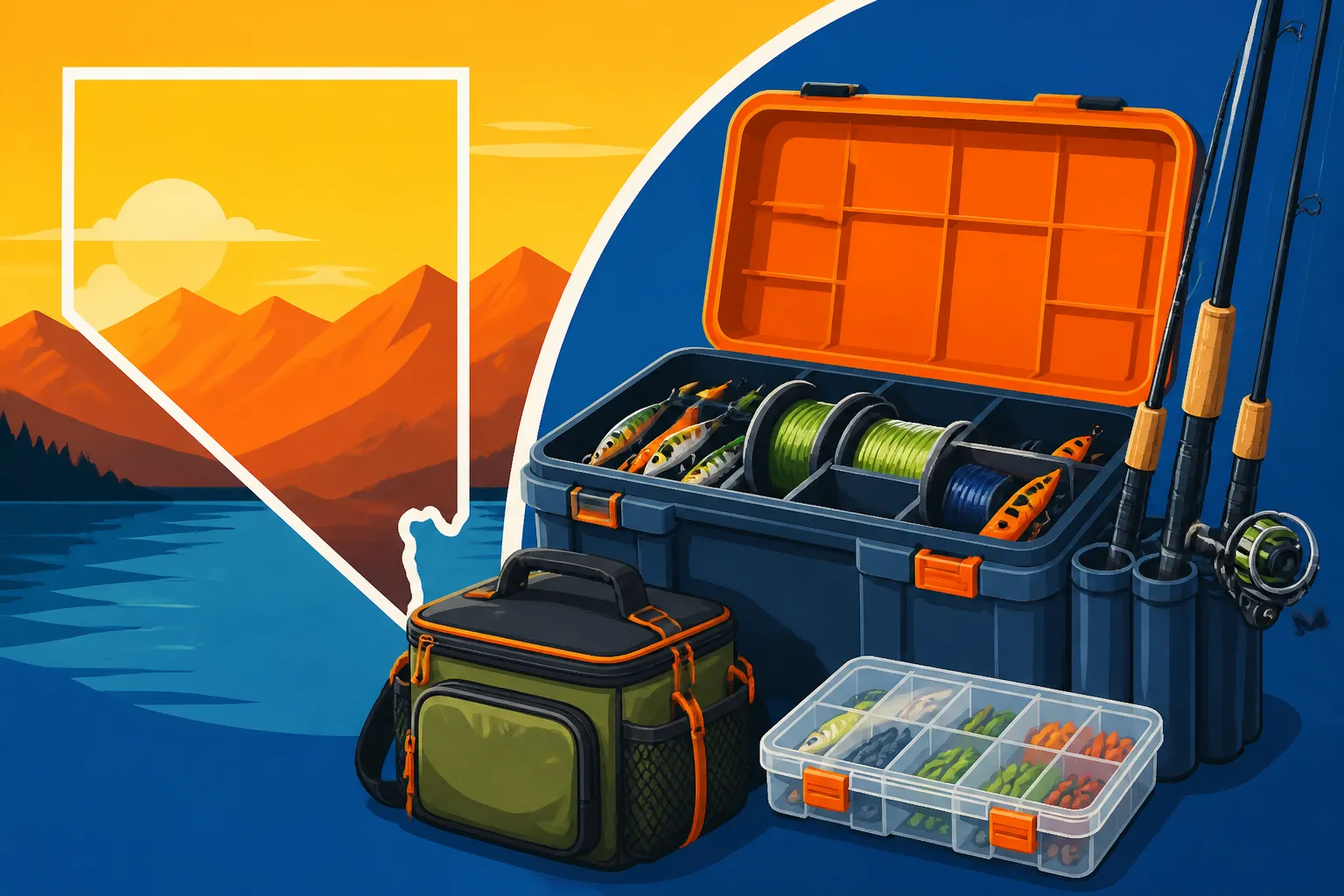
Traditional hard-sided tackle boxes have come a long way from the simple, multi-tray designs of yesteryear. Today, many feature customizable compartments, removable trays, and even waterproof seals. When choosing a tackle box, think about the specific species you target. If you're primarily a bass angler, you might need deep compartments for larger crankbaits and spinnerbaits, alongside dedicated spaces for soft plastics. For trout fishing, smaller, more segmented compartments are often ideal for tiny spinners, salmon eggs, and PowerBait jars.
Consider brands that offer modular systems. This means you can often swap out different-sized utility boxes to fit into a larger main container, allowing you to quickly reconfigure your setup for different trips. Labeling these internal boxes is a game-changer – imagine quickly grabbing your "Pyramid Lake Trout Jigs" box instead of sifting through a dozen others. This level of organization not only saves time but also extends the life of your lures by preventing them from getting crushed or tangled.
Soft-Sided Bags and Backpacks: Mobility Meets Organization
For anglers who cover a lot of ground, whether hiking into a remote stream in the Ruby Mountains or navigating the rocky shores of Lake Mohave, soft-sided tackle bags and fishing backpacks are incredibly practical. These often come with multiple external pockets, tool holders, and internal compartments designed to hold several hard-sided utility boxes. The flexibility of soft bags allows them to conform to tighter spaces, like under a boat seat or in the back of an ATV.
Many modern fishing backpacks are ergonomically designed for comfort, distributing weight effectively, which is crucial when carrying gear for extended periods. Look for models with waterproof or highly water-resistant materials, especially if you're frequently around the water. The best ones will also have padded shoulder straps and a ventilated back panel to keep you comfortable in Nevada's often hot climate. This category of storage is excellent for keeping your essential Nevada Fishing Gear Essentials easily accessible and portable.
Specialty Storage for Delicate Lures and Terminal Tackle
Some fishing items require a little extra care. Delicate flies for fly fishing, for instance, need dedicated fly boxes with foam inserts to prevent crushing or bending their hackles. Similarly, specialized terminal tackle like dropshot weights, swivels, and specific hook sizes can easily get lost or mixed up in a general tackle box. Smaller, clear plastic containers with very fine compartments are perfect for these.
Think about magnetic trays for small hooks or specialized spool tenders to keep your leader and tippet lines neat and tangle-free. For those who enjoy creating their own rigs, a separate, dedicated "rigging station" box with all the necessary components can save a lot of frustration. When shopping for these specific items, don't forget to check out places like Bass Pro Shops, which often have a wide array of highly specialized organizational tools designed for particular fishing styles and gear.
Reeling in the Rod Chaos: Solutions for Keeping Your Poles Safe and Accessible
Rods are perhaps the most unwieldy pieces of fishing gear, and their delicate nature means they need careful handling. Tossing them in a corner or leaning them against a wall is a recipe for broken tips, bent guides, and snapped blanks. Investing in proper rod storage is paramount to protecting these often-expensive tools.
Vertical Rod Racks: Space Savers for Walls and Ceilings
When space is at a premium, vertical rod racks are a fantastic solution. These mount to walls or ceilings in your garage, shed, or even a spare closet, keeping rods upright and out of the way. Wall-mounted racks typically feature cradles or clips that secure the rod blank and often a base for the reel handle to rest in. This keeps them neatly aligned and prevents them from flopping around.
Ceiling-mounted racks are an ingenious way to utilize often-overlooked overhead space, perfect for longer rods or those you don't access daily. Just be mindful of head clearance! When installing, make sure the racks are sturdy and spaced appropriately for your longest rods. This setup not only organizes but also visually displays your collection, making it easy to grab the right rod for a day of Nevada Trout Daily Limit Rules or chasing bass.
Horizontal Rod Storage: Under-Bed and Vehicle Solutions
Sometimes vertical space isn't an option, or you need to store rods more discreetly. Horizontal rod storage offers alternatives. For home storage, under-bed rod lockers or cases can keep rods protected from dust and accidental damage. These are typically long, slender cases designed to slide out of sight.
For vehicle transport, horizontal solutions are a must. Many anglers use soft rod sleeves to prevent tangles and scratches when rods are laid down in a truck bed or SUV. For more serious protection, hard-sided rod tubes or cases are indispensable. These are rigid cylinders, often lockable, that can securely hold multiple rods. Some even have internal padding and separate sleeves for each rod, ensuring they don't knock against each other during bumpy rides on Nevada's backroads. Companies often sell specific solutions for mounting these inside truck caps or across roof racks.
Rod Tubes and Cases: Protection for Transport and Long-Term Storage
Whether you're flying to a fishing destination or just want maximum protection for your most cherished rods, dedicated rod tubes and cases are the way to go. These come in various materials, from durable PVC to lightweight composite materials, and are designed to withstand significant impact. Many are airline-approved, which is a huge plus if your fishing adventures take you beyond state lines.
For long-term storage, a sturdy rod case keeps your rods safe from dust, humidity, and accidental knocks. Before storing rods in tubes or cases for extended periods, ensure they are completely dry to prevent mildew or corrosion, especially on reel seats and guides. A little maintenance before putting them away can save you from costly repairs down the line, ensuring your Best Fishing Rods for Nevada Lakes are always ready for action.
Gear Garages and Vehicle Vaults: Maximizing Space in Your Home and On the Go
The garage often becomes the default storage area for fishing gear, but without a system, it can quickly turn into a cluttered nightmare. Similarly, your vehicle needs smart storage solutions to keep your gear secure and accessible when you're traveling to and from the water.
Garage Organization Systems: Shelving, Cabinets, and Pegboards
Think of your garage as your personal outfitter shop. Heavy-duty shelving units are perfect for storing larger items like tackle bags, coolers, and buckets. Clear bins on shelves allow you to see contents at a glance, making it easy to find specific items like your Nevada Ice Fishing Gear Checklist during colder months. Cabinets, especially lockable ones, offer secure storage for more valuable equipment or items you want to keep away from dust and curious hands.
Pegboards are incredibly versatile for hanging smaller tools, reels, and even waders to dry properly. You can customize them with various hooks, baskets, and shelves to suit your needs. The key is to utilize vertical space effectively, getting items off the floor to prevent tripping hazards and make cleaning easier. A well-organized garage means less time searching and more time fishing.
Truck Bed and SUV Storage: Securing Gear for the Nevada Backroads
Transporting gear to your favorite fishing spots, whether it's Lake Tahoe or a remote desert reservoir, requires thoughtful planning. Truck bed storage solutions range from simple bed liners to elaborate drawer systems that keep your gear protected from the elements and secure from theft. Under-seat organizers in trucks and SUVs are great for smaller items like extra line, tools, or first-aid kits.
For larger items like multiple tackle boxes, buckets, or even a small inflatable boat, consider cargo nets or straps to prevent them from shifting during transit. Many utility boxes are now designed to be stackable and interlock, which is a huge advantage for maximizing space and stability in a vehicle. For heavier loads, a slide-out cargo tray can make accessing gear at the back of your truck bed much easier, saving your back from unnecessary strain.
Rooftop Carriers and Cargo Boxes: When You Need Extra Hauling Power
Sometimes, you just have too much gear for the interior of your vehicle, especially if you're traveling with family or heading out on a multi-day trip. This is where rooftop carriers and cargo boxes come into play. These sealed containers attach to your vehicle's roof rack and provide a significant amount of additional, weather-resistant storage space. They're ideal for bulkier items like camping gear, extra clothes, or larger fishing equipment that doesn't fit inside.
Roof-mounted rod carriers are another excellent option, securing rods externally in a streamlined, aerodynamic fashion. This keeps them completely out of the vehicle and away from potential damage by other cargo or passengers. When using any rooftop storage, always ensure it's securely fastened and that you adhere to weight limits specified by your vehicle and the carrier manufacturer. For adventures requiring a lot of specialized equipment, such as a Kayak Fishing Gear for Nevada excursion with multiple kayaks, this extra capacity can be a lifesaver.
Beyond the Basics: Apparel, Electronics, and Miscellaneous Gear Storage
Fishing isn't just about rods and reels. There's a whole host of other gear that needs a dedicated spot to stay organized, functional, and ready for your next outing. From waterproof jackets to delicate electronics, proper storage extends the life and reliability of these crucial items.
Waterproof Bags and Dry Boxes: Protecting Your Valuables
Nevada's desert climate might make you think water isn't a primary concern, but you're often on the water, and accidents happen. A sudden downpour, an unexpected wave, or simply dropping something overboard can ruin electronics, phones, and important documents. Investing in good quality waterproof dry bags or hard-sided dry boxes is non-negotiable for protecting these valuables.
Dry bags come in various sizes, from small pouches for your phone and wallet to large duffels that can hold extra layers of clothing. Hard-sided dry boxes offer superior crush protection and are often lockable, making them ideal for delicate electronics like fish finders or cameras. Always check the IPX rating to understand the level of water protection offered. This is particularly vital for keeping your Essential Safety Gear for Boating on Lake Mead dry and ready in case of an emergency.
Dedicated Apparel Storage: Waders, Vests, and Outerwear
Fishing apparel often has specific storage needs. Waders, for example, should never be balled up wet. After use, rinse them thoroughly, hang them to dry completely (inside out first, then right side out), and then store them in a cool, dry place, preferably hanging or loosely folded to prevent creases and material breakdown. Specialized wader hangers are available that allow them to drain and dry properly.
Fishing vests, jackets, and rain gear also benefit from hanging storage to maintain their shape and breathability. Ensure all pockets are emptied before storage to prevent rust stains from forgotten lures or tools. For your Best Sun Protection Gear for Desert Fishing, like wide-brimmed hats and gloves, consider a dedicated bin or shelf away from direct sunlight to prevent material degradation over time. Proper care and storage significantly extend the life of these items, saving you money in the long run.
Electronics and Battery Management: Keeping Your Tech Ready
In modern fishing, electronics play an increasingly vital role, from fish finders and GPS units to underwater cameras and communication devices. Proper storage and maintenance of these items, particularly their batteries, is critical. Always remove batteries from devices before long-term storage to prevent leakage and corrosion. Store batteries in a cool, dry place, and consider a dedicated battery box or organizer.
For rechargeable batteries, follow the manufacturer's recommendations for charging and storage. Some batteries, like lithium-ion, prefer to be stored at a partial charge rather than fully charged or completely drained. Keep your electronic devices in their original cases or a padded dry box to protect them from impact and dust. Ensure screens are clean and covered to prevent scratches. This careful approach ensures your gadgets, such as a portable fish finder, are always ready when you are.
Maintenance Through Storage: Protecting Your Investment from Nevada's Elements
Nevada's unique climate, with its intense sun, dry air, and occasional extreme temperatures, presents specific challenges for fishing gear. Smart storage practices aren't just about organization; they're about preventing damage and ensuring your equipment lasts for years.
Preventing Rust and Corrosion: Airflow and Desiccants
Rust and corrosion are the sworn enemies of metal fishing components. Hooks, swivels, reel parts, and even some lure components are susceptible. The primary culprit is moisture. Even in a dry climate like Nevada, condensation can form, or you might put away gear that isn't completely dry. Good airflow is crucial. Never store wet gear in sealed containers for extended periods. Allow everything to air dry thoroughly after each trip.
For tackle boxes and enclosed storage, consider using desiccants like silica gel packets. These absorb moisture from the air, creating a drier environment. You can often find large reusable desiccants at Amazon or sporting goods stores like Bass Pro Shops. Placing a few of these in your tackle box or rod case can make a significant difference in preventing rust, especially on your precious Best Tackle for Nevada Bass Fishing and Best Tackle for Nevada Trout Fishing lures.
UV Protection: Guarding Against Sun Damage
Nevada's sun is no joke, and prolonged exposure can wreak havoc on fishing gear. Plastic components on reels and tackle boxes can become brittle, monofilament and fluorocarbon lines can degrade, and the colors on lures can fade. Where possible, store your gear out of direct sunlight. If your garage or shed has windows that allow direct sun exposure, consider installing blinds or moving your storage units away from those areas.
For gear that must be stored outdoors or in a frequently exposed vehicle, consider using UV-resistant covers or materials. Rod and reel covers, for example, not only protect from physical damage but also from sun degradation. When packing your vehicle, try to place sensitive items in shaded areas or under blankets if they're in an open truck bed. This simple step can dramatically extend the life of your equipment.
Pest Control: Keeping Critters Out of Your Gear
From spiders and rodents to larger pests, critters can find their way into stored fishing gear, causing damage or simply making a mess. Rodents might chew on soft plastics, waders, or even rod grips, while spiders love to set up shop in tackle boxes. Keeping your storage areas clean and clutter-free is the first line of defense. Regularly sweep and inspect your garage or shed.
For tackle boxes and bags, ensure they are tightly closed. Some anglers use mothballs or cedar blocks in their storage areas as natural pest deterrents, though be mindful of the scent transferring to your gear. If you store items in sealed containers, it naturally reduces the entry points for pests. A tidy storage area is not just aesthetically pleasing; it's a practical measure to protect your investment.
| Storage Type | Best For | Pros | Cons | Ideal Location |
|---|---|---|---|---|
| Hard-Sided Tackle Box | Lures, terminal tackle, small tools | Durable, protective, customizable compartments | Can be bulky, less portable for hiking, limited larger item storage | Garage, boat, vehicle |
| Soft-Sided Tackle Bag | Lures, tools, fishing accessories | Portable, flexible, often has external pockets, easy access | Less crush protection, can absorb water if not waterproof | Vehicle, boat, bank |
| Fishing Backpack | Lures, tools, water, snacks, apparel | Hands-free mobility, comfortable for long walks, ergonomic | Capacity limitations, may not fit bulky items | Shore, hike-in spots |
| Vertical Rod Rack | Multiple fishing rods | Excellent space-saver, prevents tangles, easy selection | Requires wall/ceiling mounting, rods exposed to dust/elements | Garage, shed |
| Horizontal Rod Tube | 1-3 rods (transport/long-term) | Superior protection from impacts, airline-friendly | Can be long and awkward to store, typically for fewer rods | Vehicle, closet |
| Dry Box / Dry Bag | Electronics, wallet, keys, documents, apparel | Waterproof, keeps valuables safe, some offer crush protection | Dry bags less protective against impacts, limited organization within | Boat, kayak, bank, vehicle |
| Heavy-Duty Shelving | Large tackle bags, coolers, buckets | High capacity, keeps items off floor, can be customized | Requires significant space, items exposed to dust | Garage, shed |
| Vehicle Storage System | All types of gear for travel | Secure, organized transport, weather protection, theft deterrent | Can be expensive, adds weight, reduces vehicle cargo space | Truck bed, SUV |
Disclaimer
This article is for general informational purposes only and does not constitute professional advice. Laws, prices and regulations vary by location and change over time. Consult a qualified professional for guidance on your specific situation.