Lake Tahoe Nevada Fishing Guide
Fishing on Lake Tahoe can feel incredibly daunting, especially for those new to its vast, deep waters. You might stare out at its pristine beauty, rod in hand, and wonder where on earth to even begin, or how to tackle fish that lurk hundreds of feet below the surface. This guide is here to cut through that confusion, offering a comprehensive look at how to successfully navigate the unique challenges and incredible rewards of fishing Nevada's side of Lake Tahoe.
Understanding Lake Tahoe: A Unique Fishery
Lake Tahoe isn't just any lake; it's a true natural wonder, an alpine gem straddling the border of Nevada and California. Its sheer size and depth—it's the second deepest lake in the U.S., plunging over 1,645 feet in some spots—present both incredible opportunities and unique challenges for anglers. Many people come here expecting a typical lake fishing experience, only to find that Tahoe requires a completely different approach. The incredibly clear, cold waters, a result of its glacial origins and protected environment, mean fish can be wary, and locating them often requires specialized techniques. Don't be discouraged if your usual lake tactics aren't working; Tahoe demands a fresh perspective and a willingness to learn its secrets.
The Lake Tahoe Experience: More Than Just Fishing
Beyond the thrill of the catch, fishing Lake Tahoe offers an unparalleled outdoor experience. Imagine casting your line with towering, snow-capped Sierra Nevada peaks reflecting in the glassy surface, or watching a bald eagle soar overhead as the morning mist burns off. It's an immersive environment that soothes the soul, even if the fish aren't biting every minute. Whether you're a seasoned angler seeking a trophy Mackinaw or a family looking for a memorable day out, the scenic beauty alone makes every trip worthwhile.
However, this pristine environment also means respecting its delicate ecosystem. The water quality is paramount, and anglers are encouraged to practice responsible habits, such as proper waste disposal and careful handling of fish. Many visitors, after spending time on its waters, feel a deep connection to Lake Tahoe, transforming fishing from a mere hobby into a profound appreciation for nature. It's an experience that stays with you long after you've packed up your gear, a truly distinct adventure compared to many other freshwater destinations.
The Deep Blue Mystery: What Makes Tahoe Special for Anglers?
What truly sets Lake Tahoe apart for anglers is its incredible depth and the unique cold-water species it supports. Unlike many reservoirs that warm significantly in summer, Tahoe's massive volume keeps its deeper sections consistently cold, creating an ideal habitat for species like the legendary Mackinaw (Lake Trout). This means fish can often be found at considerable depths, requiring specialized gear and techniques, like downriggers for trolling. The crystal-clear water, while beautiful, also means fish can see your line and presentation easily, making stealth and proper lure selection crucial.
The lake's oligotrophic nature (low nutrient content) contributes to its clarity but also means less overall biomass compared to a more fertile lake. This can sometimes translate to fewer fish per cubic foot, making each catch feel even more earned. You might not get constant bites, but when you do, it's often a high-quality fish. Understanding these fundamental characteristics is the first step in unlocking Lake Tahoe's fishing potential and appreciating why success here feels so uniquely rewarding.
Essential Regulations and Permits for Lake Tahoe
Navigating the rules and regulations for Lake Tahoe can be a bit of a headache, especially since the lake crosses state lines. It’s a common frustration for anglers who just want to enjoy their day without worrying about inadvertently breaking a law. The most crucial thing to remember is that you need a valid fishing license for the state in which you are fishing. If you're on the Nevada side, that means a Nevada fishing license is non-negotiable. Don't even think about wetting a line without one; game wardens regularly patrol the lake, and fines for non-compliance are hefty.
Furthermore, Lake Tahoe has its own set of specific regulations that often differ from general statewide rules. These cover everything from bag limits and size restrictions to specific bait and tackle restrictions. It’s not enough to just have a license; you really need to dive into the specific rules for Tahoe to ensure you're fishing legally and responsibly. This diligence prevents disappointment and helps protect the fishery for everyone. For a deeper dive into statewide rules, check out our comprehensive guide on Nevada Fishing Regulations Explained.
Navigating Nevada Fishing License Rules for Tahoe
To fish the Nevada portion of Lake Tahoe, you absolutely need a valid Nevada fishing license. This applies to almost everyone over the age of 12, whether you're a resident or just visiting. For residents, options typically include annual licenses, combination hunting and fishing licenses, or even short-term permits if you're only planning a quick trip. Non-residents also have annual and short-term options, but the costs are usually higher. It’s always best to purchase your license before you head out, either online through the Nevada Department of Wildlife (NDOW) website or at a licensed vendor like a sporting goods store. Trying to figure it out when you’re already at the lake is a recipe for frustration.
Remember that a California fishing license is not valid on the Nevada side of the lake, and vice-versa, unless you have a specific reciprocal agreement license, which is rare and not standard for Lake Tahoe. This interstate boundary is a common point of confusion for anglers, so always err on the side of caution. Even if you're just fishing from the shore, if you're in Nevada, you need a Nevada license. For more details on where and how to get one, you can refer to our guide on How to Get a Fishing License in Nevada.
Special Considerations for Lake Tahoe Fishing
Beyond the standard Nevada fishing license, Lake Tahoe has unique rules that anglers must be aware of. For instance, there are often specific restrictions on certain types of bait or tackle, particularly for sensitive species like Lahontan cutthroat trout (though these are less common in Tahoe itself, compared to nearby Pyramid Lake). Mackinaw (Lake Trout) often have their own specific bag and size limits, which can be found in the current NDOW fishing regulations booklet. It's not uncommon to find size slot limits, where you can only keep fish within a certain size range, or specific daily limits that differ from other Nevada waters. For example, the Nevada Trout Daily Limit Rules are generally quite generous, but Tahoe might have its own twist.
Another key consideration for Lake Tahoe is the importance of preventing the spread of aquatic invasive species. Before launching any boat, kayak, or even float tube, you’re often required to undergo an inspection and ensure your vessel is clean, drained, and dry. This protects Tahoe's pristine ecosystem from threats like quagga and zebra mussels. Ignoring these rules can lead to significant fines and even impoundment of your vessel. Always check the latest NDOW regulations or consult local marinas for the most up-to-date information on these critical environmental safeguards.
| Species Targeted | Seasonality | Daily Limit (NV Side) | Size Limit (NV Side) | Common Methods |
|---|---|---|---|---|
| Mackinaw (Lake Trout) | Year-round, Peak Spring/Fall | 2 | 18-23 inches (slot limit) | Deep Trolling, Jigging |
| Rainbow Trout | Year-round, Peak Spring/Fall | 5 | None | Trolling, Bank Fishing, Fly Fishing |
| Brown Trout | Year-round, Peak Spring/Fall | 5 | None | Trolling, Bank Fishing, Fly Fishing |
| Kokanee Salmon | Summer/Fall (mid-July-Oct) | 5 | None | Trolling (downriggers), Jigging |
Note: Always consult the current Nevada Department of Wildlife (NDOW) regulations for the most up-to-date and exact limits, as they can change seasonally or annually.
Prime Fishing Spots on the Nevada Side of Lake Tahoe
Lake Tahoe is immense, and simply driving around its perimeter trying to find a good spot can be overwhelming and frankly, a waste of precious fishing time. Knowing where to focus your efforts on the Nevada side can make all the difference, transforming a frustrating search into a productive outing. Whether you prefer the accessibility of shore fishing, the freedom of a boat, or the quiet solitude of a lesser-known cove, there are prime locations tailored to every angler's preference. Don't be one of those anglers who spends more time driving than casting; let's pinpoint some proven hotspots.
Shore Fishing Gems for the Bank Angler
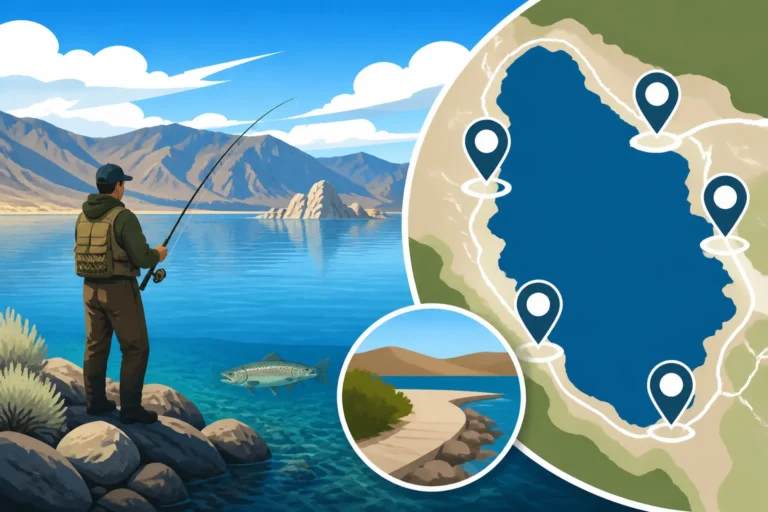
For those who prefer to keep their feet on solid ground, the Nevada side of Lake Tahoe offers several fantastic shore fishing opportunities. These spots are perfect for families, beginners, or anyone who enjoys the simplicity of casting from the bank. One of the most popular and productive areas is Cave Rock State Park, located on the southeastern shore. The rocky outcroppings and deeper water close to shore make it an excellent spot for targeting rainbow and brown trout, especially during the spring and fall. Access is easy, and there's often enough space to spread out, though it can get busy on weekends.
Another excellent option is the shoreline areas around Zephyr Cove and Nevada Beach. These sandy beaches, while popular for swimmers in summer, offer surprisingly good fishing, particularly during the cooler mornings and evenings. You can often find success casting PowerBait, worms, or small spinners for cruising rainbow trout. Just be mindful of other beachgoers during peak hours. The convenience and beauty of these locations make them ideal for a relaxed fishing experience without needing a boat. These are some of the Best Places to Fish in Nevada from the shore.
Boat Access and Productive Deep Water Spots
If you're serious about targeting Lake Tahoe's trophy Mackinaw or want to access the deeper sections where the big fish roam, a boat is almost essential. The Nevada side has several excellent public and private boat launches. Cave Rock Boat Launch (within Cave Rock State Park) is a prime public access point, offering ramps suitable for various boat sizes. From here, you can quickly reach the deep waters offshore, which are known Mackinaw strongholds. The underwater topography drops off dramatically, creating perfect ambush points for these deep-dwelling predators.
Another great boating area is near Zephyr Cove Marina. While primarily a recreational hub, the waters just outside the marina and further out into the lake offer excellent trolling grounds. For Mackinaw, you'll want to target depths of 100-300 feet or more, often over underwater ledges, drop-offs, and submerged structures. Using a fish finder to locate schools of baitfish and changes in bottom contour will be your best friend. For those looking to hire local expertise, fishing charters found on platforms like FishingBooker often depart from these Nevada-side marinas, providing guided trips directly to the most productive deep-water areas. They can provide specialized equipment and local knowledge to increase your chances of landing a true Tahoe trophy.
Hidden Coves and Lesser-Known Nooks
For anglers seeking solitude and a more intimate connection with Lake Tahoe, there are several hidden coves and lesser-known nooks, particularly along the eastern and northeastern shores. These often require a bit more effort to reach, perhaps a short hike or a small kayak paddle, but they can be incredibly rewarding. Areas north of Sand Harbor, towards Hidden Beach or even further up the coastline (access permitting), can offer quieter waters and excellent opportunities for both rainbow and brown trout. These spots often feature rocky structures and submerged logs, providing perfect cover for trout.
Exploring these quieter areas with a kayak or a small, non-motorized boat opens up even more possibilities. You can stealthily approach rocky points and drop-offs that are inaccessible to larger boats or crowded shorelines. Casting small spoons, spinners, or even fly-fishing streamers in these secluded spots can yield fantastic results. Always remember to respect private property signs and be mindful of your impact on these pristine environments. Sometimes, the best fishing is found where fewer people venture, and Lake Tahoe still holds many such treasures for the adventurous angler.
Targeting Lake Tahoe's Prized Fish Species
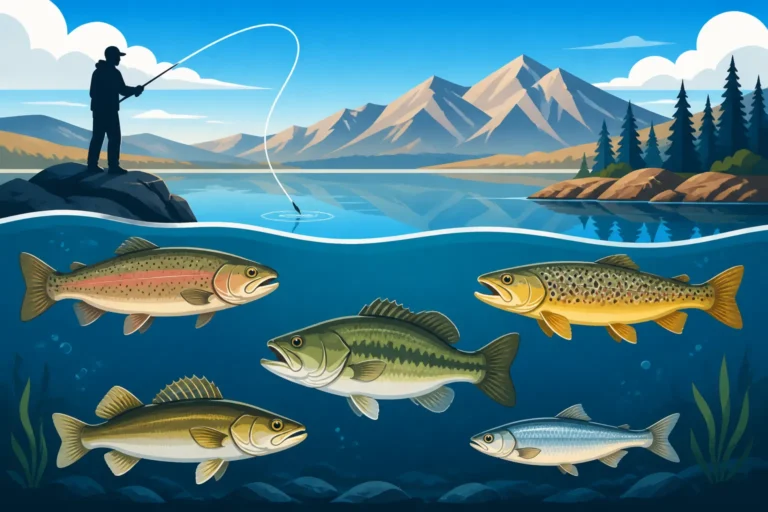
Lake Tahoe isn't just a pretty face; it's a vibrant underwater ecosystem teeming with exciting fish species. However, unlike many lakes, your target species here are primarily cold-water inhabitants, each requiring specific knowledge and tactics. Many anglers come here with hopes of catching "anything," but understanding the habits of Mackinaw, rainbow, brown trout, and Kokanee salmon will vastly improve your success rate. This isn't a place where a single technique works for every fish; specialization is key.
The Elusive Mackinaw (Lake Trout): A Deep Water Challenge
The Mackinaw, or Lake Trout, is arguably Lake Tahoe's most famous and sought-after game fish. These powerful, deep-dwelling predators can grow to impressive sizes, with fish over 20 pounds being relatively common, and true giants occasionally caught. Catching a trophy Mackinaw is a bucket-list item for many anglers. They primarily inhabit the deeper, colder sections of the lake, often found from 100 to 300 feet down, sometimes even deeper. This means traditional surface techniques won't cut it. To learn more about these impressive fish, check out our guide on Mackinaw Lake Trout at Lake Tahoe.
Their diet consists mainly of smaller fish like Kokanee salmon, Lahontan redside shiners, and sculpins. Therefore, presentations that mimic these baitfish are most effective. Trolling with downriggers or lead core line is the most common and effective method, allowing anglers to get their lures to the precise depth where Mackinaw are feeding. Vertical jigging over deep structure is also a productive technique, especially when you've located schools of fish on your electronics. Landing a large Mackinaw from the depths is a true test of an angler's skill and equipment, and the fight is unforgettable.
Rainbow Trout and Brown Trout: Surface and Mid-Depth Delights
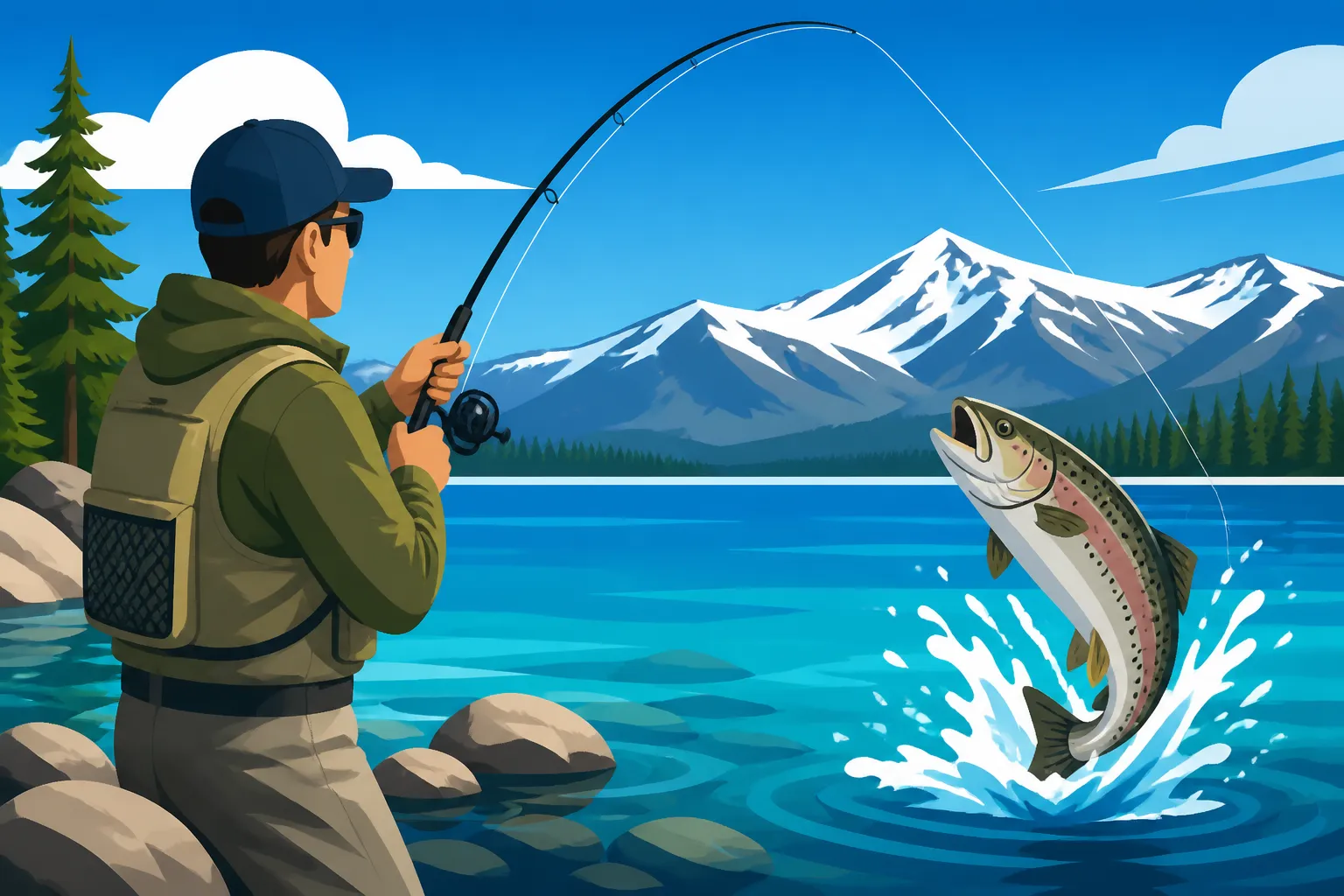
While Mackinaw command the deep, rainbow and brown trout offer fantastic action closer to the surface and in shallower waters, especially during cooler seasons or times of day. Rainbow trout are regularly stocked by NDOW and are often found cruising near shorelines, stream inlets, and rocky points. They are aggressive feeders and provide a spirited fight on lighter tackle, making them excellent targets for both bank anglers and those fishing from smaller boats. Many anglers enjoy the vibrant colors and strong pulls of these freshwater beauties.
Brown trout, on the other hand, are often more elusive and predatory, known for their larger size and tendency to hide around structure. While less abundant than rainbows, catching a sizable brown from Lake Tahoe is a truly prized accomplishment. Both species respond well to a variety of baits and lures, from PowerBait and worms for rainbows to larger spoons and minnow-imitating crankbaits for browns. Fly anglers can also find success targeting both species, particularly during hatches or near stream mouths. You can get more specific tips in our article about How to Fish for Trout in Nevada.
Kokanee Salmon: Seasonal Silver Streaks
Kokanee salmon, the landlocked sockeye, provide a unique and exciting seasonal fishery on Lake Tahoe. These silver-sided beauties are known for their schooling behavior and vigorous fights. They are typically targeted from mid-summer through fall (roughly July to October), when they move into shallower waters to prepare for their spawning run. This is when their flesh turns a brilliant red, though they are usually caught before this transformation for their culinary value.
Kokanee are plankton feeders, but they readily strike small, flashy lures and flies. Trolling with dodgers and flashers ahead of small spoons, hoochies, or corn-baited hooks is the most popular and effective method. Because they often suspend in schools, a good fish finder is invaluable for locating them. Once you find a school, the action can be fast and furious! They typically range from 12 to 20 inches, offering consistent action and delicious table fare.
Proven Techniques for Lake Tahoe Success
Lake Tahoe's unique characteristics—its depth, clarity, and cold-water species—mean that standard fishing techniques often need a serious upgrade. If you've tried your usual bass fishing setups and felt bewildered, you're not alone. Success here hinges on understanding the specific behaviors of each target species and employing specialized methods to reach them in their preferred habitat. It’s about being precise, patient, and sometimes, a little bit technical.
Trolling for Mackinaw: The Art of Deep Water Presentation
When it comes to Mackinaw (Lake Trout), trolling is king. But it's not just about dragging a lure behind the boat; it's an art form focused on deep-water presentation. To effectively troll for Mackinaw, you'll need specialized equipment like downriggers or lead core line. Downriggers allow you to precisely control the depth of your lure, dropping it to 100, 200, or even 300 feet below the surface where these fish reside. You'll attach your fishing line to a release clip on a heavy cannonball, allowing the lure to run freely once a fish strikes.
Lures for Mackinaw typically mimic baitfish found in Tahoe, such as Kokanee salmon, sculpins, or minnows. Large spoons, wobbling plugs, and even plastic swimbaits trolled behind flashers or dodgers are highly effective. Speed and depth are critical, so experimenting with different trolling speeds (typically 1.5 to 3 mph) and depths is key until you find what triggers bites. Many anglers use a FishingBooker guide to learn these precise techniques, especially for mastering the nuances of their Trolling Techniques for Lake Tahoe Mackinaw. Remember, these fish are often found near underwater structures like ledges, points, and humps, so a good chart plotter and fish finder are invaluable tools.
Shore and Boat Fishing for Rainbows and Browns
For rainbow and brown trout, your techniques can be a bit more varied, especially if you're targeting them closer to shore or in shallower depths. From the bank, traditional bait fishing with PowerBait (in bright colors like chartreuse or rainbow), inflated worms, or salmon eggs fished on a sliding sinker rig can be very effective, particularly near stream inlets or public access points like Cave Rock. Casting small to medium-sized spinners (Mepps, Rooster Tail) or spoons (Kastmasters, Little Cleos) can also entice aggressive strikes from cruising trout.
From a boat, you have even more options. Trolling smaller spoons or minnow-imitating crankbaits (like Rapalas) closer to the surface or at mid-depths (20-60 feet) is excellent for covering water and locating schools of trout. Long lining (trolling without weights, letting the lure dive naturally) or using light lead core can work well. For those who enjoy active fishing, casting and retrieving lures around rocky points, submerged timber, or weed beds (where available) can also produce exciting bites. Fly fishing from shore or a float tube with streamers or nymphs can also be very productive, especially during insect hatches in spring and fall.
Seasonal Strategies for Kokanee Salmon
Kokanee salmon fishing is highly seasonal, primarily peaking in late summer and early fall as they prepare for their spawning run. During this time, they often congregate in large schools, making them a fantastic target once located. The primary technique for Kokanee is trolling with downriggers or lead core, similar to Mackinaw, but with smaller gear and specific presentations.
Kokanee are attracted to bright colors and flashing actions. Anglers typically run small dodgers or flashers ahead of tiny spoons, wedding rings, or specialized Kokanee hoochies. Baiting your hook with a kernel or two of Shoepeg corn (sometimes soaked in scent) is a time-tested trick to entice bites. The key is to find the depth where the schools are suspending. Fish finders are critical for this. Once you hit a school, you might experience multiple hookups. Pay attention to your boat speed (usually slower than for Mackinaw, around 1-2 mph) and make subtle turns to vary the action of your lures. This seasonal pursuit offers intense action and is a favorite among many Lake Tahoe anglers.
Gear Up: What You Need for Lake Tahoe Fishing
One of the biggest pitfalls for new Lake Tahoe anglers is showing up with the wrong gear. This isn't your average pond or river. The sheer size, depth, and sometimes extreme weather conditions of Tahoe demand robust, specialized equipment. Trying to use lightweight bass tackle for deep-water Mackinaw will quickly lead to broken lines and lost fish. Investing in the right tools isn't just about catching more fish; it's about being safe, comfortable, and prepared for whatever this magnificent lake throws at you.
Rods, Reels, and Line: Matching Your Quarry
For Mackinaw fishing, you'll need heavy-duty gear capable of handling deep dives and powerful fish. A medium-heavy to heavy action trolling rod, typically 7-8 feet in length, paired with a stout baitcasting reel (like a Penn Fathom or an Okuma Coldwater) spooled with 25-50 lb braided line is ideal. The braid offers sensitivity and minimal stretch, which is crucial for detecting bites at extreme depths. A fluorocarbon leader (15-25 lb test) is often added for invisibility.
For rainbow and brown trout, a medium-light to medium action spinning rod (6-7 feet) with a matching spinning reel (2500-3000 series) spooled with 6-10 lb monofilament or fluorocarbon line is perfect for shore casting or lighter trolling. This setup offers versatility for various lures and baits while providing enough backbone to handle a feisty trout. If you're planning on fly fishing, a 5-7 weight fly rod with a floating or sinking line, depending on your technique, would be appropriate.
Essential Lures and Baits for Tahoe
The bait and lure selection for Lake Tahoe is dictated by the forage and habits of its key species. For Mackinaw, rely on large, heavy-duty spoons (like Tady 45 jigs or Cop Car colored Stingers), deep-diving crankbaits (Rapala Magnum, J-Plug), and swimbaits that imitate Kokanee. Live bait, particularly minnows or shiners, can also be highly effective when fished on a trap rig with a downrigger.
For rainbow and brown trout, a more diverse tackle box is useful. Keep an assortment of PowerBait (chartreuse, orange, rainbow), nightcrawlers (inflated with a worm blower for buoyancy), and salmon eggs for bait fishing. For lures, pack various spinners (gold, silver, fire tiger), small spoons (Kastmaster, Little Cleo), and minnow-imitating crankbaits (Rapala Original Floater or Countdown). For Kokanee, smaller dodgers/flashers paired with mini-spoons, wedding rings, or hoochies tipped with corn are essential.
Boating and Safety Gear: Prepared for the Big Water
Lake Tahoe is a massive body of water, and conditions can change rapidly. Safety should always be your top priority. If you're boating, ensure your vessel is properly registered (refer to Nevada Boat Registration and Titling Guide), and you have all required safety equipment. This includes Coast Guard-approved life jackets for everyone on board (especially important for kids; see Nevada Life Jacket Requirements for Kids), a throwable flotation device, a sound-producing device (horn or whistle), navigation lights if operating before sunrise or after sunset, and a fire extinguisher.
Beyond the essentials, consider investing in a reliable marine radio (VHF) for communication, especially if you plan to venture far offshore. A good quality anchor appropriate for deep water and a sufficient length of anchor rope are critical, as are extra layers of clothing, even on sunny days, due to the rapid temperature drops. A GPS/chart plotter is invaluable for navigation and marking productive fishing spots. Finally, sunglasses and sunscreen are non-negotiable year-round due to the high altitude and intense sun exposure. Having your boat inspected for invasive species before launching is also a critical step for protecting Tahoe's ecosystem.
Best Times to Fish Lake Tahoe: Seasonal Breakdown
Lake Tahoe is a year-round fishery, but its distinct seasons dramatically influence fish behavior, access, and the techniques you'll need to employ. What works in the spring often won't in the summer, and vice versa. Many anglers feel frustrated when they arrive during what they assume is prime time, only to find the fish aren't biting their usual lures. Understanding these seasonal shifts is the key to consistent success and knowing when to adjust your approach for each species.
Spring: The Awakening of the Lake
Spring is arguably one of the best times to fish Lake Tahoe, as the warming waters and increased daylight trigger a surge in fish activity. As the ice melts (if present in shallower bays) and snowmelt feeds into the lake, nutrients are stirred, and baitfish become more active. Mackinaw will often move into shallower waters (relatively speaking, still 50-150 feet) as they follow baitfish, making them more accessible to trollers. Large spoons and plugs that imitate these baitfish are highly effective during this time.
Rainbow and brown trout become incredibly active in spring. They can be found cruising shorelines, especially near stream mouths where insects and forage are abundant. Bank anglers often have great success with PowerBait, worms, and small spinners. Trolling small spoons and crankbaits closer to the surface (10-40 feet) can also yield excellent results for these aggressive feeders. The weather can be unpredictable, so be prepared for anything from warm sun to sudden snow showers, but the fishing can be phenomenal.
Summer: Challenging but Rewarding
Summer on Lake Tahoe brings warmer surface temperatures and heavy recreational boat traffic, which can make fishing more challenging but still very rewarding. Most fish will move deeper to seek cooler, more comfortable waters. For Mackinaw, this means pushing down to their traditional deep-water haunts of 150-300+ feet. Trolling with downriggers at these extreme depths becomes even more critical. Vertical jigging over known deep structures can also be productive during the calmer early mornings or late evenings.
Rainbow and brown trout will also move deeper, though you can still find them early or late in the day around shady structures or along drop-offs. Shore fishing can be tougher during the day due to crowds and warmer shallow water, but night fishing can be surprisingly effective for larger browns closer to shore. Kokanee salmon begin to show up in numbers in mid-summer, providing an exciting new target. Trolling small dodgers and hoochies in the mid-depth range (50-100 feet) for Kokanee can provide fast action. The key to summer success is adapting to the fish's migration to deeper, cooler water.
Fall: Trophy Hunting Season
Fall is another fantastic time to fish Lake Tahoe, often considered by many experienced anglers as the best opportunity for trophy fish. As surface temperatures cool, fish become much more active and feed aggressively in preparation for winter. Mackinaw are often at their most robust and can be found in more varied depths as they chase baitfish. Trolling large spoons and plugs remains highly effective, and the chance of hooking into a true monster Mackinaw increases dramatically. This is the season when many anglers specifically book charters through FishingBooker for a shot at a personal best.
Rainbow and brown trout also hit their peak activity, often moving shallower again as the water cools, actively feeding near shorelines and inlets. This is particularly true for brown trout, which become very predatory and will attack larger lures and flies. Fall also marks the peak of the Kokanee salmon run, as they gather in large schools before spawning. Trolling for Kokanee can be incredibly productive, with many anglers reporting limits of these delicious fish. The vibrant fall foliage around the lake adds to the magic of fishing during this season, making it a favorite for many.
Winter: The Chill and the Thrill
Winter fishing on Lake Tahoe offers a unique, tranquil experience for the hardy angler. While fewer people are on the water, the fishing can still be excellent, especially for Mackinaw. With much of the lake's surface remaining unfrozen, boat fishing is still possible, though weather conditions demand extra caution and preparedness for cold temperatures. Mackinaw will remain in their deep-water habitats but might be slightly less active overall. Trolling techniques still apply, often with slower presentations.
Shore fishing for rainbow and brown trout can be surprisingly good in winter, particularly in protected coves or areas with consistent water flow. PowerBait and worms remain effective, as do small spinners and spoons fished slowly. Ice fishing is generally not an option on the main body of Lake Tahoe due to its immense depth and the fact it rarely freezes over completely, if at all. However, some smaller, shallower lakes in the surrounding Nevada region might offer ice fishing opportunities. Winter on Tahoe requires dedication and cold-weather gear, but the solitude and potential for a quiet trophy catch are powerful draws. For a broader perspective on the year, consult our Best Time of Year to Fish in Nevada guide.
Conservation and Responsible Angling on Lake Tahoe
Fishing Lake Tahoe isn't just about the catch; it's about being a steward of this extraordinary natural resource. The lake's pristine clarity and delicate ecosystem mean that every angler plays a role in its preservation. Ignoring conservation practices not only risks damaging the environment but can also lead to significant penalties. We all want to enjoy Tahoe's beauty for generations to come, and that starts with responsible angling.
Catch and Release Best Practices
Practicing proper catch and release is vital, especially for species like the Mackinaw (Lake Trout), which can take many years to reach trophy size. When you decide to release a fish, the goal is to maximize its survival chances. This means handling the fish minimally and gently. Use barbless hooks or crimp down the barbs on your hooks to make removal easier and reduce damage to the fish's mouth. When landing a fish, use a rubberized, knotless net, which is much gentler on their scales and slime coat than traditional nylon nets.
Avoid touching the fish's gills or eyes, and try to keep it in the water as much as possible, especially during photos. If you must remove it from the water, do so quickly, support its weight horizontally, and return it to the water swiftly. For deep-caught Mackinaw, "fizzing" (venting) might be necessary to release pressure from their swim bladder, though this is a technique best learned from experienced guides. Always ensure the fish is revived and swims away strongly before letting go. These small efforts make a huge difference in sustaining the fishery.
Preventing Invasive Species Spread
One of the most critical conservation efforts on Lake Tahoe is preventing the introduction and spread of aquatic invasive species (AIS). Tahoe's ecosystem is highly sensitive, and species like quagga and zebra mussels could devastate its water quality and native fish populations. Because of this, stringent inspection requirements are in place for all watercraft launching onto Lake Tahoe. Every boat, kayak, paddleboard, or even float tube must undergo an inspection by trained personnel to ensure it is clean, drained, and dry.
Always follow the "Clean, Drain, Dry" protocol:
- Clean: Remove all visible plants, animals, and mud from your boat, trailer, and gear.
- Drain: Pull all drain plugs and drain water from the bilge, livewells, and engine.
- Dry: Allow your boat and gear to thoroughly dry before entering another water body.
Even if you're not using a motorboat, any equipment that touches the water, from waders to fishing nets, should be decontaminated. Failure to comply with these AIS prevention measures can result in fines and refusal of launch, so always factor inspection time into your trip planning. This collective effort is paramount to preserving the incredible clarity and health of Lake Tahoe.
Respecting the Environment and Other Users
Beyond the fish, respecting the overall environment and other users on Lake Tahoe is a fundamental aspect of responsible angling. This means practicing "leave no trace" principles: pack out everything you pack in, including all trash, discarded fishing line, and bait containers. Never litter, and if you see litter, consider picking it up. Keeping the shorelines and waters pristine benefits everyone.
Be mindful of other lake users, whether they are swimmers, kayakers, paddleboarders, or other anglers. Maintain safe distances from other boats and shorelines, especially in crowded areas. Avoid excessive noise and be courteous. If you're using a fishing charter (perhaps booked through FishingBooker), your guide will often reinforce these points, as they are essential for maintaining good relations within the angling community and with local authorities. By being a considerate and responsible angler, you help ensure that Lake Tahoe remains a welcoming and productive destination for all.
Disclaimer
Please be aware that fishing regulations, license requirements, and local rules for Lake Tahoe and Nevada are subject to change by the Nevada Department of Wildlife (NDOW) and other governing bodies. Always consult the most current official NDOW fishing guide and local authorities before heading out to ensure you have the latest information and are in compliance with all laws. This guide is for informational purposes only and should not be considered a substitute for official regulations.