Best Nevada Trout Lakes
Nevada, often painted as a land of shimmering casinos and vast, arid landscapes, holds a surprising secret for anglers: a wealth of incredible trout fishing opportunities. Many folks assume that finding good trout fishing in the Silver State is a pipe dream, but nothing could be further from the truth. From colossal Lahontan cutthroat to feisty rainbow trout, Nevada's diverse waters offer some truly world-class angling experiences. This guide is your comprehensive journey into the best Nevada trout lakes, helping you navigate their unique features, understand local regulations, and prepare for a rewarding fishing adventure.
Unlocking Nevada's Diverse Trout Waters
It's easy to picture Nevada and only see desert, isn't it? The truth is, Nevada is a state of stunning contrasts, boasting soaring mountain ranges, pristine alpine lakes, and vast high-desert reservoirs alongside its more famous arid expanses. This incredible diversity in topography creates an equally diverse range of habitats perfectly suited for various trout species. Far from being a barren wasteland for anglers, Nevada's waters are teeming with life, offering year-round opportunities if you know where to look and how to adapt.
More Than Just Desert: A Rich Ecosystem for Trout
When you think "Nevada fishing," images of massive striped bass at Lake Mead might come to mind, but trout have carved out a significant niche here. Nevada is home to several distinct trout species, each thriving in particular environments. You'll find the robust Rainbow Trout, often the workhorse of stocking programs, along with the elusive Brown Trout, known for their wary nature. Smaller, but equally beautiful, Brook Trout inhabit many of the colder, higher elevation streams and lakes. Then there's the truly unique and native Lahontan Cutthroat Trout, a subspecies that reaches incredible sizes in specific waters like Pyramid Lake. We also have the impressive Mackinaw (Lake Trout) in the deep, cold depths of Lake Tahoe. The Nevada Department of Wildlife (NDOW) works tirelessly to maintain and enhance these fisheries, ensuring that anglers have consistent opportunities to pursue these diverse species across the state.
The varied elevations and climatic zones across Nevada play a crucial role in determining where each trout species thrives. Our high mountain lakes, fed by snowmelt, provide the cold, oxygen-rich waters that Brook Trout and some Rainbows adore. As you descend to the high-desert reservoirs, water temperatures can fluctuate more, favoring species that can tolerate a wider range, such as Rainbows and, in specific cases, Brown Trout. Understanding these ecological niches is key to successful trout fishing, as it guides your choice of location, technique, and even the time of year you plan your trip. It’s a dynamic environment that keeps you on your toes and makes every trout caught feel like a genuine accomplishment.
Understanding Nevada's Trout Management and Stocking
The sustained health and accessibility of Nevada's trout fisheries are largely thanks to the dedicated efforts of the Nevada Department of Wildlife. NDOW is instrumental in managing fish populations through a combination of habitat restoration, conservation programs, and, most visibly to anglers, extensive stocking initiatives. These stocking programs introduce millions of trout annually into lakes, reservoirs, and urban ponds across the state, creating vibrant fishing opportunities where they might not naturally exist or where natural reproduction alone cannot meet angler demand. It's a critical component, especially in areas with heavy fishing pressure or less-than-ideal spawning conditions.
For anglers, knowing the Nevada Trout Stocking Schedule can be a game-changer, especially when planning a trip to the urban ponds or smaller reservoirs. These scheduled releases often mean excellent fishing for catchable-sized Rainbow Trout, making them perfect for families, beginners, or anyone looking for consistent action. NDOW's proactive approach ensures that even lakes experiencing environmental challenges can still provide quality trout fishing. This focus on providing readily available fishing experiences is a huge boon for local communities and tourism, encouraging more people to get out and enjoy nature.
However, management isn't just about stocking. It's also about setting and enforcing regulations designed to protect vulnerable populations and ensure sustainable fishing for the long haul. Understanding these rules, such as daily bag limits, size restrictions, and gear restrictions, is paramount for every angler. For instance, some waters have specific rules regarding bait or barbless hooks, all designed to safeguard the fish. By familiarizing yourself with these guidelines, which you can find detailed in our Nevada Fishing Regulations Explained guide, you become an active participant in preserving these invaluable natural resources for generations to come.
Northern Nevada's Premier Trout Destinations
Northern Nevada is truly a trout angler's paradise, boasting some of the most iconic and productive trout waters in the state. From the ancient depths of Pyramid Lake to the clear alpine expanse of Lake Tahoe, this region offers diverse fishing experiences for trophy hunters and casual anglers alike. These lakes are not just bodies of water; they are destinations, each with its own unique character, challenges, and rewards.
Pyramid Lake: Home of the Giants
If you've ever dreamed of catching a truly massive trout, then Pyramid Lake needs to be at the top of your list. This ancient, terminal lake, located just a short drive northeast of Reno, is world-renowned as the exclusive home of the Lahontan Cutthroat Trout. These native fish can grow to astounding sizes, with some individuals tipping the scales at over 20 pounds! The lake itself is a sight to behold—its vivid blue waters contrasting with the desert landscape, punctuated by unique tufa formations. It's not just a fishing trip; it's an immersion in a unique ecosystem and a rich cultural history, as the lake is entirely within the Pyramid Lake Paiute Tribe Reservation, requiring a special permit to fish. To learn more about this special place and its requirements, check out our Pyramid Lake Nevada Fishing Guide and make sure you get your Pyramid Lake Fishing Permit Guide beforehand.
Fishing Pyramid Lake is an experience unlike any other. While some anglers target these giants from boats, the most iconic and often effective method is shore fishing. Anglers stand on ladders, casting long distances with heavy spinning gear or specialized fly rods, aiming for drop-offs and shelves where the big cutthroat cruise. Popular techniques involve retrieving large streamer flies, swimbaits, or various spoons and jigs that imitate the native baitfish. The best times of year to target these fish are typically during the cooler months—fall, winter, and spring—when the fish move into shallower water to feed or prepare for spawning. The sheer power of a Pyramid Lake cutthroat on the end of your line is something you won't soon forget.
The Lahontan Cutthroat Trout here are a testament to incredible conservation efforts. Once nearly extinct, the species has made a remarkable comeback, thanks to the tribe's diligent work. This means that responsible angling is paramount. While you can keep some fish, catch-and-release is strongly encouraged, especially for the larger, reproductively valuable females. Understanding and respecting the tribal regulations, including the specific slot limits and handling requirements, is crucial. If you're new to fishing Pyramid Lake, consider hiring a local guide who knows the lake's nuances and can put you on fish. A quick search on platforms like FishingBooker can help you find experienced local guides specializing in Pyramid Lake, ensuring you have the right gear and knowledge for this unique fishery. They'll often provide all the necessary equipment, from the ladders to the right flies, making your trip seamless and productive.
Lake Tahoe: Deep Waters and Big Mackinaw
Straddling the border between Nevada and California, Lake Tahoe is a jewel of the Sierra Nevada. Its exceptionally clear, deep azure waters are home to a thriving population of Mackinaw (Lake Trout), as well as Rainbow and Brown Trout. Fishing Tahoe is a mesmerizing experience, surrounded by snow-capped peaks and pristine forests. While its beauty is undeniable, its sheer size and depth—reaching over 1,600 feet in some spots—can make fishing a challenging but ultimately rewarding endeavor. Anglers must remember that a special Lake Tahoe Nevada Fishing License Rules apply, so make sure you're properly licensed for the Nevada side.
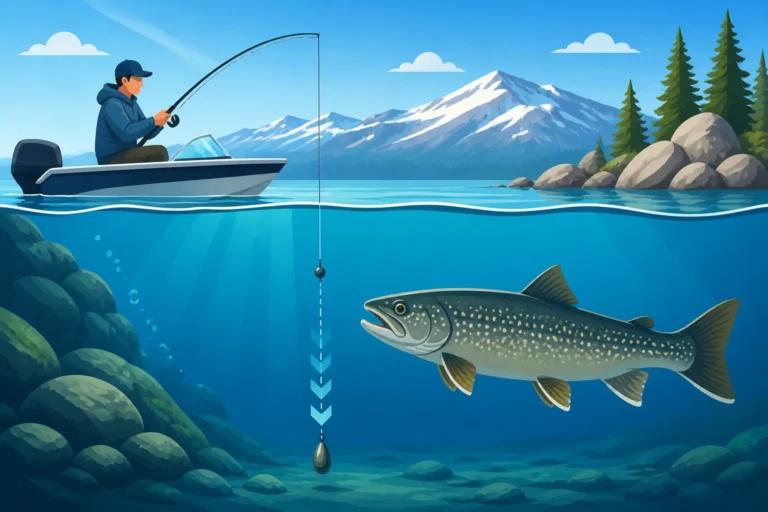
Mackinaw are the main draw for many anglers at Tahoe, and these deep-water predators can grow to impressive sizes, often exceeding 20 pounds. Targeting them typically involves specialized techniques like deep-water trolling with downriggers and large spoons or dodgers, or vertical jigging with heavy jigs over submerged structures and ledges. The best time to pursue Mackinaw is often in the cooler months, but they can be caught year-round by adjusting your depth. Many experienced anglers and charter services know the specific depths and locations where these fish congregate. Booking a guided trip through a service like FishingBooker is highly recommended for Lake Tahoe, especially for Mackinaw, as guides possess the specialized boats, electronics, and local knowledge needed to successfully navigate and fish these deep waters. They can save you a ton of guesswork and get you right to the action.
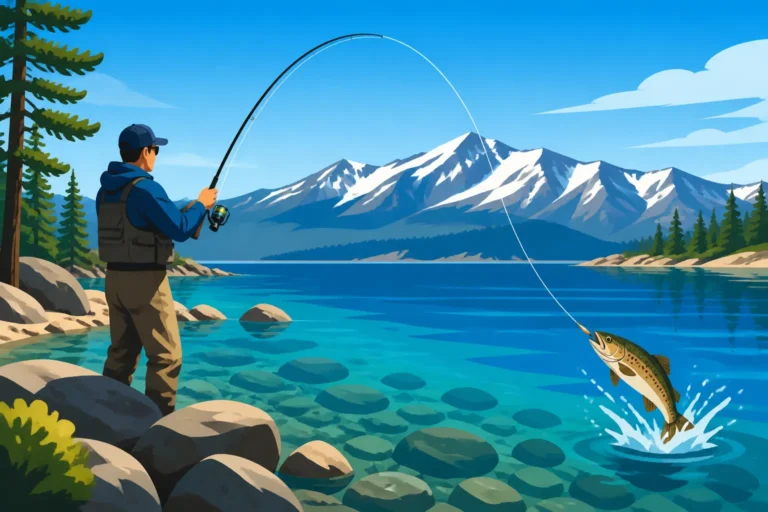
While Mackinaw demand specialized tactics, Lake Tahoe also offers opportunities for Rainbow and Brown Trout. Shore fishing can be productive, particularly in shallower coves or near stream inlets during spring and fall when these fish move closer to shore to feed. Using small spinners, spoons, or even bait like worms and PowerBait can yield results. For fly anglers, the Truckee River, which flows out of Lake Tahoe, offers excellent riverine trout fishing. Regardless of your preferred method, fishing Lake Tahoe is an unforgettable experience that combines breathtaking scenery with the chance to land some truly magnificent trout.
Wildhorse Reservoir: High Desert Diversity
Tucked away in northeastern Nevada, near the city of Elko, Wildhorse Reservoir is a popular and diverse trout fishery that offers a fantastic escape into the high desert landscape. This reservoir is celebrated for its robust populations of Rainbow Trout, impressive Brown Trout, and even the unique, strikingly patterned Tiger Trout—a sterile hybrid of brown and brook trout that provides a thrilling fight. Wildhorse is known for its accessibility and amenities, including camping facilities, making it an excellent choice for a weekend fishing getaway. For a deeper dive into this great spot, check out our Wildhorse Reservoir Nevada Fishing Guide.
Wildhorse Reservoir caters to a wide range of fishing preferences. Bank anglers can find success with traditional baits like PowerBait, worms, or salmon eggs, fished on the bottom or under a bobber. For those with boats, trolling with spoons, spinners, or Rapala-style crankbaits is a highly effective method for covering water and finding active fish. Many anglers also enjoy casting lures from boats towards shorelines or submerged structures. In the colder months, particularly winter, Wildhorse Reservoir becomes a hotspot for ice fishing, offering a unique opportunity to target trout through the ice. Always check ice conditions carefully before venturing out, as safety is paramount.
The appeal of Wildhorse Reservoir lies in its consistent action and the variety of trout species you can encounter. It's a great spot for both experienced anglers looking for a challenge (especially the Browns and Tigers) and families introducing kids to fishing, thanks to the plentiful Rainbow Trout. The reservoir's setting, surrounded by rolling hills and big skies, provides a peaceful backdrop for a day on the water. Whether you're casting from shore, trolling from a boat, or enjoying the tranquility of ice fishing, Wildhorse offers a rewarding high-desert trout experience.
Central Nevada's Hidden Trout Gems
While northern Nevada boasts the big names, the central part of the state offers a more subdued, yet equally rewarding, trout fishing experience. Here, you'll find lakes and reservoirs that might not garner as much attention but provide excellent angling, often with fewer crowds. These are the places where you can truly escape and connect with nature, chasing trout in picturesque, sometimes unexpected, settings.
Rye Patch Reservoir: Unexpected Trout in the West
Rye Patch Reservoir, located along the Humboldt River in west-central Nevada, is more commonly associated with warm-water species like Wipers, Walleye, and Catfish. However, don't let that fool you—Rye Patch also holds a respectable population of trout, particularly after NDOW stocking efforts. While not primarily a "trout lake," it offers a fantastic, uncrowded option for anglers seeking Rainbow Trout, especially during the cooler seasons. It’s a great example of Nevada's diverse fishing landscape, where you can often find surprising opportunities beyond the headline species.
Trout fishing at Rye Patch is typically best in the cooler months, such as late fall, winter, and early spring, when water temperatures are more favorable for trout. During these periods, you can find Rainbow Trout cruising closer to shore or in the deeper sections of the reservoir. Common techniques include bait fishing with PowerBait, corn, or worms fished on the bottom with a sliding sinker, or casting small spoons and spinners from shore or a boat. Trolling with small crankbaits or spoons can also be effective, especially for covering larger areas to locate schools of fish. Because it's less known for trout, you'll often find more solitude here than at some of the more famous destinations, which can be a huge bonus for those seeking peace and quiet.
The scenic beauty of Rye Patch, with its expansive waters and surrounding high-desert landscape, adds to the appeal. While primarily a warm-water destination, its trout fishery provides a unique, off-the-beaten-path option for trout enthusiasts in central Nevada. It's the kind of place where you might surprise yourself with a good trout catch while enjoying the tranquility of a less-pressured fishery. Always check the current NDOW fishing guide for specific stocking information and regulations to ensure you hit it at the right time.
Ruby Lake National Wildlife Refuge: A Unique Fishery
For a truly distinctive trout fishing experience, look no further than Ruby Lake National Wildlife Refuge, nestled in the scenic Ruby Mountains of northeastern Nevada. This refuge is a vast, marshy wetland complex managed primarily for migratory birds and other wildlife, but it also supports an excellent fishery, predominantly for Rainbow Trout and a distinct subspecies of Lahontan Cutthroat Trout that has been stocked here. It offers a completely different vibe than the deep, clear lakes, with its labyrinthine channels, extensive reed beds, and abundant wildlife. Our Ruby Lake National Wildlife Refuge Fishing guide can provide more details.
Fishing at Ruby Lake NWR comes with its own set of unique rules, primarily concerning access and boat motor restrictions, designed to protect the fragile ecosystem and its inhabitants. Typically, electric motors or non-motorized boats (like canoes, kayaks, or float tubes) are the preferred methods for navigating its shallow waters. Bank fishing is also popular in designated areas. Anglers often find success fly fishing with patterns that mimic aquatic insects or baitfish, or using light spinning tackle with small spinners, spoons, or traditional baits like worms. The clear, calm waters make it an ideal location for sight fishing, adding an extra layer of excitement as you spot cruising trout before casting.
Beyond the fishing, Ruby Lake NWR offers an unparalleled opportunity for wildlife viewing. It's a birder's paradise, with countless species of waterfowl, raptors, and marsh birds. This makes a fishing trip to Ruby Lake a dual-purpose adventure—you can cast for trout while simultaneously enjoying the stunning natural beauty and abundant wildlife. It's a place that rewards patience and a respectful approach to nature, offering a peaceful and highly rewarding angling experience for those willing to embrace its unique character.
Southern Nevada's Accessible Trout Waters
When most people think of Southern Nevada, they picture the bright lights of Las Vegas, not serene fishing holes. However, even in this bustling region, there are fantastic opportunities for trout fishing, particularly through the Nevada Department of Wildlife's urban pond program. These spots offer incredibly accessible and family-friendly options for getting a line wet, proving that you don't have to travel far from the city to enjoy quality trout angling.
Las Vegas Urban Ponds: Trout Closer to Home
It's a common misconception that you need to drive for hours to find good fishing near Las Vegas. But thanks to the NDOW's urban pond program, quality trout fishing is remarkably accessible, especially for families and beginner anglers. Ponds like those at Floyd Lamb Park, Lorenzi Park, Sunset Park, and Boulder City Pond are regularly stocked with catchable-sized Rainbow Trout, providing a fantastic "put-and-take" fishery right within or very close to the metropolitan area. If you're in the area and looking for a quick, convenient fishing fix, these ponds are a lifesaver. Our Las Vegas Nevada Urban Pond Fishing Guide delves into more specifics for these local favorites.
These urban ponds operate on a consistent stocking schedule, often receiving fresh deliveries of Rainbow Trout throughout the cooler months (fall, winter, and spring). This ensures that there are always plenty of fish available for anglers. The beauty of these locations is their simplicity: a light spinning rod, a small tackle box with PowerBait, corn, or worms, and a bobber or small sinker is often all you need. They are perfect for introducing kids to the joys of fishing, as the consistent action keeps young anglers engaged and excited. Plus, many of these parks offer amenities like picnic areas, playgrounds, and restrooms, making for a comfortable family outing. Remember to check the Nevada Youth Fishing License Rules for any young anglers in your group.
The urban ponds are a testament to NDOW's commitment to providing recreational opportunities for all Nevadans. They debunk the myth that you need to be an expert with expensive gear to catch fish. For those living in or visiting Southern Nevada, these ponds offer an easy, low-barrier way to experience the thrill of catching trout. It's a genuine pleasure to see families gathered around these ponds, enjoying the outdoors and reeling in fish, often just minutes from the city's hustle and bustle.
Lake Mohave & Lake Mead: Deep Water Trout Opportunities
Lake Mohave and Lake Mead, while primarily famous for their colossal Striped Bass fisheries, also offer intriguing opportunities for trout anglers, particularly Rainbow and occasionally Brown Trout. These vast Colorado River reservoirs, formed by the Hoover and Davis Dams, are immense bodies of water where trout can thrive in cooler, deeper sections, especially during the colder months or near cold-water inputs. Don't write them off if you're looking for trout; they just require a slightly different approach than typical trout lakes. You can find more comprehensive information about these lakes in our Lake Mohave Nevada Fishing Guide and Lake Mead Nevada Fishing Guide.
The most consistent trout fishing on Lake Mohave is often found below Davis Dam, particularly around the Willow Beach National Fish Hatchery section, where Rainbow Trout are regularly stocked. Here, the water is colder and flows more like a river, creating ideal trout habitat. Bank fishing with PowerBait, salmon eggs, or small spinners can be highly effective in this area. On the main bodies of both Lake Mohave and Lake Mead, trout typically reside in deeper waters, congregating around submerged structures, deep coves, or anywhere cooler water might be present. Trolling with downriggers or lead core line, using spoons or small diving crankbaits, is often the most productive method for targeting these elusive open-water trout.
While they might not be traditional "trout lakes," the sheer size and diversity of Lake Mohave and Lake Mead mean that a fishing trip here can yield a multi-species catch. You could be battling a powerful Striped Bass one moment and then hooking into a feisty Rainbow Trout the next. This adds an exciting element of surprise to your angling adventure. For those venturing out on these big lakes, having a knowledgeable guide can make a huge difference, particularly for locating trout. Services listed on FishingBooker often include guides who specialize in these reservoirs, equipped with the right boats and sonar to find those deeper-holding trout and increase your chances of success.
High Mountain Lakes: A Seasonal Trout Wonderland
For many, the ultimate trout fishing experience in Nevada lies hidden in its high mountain ranges. These pristine, often remote lakes offer a wilderness adventure combined with incredible angling for a variety of trout species. Getting to them can be a challenge, but the reward—solitude, breathtaking scenery, and unpressured fish—is more than worth the effort.
Remote Backcountry Trout Fishing
Nevada's high country is dotted with hundreds of alpine and subalpine lakes, many of which are only accessible by foot, horseback, or sometimes even helicopter. These remote backcountry lakes offer an unparalleled wilderness experience for the adventurous trout angler. Imagine hiking through majestic pine forests, crossing rocky passes, and finally reaching a crystal-clear lake reflecting the sky, where the only sounds are the wind and the splash of rising trout. These waters often hold wild populations of Brook Trout, Rainbow Trout, and various strains of Cutthroat, including some native Lahontan subspecies. These fish, often smaller in size due to shorter growing seasons, are incredibly vibrant and aggressive, offering fantastic sport on light tackle.
The seasonal nature of these fisheries means they are typically only accessible from late spring through early fall, once the snowmelt has receded and trails are clear. This limited window adds to their allure. When planning a trip, lightweight gear is essential: packable spinning rods, small fly rods, and a selection of artificial lures or flies are your best bet. Live bait is often prohibited in these fragile ecosystems to prevent the introduction of invasive species. Fly fishing, in particular, shines in these settings, as hatches can be prolific and the trout eager to rise to a well-presented dry fly. It's an opportunity to truly disconnect from the modern world and immerse yourself in the serene beauty of Nevada's wilderness.
Beyond the fishing, a trip to a high mountain lake is an adventure in itself. It involves careful planning, navigation skills, and a respect for the rugged environment. Camping under a blanket of stars, surrounded by towering peaks, after a day of catching beautiful trout is an experience that resonates deeply. These trips aren't just about the fish; they're about the journey, the solitude, and the profound connection to nature that few other experiences can offer. Always remember to practice Leave No Trace principles to preserve these pristine environments.
Popular High-Elevation Stocked Lakes
While many high mountain lakes require extensive backpacking, there are also more accessible high-elevation lakes that NDOW regularly stocks, providing excellent trout fishing without the same level of strenuous effort. These include gems like Cave Lake State Park, Echo Canyon Reservoir, Comins Lake near Ely, and Eagle Valley Reservoir. These lakes are typically reachable by vehicle, often with paved or well-maintained dirt roads, making them ideal for day trips or easier camping excursions. They still offer that refreshing mountain air and scenic beauty, but with a bit more convenience.
These accessible high-elevation lakes typically hold healthy populations of stocked Rainbow Trout, and sometimes other species like Brown Trout or Tiger Trout, depending on the specific lake and stocking program. Anglers here can find success with a variety of methods. Bait fishing with PowerBait, worms, or corn from shore is very popular and effective, especially for families. Boaters can troll with small spoons or spinners, or cast lures towards drop-offs and submerged features. Fly fishing is also a productive method, particularly during insect hatches. The consistent stocking ensures that even if these lakes see more angling pressure, there are still plenty of opportunities to catch fish.
Before heading out to these picturesque spots, it's always a good idea to check the latest NDOW fishing reports and stocking schedules. Conditions can change, especially with weather fluctuations at higher elevations. Understanding the current regulations, including any specific gear restrictions or bag limits for that particular lake, is also crucial. These popular high-elevation lakes strike a wonderful balance, offering the peace and beauty of mountain fishing with a level of accessibility that allows more people to enjoy Nevada's incredible trout resources.
| Lake Name | Primary Trout Species | Location (Nearest Town) | Best Fishing Method(s) | Accessibility / Notes |
|---|---|---|---|---|
| Pyramid Lake | Lahontan Cutthroat Trout | Nixon (near Reno) | Shore fishing (ladders), Trolling, Fly fishing | Tribal permit required, trophy fishery, unique culture. |
| Lake Tahoe (NV side) | Mackinaw (Lake Trout), Rainbow, Brown | Incline Village/Stateline | Deep-water Trolling, Jigging (Mackinaw), Shore fishing (Rainbow/Brown) | Very deep, clear water; shared with CA; boat rentals available. |
| Wildhorse Reservoir | Rainbow, Brown, Tiger Trout | Elko | Bait fishing, Trolling, Ice fishing | Diverse, family-friendly, camping available. |
| Ruby Lake NWR | Rainbow, Lahontan Cutthroat | Ruby Valley (near Elko) | Fly fishing, Float tube, Small boat | Electric motors only, unique marshy habitat, birdwatching. |
| Floyd Lamb Park Pond | Rainbow Trout | Las Vegas | Bait fishing, Lure casting | Urban pond, regularly stocked, family-friendly amenities. |
| Lake Mohave | Rainbow Trout | Laughlin/Boulder City | Bait fishing (Willow Beach), Trolling | Primarily warm-water, but good trout near dam release and in deep areas. |
| Cave Lake State Park | Rainbow, Brown Trout | Ely | Bait fishing, Lure casting, Fly fishing | Accessible mountain lake, camping, ice fishing in winter. |
| Comins Lake | Rainbow, Brown Trout | Ely | Bait fishing, Lure casting, Fly fishing | Stocked, scenic, good for all skill levels. |
Essential Gear and Techniques for Nevada Trout Fishing
Having the right gear and understanding effective techniques can make all the difference between a frustrating day and a fantastic trout fishing adventure in Nevada. From choosing the correct rod and reel to knowing which baits and lures to use, being prepared will significantly enhance your success and enjoyment on the water.
Rods, Reels, and Line: Matching Your Target
Choosing the right rod, reel, and line setup is crucial for trout fishing in Nevada, as the conditions and target species can vary widely. For smaller urban ponds or high mountain streams with smaller trout, a light or ultralight spinning rod (5-6 feet) paired with a small spinning reel (1000-2000 series) spooled with 4-6 pound test monofilament or fluorocarbon line is often ideal. This setup provides the sensitivity needed to detect subtle bites and makes even smaller trout feel like a great fight. For larger lakes and reservoirs where you might encounter bigger Rainbows, Browns, or even Mackinaw, a medium-light to medium power spinning rod (6.5-7.5 feet) with a 2500-3000 series reel and 6-10 pound line is more appropriate. This provides the necessary backbone for longer casts and handling larger fish. Check out our detailed guide on Best Fishing Rods for Nevada Lakes to help you select the perfect one.
Line choice is also critical. Monofilament line is a versatile choice, offering good knot strength, stretch to absorb shocks, and ease of use. However, for increased sensitivity and less stretch, many anglers opt for fluorocarbon leaders or even full fluorocarbon mainlines, especially in clear waters where its near invisibility is a huge advantage. Braided line offers superior strength and no stretch, making it excellent for long casts and detecting faint bites, but it's often best paired with a fluorocarbon leader (3-6 feet) to maintain stealth in clear trout waters. The key is to match your line weight to your target species and fishing style; too heavy, and you'll spook fish; too light, and you risk breaking off a trophy.
For dedicated fly anglers, a different approach is needed. For smaller streams and pan-sized trout, a 3 or 4-weight fly rod (7-8.5 feet) is delicate and accurate. For larger rivers like the Truckee or stillwaters targeting bigger rainbows and browns, a 5 or 6-weight rod (9 feet) provides more power and casting distance. If you're tackling the giant Lahontan Cutthroat at Pyramid Lake, a heavier 7 or 8-weight rod is often necessary to handle the large flies and powerful fish. Regardless of your chosen setup, ensuring your drag is properly set and maintained is vital to preventing break-offs and safely landing your trout.
Baits and Lures That Get Bites
Once you have your rod and reel sorted, it's time to talk about what to put on the end of your line! Nevada trout, whether freshly stocked or wild, respond well to a variety of baits and lures. For the ubiquitous stocked Rainbow Trout in urban ponds and many reservoirs, artificial dough baits like PowerBait (in various colors and forms) are incredibly effective. Natural baits such as nightcrawlers (worms), corn, and salmon eggs also produce excellent results, fished either on the bottom with a small sinker or suspended under a bobber. These are fantastic options for beginners and provide consistent action. Our Best Bait for Nevada Trout guide has even more suggestions.
When trout are more active and predatory, artificial lures can be deadly. Spinners, like the classic Mepps Aglia or Panther Martin, and inline spinners such as Rooster Tails, are perennial favorites. Their flashing blades and vibrating action mimic small baitfish or aquatic insects, triggering aggressive strikes. Spoons, such as Kastmasters, Daredevils, or Little Cleos, are also highly effective, especially for covering water and reaching deeper fish. Their wobbling action is irresistible to hungry trout. Small crankbaits, mimicking minnows, can also be productive, particularly when trolled from a boat or retrieved through likely holding areas. Experiment with different colors and sizes based on water clarity—brighter colors in murky water, more natural patterns in clear water.
Fly fishing opens up another world of presentation. Depending on the season and specific water, fly anglers will use a diverse array of patterns. Nymphs (like Prince Nymphs, Hare's Ears, Pheasant Tails) are excellent subsurface imitations of insect larvae, while streamers (Woolly Buggers, Sculpzillas) imitate baitfish and attract larger, more aggressive trout. During active hatches, dry flies (like Caddis, Mayflies, or Hoppers) can provide thrilling topwater action as trout rise to the surface. For the unique Lahontan Cutthroat at Pyramid Lake, oversized streamer flies and "buggers" are often the go-to choices, imitating the lake's abundant baitfish. A good local guide (easily found on FishingBooker) will often provide a selection of proven flies and lures for the specific conditions you're fishing.
Navigating Regulations and Permits
Fishing in Nevada isn't just about bait and tackle; it's also about understanding and adhering to the regulations that govern our waters. The absolute first thing any angler needs before casting a line is a valid Nevada fishing license. This is not just a formality; it's a legal requirement that supports the conservation and management efforts of NDOW. There are various types of licenses available, including annual resident and non-resident options, as well as shorter-term permits like 1-day or 5-day licenses, perfect for visitors or those on a short trip. For a full breakdown, consult our Nevada Fishing License Guide and learn How to Get a Fishing License in Nevada.
Beyond the general state license, some specific waters or species may require additional stamps or permits. For instance, if you plan to fish for trout, you'll generally need a Nevada Trout Stamp Requirements in addition to your base fishing license. And as mentioned earlier, Pyramid Lake, being on tribal land, requires a separate Pyramid Lake Fishing Permit Guide issued by the Pyramid Lake Paiute Tribe, which is crucial to obtain before you arrive. These additional permits ensure that specific management programs for those fisheries are adequately funded. Ignoring these requirements can lead to hefty fines and a ruined fishing trip, so always double-check before you go.
Furthermore, it's vital to be aware of specific rules regarding daily bag limits, size restrictions, and gear limitations, as these can vary significantly from one lake or river to another, and even seasonally. For example, Nevada Statewide Bag Limits Explained will give you the general rules, but specific waters might have special slot limits or reduced bag limits for certain species to protect vulnerable populations or manage for trophy fish. Always consult the most current Nevada Fishing Regulations booklet (available online through NDOW or at license vendors) before each trip. This little booklet is your best friend on the water, providing all the critical information you need to fish legally and responsibly.
Maximizing Your Nevada Trout Fishing Success
Catching trout consistently in Nevada, or anywhere for that matter, goes beyond just having the right gear. It involves understanding fish behavior, knowing when and where to fish, and practicing responsible angling. By paying attention to these factors, you can significantly increase your chances of a successful and enjoyable outing.
Timing is Everything: Seasons and Weather
In Nevada, trout fishing is highly seasonal, and understanding these patterns is key to success. Generally, spring and fall are considered prime times for trout across most of the state. During these cooler periods, water temperatures are optimal, and trout are often more active, feeding aggressively closer to shore or in shallower waters. This is when many anglers experience their best success. As our Best Time of Year to Fish in Nevada guide explains, the comfortable weather for anglers also makes these seasons particularly enjoyable.
Summer fishing in Nevada's lower-elevation lakes and reservoirs can be challenging due to high water temperatures. During these hot months, trout will seek refuge in deeper, cooler waters, often making them harder to locate and catch. Successful summer strategies usually involve fishing early mornings or late evenings when surface temperatures are cooler, or targeting those higher-elevation mountain lakes where the water remains cold year-round. Conversely, winter offers unique opportunities, from ice fishing on northern lakes that freeze solid to continued open-water fishing in southern reservoirs. Weather patterns also play a significant role; trout often become more active just before a cold front moves in, but fishing can slow down considerably once the front passes and the air pressure stabilizes.
Monitoring local weather forecasts, water temperatures, and even moon phases can give you an edge. For instance, overcast days can sometimes extend good fishing windows into the afternoon, as trout are less bothered by direct sunlight. Wind can also be a factor, creating chop that breaks up the surface and makes trout feel more secure, but too much wind can make fishing uncomfortable or even dangerous on larger lakes. Learning to "read" these conditions and adjust your approach accordingly is a skill that develops with experience and will greatly improve your catch rates.
Reading the Water and Locating Trout
Successfully locating trout is often the biggest challenge and the most rewarding aspect of trout fishing. Trout are creatures of habit and structure. They seek out areas that provide them with food, cover, and comfortable water temperatures. Start by observing the water for any signs of activity—rising fish indicating an insect hatch, swirling water from feeding fish, or baitfish scattering. These visual cues can point you directly to active trout. Look for submerged structures like rock piles, ledges, old creek channels, or artificial fish attractors, as these provide ambush points for predatory trout. Weed lines, drop-offs, and areas where current creates eddies or seams are also prime locations.
Water clarity and temperature are crucial factors in determining where trout will be holding. In very clear desert lakes, trout might stay deeper during the day or hug shaded banks and submerged features to avoid predators and bright sunlight. In murkier water, they might be more inclined to feed in shallower areas. Understanding the preferred temperature range for the trout species you're targeting will also help you narrow down depths. For example, rainbow trout generally prefer water temperatures between 50-65°F.
For boat anglers on larger lakes, modern electronics like fish finders (sonar) are invaluable tools. They allow you to locate underwater structures, identify schools of baitfish, and even mark individual trout holding in various depths. Learning to interpret these displays can significantly reduce your search time and put you directly over fish. Even without advanced electronics, simply taking the time to slowly scout an area, observe its features, and understand how water flows or pools, can give you a significant advantage in finding where those elusive trout are lurking. Many expert guides you can find on FishingBooker use advanced sonar to help you pinpoint fish.
Responsible Angling for Future Generations
As anglers, we have a responsibility to protect the natural resources that provide us with so much joy. Practicing responsible angling ensures that Nevada's trout fisheries remain vibrant and healthy for future generations. This starts with catch-and-release, especially for native species like the Lahontan Cutthroat Trout, or when targeting larger, breeding-size fish. When releasing fish, handle them gently with wet hands, minimize their time out of the water, and support them until they can swim away strongly. Our guide on How to Properly Release a Trout Without Hurting It offers excellent tips for maximizing survival.
Beyond handling fish, it's crucial to practice "Leave No Trace" principles. This means packing out all your trash, including fishing line, bait containers, and any other litter. Be mindful of bank erosion by choosing durable surfaces to fish from and avoiding trampling sensitive vegetation. Respect private property signs and tribal lands, ensuring you have the proper permits where required. Also, be aware of and help prevent the spread of invasive species by cleaning your boat, waders, and gear thoroughly between different bodies of water.
Finally, responsible angling also involves supporting conservation efforts and adhering to all fishing regulations. The license fees and permit purchases directly fund the programs that manage and protect these fisheries. If you ever witness poaching or environmental violations, report them to the Nevada Department of Wildlife. By being an ethical and informed angler, you contribute to the health of Nevada's trout populations and ensure that future generations will have the same, if not better, opportunities to experience the thrill of catching these magnificent fish.
Disclaimer
Please note that fishing regulations, stocking schedules, and lake conditions in Nevada can change frequently. Always consult the latest Nevada Department of Wildlife (NDOW) regulations booklet and official NDOW website before planning your fishing trip to ensure you have the most up-to-date information regarding licenses, permits, bag limits, and specific rules for each body of water. Fishing involves inherent risks, and personal safety should always be your top priority.