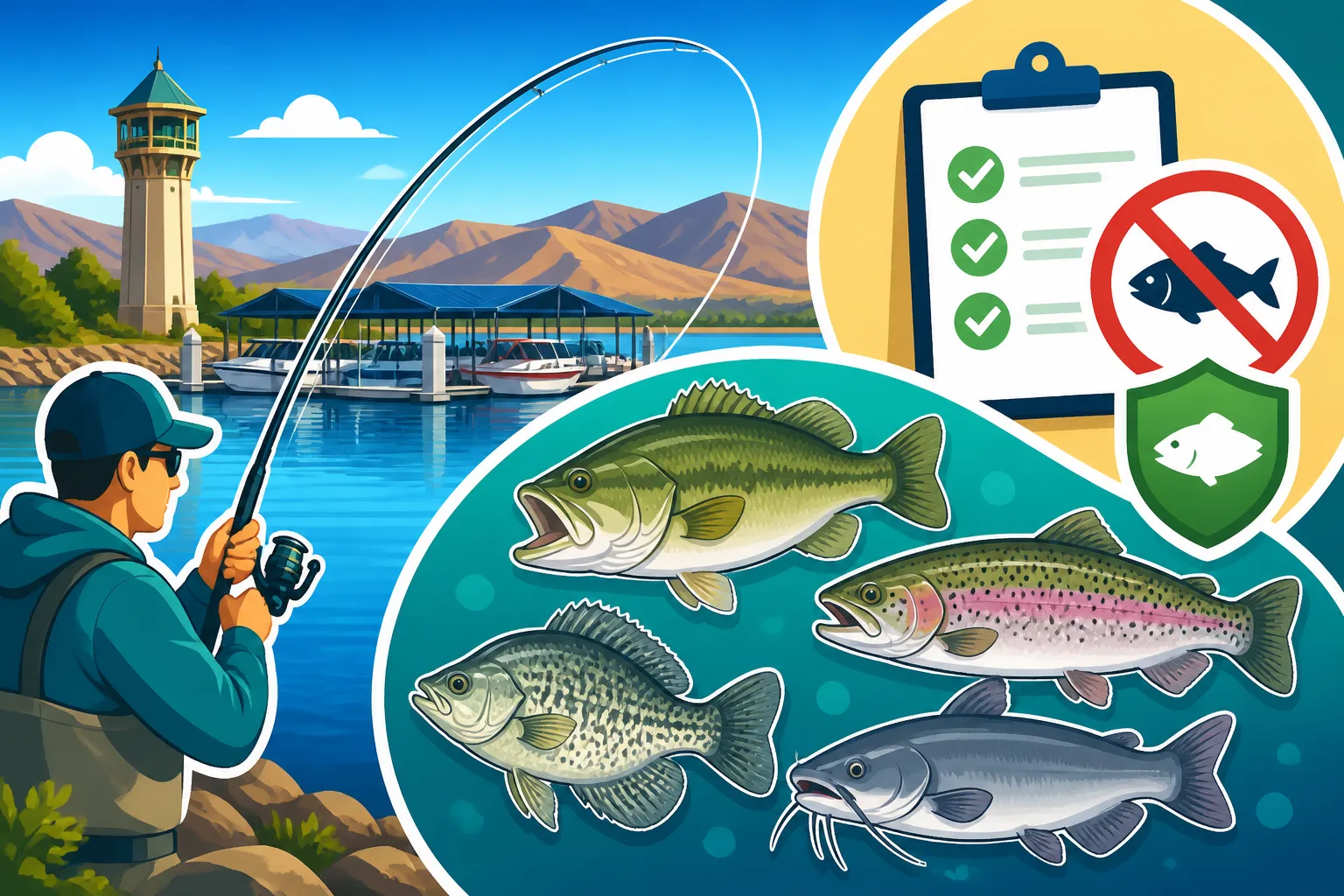
Sparks Marina fish species and rules
It can be incredibly frustrating to show up at a promising fishing spot, only to realize you're not entirely sure what you're allowed to catch, what bait to use, or even if you need a specific permit beyond your standard license. Sparks Marina, a beloved urban oasis in the heart of Sparks, Nevada, is a fantastic place to cast a line, but like any managed fishery, it comes with its own set of unique regulations and a diverse population of fish. This guide will clarify everything you need to know about the fish species inhabiting Sparks Marina and the essential rules to ensure a fun, legal, and successful fishing experience.
The Appeal of Sparks Marina for Anglers
Sparks Marina isn't just a pretty body of water in the middle of a bustling city; it’s a vibrant recreational hub that draws anglers from all over the Reno-Sparks area and beyond. What makes it such a magnet for those looking to wet a line? Well, for starters, its accessibility is unparalleled. You don’t need to drive hours into the wilderness to find quality fishing. The marina is easy to get to, with plenty of parking and shoreline access, making it perfect for a quick afternoon trip or a full day with the family.
But beyond convenience, the marina offers a surprisingly robust fishery. The Nevada Department of Wildlife (NDOW) actively manages and stocks the waters, primarily to ensure a consistent opportunity for trout fishing, especially for younger anglers and those new to the sport. This regular stocking, combined with the presence of naturally reproducing warmwater species, creates a diverse angling experience that keeps people coming back. It’s a great place to introduce kids to fishing without the pressures of more challenging, remote locations. Plus, the surrounding amenities, like walking paths, parks, and even nearby restaurants, make it a full-day destination, not just a fishing hole.
A Man-Made Oasis with a Thriving Ecosystem
The history of Sparks Marina is quite interesting. It wasn't always a lake; it began as a gravel pit that flooded unexpectedly in 1997 due to a rising water table from a flood event. Over the years, it transformed into the beautiful, deep-water lake we know today. This origin story means it's a man-made environment, but nature has certainly taken over, creating a surprisingly productive ecosystem. The depths of the marina, which can reach over 100 feet in some areas, provide cooler water for trout, while the shallower coves and structures along the shoreline offer ideal habitat for bass and other warmwater species.
This blend of deep and shallow, cold and warm water zones contributes to the variety of fish you can find. It's not just a "put-and-take" trout pond; it's a place where different species can thrive alongside each other. The clarity of the water also varies, offering different challenges and opportunities for anglers. Understanding this dynamic environment is the first step to figuring out where the fish might be hiding and what they might be biting on.
Year-Round Fishing Opportunities and Community Hub
One of the biggest draws of Sparks Marina is that it offers Nevada Fishing Seasons by Month opportunities virtually year-round. While trout stocking is more prevalent in the cooler months, warmwater species like bass and catfish provide excellent action during the summer. This continuous availability makes it a consistent choice for anglers regardless of the calendar. Whether you're hoping to catch some fresh trout for dinner in the spring or challenge yourself with a feisty bass on a warm autumn day, the marina generally delivers.
Beyond the fish, Sparks Marina is a vital community hub. You'll see families picnicking, people jogging, kayakers paddling, and, of course, anglers casting their lines from the shore or small watercraft. This lively atmosphere adds to the enjoyment of fishing, making it a social experience rather than a solitary one, if that's what you prefer. The presence of the community also means that respecting the rules and the environment is paramount, ensuring that this resource remains enjoyable for everyone. For those looking for local fishing expertise or to book a guided trip in the region, resources like FishingBooker can often connect you with experienced guides who know the ins and outs of local fisheries, even urban ones.
The Main Fish Species You'll Encounter at Sparks Marina
When you visit Sparks Marina, you're likely to encounter a few key species that make up the bulk of the fishing action. Understanding what fish are present, and their typical habits, is crucial for tailoring your approach and maximizing your chances of success.
Rainbow Trout: The Perennial Favorite
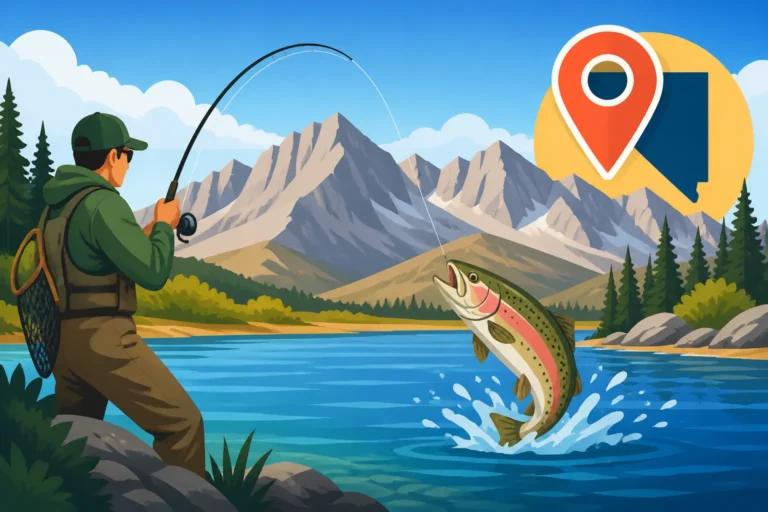
Without a doubt, Rainbow Trout Fishing in Nevada is a major draw at Sparks Marina, thanks to consistent stocking efforts by the NDOW. These beautiful, hard-fighting fish are stocked primarily to provide readily accessible fishing, especially during the cooler months, typically from fall through spring. They thrive in the marina's deeper, cooler waters during these times.
- Identification & Size: Rainbow trout are easily recognizable by their distinctive pinkish or reddish stripe running along their sides, often accompanied by small black spots. The stocked fish usually range from 10 to 14 inches, though some larger "trophy" rainbows are occasionally put in the water to add excitement.
- Habitat & Behavior: Freshly stocked trout tend to cruise near the stocking points and along the shorelines as they acclimate. Over time, they'll disperse and seek out deeper water and structure like submerged ledges or weed beds if available. They are primarily sight feeders, and their activity often peaks during dawn and dusk.
- Best Techniques & Baits: For stocked rainbows, consistency is key. Popular baits include PowerBait (especially in bright colors like chartreuse, orange, or rainbow), salmon eggs, and nightcrawlers fished off the bottom with a small sinker, or suspended under a bobber. Small spinners (like Mepps or Rooster Tail) and spoons (like Kastmasters) are also highly effective, especially when retrieved slowly. Many anglers have success using light tackle with 4-6 lb test line. Check out our guide on Best Tackle for Nevada Trout Fishing for more specific recommendations.
Bass Species: Largemouth and Smallmouth
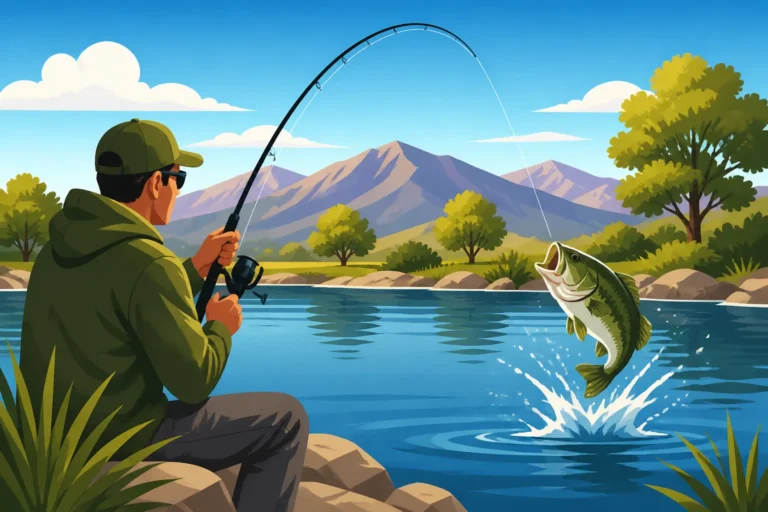
While trout get a lot of attention, Sparks Marina also boasts a healthy population of both largemouth and smallmouth bass, offering a different kind of challenge, particularly during the warmer months. These aggressive predators provide exciting sport fishing.
- Largemouth Bass Fishing in Nevada():
- Identification & Size: Largemouth bass are typically green with a prominent lateral line and a large mouth extending past their eye. At Sparks Marina, they usually range from 1 to 3 pounds, with bigger fish certainly possible, sometimes pushing 5-6 pounds.
- Habitat & Behavior: Largemouth prefer shallower, weedier areas and submerged structures. They'll hide near docks, submerged trees, or rock piles, ambushing prey. Their activity peaks in warmer water, making summer and late spring prime times.
- Best Techniques & Lures: Soft plastic baits like worms, creature baits, and senkos Texas-rigged or wacky-rigged are deadly. Crankbaits that mimic baitfish, spinnerbaits, and topwater lures (during low light conditions) also work well. Focus on casting near cover and structure.
- Smallmouth Bass:
- Identification & Size: Smallmouth bass are often bronze or brownish, with vertical bars on their sides and a smaller mouth that doesn't extend past their eye. They tend to be a bit smaller than largemouth, often in the 1-2 pound range at the marina, but are renowned for their strong fights.
- Habitat & Behavior: Smallmouth prefer rocky areas, deeper drop-offs, and clear water. They are less reliant on heavy cover than largemouth and often suspend over deeper structure.
- Best Techniques & Lures: Jigs (especially football or finesse jigs), drop shots, and small crankbaits that imitate crawfish or minnows are effective. They can also be caught on tubes and small swimbaits.
Channel Catfish: The Bottom Dwellers
For those who enjoy a different kind of fight and don't mind fishing after dark, channel catfish are a fantastic target at Sparks Marina. They are abundant and offer great table fare.
- Identification & Size: Channel catfish are easily identified by their whisker-like barbels around their mouth, deeply forked tail, and often spotted bodies (especially when younger). At Sparks Marina, they commonly range from 1 to 5 pounds, with larger specimens showing up now and then.
- Habitat & Behavior: Catfish are true bottom dwellers, often found in the deeper sections of the marina during the day, moving shallower at night to feed. They have an excellent sense of smell and will seek out strong-smelling baits.
- Best Techniques & Baits: Simplicity is often best for catfish. A bottom rig with a sinker, swivel, and a hook baited with stink bait, cut bait (like pieces of anchovy or mackerel), chicken livers, or even hot dogs will do the trick. Fishing after sunset into the night can be particularly productive. For more specific insights on their behavior, consider looking at resources on Channel Catfish Fishing in Nevada.
Other Species: Panfish and Carp
Beyond the main game fish, you might also hook into other species:
- Panfish (Bluegill, Crappie): These smaller, feisty fish are great for kids and can be found in shallower, vegetated areas. Small jigs, worms, or crickets are effective.
- Common Carp: Large and powerful, carp are abundant in the marina. While not typically sought after by sport anglers, they offer a tremendous fight. Corn, dough balls, or specialized carp baits are best for targeting them.
Here's a quick overview of common target species at Sparks Marina:
| Fish Species | Primary Season | Typical Size | Preferred Habitat | Effective Baits/Lures |
|---|---|---|---|---|
| Rainbow Trout | Fall-Spring | 10-14 inches | Deeper, cooler water | PowerBait, Salmon Eggs, Spinners, Spoons |
| Largemouth Bass | Spring-Fall (warmer) | 1-3 lbs | Weedy coves, structure | Soft Plastics, Crankbaits, Spinnerbaits |
| Smallmouth Bass | Spring-Fall (warmer) | 1-2 lbs | Rocky areas, drop-offs | Jigs, Drop Shots, Small Crankbaits |
| Channel Catfish | Summer-Fall (especially night) | 1-5 lbs | Bottom, deeper areas | Stink Bait, Cut Bait, Chicken Liver, Hot Dogs |
| Panfish | Year-round | 4-8 inches | Shallow, vegetated areas | Small Worms, Crickets, Tiny Jigs |
| Common Carp | Year-round | 5-20+ lbs | Throughout the marina | Corn, Dough Balls, Boilies |
Essential Fishing Rules and Regulations for Sparks Marina
Fishing at Sparks Marina isn't just about knowing what's biting; it's also about understanding and adhering to the rules. Like all public fishing areas in Nevada, general statewide regulations apply, but specific local rules and NDOW guidelines for the marina are also in effect. Violating these rules can lead to fines and loss of fishing privileges, which nobody wants after a relaxing day on the water.
Nevada Fishing License Requirements
First and foremost, anyone aged 12 and older needs a valid Nevada Fishing License Guide to fish at Sparks Marina. This is a non-negotiable requirement that applies to all public waters in Nevada. You can't just walk up and cast a line without one, even if you're only planning to catch and release.
- Who Needs One: As mentioned, if you're 12 years or older, you need a license. This applies to both residents and non-residents.
- Where to Get It: You can easily obtain a license online through the NDOW website, or in person at authorized license agents like many sporting goods stores (e.g., Scheels, Bass Pro Shops, or local bait shops). For a complete breakdown, see our guide on How to Get a Fishing License in Nevada. Make sure to have it on your person while fishing – either a physical copy or a digital version on your phone – as game wardens do patrol the area.
- Special Permits: Thankfully, Sparks Marina does not require any additional special permits like a trout stamp beyond your general Nevada fishing license, unless you're participating in a specific organized event that might have its own temporary permit requirements.
Statewide and Local Regulations Explained
Beyond the license, a host of regulations govern how, when, and what you can catch. These rules are in place to manage fish populations, ensure fair chase, and protect the aquatic environment. It's crucial to consult the current Nevada Fishing Regulations Explained booklet, available on the NDOW website or at license vendors, as rules can change annually.
- Daily Bag and Possession Limits: These are critical. They dictate how many fish of each species you can keep per day and how many you can have in your possession (e.g., at your home or in your cooler).
- For Rainbow Trout, the statewide daily limit is typically 5 fish, with a possession limit of 10. However, always double-check the current regulations for any specific exceptions for Sparks Marina, though it usually follows the general rules for Nevada Trout Daily Limit Rules.
- For Bass (Largemouth and Smallmouth), statewide limits are often more restrictive, sometimes with size limits. For example, the daily limit for black bass (largemouth and smallmouth combined) is generally 5 fish, but there might be a minimum size limit (e.g., 10 or 12 inches) that you must adhere to. Refer to Nevada Bass Daily Limit and Size Rules for precise figures.
- For Channel Catfish, the daily limit is typically 10 fish, with a possession limit of 20.
- Panfish and Carp usually have very generous or no limits, but again, always verify.
- Gear Restrictions: While Sparks Marina is generally open to various fishing methods, there are common restrictions to be aware of:
- Number of Poles: Typically, you're allowed to use up to two fishing poles or lines at a time.
- Live Bait: While worms and some cut baits are fine, using live finfish as bait is generally prohibited in Nevada to prevent the spread of invasive species. Using minnows or other baitfish caught from one water body in another is almost always illegal.
- Barbless Hooks: While not always required at Sparks Marina, using barbless hooks (or crimping down barbs) is highly encouraged, especially if you plan on practicing catch and release. It minimizes harm to the fish.
- Boating and Watercraft Rules:
- Motorized Boats: Motorized boats are generally not allowed at Sparks Marina, helping to maintain a peaceful environment and ensuring safety for kayakers and paddleboarders. This means you'll typically see human-powered watercraft only.
- Kayaks, Canoes, and Float Tubes: These are usually permitted and are fantastic ways to access different parts of the marina not reachable from shore. Always wear a PFD (Personal Flotation Device), even if it's not strictly mandated for your craft type at all times, it's just smart practice.
- Park and City Ordinances: Remember that Sparks Marina is within a city park. This means standard park rules apply: no littering, no open fires (except in designated areas), and respect for other park users. Fishing is generally permitted during park operating hours, which can vary by season, but is often from dawn until dusk. Night fishing might have specific restrictions, so it's always wise to check with the City of Sparks Parks and Recreation department if you plan on fishing outside daylight hours.
Key Rule Reminders:
- Stay Informed: The most important rule is to always have the latest NDOW fishing regulations on hand, either digitally or a physical copy.
- Respect Others: Share the shoreline and water with fellow anglers and other park users.
- Pack It In, Pack It Out: Leave no trace. Litter pollutes the water and harms wildlife.
Best Practices for a Successful and Responsible Day at Sparks Marina
Having the right knowledge about fish and rules is one thing, but making the most of your trip to Sparks Marina also involves adopting best practices for both success and environmental responsibility. It’s about more than just catching fish; it’s about enjoying the experience and preserving the fishery for future generations.
Maximizing Your Catch: Tips and Tricks
Even though Sparks Marina is an urban fishery, it still presents challenges. Here are some pointers to help you put more fish in your net:
- Timing is Everything (Almost): For trout, cooler temperatures mean better fishing. Target early mornings or late evenings in spring and fall, and during the warmest parts of the day in winter. For bass, the warmer months of late spring through early fall, especially around dawn and dusk, are ideal. Catfish often bite best from late afternoon through the night, particularly in summer.
- Observe the Water: Take a few minutes to watch the water before you cast. Are fish jumping? Are there baitfish schooling? Are other anglers catching anything and, if so, what are they using? Look for structure—rocky points, drop-offs, or submerged vegetation. Even small changes in depth or bottom composition can hold fish.
- Vary Your Presentation: If what you're doing isn't working, change it up! Try a different bait color, switch from a spinner to a soft plastic, alter your retrieval speed, or change your depth. Fish can be finicky.
- Focus on Stocking Schedules: For trout, staying updated on the Nevada Trout Stocking Schedule can be a game-changer. NDOW regularly stocks Sparks Marina, and fishing can be exceptional in the days immediately following a fresh drop of trout. These fish are often hungry and eager to bite. You can find this schedule on the NDOW website.
- Light Tackle for Trout: When fishing for stocked trout, lighter lines (4-6 lb test monofilament or fluorocarbon) and smaller hooks often result in more bites. They can be line-shy in clear water.
- Structure for Bass: For bass, always think structure. Docks, rock piles, submerged trees, or even changes in the bottom contour can hold them. Fan cast around these areas to find active fish. For deeper insights into urban fishing, check out our article on Nevada Urban Pond Fishing Rules.
Promoting Conservation and Etiquette
As a popular urban fishing spot, conservation and etiquette are paramount at Sparks Marina. We all share this resource, and it’s up to every angler to do their part to keep it healthy and enjoyable.
- Practice Catch and Release Responsibly: If you’re not keeping fish, handle them with care. Use wet hands to minimize removing their protective slime coat, unhook them quickly (barbless hooks help immensely), and release them gently. Avoid dragging fish on the ground or keeping them out of water for extended periods for photos.
- Pack Out What You Pack In: This cannot be stressed enough. Bring a trash bag with you and take all your waste home. This includes old fishing line, bait containers, snack wrappers, and especially discarded hooks or weights that can harm wildlife.
- Respect Wildlife: Sparks Marina is home to various bird species and other wildlife. Observe them from a distance and avoid disturbing them, especially nesting birds.
- Be Mindful of Others: Share the space. Don't cast too close to other anglers or interfere with swimmers, kayakers, or other park users. If you see someone struggling, offer assistance. A little courtesy goes a long way.
- Report Violations: If you witness someone violating fishing regulations or harming the environment, report it to NDOW. They rely on the public's eyes and ears to protect Nevada's natural resources. Don't confront individuals yourself; let the authorities handle it.
- Consider a Guided Trip: For those new to the area or even new to fishing, considering a guided trip can be a fantastic way to learn the ropes quickly and understand local nuances. Platforms like FishingBooker can help you find local guides who are experts on specific waters, even for an urban fishery like Sparks Marina, providing valuable insights into fish behavior and regulatory adherence. Additionally, for a broader perspective on angling options, exploring guides like Best Places to Fish in Nevada can help you discover other fantastic spots.
By following these best practices, you not only increase your chances of a successful day of fishing but also contribute to the long-term health and enjoyment of Sparks Marina for everyone. This way, we can all continue to enjoy this incredible urban fishing gem.
Disclaimer
Please remember that fishing regulations, stocking schedules, and local park rules can change. Always consult the most current Nevada Department of Wildlife (NDOW) fishing regulations pamphlet or their official website before heading out. This guide provides general information and should not be considered the definitive legal authority. Ensure you have the proper licenses and permits as required by law.