Nevada Fishing Seasons by Month
Trying to figure out the best time to cast a line in Nevada can feel like a puzzle. With landscapes ranging from scorching desert lowlands to freezing high-altitude lakes, fish activity changes dramatically not just by the week, but often by the hour! This guide is here to untangle the complexities of Nevada's fishing seasons, offering a month-by-month breakdown of what to expect and how to maximize your chances for a great catch, no matter where you are in the Silver State.
Understanding Nevada's Diverse Fishing Climate
Nevada is a state of incredible contrasts, and nowhere is that more apparent than in its fishing opportunities. You could be ice fishing on a frozen reservoir in the north while anglers in the south are enjoying mild temperatures and open water. This vast difference in climate and elevation plays a huge role in determining when and where different fish species are most active. Ignoring these environmental factors is a surefire way to have a frustrating day on the water, so let's dig into how they shape the fishing calendar.
High-Elevation vs. Desert Lowland Differences
The elevation in Nevada dramatically impacts water temperatures, which in turn dictate fish metabolism and activity. High-elevation lakes and reservoirs, especially those above 6,000 feet, experience much longer and colder winters. Think of places like Wildhorse Reservoir in the northeast or many of the smaller lakes in the Ruby Mountains – these waters might be frozen solid for months, only truly thawing out and becoming consistently fishable in late spring or early summer. When they do open up, the fish in these colder waters, often various trout species, are usually eager to feed after being under the ice. Their "peak season" is often compressed into the warmer summer months.
Contrast this with the desert lowlands, particularly the southern region around Las Vegas, Lake Mead, and Lake Mohave. Here, winters are mild, and lakes rarely freeze. The fishing season is essentially year-round, but the type of fishing and the best times of day shift significantly with the seasons. Summer heat can push fish like striped bass and largemouth bass into deeper, cooler waters, making early mornings and late evenings the most productive. Understanding this fundamental difference between Nevada's distinct geographical zones is crucial for planning your angling adventures.
The Impact of Water Temperature on Fish Activity
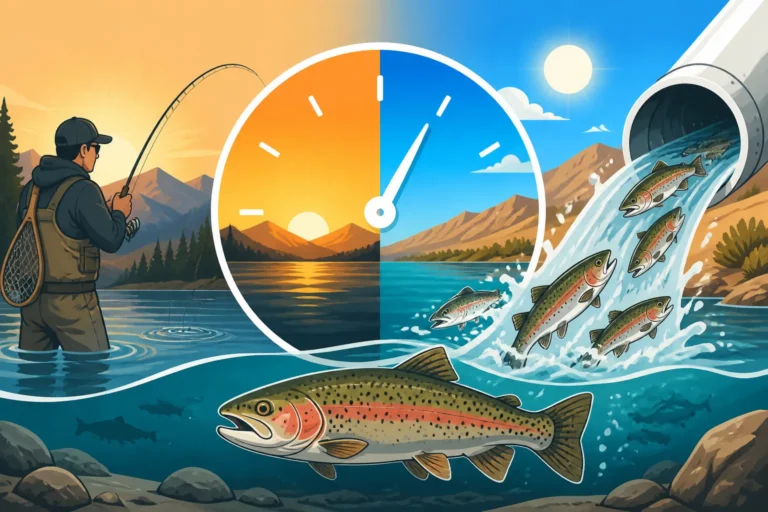
Water temperature is the ultimate controller of fish behavior. Every species has an optimal temperature range where they are most comfortable, active, and willing to feed. Trout, for example, generally prefer cooler waters, typically between 50-65°F. When water temperatures exceed this, they become stressed and retreat to deeper, cooler sections or seek thermal refuges. Bass, on the other hand, thrive in warmer waters, with their peak activity often occurring when temperatures are in the 60s and 70s during their spawn. Striped bass at Lake Mead can handle even warmer temperatures but will still seek deeper thermoclines when the surface gets too hot.
Knowing the general temperature preferences of your target species allows you to predict their location and feeding patterns throughout the year. As the seasons change, and air temperatures warm or cool the water, fish will migrate accordingly – moving shallower to spawn in spring, deeper to escape summer heat, and then back to moderate depths in the fall to feed heavily before winter. Keeping an eye on local water temperature reports is a powerful tool for any serious Nevada angler.
January & February: Embracing the Chill Winter Fishing
As the new year dawns and winter truly sets in, many anglers might pack away their gear, but they'd be missing out on some unique opportunities in Nevada. While the landscape might seem barren, there's still plenty of action to be found, whether through a hole in the ice or in the deeper, open waters of larger reservoirs. It's a time for patience and specialized tactics, but the rewards can be substantial, often in the form of robust, healthy fish.
Ice Fishing Opportunities on Frozen Lakes
For those willing to bundle up and brave the cold, ice fishing offers a fantastic and often social angling experience in Nevada's northern and eastern regions. Lakes like Wildhorse Reservoir, Marlette Lake (though often more challenging to access), and smaller mountain lakes commonly freeze solid enough for safe ice fishing. The thick ice typically starts forming in December and can last well into March. Target species usually include rainbow trout, brown trout, and yellow perch, which become a big draw at Wildhorse.
When ice fishing, anglers often use small jigs tipped with bait like mealworms, corn, or PowerBait, presented just above the bottom or suspended at various depths. A fish finder can be an invaluable tool to locate schools of fish under the ice, and a portable ice fishing shelter can make a world of difference on a windy, cold day. Always prioritize safety: check ice thickness (a minimum of 4 inches for foot travel is recommended), go with a buddy, and inform someone of your plans. For more in-depth advice, check out our guide on Ice Fishing in Nevada.
Urban Ponds and Deep Water Strategies
Even if ice fishing isn't your cup of tea or if you're in the warmer southern part of the state, January and February still offer viable fishing. Nevada's urban ponds, particularly those around Las Vegas like Floyd Lamb Park Pond or Sunset Park Pond, are regularly stocked with rainbow trout by the Nevada Department of Wildlife (NDOW) throughout the cooler months. These ponds remain ice-free and provide easy access for families and beginners. Light tackle, small spoons, or bait like PowerBait or worms fished under a bobber are highly effective here. Familiarize yourself with the Nevada Urban Pond Fishing Rules to ensure a smooth trip.
On larger, deeper reservoirs like Lake Mead or Lake Mohave, the focus shifts to deeper waters where fish like striped bass and largemouth bass congregate in search of stable temperatures and baitfish. Vertical jigging with heavy spoons or deep-diving crankbaits can be productive. Look for underwater structure, drop-offs, and points where fish might ambush prey. Patience is key, as fish metabolism slows down in colder water, leading to less aggressive bites, but they are still there, waiting for the right presentation.
March & April: Spring Thaw and Pre-Spawn Action
As the days lengthen and temperatures slowly begin to climb, March and April mark a significant turning point in Nevada's fishing calendar. The ice recedes from many northern lakes, and southern waters start to buzz with activity as fish transition from their sluggish winter modes into pre-spawn feeding frenzies. It's a fantastic time to be an angler, offering diverse opportunities from freshly stocked trout to aggressive bass.
Spring Trout Stocking Frenzy
Spring is a prime time for trout fishing across Nevada, especially with the Nevada Department of Wildlife (NDOW) actively stocking waters. As ice thaws and water temperatures become more hospitable, lakes, reservoirs, and rivers statewide receive regular deliveries of hungry rainbow trout. These freshly stocked fish are often quite eager to bite, making it an excellent period for anglers of all skill levels. Popular destinations include Spooner Lake in Lake Tahoe Nevada State Park, Wildhorse Reservoir, and the aforementioned urban ponds in the south which continue to receive trout.
Anglers targeting these stocked trout will find success with a variety of baits, including PowerBait, worms, and corn, often fished off the bottom with a small weight or suspended under a bobber. Small spinners and spoons can also be incredibly effective, especially for more active fish. Keeping an eye on the official Nevada Trout Stocking Schedule is essential for timing your trips perfectly to hit a recently stocked location. For more details on effective techniques, refer to our How to Fish for Trout in Nevada guide.
Pre-Spawn Bass Activity in Reservoirs
For bass anglers, March and April are all about the pre-spawn period, particularly in southern Nevada's warmer waters like Lake Mead and Lake Mohave. As water temperatures climb into the 50s and low 60s, largemouth and smallmouth bass begin to stage in shallower areas, moving closer to their spawning grounds. They become increasingly active, feeding heavily to build up energy for the upcoming spawn. This is a fantastic time to catch some of the biggest bass of the year.
Anglers should focus on transition areas like points, rocky banks, coves, and submerged brush, especially those with northern exposures that receive more sunlight and warm up faster. Crankbaits, jerkbaits, and spinnerbaits are excellent choices for covering water and triggering reaction strikes from aggressive pre-spawn bass. As the water warms further, soft plastics like creature baits and jigs worked slowly on the bottom can entice wary fish. Understanding the nuances of How to Fish for Bass in Nevada during this crucial period will greatly increase your success.
Pyramid Lake's Prime Window
Pyramid Lake, home to the world-famous Lahontan cutthroat trout, truly shines in March and April. The cooling waters of fall and winter give way to spring conditions that stimulate these massive trout into their most aggressive feeding patterns. Anglers flock to the lake's iconic ladders and rock shelves, casting large spoons, Jigs, and flies. The Lahontan cutthroat, known for its size and fighting prowess, becomes incredibly active, often chasing down baits near the surface.
This is a bucket-list destination for many, and timing is everything. Wading out to a ladder or casting from shore are popular methods, and fly anglers often use indicator rigs with balanced leeches or stripping streamers. Remember that Pyramid Lake requires a specific tribal permit in addition to a Nevada state fishing license. Our Pyramid Lake Fishing Permit Guide provides all the necessary details to prepare for a successful trip to this unique fishery. The fishing here can be truly spectacular, with many anglers landing multiple trophy-sized cutthroat.
May & June: Peak Spring into Early Summer Excitement
May and June represent a peak in fishing activity across much of Nevada. The transition from spring to early summer brings consistently warmer weather, which in turn ignites various fish species into their most active phases. From bass on the spawn to aggressive trout and explosive striper bites, there's an abundance of opportunities for every type of angler.
Post-Spawn Bass and Aggressive Trout
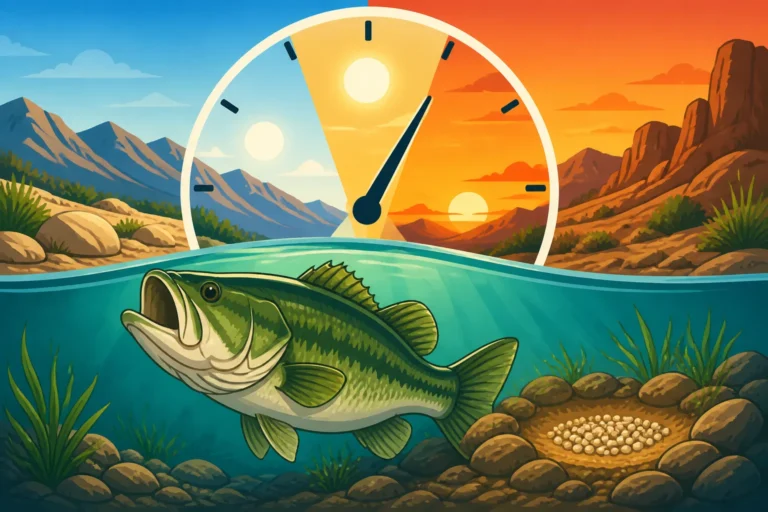
In May, especially in southern Nevada, the bass spawn is typically in full swing or winding down. Many anglers will target bass on beds, but it's important to understand responsible catch-and-release practices to protect these crucial breeding fish. As bass finish spawning and recover, they enter a post-spawn phase where they feed aggressively to regain their strength. They'll often move to slightly deeper cover near their spawning areas, making them vulnerable to Texas-rigged worms, Senkos, and shallow crankbaits. In northern and central Nevada, the warming waters mean trout are actively feeding, especially in waters like Wildhorse Reservoir where a mix of rainbows and tiger trout can be found. Spinners, spoons, and PowerBait continue to be reliable choices for these hungry fish.
Rivers and streams also become prime targets as snowmelt subsides and water levels stabilize. The Truckee River, for example, offers excellent trout fishing as hatches become more consistent. Fly anglers will find a variety of opportunities with nymphs and emerging dry flies. These months are often characterized by abundant insect activity, which means hungry trout looking up.
Lake Mead's Explosive Striped Bass Bite
May and June are arguably the best months for targeting striped bass on Lake Mead. As water temperatures consistently rise into the 60s and 70s, stripers become incredibly active, often schooling up and chasing baitfish near the surface. This is when the legendary "boils" can occur, where thousands of stripers erupt on the surface, devouring shad. It's a visual spectacle and an angler's dream.
Anglers should be on the lookout for bird activity, which often indicates schooling baitfish and aggressive stripers below. Topwater lures, spoons, and swimbaits are highly effective for these surface-feeding fish. For deeper schools, vertical jigging with heavy spoons or fishing anchovies on the bottom can yield excellent results. Trolling deep-diving crankbaits is another popular and effective method to cover large areas. Our Lake Mead Nevada Fishing Guide offers extensive information on how to tackle these powerful fish. Make sure your tackle box is stocked with a good selection of lures you can find on Amazon to be ready for any situation!
High Mountain Lakes Opening Up
For those who enjoy a more serene fishing experience, May and June are when Nevada's high mountain lakes truly become accessible. Many of these remote, pristine lakes, often stocked with various trout species, remain frozen or inaccessible until late spring due to snowpack. As trails clear and ice melts, anglers can hike or backpack into these beautiful locations, often finding eager, unpressured trout.
These lakes often hold beautiful rainbow, brook, and even cutthroat trout. Light spinning gear with small spoons or inline spinners works well, as does fly fishing with small dry flies or nymphs. The breathtaking scenery adds to the experience, making it much more than just a fishing trip. Always check trail conditions and weather forecasts before heading into the backcountry. This is a prime time for exploring some of Nevada's most stunning and least-fished waters.
July & August: Summer Heat and Deep Water Retreats
As Nevada plunges into the intense heat of summer, fishing strategies need to adapt significantly. The scorching sun and rising water temperatures push most fish into deeper, cooler havens, or they become active only during the cooler parts of the day. This isn't a time to give up; rather, it's a call to refine your techniques and embrace the early mornings and late evenings.
Beating the Heat for Deep Water Fish
When the surface waters of large reservoirs like Lake Mead, Lake Mohave, and Lake Tahoe heat up significantly, many fish species, particularly trout and striped bass, retreat to deeper, cooler sections where oxygen levels are still adequate. This means anglers need to employ tactics that get their baits down to where the fish are hiding. Downriggers and lead core lines become invaluable tools for trolling deep-diving lures or bait.
For species like Mackinaw trout in Lake Tahoe, this means fishing depths often exceeding 100 feet. Heavy jigs, spoons, or even live bait presented directly on the bottom can entice these deep-dwelling predators. Similarly, on Lake Mead, striped bass will school up in the cooler thermocline, often around 40-80 feet. Electronic fish finders are essential for locating these deeper schools and identifying underwater structure like humps, ledges, and channels where fish congregate. Our guide on How to Catch Mackinaw Trout at Lake Tahoe delves into these deep-water techniques.
Early Morning and Evening Bites
Even with the intense summer heat, fish still need to eat. The key is timing. The most productive periods for fishing in July and August are often during the low-light hours of dawn and dusk. As the sun rises or sets, air and water temperatures are at their coolest, and many baitfish become more active, drawing predatory species into shallower water to feed. This is especially true for largemouth and smallmouth bass in reservoirs and ponds.
During these windows, topwater lures can be incredibly exciting, as bass explode on the surface. Jerkbaits, spinnerbaits, and soft plastics fished near cover like docks, submerged brush, or rocky points can also be highly effective. For urban ponds, early mornings or late evenings offer the best chance for catching stocked trout before the sun gets too high and stresses them out. Anglers should aim to be on the water well before sunrise and fish until an hour or two after, or conversely, start an hour or two before sunset and fish into the twilight.
Adjusting Techniques for Warm Water Conditions
Warm water conditions not only push fish deeper but also affect their metabolism and behavior. Fish might be less aggressive, requiring slower presentations and more subtle lures. It's crucial to use lighter line, smaller baits, and focus on finesse techniques. For example, instead of fast-retrieved crankbaits, try a slow-fished Texas-rigged worm or a drop shot rig for bass.
For trout in rivers and streams, seeking out shaded areas, undercut banks, and sections with cooler spring-fed inflows can make a difference. Early morning fly fishing with small, delicate patterns might yield results where other methods fail. For striped bass, chumming with cut anchovies can sometimes draw fish up from deeper waters, creating a localized feeding frenzy. Always be mindful of fish health in warm water; practice quick catch and release, and minimize handling, especially for species sensitive to heat. Using a wide variety of specific lures that can be easily ordered from Amazon can ensure you have the right tool for these challenging conditions.
September & October: Autumn's Bounty and Fall Spawns
As the oppressive summer heat gives way to crisp autumn air, September and October usher in some of the most enjoyable and productive fishing of the year in Nevada. Cooling water temperatures revitalize fish, triggering aggressive feeding patterns as they prepare for winter. It's a season of vibrant colors and active fish, offering a "second spring" for many species.
Fall Trout Stocking and Feeding Frenzies
Just like in spring, autumn is a significant period for trout stocking across Nevada. As water temperatures drop into their preferred range, NDOW replenishes urban ponds, larger reservoirs, and mountain lakes with thousands of rainbow trout. These freshly stocked fish are eager to bite, often providing fast action for anglers. Areas like Spooner Lake, Wildhorse Reservoir, and the popular Las Vegas urban ponds all benefit from these fall stockings.
The cooler water makes trout incredibly active, and they'll readily hit a variety of baits and lures. PowerBait, salmon eggs, and worms remain effective, as do small spinners like Mepps or Panther Martins, and spoons. Fly anglers will find success with nymph patterns and streamer imitations as fish become more predatory. This is also a fantastic time for families to enjoy fishing, as the weather is pleasant and the fish are cooperative. Our comprehensive Nevada Trout Regulations Explained will help you stay compliant during this productive season.
Aggressive Bass and Stripers in Cooling Waters
Fall is an incredible time for targeting both largemouth and smallmouth bass, as well as striped bass, in Nevada's major reservoirs. As water temperatures begin to cool from their summer highs, fish move out of their deep-water summer refuges and back into shallower or mid-depth areas. They enter a "fall feeding frenzy," aggressively chasing baitfish to put on weight for the lean winter months.
On Lake Mead and Lake Mohave, striped bass can be found chasing shad closer to the surface, especially during low-light conditions. Topwater lures, spoons, and swimbaits become highly effective again. For bass, crankbaits, spinnerbaits, and jerkbaits are excellent choices for covering water and targeting active fish along points, rocky banks, and channel swings. Look for schools of baitfish on your fish finder, as predatory fish won't be far behind. Often, a specific lure available on Amazon can make the difference when targeting these aggressive fall feeders.
Identifying Fall Spawns
While spring is the primary spawning season for many fish, autumn sees a few notable exceptions that can provide unique angling opportunities. Brown trout, for instance, typically spawn in the fall. In certain rivers and streams where brown trout populations exist, they can become highly aggressive and territorial as they prepare for their annual spawn. Anglers targeting brown trout during this period might find them more willing to strike larger streamers or aggressive lures.
It's important to remember that during a spawn, fish are focused on reproduction, and responsible angling practices are crucial. If you encounter spawning fish, consider practicing catch-and-release to protect the future of the fishery. Understanding the specific behaviors of these fall-spawning species can offer exciting, albeit specialized, fishing experiences for dedicated anglers looking for a different challenge.
November & December: Winter's Approach and Transition Bites
As the vibrant colors of autumn fade and winter's chill begins to settle across Nevada, fishing shifts once again. The once-aggressive bites slow down, and many fish retreat to deeper, more stable waters. However, this doesn't mean the fishing ends. Instead, it transitions into a period requiring patience, precise techniques, and a focus on deeper, slower presentations.
Transitioning to Winter Patterns
November and December are months of transition. In northern Nevada, lakes begin to form ice, eventually leading to full-blown ice fishing opportunities (as discussed for January/February). In the central and southern parts of the state, open-water fishing continues, but fish begin to move into their distinct winter holding patterns. This often means congregating in deeper sections of lakes and reservoirs, near significant changes in depth, or around submerged structure that offers protection and stable temperatures.
Anglers targeting bass or striped bass on Lake Mead or Lake Mohave should focus their efforts on deep channels, rocky ledges, and prominent points. Fish will be less spread out and more concentrated, making them harder to find but potentially easier to catch once located. The key is to find these wintering schools. Pay attention to sudden drop-offs and the deepest parts of coves that offer thermal refuge. This is also a great time to review Nevada Fishing License Cost Breakdown and prepare for the next year's license renewal if yours is about to expire.
Slower Bites and Deeper Presentations
With declining water temperatures, fish metabolism slows significantly. They become less active and less willing to chase fast-moving baits. This necessitates a shift to slower, more deliberate presentations. For bass, jigs, drop shot rigs, and slow-rolled swimbaits fished painstakingly close to the bottom are often the most effective. Bites can be subtle, feeling more like a slight pressure or a mushy weight than an aggressive strike, so heightened sensitivity is key.
For trout in open water lakes and urban ponds, PowerBait, worms, or small marabou jigs fished slowly on the bottom or suspended under a sensitive bobber can still yield results. In the depths of Lake Tahoe, Mackinaw trout continue to be a target, requiring heavy spoons or jigging plastics presented directly on the bottom, often at great depths. Patience is paramount, as you might need to leave your bait in the strike zone for longer periods. Our guide on Best Bait for Nevada Trout can offer additional insights for these cooler months.
Last Opportunities for Open Water Fishing
For many high-elevation lakes and reservoirs in northern Nevada, November and early December might represent the last chance for open water fishing before ice formation. Places like Spooner Lake or even some parts of Wildhorse Reservoir might still be accessible, offering a unique opportunity to catch trout in a serene, late-season setting before the freeze. These fish are often quite plump, having fed heavily through the fall.
However, anglers must be extremely vigilant about weather conditions and water temperatures. Hypothermia is a serious risk, and boat ramps can become icy and dangerous. Always check local conditions and forecasts before venturing out. For those in southern Nevada, open water fishing will continue year-round, but the fish will be in their full winter patterns, making the techniques described above essential. The beauty of these late-season trips, often with fewer crowds, can be incredibly rewarding. Our article on Best Time of Year to Fish in Nevada provides a broader overview that complements this detailed monthly breakdown.
Nevada Fishing Seasons by Month: At a Glance
To help visualize the diverse fishing opportunities across the Silver State, here's a general overview of what to expect for key species in different regions throughout the year. Remember, these are general guidelines; always check current local conditions and regulations from NDOW, especially for specific water bodies like Lake Tahoe Nevada Fishing License Rules or Nevada Statewide Bag Limits Explained.
| Month | Northern Nevada (High Elevation) | Southern Nevada (Desert Lowland) | Pyramid Lake (Lahontan Cutthroat) | Key Species & Activity |
|---|---|---|---|---|
| January | Ice fishing for trout & perch (Wildhorse, Spooner*) | Deep water stripers/bass (Lake Mead), stocked trout (Urban Ponds) | Moderate to good, deep water | Trout (ice fishing, stocked), Striped Bass (deep), Bass (deep) |
| February | Ice fishing for trout & perch (Wildhorse, Spooner*) | Deep water stripers/bass (Lake Mead), stocked trout (Urban Ponds) | Moderate to good, deep water | Trout (ice fishing, stocked), Striped Bass (deep), Bass (deep) |
| March | Ice receding, early trout (rivers/streams), stocking begins | Pre-spawn bass, active stripers (Lake Mead), stocked trout | Excellent! Aggressive shore/ladder bite | Trout (stocked, rivers), Bass (pre-spawn), Striped Bass (active), Lahontan Cutthroat (peak) |
| April | Trout stocking intensifies, rivers/streams active | Bass spawn, active stripers (Lake Mead), stocked trout | Excellent! Aggressive shore/ladder bite | Trout (stocked, rivers), Bass (spawning), Striped Bass (active), Lahontan Cutthroat (peak) |
| May | High mountain lakes opening, active trout | Post-spawn bass, explosive stripers (Lake Mead) | Very good, transitioning to deeper/early morning | Trout (mountain lakes, stocked), Bass (post-spawn), Striped Bass (explosive), Lahontan Cutthroat |
| June | Peak trout activity (mountain lakes), some bass (warmer reservoirs) | Active bass (pre-summer heat), stripers (Lake Mead/Mohave) | Good, early morning/late evening, deeper | Trout (mountain lakes), Bass (active), Striped Bass (active) |
| July | Warm water pushes trout deeper, early/late bites | Deep water stripers/bass, early morning/late evening bites | Fair, very early morning/late evening, deep | Trout (deep), Bass (deep), Striped Bass (deep), Mackinaw (Lake Tahoe) |
| August | Warm water pushes trout deeper, early/late bites | Deep water stripers/bass, early morning/late evening bites | Fair, very early morning/late evening, deep | Trout (deep), Bass (deep), Striped Bass (deep), Mackinaw (Lake Tahoe) |
| September | Cooling waters, trout active, fall stocking begins | Cooling waters, aggressive bass & stripers | Good, fish moving shallower | Trout (active, stocked), Bass (fall feeding), Striped Bass (fall feeding) |
| October | Fall trout stocking, active trout, brown trout spawn | Fall feeding frenzy for bass & stripers | Excellent! Fish moving shallower and active | Trout (active, stocked), Bass (fall feeding), Striped Bass (fall feeding), Brown Trout (spawning) |
| November | Transition to winter, some open water trout, ice forming | Bass/stripers moving deep, stocked trout (Urban Ponds) | Very good, becoming more consistent throughout the day | Trout (open water, stocked), Bass (transitioning deep), Striped Bass (transitioning deep), Lahontan Cutthroat (active) |
| December | Ice fishing begins (some areas), deep water trout | Deep water stripers/bass (Lake Mead), stocked trout (Urban Ponds) | Moderate to good, deeper water | Trout (ice fishing, stocked), Striped Bass (deep), Bass (deep) |
*Spooner Lake access may be limited in winter months due to snow.
Disclaimer
The information provided in this guide is for general informational purposes only and is subject to change. Fishing regulations, stocking schedules, and local conditions can vary significantly and are regularly updated by the Nevada Department of Wildlife (NDOW) and other managing agencies. Always consult the most current official Nevada fishing regulations and obtain the necessary licenses and permits before heading out on your fishing trip. Stay safe, respect the environment, and practice responsible angling.