Nevada Striped Bass Seasonal Patterns
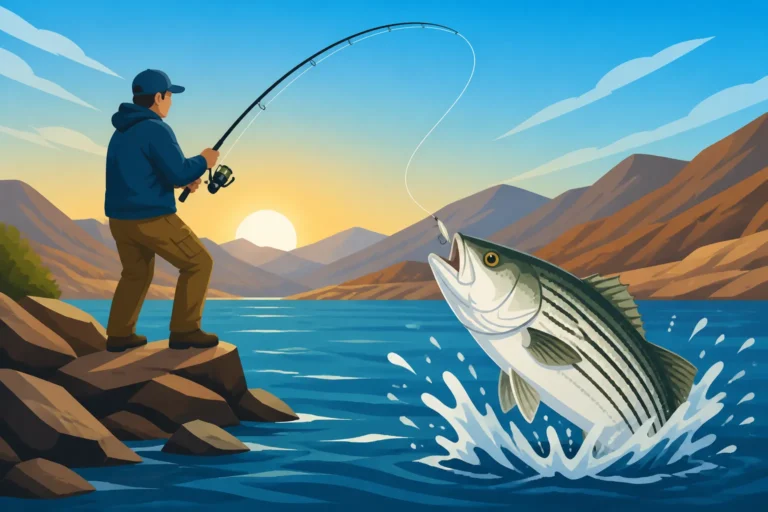
One of the biggest head-scratchers for any angler venturing into Nevada’s vast and beautiful reservoirs is figuring out where the heck the striped bass are. It can feel like they vanish into thin air, leaving you casting into empty water. But trust me, they haven’t disappeared; they’ve just moved! This guide is here to unravel the mystery of Nevada striped bass seasonal patterns, helping you understand their movements and giving you the best chance to hook into these powerful fighters year-round.
Understanding Striped Bass Behavior in Nevada's Waters
Striped bass, often simply called "stripers" by local anglers, are fascinating fish. They're incredibly adaptable, but their behavior is heavily dictated by a few critical factors, especially in the unique environment of Nevada's desert reservoirs like Lake Mead and Lake Mohave. If you can wrap your head around these foundational principles, you'll be light-years ahead in locating them throughout the year.
The Impact of Water Temperature on Stripers
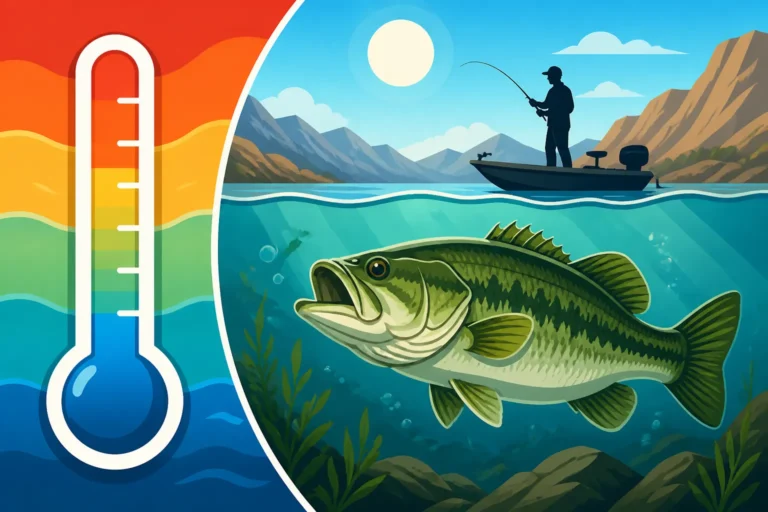
Think of stripers like us when the weather changes drastically – we adjust where we spend our time, what we wear, and how much energy we expend. For a cold-blooded fish, water temperature isn't just a preference; it's a fundamental driver of their entire physiology. These powerful fish thrive in a specific temperature range, and once the water moves outside that comfort zone, you can bet their location, metabolism, and feeding habits will change dramatically.
In the spring, as the water begins to warm from the chilly winter lows, stripers become more active. Their metabolism speeds up, and they start to move shallower, chasing baitfish that are also responding to the rising temperatures. The ideal feeding temperature for striped bass generally falls between 60 and 70 degrees Fahrenheit. When water temperatures hit the mid-60s, you'll often see them in a pre-spawn frenzy, putting on weight before the arduous spawning process. However, once summer truly sets in and surface temperatures soar into the 80s or even 90s in places like Lake Mead, stripers will retreat to the deeper, cooler layers of the lake. They'll seek out the thermocline – that invisible boundary where warm surface water meets cooler, deeper water – because it provides the cooler temperatures they need and often concentrates baitfish. In the deep cold of winter, their metabolism slows significantly, and they become lethargic, conserving energy and moving much less. Understanding these temperature thresholds is paramount to predicting their movements.
Forage Fish Dynamics and Striped Bass Movement
If there's one golden rule in fishing, it's "find the bait, find the fish." This adage holds especially true for striped bass in Nevada. These predatory fish are constantly on the hunt, and their movements are inextricably linked to the whereabouts of their primary food source: threadfin shad. These small, silvery baitfish are abundant in Lake Mead and Lake Mohave, and they form the cornerstone of the striper diet.
Threadfin shad, in turn, are influenced by their own environmental factors, mainly water temperature and the presence of plankton, their food source. As water warms, plankton blooms, attracting shad to certain areas. Stripers, with their keen senses, will follow these massive schools of shad relentlessly. In the spring and fall, when shad are often found in shallower coves and flats, stripers will move in to ambush them. During the heat of summer, if the shad move deep to find cooler water or concentrate in specific areas, the stripers won't be far behind. Learning to identify schooling baitfish on your sonar or by observing surface activity (like birds diving or actual "boils" where stripers push shad to the surface) is an absolute game-changer. It's like finding a moving buffet – the stripers are always there, feasting.
Structure, Depth, and Habitat Preferences
While temperature and bait are the primary drivers, the physical layout of the lake – its structure and depth – plays a crucial role in where stripers decide to hang out. Nevada's reservoirs are massive, with intricate underwater landscapes that offer a variety of habitats. Stripers aren't just swimming around aimlessly; they use these underwater features to their advantage, whether for ambushing prey, escaping harsh conditions, or resting.
You'll find that stripers often relate to prominent underwater structure. This includes steep drop-offs, submerged points, ledges, humps, and even old river channels. These features create natural ambush points and act as highways for baitfish. For instance, a long, sloping point extending into deep water might hold stripers at different depths depending on the time of day or season, as they move up and down its contours to feed. During the spring and fall, they'll move shallower, often holding in 10-30 feet of water near these structures. In the summer and winter, they'll retreat to much deeper water, sometimes 50-100 feet or more, congregating in the main lake basins, canyon walls, or near the entrances of large coves where deep water is accessible. Understanding these vertical and horizontal movements in relation to the lakebed is essential. A good depth finder, like those readily available on Amazon, can be your best friend in mapping out these underwater highways and finding those sweet spots where stripers like to hold.
Springtime Striped Bass Strategies (March – May)
Spring in Nevada is a period of transition, and for striped bass, it means an awakening from the winter doldrums and a ramp-up to one of the most exciting times for anglers. The warming waters bring a surge of activity, making stripers more accessible and often quite aggressive. This season offers some of the best opportunities for catching good numbers of fish as they get ready for their annual spawn.
Pre-Spawn Aggression and Shallow Water Movement
As the relentless desert sun starts to gain strength in early spring, usually around March and April, the surface waters of Lake Mead and Lake Mohave begin to shed their winter chill. This subtle warming, often hitting the low to mid-60s Fahrenheit, is the trigger for stripers. They kick into high gear, sensing that the spawning season is approaching. This pre-spawn period is characterized by intense feeding as stripers seek to bulk up, and it's fantastic news for anglers.
During this time, you'll find stripers moving out of their deeper winter haunts and venturing into shallower water. They'll often push into large coves, sandy flats, and areas with submerged brush or gradual sloping points. These are the same areas where threadfin shad are also congregating to feed on burgeoning plankton blooms. The stripers become incredibly opportunistic, ambushing baitfish with ferocious strikes. Look for them in depths ranging from 10 to 30 feet, especially in the mornings and evenings when they feel most comfortable in the shallows. This is a prime time for active casting, as the fish are often spread out but highly receptive to a well-presented lure.
Post-Spawn Recovery and Schooling Behavior
After the frenetic energy of the pre-spawn, stripers will engage in their spawning activities, typically peaking in late April to May when water temperatures hit the mid-60s. Unlike many other species, striped bass are open-water spawners, releasing their eggs and milt in moving water. This means you won't find them nesting or guarding fry. Once the spawning ritual is complete, they enter a recovery phase. They'll be a bit lethargic immediately after, but don't expect them to stay that way for long.
Within a week or two post-spawn, they rapidly regain their hunger and resume active feeding to replenish their depleted energy reserves. The key difference now is that they often start forming much larger, more cohesive schools. Instead of being spread out as much, they'll group up, making them a bit harder to find initially, but incredibly rewarding once you do. These post-spawn schools will still relate to shallower areas where baitfish are abundant, but they might also begin to hover around slightly deeper structures at the mouths of coves or along main lake points, preparing for their summer migration into deeper water. This schooling behavior can lead to incredible multiple hook-up opportunities if you can stay on top of the moving school.
Recommended Techniques and Lures for Spring
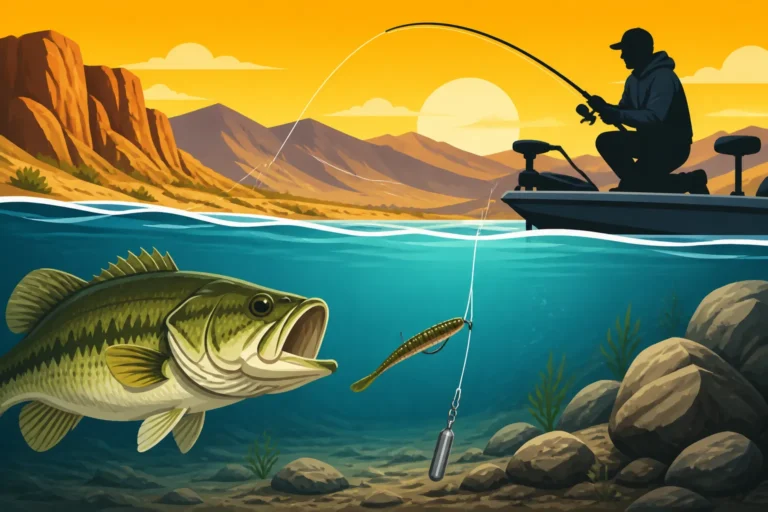
Spring offers a fantastic array of options for targeting Nevada stripers due to their aggressive nature and varied depths. For anglers focused on casting in shallow coves and flats, soft swimbaits like those from Keitech or other brands found on Amazon, are incredibly effective. A 3-5 inch swimbait rigged on a leadhead jig can imitate a struggling shad perfectly. Jerkbaits, particularly those with a strong suspending action, are also lethal. Work them with a twitch-twitch-pause retrieve, allowing the lure to hang enticingly in the water column. Topwater lures, such as poppers or "walking the dog" style baits, can create explosive strikes, especially during low light conditions or when stripers are actively chasing bait near the surface.
If you're after a more reliable bite, live bait is almost always a winner. Fresh anchovies or live threadfin shad, if you can net them, fished on a simple slip-sinker rig (a sliding egg sinker above a swivel, then a 12-18 inch fluorocarbon leader to a 2/0-4/0 hook) are deadly. Cast them out into areas where you've marked bait or seen surface activity. During the post-spawn, if you find larger schools, vertical jigging with spoons or heavier swimbaits can also be very productive, especially if the fish are holding a bit deeper over structure. Remember to keep an eye on your fish finder, as schools can move quickly in pursuit of bait.
Summer Striped Bass Tactics (June – August)
The Nevada summer sun is brutal, and for both anglers and striped bass, it means a significant shift in strategy. The intense heat radically changes the behavior of stripers, pushing them out of the comfortable spring shallows and into the cooler depths. Fishing for them becomes less about frenzied surface action and more about precise presentations in specific parts of the water column.
Deep Water Retreat and Thermocline Reliance
As June rolls into July and August, the surface temperatures of Lake Mead and Lake Mohave can easily climb into the upper 80s and even low 90s. This is far too warm for striped bass, which prefer cooler, more oxygenated water. Consequently, they make a significant retreat into deeper parts of the lake. This isn't just about comfort; it's about survival. Their metabolism cannot handle prolonged exposure to extremely warm water.
You'll find these summer stripers congregating around the thermocline, that distinct layer where warm surface water meets cold, deeper water. This thermocline typically forms between 30 and 60 feet deep, but it can vary based on the specific lake and conditions. It's not just cooler; it often holds the highest concentration of oxygen and, crucially, baitfish. Shad will also seek refuge in this cooler water, creating dense schools that the stripers follow. During summer, look for stripers in main lake channels, deep canyons, near submerged islands, or along the edges of vast flats where they can access deep water quickly. Your sonar becomes an indispensable tool for locating these deep schools of fish and bait. Without it, you're truly fishing blind. For an excellent guide on understanding these deep-water movements, check out our piece on Seasonal Movement of Fish in Reservoirs.
Night Fishing and Early Morning Bites
Given the extreme daytime heat, striped bass become predominantly nocturnal or crepuscular during the summer months. This means their most active feeding periods occur under the cover of darkness, or during the brief windows of dawn and dusk when ambient temperatures are at their lowest. Fishing in the middle of a scorching Nevada afternoon for stripers can be an exercise in futility and dehydration.
Night fishing is a popular and often highly productive tactic in the summer. As the sun sets, stripers may temporarily move shallower, sometimes as shallow as 15-30 feet, to ambush baitfish that also become more active in the low light. They'll often patrol main lake points, coves, and areas where underwater lights (from docks or boats) might attract bait. Similarly, the first few hours after sunrise offer a brief but intense feeding window before the sun climbs too high and drives the fish back into the depths. For more specialized tips, our article on Night Fishing Techniques for Striped Bass could be very helpful.
Effective Summer Presentations
Targeting summer stripers requires patience, precision, and often a different set of techniques. When fishing deep during the day, vertical jigging is king. Heavy metal spoons, like Kastmasters or similar options you can find on Amazon, or stout soft plastic swimbaits rigged on heavy jig heads (1-3 oz), are excellent choices. Position your boat directly over marked schools of fish and drop your lure straight down, working it with short, sharp lifts and drops. Experiment with the retrieve speed until you find what triggers a bite.
Trolling is another highly effective method for covering water and finding those deep-holding schools. Use deep-diving crankbaits that can reach depths of 20-50 feet, or even umbrella rigs for a more complex presentation. Vary your trolling speed until you get bites. For live bait enthusiasts, keeping shad or anchovies alive is crucial. Use a dropshot rig or a simple weighted Carolina rig to present live bait directly to deep-holding fish. Slow-trolling with live bait can also be very effective. Remember, summer stripers might be lethargic, so a natural, slow presentation of live bait can often entice strikes when artificials fail. If you're looking for more general tips on how to catch stripers in Nevada, our Nevada Striped Bass Seasonal Patterns guide covers all seasons.
Autumn Striped Bass Bonanza (September – November)
As the scorching summer heat gradually gives way to cooler autumn breezes, a transformation occurs in Nevada's reservoirs. This season marks a resurgence of energy and an often-spectacular feeding frenzy for striped bass. The fall is arguably one of the most exciting times to target these powerful fish, as they become incredibly active and aggressive, preparing for the lean months of winter.
Fall Turnover and Active Feeding Frenzies
The cooling water temperatures of autumn, typically starting in September and continuing through November, trigger a critical event known as the "fall turnover." During summer, lakes become stratified, with warm water on top and cold, oxygen-deprived water below the thermocline. As the surface water cools and becomes denser, it sinks, mixing with the deeper water. This process redistributes oxygen throughout the water column and essentially resets the lake's thermal profile.
For stripers, this means a wider range of comfortable depths and a renewed opportunity to pursue baitfish that are also becoming more active. Their metabolism, which slowed in the extreme summer heat, now kicks into high gear. They sense the impending winter and embark on a massive feeding campaign to build up fat reserves. This leads to an "active feeding frenzy" where stripers can be incredibly aggressive and less particular about what they strike. They'll actively chase down baitfish in open water, often pushing them to the surface. It's a prime time to target large schools of fish that are actively on the hunt.
Surface Activity and "Boils"
One of the most thrilling aspects of autumn striper fishing is the prevalence of "boils." This is when large schools of striped bass work together to drive massive schools of threadfin shad to the surface, creating an explosion of splashing water, churning fish, and diving birds. It's an unmistakable sign of intense feeding activity and an absolute magnet for anglers.
Spotting a boil requires vigilance. Keep an eye out for flocks of gulls circling and diving, often indicating stripers are pushing bait up from below. You might see actual fish jumping clear out of the water, or the surface simply erupting in a frothy commotion. When you encounter a boil, the key is a quick and stealthy approach. Don't run your boat full-throttle right into the middle, as you'll scatter the fish. Instead, approach cautiously, cut your engine, and glide or use your trolling motor to get within casting distance. The action can be fast and furious, but boils can also dissipate as quickly as they appear, so make your casts count!
Prime Autumn Lures and Methods
Autumn provides a fantastic playground for lure fishing, especially when boils are present. Topwater lures are paramount during these surface feeding events. Poppers, walking baits, and even smaller pencil poppers can elicit incredibly exciting strikes. Cast them right into the heart of the boil and work them aggressively. For more information on what flies work best, take a look at our Best Lures for Striped Bass article.
When stripers aren't actively boiling but are still feeding aggressively, a variety of other lures work wonders. Spoons, especially chrome or shad-colored models, cast and retrieved with a jigging motion, are very effective. Soft plastic swimbaits, either weighted or unweighted, can be cast to schooling fish. Larger jerkbaits and lipless crankbaits are also excellent choices for covering water and imitating fleeing baitfish. Using your fish finder to locate roaming schools is still crucial, even if they aren't pushing bait to the surface. Once located, casting into the school or slow-trolling through it with large plugs or live bait (like anchovies) can produce consistent action. Many of these excellent lures are available on Amazon, making it easy to stock up for the fall frenzy. If you want to know the Best time of year to fish Pyramid Lake this is a great time to be there too, even though it's a different species!
Winter Striped Bass Challenges (December – February)
Winter in Nevada brings a completely different set of challenges for striped bass anglers. The vibrant activity of spring and fall gives way to a more subdued, strategic approach. The coldest water temperatures of the year significantly slow down the metabolism of stripers, making them less active and more concentrated. This doesn't mean fishing is impossible; it just requires a shift in mindset and technique.
Deep, Lethargic Behavior
As December, January, and February settle in, water temperatures in Lake Mead and Lake Mohave plummet to their annual lows, often dipping into the 50s or even upper 40s Fahrenheit. For striped bass, this means a dramatic decrease in their activity levels. Their metabolism slows considerably, and they become lethargic, conserving energy. They won't chase bait as aggressively or move as much as they would in warmer months.
During winter, stripers will retreat to the deepest, most stable water they can find. This usually means the main lake channels, the deepest parts of canyons, or areas with significant underwater structure that offers protection and a consistent environment. They often suspend in large, tight schools, sometimes 60 to 100 feet deep or even deeper, just above the bottom. Finding these concentrations is paramount, as they won't be spread out. Once you locate a school, they might not move far, making them a consistent target if you can dial in the presentation.
Finesse Techniques for Cold Water Stripers
Because winter stripers are less active and less willing to chase, finesse techniques become incredibly important. You need to present your bait or lure directly to the fish, often right in front of their noses, and retrieve it slowly and subtly. Aggressive, fast retrieves that work so well in the fall will often be ignored.
Vertical jigging is still a primary method, but the pace changes dramatically. Instead of sharp snaps, think slow, gentle lifts and drops with your spoons or heavy soft plastics. Hold the lure still for several seconds between movements, allowing the fish ample time to inspect it and decide to strike. Dropshot rigs, presenting a small bait or soft plastic worm just above a weight, can be very effective for suspended fish. Another technique, often called "deadsticking," involves letting live bait (like a large anchovy or shad) or even a cut bait piece sit motionless on the bottom or suspended at the depth of the fish. Sometimes, the most effective "retrieve" is no retrieve at all. Patience is not just a virtue in winter fishing; it's a necessity.
Finding Winter Concentrations
Locating these deep, lethargic schools of winter stripers is the biggest challenge, but also the most rewarding once accomplished. Your sonar is, once again, your most critical piece of equipment. Spend time idling over likely deep-water areas – main lake channels, deep points, old riverbeds – meticulously searching for those tell-tale arches of fish. Look for dense schools suspended at consistent depths.
Once you find a school, pay close attention to the depth and how they are relating to any underwater structure. They might be piled up in a submerged creek channel or hugging a steep wall. While stripers are generally less active, sometimes you'll find small pockets of more aggressive fish, possibly in areas with slightly warmer incoming water or where baitfish are particularly concentrated. Even in the depths of winter, understanding the Striped Bass Feeding Patterns can help you discern when and where these elusive cold-water fish might be convinced to bite. For more general advice on what to expect year-round, our Best Time of Year to Fish in Nevada guide is a great resource.
Localized Patterns and Key Nevada Striped Bass Waters
While the general seasonal patterns of striped bass hold true across large bodies of water, each of Nevada's prime striper fisheries has its own unique characteristics. Understanding these localized nuances can make a significant difference in your success. Lake Mead and Lake Mohave, though connected by the Colorado River, offer distinct experiences shaped by their geography, depth, and currents.
Lake Mead Striped Bass Hotspots
Lake Mead, a vast and complex reservoir formed by the Hoover Dam, is a true striped bass powerhouse. However, its immense size means that "fishing Lake Mead" isn't a single experience; it's a collection of diverse areas, each with its own character and seasonal effectiveness.
In the spring, areas like Hemenway Harbor, Government Wash, and Las Vegas Bay often heat up first. These relatively shallower, protected coves warm quickly, attracting shad and subsequently, pre-spawn stripers. As summer arrives and the fish retreat deep, the main lake basins, such as Virgin Basin and Boulder Basin, become key. Trolling deep-diving lures or vertically jigging over submerged canyons and deep points in these areas can be very productive. The Overton Arm, far up-lake, also holds massive schools but often experiences different thermal conditions than the lower lake. The fall brings explosive surface action in virtually any part of the lake, with anglers often chasing boils across the open water of the basins. Winter sees stripers stacking up in the deepest channels and major points in the Boulder and Virgin Basins. Understanding the Lake Mead Nevada Fishing Guide can provide more detailed information about these diverse areas and what to expect from each.
Lake Mohave Striped Bass Opportunities
Just downstream from Lake Mead, Lake Mohave offers a different, often more riverine, striped bass fishing experience, particularly in its northern sections. The consistent flow of water from Hoover Dam into Lake Mohave creates unique patterns. While it might not produce the sheer numbers of stripers seen in Lake Mead, it's renowned for its potential for trophy-sized fish, especially in specific areas.
The most famous striper hotspot on Lake Mohave is Willow Beach, located just below Hoover Dam. The cold, clear, constant flow of water from the dam creates a unique environment where stripers thrive year-round. This area is known for giant trout, which in turn are a primary food source for truly massive striped bass. Fishing with large swimbaits, jerkbaits, or even live trout as bait can entice these monsters. Further down-lake, where the reservoir widens, you'll find more traditional lake-like patterns, similar to Mead, though often in slightly shallower depths. Points, coves, and submerged humps will hold fish, particularly during the spring and fall. The "Narrows" section, a constricting part of the lake, can also be a significant choke point for migrating baitfish and stripers, especially in spring and fall. Our Lake Mohave Nevada Fishing Guide will walk you through the specifics of this exceptional fishery.
Adapting to Changing Water Levels and Conditions
Nevada's reservoirs are dynamic environments, and perhaps no factor impacts fishing as much as fluctuating water levels. Lake Mead, in particular, has seen significant changes in recent decades. A rising or falling lake level drastically alters shorelines, submerged structures, and fish habitats, requiring anglers to constantly adapt.
When water levels are falling, traditional hotspots might become high and dry, or shallow coves might become too exposed for fish. Stripers will often move with the receding water, sometimes concentrating on the remaining deep-water access points or newly exposed ledges. On the flip side, rising water can flood new vegetation, creating fresh cover and feeding opportunities in areas that were previously dry land. These newly inundated areas can be fantastic in the spring for stripers seeking spawning grounds or ambush points. It's crucial to stay updated on current water levels, often available through local fishing reports or National Park Service websites, and be prepared to explore new areas or adjust your target depths. The best anglers are those who observe, adapt, and aren't afraid to try something new when conditions change. Knowing the Nevada Fishing Regulations Explained can help you navigate any changes in access or rules related to water levels. For more information on fishing opportunities in the state, our Best Places to Fish in Nevada guide is a comprehensive resource.
Nevada Striped Bass Seasonal Patterns Summary
To help you quickly reference the general patterns we've discussed, here's a table summarizing the key behaviors and best tactics for striped bass across the seasons in Nevada's main reservoirs like Lake Mead and Lake Mohave. Remember, these are general guidelines, and local conditions can always vary!
| Season | Water Temperature Range (Fahrenheit) | Primary Depth Range | Typical Behavior | Top Techniques & Lures | Key Challenges |
|---|---|---|---|---|---|
| Spring | 55-70 | 10-30 feet | Pre-spawn aggression, shallow feeding | Swimbait casting, jerkbaits, topwater, live bait on slip-sinker | Locating spread-out fish before schooling |
| Summer | 75-90+ (surface), 60-75 (thermocline) | 30-100+ feet | Retreat to deep, lethargic daytime | Vertical jigging, deep trolling, night fishing, live bait | Extreme heat, finding deep schools, low daytime activity |
| Autumn | 60-75 | 10-50 feet | Active feeding frenzy, surface boils | Topwater, spoons, swimbaits, chasing boils | Fast-moving schools, short feeding windows |
| Winter | 45-55 | 60-120+ feet | Deep, lethargic, tightly schooled | Slow vertical jigging, deadsticking live bait, dropshot | Very low activity, precise presentation, finding deep fish |
Before you head out on your next adventure, make sure your Nevada Fishing License Guide is up-to-date. If you need to know How to Get a Fishing License in Nevada, we have a full breakdown for you. Don't forget to check out Nevada 1-Day Fishing Permit Details or Nevada Annual Fishing License Renewal options depending on your trip length. And for those planning a longer stay, considering a Nevada Combination Hunting and Fishing License might be a good idea.
Disclaimer
Always consult the most current Nevada Department of Wildlife (NDOW) regulations before fishing, as rules and limits can change. This guide provides general information and fishing advice; conditions and fish behavior can vary widely. Exercise caution and adhere to all safety guidelines when boating and fishing on Nevada's waters.