Catch and Release Techniques for Trout
We've all been there: you hook a beautiful trout, battle it to the net, and in the excitement, perhaps handle it a bit too roughly or struggle with a deeply set hook. Then, as it swims away, you can't help but wonder if it's truly going to survive. It's a common worry for any angler who cares about the fish and the future of the sport. This guide is all about giving you the best, most realistic techniques for catch and release, ensuring those magnificent Nevada trout swim away strong to fight another day.
Why Catch and Release Matters in Nevada Trout Fishing
Let's face it, Nevada is a harsh environment. Our waters, whether the high-elevation mountain streams or the desert reservoirs, are often fragile ecosystems. The fish that live in them, especially our trout, can be quite sensitive. That's why understanding and practicing proper catch and release isn't just a nice idea; it's a fundamental responsibility for every angler who wets a line here.
Protecting Fragile Ecosystems and Native Species
Nevada's trout fisheries aren't like some of the vast, resilient river systems you find elsewhere. Many of our trout populations thrive in delicate habitats, often isolated streams, high-desert lakes, or urban ponds that rely heavily on stocking efforts. When anglers don't practice responsible catch and release, the cumulative stress on these fish can significantly impact their survival rates. Think about it: a small stream might only hold so many fish, and if even a few are lost due to improper handling, it can have a real effect on the local population.
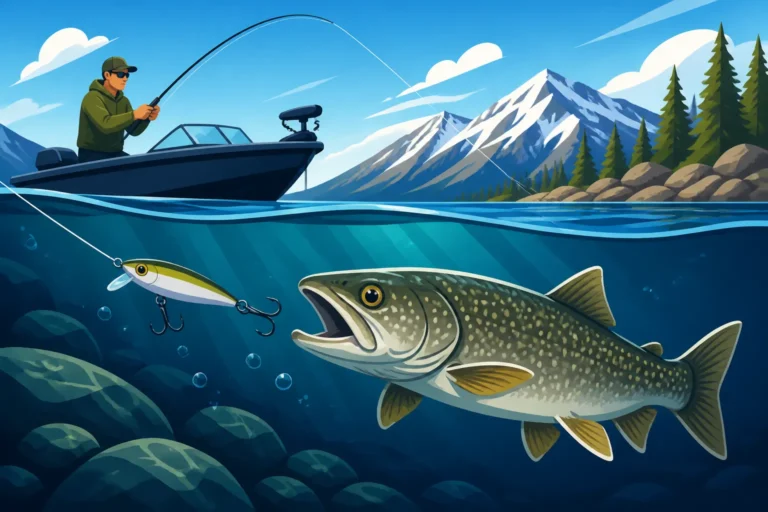
A prime example is the iconic Lahontan Cutthroat Trout. These incredible fish are native to the Great Basin, and their populations, particularly the trophy-sized ones found in places like Pyramid Lake, are precious. They've faced incredible challenges over the decades, and while great strides have been made in their recovery, they remain a species that demands our utmost respect and care. Releasing a cutthroat unharmed isn't just good practice; it's a vital part of conserving this unique Nevada treasure. Every effort to minimize stress, from the moment they bite to their release, contributes directly to the health of these vital ecosystems. Understanding the specific challenges and rules for places like Pyramid Lake, as detailed in our comprehensive Pyramid Lake Fishing Permit Guide, is paramount.
Ensuring Future Generations of Anglers
Beyond the immediate impact on fish populations, our commitment to catch and release is an investment in the future. We all want our kids, grandkids, and future generations of anglers to experience the thrill of a bending rod and the beauty of a wild trout. If we consistently keep every fish we catch, or if we release them in a way that leads to high mortality, those experiences will dwindle.
Fishing is more than just catching fish; it's about connecting with nature, finding peace on the water, and creating memories. When we release a trout, especially a strong, healthy one, we're not just letting that fish go; we're ensuring that the ecosystem remains vibrant and productive. We're contributing to the sustainability of our sport. It fosters a conservation mindset, recognizing that we are stewards of these natural resources. By embracing these principles, we can guarantee that the joy of fishing for trout in Nevada remains a cherished tradition for decades to come, especially with the state's diverse opportunities, which you can explore further in our guide to the Best Places to Fish in Nevada.
Essential Gear for Responsible Catch and Release
Proper catch and release starts long before you even cast a line. Having the right tools and making smart choices about your tackle can drastically reduce stress and injury to the fish, making their chances of survival much higher. It’s about being prepared, not just for catching, but for letting go with care.
The Right Tools for Minimizing Harm
Let's talk about the absolute essentials you should have in your tackle box. First and foremost, barbless hooks are a game-changer. Many anglers simply crimp the barb on their existing hooks with a pair of pliers, which works perfectly. Barbless hooks slide out easily, often with just a flick, reducing the time the fish is out of water and minimizing tissue damage. If you're buying new hooks, you can find a great selection of barbless options on platforms like Amazon. For anyone interested in the specifics, it's worth checking the Nevada Fishing Regulations Explained to ensure compliance, as some waters may have specific requirements.
Next, a good pair of hemostats or needle-nose pliers is non-negotiable. These allow you to get a firm grip on the hook and remove it quickly and cleanly, especially if it's set a bit deeper. Trying to use your fingers or a clumsy tool often leads to more struggling and more harm to the fish. Finally, a rubberized landing net is crucial. Traditional nylon nets can strip away a fish's protective slime coat and damage fins. A rubberized net, on the other hand, is much gentler, cradling the fish safely and allowing for easy, quick hook removal while the fish remains submerged or minimally exposed. This setup makes for a much smoother and less stressful experience for both you and the fish. You can find excellent options for these on sites like Amazon, which often have user reviews to help you pick the best one for your needs.
Line and Lure Selection for Trout Health
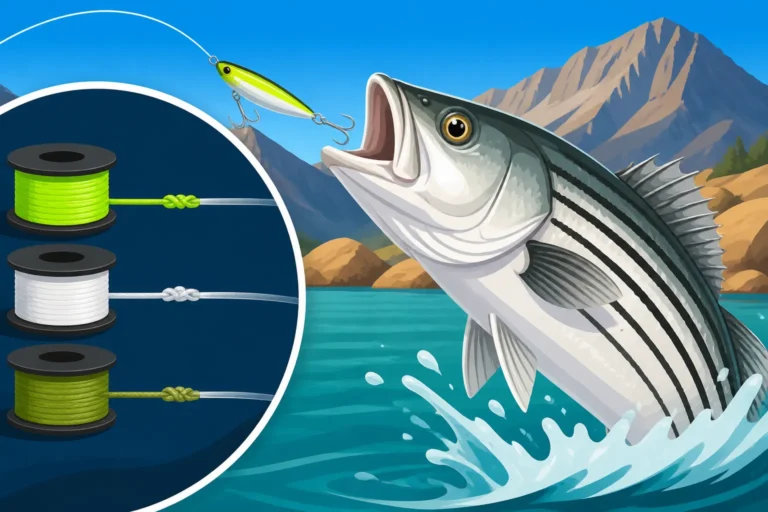
Choosing the right line and lure might not seem directly related to catch and release, but it absolutely is. Using an appropriate line strength for the fish you're targeting is important for minimizing fight time. If your line is too light, you'll have to play the fish for a much longer period, exhausting it to the point where its chances of survival after release are severely diminished due to lactic acid buildup. A good general guideline for trout in most Nevada waters is 4-8 pound test monofilament or fluorocarbon, or even lighter braided line with a fluorocarbon leader for spinning setups. Our guide on Nevada Fishing Gear Essentials offers more specific recommendations.
When it comes to lures, consider your options. While many lures come with treble hooks, you can often swap them out for single hooks, which are far less damaging and easier to remove. Some anglers even use single barbless hooks on their spinners or spoons. If you're fly fishing, barbless fly hooks are standard practice for many, and they make releasing those feisty rainbows and browns a breeze. Remember, the goal is to land the fish efficiently and release it with as little stress as possible. Thinking about how your tackle choices impact the fish's well-being is a sign of a truly responsible angler. You can find single barbless hooks or tools to crimp barbs on treble hooks readily available on Amazon.
Best Practices for Landing and Handling Trout
So, you've got the right gear. Now, let's talk about the moment of truth: hooking and landing that trout. The way you fight the fish and handle it once it's close to you is critical for its post-release survival. This is where patience, technique, and a healthy dose of empathy come into play.
Minimizing Fight Time and Stress
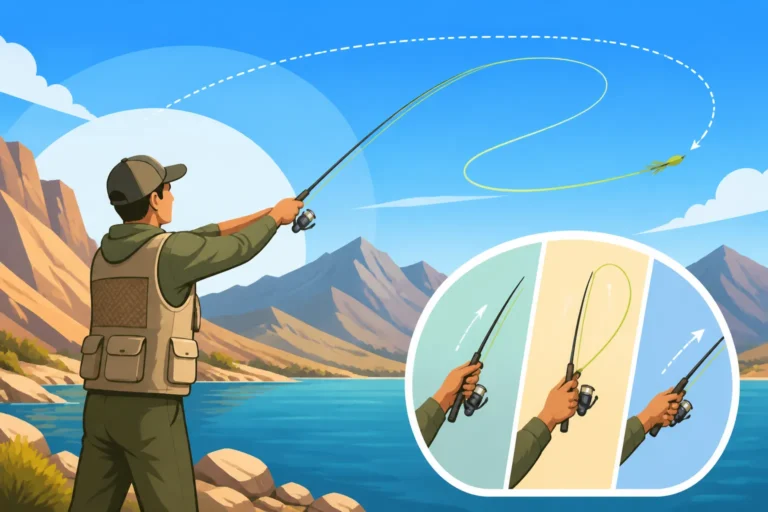
When a trout takes your bait or lure, the first instinct is often to reel it in as fast as possible. However, there's a delicate balance. You want to land the fish efficiently, but not so aggressively that you tear its mouth or exhaust it beyond recovery. The key is to apply steady, firm pressure, keeping the rod tip up, and letting the rod and reel's drag do the work. Don't "horse" the fish in, but don't let it run freely for too long either, especially in warmer water conditions where trout are more susceptible to stress.
Playing the fish strategically means guiding it towards your net or a shallow area where you can quickly secure it. Avoid letting it run into heavy cover or structure, which can prolong the fight and increase the risk of the line breaking or the fish getting tangled. A fish that's fought to complete exhaustion, especially a larger one, will have a harder time recovering. Think of it like a marathon runner: you want to cross the finish line, but not collapse at the end. For specific trout species and their fighting characteristics, our comprehensive guide on How to Fish for Trout in Nevada can provide further insights.
Proper Handling in and Out of the Water
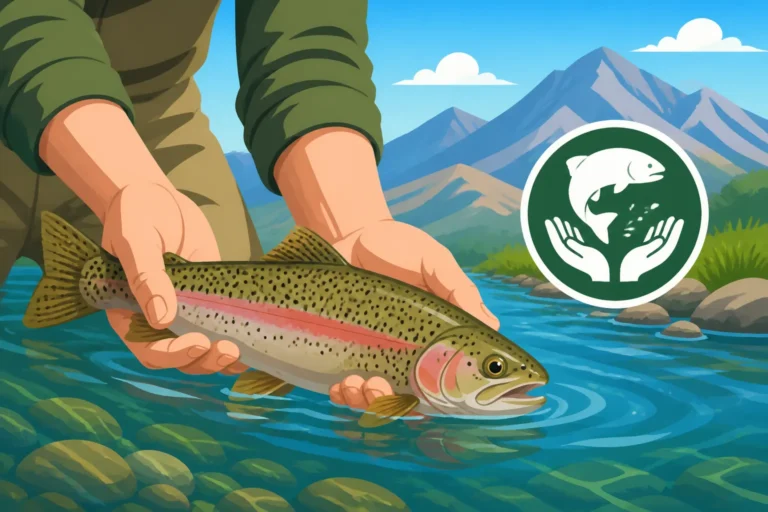
This is arguably the most crucial aspect of catch and release. The absolute golden rule: wet your hands before touching a fish. A trout's body is covered in a protective slime coat that acts as its immune system, shielding it from bacteria, parasites, and fungi. Dry hands, gloves, or even a dry net can strip this coat off, leaving the fish vulnerable to infection.
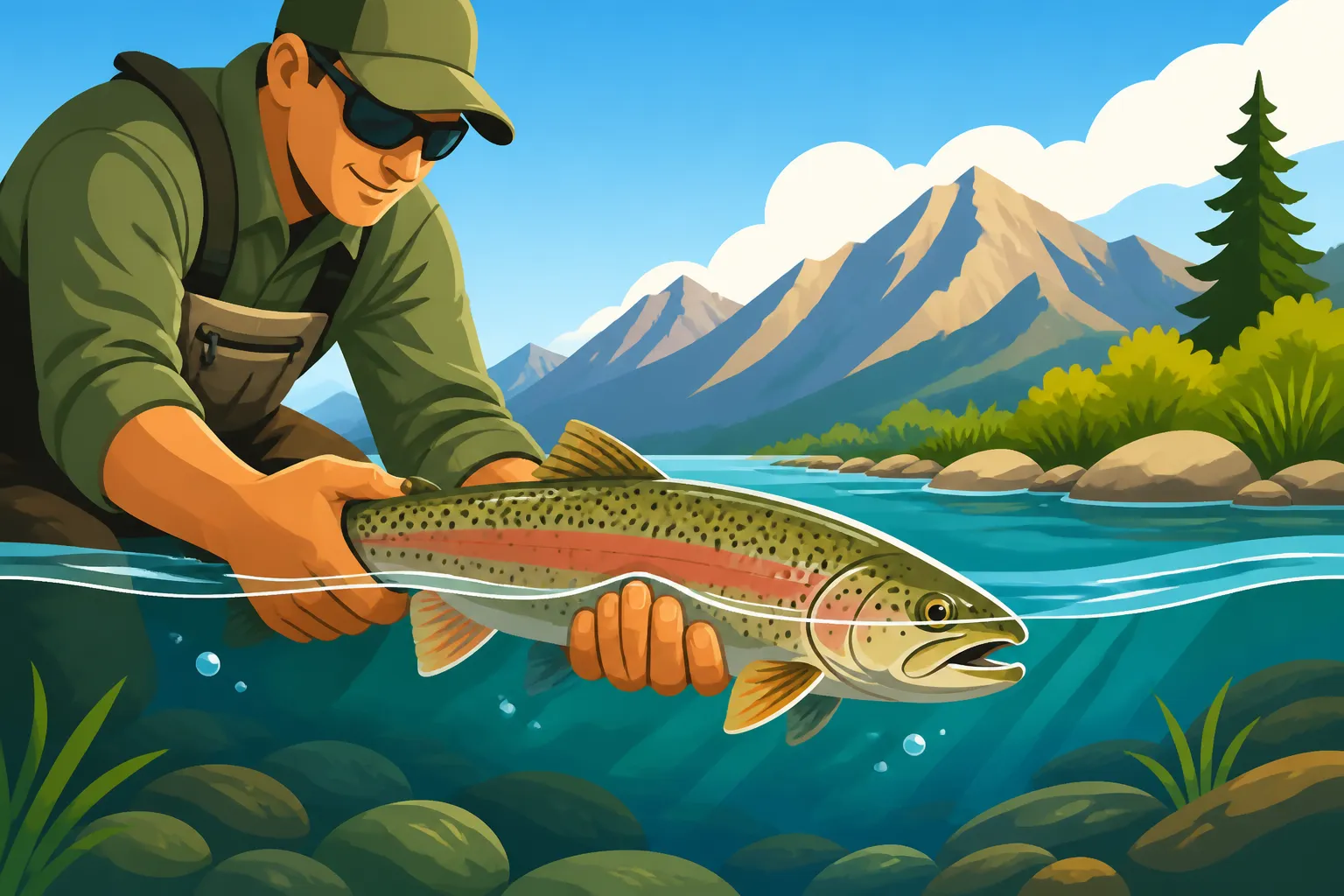
Whenever possible, keep the fish in the water. If you need to remove the hook, try to do it with the fish still submerged in your net. If you absolutely must take the fish out for a quick photo, do so quickly, support its entire body horizontally, and never, ever squeeze it. A common mistake is holding a trout vertically by its jaw or gill plate, which can cause severe internal damage, especially to larger fish. Think of supporting its belly and tail, like a gentle cradle. Get your picture, admire its beauty, and get it back into the water as fast as humanly possible. Even a few extra seconds of air exposure can be detrimental, especially on a hot, sunny Nevada day.
The Art of Hook Removal and Release
You've landed the fish, you've handled it gently, now it's time for the final, critical steps: removing the hook and sending it on its way. This needs to be done quickly, efficiently, and with the utmost care to ensure the trout has the best chance of survival.
Gentle Hook Removal Techniques
With a barbless hook, removal is often a breeze. While the fish is still in the water, ideally in your rubberized net, simply use your wet hands or your hemostats to grasp the shank of the hook and gently twist it out. It should slide right out. If the hook is a bit deeper, use the hemostats to reach in, grab the bend of the hook, and back it out the way it went in. Always try to avoid tearing tissue.
What if a fish is deeply hooked, meaning it's swallowed the hook, or it's embedded in the gills? This is a tough situation, and sometimes, the best thing you can do is cut the line as close to the hook as possible. Attempting to dig a deeply embedded hook out often causes more internal damage than simply leaving the hook in. Studies have shown that a fish has a better chance of survival with a small, stainless steel hook left to corrode than with extensive internal damage from an extraction attempt. This is especially true if you are fishing in conditions where trout survival is already stressed, such as during warmer periods. You can find quality fishing line cutters on Amazon that make this task quick and clean.
Reviving and Releasing the Trout Successfully
Once the hook is out, the fish isn't immediately ready to zoom away. It's likely exhausted and disoriented, especially after a long fight. This is where the revival process comes in. Gently hold the fish upright in the water, facing it into the current if you're in a stream, or slowly moving it back and forth to push water over its gills if you're in a still lake. Don't rock it side to side; this actually removes water from its gills.
You'll feel the fish start to regain its strength. Its fins will begin to flutter, and it might give a few strong kicks. Continue holding it gently until it's able to maintain its own balance and attempts to swim away on its own. Resist the urge to toss it back; a fish that swims away weakly is much more susceptible to predators or delayed mortality. Let it go only when it's actively pushing against your hand, signaling it's ready to resume its life in the wild. This patient revival is a mark of a truly ethical angler and gives that trout the best possible chance to thrive. Understanding the specific Nevada Trout Stocking Schedule can also give you insight into when trout might be more active or stressed depending on their recent introduction to the environment.
Special Considerations for Nevada's Trout
Nevada isn't your average fishing destination. Our unique climate and ecosystems mean we need to pay extra attention to certain factors when practicing catch and release, especially for our treasured trout species. Ignoring these can significantly reduce a trout's chances of survival.
High Desert Heat and Trout Survival
Anyone who's spent a summer day fishing in Nevada knows how quickly temperatures can soar. And while we might love the sunshine, trout don't. Trout are cold-water species, and warm water holds less dissolved oxygen, making it much harder for them to recover from the stress of being caught. If the surface water temperature is above 68-70°F (around 20-21°C), trout become incredibly vulnerable. Their survival rates after being caught and released plummet drastically in these conditions.
This is particularly true for our urban ponds and lower-elevation reservoirs in the summer months. If you find yourself fishing in these conditions, consider limiting your trout fishing entirely or targeting deeper, cooler water where trout might be less stressed. If you do catch a trout in warm water, work extra quickly and gently, keeping it submerged as much as possible, and revive it for an extended period. Sometimes, the most responsible catch-and-release technique in hot weather is simply to avoid fishing for trout altogether. You can learn more about adapting your approach in our guide to Summer Fishing Techniques for Hot Desert Lakes.
Protecting Native Lahontan Cutthroat Trout
The Lahontan Cutthroat Trout (LCT) is Nevada's state fish, and for good reason. They are magnificent, resilient, and utterly unique. Many populations, especially those at Pyramid Lake, are wild and native, meaning they haven't been stocked. This makes their preservation even more critical. When fishing for LCT, particularly at Pyramid Lake, specific regulations are in place to ensure their survival. For instance, barbless hooks are generally required, and catch limits are very strict, often involving slot limits that protect larger spawning fish.
When you catch one of these beautiful fish, it’s not just about a personal triumph; it’s about a connection to a species that has called these waters home for millennia. Minimize handling, keep the fish in the water as much as possible, and ensure it's fully revived before release. Any large LCT, especially those over 20 inches, should be treated with the utmost care, as they are often crucial spawning fish. Their ability to reproduce is key to the health of the entire fishery. Our detailed information on Lahontan Cutthroat Trout in Nevada provides a deeper understanding of these incredible fish and their conservation needs.
Seasonal and Environmental Factors Affecting Release Success
The environment you're fishing in and the time of year play a huge role in how well a released trout will fare. Being aware of these variables allows you to adjust your techniques and maximize the survival rate of your catch. It’s not a one-size-fits-all approach; adaptability is key.
Impact of Water Temperature and Oxygen Levels
As we touched on, water temperature is perhaps the single most critical environmental factor for trout survival post-release. Cold water (below 60°F or 15.5°C) generally means high dissolved oxygen levels and a robust, quick recovery for trout. This is why spring and fall are often the best seasons for trout fishing in Nevada, as detailed in our Nevada Fishing Seasons by Month guide. The fish are more active, healthier, and recover much faster from the stress of being caught.
Conversely, as water temperatures rise in summer, dissolved oxygen levels drop significantly. A trout's metabolism speeds up, and it takes more energy to recover from a fight. A trout caught in 70°F water is already fighting an uphill battle before it even bites your hook. Signs of a stressed trout include prolonged gill flaring, lethargic movements, or even swimming upside down. If you see these signs, spend extra time reviving the fish, gently moving it through the water to force oxygen over its gills. This is a common frustration for anglers, wanting to fish but knowing the risk. Being realistic about these conditions and choosing to fish in cooler temperatures or at cooler times of day (dawn/dusk) can make all the difference.
Adjusting Techniques for Different Fishing Environments
The way you handle a trout might also vary depending on where you're fishing.
- Stream Fishing: In fast-moving rivers or streams, the current can be your friend during revival. Gently hold the trout facing upstream, allowing the natural flow to oxygenate its gills. Be mindful of not letting it get swept away prematurely. The faster flow means less time holding the fish usually, but ensures a quick recovery.
- Lake/Reservoir Fishing: In still water, you'll need to manually "walk" the fish back and forth, gently moving it to push water through its gills. This takes a bit more effort and patience. If you're fishing from a boat, you might consider a small livewell if you plan to keep any fish, ensuring they stay cool and oxygenated before deciding. If you are catch and release, keeping them boat-side in a net in the water is often best.
- Shore Fishing: From the bank, try to net the fish in shallow water if possible, or gently slide it onto a wet, grassy bank (avoiding rocks or sand that can abrade its slime coat). Work quickly to remove the hook and then guide it back into deeper water for revival. Sometimes, a long-handled net is invaluable here.
Regardless of the environment, the principles remain the same: minimal air exposure, gentle handling, and thorough revival. Your approach just needs to be adapted to the specific conditions you face, showing respect for the fish and the natural surroundings. For example, considering a quality spinning reel from Amazon for faster retrieve and less fight time can be a good investment, and you can explore options in our Best Spinning Reels for Trout Fishing guide.
Here's a quick overview of some common catch and release practices:
| Practice | Good for Trout Health | Bad for Trout Health |
|---|---|---|
| Hook Type | Barbless single hooks | Barbed treble hooks, deeply set |
| Handling | Wet hands, minimal contact, support horizontally | Dry hands, squeezing, holding vertically by jaw/gills |
| Air Exposure | Kept in water, quick photos (a few seconds) | Extended time out of water, flopping on dry ground |
| Hook Removal | Forceps/pliers, cut line if deeply hooked | Fingers only, tearing at hook, prolonged digging |
| Revival | Face into current, gentle back-and-forth in still water | Tossing back immediately, no revival |
| Gear Choice | Appropriate line strength, rubberized net | Too light line (long fights), coarse nylon net |
| Water Temp. | Avoid fishing trout > 68°F | Targeting trout in warm water, especially mid-day summer |
Disclaimer
The information provided in this guide is for general informational purposes only and is not a substitute for official Nevada Department of Wildlife (NDOW) regulations. Always consult the most current NDOW fishing regulations before heading out on the water, as rules and conditions can change. Fishing involves inherent risks, and adherence to safety guidelines and local laws is crucial.