Best time of year to fish Pyramid Lake
It’s a common frustration, isn’t it? You hear whispers about the legendary Lahontan Cutthroat Trout of Pyramid Lake, pack up your gear with high hopes, only to arrive and find the fishing slow or completely shut down. This ancient, mystical lake near Reno has its own unique rhythms, and simply showing up without understanding the best times of year to target its prized fish can lead to a lot of head-scratching. This guide is designed to help you decode Pyramid Lake's seasonal patterns, ensuring your next trip is filled with more hook-ups and fewer unanswered questions.
Understanding the Unique Fishery of Pyramid Lake
Before we dive into the calendar, it’s crucial to understand what makes Pyramid Lake so special and why its fishing seasons are so pronounced. This isn't just any high desert lake; it's the terminal remnant of ancient Lake Lahontan, a deeply saline, mineral-rich body of water that's home to some truly unique species, most famously the Lahontan Cutthroat Trout (LCT). These aren't your typical stocked rainbows you find in local ponds; these are powerful, native fish that can grow to impressive sizes, often exceeding 20 pounds. They behave differently, feed differently, and respond to environmental changes in their own distinct ways.
The lake's anadromous (river-spawning) strain of LCT was once thought extinct, but thanks to remarkable conservation efforts, they thrive here, offering a world-class angling experience. The lake’s vast, open waters and sometimes harsh conditions demand respect and preparation. Understanding the nuances of the lake, from its steep drop-offs to its unique tufa formations, and how they relate to seasonal fish movements, is the first step toward consistent success. You’re not just fishing; you’re engaging with a piece of living history, and that adds to the allure and the challenge. Remember, this isn't a state park; it's Paiute Tribal land, so make sure you've secured your necessary permits, as covered in our comprehensive guide on the Pyramid Lake Fishing Permit Guide.
Seasonal Breakdown: When to Target Lahontan Cutthroat Trout
The "best" time to fish Pyramid Lake often depends on what kind of experience you're looking for and your preferred fishing method. However, certain seasons undeniably offer better chances for landing those trophy-sized Lahontan Cutthroat.
The Peak of the Action: Late Fall, Winter, and Early Spring
If you ask seasoned Pyramid Lake anglers, many will tell you that the cold water months are prime time. This period, roughly from late October through April, is when the lake’s massive Lahontan Cutthroat Trout become most active and accessible, particularly to shore anglers. As the water temperatures drop, the fish move closer to shore to feed on the abundant cui-ui, a native sucker fish, and other baitfish. This is when you’ll see anglers lined up on popular beaches, often throwing large flies or bait-and-lure combinations.
During these cooler months, the fish are often more aggressive, needing to feed heavily. The cooler water holds more oxygen, and the trout's metabolism is geared for hunting. This period also coincides with various spawning activities for the LCT, although the specific rules regarding Pyramid Lake Season and Bag Limit Rules must always be consulted, especially concerning the protection of spawning fish. Be prepared for chilly, windy weather, but the rewards can be truly spectacular, with multiple catches in a single outing not uncommon. Many anglers swear by a specific color of weighted nymph or streamer fly during this period, often found easily on Amazon, alongside essential cold-weather gear.
Spring Frenzy: March through May
While the entire cold season is excellent, spring often gets a special mention. As days lengthen and the sun warms the air, though not necessarily the deep lake water, the LCT really turn on. This is arguably the most popular time to fish Pyramid Lake. The fish are still shallow, actively feeding, and often more visible from shore as they cruise the ledges and drop-offs. The weather can be a bit more forgiving than deep winter, though the infamous Pyramid Lake winds can still whip up unexpectedly, making accurate casting challenging.
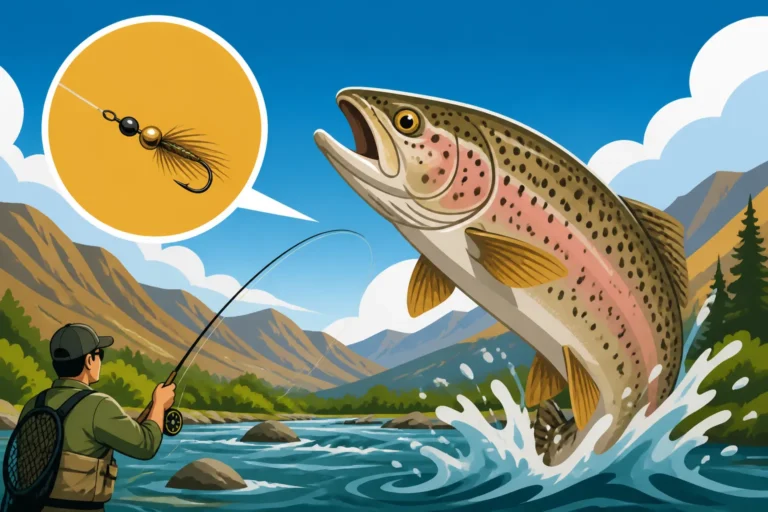
This period is particularly fantastic for fly fishermen, who often sight-fish for cruising trout. Stripping large streamers or indicator nymphing can be incredibly effective. Gear up properly; you'll want good waders and a solid windbreaker. If you're wondering about specific tackle, our guide on the Best Bait for Pyramid Lake Cutthroat can offer some valuable insights. Boat anglers also do well, often trolling the shallower flats or jigging structure, but access depends on water levels at the Pyramid Lake Boat Launch Locations.
The Summer Slowdown: June through September
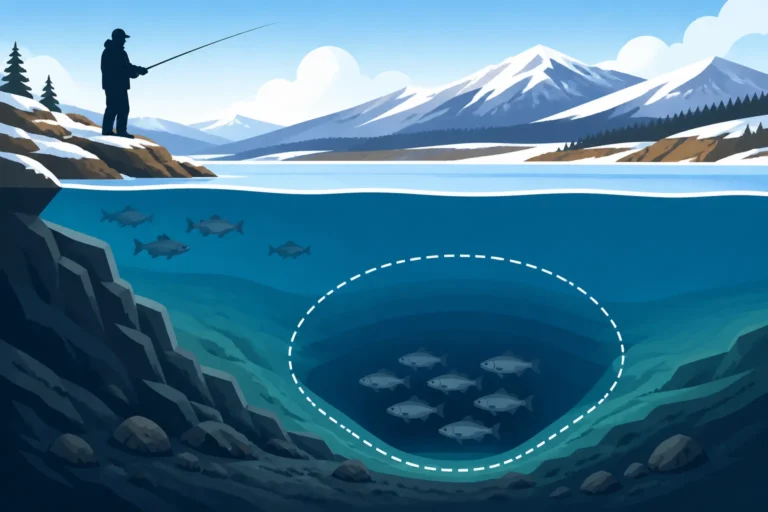
As the scorching Nevada summer descends, Pyramid Lake fishing typically slows significantly. The surface water temperatures rise dramatically, pushing the Lahontan Cutthroat Trout into deeper, cooler water. This doesn't mean the fish aren't catchable, but it demands a completely different approach. Shore fishing becomes much more challenging, as the fish are simply not in the accessible nearshore areas during the day.
Boat anglers who have the right gear and knowledge can still find success by trolling deep or jigging structure in 60-100+ feet of water. Early mornings and late evenings can offer a brief window of opportunity as fish might move slightly shallower to feed, but these are often fleeting moments. For most casual anglers, summer is not the "best" time for Pyramid Lake. It’s a great time for photography, enjoying the unique scenery, or visiting other cooler Nevada waters, but the LCT bite will be tough. If you're determined to fish in summer, focus on the low light hours, pack plenty of water, and protect yourself from the intense sun—many highly-rated sun protection items can be found on Amazon.
Fall Feast: October through November
The arrival of fall brings a renewed sense of excitement to Pyramid Lake. As air temperatures cool and the lake water slowly begins its autumn turnover, the Lahontan Cutthroat Trout start to migrate back into shallower water, preparing for their winter feeding frenzy and eventual spawning runs. This period, especially late October and November, marks the beginning of the prime fishing season. The fish are hungry, aggressive, and often in superb condition.
This is a fantastic time for both fly and spin anglers to connect with big, healthy trout. The weather can be a mixed bag – some glorious, calm days, and others with powerful winds that remind you where you are. The fall colors around the lake, though sparse, can be beautiful, adding to the experience. This time of year sets the stage for the incredible winter and spring fishing to come, and knowing the Pyramid Lake legal fishing hours is essential as they can change seasonally.
Here’s a quick overview of the seasonal fishing at Pyramid Lake:
| Season | Typical Months | LCT Behavior & Location | Recommended Tactics | Weather Considerations |
|---|---|---|---|---|
| Peak Season | Late Oct – Early Apr | Active, shallow, near shore, feeding heavily | Fly fishing (streamers, nymphs), lure casting (spoons, jigs), bait fishing | Cold, often windy, potential snow |
| Spring | Mar – May | Very active, still shallow, pre-spawn/post-spawn feeding | Fly fishing (sight fishing), lure casting, trolling | Mild to warm, highly variable wind |
| Summer | Jun – Sep | Deep water, less active, concentrated in cool pockets | Deep trolling, jigging from boats; very tough from shore | Hot, calm mornings, afternoon winds, intense sun |
| Fall | Oct – Nov | Moving shallower, aggressive feeding, pre-winter prep | Fly fishing, lure casting, bait fishing (similar to peak) | Cooling, variable wind, pleasant days |
Key Factors Influencing Fishing Success Beyond the Calendar
While knowing the best time of year is a massive advantage, successful Pyramid Lake anglers pay attention to more than just the month on the calendar. Several other factors play a crucial role in whether you have a day to remember or a day you'd rather forget.
Water Temperature and Clarity
Water temperature is perhaps the single most important factor driving LCT behavior. They are cold-water fish, and their activity levels peak when the water is in their preferred temperature range (typically 45-55°F). When temperatures climb above 60°F, they retreat to the cooler depths. Conversely, extremely cold water can also slow them down. Monitoring water temperatures, often reported by local shops or online forums, can give you a real-time advantage, helping you understand where the fish might be holding.
Water clarity also matters. Pyramid Lake is generally quite clear, but strong winds can churn up sediment, especially in shallower areas. While some anglers find a slight chop on the water can improve fishing by breaking up the surface and reducing visibility for the fish, extremely muddy water can make it harder for fish to locate your offerings.
Weather Patterns and Wind Conditions
Nevada weather can be unpredictable, especially in the high desert. A bluebird, sunny day can quickly turn into a ferocious windstorm. The infamous Pyramid Lake winds can make fishing incredibly difficult, kicking up huge waves, making casting nearly impossible, and chilling anglers to the bone. Pay close attention to wind forecasts; a strong south or southwest wind can stack baitfish near certain points, while a north wind might shut things down or make for a miserable casting experience.
On the flip side, a light chop can be very beneficial, especially for fly anglers, as it creates ripples that hide your leader and line, making your presentation more natural. Overcast days, especially in spring and fall, are often excellent, as the reduced light encourages fish to stay shallower and feed more aggressively throughout the day. Don't forget proper layering; many outdoor brands available on Amazon offer excellent performance outerwear to brave the elements.
Water Levels and Access Points
Pyramid Lake’s water levels can fluctuate significantly, impacting access for both shore and boat anglers. Drought conditions or heavy runoff from the Truckee River (the lake’s primary inflow) can change the shoreline dramatically. Low water can expose vast expanses of beach, making it a long walk to deeper water, or it can make boat launches difficult or impossible at certain ramps. Always check current conditions and access information before you go, especially concerning popular Pyramid Lake Shoreline Access Points. Some areas might become inaccessible, while others might suddenly open up. Knowing where to fish based on the current water level is a skill developed over many trips.
Essential Gear and Tactics for Different Seasons
Having the right gear and knowing how to use it for the prevailing conditions can make all the difference, especially at a challenging fishery like Pyramid Lake.
Rods, Reels, and Lines for Shore Anglers
For shore fishing, versatility is key. Many anglers opt for longer spinning rods, typically 9-11 feet, paired with a sturdy spinning reel capable of holding 200+ yards of 10-15 lb test monofilament or fluorocarbon. These longer rods help with casting distance, which is often crucial when targeting LCT from the beach. Consider a reputable brand like Shimano or Penn, readily available from retailers or online on Amazon, for reliable performance.
Fly anglers targeting the nearshore trout will often use 7-9 weight fly rods, 9-10 feet in length, paired with a fast-sinking shooting head or an intermediate line, especially in colder months. During spring, floating lines with long leaders for indicator nymphing can also be very effective. A good stripping basket is almost a necessity to manage line in the often-windy conditions. Our guide on Fly Fishing Gear for Pyramid Lake provides more detail on specific setups.
Lures, Flies, and Baits
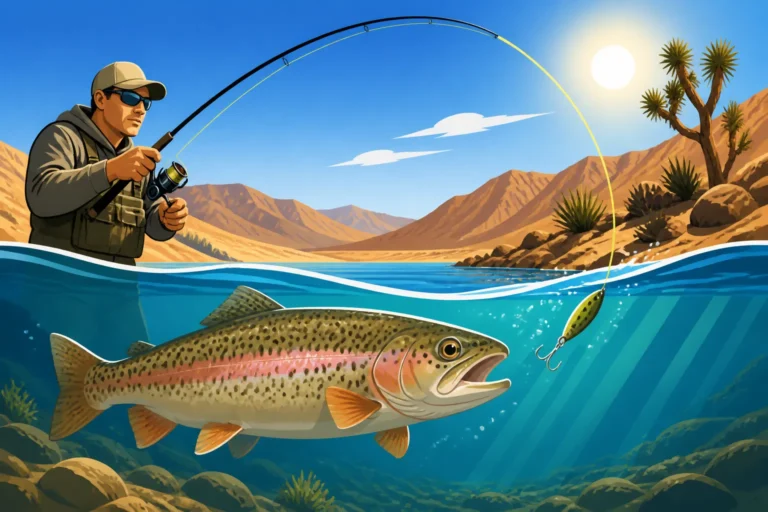
The choice of what to tie on often changes with the season and the fish's diet. In colder months, large baitfish imitations, such as spoons (e.g., Crocodiles, Kastmasters in blue/silver, chrome, or white), jigs (like Bucktail jigs or tube jigs), and large streamer flies (such as chartreuse, white, or black woolly buggers, or Tui Chub patterns) are popular. Many local tackle shops offer specific patterns that are proven producers.
As spring progresses, nymphs fished under an indicator (e.g., balanced leeches, various midge patterns in black or red) become incredibly effective, especially when fished off the deeper shelves. For spin anglers, suspending jerkbaits or swimbaits that mimic cui-ui can also entice strikes. It's important to remember that specific bait rules apply, as detailed in Is bait allowed at Pyramid Lake?). Generally, only artificial lures and flies are permitted, and many areas require barbless hooks, so be sure to check Are barbless hooks required at Pyramid Lake?) regulations before you fish.
Sun Protection and Layers
Regardless of the time of year, sun protection is paramount at Pyramid Lake. The high desert sun combined with the reflection off the water can lead to severe sunburn and eye strain. Invest in high-quality polarized sunglasses, a wide-brimmed hat, and plenty of broad-spectrum sunscreen. Long-sleeved shirts with UPF protection are also a must. Layering clothing is essential, especially in fall, winter, and spring. Mornings can be freezing, but by midday, it can warm up considerably, only to drop sharply again as the sun sets. Always pack an extra windbreaker and waterproof outer shell.
Disclaimer
Fishing conditions and regulations in Nevada, especially at unique locations like Pyramid Lake, can change. Always consult the official Nevada Department of Wildlife (NDOW) regulations and the Pyramid Lake Paiute Tribe fishing regulations before heading out. This guide provides general information and recommendations and should not be considered a substitute for official resources.