How to catch trout in hot summer water
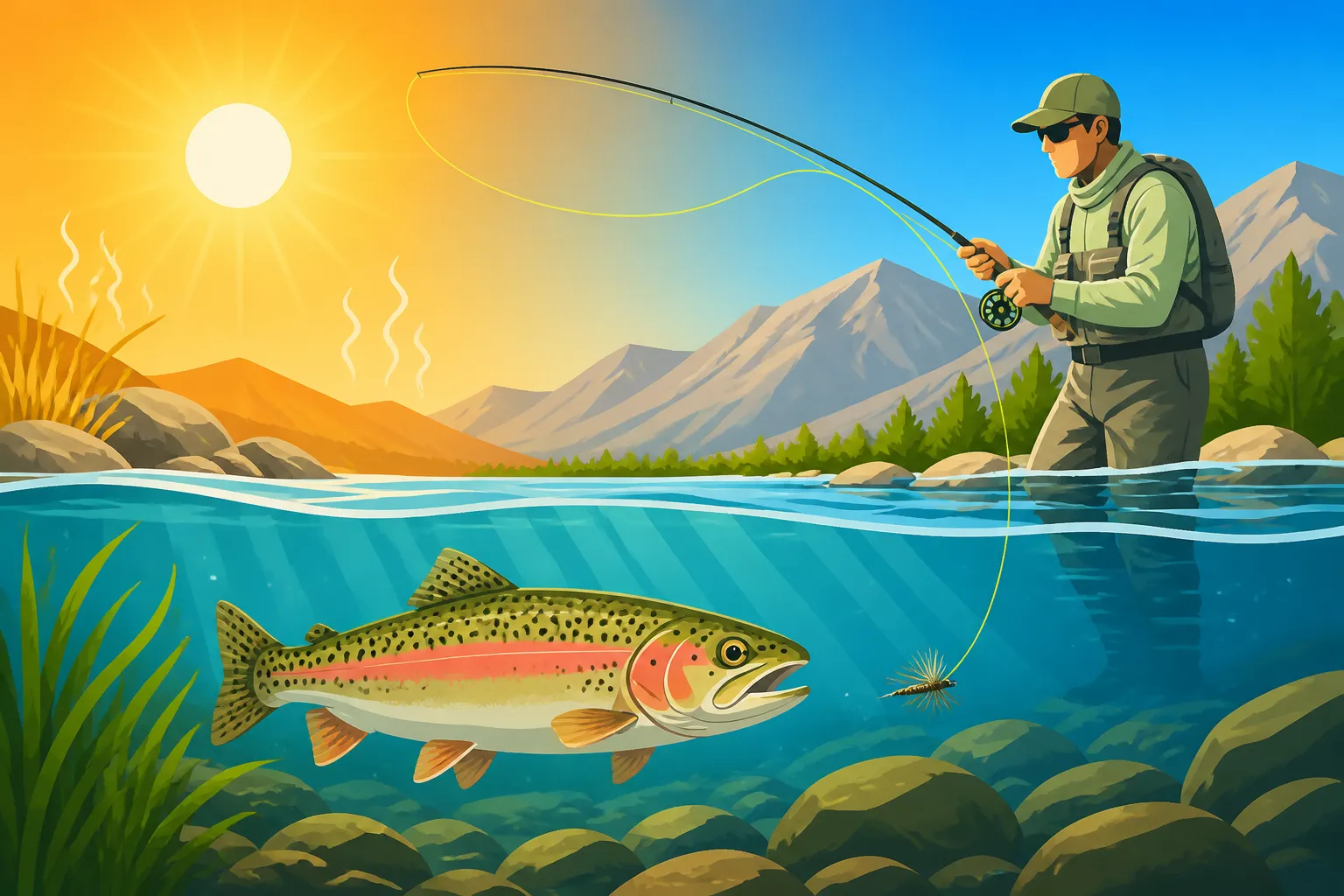
Trying to catch trout in Nevada's scorching summer heat can feel like an impossible task. You head out to your favorite fishing spot, full of hope, only to find the water is warm to the touch, and the trout seem to have vanished, or worse, they're lethargic and uninterested in anything you throw their way. It's a frustrating experience that many anglers face, making you wonder if summer trout fishing is even worth the effort. But don't despair! This comprehensive guide will walk you through the precise strategies, techniques, and gear adjustments you need to successfully locate and catch trout even when the mercury climbs in Nevada's beautiful, but often hot, waters.
Understanding Why Summer Heat Affects Trout Fishing
When summer hits Nevada, the sun beats down relentlessly, and water temperatures can rise quickly, especially in shallower lakes and reservoirs. This isn't just uncomfortable for us; it's a critical factor for trout, which are cold-water species. Their very survival and behavior are intrinsically linked to water temperature, and understanding this is the first step to figuring out how to catch them.
The Science of Cold Water: Oxygen Levels and Trout Physiology
Trout, particularly species like rainbow and brown trout that are common throughout Nevada, thrive in cold, well-oxygenated water, typically below 65°F (18°C). As water temperature increases, two major problems arise for them. Firstly, warm water holds significantly less dissolved oxygen than cold water. Imagine trying to breathe thin air – that's what it feels like for a trout in overly warm water. Their gills struggle to extract enough oxygen to sustain their metabolism, leading to stress and lethargy.
Secondly, a trout's metabolism is directly influenced by water temperature. In warmer water, their metabolism speeds up. While this might sound good, it means they need more oxygen to fuel that increased metabolic rate, precisely when less oxygen is available. This double-whammy makes warm water incredibly taxing on their system, pushing them to seek out cooler, more oxygen-rich environments if they can find them. This struggle for survival means they're not actively feeding or expending much energy on anything else, which is why your usual go-to lures aren't getting any bites.
Impact on Trout Behavior: Feeding, Energy, and Stress
Because of the physiological stress, trout behavior changes dramatically in hot summer water. They become less active, often moving slower and expending minimal energy. Their feeding drive diminishes significantly. Instead of actively hunting or chasing down prey, they become opportunistic, only striking at an easy meal that presents itself directly in their comfort zone. This means covering large areas with fast retrieves is usually a waste of time.
You'll also notice that trout caught from warm water tend to be weaker and less spirited fighters. This isn't because they're smaller or less aggressive by nature, but because they are physically exhausted and stressed. This is why practicing good Catch and Release Techniques for Trout becomes even more critical during the summer months to ensure the fish have the best chance of survival after being caught. They're already on the edge, and any additional stress can be fatal. It's a real reminder that as anglers, we need to be responsible stewards of the resource, especially when conditions are tough on the fish.
Finding the Fish in Hot Conditions
Since trout are driven by the need for cool, oxygenated water, your primary mission in summer is to find those specific pockets. They don't just disappear; they relocate to the most hospitable areas within their environment. This often means going deeper, seeking shade, or finding natural cold-water sources.
Going Deep: Thermal Stratification and Cooler Depths
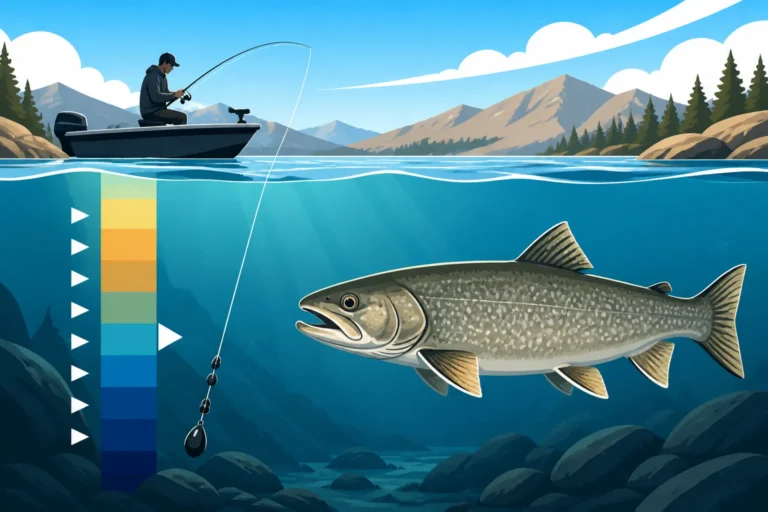
One of the most common and effective strategies for locating trout in hot summer water is to fish deeper. Many Nevada lakes and reservoirs experience a phenomenon called thermal stratification during the summer. This means the water column divides into distinct layers: a warm surface layer (epilimnion), a middle layer where temperature changes rapidly (thermocline), and a cold, deep layer (hypolimnion). Trout will seek refuge in the cooler, deeper hypolimnion or just above the thermocline where temperatures are more to their liking and oxygen levels are still adequate.
Knowing How deep trout go in summer is crucial. This depth can vary significantly depending on the lake's size, depth, and the ambient air temperature. For instance, in deeper waters like Lake Tahoe, Mackinaw trout (a type of lake trout) will descend to considerable depths, often 50 to 150 feet or more, to find their preferred cold-water habitat. Even smaller reservoirs will have cooler pockets at their deepest points. This means your typical shallow-water tactics from spring and fall just won't cut it. You need to adjust your approach to reach these submerged sanctuaries, often requiring heavier tackle or specialized rigging to get your bait down effectively.
Seeking Refuge: Springs, Inflows, and Shaded Structures
While depth is key, trout also gravitate towards other sources of cold water or areas that offer relief from direct sunlight. Look for spots where cooler water flows into the main body of water, such as an underground spring, a small stream, or even the outflow from a deeper lake. These inflows often create localized pockets of cooler, more oxygenated water that can attract trout, even if the surrounding lake is warm.
Shade also plays a significant role, particularly in shallower areas or during the early morning and late evening. Overhanging trees, cliffs, large rock formations, or even man-made structures like docks or bridges can cast shadows that provide a temporary thermal refuge for trout. These shaded areas can concentrate fish, offering a brief window of opportunity. Pay close attention to these features, especially during the first few hours after sunrise or the last few hours before sunset, when trout might briefly move shallower to feed under cover. Sometimes, even subtle variations in topography, like a sudden drop-off or an underwater point, can create current patterns that concentrate cooler water.
Understanding Thermoclines: Where to Target Your Efforts
The thermocline is arguably the most important layer to understand when fishing for trout in hot water. This is the transitional zone where the water temperature changes most rapidly with depth, acting as a natural boundary. Above the thermocline, the water is too warm and oxygen-poor for trout. Below it, the water is cold and often has enough oxygen. Therefore, trout will often suspend right at or just above the thermocline, especially if food sources like plankton or baitfish are concentrated there.
Using a fish finder is incredibly helpful for identifying the thermocline. Many modern fish finders, even portable ones available on Amazon, can show you temperature readings at various depths, helping you pinpoint this crucial layer. Once you've identified the thermocline, you know exactly what depth range to target. If you're fishing a lake that gets regularly stocked, like many of Nevada's Best Nevada Trout Lakes, knowing this depth can be a game-changer. Without this knowledge, you could be fishing just a few feet above or below the fish, never getting a bite because your presentation isn't in their comfort zone.
Effective Techniques for Summer Trout
Once you've located those cooler, deeper zones, the next challenge is presenting your bait or lure effectively to lethargic summer trout. You can't rely on aggressive retrieves or fast-moving presentations. Instead, you need tactics that put the offering right in front of them, enticing a strike without requiring much energy from the fish.
Subsurface Presentation: Bottom Bouncing and Deep Trolling
For land-locked trout in Nevada's reservoirs, getting your offering deep and keeping it there is paramount.
-
Bottom Bouncing: This technique involves using a heavier sinker to drag your bait or lure along the bottom. It's particularly effective when trout are hugging the lakebed, either seeking cooler water or feeding on benthic organisms. A common setup involves a three-way swivel, with a sinker on a short dropper line and your bait on a longer leader. As you slowly retrieve or drift, the sinker bounces along the bottom, keeping your bait in the strike zone without constantly snagging. This is a fantastic way to present natural baits like worms, PowerBait, or even small chunks of cut bait. Remember to use a sensitive rod to feel those subtle bites when the fish are less aggressive.
-
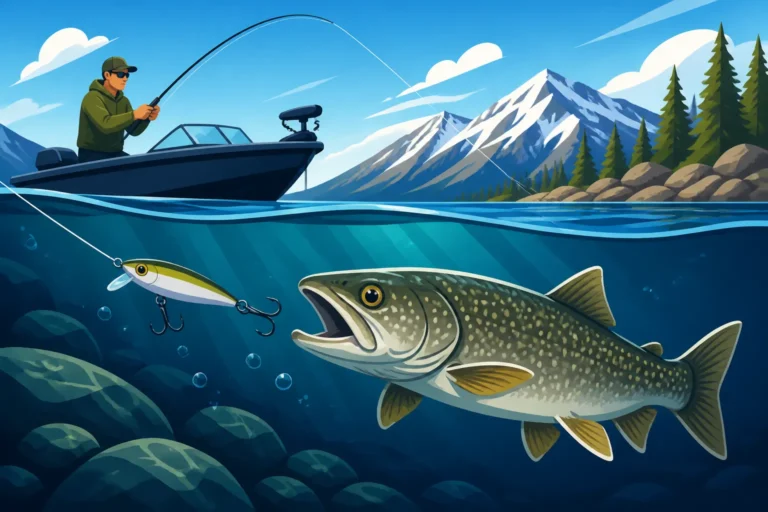
Deep Trolling: If you're fishing from a boat, deep trolling is an excellent way to cover water at specific depths. Downriggers are the most effective tool for this, allowing you to precisely control the depth of your lure. Without a downrigger, you can still achieve depth using weighted lines, snap weights, or diving crankbaits. For Mackinaw trout in Lake Tahoe or larger rainbows in Wildhorse Reservoir, trolling a dodger or flasher ahead of a spoon or a minnow imitation is often highly effective. Vary your speed slightly, sometimes even pausing, to trigger a reaction strike from finicky fish. The key is to keep your offering in the target zone – that thermocline or the deepest, coolest water available.
Bait and Lure Selection: What Works When Trout Are Sluggish
When trout are sluggish from the heat, they're looking for an easy meal. Your bait and lure choices should reflect this.
-
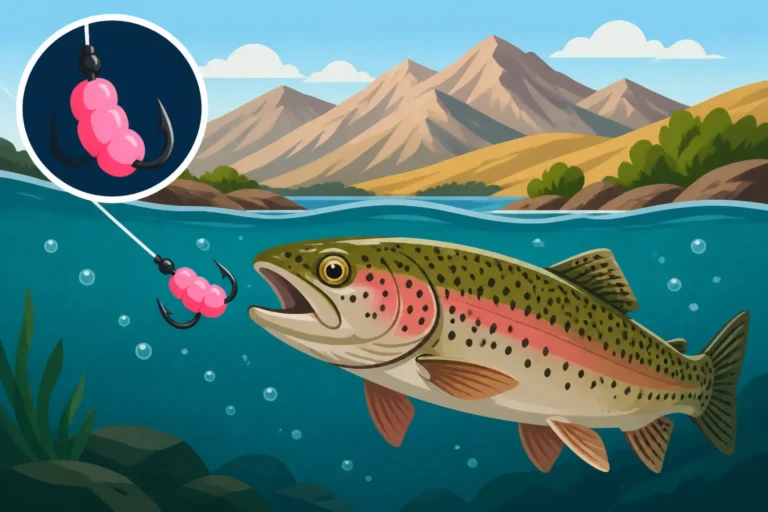
Natural Baits: Live worms, minnows (where legal), or powerbait are often irresistible. For stocked trout, especially in urban ponds that follow the Nevada Trout Stocking Schedule, PowerBait (in bright colors like chartreuse or rainbow) or Berkley Gulp! Trout Dough are excellent choices. Rig them on a small hook with a light leader, suspended under a bobber or fished on the bottom with an egg sinker. The scent and natural action can tempt even the most inactive fish. Check out the Best Bait for Nevada Trout for more specific recommendations.
-
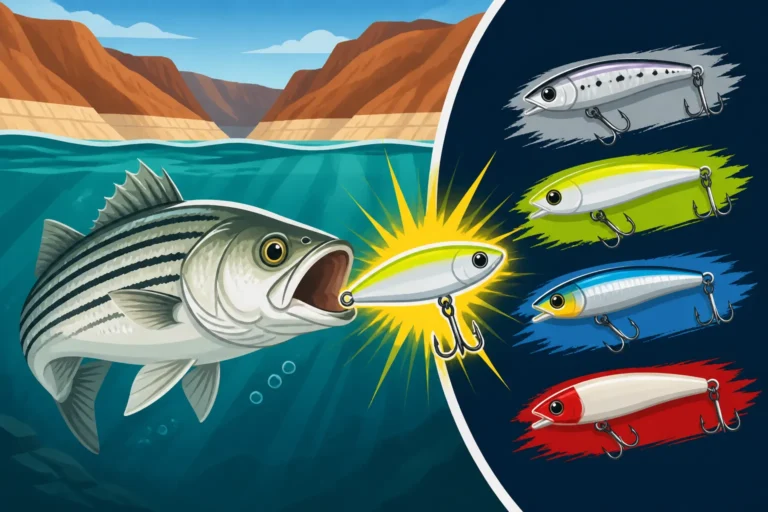
Small, Subtle Lures: Aggressive, flashy lures might scare off wary trout in warm water. Opt for smaller, more subtle presentations. Inline spinners like Panther Martins or Rooster Tails in sizes 0 to 2, small spoons like Kastmasters or Daredevles (1/16 to 1/8 ounce), or tiny jigs (1/32 to 1/16 ounce) tipped with a small piece of worm or grub can be very effective. Work these lures slowly, with a steady retrieve, or by jigging them gently near the bottom. Sometimes, a simple, slow twitch-and-pause retrieve is all it takes to trigger a strike from a trout that isn't willing to chase.
-
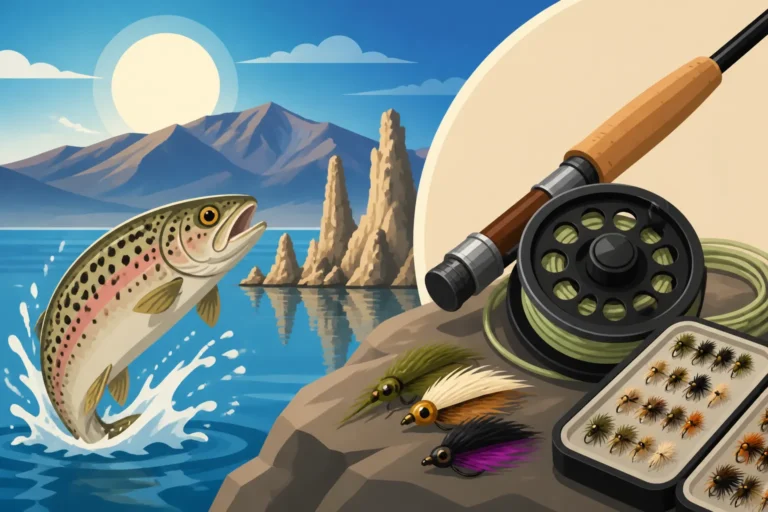
Fly Fishing Tactics: If you're a fly angler, deep nymphing rigs with heavier indicators and split shot to get your flies down are essential. Patterns like pheasant tail nymphs, Hare's Ear nymphs, or even small leech patterns fished near the bottom or along current seams can be productive. Streamers can also work if retrieved very slowly, mimicking a wounded baitfish. Focus on presenting your fly in areas with cooler water, like spring-fed sections of rivers or deep pockets in lakes, as discussed in How to Fish for Trout in Nevada.
Timing Your Trip: Early Mornings and Late Evenings
Perhaps the most straightforward and often overlooked tactic for summer trout fishing is simply adjusting your fishing schedule. The hottest part of the day, typically from late morning to late afternoon, is when trout are most stressed and least active.
-
Early Mornings: Getting out on the water before sunrise offers several advantages. The water temperature is at its coolest point, and trout are often more willing to feed as they haven't been subjected to the full heat of the day. The low light also provides a sense of security for the fish, encouraging them to move into shallower feeding areas. This window of opportunity might only last a couple of hours after sunrise, but it's often the most productive time.
-
Late Evenings: Similarly, fishing during the last few hours before sunset and into twilight can also be productive. As the sun dips, water temperatures begin to drop, and trout may become more active. The low light conditions again offer comfort, and they might move to shallower areas to forage before the full darkness sets in. Pay attention to Best Time of Day to Fish in Summer Heat for detailed advice. While night fishing for trout isn't as common as for catfish or bass, a brief period of twilight can offer good action. Always check the Nevada Fishing Regulations Explained for specific hours and rules for the body of water you're targeting.
| Time of Day | Water Temperature | Trout Activity | Recommended Tactics |
|---|---|---|---|
| Pre-Dawn | Coolest | Highest activity | Shallow presentations, topwater flies (if active) |
| Sunrise – 9 AM | Rising (Cool) | High activity | Deep trolling, subsurface lures, natural baits |
| 9 AM – 5 PM | Warmest | Lowest activity | Target deepest water, slow presentations, natural baits |
| 5 PM – Sunset | Falling (Warm) | Increasing activity | Deep to mid-depths, subtle lures, bottom bouncing |
| Post-Sunset | Falling (Cool) | Moderate activity | Shallow fringes, scent-enhanced baits |
Essential Gear and Angler Safety
Beyond just the techniques, having the right gear and prioritizing your own safety, as well as the well-being of the fish, are crucial components of successful summer trout fishing in Nevada. The desert environment presents unique challenges that you need to be prepared for.
Temperature-Specific Tackle: Rods, Reels, and Lines
When you're targeting trout that are deep and sluggish, your tackle setup needs to be up to the task. You might need to cast heavier weights or handle larger fish coming from greater depths.
-
Rods: A medium-light to medium power spinning rod, typically 6'6" to 7'6" in length, will give you enough backbone to cast heavier sinkers or lures and still have the sensitivity to detect subtle bites. If you're trolling, dedicated trolling rods with a softer tip can absorb the shock of a strike and keep your lure running true. For fly anglers, a 5 or 6-weight rod offers versatility for deep nymphing or throwing small streamers.
-
Reels: Pair your spinning rod with a reliable spinning reel in the 2000-3000 series. Smooth drag is essential for fighting strong trout, especially those that might make deep runs. For baitcasting applications in deeper water, a conventional reel with a good line counter can be invaluable for precise depth control. You can find excellent options for all these on Amazon from brands like Penn, Shimano, or Daiwa.
-
Lines: Using the right line is also key. Fluorocarbon line is an excellent choice for leaders because of its low visibility and abrasion resistance, especially when fishing clear Nevada waters. For your main line, a good quality monofilament or braided line (with a fluorocarbon leader) in the 6-10 lb test range is usually sufficient. Braided line offers superior sensitivity for detecting those light bites when fish are lethargic, and its thin diameter allows for deeper dives with less weight, a definite advantage when you're trying to reach the thermocline.
Hydration and Sun Protection: Prioritizing Your Well-Being
Fishing in the Nevada summer means dealing with intense sun and heat. Your safety should always come first. The desert sun can be brutal, and dehydration can set in quickly, even if you don't feel it immediately.
-
Hydration: Bring plenty of water – more than you think you'll need. Electrolyte drinks can also be beneficial to replenish salts lost through sweat. A good cooler, like those from Yeti or RTIC (easily found on Amazon), to keep your drinks icy cold throughout the day is a worthwhile investment. Staying hydrated is not just about comfort; it's about preventing heat exhaustion or heat stroke, which can turn a fun day into a dangerous situation.
-
Sun Protection: Dress for success against the sun. Long-sleeved, lightweight, breathable shirts made from UPF-rated fabric are essential. A wide-brimmed hat will protect your face and neck, and polarized sunglasses are not only crucial for spotting fish and structure but also for protecting your eyes from harmful UV rays. Don't forget high-SPF sunscreen for any exposed skin, especially your ears, nose, and the back of your neck. For a full breakdown of what you need, check out Desert Fishing Gear and Sun Protection. These precautions will allow you to stay out longer and more comfortably, increasing your chances of finding those elusive summer trout.
Responsible Catch and Release: Minimizing Stress on Vulnerable Fish
As mentioned earlier, trout are already stressed in warm water. Practicing responsible catch and release is not just good etiquette; it's vital for conservation, especially when dealing with species that are already at their physiological limits. Nevada has specific regulations, including Nevada statewide trout daily limit, that must be followed.
- Handle with Care: Minimize the time the fish is out of the water. Have your camera ready if you want a quick photo, but prioritize getting the fish back into its environment quickly.
- Wet Hands: Always wet your hands before touching a trout. Dry hands can remove the protective slime coat, making the fish susceptible to infections.
- Barbless Hooks: Consider using barbless hooks or pinching down the barbs on your hooks. This makes hook removal much easier and quicker, reducing stress and injury to the fish.
- Revival: If a trout seems sluggish upon release, gently hold it in the water, facing upstream, allowing water to flow over its gills until it's strong enough to swim away on its own. Avoid vigorously shaking the fish back and forth, as this can actually do more harm than good.
- Know When to Keep: If a fish is bleeding heavily or appears severely stressed and unlikely to survive, it's often more ethical to keep it (if legal and within your limit) than to release it to die.
By following these guidelines, you're not only increasing your chances of success but also ensuring that Nevada's trout populations remain healthy for future generations of anglers. Fishing during the summer's peak heat requires patience, adaptation, and a deep respect for the fish and their fragile environment.
Disclaimer
Fishing conditions and regulations in Nevada can change. Always consult the latest Nevada Department of Wildlife (NDOW) regulations and local advisories before heading out on any fishing trip. This guide is for informational purposes only and does not replace official state fishing regulations.