Can you fish at night at a Nevada reservoir?
The blazing Nevada sun can make daytime fishing a real challenge, especially during those scorching summer months. You might find yourself wondering if there's a cooler, quieter alternative to chasing fish under a relentless sky. The good news is, for many of our fantastic Nevada reservoirs, the answer is a resounding "yes!" This guide will dive deep into the world of night fishing in Nevada, exploring where you can cast a line after dark, what fish you can expect to catch, and how to stay safe and successful under the stars.
The Allure and Legality of Night Fishing in Nevada Reservoirs
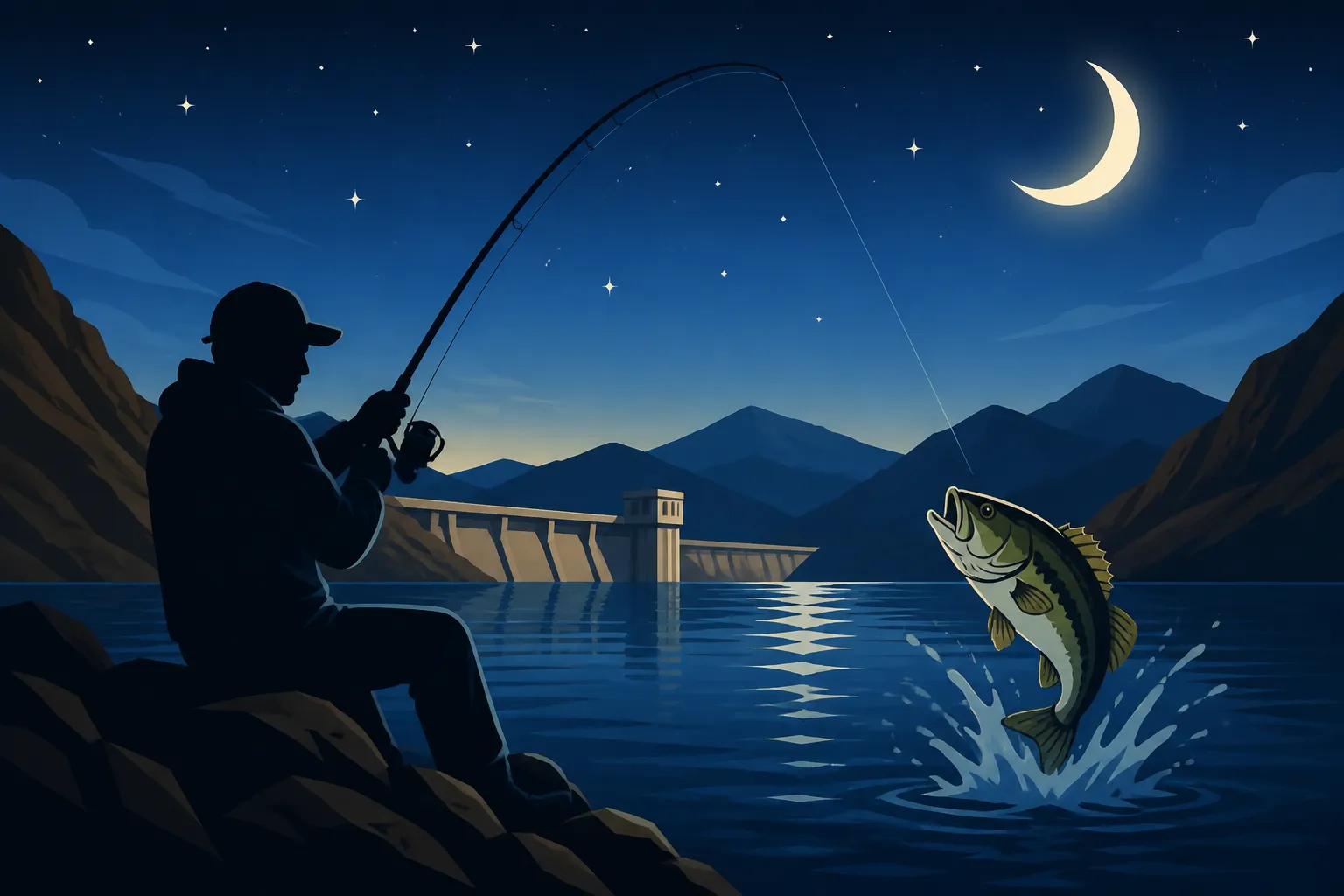
There's something truly magical about being on the water as the sun dips below the horizon, painting the sky with fiery colors before giving way to a blanket of stars. The air cools, the crowds thin, and the fish often become more active. But the question that often stops anglers in their tracks is: "Can I actually fish at night?" The answer isn't a simple yes or no; it depends heavily on where you plan to cast your line.
General Nevada Fishing Hours and Regulations
First off, it's important to understand that while the Nevada Department of Wildlife (NDOW) sets many statewide regulations, specific bodies of water, especially large reservoirs managed by other entities or located within certain parks, can have their own distinct rules regarding access and hours. For a broad overview, you'll want to check out our comprehensive guide on Nevada Fishing Regulations Explained. While there isn't a blanket statewide ban on night fishing, the devil is often in the details of local rules. Many smaller, urban ponds, for instance, might close at dusk or restrict access during specific hours. Always check the local signage or the NDOW fishing guide for the specific body of water you intend to visit. Our guide on Nevada Fishing Hours and Legal Times provides more specific details on general state rules.
Reservoir-Specific Rules and Access
This is where things get really specific, and knowing your chosen destination is key.
-
Lake Mead and Lake Mohave: These vast reservoirs, part of the Lake Mead National Recreation Area, generally allow 24-hour public access, which includes fishing. This is fantastic news for night owls! You can launch your boat or fish from the shore at popular spots like Hemenway Harbor, Government Wash, or Willow Beach. However, even with 24/7 fishing, remember that specific regulations apply to boat operation after dark. You’ll need proper navigation lights, and operating a vessel requires extra caution in the dark. Always consult the National Park Service (NPS) regulations for the Lake Mead National Recreation Area for the most current rules. For more information on fishing these waters, check out our guides on Lake Mead Nevada Fishing Guide and Lake Mohave Nevada Fishing Guide.
-
Pyramid Lake: Now, this is a prime example of a water body with very specific and strict regulations. Pyramid Lake is on tribal land, managed by the Pyramid Lake Paiute Tribe, and their rules are different from NDOW’s state regulations. A Nevada state fishing license is NOT valid here; you need a separate Pyramid Lake Fishing Permit Guide. Critically, night fishing is NOT permitted at Pyramid Lake. Fishing hours are typically from one hour before sunrise to one hour after sunset. Violating these hours can lead to serious penalties, so it’s essential to respect the tribal regulations. Our article on Pyramid Lake Legal Fishing Hours goes into more detail.
-
Other Reservoirs: For places like Wildhorse Reservoir, Rye Patch Reservoir, or Topaz Lake, access typically aligns with state park or local land management hours. While many don't explicitly forbid night fishing from shore, it's often restricted by park operating hours. Always verify before you go.
To summarize the general rules for popular reservoirs regarding night fishing:
| Reservoir/Location | Night Fishing Allowed? | Specific Notes |
|---|---|---|
| Lake Mead | Yes | 24/7 access common, but boating at night requires navigation lights and extreme caution. |
| Lake Mohave | Yes | Similar to Lake Mead; 24/7 access generally permitted, boaters must adhere to night navigation rules. |
| Pyramid Lake | No | Strictly prohibited. Fishing hours are sunrise to sunset (plus/minus one hour). Tribal permit required. |
| Most Urban Ponds (e.g., Las Vegas) | Often No | Typically within city or county parks with designated closing hours (e.g., dusk to dawn). Check local signage. |
| State Park Lakes/Reservoirs | Check Rules | Varies by park. Many close at sunset, but some with campgrounds may allow fishing within the camp area. |
Why Embrace the Darkness: Benefits of Night Fishing in Nevada
Beyond simply answering "can you fish at night," it’s worth exploring why so many anglers seek out the nocturnal hours. The benefits are numerous, especially in the harsh Nevada climate.
Escaping the Heat and Crowds
Let's be honest, fishing under a summer Nevada sun can be brutal. Temperatures often soar above 100°F, making both you and the fish lethargic. One of the biggest advantages of night fishing is the dramatic drop in temperature. Cooler air means more comfortable fishing for you and often more active fish. Heat stress impacts fish activity; they tend to seek deeper, cooler waters during the day and become more active feeders when the surface cools down.
Beyond comfort, there's the serenity. High-traffic lakes like Lake Mead can be bustling with pleasure boats, jet skis, and swimmers during the day. At night, the lake transforms. The noise dissipates, the wakes smooth out, and you're left with a peaceful, often solitary experience under a vast starry sky. It's a completely different vibe, offering a tranquility that's hard to find during daylight hours.
Target Species and Their Nocturnal Habits
Certain fish species become considerably more active after dark, making night fishing an incredibly effective strategy for targeting them.
-
Striped Bass: If you're fishing Lake Mead or Lake Mohave, striped bass are arguably the top target for night anglers. These predatory fish, often referred to as "stripers," are keen nocturnal hunters. They use their keen sense of smell and lateral lines to ambush baitfish, which also move into shallower waters at night. Many trophy stripers are caught after dark. Learning Striped Bass Fishing in Nevada techniques will significantly boost your success.
-
Channel Catfish: Another prime species for night fishing is the channel catfish. Catfish are primarily nocturnal foragers, relying on their barbels (whiskers) to detect food in low light or muddy conditions. They're drawn to strong scents and will cruise shallower flats and creek channels under the cover of darkness. If you're looking to fill a cooler with some delicious eating fish, focusing on Channel Catfish Fishing in Nevada at night is a fantastic approach.
-
Largemouth and Smallmouth Bass: While often considered daytime fish, bass can also be caught at night, especially around full moons or when baitfish are particularly active. They might move into shallower cover or cruise open water more freely when the sun isn't directly overhead.
Essential Gear for a Successful and Safe Night Trip
Night fishing isn't just daytime fishing done in the dark. It requires a specific set of gear and a heightened awareness of safety. Don't head out unprepared!
Lighting and Navigation
This is non-negotiable. You absolutely need reliable light sources.
- Headlamps: A good quality headlamp is your best friend. It keeps your hands free for tying knots, baiting hooks, and handling fish. Look for models with different brightness settings and, ideally, a red light option to preserve your night vision. You can find excellent, durable headlamps on Amazon that are water-resistant.
- Lanterns/Area Lights: For boat fishing or setting up a bank fishing station, a battery-powered lantern provides ambient light without being too harsh. Some anglers even use submersible lights to attract baitfish, which in turn attract predators like stripers.
- Boat Navigation Lights: If you're on a boat, proper navigation lights are legally required from sunset to sunrise. This includes a masthead light (white, 360-degree visibility) and sidelights (red for port, green for starboard). Make sure your lights are fully functional before you leave the dock. Familiarize yourself with Nevada Boat Registration and Titling Guide and Essential Safety Gear for Boating on Lake Mead regulations.
- Glow Sticks/LEDs: These can be incredibly useful. Attach them to rod tips to easily see bites, mark anchor lines, or even as personal safety markers if fishing with others.
Specialized Baits and Lures
Fish behave differently at night, and your tackle should reflect that.
- Scent is King: For catfish, pungent baits are incredibly effective. Stink baits, cut bait (like anchovies or mackerel), chicken livers, and nightcrawlers are all excellent choices. Catfish rely heavily on their sense of smell in the dark. Our guide on the Best Bait for Channel Catfish at Night has more specific recommendations.
- Vibration and Noise: For predatory fish like stripers and bass, lures that create vibration or noise can be highly effective. Bladed jigs, chatterbaits, and topwater lures with props can help fish locate them in low visibility.
- Glow-in-the-Dark / UV Lures: Many companies make lures, soft plastics, and even jig heads that glow in the dark or react to UV light. A quick charge with a flashlight can make these irresistible to curious fish. These are readily available on Amazon.
- Anchovies: For stripers, especially at Lake Mead, anchovies are a classic bait. Rig them on a Carolina rig or a dropper loop and fish them on the bottom or suspended in the water column. You'll find detailed strategies in Night Fishing Techniques for Striped Bass.
Safety First: Always Prioritize Your Well-being
Fishing at night introduces additional risks. Being prepared is paramount.
- Life Jackets: Wear them. Period. Even if you're a strong swimmer, a fall into cold water in the dark, especially from a boat, can disorient you. Nevada law requires life jackets for all occupants on a boat, and children under 13 must wear one at all times while underway. Always ensure you have enough Best Life Jackets for Reservoir Boating for everyone on board.
- Communication: Tell someone where you're going and when you expect to return. Carry a fully charged cell phone (in a waterproof case) and consider a marine radio for boating.
- First Aid Kit: Minor cuts, scrapes, or hook punctures are more likely to happen in the dark. A well-stocked first aid kit is crucial.
- Warm Clothing: Even if the day was scorching, desert nights can get surprisingly chilly, especially near the water. Dress in layers.
- Bug Spray: Mosquitos and other biting insects often come out in force at night, particularly near water. Don't forget the repellent!
- Know Your Surroundings: Familiarize yourself with the area in daylight. Hidden obstacles, uneven terrain, or submerged hazards are much harder to spot in the dark.
- Stay Sober: Alcohol and darkness are a dangerous combination on the water. Save the celebratory drinks for after you're safely off the water.
Techniques for Hooking Up After Dark
Once you have your gear and safety plan in place, it's time to think about strategy. Night fishing requires a different approach than daytime angling.
Bottom Fishing for Catfish
This is one of the most popular and effective night fishing techniques, especially for catfish.
- Rigs: A simple Carolina rig or a slip-sinker rig works wonders. This allows the fish to pick up the bait without feeling the weight of the sinker immediately. Use a circle hook, which is great for catfish as it often hooks in the corner of the mouth, making for easier release if desired, and is less likely to gut-hook the fish.
- Bait Placement: Cast your bait into areas where catfish are likely to cruise: the bottom of channels, drop-offs, or shallow flats adjacent to deeper water. Let the scent do the work. Don't be afraid to cast out multiple lines (if regulations allow) to cover different depths and areas.
- Patience and Rod Holders: Catfishing at night is often a waiting game. Use sturdy rod holders to keep your rods secure, and watch for subtle taps or a slow bend in the rod tip. A glow stick taped to the rod tip can make bites much easier to detect.
Targeting Striped Bass
Stripers offer an exciting challenge under the moonlit sky.
- Anchovy Soaking: As mentioned, anchovies are incredibly effective. Use a Carolina rig or a dropper loop with a couple of hooks. Fish them off points, ledges, or anywhere you've marked schools of baitfish during the day. Often, stripers will push baitfish against structure at night.
- Jigging Under Lights: If you're boat fishing, attracting baitfish with underwater lights can create a feeding frenzy. Once baitfish are drawn in, stripers won't be far behind. Then, vertical jigging with spoons or heavy swimbaits can be deadly. Our guide to Jigging Techniques for Lake Mead Stripers offers specific advice for this.
- Trolling: Trolling with large swimbaits or crankbaits that mimic baitfish can also be effective at night, especially near known striper holding areas. Pay attention to your fish finder during the day to note depths and structures that hold fish, then target those areas at night.
- Shore Fishing: From the bank, casting large topwater lures, swimbaits, or even chunking cut bait can yield results. Look for areas with current or structure where stripers might ambush prey.
Night fishing in Nevada reservoirs truly offers a unique and often highly productive angling experience. Just remember to prioritize safety, respect the specific regulations of each water body, and gear up properly for a memorable adventure under the stars. Getting out there when the sun goes down can be one of the most rewarding ways to experience Nevada fishing.
Disclaimer
The information provided in this guide is for general informational purposes only and does not constitute legal advice. Fishing regulations in Nevada, particularly for specific bodies of water and tribal lands, can change frequently. It is the responsibility of the angler to always consult the most current regulations published by the Nevada Department of Wildlife (NDOW) and any relevant local or tribal authorities (such as the Pyramid Lake Paiute Tribe) before engaging in any fishing activity. Always prioritize safety and be aware of your surroundings.