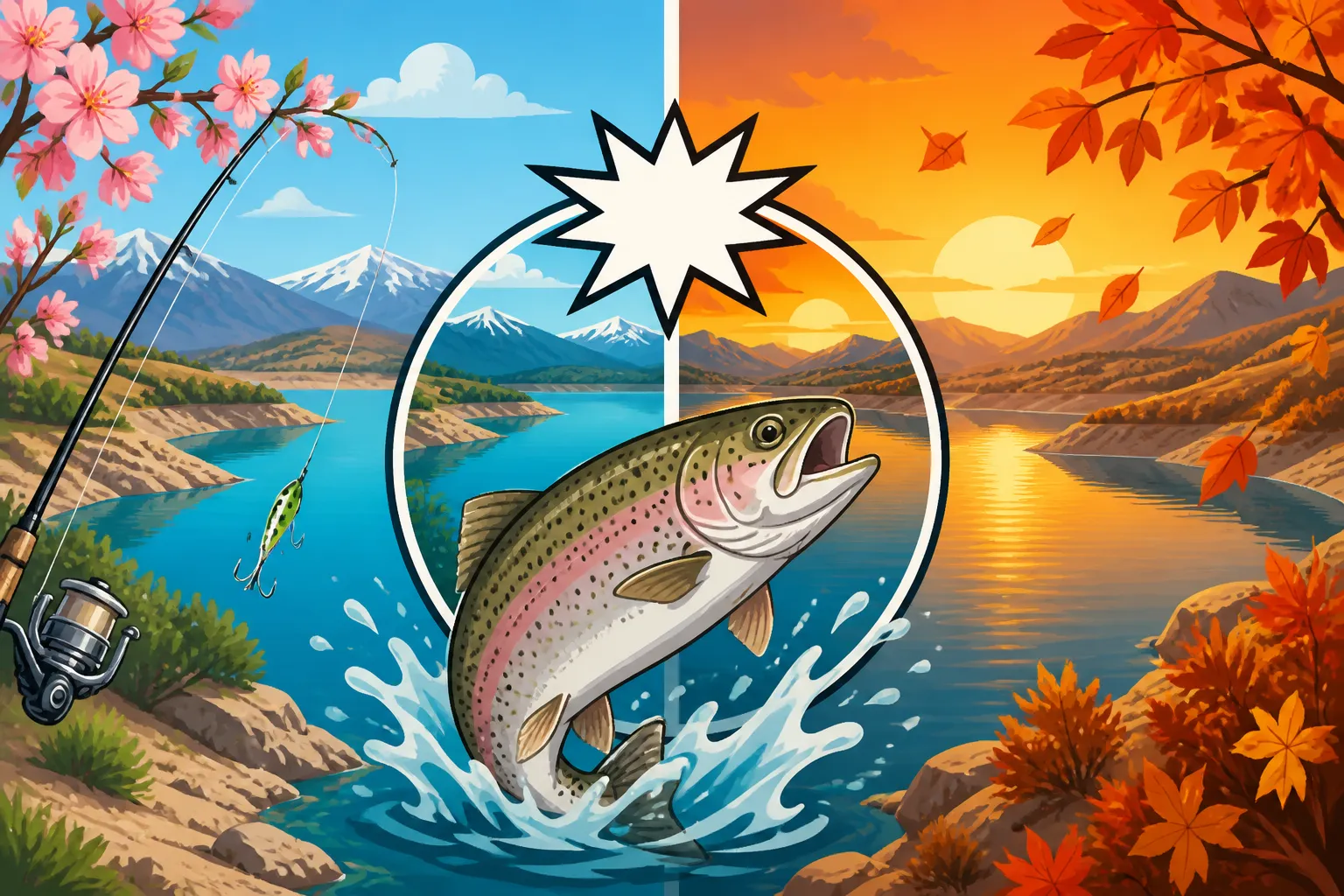
Does Wildhorse Reservoir fish better in spring or fall?
Anyone who's spent time planning a fishing trip knows the agonizing decision of "when." You pore over forecasts, stocking reports, and old fishing logs, always wondering if you're picking the absolute best window. For Wildhorse Reservoir, that quandary often boils down to spring versus fall. Both seasons offer incredible opportunities, but they cater to slightly different experiences and target species. This guide will dive deep into what makes each season unique at Wildhorse, helping you decide when to pack your gear and hit the road.
Wildhorse Reservoir: A High Desert Gem
Wildhorse Reservoir, nestled in the high desert landscape of northeastern Nevada, is a true angler's paradise, but it’s also a place where the elements play a huge role. It’s not just about the fish; it’s about understanding the environment. This large, relatively shallow reservoir sits at an elevation that means it experiences distinct, often dramatic, seasonal shifts. The water temperatures fluctuate significantly, directly impacting fish behavior and accessibility.
During the peak of winter, Wildhorse often freezes over, offering a fantastic Ice Fishing in Nevada experience for those brave enough to bundle up. But once the ice melts, the reservoir transforms, first into a bustling spring fishery, then a warm-water summer haven, and finally a crisp, productive fall destination. The key to successful fishing here isn't just knowing what lives in the water, but understanding when they're most active and why. It truly is a dynamic place, and your approach needs to be flexible.
Spring Fishing at Wildhorse Reservoir: The Awakening
Spring at Wildhorse Reservoir is a time of renewal and often, aggressive feeding. After months under the ice or in frigid waters, fish are ready to eat, and the rising temperatures signal a metabolic surge. This makes spring a prime time for many anglers, especially those targeting trout.
Early Spring Conditions and Target Species
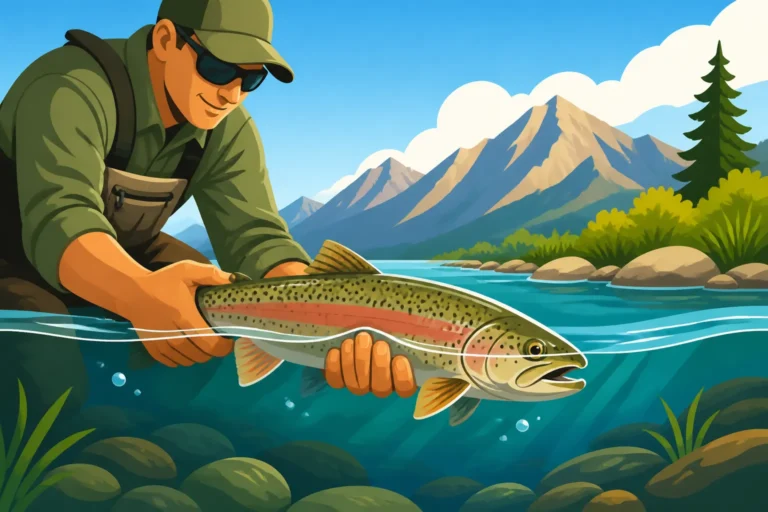
As the ice finally recedes from Wildhorse—typically by late March or April, though it can vary greatly year to year—the water is still quite cold, but it’s warming up. This initial warm-up triggers a major feeding frenzy for the trout species. Rainbow trout, brown trout, and even the unique tiger trout (a sterile hybrid of brown and brook trout that grows quite large) become incredibly active. They'll cruise the shallower flats and shorelines, looking for newly hatched insects, baitfish, and anything edible that has been dormant over winter.
You'll find that the fish are often more accessible from the bank during this time. The newly exposed shorelines, coupled with the fish's shallower movements, make it easier for anglers without boats to find success. It's a fantastic time for families, too, as the trout are often less finicky. Remember, while the days might be sunny, those early spring mornings can still be frosty, so layering your clothing is a must. You can find excellent layering options and specialized cold-weather gear on Amazon to make sure you're comfortable.
Effective Spring Techniques and Challenges
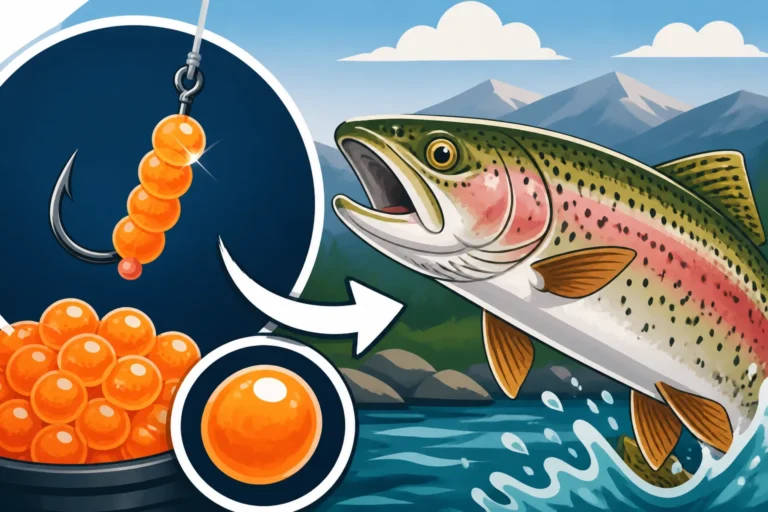
For trout in the spring, traditional baits like PowerBait, salmon eggs, or nightcrawlers fished under a bobber or on a slip sinker rig near the bottom are highly effective. Small spinners and spoons, cast and retrieved slowly, can also produce excellent results, mimicking baitfish or emerging insects. Trolling with small lures like Needlefish or Rapalas near the surface or at shallow depths is also a proven method, especially as the water warms and fish spread out a bit more. Check out our How to Fish for Trout in Nevada guide for more techniques.
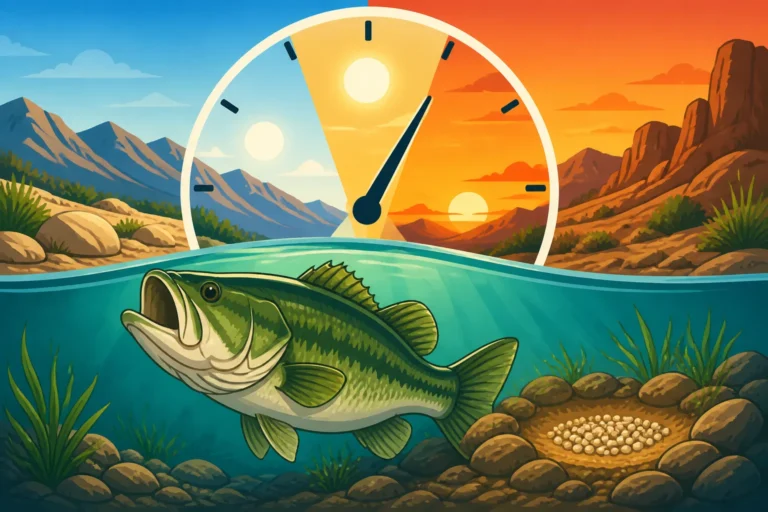
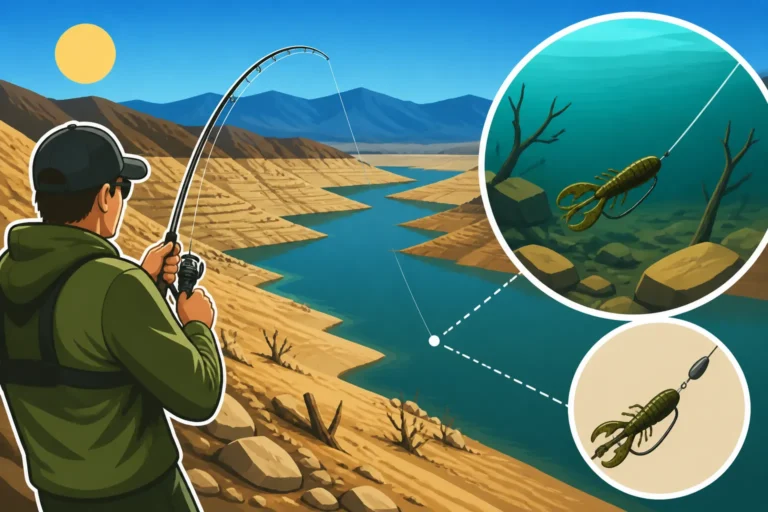
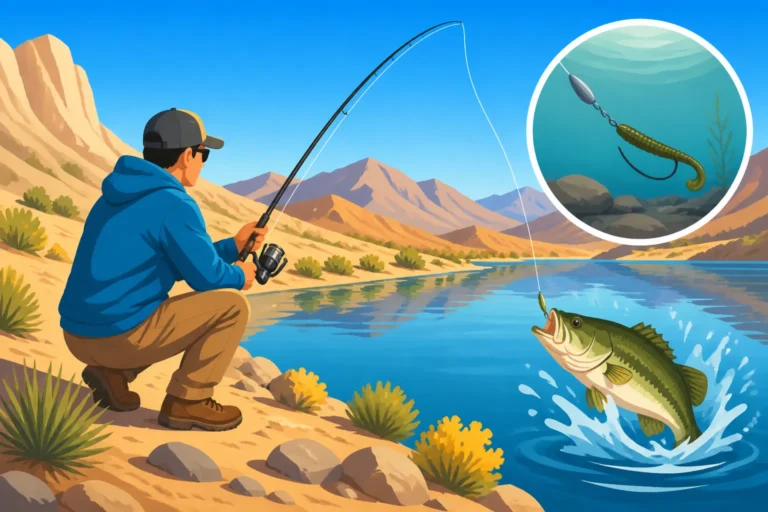
Bass anglers also start to get excited in spring. While the main bass spawn is usually a bit later, the pre-spawn period sees largemouth bass moving into shallower areas, feeding heavily to build energy. This can be a great time for targeting them with crankbaits, jigs, or soft plastics.
One of the biggest challenges in spring can be the unpredictable weather. You might start your day in sunshine, only for a cold front or a sudden gusty wind to roll in. The spring winds can make boat control difficult and create choppy conditions. Also, keep an eye on water levels; spring runoff can sometimes make the water a bit murky in certain areas. Despite these challenges, the sheer excitement of post-winter feeding makes spring a hugely popular time.
Fall Fishing at Wildhorse Reservoir: The "Second Spring"
If spring is the awakening, then fall at Wildhorse Reservoir is often referred to as the "second spring." As the scorching summer heat gives way to cooler temperatures, the entire ecosystem seems to get a second wind. Fish, particularly trout, become very active again, sensing the impending winter and needing to bulk up.
Late Summer to Fall Transition and Prime Species
Starting in late August and continuing through October, and sometimes even into November, Wildhorse offers some of its most consistent and enjoyable fishing. The water temperatures begin to drop from their summer highs, becoming much more comfortable for trout and other cool-water species. This temperature drop brings fish out of their deep-water summer retreats and back into the shallows, making them more accessible to shore anglers and boaters alike.
Rainbow trout, brown trout, and tiger trout are again the stars of the show, often displaying vibrant fall colors and incredible fighting spirits. Many anglers report catching larger, healthier fish in the fall compared to spring, as the fish have had an entire summer to grow. You might also find yellow perch actively feeding in the fall, which can provide some fast-paced action, especially for younger anglers. The Yellow perch size at Wildhorse Reservoir can be quite impressive in the fall.
Recommended Fall Techniques and Considerations
Similar to spring, a variety of techniques work well in the fall. For trout, PowerBait, worms, and even corn can be effective, but many anglers shift to lures and flies as fish become more focused on natural prey. Trolling with spoons, stickbaits, or even larger streamer flies can be deadly for bigger trout looking for a substantial meal. Fly fishing can be exceptional in the fall, with trout eagerly taking streamers, nymphs, and even dry flies during hatches. If you're looking for specific fly patterns or trolling lures, Amazon is a great place to browse and find what local tackle shops might not carry.
For bass, fall presents another excellent opportunity. They're often feeding heavily before the cold truly sets in, moving to shallower rocky points and drop-offs to ambush baitfish. Crankbaits, spinnerbaits, and even topwater lures on calm mornings can be very productive.
Weather in the fall is generally more stable than in spring, with fewer dramatic swings, though cold fronts and early snowfalls are always a possibility, particularly later in the season. The crowds tend to thin out significantly after Labor Day, offering a more peaceful angling experience. The vibrant fall foliage around the reservoir (where available) adds to the scenic beauty, making it a truly picturesque time to fish. Remember to layer your clothing, as mornings can be quite chilly before the sun warms things up.
Making Your Choice: Spring vs. Fall at Wildhorse Reservoir
So, which season is "better" for fishing Wildhorse Reservoir? The honest answer, like most things in fishing, is "it depends!" Both seasons offer distinct advantages and their own unique charm.
Let's break it down in a quick comparison:
| Feature | Spring Fishing at Wildhorse Reservoir | Fall Fishing at Wildhorse Reservoir |
|---|---|---|
| Primary Draw | Post-ice-out feeding frenzy, easily accessible trout. | "Second spring" feeding, larger fish, beautiful scenery, fewer crowds. |
| Target Species | Rainbow, Brown, Tiger Trout; pre-spawn Bass, Perch. | Rainbow, Brown, Tiger Trout; actively feeding Bass, Perch. |
| Water Temps | Cold to warming rapidly (often 38-50°F). | Cooling from summer highs (often 45-60°F). |
| Weather | Variable, can be windy and experience sudden cold fronts. | Generally more stable, crisp, but can get chilly/snowy later on. |
| Crowds | Moderate to high, especially right after ice-out. | Lighter, especially after Labor Day. |
| Access | Good, ice recedes, boat ramps typically open. | Excellent, all access points open until winter weather. |
| Best For… | Anglers eager to kick off the season, family trips, high trout action. | Anglers seeking trophy fish, peaceful solitude, scenic beauty. |
If your main goal is sheer numbers of actively feeding trout, especially if you're bringing kids or new anglers, spring can be fantastic right after ice-out. The fish are often hungry and less pressured, leading to a lot of action. It's a great time to break out the PowerBait and enjoy consistent bites. Our Wildhorse Reservoir Nevada Fishing Guide offers more specific insights into these fish.
However, if you're a seasoned angler chasing bigger trout, particularly those trophy tiger trout or brown trout that have grown all summer, and you appreciate a more serene experience with stunning scenery, then fall might just be your personal preference for "better" fishing. The cooling water reinvigorates larger fish, and the reduced pressure from other anglers can lead to some truly memorable catches. Plus, the weather often provides those perfectly crisp, clear days that make being on the water an absolute joy.
Ultimately, both seasons offer incredible opportunities to create lasting memories at Wildhorse Reservoir. Why not experience both? One year, plan a trip for spring, and the next, head out in the fall. You might find that your definition of "better" changes with each cast. Just remember to check the current Nevada Fishing Regulations Explained before you go, no matter the season! And if you're planning on launching a boat, be sure to look into Wildhorse Reservoir Boat Ramp and Camping details.
Preparing for Your Wildhorse Adventure
Regardless of whether you choose spring or fall, preparation is key for a successful trip to Wildhorse.
Essential Gear for Variable Conditions
Nevada's high desert climate means even within a season, conditions can change rapidly. Layers are paramount. Think moisture-wicking base layers, insulating fleeces or down vests, and a good waterproof/windproof outer shell. A wide-brimmed hat and polarized sunglasses are essential for sun protection year-round, even on overcast days. Don't forget sturdy, waterproof boots, especially if you plan on doing any bank fishing where the ground can be muddy or uneven.
For your tackle, having a versatile setup is wise. A medium-light spinning rod with 6-8lb test line will cover most trout and perch situations. For bass, a slightly heavier medium-action rod might be better. Pack a variety of lures and baits: PowerBait, worms, various spoons, spinners, crankbaits, and soft plastics. It’s always a good idea to bring a tackle box with a good selection, and if you realize you're missing something crucial, remember you can often find a wide array of specialized fishing gear on Amazon.
Staying Informed About Conditions
Before you head out, always check the weather forecast for the area, not just your home. Wildhorse can have its own microclimates. Also, look for recent fishing reports. Local tackle shops or online forums can provide invaluable, up-to-the-minute information on water levels, clarity, and what the fish are biting on. While there aren't specific "Wildhorse" season dates like some smaller, more restrictive waters, being aware of general Nevada Trout Season Dates and Nevada Bass Season and Spawn Timing can give you a good idea of typical fish behavior.
Remember that access can sometimes be a factor. While boat ramps are typically open by spring, early or late season snow or ice could briefly impact road conditions. For those who enjoy camping alongside their fishing trips, Wildhorse Reservoir Boat Ramp and Camping resources will provide important details on facilities and availability. A little homework before you leave can save you a lot of frustration on the water.
Disclaimer
This article is for general informational purposes only and does not constitute professional advice. Laws, prices and regulations vary by location and change over time. Consult a qualified professional for guidance on your specific situation.