Best way to transport a kayak without a roof rack
It's a common dilemma for so many of us who love getting out on the water in Nevada: you've got your trusty kayak, you're itching to hit Lake Mead or the Truckee River, but the thought of how to actually get your boat from your driveway to the launch ramp fills you with dread. Roof racks are expensive, a pain to install, and honestly, lifting a heavy kayak onto the roof of some vehicles is just asking for a pulled muscle or a scratched paint job. This guide is all about tackling that exact frustration, providing practical, real-world solutions for transporting your kayak safely and efficiently without ever needing a roof rack.
The Universal Kayak Transport Headache
Let's be real, the idea of just throwing your kayak on top of your car and heading off into the Nevada desert sounds appealing in theory, but the logistics quickly become a nightmare. For many anglers and paddlers, the roof rack just isn't a viable option, and that's perfectly okay.
Why Roof Racks Aren't Always the Answer or an Option
There are so many reasons why a traditional roof rack might not be in the cards for you. Maybe you drive a smaller sedan that wasn't designed for heavy loads on the roof, or perhaps your SUV is just too tall to comfortably load and unload a kayak by yourself. I’ve been there, staring at my kayak on the ground and my car, feeling like I needed to be an Olympic weightlifter just to get it up there. Then there's the cost, which can be significant, especially for custom-fit systems. Plus, not everyone wants the permanent fixture of a roof rack altering the look or fuel efficiency of their daily driver. It's an investment of both money and effort that doesn't always make sense for casual use or if you're exploring Nevada Nonmotorized Boat Rules and want maximum flexibility.
The Fear of Damage and Loss
Beyond the physical strain and cost, there's the ever-present anxiety. Will the kayak scratch the paint on my car? What if the straps fail on I-15 or Highway 50, and my precious kayak ends up as roadkill? The thought of arriving at your fishing spot only to find your kayak damaged, or worse, gone, is enough to deter anyone. We want to enjoy our time fishing for Lahontan Cutthroat Trout in Nevada or cruising the urban ponds, not constantly worrying about our gear during transit. This fear is completely valid, and it’s why finding a secure, non-roof rack solution is so important for peace of mind.
Creative Solutions for Kayak Transport Without a Rack
Just because a roof rack isn't an option doesn't mean your kayaking dreams are sunk. There are plenty of ingenious ways to get your vessel to the water, often with less fuss and expense.
The Truck Bed Method For Pickup Owners
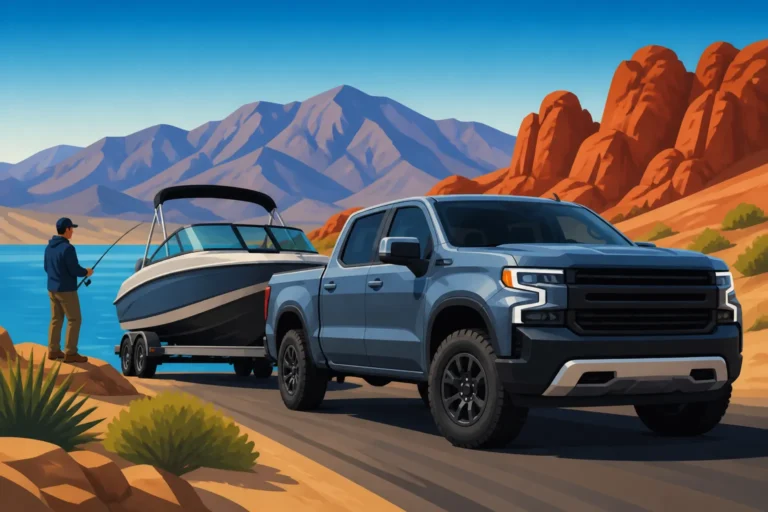
If you're lucky enough to own a pickup truck, you've already got a fantastic head start. A truck bed is perhaps the most straightforward way to transport a kayak without a roof rack. For shorter kayaks, you might be able to simply slide it in with the tailgate down, securing it with a few sturdy cam straps. Make sure to angle it correctly so it sits snugly and doesn’t shift.
For longer kayaks that extend well past your open tailgate, a tailgate extender is a game-changer. This simple accessory attaches to your hitch receiver and provides an extension that supports the end of your kayak, keeping it level and stable. You can find these at most sporting goods stores or even through retailers like Amazon. Remember, any load that extends more than four feet past the rear of your vehicle needs to be marked with a red or orange flag during the day, and a red light at night, to comply with Nevada traffic laws. Always use at least two strong cam straps to secure the kayak to the truck bed or extender, and consider adding a bow line from the front of the kayak to a secure point in the truck bed for extra stability, especially for longer drives to places like Wildhorse Reservoir Nevada Fishing Guide.
Utility Trailers: A Versatile Option
For those with multiple kayaks, or who prefer to keep their truck bed clear for other gear, a small utility trailer is an incredibly versatile option. These trailers come in various sizes and can be easily modified to carry one or multiple kayaks. They hook up to your vehicle's hitch and keep the kayak low to the ground, making loading and unloading a breeze. No more struggling to hoist a heavy boat overhead!
Many people opt for lightweight, aluminum trailers that are easy to maneuver and store. You might need to consider Nevada Boat Registration and Titling Guide if you go this route, depending on the trailer's size and use, but for smaller, dedicated kayak trailers, the process is often minimal. The beauty of a trailer is that it frees up your vehicle entirely, allowing you to pack other fishing essentials, camping gear, or even bikes. They're a fantastic long-term solution if you're regularly heading out to multiple destinations like Lake Mead Nevada Fishing Guide and Pyramid Lake Nevada Fishing Guide.
Foam Blocks and Temporary Car Top Kits
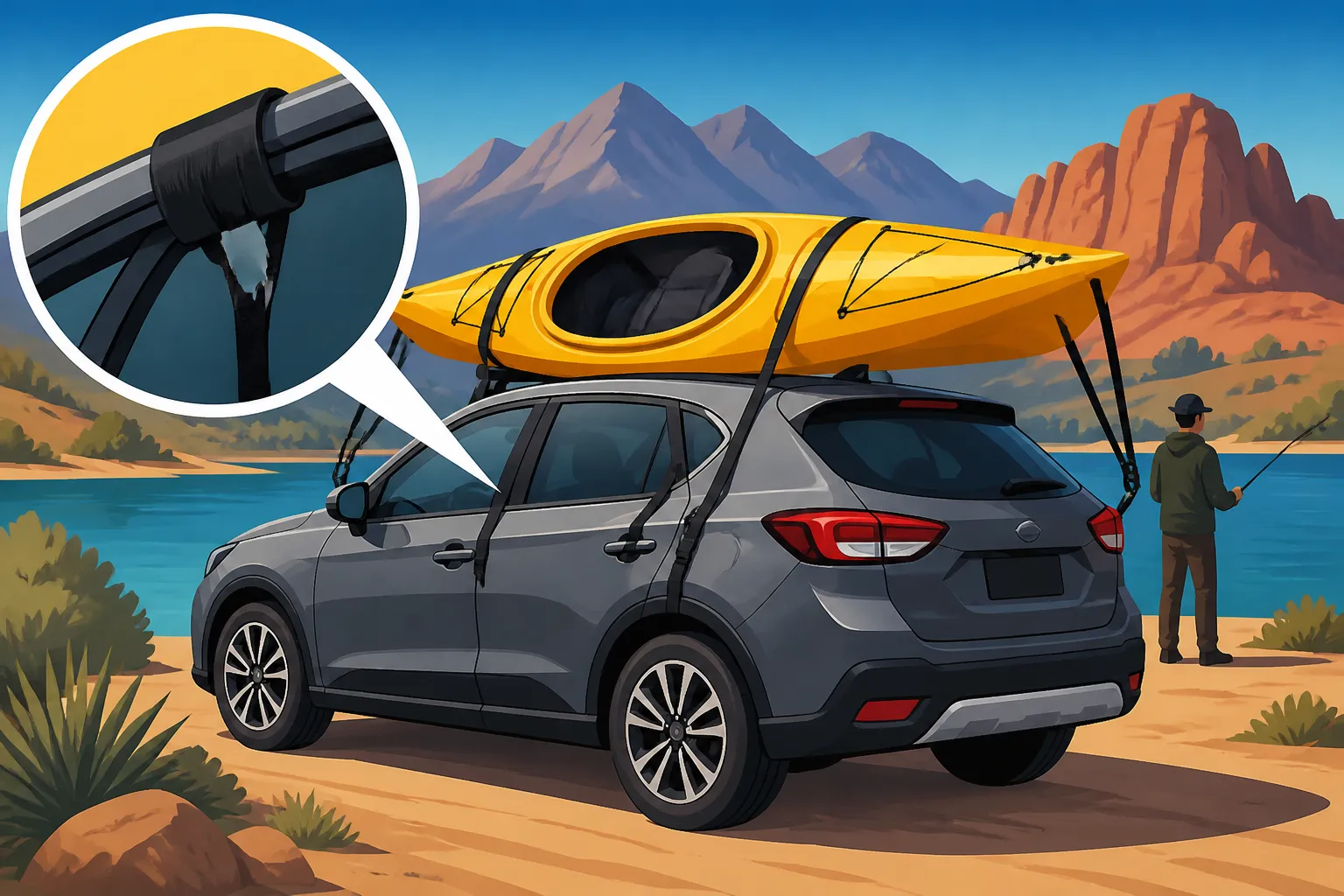
If you don't have a truck or a trailer, don't despair! Foam block kits are a super popular, budget-friendly alternative to a full roof rack. These kits typically include a set of foam blocks that sit directly on your car's roof and heavy-duty straps that run through your car's interior, securing the kayak and foam blocks in place. They distribute the weight evenly and protect your car's paint from scratches.
The setup usually involves placing the foam blocks on the roof rails (if you have them) or directly on the roof, positioning your kayak on top, and then running the straps through the car doors and cinching them tight. You also absolutely need bow and stern tie-downs that anchor the kayak to the front and back of your vehicle (e.g., under the hood and trunk lid). These provide crucial stability and prevent the kayak from lifting or shifting at highway speeds. You can often find these kits at retailers like Bass Pro Shops or online at Amazon. They're perfect for occasional trips or for smaller, lighter kayaks, offering a surprisingly secure way to transport your boat.
Inflatable Kayaks: The Ultimate Portable Solution
Sometimes, the best solution to not needing a roof rack is to simply not have a solid kayak to begin with! Inflatable kayaks have come a long, long way in terms of durability, performance, and stability. Modern inflatable kayaks are robust enough for most recreational fishing and paddling in Nevada's lakes and rivers.
The biggest advantage? They deflate and pack down into a carrying bag that can easily fit in your trunk, back seat, or even checked luggage for air travel. No roof rack, no trailer, no special contraptions needed. Just pack it up, drive to your destination, and inflate it with a hand or electric pump. This portability makes spontaneous fishing trips to Las Vegas Nevada Urban Pond Fishing Guide or quiet coves on Lake Mohave incredibly easy. While they might not offer the same rigidity as a hardshell, the convenience factor for transport is unparalleled, making them a fantastic choice for many anglers.
Securing Your Kayak Safely for Nevada Roads
Regardless of which non-roof rack method you choose, proper securing is paramount. Nevada roads, whether you're cruising through the desert or navigating mountain passes, demand that your load is stable and safe. Skimping on this step isn't just risky for your kayak; it's a safety hazard for everyone on the road.
Essential Strapping Techniques
Securing your kayak isn't just about throwing a strap over it and hoping for the best. It's an art and a science! For any method, whether it's in a truck bed, on a trailer, or using foam blocks, you'll want to use heavy-duty cam buckle straps. Avoid bungee cords for primary securing – they stretch too much and don't provide the firm hold you need.
Here’s a general approach:
- Placement: Position the kayak evenly on your chosen transport method. If using foam blocks, ensure they are spaced adequately to support the kayak's hull.
- Overhead Straps: Run at least two cam straps over the widest part of your kayak, cinching them down tightly. On a truck, loop them through anchor points in the bed. With foam blocks, run them through your car's interior, making sure they don't impede airbags or seatbelts. Twist the straps once or twice before running them over the kayak to minimize noise from flapping straps.
- Bow and Stern Lines: These are absolutely critical, especially for any kayak extending beyond your vehicle's footprint. Attach a rope or strap from the front (bow) of the kayak to a solid tow hook or frame point on your vehicle's front. Do the same for the rear (stern) of the kayak. These lines prevent fore-aft movement and, crucially, stop the kayak from lifting at speed. They should be tight, but not so tight that they flex your kayak.
Flagging Requirements and Visibility
Nevada, like most states, has specific laws regarding loads that extend beyond your vehicle. If your kayak extends more than four feet past the rear of your truck bed or trailer, you must attach a red or orange flag at least 12 inches square to the extreme end of the kayak during daylight hours. If you're traveling at night, that flag needs to be replaced with a red light visible from at least 500 feet. Ignoring this isn't just illegal; it's incredibly dangerous, as other drivers might not see your extended load, especially in the low light conditions common around Nevada Fishing Hours and Legal Times. Always err on the side of caution and make your load as visible as possible.
Pre-Trip Checks and On-Road Awareness
Before you even pull out of your driveway, do a thorough check. Tug on the kayak from all angles – it should feel absolutely rock-solid with no wobble. Wiggle the straps to ensure they're tight and haven't slipped. After about 10-15 minutes of driving, pull over to a safe spot and re-check everything. Straps can sometimes loosen slightly after the initial vibrations of the road.
While driving, be aware of your load. Avoid sudden stops, sharp turns, or excessive speeds. Listen for unusual noises like flapping straps or creaking. Strong crosswinds, which are not uncommon in many parts of Nevada, can put extra stress on your setup, so be extra vigilant on windy days, especially if you're heading to open areas like those around Topaz Lake Fishing. Your kayak is a significant investment, and getting it to the water safely is the first step to a successful outing.
Maximizing Convenience and Minimizing Hassle
Transporting your kayak without a roof rack is definitely achievable, but there are always ways to make the whole process smoother and more enjoyable. A little planning and a few smart accessories can turn what might feel like a chore into a seamless part of your fishing routine.
Kayak Carts and Dollies
Once you arrive at your fishing spot, the battle isn't over if you have to carry your kayak a long distance from the parking area to the water. This is where a kayak cart or dolly becomes your best friend. These ingenious devices typically have two wheels and a sturdy frame that cradles your kayak, allowing you to simply roll it down to the water with minimal effort.
They're especially useful if you're fishing solo or if the launch point isn't a boat ramp but rather a more rugged shore access. Imagine easily wheeling your kayak over sand or gravel to get to a prime spot for Lake Tahoe Nevada Shoreline Fishing or along the banks of the Truckee River. Many models fold down for easy storage inside your kayak or vehicle. This small investment can save you a lot of back strain and make getting on the water much quicker.
Storage Considerations at Home
Thinking about how you’ll transport your kayak also naturally leads to thinking about how you'll store it at home. If you're using a truck bed or trailer, you might have more flexibility at home since your kayak isn't permanently mounted. For foam block users, the ability to remove the kayak and blocks means your car is free again.
Consider wall slings, ceiling hoists, or dedicated kayak stands for your garage or backyard. Keeping your kayak off the ground protects it from damage and keeps your space tidy. If you're using an inflatable kayak, remember to thoroughly clean and dry it before packing it away to prevent mold and mildew, ensuring it's ready for your next adventure chasing Rainbow Trout Fishing in Nevada.
Renting or Borrowing: When All Else Fails
Sometimes, despite all the tips and tricks, you might find yourself in a bind. Perhaps your primary vehicle is out of commission, or you're visiting Nevada and don't have your usual transport setup. Don't let that stop you from getting out there!
Consider renting a kayak for the day from a local outfitter or marina. Many places around Lake Mead and Lake Tahoe offer rentals, sometimes even including local transport to the water's edge. This can be a great way to try out a new type of kayak or fish a different body of water without any transport worries. Another option is to connect with local fishing or kayaking clubs; fellow enthusiasts are often happy to share advice, or even help with a shuttle if you're polite and offer to cover gas. Shops like Bass Pro Shops can also be a great resource for advice on local rental options or shuttle services.
| Transport Method | Pros | Cons | Best Use Case |
|---|---|---|---|
| Truck Bed (with extender) | No roof lifting, versatile cargo space | Requires a pickup truck, kayak overhang | Longer kayaks, frequent transport, other gear |
| Utility Trailer | Easiest loading, multiple kayaks possible | Requires hitch, trailer registration/storage | Multiple kayaks, dedicated transport, long distances |
| Foam Blocks/Pads | Inexpensive, removable, universal fit | Less secure than roof rack, internal straps | Occasional trips, shorter kayaks, budget-conscious |
| Inflatable Kayak | Ultimate portability, no external gear | Inflation time, performance limitations | Spontaneous trips, travel, storage challenges |
Disclaimer
This article is for general informational purposes only and does not constitute professional advice. Laws, prices and regulations vary by location and change over time. Consult a qualified professional for guidance on your specific situation.