Nevada State Record Fish List
For many anglers, the thought of landing a truly monumental catch is a powerful driving force, a dream that keeps them casting through long days and chilly mornings. Nevada, with its diverse and often challenging fisheries, certainly holds its share of these legendary fish. This guide is all about the pursuit of those truly impressive catches, exploring the Nevada State Record Fish List, how these incredible milestones are recognized, and what it takes to etch your name into the state's angling history.
What are State Records and Why Do They Matter?
When we talk about state records, we're not just discussing a big fish you caught that day. We're talking about the absolute biggest, heaviest, or sometimes longest, fish of a particular species ever officially recorded within the state's waters. These are the fish that defy expectations, the ones that make anglers' jaws drop, and they serve as benchmarks for the health and potential of Nevada's aquatic ecosystems.
Defining the Dream
Every state maintains its own official list of record fish, typically managed by the state's wildlife or conservation department. In Nevada, it's the Nevada Department of Wildlife (NDOW) that oversees this prestigious list. These records aren't just about size; they represent the pinnacle of angling achievement for a specific species in a specific location. Imagine the excitement of reeling in a fish and realizing it might just be the one that surpasses all others. It's an incredible feeling, a true testament to skill, perseverance, and a little bit of luck.
More Than Just Bragging Rights
While the bragging rights are undeniably a huge part of the appeal, state records serve a much broader purpose. They inspire other anglers to explore different techniques and waters, pushing the boundaries of what's possible. These records also provide valuable data for fisheries biologists, offering insights into the maximum growth potential of certain species in Nevada's unique environments. They can highlight successful stocking programs or indicate the presence of particularly robust fish populations. For many, simply knowing these giants exist is enough motivation to get out on the water, even if their own catch doesn't break a record.
Nevada's Top Trophy Fish: The Big Three
When most anglers think about trophy fishing in Nevada, a few species immediately come to mind. These are the giants, the record-breakers that have captivated the imagination of generations of fishermen. They represent some of the most challenging and rewarding pursuits in the Silver State.
Lahontan Cutthroat Trout Records
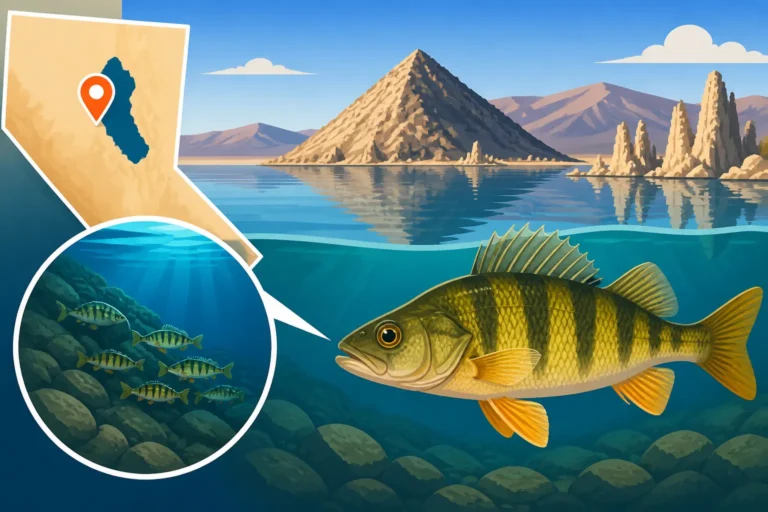
If there's one fish synonymous with Nevada's angling heritage, it's the Lahontan cutthroat trout. These magnificent native trout are truly a national treasure, and they grow to incredible sizes, especially in their most famous stronghold, Pyramid Lake. The pursuit of a record Lahontan cutthroat is often a lifelong quest for many anglers. These fish are powerful, cunning, and beautiful, adorned with their distinctive red "cutthroat" markings under the jaw. The current state record for this species is a truly monumental fish, a testament to the incredible potential of these ancient waters. Anglers travel from all over to try their hand at catching one of these giants, hoping to land a fish that could rival the historical records. You can learn more about this iconic species in our guide on Lahontan Cutthroat Trout in Nevada.
Striped Bass Legends
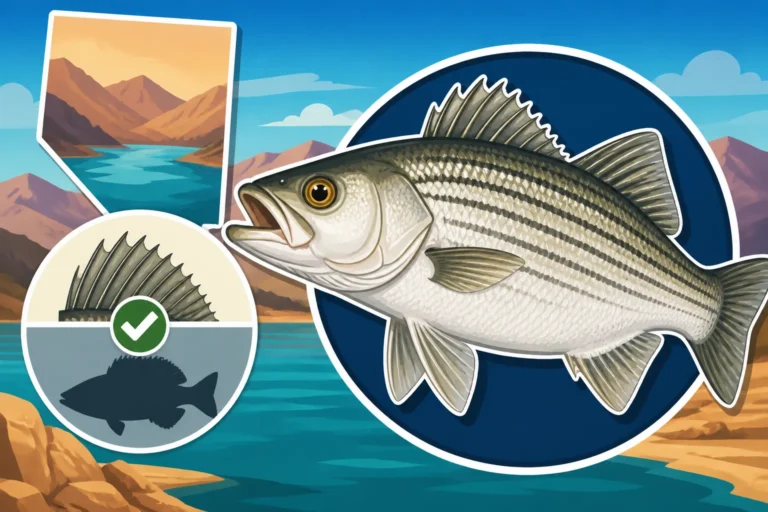
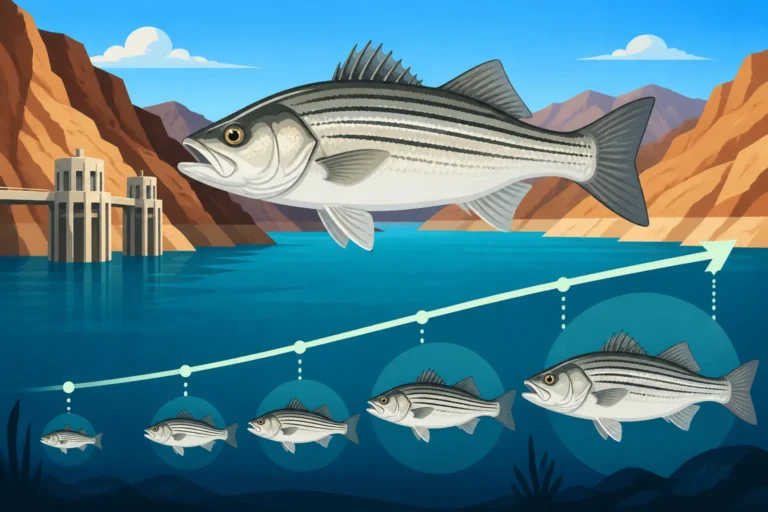
Out in the vastness of Lake Mead and Lake Mohave, another behemoth roams: the striped bass. These hard-fighting, schooling predators offer some of the most action-packed fishing in the state, and they can reach truly astonishing sizes, easily eclipsing many other freshwater species. Picture fighting a powerful striper that strips line from your reel with relentless force—it's an experience that tests both angler and gear. The state record striped bass is a fish of epic proportions, a true testament to the abundance these reservoirs can produce. Whether you're trolling with big plugs or chunking bait, the sheer power of a record-class striper is something unforgettable. Anglers looking to hook into these monsters often spend countless hours perfecting their techniques, from deep jigging to surface boils. For more on targeting these powerful fish, check out Striped Bass Fishing in Nevada. Many anglers seek durable rods and reels, often shopping on Amazon for heavier setups.
Largemouth and Smallmouth Bass Brutes
While not reaching the sheer poundage of stripers, Nevada's largemouth and smallmouth bass still offer exceptional trophy fishing opportunities, especially in lakes like Mead, Mohave, and some of the smaller, well-managed reservoirs. A record-class bass in Nevada is typically a fish that exhibits incredible girth and length, a true specimen of its kind. Largemouth bass often lurk in submerged structure, ambushing prey, while smallmouth prefer rocky points and open water. The thrill of hooking into a trophy bass, feeling those powerful head shakes and aerial acrobatics, is what keeps many anglers coming back for more. The current records for both species demonstrate the quality of the bass fisheries here. Understanding their habits and preferred habitats is key to targeting these big fish; our guides on Largemouth Bass Fishing in Nevada and Smallmouth Bass Fishing in Nevada offer plenty of insights. Finding the right tackle and lures, perhaps even some specialized gear on Amazon, can make a real difference in landing that record-setter.
Beyond the Giants: Other Notable Nevada State Records
While the Lahontan cutthroat, striped bass, and black bass often dominate the record discussions, Nevada's diverse waters are home to many other species that grow to impressive, record-setting sizes. These fish might not always get the same spotlight, but their records are just as hard-earned and celebrated by those who pursue them.
The Majestic Mackinaw
Lake Tahoe, with its pristine deep waters, is famous for its Mackinaw (lake trout). These cold-water predators are formidable opponents, growing to substantial sizes and requiring specialized techniques to catch. The state record Mackinaw is a truly massive fish, a product of years spent in the deep, cold canyons of Tahoe. Anglers often employ heavy tackle and downriggers to target these deep-dwelling giants. The challenge lies not just in hooking them, but in the arduous fight they put up from the depths. It's a testament to the patience and skill of the angler who lands one. If you're dreaming of a record Mackinaw, our Mackinaw Lake Trout at Lake Tahoe guide has valuable tips.
Channel Catfish Giants
For those who enjoy a different kind of fight, Nevada's channel catfish population offers some truly impressive opportunities. Found in many of the state's warmer reservoirs and rivers, these whiskered bottom-dwellers can grow surprisingly large. A state record channel catfish is often a hefty, powerful fish that tests your gear and your resolve. They're often targeted using a variety of baits, from stink baits to cut bait, and are known for their strong, relentless tugs. The hunt for a record catfish can be a surprisingly engaging and often nocturnal adventure. Explore our Channel Catfish Fishing in Nevada guide for more insights into these formidable fish.
Elusive Walleye and Wipers
While not as widespread as some other species, Nevada also holds state records for fish like walleye and wiper (hybrid striped bass). Walleye, known for their keen eyesight and delicious fillets, are notoriously challenging to catch but can reach impressive sizes in the right conditions. Wipers, a cross between striped bass and white bass, offer a unique blend of fight and growth potential. They are often found schooling and feeding aggressively, providing thrilling action. Landing a record-class walleye or wiper is a significant accomplishment, often requiring specific tactics and a good understanding of their behavior. Our Wiper Hybrid Bass Identification guide can help you understand these fascinating fish better.
Panfish and Others
Don't underestimate the smaller species! Nevada also recognizes records for various panfish like bluegill, crappie, and yellow perch, as well as other unique catches. While these fish might not be "giants" in the traditional sense, a record bluegill or crappie is still an exceptionally large specimen of its kind. These records often highlight the quality of smaller, more localized fisheries and the dedicated anglers who pursue them with finesse and precision. Every species, no matter how small, has a champion on the Nevada State Record Fish List.
How Records are Verified and Submitted in Nevada
Catching a truly massive fish is one thing; getting it officially recognized as a state record is another entirely. The process requires careful attention to detail, adherence to strict rules, and proper documentation. It's designed to ensure fairness and accuracy, preserving the integrity of Nevada's angling history.
NDOW's Role in Record Keeping
The Nevada Department of Wildlife (NDOW) is the official keeper of the state's fish records. They have established guidelines and procedures to ensure that every record submitted is legitimate. This isn't just a casual weigh-in at the local bait shop; it's a formal process that involves certified scales, accurate measurements, and often photographic evidence. NDOW takes this responsibility seriously because these records stand for years, sometimes decades, as benchmarks for anglers across the state. They want to make sure that when someone achieves a new state record, it's beyond reproach.
The Official Submission Process
If you believe you've caught a potential state record, the clock starts ticking. Here’s a general rundown of what you’d typically need to do:
- Weigh the fish on a certified scale: This is absolutely critical. The scale must be officially certified and accessible to the public, such as those found at many post offices, grocery stores, or official weigh stations. Make sure the scale is zeroed out before placing your fish on it.
- Measure the fish: Length (from the tip of the snout to the tip of the tail) and girth (around the thickest part of the body) are usually required. These measurements should be taken accurately.
- Document everything: Take clear, well-lit photographs of the fish, showing its full length, the measurements, and ideally, the weighing process. This visual evidence is crucial for verification.
- Have witnesses: Having reliable witnesses present during the weighing and measuring process can lend significant credibility to your claim.
- Contact NDOW immediately: Time is often of the essence, especially with fish that are to be released or if you need to keep the fish fresh for examination. NDOW will provide you with the necessary forms and instructions for official submission. This typically involves completing a detailed application form.
- Species Identification: Be absolutely certain of the species. Misidentification is a common issue, so if there's any doubt, NDOW may require a fisheries biologist to confirm the species.
It's a lot of steps, but it's all there to ensure the legitimacy of every record. For detailed specifics, always refer to the official Nevada Fishing Regulations Explained booklet or the NDOW website.
Rules and Regulations for Entry
Beyond the submission process, there are typically several rules and regulations you must adhere to for your catch to be considered:
- Fair Chase: The fish must be caught legally by angling methods, adhering to all state fishing regulations, including bag and possession limits, legal fishing hours, and permitted gear. No foul-hooked fish or snagged fish will be considered.
- Live or Fresh: The fish must generally be in fresh condition at the time of weighing. NDOW often has specific guidelines on how long after the catch it can be weighed.
- Single Angler: The fish must be caught by a single angler, without assistance in fighting or landing the fish (though assistance with netting or gaffing after the fight is usually permissible).
- No Commercial Scales (unless certified): As mentioned, the scale needs to be certified. Your home bathroom scale won't cut it, but many reputable sporting goods stores and some local businesses have certified scales. You can find robust, accurate scales for personal use, especially on Amazon, though these usually aren't certified for official record purposes.
- Adherence to Gear Rules: Any specific rules about rod, reel, line, and hook type must be followed. For instance, some records specify that the fish must be caught on a particular line class.
Breaking any of these rules can disqualify your catch, no matter how big it is. It's always best to be thoroughly familiar with the Nevada Fishing Regulations Explained before heading out if a record is your goal.
The Thrill of the Chase: Pursuing Your Own Nevada State Record
The idea of catching a state record might seem daunting, almost mythical. But for many dedicated anglers, it's a very real aspiration. It requires a combination of specialized gear, meticulous planning, immense patience, and an unwavering respect for the fish and the environment.
Gear Up for Giants
You can't expect to land a potential state record with just any old rod and reel. Targeting trophy fish often means upgrading your arsenal. This might include:
- Heavy-duty Rods and Reels: For powerful fish like striped bass or large Mackinaw, you'll need rods with sufficient backbone and reels with smooth, strong drags and ample line capacity. Look for reputable brands and read reviews to ensure you're getting quality equipment that can handle extreme pressure. Many anglers will search for specialized heavy-duty fishing gear on Amazon.
- Strong Line: Don't skimp on your fishing line. Whether you prefer monofilament, fluorocarbon, or braided line, ensure it's fresh, tested, and appropriately rated for the size of fish you're pursuing. Many record categories have line-class requirements, so be aware of those.
- Quality Terminal Tackle: Hooks, swivels, and leaders need to be robust enough to withstand the incredible forces a record fish can exert. Choose high-quality components that won't fail under pressure.
- Specialized Lures and Baits: Research what the biggest fish in a particular fishery are eating. This might mean larger swimbaits for stripers, specialized flies for cutthroat, or robust cut baits for catfish. Our Nevada Fishing Gear Essentials and Best Tackle for Nevada Bass Fishing guides can offer some starting points.
Strategy and Patience
Catching a record fish is rarely a fluke. It usually comes down to methodical planning and immense patience.
- Target Specific Waters: Focus your efforts on lakes and rivers known for producing large specimens of your target species. For instance, Pyramid Lake is the place for trophy Lahontan cutthroat, while Lake Mead is the undisputed king for massive striped bass.
- Study Fish Behavior: Understand the seasonal movements, feeding patterns, and preferred habitats of your target fish. Are they deep in summer? Shallow in spring? What time of day do they feed most aggressively? Knowledge is power when it comes to trophy hunting. Our Best Lures for Striped Bass guide can help refine your approach for specific species.
- Time on the Water: There's no substitute for simply being out there. The more time you spend fishing, observing, and learning, the higher your chances of encountering that once-in-a-lifetime fish. This might mean multiple trips, long hours, and sometimes, coming home empty-handed. But every trip is a learning experience.
- Adapt and Experiment: Don't be afraid to change your tactics if what you're doing isn't working. Try different depths, different baits, different retrieves. The big ones often require a unique approach.
Ethical Angling for Records
The pursuit of a record should always be balanced with ethical angling practices and a strong commitment to conservation.
- Respect Regulations: Always adhere to all Nevada Fishing Regulations Explained. These rules are in place to protect fish populations and ensure sustainable fishing for everyone.
- Handle Fish Carefully: If you catch a truly large fish and decide to release it, handle it with extreme care. Support its body, minimize its time out of water, and ensure it's revived before letting it go. Many trophy fish are old, slow-growing individuals, and their survival is crucial for the health of the fishery.
- Consider Catch and Release: While state records often require weighing a fish, consider if keeping a potential record is truly necessary. For some species, especially rare or protected ones, catching, documenting, and releasing may be a more responsible approach, even if it means foregoing an official record. In places like Pyramid Lake, strict slot limits and catch-and-release practices are often in place for the biggest fish.
- Know Your Limits: Understand your own capabilities and the limits of your gear. Don't push fish to the point of exhaustion if you intend to release them, especially in warmer water.
Maintaining the Legacy: Conservation and Record Keeping
The Nevada State Record Fish List isn't just a historical document; it's a living testament to the incredible fish resources we have and our ongoing responsibility to protect them. The records inspire us, but they also serve as a reminder of the delicate balance required to maintain healthy fisheries for future generations.
The Importance of Accurate Records
Accurate record keeping allows NDOW biologists and fisheries managers to track trends, identify exceptional individuals, and understand the potential of different waterways. If a particular record stands for an exceptionally long time, it might signify stable, healthy conditions for that species. Conversely, a lack of new records or a decline in average size could prompt closer examination of a fishery's health. These lists also ignite a passion for angling in newcomers and continue to fuel the dreams of seasoned veterans. It's a way to celebrate the wonders of nature and the pursuit of excellence in the outdoors. For a broader understanding of the aquatic life in the state, refer to our Nevada Fish Species Guide.
Balancing Records with Conservation
While the thrill of setting a new state record is undeniable, the long-term health of our fisheries must always come first. There's a growing movement towards celebrating catch-and-release records, using precise measurements and verification while allowing the trophy fish to return to the water to spawn and grow even larger. This is particularly relevant for species like the Lahontan cutthroat trout, where conservation efforts are paramount. The goal is to inspire anglers to pursue big fish, but also to instill a deep sense of stewardship. This means understanding and adhering to regulations, practicing responsible fish handling, and supporting conservation efforts. The legacy of state records is truly preserved when the fish themselves are also preserved.
Passing on the Passion
Ultimately, the stories behind Nevada's state records, the anglers who caught them, and the waters they came from, become part of our collective angling heritage. They are tales passed down, encouraging new generations to pick up a rod and experience the thrill of the catch. Imagine sharing the story of a massive striped bass from Lake Mead, or a colossal cutthroat from Pyramid Lake, with a child. These stories aren't just about fish; they're about adventure, perseverance, and connection to nature. They are a vital part of teaching young anglers the importance of respecting the resource and understanding that the greatest prize isn't always the biggest fish, but the experience and the memories made along the way. Getting out on the water, even if it's just practicing casting in the backyard with a rod bought from Amazon, is the first step to potentially landing a fish that might one day join the ranks of Nevada's legendary catches.
Here's a quick look at some general record categories for popular Nevada species:
| Fish Species | Common Record Category | Typical Habitat for Records | Key Factors for Large Size |
|---|---|---|---|
| Lahontan Cutthroat Trout | Weight | Pyramid Lake, High Mountain Lakes | Age, Abundant Food Source |
| Striped Bass | Weight | Lake Mead, Lake Mohave | Abundant Baitfish, Deep Water |
| Largemouth Bass | Weight | Lake Mead, Urban Ponds, Reservoirs | Warm Water, Structure, Forage |
| Smallmouth Bass | Weight | Lake Mead, Lake Mohave | Rocky Structure, Clear Water |
| Mackinaw (Lake Trout) | Weight | Lake Tahoe | Deep Cold Water, Long Lifespan |
| Channel Catfish | Weight | Warm Reservoirs, Rivers | Warm Water, Bottom Feeding |
| Walleye | Weight | Rye Patch Reservoir, Comins Lake | Cool, Turbid Water, Schooling |
| Wiper (Hybrid Striped Bass) | Weight | Lake Mohave, Rye Patch Reservoir | Hybrid Vigor, Open Water |
| Rainbow Trout | Weight | Stocked Waters, Cold Reservoirs | Consistent Stocking, Forage |
| Yellow Perch | Weight | Wildhorse Reservoir, Cold Lakes | Abundant Small Fish, Structure |
Disclaimer
This article is for general informational purposes only and does not constitute professional advice. Laws, prices and regulations vary by location and change over time. Consult a qualified professional for guidance on your specific situation.