Where to catch a wiper in Nevada
Many anglers are always on the lookout for a new challenge, a fish that pulls hard, strikes aggressively, and offers a truly memorable fight. In Nevada, that often means setting your sights on the elusive yet incredibly rewarding wiper. If you've been wondering where you can actually tangle with one of these freshwater powerhouses, you're not alone – knowing their preferred haunts is key, and this guide is here to unravel that mystery, showing you precisely where to cast your line for wipers in the Silver State.
Understanding the Wiper: A Hybrid Fighter
Before we dive into the "where," let's chat a bit about the "what." The wiper is a truly unique fish, a fantastic creation that combines the best traits of two popular species. It's no wonder they've earned such a reputation among freshwater anglers.
What Makes a Wiper Unique?
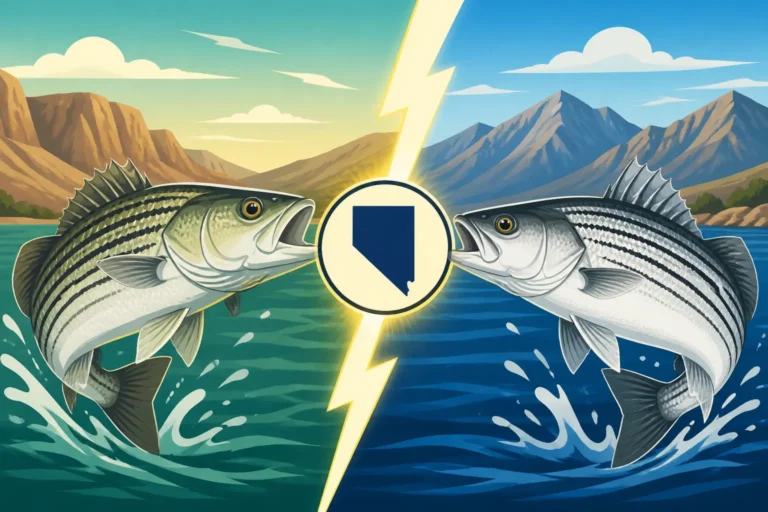
A wiper isn't a naturally occurring species; it's a hybrid, specifically a cross between a striped bass and a white bass. Think of it as a super-athlete of the fish world, engineered for power and aggression. Because they're a hybrid, they tend to grow faster and larger than their parent species in many environments, making them a fantastic sport fish. They inherit the powerful, schooling nature of the striped bass and the aggressive feeding habits of the white bass, resulting in a fish that hits lures hard and puts up an incredible fight on the line.
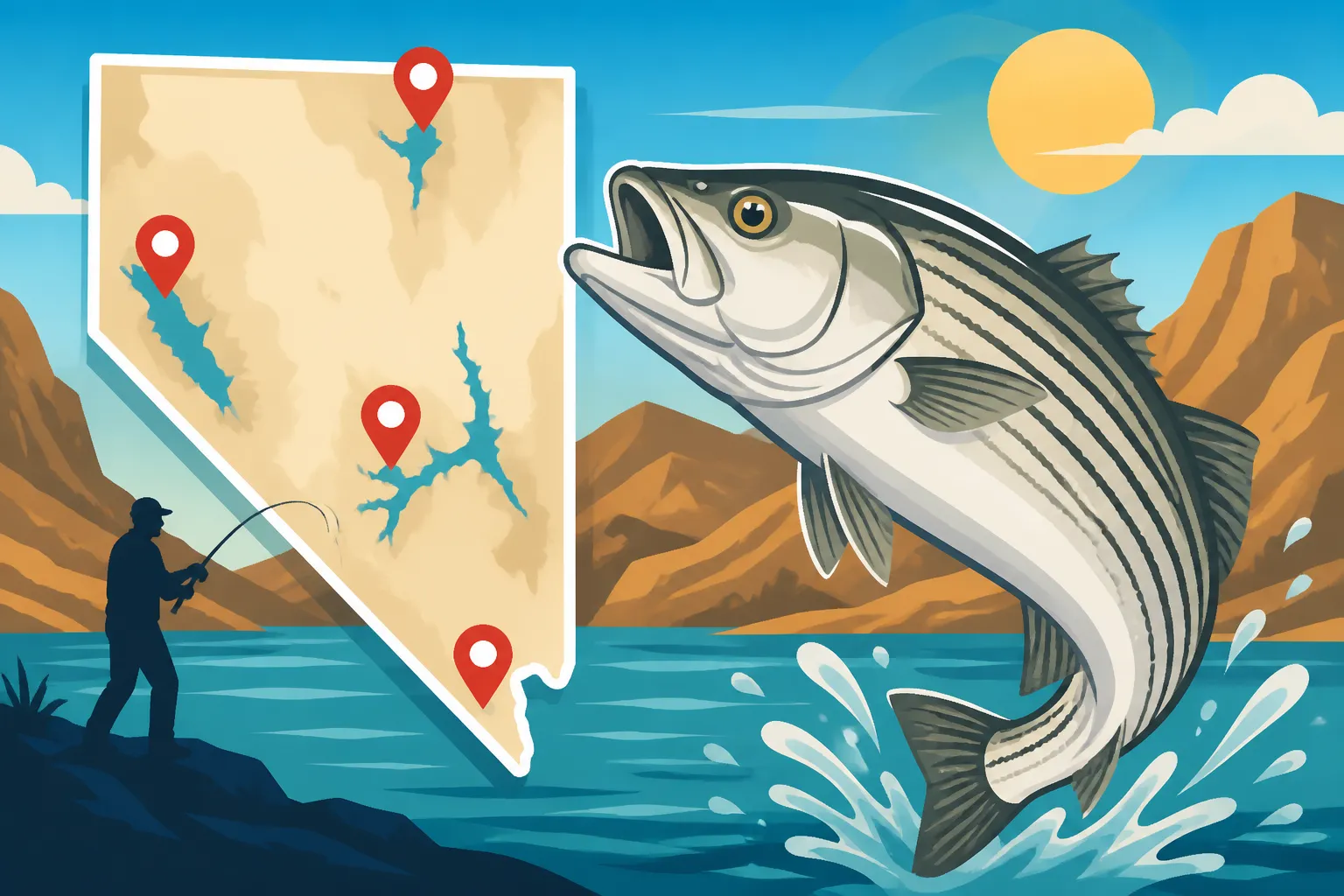
Wipers typically have a sleek, silvery body with broken, dashed horizontal stripes, distinguishing them from the more solid lines of a true striped bass or the fainter lines of a white bass. This distinctive pattern is one of the key markers you'll use for Wiper Hybrid Bass Identification once you've hooked one. They are prolific eaters, often feeding on smaller baitfish like shad, which fuels their rapid growth and powerful physique.
Why Wipers are a Favorite Among Nevada Anglers
There's a reason wipers have developed such a dedicated following among Nevada's fishing community. For starters, the sheer thrill of the strike is addictive. They don't just nibble; they hammer a lure with an explosion of energy that can make your rod tip dive toward the water. Once hooked, they unleash incredible runs, often pulling drag with a vengeance that can surprise even experienced anglers.
Many describe the fight of a wiper as akin to battling a small saltwater game fish, a testament to their brute strength. In a state largely dominated by trout and various bass species, the wiper offers a different kind of adrenaline rush. Plus, for those who enjoy keeping their catch, wipers are known for being excellent table fare, offering firm, white, flaky meat. The challenge of finding them, the excitement of the fight, and the reward of the meal combine to make the wiper a truly special fish in Nevada's waters.
Prime Nevada Waters for Wiper Fishing
While wipers aren't found in every Nevada waterway, there are definitely a few key locations where they thrive and offer fantastic fishing opportunities. These spots have the right conditions, including abundant forage and suitable habitat, to support a healthy wiper population.
Rye Patch Reservoir: The Wiper Capital
If you're serious about catching a wiper in Nevada, then Rye Patch Reservoir, located along the Humboldt River in Pershing County, should be at the very top of your list. This reservoir is, without a doubt, Nevada's premier wiper fishery, often referred to as the "Wiper Capital" for good reason. The Nevada Department of Wildlife (NDOW) has actively managed this fishery, stocking wipers here, and the results have been spectacular.
What makes Rye Patch so good? Firstly, it boasts a robust population of baitfish, primarily gizzard shad, which provides an endless buffet for growing wipers. These plentiful food sources allow wipers to reach impressive sizes, with many anglers reporting catches in the multi-pound range, and trophy-sized fish certainly not uncommon. The reservoir's diverse structure, including submerged timber, rocky points, and expansive open water, provides ample ambush points and schooling areas for these aggressive predators. Fishing at Rye Patch Reservoir Fishing offers a fantastic experience for those targeting wipers, whether you're trolling the open water or casting towards structure.
Anglers targeting wipers at Rye Patch often have success by focusing on areas where baitfish congregate. Look for schools of shad on your fish finder, particularly in the deeper sections of the reservoir, or where creeks and rivers flow in after rain, bringing in nutrients and bait. The mornings and evenings, especially during the warmer months, can be particularly productive as wipers move into shallower water to feed.
Comins Lake: A Hidden Gem for Wipers
While Rye Patch often steals the spotlight, Comins Lake, nestled near Ely in White Pine County, is another fantastic option for wiper enthusiasts. This smaller, picturesque lake provides a different kind of angling experience compared to the vastness of Rye Patch, but it can be equally rewarding for wipers. Comins Lake is a testament to effective fishery management, having developed into a quality wiper spot.
Being a smaller body of water, Comins Lake can sometimes make it easier to locate schooling fish, especially if you have a good understanding of the lake's contours and structure. Similar to Rye Patch, the presence of an ample forage base is critical here. Wipers in Comins Lake also grow to respectable sizes, offering exciting battles in a more intimate setting. If you're looking for a quieter, less crowded experience but still want a shot at a powerful wiper, Comins Lake Fishing Near Ely is definitely worth the journey.
Anglers at Comins Lake find success by working the edges, submerged vegetation lines, and areas around the dam. Because the lake is smaller, observing bird activity (like diving pelicans or gulls) can sometimes tip you off to baitfish schools, and therefore, actively feeding wipers below.
Other Potential Wiper Spots in Nevada
While Rye Patch and Comins Lake are the most consistent and well-known wiper fisheries in Nevada, the Nevada Department of Wildlife periodically experiments with stocking different species in various waters to enhance fishing opportunities. It's always a good idea to check the most current NDOW stocking reports and fishing regulations for other potential locations. Sometimes, wipers might appear in urban ponds or other reservoirs if conditions are deemed suitable, though these occurrences are less frequent or consistent than at the primary wiper lakes. Always consult the latest Nevada Fishing Regulations Explained booklet or the NDOW website before heading out to any new spot.
Essential Gear and Techniques for Catching Wipers
Wipers are powerful fish, and a proper setup can make all the difference between a successful landing and a heartbreaking break-off. You'll want to be prepared with gear that can handle their aggressive strikes and strong, surging runs.
Rods, Reels, and Line: Building Your Wiper Setup
For targeting wipers, a medium-heavy to heavy action spinning or baitcasting rod, typically 6'6" to 7'6" in length, is usually ideal. This provides the backbone needed to cast heavier lures and, more importantly, to absorb the shock of a powerful strike and control a fighting fish. Pair this with a sturdy reel that has a smooth, reliable drag system. A spinning reel in the 3000-4000 series or a baitcasting reel with a good gear ratio for quick retrieves will serve you well. You can find robust options for all budgets on Amazon, ensuring you get quality gear without breaking the bank.
Line choice is critical. Many anglers opt for braided line due to its strength, sensitivity, and lack of stretch, typically in the 20-30 lb test range. A fluorocarbon leader (15-20 lb test) is often tied to the braid to provide invisibility in clear water and added abrasion resistance. Monofilament line in similar test weights can also work, especially for topwater presentations where its stretch can be an advantage. The key is durability and a good knot.
Top Baits and Lures that Wipers Can't Resist
Wipers are opportunistic predators, and they're usually chasing down baitfish. Therefore, your lures should mimic their natural prey as closely as possible.
- Live Bait: Where legal, live bait such as gizzard shad, minnows, or even anchovies can be absolutely deadly. Fish them on a simple bottom rig or suspended under a bobber, especially when you've located a school of wipers on your fish finder.
- Crankbaits and Swimbaits: These are workhorses for wipers. Look for lipless crankbaits, deep-diving crankbaits, or realistic swimbaits in shad patterns (silver, white, blue/silver, chartreuse). Size matters, so match the hatch to the baitfish present in the lake. Many anglers swear by specific brands readily available on Amazon for their durability and fish-attracting action, and a quick search will show you many popular and effective choices.
- Jerkbaits: These lures are fantastic for mimicking wounded baitfish. Work them with a "twitch-twitch-pause" retrieve, allowing the lure to suspend or slowly rise during the pause, often triggering strikes.
- Spoons: Casting spoons or jigging spoons are excellent, especially when wipers are suspended or holding deeper. Silver and gold spoons are classic choices, but experiment with brighter colors if the water is stained.
- Topwater Lures: During low light conditions, particularly dawn and dusk, or when wipers are actively busting bait on the surface, topwater lures like poppers, walk-the-dog baits, or prop baits can provide explosive, heart-stopping strikes. Seeing a wiper blow up on a topwater lure is an unforgettable experience!
- Soft Plastics: Paddle-tail swimbaits rigged on a jig head, flukes, or even large grubs can be effective, especially when fished around structure or drop-offs.
For more general ideas on what works for aggressive fish, check out Best Lures for Nevada Bass, as many techniques and lure types overlap.
Effective Fishing Techniques
Catching wipers isn't just about the right gear; it's about employing effective techniques that put your bait or lure in front of these aggressive fish.
- Trolling: This is a highly effective method for covering large areas, especially in reservoirs like Rye Patch, and for locating schools of wipers. Use deep-diving crankbaits, spoons, or even live bait behind a planer board to target different depths. Vary your speed until you find what triggers strikes.
- Casting and Retrieving: When you spot surface activity or mark fish on your Best Fish Finder for Reservoir Fishing, casting can be very productive. Cast crankbaits, swimbaits, jerkbaits, or topwater lures into the schooling fish or along drop-offs and retrieve them with varying speeds and cadences to entice a strike. Mimic a fleeing or wounded baitfish.
- Vertical Jigging: If you're marking wipers suspended in deeper water, vertical jigging with heavy spoons or large jig heads tipped with soft plastics can be a great tactic. Drop your lure down to the depth of the fish, then retrieve it with sharp lifts and drops.
- Night Fishing: Wipers, like their striped bass relatives, can be incredibly active after dark. If allowed by regulations at your chosen location, Night Fishing Techniques for Striped Bass can be highly productive, especially with large swimbaits or glow-in-the-dark lures.
- Reading the Water: Pay attention to your surroundings. Look for signs of baitfish, such as dimpling on the surface, or birds diving. These are often indicators that predators like wipers are nearby. Use electronics to find submerged structure, ledges, and channels where wipers might ambush their prey.
Here's a quick comparison of the top wiper fishing destinations in Nevada:
| Lake Name | Region | Primary Wiper Forage | Common Techniques | Noteworthy Features |
|---|---|---|---|---|
| Rye Patch Reservoir | Western Nevada | Gizzard Shad | Trolling, Casting, Jigging | Nevada's premier wiper fishery, large fish potential |
| Comins Lake | Eastern Nevada | Trout, various baitfish | Casting, Trolling (smaller scale) | More intimate setting, quality fish, near Ely |
Regulations and Responsible Wiper Angling
As with any fishing adventure in Nevada, understanding and adhering to the local regulations is paramount. This not only keeps you on the right side of the law but also helps ensure the health and sustainability of these fantastic fisheries for future generations.
Understanding Nevada's Fishing Rules
First and foremost, anyone aged 12 and older needs a valid Nevada fishing license to fish in public waters. You can learn all about obtaining one in our Nevada Fishing License Guide. This applies whether you're targeting wipers, trout, or bass.
Beyond the general license requirement, specific bodies of water like Rye Patch Reservoir and Comins Lake will have their own set of rules regarding bag limits, size restrictions, and approved tackle. For wipers, there might be a daily limit on how many you can keep and sometimes a slot limit or minimum size. These regulations can change seasonally or annually based on population assessments and management goals. For instance, the Nevada Statewide Bag Limits Explained covers general rules, but always double-check the specific regulations for the lake you plan to visit.
It's absolutely essential to consult the most current Nevada Department of Wildlife (NDOW) fishing regulations booklet or their official website before each fishing trip. This will provide you with the most up-to-date information on species-specific rules for the water body you intend to fish. Understanding these rules is a key part of Nevada Fishing Regulations Explained.
Conservation and Ethical Angling
Wipers are a valued sport fish, and practicing responsible angling helps protect these fisheries.
- Catch and Release: If you're not planning to keep your catch, or if you catch a fish outside the legal harvest limits, practice proper catch and release techniques. Minimize handling time, use wet hands, and release the fish quickly and gently. This increases their chances of survival.
- Preventing Invasive Species: Nevada takes aquatic invasive species very seriously. Always "Clean, Drain, and Dry" your boat, trailer, and all fishing gear after leaving any body of water, especially when moving between different lakes. This prevents the spread of harmful organisms like quagga mussels, which can devastate an ecosystem. For boat owners, understanding Nevada Boat Registration and Titling Guide and related regulations also means being aware of inspection requirements at launch ramps.
- Respecting the Environment: Pack out everything you pack in. Leave no trace of your visit. Respect other anglers and local wildlife. Our natural resources are precious, and it's up to all of us to protect them.
By following these guidelines and arming yourself with the knowledge of where to find wipers and how to catch them responsibly, you're set for an exciting and rewarding fishing adventure in Nevada! For more general information about fishing opportunities, don't forget to explore our comprehensive Nevada Fish Species Guide.
Disclaimer
This article is for general informational purposes only and does not constitute professional advice. Laws, prices and regulations vary by location and change over time. Consult a qualified professional for guidance on your specific situation.