Best Pontoon Boat for Family Fishing Trips
There's nothing quite like packing up the family, loading the cooler, and heading out to one of Nevada's stunning lakes for a day of fishing. But anyone who's tried to cram a family, gear, and enough snacks into a traditional bass boat or runabout knows the struggle is real. This guide is all about exploring why pontoon boats are often the unsung heroes of family fishing trips in the Silver State, offering comfort, space, and versatility that can make your angling adventures much more enjoyable for everyone involved.
Why Pontoon Boats are Great for Nevada Family Fishing
When you picture a fishing boat, you might immediately think of sleek, fast bass boats, or rugged aluminum jon boats. While those certainly have their place, they often fall short when the goal is a relaxed family outing where everyone, from grandma to the youngest angler, feels comfortable and included. Pontoon boats, with their wide, stable platforms and plush seating, truly shine in this scenario, especially on Nevada's expansive reservoirs and lakes.
Comfort and Space for Everyone
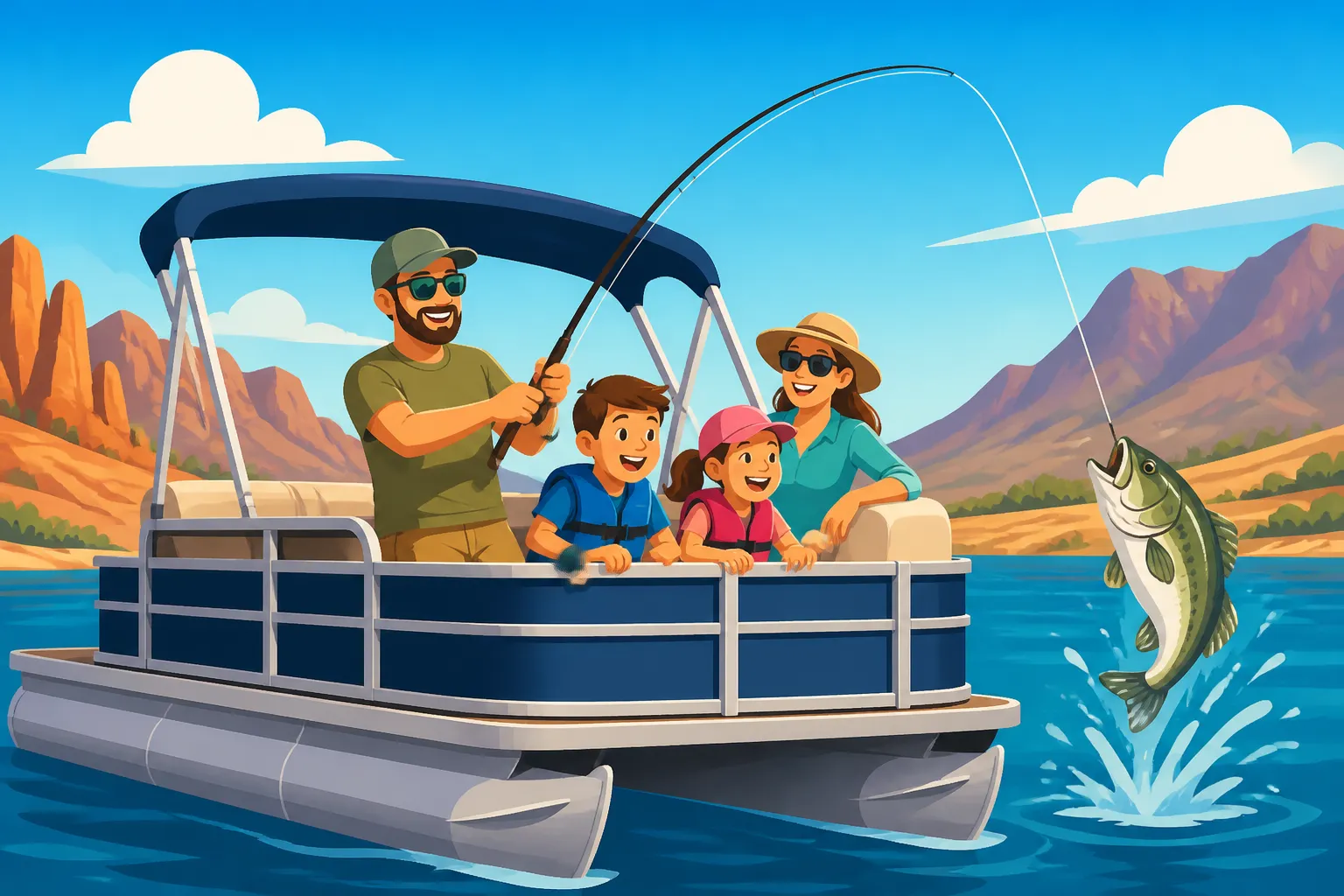
One of the most immediate benefits of a pontoon boat is the sheer amount of usable space it offers. Imagine trying to set up multiple fishing rods, manage squirming kids, and have a picnic lunch on a narrow V-hull boat – it's often a recipe for tangled lines and frayed nerves. Pontoon boats, however, provide ample deck space, allowing everyone to spread out. You can have a dedicated fishing area at the bow, a comfortable lounging section mid-ship, and even a shaded dining spot at the stern. This open layout means no one feels cramped or in the way, which is crucial for maintaining harmony on a long day under the Nevada sun. Parents can keep an eye on toddlers playing safely on the deck while older kids cast their lines, and adults can relax in plush seating without feeling like they're sacrificing fishing access. It truly transforms a fishing trip from a cramped expedition into a leisurely family retreat.
Versatility for Fishing and Fun
Nevada's lakes are diverse, offering everything from trophy Lahontan cutthroat trout at Pyramid Lake to hard-fighting striped bass at Lake Mead. Your family might want to spend the morning trying to land a big one, but by afternoon, the kids might be clamoring for a swim or a quick tow on a tube. This is where the pontoon boat's versatility truly stands out. Many modern pontoons are designed with "fishing packages" that include features like swiveling fishing seats, livewells, and dedicated rod storage, making them perfectly capable fishing machines. However, with the flip of a seat or the deployment of a swim ladder, they seamlessly transition into recreational platforms for swimming, sunbathing, or even wakeboarding. You don't have to choose between a dedicated fishing vessel and a family cruiser; a pontoon boat offers the best of both worlds, ensuring everyone's idea of fun is accommodated. It's the ultimate multi-sport platform for any body of water, from the vastness of Lake Mead to the calmer waters of Wildhorse Reservoir.
Stability on Nevada's Waters
The sometimes-choppy waters of large Nevada reservoirs like Lake Mead or Lake Mohave can be intimidating, especially for families with young children or those prone to seasickness. Traditional V-hull boats can rock and roll quite a bit, making it challenging to move around or fish comfortably. Pontoon boats, with their twin (or sometimes triple) pontoons and wide stance, offer exceptional stability. This stability is a game-changer for family fishing trips. You'll find it easier to stand and cast, move around the deck without feeling wobbly, and simply enjoy a smoother ride even when passing boat wakes or light chop occurs. This inherent stability reduces fatigue, enhances comfort, and allows everyone on board to feel more secure, making for a much more pleasant experience, whether you're anchored up fishing a hot spot or cruising across the lake looking for the next adventure. This sturdy platform also makes them excellent for Bank Fishing Techniques for Desert Lakes where you might be close to shore, but still want the stability of a boat.
Key Features to Look for in a Fishing Pontoon
Choosing the right pontoon boat for your family fishing adventures in Nevada involves more than just picking a color. It's about finding a vessel that blends comfortable family amenities with practical fishing features, all while being suited for the unique conditions of our desert lakes.
Fishing-Specific Layouts and Amenities
While all pontoons offer space, a true "fishing pontoon" will incorporate specific design elements that cater to anglers. Look for models that feature swivel fishing chairs, often placed at the bow and/or stern, which allow you to comfortably face any direction. Integrated livewells are crucial for keeping your bait fresh and your catch healthy until it's time to head back to the dock. Rod holders, whether flush-mounted or rail-mounted, are invaluable for keeping multiple lines in the water or securing rods during travel. Dedicated tackle storage compartments, often built into the seating bases, help keep your gear organized and out of the way, preventing those frustrating moments of searching for a specific lure. Some high-end fishing pontoons even offer aerated bait buckets, fish cleaning stations, and power pole anchors for stealthy, precise positioning over a fishing hole. When browsing, think about how your family actually fishes – do you primarily troll, cast from anchor, or drift? This will help you prioritize the features that truly matter. For specialized gear, stores like Bass Pro Shops often have displays of different setups.
Engine Power and Performance Considerations
The engine on your pontoon boat is critical, impacting everything from how quickly you can get to your favorite fishing spot on Lake Mohave to how well you can handle strong winds. For general family cruising and light fishing, a moderate horsepower engine might suffice, allowing for comfortable speeds and good fuel efficiency. However, if you plan to cover large distances on expansive lakes like Lake Mead, engage in water sports like tubing, or navigate strong currents, you'll want to consider a higher horsepower engine. Four-stroke outboards are popular for their quiet operation, fuel efficiency, and reliability, which are all big plusses for family outings. Also, consider the boat's maximum horsepower rating and choose an engine that falls comfortably within that range. Some larger pontoons even offer twin engine setups for maximum power and redundancy. Think about the distances you typically travel and the conditions you often face on Nevada's waters to make an informed decision on engine size and type.
Deck Materials and Durability for Desert Climates
Nevada's harsh desert climate, with its intense sun and sometimes extreme temperatures, can be tough on boat materials. When evaluating a pontoon, pay close attention to the deck material and upholstery. Marine-grade vinyl flooring is a popular choice for its durability, easy cleaning, and resistance to UV damage and mildew. However, some newer composite or woven vinyl options offer even greater longevity and a more upscale look. For upholstery, seek out marine-grade vinyl with UV inhibitors to prevent fading and cracking over time. Stitching should be robust and mold-resistant. Aluminum pontoons themselves are naturally durable, but the quality of the welds and the thickness of the aluminum can vary, affecting overall longevity. Look for quality manufacturers known for their craftsmanship. Protecting your boat from the elements when not in use is also key, so consider a good quality boat cover or shade system to extend the life of your investment. This attention to detail will ensure your pontoon holds up to years of enjoyment on Nevada's beautiful, but challenging, waterways.
Sizing Your Pontoon Boat for Your Family and Fishing Needs
Selecting the appropriate size for your pontoon boat is a delicate balance. Too small, and your family might feel cramped; too large, and it could be harder to maneuver, store, or even afford. It’s important to match the boat's dimensions to your family's typical group size, your storage capabilities, and the specific Nevada lakes you plan to visit.
Capacity and Seating Arrangements
Every boat has a maximum capacity rating, indicating the safe number of passengers it can carry. For a family fishing trip, you'll want to ensure there's enough room not just for everyone to sit, but also to move around, fish, and bring along essential gear. A general rule of thumb is to consider how many people will realistically be on board for most trips, then add one or two extra spots for guests. Pontoons typically range from smaller 16-foot models that might comfortably seat 6-8 people, to larger 25-foot boats that can easily accommodate 12 or more. Beyond raw numbers, think about the seating arrangement. Do you prefer wrap-around loungers for comfort, or more open deck space with pedestal fishing seats? Some pontoons offer flexible seating, allowing you to reconfigure benches or add removable seats as needed. Carefully consider your typical passenger load, along with all the gear, coolers, and tackle you bring, to ensure everyone has a comfortable and safe experience.
Length and Beam for Maneuverability and Storage
The length and beam (width) of your pontoon boat significantly impact its maneuverability on the water and, crucially, your ability to store and transport it. Shorter pontoons (under 20 feet) are generally easier to handle, launch, and retrieve, making them ideal for smaller lakes or for those new to boating. They also typically require less storage space and a smaller towing vehicle. Longer pontoons (22 feet and up) offer more deck space, better rough water performance, and can handle larger groups more comfortably. However, they are heavier, require more powerful tow vehicles, and can be more challenging to maneuver in tight marinas or launch ramps. The beam, or width, also plays a role in stability and interior space. Most pontoons have a beam between 8 and 8.5 feet, which is standard for trailering. Before committing to a size, measure your storage space (garage, driveway, or marina slip) and verify your vehicle's towing capacity. Don't forget to factor in the length of the trailer, which adds several feet to the overall footprint. Understanding these dimensions will help you find a boat that fits both your family and your lifestyle.
Matching Boat Size to Nevada Lakes
Nevada offers a fantastic variety of fishing waters, from the vast, open expanses of Lake Mead and Lake Tahoe to the smaller, more protected urban ponds and reservoirs like Wildhorse or Lahontan. The size of your pontoon boat should ideally match the typical conditions of the lakes you frequent. For instance, if you primarily fish smaller, calmer lakes or urban ponds, a shorter, lighter pontoon might be perfect. It will be easier to launch and navigate, and you won't need as much power. However, if your family loves to explore the wide-open waters of Lake Mead, which can get surprisingly rough with afternoon winds and heavy boat traffic, a longer, heavier pontoon with a larger engine will provide a much safer and more comfortable ride. Large, deep lakes often demand more substantial vessels for stability and capability. Also, consider the specific amenities at your preferred launch sites – some smaller ramps might be challenging for very long boats. Knowing your primary fishing grounds will help narrow down the ideal size and capability of your family fishing pontoon. Before you plan your trip, make sure you understand the Nevada Fishing Regulations Explained for your chosen location.
Essential Pontoon Accessories for a Nevada Fishing Trip
Once you’ve chosen your pontoon boat, it’s time to accessorize! Equipping your boat with the right gear can elevate your family fishing trips from good to absolutely fantastic, adding convenience, safety, and functionality. Think about what you need for a truly comfortable and productive day on Nevada’s waters.
Rod Holders, Livewells, and Tackle Storage
For the serious (or even casual) family angler, specific fishing accessories are non-negotiable. Quality rod holders are essential, allowing you to keep multiple lines in the water without constant supervision, or to safely store rods when moving between spots. Look for versatile, adjustable rod holders that can be clamped to rails or flush-mounted. A good livewell system is critical for keeping bait lively and your catch fresh, especially during long days in the Nevada heat. Ensure it has good aeration and is easily accessible. Tackle storage is another area where thoughtful accessories can make a huge difference. Built-in compartments are great, but you might also consider portable tackle boxes or bags that fit neatly into your pontoon's storage areas. Having designated spots for hooks, lures, weights, and tools keeps everything organized and prevents the common frustration of tangled lines and misplaced gear. For an excellent selection of these items, check out sporting goods retailers. For specific needs, consider Best Tackle Box Setup for a Day on the Water.
Electronics: Fish Finders and GPS
Modern electronics have revolutionized fishing, and a pontoon boat offers ample space to integrate them seamlessly. A reliable fish finder is almost an essential item for any serious angler on Nevada’s reservoirs. It allows you to locate fish, identify underwater structure, and understand water depth and temperature, greatly increasing your chances of success. Look for models with good screen resolution and transducer options (like down imaging or side imaging) for a clearer view of what's beneath your boat. GPS is equally important, especially on vast lakes like Lake Mead or Lake Tahoe. It helps you navigate safely, mark productive fishing spots (waypoints), and find your way back to the launch ramp, even in low light or unfamiliar conditions. Many modern fish finders come with integrated GPS chartplotters. Consider a unit with pre-loaded maps of Nevada's major waterways. For help choosing, read up on the Best Fish Finder for Reservoir Fishing. Brands like Humminbird and Lowrance are popular choices available through retailers or online stores like Amazon.
Shade, Safety, and Comfort Upgrades
Nevada’s sun can be relentless, so protecting your family is paramount. A good bimini top is standard on most pontoons, but consider adding extended shades, removable canopies, or even full enclosures for maximum sun protection. These create cool, comfortable retreats where kids can nap or adults can relax away from direct sunlight. Comfort upgrades can include additional plush seating, removable tables for picnics, and even portable grills for on-the-water barbecues. For safety, always have enough life jackets for everyone on board, properly sized for adults and children. A first-aid kit, fire extinguisher, paddle, and sound-producing device are also essential. Beyond the basics, consider adding extra throwable flotation devices, a durable anchor system suitable for windy conditions, and a good cooler to keep drinks and food (and your catch!) cold throughout the day. A well-stocked cooler is vital for Best Cooler for Keeping Fish on Hot Days, and don't forget your Best Sun Protection Gear for Desert Fishing. These thoughtful additions ensure every family member is safe, comfortable, and ready to enjoy their time on the water.
Maintenance and Storage Tips for Nevada Pontoon Owners
Owning a pontoon boat in Nevada comes with the responsibility of proper maintenance and storage, especially given our unique climate. Protecting your investment ensures years of enjoyment and trouble-free family fishing adventures.
Protecting Your Pontoon from Desert Elements
The desert sun, heat, and occasional dust storms can take a toll on a boat. UV radiation is perhaps the biggest threat, causing upholstery to fade and crack, and plastics to become brittle. Always use a high-quality boat cover when your pontoon is not in use. Look for covers made from breathable, UV-resistant materials designed to withstand harsh outdoor conditions. Regularly clean and apply UV protectants to all vinyl surfaces, trim, and console elements. Waxing your pontoons and any fiberglass components provides an extra layer of protection against sun and grime. During intense summer heat, consider moving your boat to shaded storage if possible, or at least ensuring the cover is properly vented to prevent heat buildup underneath. Protecting the exterior extends the life and appearance of your boat significantly.
Winterization and Off-Season Care
While Nevada winters are generally mild compared to other parts of the country, temperatures can still drop below freezing, especially at higher elevations or overnight. Proper winterization is crucial to prevent damage to your engine, plumbing, and other systems. This typically involves stabilizing fuel, draining water lines, fogging the engine cylinders, and changing the oil. If your boat has a livewell or washdown system, ensure these are completely drained to prevent freezing and bursting pipes. Remove all perishable items, electronics, and valuables from the boat. Store your battery indoors in a cool, dry place on a trickle charger. Covering the boat tightly will prevent dust and debris buildup. Even if you plan on year-round fishing on some of the larger lakes, understanding proper cold-weather precautions is essential. For many, a professional winterization service is a worthwhile investment.
Trailer and Launch Considerations
Your boat trailer is just as important as the boat itself, especially when hauling a heavy pontoon across Nevada's highways to remote lakes. Regularly inspect your trailer's tires for proper inflation and wear, and check wheel bearings, lights, and brakes before each trip. Carrying a spare tire, along with the necessary tools for changing it, is a smart move. When launching and retrieving your pontoon, familiarity with the ramp and your boat's handling characteristics is key. Many Nevada boat ramps, particularly at popular spots like Lake Mead or Lake Tahoe, can be steep or experience varying water levels, so practice and patience are essential. Consider a pontoon-specific trailer that provides ample support for the hull and makes launching easier. Remember to always clear your trailer and boat of aquatic invasive species, like quagga mussels, both before and after launching to protect Nevada's precious waterways. Finally, ensure your vehicle is rated to tow the combined weight of your boat, trailer, and all gear. Don't forget to get your Nevada Boat Registration and Titling Guide in order before hitting the water.
Pontoon Boat Comparison for Family Fishing
Choosing the best pontoon boat for your family fishing trips in Nevada often comes down to balancing space, features, and budget. Here's a general comparison of common pontoon boat categories and what they offer.
| Feature / Category | Small & Basic (16-18 ft) | Mid-Range & Versatile (19-22 ft) | Large & Luxury (23-26 ft) |
|---|---|---|---|
| Typical Capacity | 6-8 people | 8-12 people | 12-16+ people |
| Primary Use | Entry-level, calm water, small families, urban ponds | All-around family fun, serious fishing, larger lakes | Entertaining, large groups, rough water, long trips |
| Fishing Features | Basic rod holders, cooler space, open deck | Dedicated swivel seats, livewells, tackle storage, fish finder mounts | Multiple livewells, washdowns, elaborate rod holders, integrated electronics |
| Engine HP Range | 40-75 HP | 75-150 HP | 150-300+ HP (often twin engines) |
| Stability | Good in calm water | Excellent, handles light chop well | Exceptional, handles rough water very well |
| Ease of Trailering | Very easy | Moderate, requires capable tow vehicle | Can be challenging, requires strong tow vehicle |
| Key Benefit | Affordable, easy to handle, fuel efficient | Best blend of features, space, and performance | Maximum comfort, luxury, capacity, and open water capability |
| Ideal Nevada Lakes | Floyd Lamb, Lorenzi Park, smaller reservoirs | Lake Mohave, Wildhorse Reservoir, smaller bays of Mead | Lake Mead, Lake Tahoe, Pyramid Lake |
Disclaimer
This article is for general informational purposes only and does not constitute professional advice. Laws, prices and regulations vary by location and change over time. Consult a qualified professional for guidance on your specific situation.