Lake Mead Striped Bass Hotspots
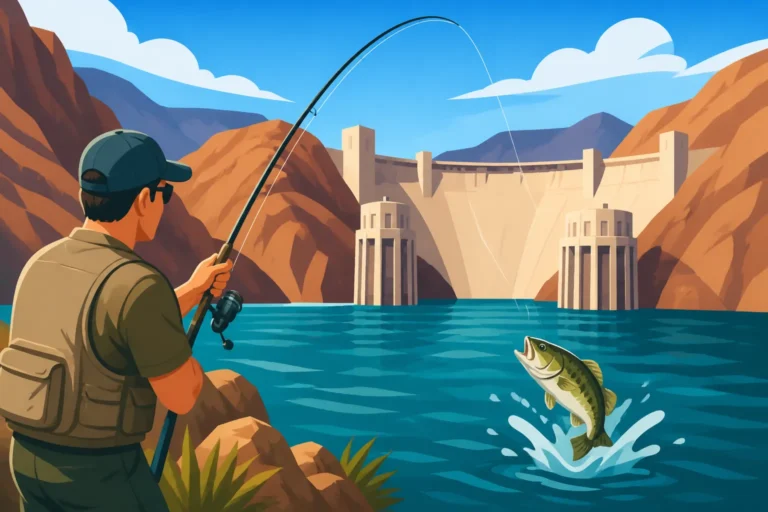
Lake Mead is an absolute behemoth of a reservoir, and anyone who's spent a frustrating day searching for those elusive striped bass knows just how challenging its vast expanse can be. You can motor for hours, cover miles of water, and still come up empty-handed, leaving you wondering if those big stripers are just a myth. It’s tough when you've prepped all your gear, filled the cooler, and had high hopes, only to be outsmarted by a lake that feels more like an ocean. This guide is here to cut through that frustration, zeroing in on the most reliable Lake Mead striped bass hotspots, along with the insider tips you need to turn those fishing dreams into a successful reality.
Understanding Lake Mead's Striped Bass Behavior
Before we dive into specific locations, it's really important to get inside the head of a Lake Mead striped bass. These aren't your typical lazy pond dwellers; they're powerful, migratory predators that react strongly to their environment. Understanding their behavior is the first step to consistently finding them, rather than just hoping for a lucky cast. The sheer size of Lake Mead means stripers have a lot of room to roam, and their movements are heavily dictated by two main factors: water temperature and the availability of their primary food source, threadfin shad.
Seasonal Movements and Patterns
Striped bass are highly attuned to the changing seasons, and their patterns on Lake Mead can shift dramatically throughout the year. In the spring, as water temperatures begin to rise into the 60s Fahrenheit, stripers become incredibly active. They'll often move into shallower coves and creek channels, chasing schools of shad that are also becoming more active. This is a fantastic time for shore anglers and boaters alike, as the fish are more accessible and eager to feed after the cooler winter months. You'll often find them congregating in pre-spawn areas, preparing for their own reproductive cycle.
As the brutal Nevada summer heat kicks in and water temperatures soar into the 80s, the stripers will generally retreat to deeper, cooler waters. You might find them suspended over old river channels, near deep ledges, or around underwater structures where they can ambush baitfish from below. Early mornings and late evenings, or even Night Fishing Techniques for Striped Bass, become prime times as the surface temperatures cool slightly, allowing them to move shallower to feed. Don't be surprised to see them explode on bait schools near the surface in low light. When fall arrives and the water starts to cool again, stripers often go on a major feeding frenzy. They're bulking up for winter, and this can be an incredibly productive time for surface action, especially when they drive shad to the surface in massive feeding boils. Finally, in winter, they tend to slow down and hold in very deep water, often near the bottom in large schools. You might need to use different Jigging Techniques for Lake Mead Stripers to reach them during this colder period.
Preferred Habitat and Structure
Striped bass are ambush predators, and they love structure that allows them to hide and surprise their prey. On Lake Mead, this means looking for specific underwater features. The old Colorado River channel, which snakes its way through the entire lake, is a major highway for stripers. They'll use its edges, ledges, and deep holes as travel corridors and feeding stations. Submerged points, especially those that drop off sharply into deeper water, are also fantastic ambush points where stripers can corral baitfish.
Another key habitat is coves and bays with a good mix of shallow and deep water, particularly if there's submerged brush, rock piles, or even artificial structures like old tires or sunken boats. These areas provide cover for baitfish, which in turn attracts the stripers. Look for areas with quick access to deep water, allowing the fish to move up to feed and then retreat to comfort. Even around marinas and docks, stripers can sometimes be found lurking, picking off stray baitfish. The presence of current, even subtle, can also be a magnet for stripers, as it concentrates bait and makes feeding easier. A good rule of thumb is to look for anything that breaks up the monotony of the lake bottom – changes in depth, rock formations, or even just areas where the current creates an eddy.
Key Hotspots on the Nevada Side of Lake Mead
Lake Mead is enormous, sprawling over two states, but we're going to focus on the prime Nevada side hotspots where you're most likely to tangle with a striped bass. These areas offer a mix of accessibility, diverse structure, and a consistent history of producing good numbers of stripers. Remember, conditions change, but these locations are perennial favorites for a reason. If you're planning a trip, considering a fishing charter through services like FishingBooker can give you a great head start with local guides who know these spots inside and out.
Hemenway Harbor and Government Wash Areas
This area, located on the western side of the lake closer to Boulder City, is perhaps one of the most popular and consistent zones for striped bass fishing. Hemenway Harbor itself, while often busy with recreational boaters, has deep water access right outside the marina. The real gems are the numerous submerged points and drop-offs that surround the harbor. Stripers often patrol these ledges, especially during low light conditions, looking for schools of shad moving in and out of the shallows.
Just south of Hemenway, Government Wash is a vast, open area known for its gradual sloping banks and, when water levels are lower, its exposed gravel and rock formations. The key here is to find the subtle contours and submerged humps that hold baitfish. Many anglers have success here casting from shore, especially in the spring and fall. For boaters, trolling the expansive flats just off the main channel, or jigging where the channel begins to drop deeper, can be incredibly productive. This area is also known for its strong boils when the stripers are actively chasing shad to the surface. It's a prime spot mentioned in many guides, including our comprehensive Lake Mead Nevada Fishing Guide.
Las Vegas Bay and Callville Bay
Moving northward along the western shore, Las Vegas Bay offers a different kind of challenge and reward. This bay is characterized by its complex shoreline, numerous coves, and varying depths. The entrance to Las Vegas Bay, with its points and rocky structures, can be a great place to intercept stripers moving in from the main lake. Inside the bay, focus on areas where creek beds or washes once entered the old river system, as these create natural channels and depressions that hold fish.
Callville Bay, further north, is another excellent and popular area. It features a large marina, which often concentrates baitfish, and the surrounding territory offers a rich tapestry of fishing opportunities. There are numerous islands, submerged reefs, and pronounced points that act as natural fish magnets. Trolling the deeper sections of Callville Bay, especially near its entrance and around the prominent points, is a tried-and-true method. Anglers also find success drifting with live bait or chunk bait in the deeper coves. Both Las Vegas Bay and Callville Bay have good facilities and boat ramps, making them accessible starting points for your striper adventure. The complex structure often requires a good fish finder to locate schools.
Echo Bay and Overton Arm
Venturing much further north into the Overton Arm of Lake Mead, you'll discover Echo Bay and the surrounding expansive stretches of water. This area is quite different from the southern end of the lake, often feeling more like a massive river system, especially when water levels are higher. The Overton Arm can be incredibly productive for stripers, particularly when they follow massive schools of threadfin shad up the arm.
Echo Bay itself provides excellent access and a diverse fishery. Look for stripers around the mouth of the bay where it meets the main arm, and along the numerous points and rock walls that define its shoreline. The entire Overton Arm is known for its wide, shallower flats that can hold enormous schools of baitfish, attracting large numbers of stripers. Trolling large crankbaits or swimbaits through these flats, especially where you see birds diving, can lead to explosive strikes. When the water levels are up, the northernmost reaches of the Overton Arm, where the Muddy River and Virgin River flow in, can also be fantastic as these areas introduce nutrients and baitfish into the system. While it's a longer drive from Las Vegas, the potential for big numbers of aggressive stripers often makes the journey worthwhile.
Here's a quick overview of these prime areas:
| Hotspot Name | Primary Characteristics | Best Times to Fish | Common Techniques | Notes |
|---|---|---|---|---|
| Hemenway Harbor | Deep water access, submerged points, rocky ledges | Spring, Fall, Early Summer | Trolling, Jigging, Shore Casting | High boat traffic, excellent shore access |
| Government Wash | Expansive flats, subtle contours, gravel banks | Spring, Fall | Trolling, Shore Casting, Bait Fishing | Known for boils, good for beginners |
| Las Vegas Bay | Complex shoreline, coves, creek channels | Spring, Fall | Trolling, Drifting Bait | Requires navigating varied depths, good structure |
| Callville Bay | Large marina, islands, submerged reefs, deep points | Year-round | Trolling, Drifting Bait | Popular, good facilities, diverse fishing |
| Echo Bay/Overton Arm | Expansive flats, river channel influence, varied depths | Spring, Fall | Trolling, Casting, Jigging | Longer travel, potential for massive schools |
Tackle and Techniques for Lake Mead Stripers
Having the right gear and knowing how to use it is non-negotiable for success on Lake Mead. Striped bass are powerful fighters, and the sheer size and depth of the lake mean you need robust equipment and versatile techniques. Don't be that angler whose reel screams and then goes silent because your gear couldn't handle the strain!
Essential Gear for Striped Bass
For Lake Mead stripers, you'll want a medium-heavy to heavy action spinning or baitcasting rod, typically in the 7 to 8-foot range. This length provides good casting distance from shore or boat and enough leverage to fight big fish. Pair this with a sturdy reel spooled with 15-30 lb monofilament or fluorocarbon, or even 30-50 lb braided line, especially if you're jigging deep or fishing around abrasive rock structures. Braided line offers superior sensitivity and casting distance, but you might want to add a fluorocarbon leader for stealth.
Beyond your rod and reel, a few other items are non-negotiable. A good quality landing net with a long handle is crucial for safely landing larger stripers, especially when fishing from a boat. Pliers for hook removal are essential, as stripers have tough mouths and sharp teeth. Don't forget a well-stocked tackle box with a variety of Best Lures for Striped Bass, leaders, swivels, and hooks. And, since Lake Mead can get incredibly hot, a reliable cooler packed with ice is vital for keeping your catch fresh. For those fishing from a boat, a quality fish finder is almost an essential piece of your Nevada Fishing Gear Essentials, helping you locate schools of bait and the stripers that follow them.
Effective Lures and Bait Strategies
When it comes to tempting Lake Mead stripers, variety is key. They can be incredibly finicky one day and aggressively smash anything the next. For artificial lures, topwater plugs are fantastic during those exciting surface boils in low light conditions or when stripers are actively busting shad. Chrome or white lipless crankbaits, spoons like the Kastmaster or Crippled Herring, and swimbaits that imitate threadfin shad are also highly effective, particularly when trolling or casting into schooling fish. For deeper jigging, heavy spoons, bucktail jigs, or even large soft plastic paddle tails rigged on a heavy jig head can get down to where the stripers are holding.
However, you'd be hard-pressed to find a more consistent producer than natural bait. Live threadfin shad, if you can catch them, are absolute gold. Rigged either on a simple Carolina rig or under a slip bobber, they're irresistible to stripers. If live shad aren't an option, cut bait like anchovies or sardines, often referred to as "chunking," can be incredibly effective. Anglers will often drift or anchor and cast out chunks of cut bait, sometimes chumming lightly to attract fish. Some swear by a simple high-low rig with multiple hooks for this method. Remember to check Nevada Fishing Regulations Explained for any specific bait restrictions or guidelines before you head out.
Trolling and Jigging Tactics
Trolling is arguably one of the most popular and effective ways to cover large expansates of Lake Mead and locate schooling stripers. When trolling, experiment with different depths and speeds until you find what the fish prefer on that particular day. Using lead core line or downriggers can help you get your lures down to the desired depth, which might be anywhere from 20 to 60 feet, or even deeper, especially in summer. Lipless crankbaits, spoons, and large swimbaits are all excellent choices for trolling. Pay close attention to your fish finder; when you mark schools of fish, try circling back through the area.
Jigging is another highly productive technique, particularly when stripers are holding in deep water or when you've located a school directly beneath your boat using your electronics. Heavy metal spoons, like a Kastmaster or Hopkins Shorty, are ideal for jigging. Drop your jig to the desired depth, then use a rhythmic lift-and-fall motion. The idea is to mimic a wounded baitfish. Don't be afraid to experiment with the retrieve speed and the height of your jigging strokes. Sometimes a subtle flutter is all it takes, other times an aggressive rip will draw a strike. For boaters, this is where a quality fish finder really shines, allowing you to drop your jig directly into the strike zone. Many local guides featured on platforms like FishingBooker specialize in these advanced techniques, offering invaluable real-time advice.
Navigating Lake Mead's Unique Challenges
Fishing Lake Mead is an incredible experience, but it's not without its quirks and challenges. Being prepared for these unique conditions will not only increase your chances of success but also ensure your safety and enjoyment on this massive desert reservoir.
Water Level Fluctuations and Their Impact
Anyone who has fished Lake Mead over the last couple of decades knows that water levels are a constant, often dramatic, variable. The lake's surface elevation can change significantly from year to year, and even within a single season. These fluctuations have a profound impact on fishing. When water levels drop, previously submerged points and structures become exposed, changing fish habitat and access points. Boat ramps might become unusable, requiring you to seek out alternative launch sites. Conversely, rising water can flood new areas, creating fresh cover and feeding grounds that stripers will quickly exploit.
The key to dealing with water level fluctuations is adaptability. Before you head out, check the current lake levels and recent fishing reports. This will give you an idea of which areas are accessible and how the fish might be reacting. A spot that was hot last year might be bone dry this year, or a new flooded area might be holding massive schools of fish. Always be mindful of submerged hazards – stumps, rocks, and other debris that can appear or disappear with changing levels. These fluctuations are part of what makes Best Places to Fish in Nevada such a dynamic experience, but they demand respect and preparation.
Safety Considerations and Best Practices
Lake Mead is a huge body of water, and its sheer size combined with the desert environment presents several safety concerns. First and foremost, the heat. Nevada summers are intense, and prolonged exposure to direct sun can lead to heatstroke. Always bring plenty of water, wear sun-protective clothing, a wide-brimmed hat, and quality sunglasses. Reapply sunscreen frequently. It's not just about comfort; it's about survival.
Secondly, sudden high winds can whip across the open expanse of the lake, turning calm waters into dangerous whitecaps in a matter of minutes. Always check the weather forecast before you head out, and if winds are predicted, consider postponing your trip or sticking to more protected coves. Make sure your boat is equipped with all necessary Essential Safety Gear for Boating on Lake Mead, including life jackets for everyone on board, a whistle or horn, a fire extinguisher, and proper navigation lights if you're out before dawn or after dusk. Tell someone your float plan – where you're going and when you expect to return. Cellular service can be spotty in some remote parts of the lake, so don't rely solely on your phone for emergencies. Lastly, know your limits. Don't push yourself or your boat beyond what's safe.
Maximizing Your Lake Mead Striped Bass Success
Beyond knowing the spots and the gear, there are finer points that separate a good fishing day from a truly memorable one. These are the little details that can make a big difference in consistently catching stripers on Lake Mead.
Best Times to Fish for Stripers
While you can catch striped bass year-round on Lake Mead, some periods are undeniably more productive than others. As discussed in Best Time of Year to Fish in Nevada, spring (March-May) and fall (September-November) are often considered the prime seasons. During these transition periods, water temperatures are ideal, and stripers are often aggressively feeding, sometimes leading to those legendary surface boils where fish are crashing bait on top of the water.
In summer, early mornings and late evenings are generally the most productive. The stripers retreat to deeper, cooler water during the scorching midday heat, so focusing your efforts during the cooler parts of the day, or even venturing into Night Fishing Techniques for Striped Bass, can significantly improve your catch rates. In winter, fish can still be caught, but they tend to be in deep, lethargic schools, requiring more precise vertical jigging or slow trolling techniques. Pay attention to lunar cycles as well; many anglers swear by fishing around new and full moons, believing that the stronger tides influence fish activity.
Utilizing Technology and Local Knowledge
In a lake as vast and complex as Lake Mead, technology can be your best friend. A good quality fish finder with GPS and mapping capabilities is almost essential for boaters. It allows you to quickly identify submerged structures, locate schools of baitfish, and most importantly, mark the striped bass themselves. The GPS feature is invaluable for navigating the lake, especially when water levels change and familiar landmarks disappear, and for marking those productive spots you discover. Modern units can even display temperature readings at different depths, helping you target the ideal striper zone.
Beyond technology, there's no substitute for local knowledge. Chat with the folks at local tackle shops, marina staff, or fellow anglers at the boat ramp. They often have the most up-to-date information on current conditions, recent patterns, and what baits are working. Consider hiring a fishing guide, especially if it's your first time on Lake Mead or if you're targeting a specific species like striped bass. Services like FishingBooker can connect you with experienced local guides who know the lake like the back of their hand. They can put you on fish quickly, teach you effective techniques, and save you countless hours of trial and error. You'll gain valuable insights into Striped Bass Feeding Patterns and specific locations that are hot at that moment.
Disclaimer
Please be aware that fishing conditions, regulations, and access points on Lake Mead can change rapidly due to environmental factors, water levels, and management decisions by the Nevada Department of Wildlife (NDOW) and the National Park Service. Always consult the most current NDOW fishing regulations booklet and any posted notices at marinas or boat ramps before heading out. Safety should always be your top priority on the water.