Best boat ramps on the Nevada side of Lake Tahoe
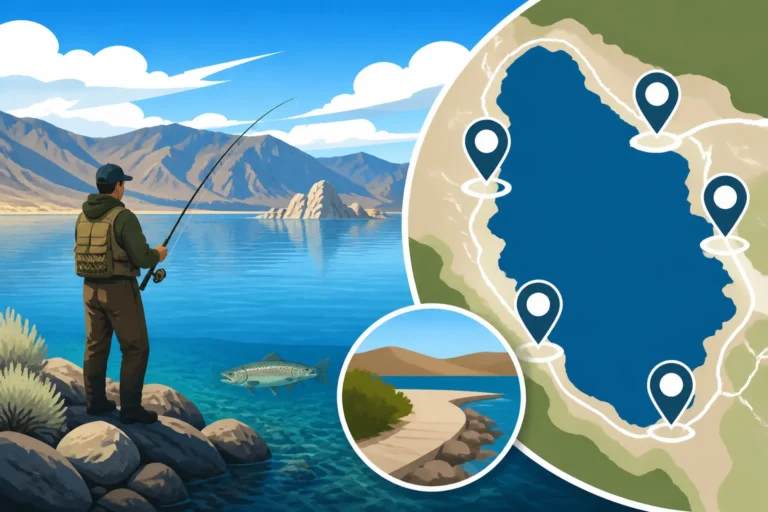
There's nothing quite like the allure of Lake Tahoe, with its breathtaking cobalt waters and the promise of a memorable day out on the boat. But for many anglers and recreational boaters, just getting onto that magnificent lake from the Nevada side can be surprisingly complex, often feeling like you're navigating a maze of regulations and limited access points. This guide aims to clear up that confusion, offering a detailed look at the best boat ramps available on the Nevada side of Lake Tahoe, ensuring your next adventure starts as smoothly as possible.
The Unique Hurdles of Boating on Lake Tahoe's Nevada Side
Launching a boat into Lake Tahoe isn't quite as straightforward as dropping it into your local pond, especially on the Nevada side. The sheer majesty of the lake comes with a responsibility to protect its pristine environment, leading to a set of regulations that can sometimes feel daunting. First and foremost, the elevation itself, sitting at over 6,200 feet above sea level, means thinner air that can affect your engine's performance if you're not used to it. The water, while stunning, is also incredibly deep and notoriously cold, even in summer, demanding extra attention to safety.
Beyond the natural elements, strict environmental protocols are in place to combat aquatic invasive species (AIS). This means every single boat entering Lake Tahoe must undergo a mandatory inspection, a process that, while vital, adds another layer of planning to your trip. You can learn more about these critical steps in our comprehensive guide on Nevada Fishing Regulations Explained and what you'll need if you're an Nevada Out-of-State Angler Requirements. Add in the sheer popularity of Tahoe, especially during peak seasons, and you can quickly find ramps become crowded, leading to long waits and frustrated launch experiences. It's not uncommon to arrive at a ramp only to find it at capacity or facing a significant queue, which can put a real damper on an otherwise perfect morning.
Top Boat Ramps for Anglers and Boaters on Nevada's Lake Tahoe
When it comes to getting your vessel into the water on the Nevada side of Lake Tahoe, your options are somewhat limited but each offers a distinct experience. Understanding these differences is key to choosing the right launch point for your specific needs, whether you're targeting trophy Mackinaw trout or simply enjoying a leisurely cruise.
Cave Rock Boat Launch
Hands down, Cave Rock is the most popular and generally reliable public boat launch on the Nevada side of Lake Tahoe. Operated by the Nevada Department of Wildlife (NDOW), it’s situated just south of Glenbrook, offering fairly easy access directly off Highway 50.
Facilities and Accessibility: Cave Rock boasts multiple launch lanes, which helps manage traffic, though it can still get incredibly busy on weekends and holidays. You'll find ample parking for vehicles and trailers, restrooms, and a convenient concession stand during peak season. The ramps are well-maintained, designed to handle a wide range of boat sizes, from small fishing boats to larger cruisers. The approach to the ramps is relatively easy, with good signage guiding you.
Angler's Perspective: For anglers, Cave Rock is a prime location. Its central location on the east shore provides quick access to a variety of fishing grounds. You can head north or south to find structures, drop-offs, and temperature breaks that attract fish. Many anglers targeting deeper species like Mackinaw trout find it an ideal starting point for their trolling runs. If you're looking for Lake Tahoe Deep Water Mackinaw Spots, launching from here puts you right in the vicinity of excellent habitat.
Pros:
- Most comprehensive facilities on the Nevada side.
- Multiple launch lanes help with efficiency.
- Good parking availability.
- Central location for fishing and recreation.
- NDOW-managed, so typically well-maintained.
Cons:
- Can become extremely crowded, leading to long wait times, especially on summer weekends.
- The required AIS inspection station is often onsite or nearby, adding to the pre-launch process.
- Fees apply for launching.
Sand Harbor Boat Launch
Located within the picturesque Sand Harbor Nevada State Park near Incline Village, this launch offers unparalleled beauty, but with a significant catch: it's incredibly popular and often reaches capacity very early, especially in summer.
Facilities and Accessibility: Sand Harbor features a single boat launch, making it less efficient for high volumes of traffic compared to Cave Rock. Parking is integrated into the state park, and while there's ample space, the park itself frequently closes to new visitors once it hits capacity, which can happen before 9 AM on busy days. The ramp itself is well-maintained, and the surrounding scenery is absolutely stunning, perfect for a leisurely day on the lake, kayaking, or paddleboarding.
Angler's Perspective: While beautiful, Sand Harbor isn't always the most practical choice for a dedicated fishing trip, primarily due to its capacity issues and the emphasis on general recreation within the state park. If you plan to fish from here, you'll need to arrive exceptionally early, often before sunrise, to guarantee entry and a launch spot. Once you're on the water, the fishing can be good, particularly for cruising shorelines for trout or heading into deeper water for Mackinaw, but the pre-launch hassle can be considerable. For those considering a guided experience, services found through platforms like FishingBooker often bypass these individual launch challenges by providing their own boats and expert captains.
Pros:
- Unbelievably scenic location within a state park.
- Good for smaller boats, kayaks, and paddleboards.
- Excellent for combining boating with other park activities (swimming, picnicking).
Cons:
- Very limited capacity; the park often closes to new entries early in the day.
- Single launch lane makes for slow processing.
- State park entry fees apply in addition to launch fees.
- Not ideal for spur-of-the-moment or solely fishing-focused trips during peak times.
Tahoe Meadows (North Canyon) Boat Launch
This isn't a formal, paved boat ramp in the traditional sense, but more of an informal access point popular with those using smaller, hand-launched vessels. Located north of Incline Village, it offers a more rustic and often less crowded alternative.
Facilities and Accessibility: Tahoe Meadows, also known as North Canyon, is essentially a beach launch where you can back a smaller trailer down to the water or simply carry your kayak, canoe, or paddleboard to the shore. There are no paved ramps, formal docks, or extensive parking facilities. Access can be a bit bumpy, and it’s best suited for 4×4 vehicles if you're attempting to launch anything with a trailer. This makes it a non-starter for larger powerboats.
Angler's Perspective: For kayakers and small boat anglers, this spot offers a quieter, more intimate connection with the lake. You can explore the northern shoreline, which can be productive for various trout species. It’s an excellent choice for those who prefer to avoid the crowds and the full inspection process of the larger ramps (though AIS regulations still apply to all vessels entering Tahoe, so planning for an inspection elsewhere is still crucial). Consider this spot if you're looking for Lake Tahoe Nevada Shoreline Fishing with a more personal touch.
Pros:
- Less crowded and more serene.
- Ideal for kayaks, canoes, stand-up paddleboards, and very small boats.
- No formal launch fees (though state park rules or local regulations may still apply to parking or access).
Cons:
- No formal ramp, requiring a beach launch.
- Limited parking, often informal and fills quickly.
- Not suitable for larger powerboats or those with larger trailers.
- Access can be rough; 4×4 recommended for launching anything with wheels.
Here's a quick comparison of the Nevada-side Lake Tahoe boat ramps:
| Feature | Cave Rock Boat Launch | Sand Harbor Boat Launch | Tahoe Meadows (North Canyon) Launch |
|---|---|---|---|
| Type | Formal Paved Ramps | Formal Paved Ramp | Informal Beach Launch |
| Vessel Suitability | All boat sizes, including large cruisers | Small to medium powerboats, kayaks | Kayaks, canoes, SUPs, very small boats |
| Facilities | Multiple lanes, parking, restrooms, concessions | Single lane, parking, restrooms, park amenities | Minimal, informal parking |
| Crowd Level (Peak) | High | Extremely High (park often closes early) | Moderate (for appropriate vessels) |
| AIS Inspection | Often onsite/nearby | Must be inspected prior to entry | Must be inspected prior to entry |
| Launch Fees | Yes | Yes (plus state park entry) | Generally no specific launch fee (parking may apply) |
| Best For | Serious anglers, larger boaters, varied recreation | Scenic boating, kayaking, family recreation (arrive early!) | Quiet launches, smaller crafts, shoreline fishing |
Essential Preparations Before Launching into Lake Tahoe
Navigating Lake Tahoe's unique boating environment requires more than just a good boat ramp; it demands thorough preparation. Ignoring these crucial steps can lead to delays, fines, or worse, environmental harm.
Aquatic Invasive Species (AIS) Inspections
This is non-negotiable for all vessels entering Lake Tahoe. Nevada and California collaborate to protect Lake Tahoe from devastating invasive species like quagga and zebra mussels. Every boat must be inspected and sealed by an authorized AIS inspection station before it can launch. This isn't just a suggestion; it's a legal requirement, and launching an uninspected boat carries hefty penalties.
The Process: You'll typically find inspection stations located on major highways leading into the Tahoe basin. Plan to arrive with a clean, drained, and dry boat. Inspectors will check all compartments, bilges, and any areas where water or debris might hide. If your boat doesn't pass the "Clean, Drain, Dry" standard, you might be directed to a decontamination facility, which adds significant time and cost. Be prepared with proof of prior inspections if applicable. Always check the current year's requirements and station locations before you head out. These stations are usually well-marked, and you can find updated information from the Tahoe Resource Conservation District or NDOW websites.
Nevada Fishing License Requirements
If your main goal is to wet a line in Lake Tahoe, remember that you'll need a valid Nevada Fishing License Guide if you're fishing the Nevada side. This is separate from any boat registration or AIS permits. The regulations for Lake Tahoe can be complex because it straddles both Nevada and California, but generally, a Nevada license is sufficient for Nevada waters, and a California license for California waters. There are specific rules regarding concurrent use, so it's always best to check the latest Lake Tahoe Nevada Fishing License Rules or consult the current Nevada Fishing Regulations booklet. Don't forget, if you plan to target trout, a Trout Stamp might be required depending on your license type and age, so be sure to check those specific details as well.
Boater Education and Boat Registration
Just like driving a car, operating a boat, especially a motorized one, comes with responsibilities. Nevada requires a Boater Education Card for certain operators. If you were born after December 31, 1982, and operate a motorboat (including personal watercraft) on Nevada waters, you are generally required to possess a Nevada Boater Education Card. This ensures you understand basic navigation, safety rules, and environmental considerations. Our guide on Nevada Boater Education Card Requirement can help you understand if this applies to you and where to take the course.
Furthermore, your boat itself must be properly registered and titled with the Nevada Department of Wildlife (NDOW) if it's primarily used in Nevada and has a motor. This includes kayaks or canoes if they have any form of mechanical propulsion. Make sure your Nevada Boat Registration and Titling Guide is up to date, and display your registration numbers clearly on your bow. Remember, law enforcement patrols Lake Tahoe regularly, and they will check for valid registration, proper safety gear, and adherence to all regulations. If you're looking for a hassle-free day and don't own a boat, consider booking a charter through a service like FishingBooker, where all these details are handled by your captain.
Essential Safety Gear
Lake Tahoe is beautiful, but it's also a large, deep, and often cold body of water. Even on a clear, sunny day, conditions can change rapidly. Always ensure you have the appropriate safety gear onboard.
Key Safety Items:
- Life Jackets (PFDs): One U.S. Coast Guard-approved PFD for every person on board, readily accessible. Children 12 and under are required to wear a PFD at all times when underway.
- Throwable Flotation Device: A ring buoy or throwable cushion.
- Fire Extinguisher: Required for boats with enclosed engine compartments or fuel tanks.
- Sound-Producing Device: A whistle or horn to signal other vessels or in emergencies.
- Visual Distress Signals: Flares or an orange flag for daytime distress.
- Navigation Lights: If operating between sunset and sunrise, or during periods of restricted visibility.
- Paddle or Oars: Even if you have a motor, a backup form of propulsion is wise.
- First-Aid Kit: For minor injuries.
- Anchor and Line: Essential for holding position, especially on windy days. Check out our guide on Essential Safety Gear for Boating on Lake Mead for more general boating safety tips that apply broadly to large Nevada reservoirs.
Maximizing Your Fishing Trip from Lake Tahoe's Nevada Ramps
Once you've successfully launched your boat from one of Nevada's Lake Tahoe ramps, the real fun begins. Lake Tahoe offers some incredible fishing opportunities, particularly for a few key species. Understanding what to target and how to approach it will make your efforts much more rewarding.
Target Species and Their Habitats
Lake Tahoe is primarily known for its trout fishing, with three main species drawing anglers from all over:
- Mackinaw (Lake Trout): These are the kings of Tahoe's deep waters. They thrive in the cold, oxygen-rich depths and can grow to impressive sizes. Mackinaw are typically found cruising rocky ledges, underwater points, and deep structure. After launching from Cave Rock, you can head directly into deeper water, often 100-300 feet, to begin your search. Check out our detailed guide on Mackinaw Lake Trout at Lake Tahoe for more specific insights into these incredible fish.
- Kokanee Salmon: While smaller, Kokanee are prized for their vibrant red flesh and spirited fight. These landlocked sockeye salmon are pelagic, meaning they roam open waters, often suspended in schools. They are delicious and fun to catch, often found at depths ranging from 30 to 80 feet, following schools of plankton.
- Rainbow Trout: Stocked and wild rainbows can be found throughout the lake, often closer to shore, around inlets, and near areas with vegetation or submerged structure. They offer excellent sport, especially for those casting from shore or trolling nearer to the surface.
Effective Fishing Techniques and Best Times
Successfully catching fish in Lake Tahoe often depends on employing the right techniques for the specific species you're targeting.
- Trolling for Mackinaw: This is by far the most popular and effective method for targeting Mackinaw. Using downriggers to get your lures to the exact depth where the fish are holding is crucial. Large spoons, flashers with a dodger and bait (like a minnow imitation or anchovy), or deep-diving crankbaits are common choices. Trolling speeds typically range from 1.5 to 3 mph. Early mornings and late evenings are often the most productive times, as Mackinaw may move slightly shallower to feed during low light. For in-depth strategies, our article on Trolling Techniques for Lake Tahoe Mackinaw is a must-read. Remember, there are specific Daily limit for Mackinaw trout at Lake Tahoe and Minimum size for keeping a lake trout at Lake Tahoe so make sure you're up-to-date on those.
- Still Fishing or Casting for Rainbows: For rainbows, especially after they've been stocked, you can often find success closer to shore. Using powerbait, worms, or small spinners and spoons can be effective. Consider casting near underwater structure or drop-offs accessible from shore or shallower boat access points.
- Kokanee Tactics: Kokanee are often caught by trolling with specialized dodgers and small lures or flies, often tipped with corn. They are very sensitive to boat traffic and depth, so a good fish finder is invaluable for locating their schools.
The best time of day to fish Lake Tahoe is usually at first light or during the last few hours before sunset. The calmer waters during these times are not only more pleasant for boating but also often coincide with increased fish activity. On busy summer days, getting out on the water before the recreational traffic picks up is highly recommended. If you're not confident in your own ability to locate these fish, booking a guided trip through a service like FishingBooker can provide you with a significant advantage, as experienced local captains know exactly where the fish are hiding and how to catch them.
No matter which ramp you choose or what species you're chasing, Lake Tahoe offers a truly unique and rewarding fishing experience. With a little preparation and respect for its pristine environment, you're sure to have an unforgettable day on its magnificent waters.
Disclaimer
The information provided in this guide is for general informational purposes only and is subject to change. Fishing regulations, license requirements, boat launch rules, and aquatic invasive species protocols are updated regularly by the Nevada Department of Wildlife (NDOW) and other governing bodies. Always consult the most current official Nevada Fishing Regulations booklet, NDOW website, and Lake Tahoe basin management websites before planning your trip to ensure compliance with all applicable laws and safety guidelines.