Fly Fishing in Nevada
There's a special kind of magic that happens when you cast a line with a fly rod, especially in a place as surprisingly diverse as Nevada. Many folks picture endless desert when they think of the Silver State, and they immediately assume fly fishing is a pipe dream here. But that couldn't be further from the truth! This guide is for all of you who are tired of generic advice and want to dive deep into the unique challenges and incredible rewards of fly fishing Nevada's breathtaking landscapes, from high-desert lakes to alpine streams.
Why Fly Fishing in Nevada is a Unique Experience
When people imagine fly fishing, they often picture lush green rivers in Montana or crystal-clear streams in the Rockies. Nevada, with its vast expanses of desert, might seem like an unlikely candidate for a premier fly-fishing destination. However, this perception couldn't be more wrong. Nevada offers an incredibly diverse range of fly-fishing opportunities, each with its own set of challenges and immense rewards. The solitude, the dramatic landscapes, and the chance to target truly unique fish species make it an experience unlike any other.
The Diverse Waters of the Silver State
Nevada’s waters range from vast, ancient lakes to serene high-mountain streams, and everything in between. You have the legendary Pyramid Lake, a remnant of ancient Lake Lahontan, home to the world-famous Lahontan Cutthroat Trout. Then there's the Truckee River, flowing from Lake Tahoe, offering incredible opportunities for brown and rainbow trout right through Reno. Venture further, and you’ll discover remote alpine lakes hidden in the Ruby Mountains or the Jarbidge Wilderness, teeming with wild trout that rarely see a fly. This variety means that no matter your preference – big water, small streams, stillwater, or moving water – Nevada has a spot that will capture your angling heart. It's a testament to the resilience of nature and the hidden gems within our seemingly arid state.
It's easy to get tunnel vision and only focus on the big-name spots, but some of the most memorable trips I've had were to obscure creeks or tiny reservoirs that don't even have a name on most maps. These smaller, often overlooked waters provide incredible solitude and a chance to truly connect with the natural world, away from the crowds. You might not catch a trophy fish every time, but the experience of exploring untouched corners of Nevada with a fly rod in hand is a trophy in itself. This rich tapestry of aquatic environments ensures that every fly-fishing trip in Nevada can feel like a brand new adventure.
Challenges and Rewards of Desert Angling
Let's be real, fly fishing in Nevada isn't always easy. The desert environment presents unique challenges that you won't find in more temperate climates. Wind, for instance, can be a constant companion, especially on the larger lakes and reservoirs, making casting a serious workout. The sun can be relentless, demanding extra attention to sun protection and hydration. Water levels, particularly in drought years, can fluctuate dramatically, changing fish behavior and access points. Fish in clear desert waters can also be incredibly spooky, requiring stealth and precise presentations.
But oh, the rewards! When you finally hook into a massive Lahontan Cutthroat at Pyramid Lake after battling the wind all day, or fool a wary brown trout on the Truckee River with a perfectly drifted nymph, the sense of accomplishment is unparalleled. The beauty of the desert landscape, with its rugged mountains, vibrant sunrises and sunsets, and an abundance of wildlife, adds an incredible backdrop to every cast. It's about more than just catching fish; it's about the journey, the challenge, and the profound connection to an untamed environment. You learn to read the water differently, adapt your techniques, and appreciate every small victory.
Essential Gear for Nevada Fly Fishing
You can't just grab any old rod and expect to conquer Nevada's diverse fly-fishing challenges. From the massive Lahontan Cutthroat of Pyramid Lake to the wary trout in high-mountain streams, each environment demands a thoughtful approach to your gear. Investing in the right tools isn't about being fancy; it's about being prepared and maximizing your chances of success, especially when you're battling the elements or targeting specific species.
Rods, Reels, and Lines for Various Waters
When it comes to fly rods, you'll want a versatile quiver if you plan to explore different parts of Nevada. For the big water of Pyramid Lake, a fast-action 7-weight to 9-weight rod, 9 to 10 feet long, is practically a necessity. This extra power helps you cast heavier rigs, cut through the often-fierce winds, and subdue those strong, deep-dwelling Lahontan Cutthroat. Pairing this with a large-arbor reel that holds plenty of backing is crucial, as these fish can make blistering runs. You'll likely want a full-sinking line or a sinking tip line to get your flies down to where the fish are holding in the depths.
For the Truckee River and other smaller to medium-sized rivers and streams, a more traditional 4-weight to 6-weight rod, 8.5 to 9 feet long, will serve you well. A medium-fast action rod offers a good balance of power for casting and sensitivity for subtle strikes. A floating line is standard for dry fly and nymph fishing in these environments, though a sink-tip can be handy for deeper pools or streamer fishing. For smaller mountain creeks, a shorter, lighter rod, like a 2-weight or 3-weight, will make casting in tight quarters a breeze and make even small trout feel like giants. Don't forget to have multiple spools with different line types (floating, intermediate, various sink rates) if your reel allows, as conditions can change rapidly. You can find a fantastic selection of rods and reels on Amazon, often with great deals.
Waders, Footwear, and Essential Accessories
Beyond your rod and reel, having the right attire and accessories is non-negotiable for comfort and safety in Nevada. Breathable chest waders are essential for nearly all types of fly fishing here, from wading the Truckee to getting out past the shelf at Pyramid Lake. Neoprene waders might seem appealing for colder months, but the versatility of breathable options, especially given Nevada's fluctuating temperatures, makes them a smarter year-round choice. Pair these with sturdy wading boots that offer excellent grip on slippery rocks and provide ankle support, as you'll often be navigating uneven terrain. Studded soles or cleated boots are a lifesaver in rocky rivers like the Truckee.
Don't forget the small but mighty accessories that make a big difference. A good quality fishing vest or pack will keep your fly boxes, tippet, nippers, and forceps organized and easily accessible. Polarized sunglasses are absolutely critical for cutting glare off the water, helping you spot fish and submerged structure. Sun protection, including a wide-brimmed hat, UPF-rated clothing, and sunscreen, is paramount in the Nevada desert's intense sun. A wading staff can also be a literal lifesaver, providing stability in swift currents or on slick bottoms. Lastly, a net with a rubberized mesh is highly recommended to protect the fish you catch, making for safer catch and release. This all ensures you're ready for everything the Nevada wilderness throws at you.
Key Fly Patterns for Nevada's Waters
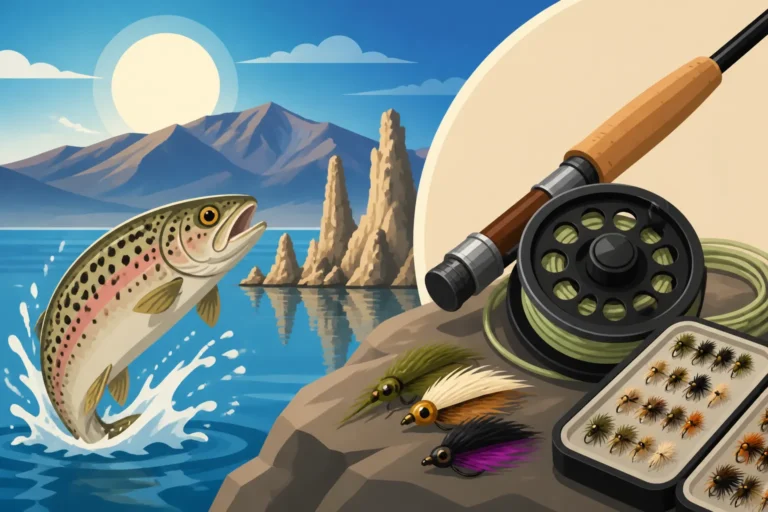
When it comes to fly fishing in Nevada, having the right flies in your box is half the battle. The diverse waters and fish species mean that a "one-size-fits-all" approach simply won't cut it. From the unique demands of Pyramid Lake to the varied appetites of river trout, understanding what the fish are feeding on and having the corresponding patterns is essential for success. It's a game of matching the hatch, or at least matching the prevailing food sources.
Pyramid Lake Specific Patterns
Pyramid Lake is a world unto itself, and its Lahontan Cutthroat Trout have very specific tastes, primarily focusing on the Tui Chub and Cui-ui baitfish, along with various aquatic insects. Your fly box for Pyramid should be well-stocked with patterns that imitate these key food sources. For chub imitations, popular choices include huge streamers like the "Pyramid Lake Beetle," "Tui Chub Streamers," and "Popcorn Beetles." These are often fished on full-sinking lines with aggressive retrieves, mimicking a fleeing baitfish. Colors like olive, black, and white tend to be most effective.
Indicator fishing with balanced leeches and midges is also incredibly popular and productive. Balanced leeches, in black, olive, or wine colors, suspended under an indicator, mimic the leeches and aquatic worms that the cutthroat forage on. Midges, in various sizes and colors (black, red, olive), are another staple, often fished in tandem with a balanced leech or other nymph. Don't forget popcorn beetles or Pyramid Lake beetles, which imitate the beetles that fall into the water. Having a range of sizes and weights for each of these patterns will ensure you're prepared for whatever the fish are keying in on. The Pyramid Lake Tribal Fishing Permit is a must-have before you even think about casting.
Truckee River and Other River Patterns
The Truckee River, being a freestone river system, requires a more classic trout-fishing fly selection. Here, you'll want to focus on nymphing, dry fly fishing, and streamer tactics, depending on the season and prevailing hatches. For nymphing, which is often the most productive method, carry a variety of stoneflies (Pat's Rubber Legs, Copper Johns), mayfly nymphs (Pheasant Tail, Hare's Ear), caddisfly larvae (Prince Nymph, Green Rock Worm), and midge patterns (Zebra Midge). Having these in different sizes (from 12 to 20) and weighted options is crucial for getting your flies down to the fish.
When it comes to dry flies, matching the hatch is key. Keep an assortment of popular mayfly, caddisfly, and stonefly imitations in various sizes. Parachute Adams, Elk Hair Caddis, Stimulators, and various terrestrials like hoppers and ants will cover most surface feeding scenarios, especially during warmer months. Streamers, such as Woolly Buggers (black, olive, brown), Sculpzillas, and Articulated Streamers, are excellent for targeting larger, aggressive trout, particularly in lower light conditions or after high water events. For specific information on seasonal patterns, checking out guides on Nevada Trout Season Dates can give you a local edge.
High Mountain Lakes and Stillwater Flies
Nevada's high mountain lakes, often found in the Ruby Mountains, Jarbidge Wilderness, or even around Lake Tahoe, offer fantastic stillwater fly-fishing opportunities for wild trout. These waters often hold brook, rainbow, and Lahontan cutthroat trout that can be incredibly eager to take a well-presented fly. For these serene environments, patterns that mimic aquatic insects and baitfish are usually most effective. Leech patterns (black, olive, maroon Woolly Buggers, Balanced Leeches), scuds, and damselfly/dragonfly nymphs are great choices, fished with a slow retrieve or under an indicator.
Dry flies can also be very effective on high mountain lakes, especially during summer evenings when hatches occur. Caddis, mayfly, and terrestrial patterns (ant, beetle, hopper imitations) are good to have. Often, simply casting a small dry-dropper rig with a general attractor dry fly and a nymph beneath can be incredibly productive. For larger lakes like the Nevada side of Lake Tahoe, targeting Mackinaw trout with large streamers or even specialized deep-jigging flies can be successful, but that’s a whole different ballgame from targeting cruising trout in smaller alpine settings.
Here's a quick table summarizing some key fly patterns for different Nevada waters:
| Water Type | Primary Species | Key Fly Patterns | Preferred Line Type |
|---|---|---|---|
| Pyramid Lake | Lahontan Cutthroat | Pyramid Lake Beetle, Tui Chub Streamer, Popcorn Beetle, Balanced Leech, Zebra Midge | Full Sinking, Sink Tip |
| Truckee River | Brown Trout, Rainbow Trout | Pat's Rubber Legs, Copper John, Pheasant Tail, Hare's Ear, Elk Hair Caddis, Parachute Adams, Woolly Bugger | Floating, Sink Tip |
| High Mountain Lakes | Brook, Rainbow, Cutthroat | Woolly Bugger (Olive, Black), Balanced Leech, Scuds, Damselfly Nymph, Elk Hair Caddis, Parachute Adams | Floating, Intermediate |
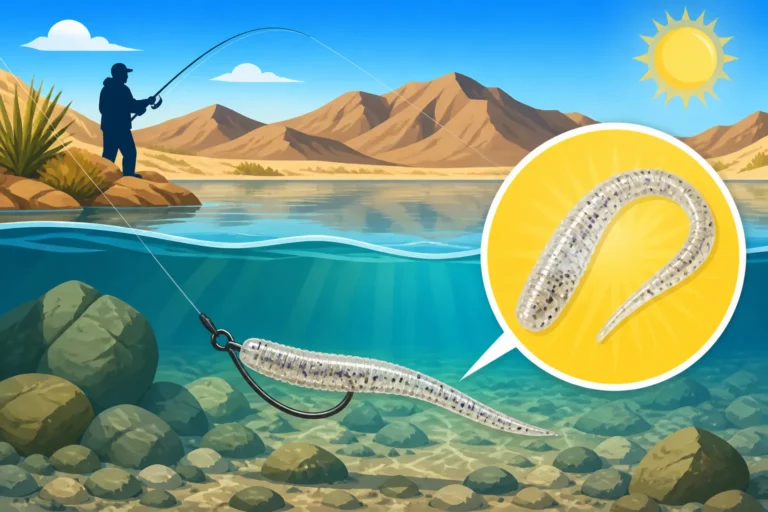
| Urban Ponds | Rainbow Trout | Power Bait Worms, Egg Patterns, Small Leeches, Micro Jigs (for fly rods) | Floating |
Top Fly Fishing Destinations in Nevada
Nevada might be known for its deserts, but hidden within its rugged beauty are some truly world-class fly-fishing destinations. These aren't just pretty places; they offer exceptional opportunities to tangle with diverse species of trout, each presenting its own unique challenge and reward. From the vast, ancient waters of Pyramid Lake to the lively flows of the Truckee River, there's a fishery for every fly angler.
Pyramid Lake: Home of the Lahontan Cutthroat Trout
Without a doubt, Pyramid Lake is the crown jewel of Nevada fly fishing. Located northeast of Reno, this enormous, alkaline lake is the last stronghold of the giant Lahontan Cutthroat Trout (LCT). These aren't your average trout; LCTs can grow to truly epic proportions, with fish over 20 pounds being caught regularly. The challenge and allure of landing one of these prehistoric giants draw anglers from all over the world. Fishing here is primarily done from shore, often from ladders or platforms that allow you to cast over the immediate shelf and into deeper water where the fish cruise.
The fishing at Pyramid Lake is highly seasonal, with the best action typically occurring from October through May, peaking in spring when the trout move shallower to spawn. Tactics usually involve stripping large streamer patterns that imitate the lake's abundant baitfish (Tui Chubs and Cui-ui), or indicator fishing with balanced leeches and midges. It's a demanding fishery, with often strong winds and challenging casting conditions, but the reward of hooking into a powerful LCT is something you'll never forget. Remember, a Pyramid Lake Fishing Permit Guide is essential, as state fishing licenses are not valid on tribal lands.
Truckee River: A Blue Ribbon Trout Stream
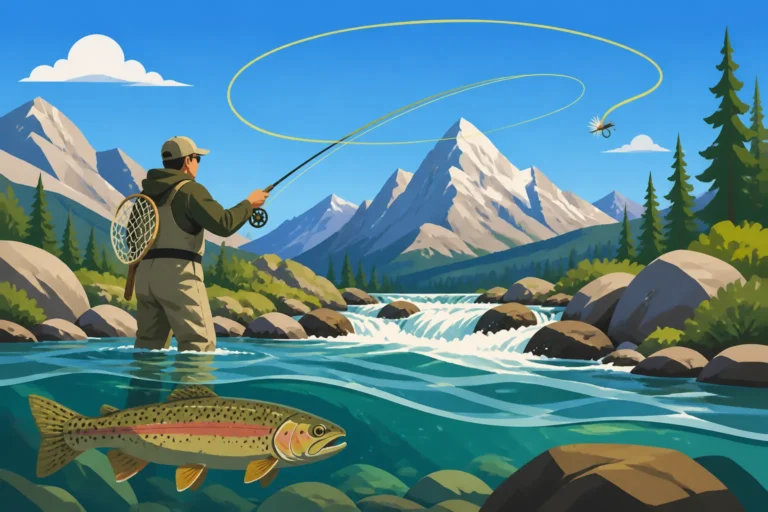
Flowing out of Lake Tahoe and carving its way through Reno before emptying into Pyramid Lake, the Truckee River is a true blue-ribbon trout stream. It offers year-round fly-fishing opportunities for healthy populations of wild brown and rainbow trout, with some Lahontan Cutthroat making their way up from Pyramid Lake. The river's character changes dramatically along its length, from high-gradient canyon sections to more mellow urban stretches. This diversity means a variety of techniques can be effective, from nymphing deep pools to throwing dry flies during prolific hatches, or stripping streamers in search of a large predatory brown.
The Truckee is a technical fishery, demanding precise casts and careful wading, especially in its clear, freestone sections. Access points are numerous, from public parks to designated fishing areas. Many anglers focus on the sections between Reno and the California border, but don't overlook the incredible opportunities closer to Lake Tahoe. It’s a fantastic place to hone your river skills, and the constant flow ensures consistent water temperatures and healthy fish. If you're looking for an incredible river experience, you'll want to explore Truckee River Fishing Near the Nevada Line.
High Mountain Lakes and Other Hidden Gems
Beyond the two titans, Nevada is dotted with countless smaller, yet equally rewarding, fly-fishing destinations. The high mountain lakes and streams of the Ruby Mountains and other ranges in eastern Nevada offer spectacular wilderness experiences. These remote waters often hold wild brook, rainbow, and cutthroat trout that are eager to take a dry fly. Access typically involves hiking, sometimes strenuous, but the solitude and stunning scenery are well worth the effort. Think of places like the Lamoille Canyon area or the Jarbidge Wilderness for truly off-the-beaten-path adventures.
Closer to the population centers, you'll find places like Wildhorse Reservoir, a fantastic stillwater fishery known for its trophy-sized rainbow and German brown trout, as well as yellow perch and smallmouth bass. South Fork Reservoir near Elko is another gem. Even the urban ponds in Las Vegas and Reno, which are regularly stocked by NDOW, can offer fun fly-fishing opportunities for beginners or for a quick escape. These smaller waters prove that Best Places to Fish in Nevada are everywhere, if you know where to look. Each of these spots, from the grand to the intimate, adds another layer to Nevada's rich fly-fishing tapestry.
Understanding Nevada's Fly Fishing Seasons and Techniques
Successfully fly fishing in Nevada means understanding how the seasons impact fish behavior and which techniques will be most effective. The state's extreme weather variations, from scorching desert summers to frigid mountain winters, drastically change what's happening beneath the surface. It's not enough to just have the right gear; you need to know when and how to deploy it.
Seasonal Strategies for Trout and Cutthroat
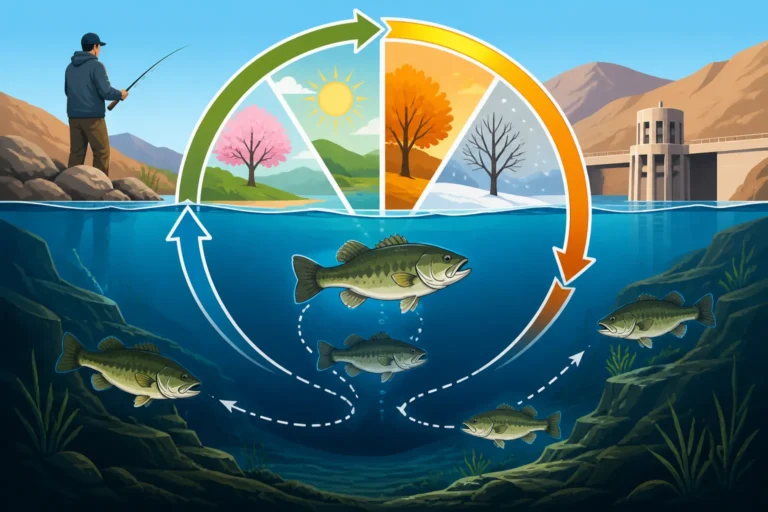
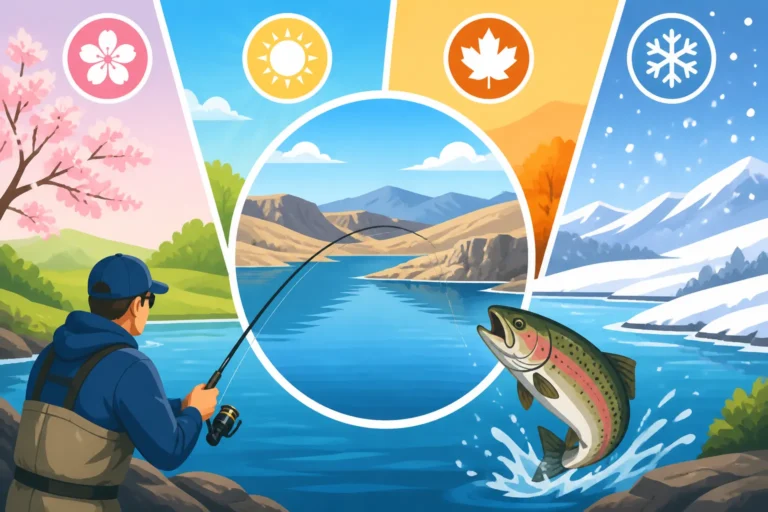
Nevada's fly-fishing seasons can be broadly categorized, with each bringing unique opportunities and challenges. Fall is often considered prime time, especially for large trout and Lahontan Cutthroat Trout (LCT). Water temperatures begin to cool, making fish more active. On the Truckee River, brown trout become aggressive as they prepare for spawning, making streamer fishing particularly effective. At Pyramid Lake, the giant LCTs move shallower, offering incredible sight fishing and stripping opportunities. This is also a fantastic time for high-mountain lakes before the snow really starts to fly, with fish feeding heavily before winter.
Winter fishing can be productive but requires dedication and often focuses on nymphing in slower, deeper pools on rivers like the Truckee. Ice fishing can also be a viable option on some lakes, but that’s a different kind of "fly" fishing entirely! At Pyramid Lake, winter can be feast or famine, but when the conditions align, some of the largest LCTs are caught. Spring is another peak season. On the Truckee, hatches become more consistent, and fish activity picks up. At Pyramid Lake, the LCT spawn run offers some of the best angling of the year. Summer can be challenging, especially in the desert heat. On rivers, focus on early mornings, late evenings, or higher elevation streams where water temperatures remain cooler. For specific dates and limits, always consult the official Nevada Fishing Season Dates and Limits guide.
Reading Water and Presentation Techniques
No matter the season, learning to read the water is fundamental to fly fishing success. On rivers, look for seams where fast water meets slow, current breaks, riffles, eddies, and undercut banks – these are prime holding lies for trout. Understanding how currents affect your drift is crucial for nymphing; a natural, drag-free drift is often the difference between catching and spooking a fish. For dry flies, identifying where fish are rising and carefully presenting your fly upstream of their feeding lane is key.
On stillwaters like Pyramid Lake or high mountain lakes, reading the water means looking for structure, depth changes, baitfish schools, and signs of feeding activity. Wind lanes (where surface currents converge) can concentrate food and fish. When indicator fishing, understanding the depth at which fish are feeding is vital, and adjusting your leader length accordingly. Stripping streamers requires varying retrieve speeds and pauses to imitate injured baitfish. Always approach the water stealthily; fish in Nevada's clear waters can be incredibly wary. The article on How to Fish for Trout in Nevada delves deeper into these techniques.
Navigating Regulations and Conservation
Fly fishing in Nevada offers incredible opportunities, but it's vital to remember that these pristine environments and healthy fish populations are a shared resource. Understanding and adhering to the regulations, and practicing ethical conservation, ensures these opportunities remain for future generations. It's not just about avoiding fines; it's about being a responsible steward of nature.
Licenses, Permits, and Stamps
Before you even think about wetting a line, you need to ensure you have the proper licensing. Every angler over the age of 12 needs a valid Nevada Fishing License Guide, whether you're a resident or a nonresident. These licenses can be purchased online through the Nevada Department of Wildlife (NDOW) website, or from authorized vendors like sporting goods stores (such as some Sportsman's Warehouse or Bass Pro Shops locations). You can learn more about how to purchase one in How to Buy a Nevada Fishing License Online.
Beyond the general license, some specific fisheries require additional permits. As mentioned, Pyramid Lake requires a tribal permit, not a state license. If you plan on targeting trout, especially in stocked waters or areas known for trout, you might also need a Nevada Trout Stamp Requirements. Always double-check the current regulations booklet (available online or at license vendors) for the specific body of water you intend to fish, as rules can change annually and vary by location, even within the same state. Ignoring these requirements can lead to hefty fines and a spoiled trip.
Catch and Release Ethics and Species Protection
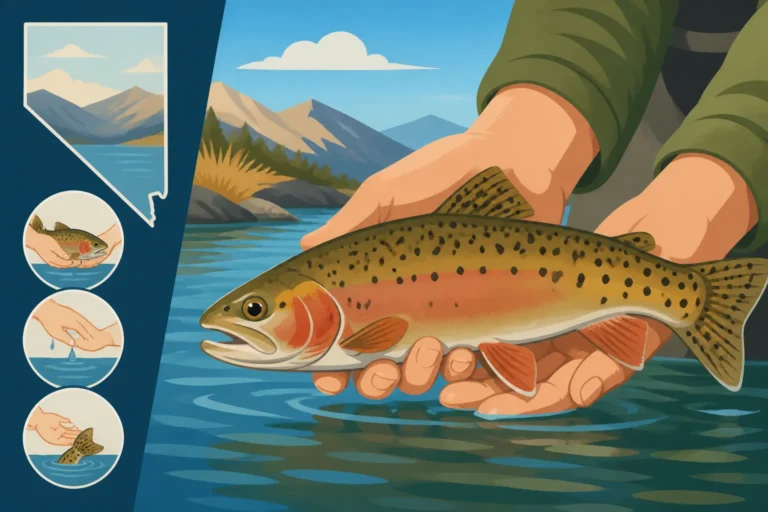
Many of Nevada's premier fly-fishing destinations, particularly for trout and Lahontan Cutthroat, heavily emphasize or even mandate catch and release. Practicing proper catch and release techniques is crucial for the survival of the fish and the health of the fishery. Always use barbless hooks, or pinch down the barbs on your barbed hooks. This makes hook removal easier and minimizes damage to the fish. When handling fish, wet your hands thoroughly before touching them to protect their protective slime coat.
Avoid lifting fish out of the water by the jaw or tail, especially larger fish; support their body weight. Try to keep them in the water as much as possible, and remove the hook quickly with forceps or pliers. If a fish is exhausted, hold it gently facing upstream in a current until it regains its strength and swims away on its own. Specific regulations, like the slot limits for Lahontan Cutthroat at Pyramid Lake, are in place to protect spawning fish and larger trophy specimens. Understanding and respecting these rules, as detailed in the comprehensive Nevada Fishing Regulations Explained guide, is paramount to responsible angling and ensures future generations can enjoy the same incredible fishing experiences we do.
Troubleshooting Common Fly Fishing Challenges in Nevada
Let's be honest, fly fishing in Nevada, while incredibly rewarding, isn't always sunshine and cooperative fish. The unique environment of the Silver State throws a few curveballs that can frustrate even seasoned anglers. But don't despair! Understanding these common challenges and having a few tricks up your sleeve can turn a tough day into a triumph.
Dealing with Wind and Clear Water Conditions
The wind is arguably the most common and persistent challenge for Nevada fly anglers, especially on large, open bodies of water like Pyramid Lake or even the Truckee River. Strong gusts can make casting a nightmare, creating tangles and preventing accurate presentations. My first tip for dealing with wind is to choose a heavier rod (a 7-weight or 8-weight, for example) which has more power to cut through the gusts. Practice your double haul cast – it's a game-changer for generating line speed. On extremely windy days, consider fishing sheltered coves or points if available, or simply adapt by making shorter, more controlled casts. Sometimes, turning your back to the wind and making a roll cast is the only way to get a fly out there. Don't be afraid to add a little extra weight to your leader or use slightly heavier flies to help penetrate the wind and achieve depth.
Nevada's waters, especially the high-desert lakes and mountain streams, are often incredibly clear. While beautiful, this also means fish can be incredibly spooky. Stealth is your best friend. Approach the water slowly and quietly, minimizing your silhouette. Wear drab clothing that blends with the surroundings. For leaders and tippet, go lighter and longer than you might elsewhere. Using fluorocarbon tippet, which is nearly invisible underwater, can make a huge difference. When presenting your fly, aim for soft, accurate casts that don't splash down loudly. Avoid false casting too much directly over the fish's head, as the line shadow can easily spook them. Sometimes, targeting areas with a bit more chop on the surface or casting to structure that provides cover can make fish feel more secure and less wary.
Adapting to Spooky Fish and Variable Hatches
Spooky fish in clear water go hand-in-hand with inconsistent or subtle hatches. Unlike some famous trout streams with predictable, heavy insect emergences, Nevada's hatches can be sporadic or localized. This means you often can't rely solely on matching a visible hatch. Instead, be prepared to fish a variety of patterns and depths. If you don't see fish rising, start by nymphing the deeper sections or under indicators, targeting the most consistent food source for trout. Have a good selection of general attractor nymphs and common bug imitations (midges, mayflies, caddis, stoneflies).
When fish are rising, and you've tried matching the visible insect without success, consider a slightly larger or smaller pattern, or even a different general attractor dry fly. Sometimes the fish are keying on emergers just below the surface, or even cripples struggling to get off the water. If all else fails, a small terrestrial (ant, beetle) can often fool a wary fish, as they are opportunistic feeders. For Lahontan Cutthroat at Pyramid, sometimes the "spookiness" is less about your presentation and more about their mood. If they're not hitting flies stripped fast, slow down your retrieve, or switch to indicator fishing with balanced leeches and midges. It's all about experimentation and observation, constantly adjusting your strategy until you find what works for that particular day and location.
Planning Your Nevada Fly Fishing Adventure
So, you're ready to explore the incredible fly-fishing opportunities Nevada has to offer? Fantastic! Planning ahead is key to a successful and enjoyable trip, especially given the state's diverse geography and sometimes remote locations. From hiring a local expert to knowing where to find the best intel, a little preparation goes a long way.
Hiring Guides and Finding Local Resources
While it's entirely possible to explore Nevada's fly-fishing waters on your own, especially with resources like this guide, hiring a local fly-fishing guide can significantly enhance your experience, particularly if you're new to a specific area or targeting a challenging species like the Lahontan Cutthroat. A good guide knows the current conditions, the hot spots, the most effective flies, and how to navigate local nuances. They can save you hours, or even days, of trial and error. For Pyramid Lake, a guide is almost invaluable for understanding the lake's vastness and the subtle techniques needed to consistently catch fish. For the Truckee River, a guide can help you master the technical aspects and identify productive runs.
Look for reputable guide services that specialize in the specific waters you want to fish. Many local fly shops in Reno, like Reno Fly Shop, or even small towns near major fisheries, offer guided trips and are excellent sources of up-to-date information. They'll also be able to point you towards the best local tackle and fly selections. Don't underestimate the value of striking up a conversation with local anglers or fly shop staff; they often have invaluable insights into recent conditions and patterns. For a comprehensive list of what to pack, you might check out our guide on Nevada Fishing Gear Essentials.
Trip Planning and Accommodation Tips
Nevada offers a wide range of accommodation options, depending on your chosen fishing destination. If you're heading to Pyramid Lake or the Truckee River, Reno provides a full spectrum of hotels, motels, and Airbnb options. For a more rustic experience near Pyramid, there are basic cabins available, or you can opt for camping at designated sites around the lake, though amenities are limited. When fishing the Truckee, you can stay in Reno or closer to Lake Tahoe in towns like Truckee, California, or Incline Village, Nevada.
For high mountain lakes and more remote streams, camping is often your best bet. Many state parks and national forests offer developed campgrounds, or you can opt for dispersed camping in designated areas, always adhering to Leave No Trace principles. Always check current weather forecasts, road conditions (especially for high-elevation areas that might be snow-bound in spring or fall), and any fire restrictions before you go. Remember to pack plenty of water, especially for summer trips to desert lakes, and consider bringing layers of clothing to adapt to Nevada's often dramatic temperature swings. Lastly, having a detailed map, whether paper or on a reliable GPS device, is crucial when venturing into less-traveled areas.
Disclaimer
Please note that fishing regulations, license requirements, and local conditions can change. Always consult the official Nevada Department of Wildlife (NDOW) website or their current fishing regulation booklet before embarking on any fishing trip. Adhere to all local, state, and tribal laws, and practice responsible angling to ensure the conservation of Nevada's natural resources.