Best Bait for Nevada Trout
It's incredibly frustrating, isn't it? You spend good money on a Nevada fishing license, scout out a promising spot, cast your line with anticipation, and then… nothing. Those elusive Nevada trout seem to turn their noses up at everything you offer. It can feel like a guessing game, especially with the variety of waters we have here, from high mountain lakes to desert reservoirs and urban ponds. What works in one spot might totally bomb in another, leaving you wondering if you're even using the right stuff.
Well, you're not alone in that struggle, and that's precisely why we're here. This comprehensive guide is going to pull back the curtain on the best baits for Nevada trout, giving you the insider knowledge to make those fish actually bite. We'll dive deep into understanding what trout eat, explore a smorgasbord of bait options—both natural and artificial—and teach you how to pick and present them like a seasoned pro, no matter where you're fishing in the Silver State.
Understanding Nevada Trout and Their Diet
Before we even talk about specific baits, it's crucial to understand the fish themselves. Nevada is home to a few different trout species, each with their own quirks and dietary preferences, often influenced by whether they're wild, native, or freshly stocked. Knowing your target and its environment is the first step to choosing the perfect offering.
Native Lahontan Cutthroat Trout Preferences
Our state's native Lahontan Cutthroat Trout are truly special, and you'll primarily find the trophy-sized ones thriving in places like Pyramid Lake. These fish are survivors, having evolved in unique high-desert environments. Their diet is often dictated by the local forage, which can include smaller baitfish like tui chub, various insects (both aquatic and terrestrial), and even a healthy dose of brine shrimp in certain alkaline lakes. They're often opportunistic feeders but can also be incredibly selective, especially the larger, older fish.
When targeting these magnificent creatures, it's less about "bait" in the traditional sense and more about presentations that mimic their natural food sources. Think about what's available to them in their specific environment. Large, robust flies that imitate baitfish or crayfish can be extremely effective, as can lures that swim and flash like a fleeing chub. Understanding the unique ecosystem of a lake like Pyramid is paramount, as their diet here is very different from a typical mountain stream. The bigger the cutthroat, the more likely it's looking for a substantial meal, so don't be afraid to go big with your offerings.
Stocked Rainbow and Brown Trout Habits
The vast majority of trout fishing opportunities across Nevada, especially in urban ponds and many reservoirs, come courtesy of the Nevada Department of Wildlife (NDOW) stocking programs. These are predominantly rainbow trout, with some brown trout and a few other hybrids mixed in. Stocked trout, particularly fresh stockers, behave quite differently from their wild cousins. They've often been raised on pellet food in hatcheries, so they're pre-conditioned to eat anything resembling a small, easy meal. This makes them relatively easy to catch initially, but they can quickly become "educated" once they've been pressured by anglers for a while.
Brown trout, on the other hand, even when stocked, tend to retain a bit more of their wild instincts. They're often more wary and become predatory on smaller fish and larger insects as they grow. While rainbows might chase a bright PowerBait, brown trout might prefer a minnow imitation or a more subtle, natural presentation. Always check the Nevada Trout Stocking Schedule if you're targeting these hungry fish in urban ponds, as knowing when they were last put in can dramatically increase your success rates.
Seasonal Changes in Trout Foraging
Just like us, trout's appetites and where they feed change with the seasons. In the spring, after the ice melts and waters warm up, trout become very active. They'll cruise shallow areas looking for insects and newly active baitfish. This is a prime time for many different baits and lures. As summer heats up, especially in our desert lakes, trout often retreat to deeper, cooler water where oxygen levels are better. This means you'll need to present your bait deeper and closer to the bottom, or target them during cooler periods like dawn and dusk.
Fall can be fantastic as water temperatures drop again, triggering a feeding frenzy before winter. Trout will fatten up, and larger predatory fish like brown trout will actively chase bigger meals. Winter, particularly where ice fishing is possible, sees a slowdown in metabolism, meaning slower presentations and smaller baits are often more effective. Understanding these Nevada Fishing Seasons by Month will help you match your bait and technique to what the trout are naturally inclined to eat.
Top Natural Baits for Nevada Trout
When it comes to tempting a trout, sometimes you just can't beat nature's offerings. Natural baits appeal to a trout's instincts, smelling and tasting like real food. They're often the go-to for many anglers, especially when fishing for stocked trout or in situations where trout are less aggressive.
Worms and Nightcrawlers: The Universal Appeal
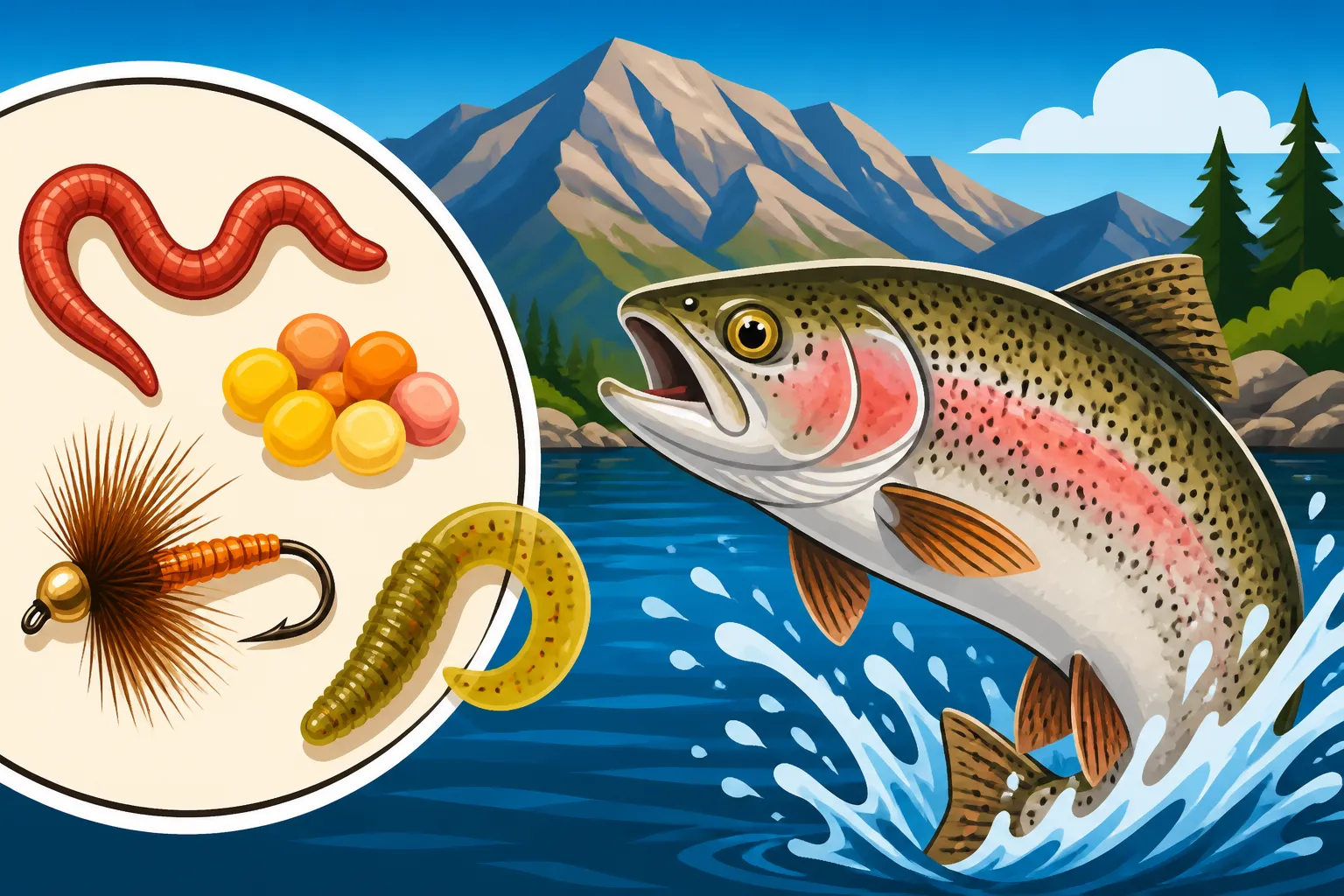
Ah, the humble worm. If there's one bait that's probably caught more fish than any other, it's a good ol' earthworm or nightcrawler. Their squirming action, natural scent, and organic appeal make them incredibly effective for virtually all trout species, especially stocked rainbows. They're easy to find, relatively inexpensive, and simple to rig, making them a fantastic choice for beginners and seasoned pros alike.
For smaller, freshly stocked trout in urban ponds or stream fishing, a piece of a nightcrawler or a smaller garden worm is often perfect. You can fish them on a small hook under a bobber, allowing them to drift naturally with the current or slowly sink in still water. For larger trout, especially those with a bit more wild instinct, a whole nightcrawler or a larger worm can be irresistible. Consider threading the worm onto the hook to keep it secure, leaving a bit of the tail free to wiggle enticingly. The key is to make it look as natural as possible, as if it just fell into the water.
PowerBait and Scented Dough Baits: A Stocking Staple
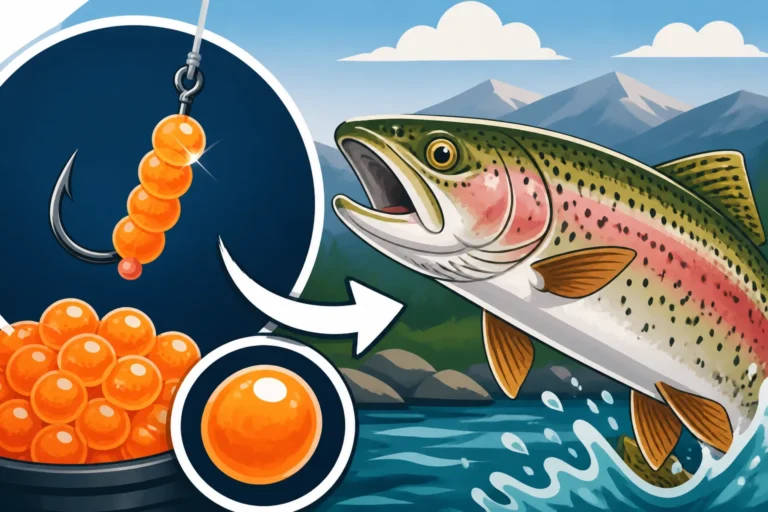
If you're targeting stocked rainbow trout, particularly in community ponds or heavily fished reservoirs, PowerBait is practically magic. Developed by Berkley, this scented, moldable dough bait comes in a dazzling array of colors and flavors, often infused with glitter to add visual attraction. It's designed to mimic the pellet food trout were raised on in hatcheries, making it instantly recognizable and appealing to them.
PowerBait typically floats, which is a huge advantage. You can mold it around a small treble or single hook, often in an egg shape, and then use a sinker to get it down to the bottom. The bait will then float up off the bottom, presenting a tempting target right in the trout's strike zone. Chartreuse, rainbow, and natural colors are usually good starting points. Brands like Berkley PowerBait and Pautzke's Bait Eggs are widely available, and you can find a huge selection on online retailers like Amazon. Experiment with different colors and scents – what works one day might be ignored the next.
Live Minnows and Other Forage Fish
For predatory trout, particularly larger brown trout, lake trout (Mackinaw), and even big Lahontan cutthroats, nothing beats a live minnow. The erratic darting, flashing, and natural scent of a live baitfish is often too much for a hungry trout to resist. This is a more active form of fishing that often yields bigger fish, but it does come with specific considerations.
Using live minnows often requires a separate baitfish permit in some areas, and there are strict rules about what species can be used and where. Always check the Nevada Fishing Regulations Explained before heading out. When legal, a small shiner, fathead minnow, or other local baitfish, hooked lightly through the lip or dorsal fin, can be fished under a bobber or on a slow troll. The goal is to keep the minnow alive and actively swimming, as its natural movement is the primary attractant. This is a phenomenal tactic for those larger, more wary trout that have seen every other lure and bait imaginable.
Effective Artificial Lures for Trout
Sometimes, trout are looking for action, flash, and a challenge. This is where artificial lures shine. They allow you to cover more water, imitate a wider range of prey, and elicit aggressive strikes from territorial or hungry trout. Plus, there's a certain satisfaction that comes from fooling a fish with something you're actively working.
Spinners and Spoons: Flash and Vibration
Spinners and spoons are classic trout lures for a reason: they work. Their flashing blades and wobbling action create a disturbance in the water that mimics fleeing baitfish or insects, triggering a trout's predatory instincts. They're incredibly versatile and effective in a variety of conditions, from clear mountain streams to large reservoirs.
Brands like Mepps, Panther Martin, and Acme Tackle's Kastmaster are household names for a reason. For spinners, look for sizes ranging from #0 to #2 for smaller trout, and up to #3 or #4 for larger fish in bigger water. Color choice can be important; silver, gold, and copper blades are always reliable, while bright colors like chartreuse or orange can be effective in stained water or on overcast days. Spoons like the Kastmaster, Little Cleo, or Thomas Buoyant offer a different kind of wobble and flash, and their weight often allows for longer casts. Vary your retrieve speed and depth until you find what the fish are keying in on. These are excellent choices if you're exploring new waters and trying to locate active fish, offering a great way to cover water efficiently. Many anglers stock up on a variety of sizes and colors on Amazon before hitting the water.
Small Crankbaits and Jerkbaits: Mimicking Prey
When trout are actively feeding on small baitfish, crankbaits and jerkbaits can be incredibly effective. These lures are designed to imitate the swimming action of minnows, chubs, or other small forage fish. Crankbaits typically dive to a specific depth when retrieved, while jerkbaits are meant to be twitched and paused, creating an erratic, dying-fish action.
For trout, focus on smaller sizes, generally 1 to 3 inches. Look for realistic patterns that mimic local baitfish, like shad, perch, or generic minnow colors. Silver, blue, black, and natural tones are usually good starting points. Brands like Rapala (especially their Countdown and Original Floater series), Yo-Zuri, and Rebel offer excellent options. The key with these lures is varying your retrieve. For crankbaits, try a steady retrieve with occasional pauses. For jerkbaits, a "twitch-twitch-pause" retrieve often drives trout wild. They're particularly good when you're looking to target larger, more aggressive trout that are actively hunting.
Soft Plastics and Jigs: Finesse Presentations
Sometimes trout are finicky, or they're holding deep and aren't interested in chasing a fast-moving lure. This is when soft plastics and jigs really shine. They offer a more subtle, finesse presentation that can tempt even the most reluctant trout. These baits can imitate a wide variety of natural food, from insects and worms to small baitfish.
Tiny grub-tailed soft plastics, micro jigs, or plastic worm imitations are all excellent choices. Colors can range from natural browns, greens, and whites to brighter options like pink or chartreuse. Rig them on a small jig head (1/32 to 1/8 ounce) and work them slowly along the bottom or through the water column. The action is imparted by subtle twitches of your rod tip, allowing the soft plastic to undulate enticingly. Brands like Berkley Gulp! Alive! offer scented soft plastics that combine the visual appeal of a lure with the olfactory attractant of bait. This is a great technique for fishing in deeper sections of lakes or targeting trout in holding patterns in rivers, offering a different approach compared to more active presentations.
Fly Fishing Flies for Nevada Trout
Fly fishing offers a uniquely engaging way to target trout, mimicking their natural insect and aquatic prey with delicate precision. Nevada's diverse waters, from the Truckee River to high mountain lakes, offer fantastic opportunities for fly anglers. Each type of fly serves a distinct purpose, designed to imitate a specific food source at a particular depth.
Nymphs and Wet Flies: Subsurface Success
The vast majority of a trout's diet consists of aquatic insects in their larval or nymphal stages, living on the bottom or drifting through the water column. This makes nymphs and wet flies incredibly effective, especially when there's no obvious hatch occurring on the surface. These flies are designed to sink and imitate these subsurface insects.
Popular nymph patterns for Nevada trout include the Copper John, Prince Nymph, Pheasant Tail, Hare's Ear, and various midge patterns. Wet flies, like the Soft Hackle, are fished just under the surface, imitating emerging insects. To fish nymphs effectively, you often need to add split shot or use a weighted fly line to get them down to the fish's feeding lane. A strike indicator (a small bobber-like device) can help detect subtle takes. The key is to achieve a natural, drag-free drift, making the fly appear as an easy meal floating by. This method is often the most consistent producer, as trout are almost always feeding on something beneath the surface. For those who want to learn more, exploring different Fly Fishing Gear for Pyramid Lake will give you a good idea of specialized setups.
Dry Flies and Terrestrials: Surface Action
There's nothing quite like seeing a trout rise to take your dry fly off the surface. Dry flies imitate adult insects that have landed on the water or are emerging from it. This is often the most visually exciting form of fly fishing, but it's usually dependent on specific insect hatches or ideal weather conditions.
Common dry fly patterns include various caddis, mayfly, and stonefly imitations, as well as attractor patterns like the Royal Wulff or Stimulator. When no aquatic insects are hatching, terrestrial patterns, which imitate land-based insects like grasshoppers, ants, or beetles that have fallen into the water, can be very effective, particularly in late summer and fall. Fishing dry flies requires precise casting and presentation, as any drag on the line can make the fly look unnatural. Success often hinges on "matching the hatch"—identifying the insects that trout are currently feeding on and using a fly that closely resembles them in size, shape, and color.
Streamers: Aggressive Imitations
Streamers are the fly angler's equivalent of a lure, designed to imitate baitfish, leeches, or other larger prey. They're typically fished with a stripping retrieve, creating an aggressive, darting action that can provoke powerful strikes from larger, predatory trout. If you're looking for a trophy brown trout or a big Lahontan cutthroat, streamers are often your best bet.
Popular streamer patterns include the Woolly Bugger (a versatile fly that can imitate many things), Clouser Minnow, and various sculpin or baitfish patterns. Colors can range from natural olive, black, and brown to brighter white, chartreuse, or even pink, depending on the water conditions and the specific forage you're trying to imitate. Streamers are usually fished on a sink-tip or full-sinking fly line to get them down to the desired depth. A fast, erratic retrieve with pauses can trigger a chase, as you make the streamer look like a vulnerable, fleeing meal. This is a more active, hunting style of fly fishing that can be incredibly rewarding.
Matching Your Bait to the Fishing Scenario
One of the biggest keys to consistent trout fishing success in Nevada is understanding that no single bait or lure works everywhere, all the time. The environment you're fishing in—whether it's a vast lake, a winding river, or a small pond—plays a huge role in what bait will be most effective.
Stillwater Lakes and Reservoirs
Nevada's lakes and reservoirs, like Lake Tahoe, Wildhorse Reservoir, or many smaller impoundments, offer diverse trout fishing opportunities. In these stillwater environments, trout can be found at various depths, from cruising the shallows to holding deep near structure. Your bait choice and presentation will depend heavily on where the fish are and what they're currently eating.
For stocked trout, especially right after a stocking, PowerBait fished off the bottom with a sinker is incredibly effective. Bright colors like chartreuse or rainbow PowerBait are often irresistible. For deeper fish, trying to catch those elusive Mackinaw trout at Lake Tahoe, you'll want to use spoons, jigs, or even live minnows trolled at depth. Baitfish imitations, whether they're crankbaits or large streamers, work well when trout are actively feeding on chubs or other small fish. When fishing from shore, a long cast is often advantageous, so lures like Kastmasters or weighty spinners can cover more water. Remember to adjust your depth frequently, as trout can move throughout the water column depending on light, temperature, and food availability. This is especially true for those wanting to learn How to Catch Trout in a Desert Reservoir.
Rivers and Streams
Fishing for trout in Nevada's rivers and streams, such as the Truckee River or high-elevation mountain creeks, presents a unique set of challenges and rewards. Here, trout are often holding in current seams, behind rocks, or in deeper pools, waiting for food to drift by. Natural presentations are often king in these environments.
Worms or pieces of nightcrawlers, fished naturally with minimal weight, are incredibly effective. Allow them to tumble and drift downstream as if they were naturally dislodged. For fly anglers, nymphing is a go-to technique, as most of a stream trout's diet is subsurface insects. Dry flies can be phenomenal during a hatch, but be prepared with nymphs for when the surface action dies down. Spinners like Mepps or Panther Martin are also excellent, cast upstream and retrieved just fast enough to get the blade spinning as they drift back down. The key in rivers is to understand how the current affects your presentation and to aim for a natural drift that doesn't spook the fish. Pay attention to structure and changes in current speed, as these are prime holding spots for trout. You might also want to check the specific Nevada Barbless Hook and Bait Rules for river fishing.
Urban Ponds and Heavily Stocked Waters
Nevada's urban ponds, like those in Las Vegas at Floyd Lamb Park or Sunset Park, are fantastic resources for family fishing and for anglers looking for consistent action. These waters are heavily stocked, primarily with rainbow trout, and the fish here behave somewhat predictably. This makes them great spots for beginners, but the trout can also become "educated" quickly.
As mentioned, PowerBait is incredibly popular and effective in these ponds. Because the fish are often recently stocked and fed on pellets, they're programmed to eat anything resembling their hatchery food. Fishing PowerBait on a small hook with a sinker, allowing it to float a foot or two off the bottom, is a classic and successful setup. Small worms, salmon eggs, or even corn can also work wonders. For those who prefer lures, small spinners (size #0 or #1) retrieved slowly can trigger strikes. The key here is often patience and varying your retrieve or bait color until you find what the fish are responding to on that particular day. These waters are perfect for a quick trip and often have easy access, making them ideal for kids learning How to fish for trout with a bobber.
Here's a quick comparison of common trout baits:
| Bait Type | Primary Target Trout | Best Scenario(s) | Pros | Cons |
|---|---|---|---|---|
| Nightcrawlers/Worms | All Trout (esp. stocked & wild) | Rivers, Streams, Ponds, Lakes | Universal appeal, natural scent/action, accessible | Can be messy, smaller fish may steal bait |
| PowerBait (Dough/Eggs) | Stocked Rainbow Trout | Urban Ponds, Stocked Lakes/Reservoirs | Floats off bottom, pre-scented, various colors | Less effective for wild/native trout, messy to handle |
| Live Minnows | Large Brown, Mackinaw, Cutthroat | Deeper Lakes, Reservoirs | Irresistible natural action/scent for large fish | Regulations vary, requires proper care, can be expensive |
| Spinners/Spoons | All Trout | Lakes, Rivers, Streams (covering water) | Flash & vibration attract aggressive fish, durable | Less effective for finicky fish, can snag on bottom |
| Small Crankbaits | Aggressive Trout | Lakes, Rivers (mimicking baitfish) | Realistic swimming action, reaches specific depths | Can be expensive, less versatile for slower retrieves |
| Nymphs/Wet Flies | All Trout (fly fishing) | Rivers, Streams, Lakes (subsurface) | Mimics natural insect diet, highly effective | Requires fly fishing gear/skill, often subtle bites |
| Dry Flies/Terrestrials | All Trout (fly fishing) | Rivers, Streams, Lakes (surface) | Exciting visual strikes | Dependent on hatches/weather, precise presentation needed |
| Streamers | Large Predatory Trout | Lakes, Rivers (imitating baitfish/leeches) | Triggers aggressive strikes from big fish | Requires specific retrieval techniques, can be heavy to cast |
Essential Bait Rigging and Presentation Tips
Having the best bait in the world won't do you much good if you don't present it properly. The way you rig your bait, cast it, and retrieve it can be just as crucial as the bait itself, especially when dealing with wary Nevada trout.
Proper Hooking and Bait Placement
This might seem basic, but it's where many anglers go wrong. When using natural baits like worms, you want to hook them in a way that allows for maximum natural movement while still securing them firmly. For a nightcrawler, you can thread it onto the hook, leaving the ends dangling, or simply hook it once or twice through the body to create a lively, wriggling presentation. The goal is to make it look alive and appetizing. For PowerBait, mold it securely around a small treble or single hook, completely covering the hook point, into a ball or egg shape. This helps it float and prevents the fish from feeling the hook.
For live minnows, hooking them through the lips or lightly through the back (above the lateral line, avoiding the spine) allows them to swim naturally. Always use hooks appropriate for the size of your bait and target fish. Too large a hook will deter bites, while too small might not hold a thrashing trout. When using lures, ensure the split rings and hooks are in good condition. Dull hooks will result in missed strikes.
Casting and Retrieval Techniques
Your casting and retrieval techniques need to match your bait and the environment. When casting PowerBait in a lake, a smooth, accurate cast is important to get it to your desired spot without slinging the bait off the hook. Once it's settled, a slow, patient retrieve with occasional pauses is often best, or simply letting it sit in the strike zone. For spinners and spoons, a steady retrieve that keeps the blade spinning or the spoon wobbling is usually effective. Experiment with retrieve speed: sometimes a fast retrieve triggers a reaction strike, other times a slow, methodical pace is what they want.
In rivers, casting upstream and allowing your bait or lure to drift naturally downstream is crucial. This "drift fishing" or "dead drifting" technique, especially with worms or nymphs, mimics a natural food source caught in the current. Always try to mend your line to avoid drag, making your bait look as natural as possible. Learning these techniques takes practice, but understanding how to present your bait convincingly is the difference between an empty stringer and a successful day. Knowing the Best Time of Year to Fish in Nevada can also dictate how aggressively or subtly you need to present your offerings.
Understanding Line, Leader, and Swivel Choices
The right terminal tackle – your line, leader, and swivels – can make or break your trout fishing experience. Trout, especially in clear Nevada waters like Lake Tahoe, can be incredibly line-shy. Using too heavy a line can be a major deterrent. For most trout fishing, a 4 to 6 lb test monofilament or fluorocarbon line is ideal. Fluorocarbon is nearly invisible underwater and has excellent abrasion resistance, making it a great choice for leaders, while monofilament offers more stretch and ease of knot tying. Many anglers prefer to use a main line of braided line for strength and sensitivity, then tie on a fluorocarbon leader for stealth. You can find high-quality fishing lines for all applications on Amazon.
Swivels are used to prevent line twist, especially with spinners or when drift fishing, and snap swivels allow for quick lure changes. Always use the smallest swivel possible that can handle the breaking strength of your line; large, bulky swivels will spook fish. Choosing the right gear from your rod and reel down to your terminal tackle ensures that your perfectly selected bait is presented in the most appealing way possible, increasing your chances of a successful catch. Consider exploring different Best Spinning Reels for Trout Fishing to optimize your setup for Nevada trout.
Disclaimer
Fishing regulations, stocking schedules, and local conditions can change frequently. Always consult the latest Nevada Department of Wildlife (NDOW) regulations before heading out. Safety first on the water!