Best month to catch largemouth bass in Nevada
Trying to figure out the absolute best time to catch largemouth bass in Nevada can feel like chasing a mirage in the desert – sometimes they're right there, and sometimes they're completely elusive. Many anglers get frustrated by the seemingly unpredictable nature of these powerful fish, especially with Nevada's unique and often extreme climate. This guide is here to cut through the guesswork, helping you pinpoint the prime months and understand the bass behavior that dictates when and where to cast your line for a truly successful largemouth bass fishing adventure.
Understanding the Largemouth Bass Annual Cycle in Nevada
Largemouth bass, like most fish, are highly influenced by their environment, especially water temperature and the changing seasons. Nevada's desert lakes and reservoirs present unique challenges and opportunities that differ significantly from other parts of the country. Knowing their annual cycle is key to predicting their movements and feeding habits.
Water Temperature's Role in Bass Activity
Water temperature is the single most critical factor dictating when and where largemouth bass will be most active and vulnerable to anglers. As the water warms up in spring, their metabolism increases, making them more energetic and hungry. They move from their deep winter haunts into shallower, warmer water, preparing to spawn. Conversely, as temperatures soar in the summer or plunge in the winter, their activity can slow down dramatically, or they'll retreat to more comfortable depths. Think of it like us humans: we're less likely to be out and about looking for food in a blizzard or during a heatwave. Bass are no different; they seek their comfort zone. Monitoring the water temperature using a fish finder or even a simple thermometer on your boat or kayak can give you a massive advantage.
Nevada's Unique Desert Climate Influence
Nevada's climate, characterized by scorching summers and often chilly winters, puts its own spin on the largemouth bass calendar. Unlike regions with consistent rainfall and milder temperatures, our desert lakes like Lake Mead and Lake Mohave experience rapid temperature swings. This means the transition periods, spring and fall, can be incredibly condensed but also incredibly productive. The intense summer heat drives bass deep, forcing anglers to adapt with specialized Deep Water Techniques for Lake Mead Bass. Winter sees them becoming sluggish, huddling in warmer, deeper pockets. Understanding these extreme conditions is crucial for timing your trips. The Nevada Bass Season and Spawn Timing are heavily influenced by these climatic conditions, often starting earlier and lasting longer in the warmer southern regions of the state.
Prime Time for Largemouth Bass: Spring into Early Summer
When it comes to consistently catching largemouth bass in Nevada, the period from early spring through early summer is undoubtedly the absolute best. This is when the fish are most active, aggressive, and concentrated, offering anglers the highest chances of success.
Pre-Spawn Aggression in March and April
As the water temperatures begin to climb into the 50s and low 60s Fahrenheit, typically from late February into March and April, largemouth bass enter their pre-spawn phase. This is a phenomenal time to target them because they are actively feeding, bulking up for the energy-intensive spawning process. They’ll be migrating from deeper wintering areas towards shallower flats, rocky points, and coves where they intend to spawn. You’ll find them patrolling these areas, aggressively hitting baits and lures. This is often when some of the biggest bass of the year are caught, as the females are heavy with eggs. Think big swimbaits, jerkbaits, and spinnerbaits that mimic their forage, like shad. You can often find great deals on these types of lures on platforms like Amazon, making it easy to stock up before your trip.
The Productive Spawning Window
Once water temperatures consistently hit the mid-60s to low 70s Fahrenheit, usually in April and May, largemouth bass move onto their beds to spawn. While some anglers avoid fishing during the spawn out of conservation concerns, it's undeniably a period when bass are highly visible and often territorial. They'll guard their nests against intruders, making them susceptible to sight fishing with soft plastics or jigs pitched directly onto the bed. This is a time when they might not be actively feeding for hunger, but rather striking out of aggression. This period is often short-lived in any given area, but because different parts of a large reservoir warm at different rates, the spawn can be staggered across various coves and Largemouth Bass Habitat at Lake Mead.
Post-Spawn Recovery and Feeding Frenzy
Immediately following the spawn, typically in late May and June, the bass enter a post-spawn recovery period. While the females might be lethargic for a few days as they recuperate, both males and females soon become incredibly hungry again. They've expended a huge amount of energy during spawning and are looking to replenish their reserves. They'll often school up in slightly deeper water adjacent to their spawning areas, moving out to points, ledges, and submerged structure. This is another fantastic time for aggressive presentations. Fast-moving lures like crankbaits, topwater baits during low light, and Texas-rigged worms can be incredibly effective. Consider checking Best Lures for Nevada Bass for specific recommendations. For anglers looking to upgrade their gear for this active period, a new Best Fishing Rods for Nevada Lakes can make a noticeable difference in casting distance and sensitivity.
Navigating the Challenges of Summer and Fall
While spring and early summer are prime, you can absolutely catch largemouth bass successfully in Nevada during the hotter months and into the cooler fall, but it requires adjusting your tactics significantly. The fish are still there, they just move and feed differently.
Deep Water Retreats in Summer
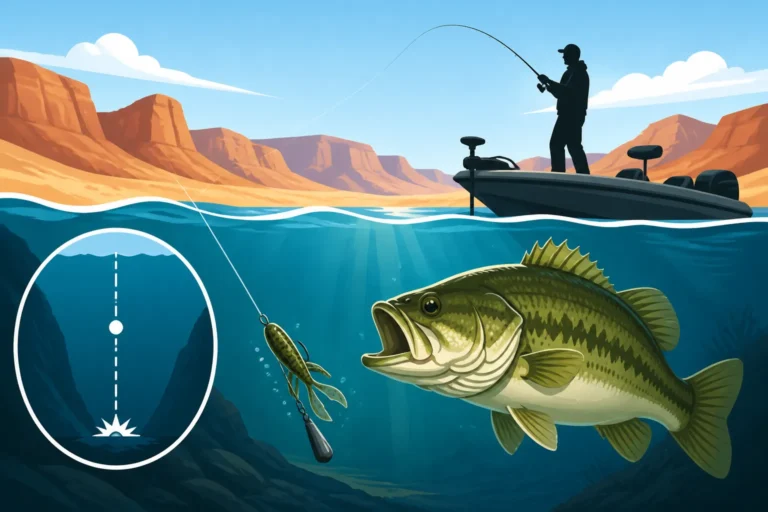
When Nevada's infamous summer heat arrives, typically from July through September, surface water temperatures in lakes like Lake Mead can soar into the 80s and even 90s Fahrenheit. This makes the shallows uncomfortable and oxygen-depleted for largemouth bass. They'll retreat to deeper, cooler water, often suspending over structure like humps, ledges, and creek channels, or relating to shade created by steep canyon walls. Fishing during this time often means targeting these deeper zones, requiring patience and different techniques. Early mornings, late evenings, and even night fishing can be productive as bass may temporarily move shallower under the cover of darkness or cooler temperatures. Remember to protect yourself from the intense sun; a wide-brimmed hat and high SPF sunscreen are crucial, which you can easily find on Amazon.
Fall Turnover and Active Feeding
As temperatures begin to drop in late September, October, and into November, the lakes undergo a process called "turnover." This is when the surface water cools, becomes denser, and sinks, mixing with the deeper, warmer water. While this can sometimes make fishing tough for a few days, once it settles, the fall can offer some spectacular largemouth bass action. Bass will often move back into shallower to mid-depth areas, actively feeding to fatten up for the coming winter. They're often chasing schools of baitfish, making reaction baits like spinnerbaits, crankbaits, and lipless crankbaits very effective. The fish are generally more dispersed than during the spawn, but when you find them, they can be aggressive. This period is a great time to experiment with Best Plastic Worm Color for Clear Desert Lakes or trying new techniques like those described in Shallow Water Techniques for Cove Bass Fishing.
Winter Fishing Considerations
While not typically considered the "best month" for largemouth bass in Nevada, winter fishing, from December through February, can still yield results for dedicated anglers. It’s certainly not a time for high numbers, but trophy-sized fish are sometimes caught by those willing to brave the cold.
Slowed Metabolism and Deep Holds
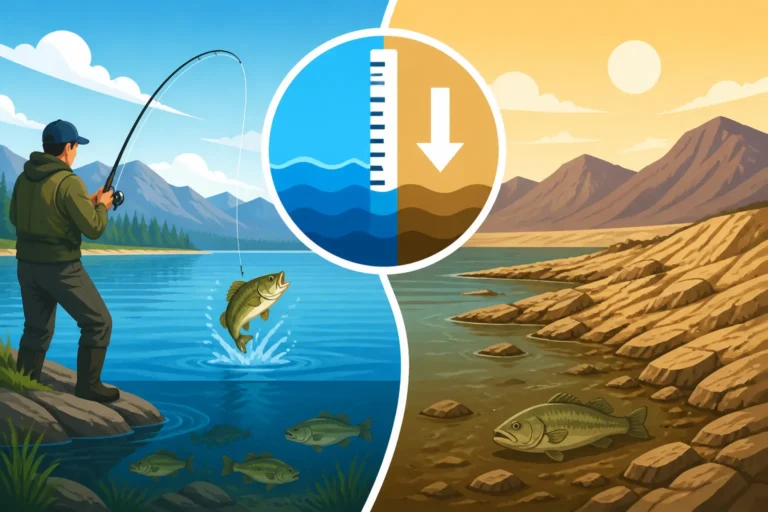
In winter, the cold water slows the metabolism of largemouth bass significantly. They become sluggish and less inclined to chase fast-moving baits. They'll typically congregate in deep water, often near significant structure such as rock piles, deep points, or channel bends, seeking out slightly warmer water pockets. The key to winter bass fishing is a slow, deliberate approach. Finesse techniques like drop-shotting, slow-rolling jigs, or using small, subtle soft plastics are often the most effective. You're trying to tempt a lethargic fish into biting, not trigger an aggressive strike. This is a time for patience and precision, perhaps after you've bundled up with some warm clothing from Amazon. Understanding How water level affects fishing at Lake Mead can also be particularly important in winter, as lower water levels can expose or hide crucial deep-water structure.
Here’s a quick overview of the largemouth bass calendar in Nevada:
| Season | Typical Months | Water Temperature Range (F) | Bass Behavior | Recommended Techniques | Key Notes |
|---|---|---|---|---|---|
| Pre-Spawn | March – April | 55-65 | Moving shallow, actively feeding, very aggressive | Jerkbaits, Spinnerbaits, Lipless Crankbaits, Jigs | Excellent for trophy bass; fish start moving towards spawning grounds. |
| Spawn | April – May | 65-72 | Nesting, guarding beds, territorial | Pitched Jigs, Soft Plastics, Carolina Rigs | Bass are visible but may not be feeding; approach with care to avoid disturbing beds. |
| Post-Spawn | Late May – June | 70-78 | Recovering, then aggressively feeding | Topwater, Crankbaits, Texas Rigs, Swimbaits | High energy feeding after recovery; target structure near spawning areas. |
| Summer | July – September | 78-90+ | Retreating to deep, cooler water | Drop-shot, Deep Cranking, Jigs, Night Fishing | Fish early/late; focus on deep structure, shade, and oxygenated areas. |
| Fall Turnover | Late September – October | 70-60 | Mixing water, actively chasing baitfish | Spinnerbaits, Crankbaits, Jigs, Topwater (early fall) | Good action once water settles; bass spread out, following bait. |
| Winter | November – February | Below 60 | Slowed metabolism, holding deep | Finesse Jigs, Drop-shot, Slow-rolled Worms | Challenging but can yield big fish; patience and slow presentation are key. |
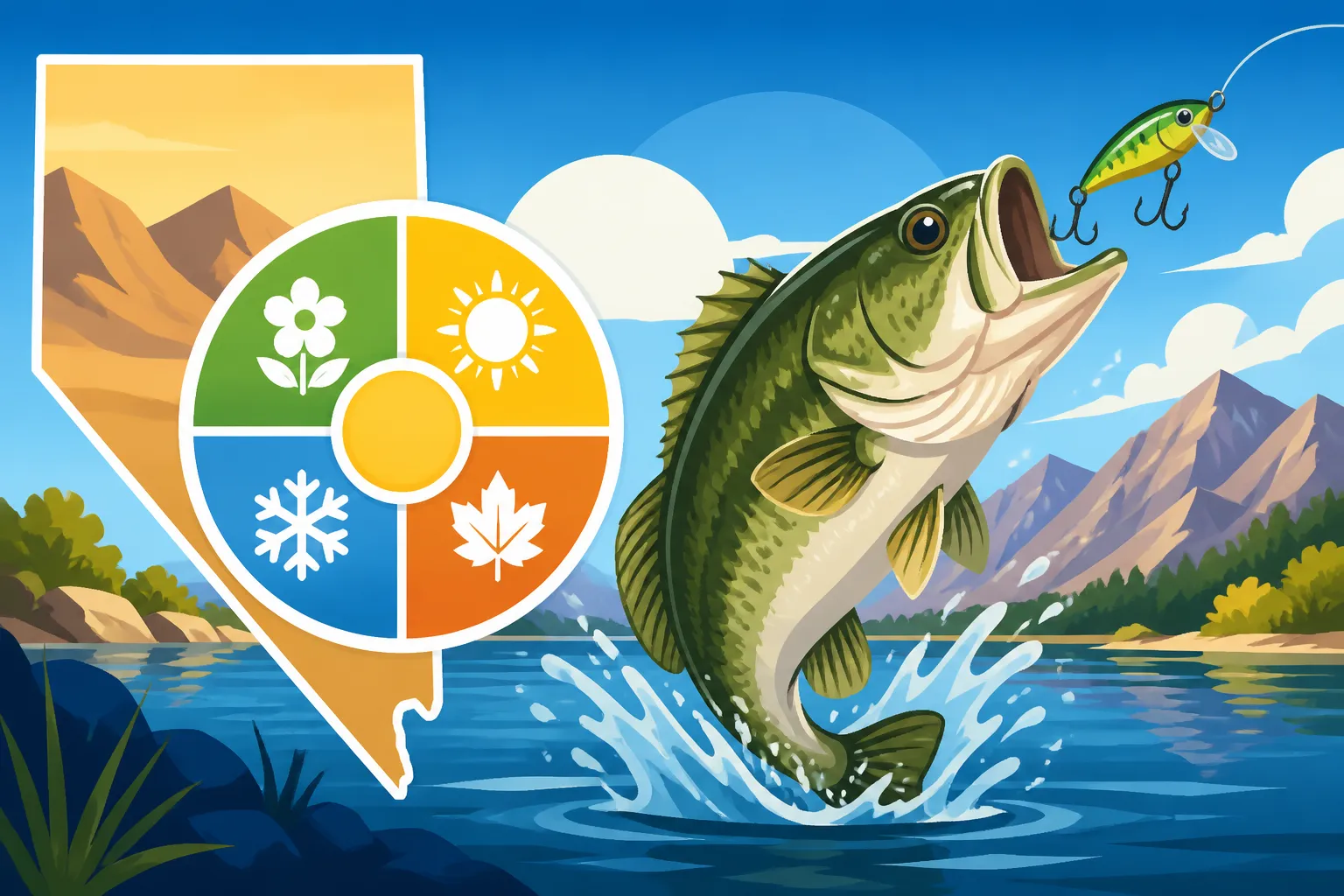
Ultimately, while the spring into early summer period (roughly March through June) stands out as the Best month to catch largemouth bass in Nevada due to consistent activity and predictable patterns, understanding the seasonal shifts and adapting your techniques will allow you to enjoy bass fishing opportunities year-round. Always be prepared to adjust to the specific conditions of the day, and you'll increase your chances of success. And don't forget, a reliable Best Tackle for Nevada Bass Fishing setup will go a long way no matter the season!
Disclaimer
Please remember that fishing conditions in Nevada can change rapidly due to weather, water levels, and other environmental factors. Always consult the latest regulations from the Nevada Department of Wildlife (NDOW) before heading out, as rules and limits can vary by specific body of water and change annually. This guide provides general information and recommendations, but safe and responsible angling practices are paramount.