How to find fish in a new lake
Ever arrived at a brand-new lake, gear in hand, only to stare out at the vast expanse of water and wonder, "Where in the world do I even start?" That feeling of being overwhelmed is incredibly common, especially in Nevada's diverse and often vast waters, from the deep canyons of Lake Mead to the high desert reservoirs. It’s a completely valid frustration when you're itching to cast a line but have no idea where the fish might be hiding. This guide is all about cutting through that uncertainty, giving you a roadmap to effectively locate fish, even in unfamiliar territory, so you can spend less time guessing and more time reeling in your next big catch.
Deciphering the Lake's Topography and Structure
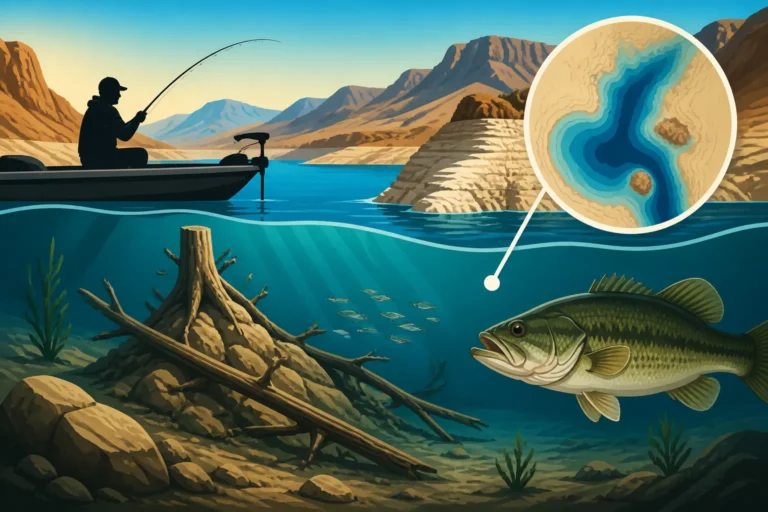
One of the biggest mistakes anglers make when approaching a new body of water is treating it like a featureless bathtub. The truth is, every lake has an underwater landscape as varied and interesting as the desert terrain surrounding it, and understanding this hidden world is your first crucial step to finding fish. Fish are creatures of habit and comfort, and they're almost always associated with some form of structure or cover.
The Critical Role of Maps and Depth Finders
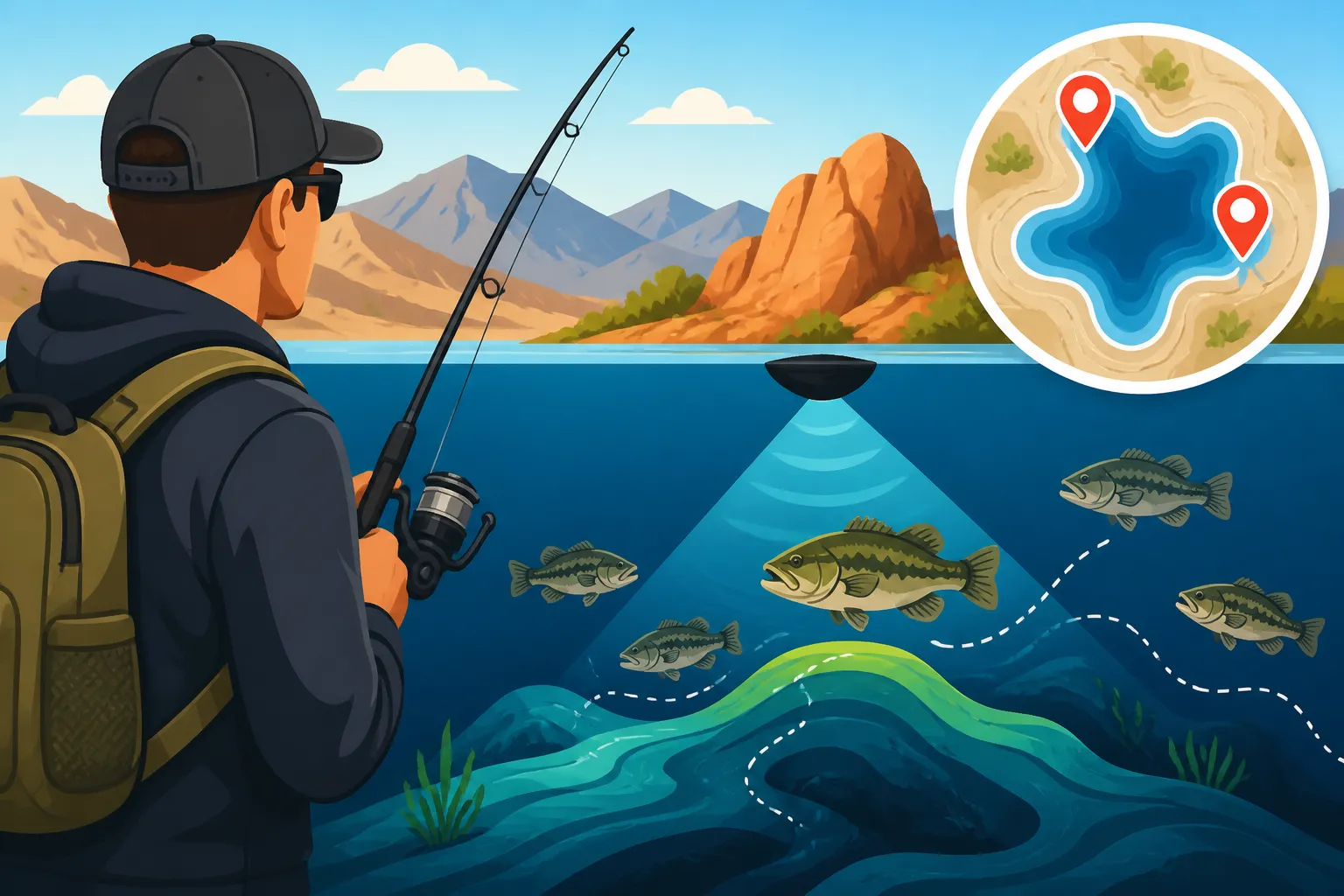
You wouldn’t drive a new road trip without a map, right? So why would you fish a new lake without one? The frustration of not being able to see what's beneath the surface is real, but thankfully, technology comes to our rescue. Modern contour maps, whether on a physical chart or a digital app like Navionics or C-MAP, are invaluable. These maps reveal hidden treasures: drop-offs, submerged humps, old creek beds, rock piles, and even the remnants of old submerged towns or forests. Each of these features acts like a magnet for fish, offering them shelter, ambush points, or pathways for migration.
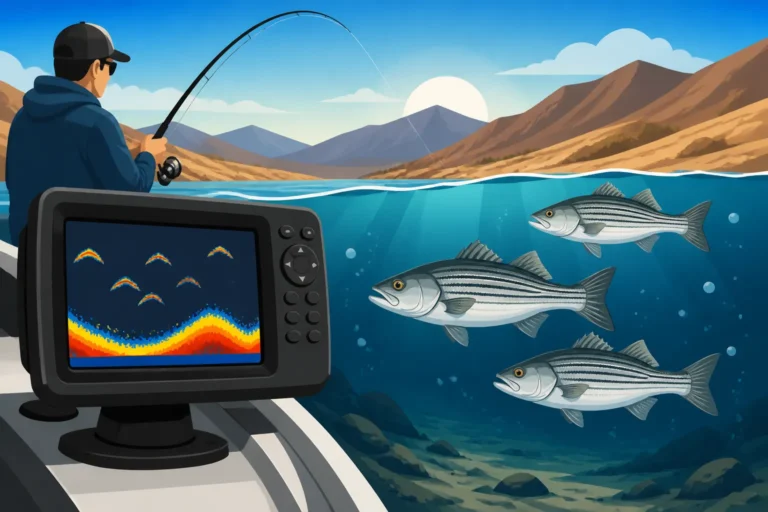
For instance, if you're exploring a new section of Lake Mohave, you might pull up your map and notice a sharp depth change or an old river channel snaking through what now looks like open water. These are prime locations where fish like stripers or bass will hold, waiting for baitfish to swim by. Understanding the topography helps you predict where different species will be. Fish often follow these underwater highways, using them to move between feeding grounds and deeper, safer waters. If you’re fishing from a boat, investing in a good fish finder is a game-changer. It literally provides a window into the underwater world. A quality unit can show you bottom contours, suspended baitfish, and even individual fish, saving you countless hours of casting into empty water. For a detailed look, check out our guide on the Best Fish Finder for Reservoir Fishing. Without this information, you're essentially blind fishing, and while that can work sometimes, it's far less efficient.
Understanding Cover and Habitat
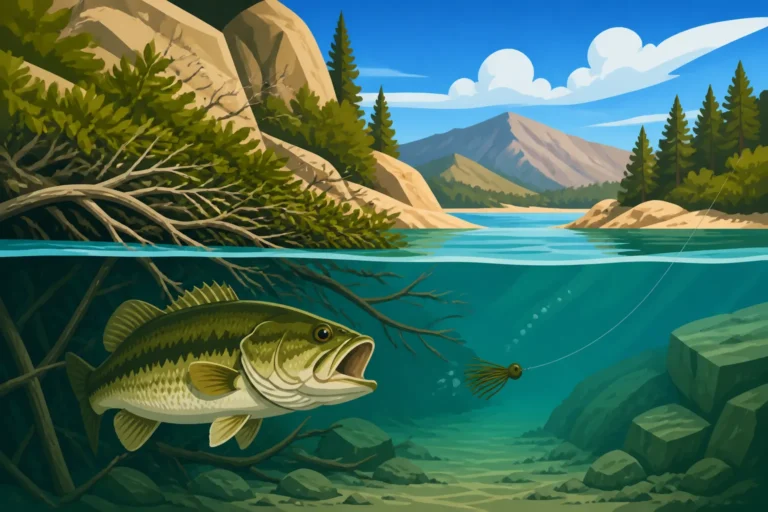
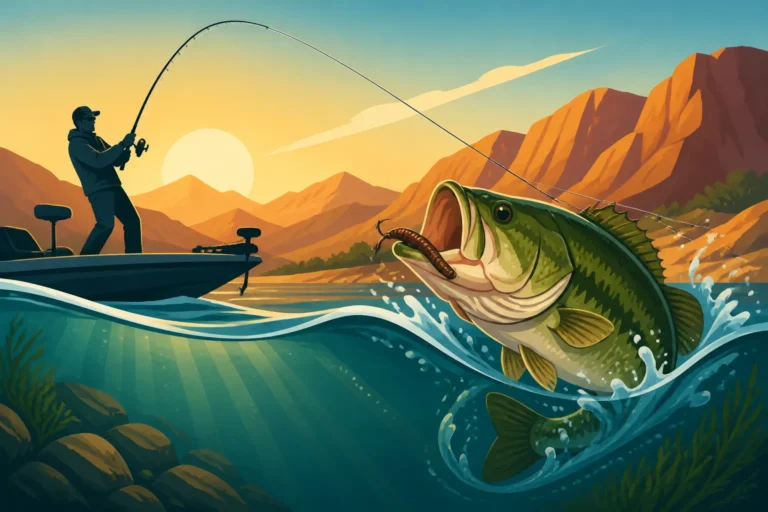
Beyond the general lay of the land, fish also rely heavily on "cover." Think of cover as anything that provides immediate shelter, shade, or an ambush point. This could be natural elements like rocky outcroppings, submerged timber, weed lines, or even man-made structures such as docks, pilings, or submerged brush piles left by anglers. Each type of fish has its preferences. For example, if you're targeting Largemouth Bass Fishing in Nevada, you'll want to focus on areas with dense brush, lily pads (if present), or extensive submerged timber. These environments offer the perfect camouflage for bass to lie in wait for unsuspecting prey.
Trout, on the other hand, often prefer cooler, oxygen-rich waters and rocky areas, frequently hugging the bottom near ledges or within the structure of a submerged rock pile. Catfish tend to gravitate towards deeper holes, particularly those with soft bottoms or areas with plenty of fallen trees where they can hide and forage. When you're new to a lake, identifying these types of cover should be a priority. You can often spot some of it visually from the shoreline, but a good pair of polarized sunglasses will reveal much more just beneath the surface. If you see a cluster of submerged trees, you can bet that fish are likely using it for shade and protection, especially on a sunny Nevada afternoon.
Reading the Water's Surface and Shoreline Clues
While maps tell you about the underwater world, the surface and shoreline often provide immediate, real-time clues about fish activity. Learning to interpret these subtle (or sometimes not-so-subtle) signs can quickly put you on fish, even if you’ve never seen the lake before. It's like listening to the whispers of the water.
Visual Indicators and Surface Activity
The most exciting and obvious sign of fish is often visible right on the water's surface. If you see birds diving and swirling in a particular area, especially gulls or terns, it’s a strong indication that baitfish are being pushed to the surface by predatory fish below. This is incredibly common at Lake Mead, where schools of striped bass will "boil" on the surface, crashing into shad. Seeing this kind of activity near Hemenway Bay or Government Wash is like hitting the jackpot – it tells you exactly where the action is.
Even more subtle ripples or dimples on the surface can indicate fish feeding. These might be trout sipping insects off the surface in a calmer cove, or panfish gently nibbling near a weed line. Keep an eye out for actual "splashes" or "jumps" – a fish breaching the water is a clear sign of its presence, and often, where its buddies are too. Sometimes, you'll see schools of small baitfish darting frantically across the surface, an undeniable sign that something larger is chasing them below. These visual cues are your immediate feedback loop; they tell you where to cast right now.
Identifying Productive Shoreline Features
The shoreline isn't just a place to stand; it’s an extension of the underwater structure and often dictates where fish will gather. Start by scanning the visible features.
- Points: Any landmass that juts out into the lake is a prime spot. Points act as natural fish highways, concentrating baitfish and creating current breaks that larger fish use for ambush. They often have varied depths on either side, offering a quick escape to deeper water. A prominent rocky point on a lake like Wildhorse Reservoir is almost always worth exploring for trout or bass.
- Coves and Bays: These sheltered areas can offer calmer, often warmer water in the spring, making them ideal for spawning bass and sunfish. They also tend to accumulate baitfish and offer protection from wind and strong currents.
- Inlets and Outflows: Any area where a stream or river feeds into or drains from the lake is a hot spot. The incoming water often brings fresh oxygen, nutrients, and food sources, attracting baitfish and, in turn, game fish. These spots can be particularly productive after a rain when fresh water washes in insects and debris.
- Visible Cover: Look for fallen trees, large boulders, submerged vegetation, or even man-made structures like old docks or bridge pilings. These all provide crucial cover and ambush points.
When you’re walking the shoreline, don’t just look at the water; look into it. Where does the bank suddenly drop off? Are there areas with more rocks, or sandy stretches? These details tell a story about the underwater environment and where fish might be holding. Learning Bank Fishing Techniques for Desert Lakes often starts with a careful shoreline recon.
The Influence of Seasons, Weather, and Time of Day
Fish are cold-blooded creatures, and their behavior, including where they locate themselves, is heavily dictated by environmental factors. Understanding these dynamics is like having a secret calendar and clock for the fish. What works in spring won't necessarily work in summer, and a sunny midday bite is rare compared to a cloudy morning.
Seasonal Movements and Patterns
Nevada's diverse climate means significant seasonal changes in water temperature, which in turn causes Seasonal Movement of Fish in Reservoirs.
- Spring: As water temperatures rise after winter, many fish species move into shallower areas to spawn. Bass will be found on beds in coves, while trout become more active and cruise shallower margins. This is a prime time for sight fishing in clear waters.
- Summer: The desert heat pushes most fish deeper into cooler, more oxygenated waters during the day. You'll find trout seeking thermal refuges in deep pockets, and bass or stripers often relating to structure in 20-50 feet of water. Early mornings and late evenings, or even night fishing, become key for finding fish in the shallows. Our guide on Nevada Fishing Seasons by Month offers a more detailed breakdown.
- Fall: As temperatures drop, many fish go on a feeding frenzy, bulking up for winter. They often move back into shallower to mid-depth ranges, aggressively chasing baitfish. This is a fantastic time for active fishing with various lures.
- Winter: Fish activity slows down significantly. They typically move to deeper, more stable water where temperatures are constant. Slower presentations and bottom-oriented baits are often required. In northern Nevada, some lakes like Wildhorse Reservoir offer excellent ice fishing opportunities once the ice is safe.
Remember, fish are constantly adapting to these changes. If you show up in July expecting to catch bass in a foot of water, you're likely to be disappointed unless it's first light. On a blazing Nevada summer day, you'll want to employ Deep Water Techniques for Lake Mead Bass during the cooler hours of early morning or late evening.
Daily Rhythm and Weather's Impact
Even within a season, the daily rhythm and immediate weather conditions play a huge role.
- Time of Day: In Nevada’s desert lakes, dawn and dusk are almost always the most productive times. The sun is less intense, water temperatures are more comfortable for fish, and baitfish are often more active. During midday on bright, sunny days, fish typically retreat to deeper water or dense cover to escape the light and heat.
- Cloud Cover vs. Bright Sun: Overcast days often mean fish are more willing to roam shallower waters throughout the day, as the light penetration is reduced, offering them more comfort. On bright, sunny days, expect fish to be hugging structure or seeking shade.
- Wind: Wind can be a double-edged sword. A light breeze can create a "chop" on the water, breaking up the surface and making fish feel more secure, encouraging them to feed. It can also push baitfish into certain coves or against a particular shoreline, concentrating game fish. However, too much wind, common on large Nevada reservoirs, can make fishing difficult and even dangerous.
- Water Temperature: This is perhaps the most critical factor. Different species have preferred temperature ranges. Knowing this can help you narrow down where fish will be. For instance, rainbow trout generally prefer water between 50-65°F. If the surface water is 75°F, you know they'll be deeper. Understanding how to use a thermometer and interpret the data is crucial, and you can learn more about it in our guide on Reading Water Temperature for Trout Fishing.
Before you even make your first cast, take a moment to assess these factors. Is it a scorching summer afternoon? Head for deep water, shade, or plan for an evening bite. Is it a calm spring morning? The shallow coves might be teeming with activity.
Tactical Approaches and Gear for New Waters
So, you’ve studied your map, read the water, and considered the conditions. Now it's time to actually find those fish! This involves smart casting strategies and choosing versatile gear that allows you to explore different depths and presentations. Don't be afraid to experiment, especially in a new environment.
Covering Water Effectively
When you don't know where the fish are, your primary goal is to cover as much water as possible until you get a bite.
- Fan Casting: Whether from shore or a boat, fan casting is essential. Cast in a fan-like pattern, from left to right (or vice-versa), to cover a wide arc of water from your position. This ensures you’re not repeatedly casting into the same unproductive spot.
- Trolling: If you’re in a boat, trolling is an excellent way to cover vast expanses of water, especially when targeting suspended fish like trout or striped bass in deeper sections of lakes like Lake Tahoe or Lake Mead. Vary your speed and depth until you find the fish.
- Search Baits: These are lures designed to be cast far and retrieved quickly, allowing you to cover water and trigger reaction strikes. Crankbaits, spinnerbaits, and spoons are excellent examples. If you get a bite, slow down and thoroughly work that area, as there are likely more fish.
- Don't Get Stuck: It's tempting to stay in one spot, especially if it looks "fishy," but if you're not getting bites after a reasonable amount of time (say, 20-30 minutes), move on. The fish aren't there, or they're not biting what you're throwing. Be willing to pick up your gear and explore another section of the lake. This applies whether you're shore fishing or navigating a new area in a kayak. For those on non-motorized craft, our Kayak Fishing Techniques for Nevada Reservoirs guide has great tips for covering water efficiently.
Versatile Tackle and Bait Choices
When hitting a new lake, it’s best to start with a versatile tackle box that allows for different presentations and targets various species. You don't know what you'll encounter, so be prepared.
- General Purpose Lures: Pack a variety of colors and sizes of plastic worms (like a good Senko-style worm, easily found on Amazon), jigs, spinnerbaits, and spoons. These are effective for many species, from bass to trout. For specific recommendations, check out our guide on Best Tackle for Nevada Bass Fishing.
- Live Bait: If permitted and practical, live bait like worms, minnows, or even local baitfish (check regulations carefully!) can be incredibly effective when you're unsure of the fish's preference. They provide a natural presentation that's hard to resist.
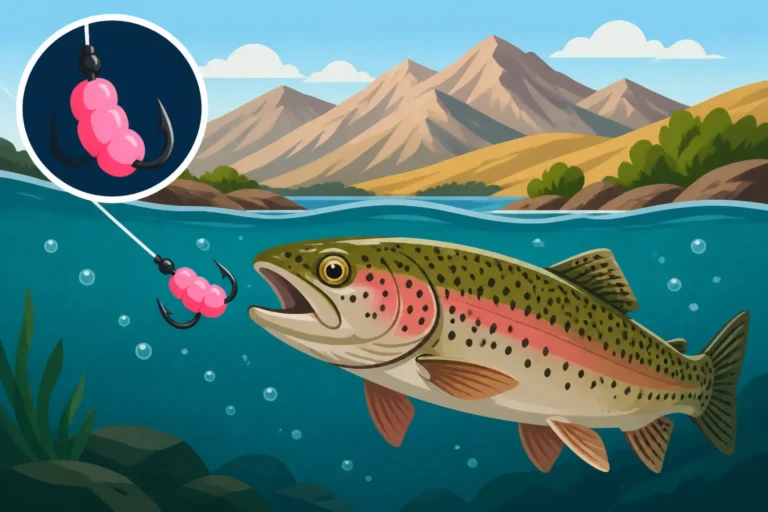
- PowerBait for Stocked Trout: If you suspect the lake is regularly stocked with rainbow trout, a jar of PowerBait or similar dough bait is a must. These are often irresistibly attractive to recently stocked fish.
- Adjust to Conditions: Be ready to change your bait or lure based on what you observe. If you see baitfish jumping, try a lure that mimics their size and color. If the water is muddy, go for brighter colors or lures with more vibration. If it's clear, opt for more natural, subtle presentations.
- Rod and Reel Setup: A versatile medium-light or medium action spinning rod with 6-10 lb test line is a great all-around choice for many Nevada lakes, suitable for casting lighter lures and handling decent-sized fish. You can find excellent, affordable combos on Amazon. Having a quality rod will significantly improve your experience; our Best Fishing Rods for Nevada Lakes guide dives deeper into options.
Before you go, it's always a good idea to consult a general resource like the Nevada Fish Species Guide to get an idea of what fish typically inhabit the lake you're visiting. This gives you a starting point for bait and lure selection, making your exploration much more targeted.
By combining an understanding of the lake’s hidden structure, keen observation of surface activity, awareness of environmental conditions, and a flexible approach to tackle and technique, you'll dramatically increase your chances of finding fish, even on your very first visit to an unfamiliar Nevada lake.
| Lake Feature | Why Fish There | Target Species (Examples) | Best Time (General) |
|---|---|---|---|
| Rocky Points | Ambush points, current breaks, cooler water access | Smallmouth Bass, Trout, Striped Bass | All day, especially low light |
| Deep Drop-offs | Thermal refuge, baitfish congregation, migration routes | Trout, Striped Bass, Catfish | Mid-day, summer |
| Submerged Cover | Shelter, ambush, shade (trees, brush, weed beds) | Largemouth Bass, Crappie, Bluegill | Low light, overcast |
| Inlets/Outflows | Fresh oxygen, food sources, current attraction | Trout, Striped Bass, Smallmouth Bass | All day, especially after rain |
| Calm Coves | Warmer water (spring), spawning grounds, baitfish | Largemouth Bass, Panfish, Carp | Spring, early summer |
| Open Water (Baitfish) | Predatory fish chasing baitfish | Striped Bass, Wiper, Trout | Whenever baitfish are active |
Disclaimer
Fishing conditions and regulations in Nevada can change. Always consult the latest Nevada Department of Wildlife (NDOW) regulations before heading out. This guide is for informational purposes only and does not constitute official legal advice.