Do stripers move shallow in the fall?
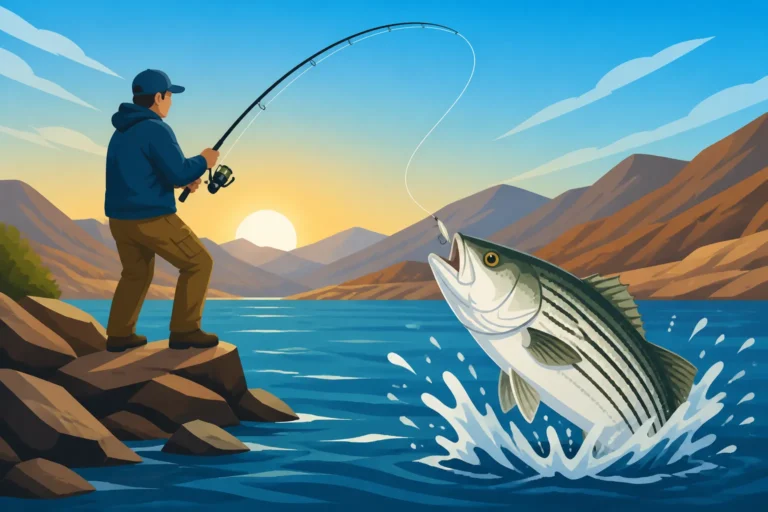
Oh, the age-old question that keeps so many of us Nevada anglers up at night: "Do stripers move shallow in the fall?" It's a frustrating mystery for many, especially when you've been dialed into their summer patterns and then suddenly, they seem to vanish. The truth is, these powerful fish absolutely change their habits with the seasons, and understanding their autumn shift to shallower water can unlock some incredible fishing opportunities. This guide is here to unravel the secrets of fall striped bass behavior in Nevada's vast reservoirs, helping you anticipate their moves and put more fish in your boat or on your bank.
Understanding Striped Bass Behavior in Nevada's Fall Waters
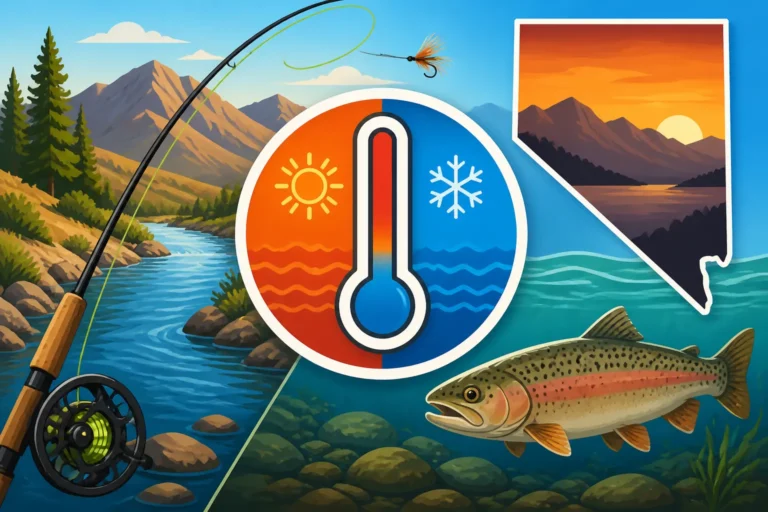
Striped bass are truly nomadic predators, and their movements are almost entirely dictated by two main factors: water temperature and the availability of their primary food source, which is often threadfin shad in our desert lakes. As summer fades into fall, these elements undergo significant changes, triggering a predictable (though sometimes elusive) migration for the stripers.
The Influence of Water Temperature and Baitfish Movement
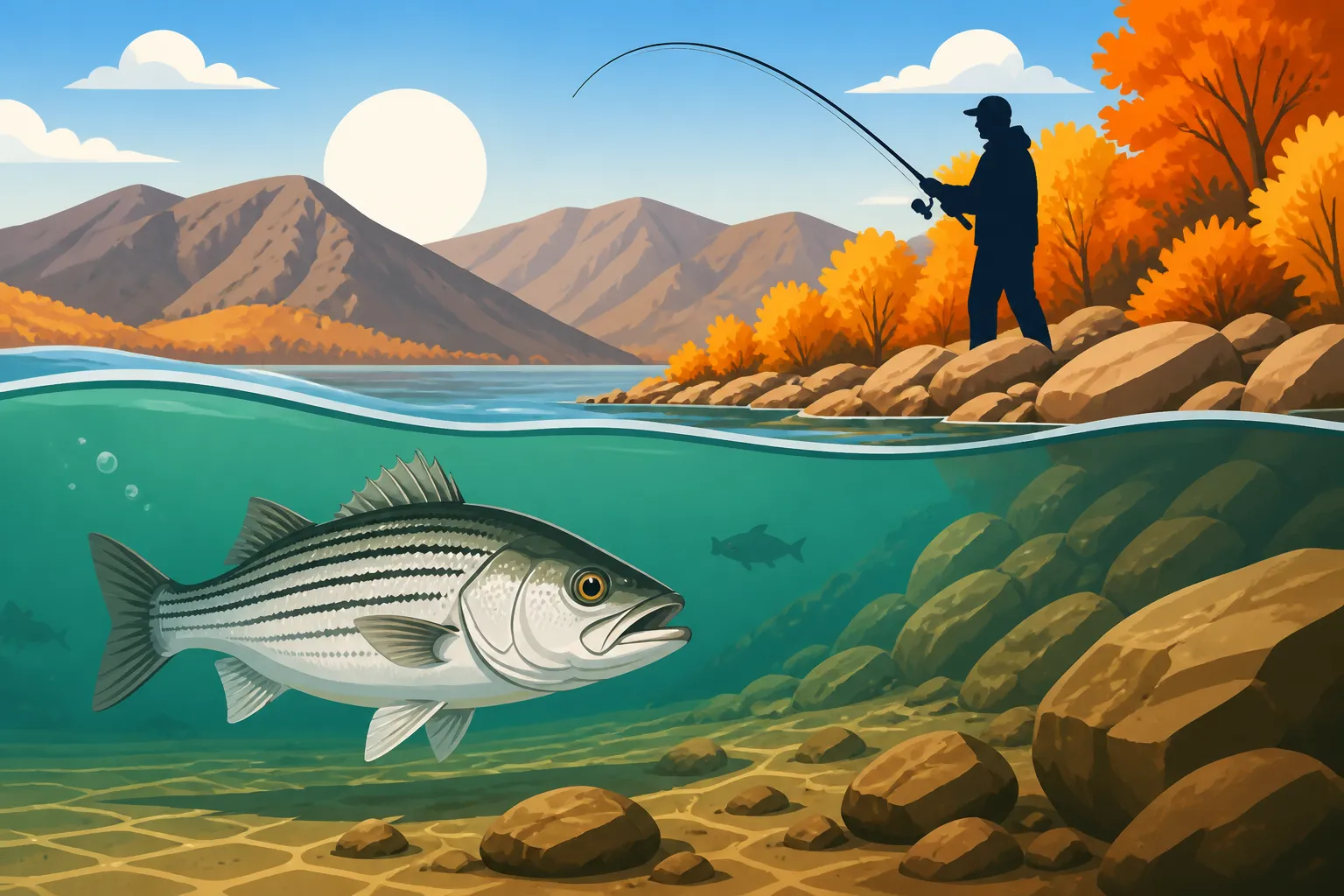
As the scorching Nevada summer heat begins to wane, the surface water temperatures in massive reservoirs like Lake Mead and Lake Mohave gradually start to cool. This cooling effect doesn't happen uniformly. Shallower coves and flats, which warm up quickly in spring and summer, also tend to cool down faster in the fall. This is a critical factor for baitfish. Imagine those massive schools of threadfin shad that spent the heat of summer suspended in the cooler, deeper parts of the lake, often around the thermocline. As the surface cools, these baitfish often begin migrating, pushing into shallower bays, arms, and coves where the water remains a bit warmer, or where they can find structure and cover.
Striped bass are obligate predators, meaning they must eat frequently, and they will always follow their food. When the shad move shallow, the stripers follow. This doesn't mean all stripers will be in inches of water, but a significant portion of the population will begin to actively hunt in depths that were less productive during the peak of summer. This behavior can lead to explosive surface action, a true spectacle for any angler. Understanding these Nevada Striped Bass Seasonal Patterns is key to consistent success.
Fall Turnover and Oxygen Levels
Another important, albeit often misunderstood, phenomenon that impacts fish behavior in deeper lakes during the fall is what we call "fall turnover." In summer, deep lakes often develop distinct layers: a warm, oxygen-rich surface layer (epilimnion), a transition zone (thermocline), and a cold, oxygen-depleted bottom layer (hypolimnion). Stripers are usually confined to the thermocline or the cooler edges of the epilimnion where oxygen and temperature are optimal.
As autumn progresses and the surface water cools, it eventually becomes denser and sinks, mixing with the deeper, warmer water. This process, known as fall turnover, can equalize water temperatures and oxygen levels throughout the water column. While turnover itself might temporarily disperse fish or make them a bit sluggish, the overall effect is that stripers are no longer confined to specific depth bands by oxygen limitations. This 'freedom' means they can roam more widely, and since baitfish are often pushing shallower for various reasons, the stripers are free to pursue them there. However, even with the ability to move deeper, the abundant, vulnerable bait in the shallows often remains their primary draw for active feeding.
Where to Find Shallow-Water Stripers in Autumn
Once you understand why stripers move shallow, the next logical step is figuring out where to find them. Nevada's reservoirs offer a variety of terrains, and knowing which types of spots to target can make all the difference.
Coves, Points, and Tapering Flats
In the fall, target specific structural elements that act as natural ambush points or congregating areas for baitfish. Look for long, gently sloping points that extend far out into the main lake, as these act like highways for baitfish moving in and out of shallower coves. Stripers will often sit on either side of these points, waiting to ambush passing schools. Similarly, the backs of larger coves, especially those with some submerged vegetation, rocky outcroppings, or even old creek channels, become prime feeding grounds. The water here is often slightly warmer and provides more cover for both predator and prey.
Tapering flats, which are extensive areas of relatively consistent shallow depth, can also be dynamite. These flats might not have dramatic structure, but they offer vast feeding grounds where shad can gather. Stripers will cruise these flats, often in wolf packs, herding and corralling baitfish. On a major body of water like Lake Mead Nevada Fishing Guide, identifying these key features on a map or with your electronics is an essential first step. Pay close attention to areas where the bottom transitions from soft mud to rocky rubble, as these interfaces often hold bait and, consequently, stripers.
Following the Shad Runs
The absolute golden rule for finding stripers at any time of year, but especially in the fall, is: find the bait, find the stripers. Stripers are sight feeders and opportunists, and when schools of shad move into the shallows, the stripers are rarely far behind. You need to become an active observer of the water. Look for visual cues: diving birds (gulls, terns) are a dead giveaway that baitfish are being pushed to the surface. You might see "nervous water," which are ripples or disturbances on the surface that aren't caused by wind, but by panicked baitfish. And, of course, the most exciting sign of all are actual "boils" where stripers are actively smashing bait on the surface.
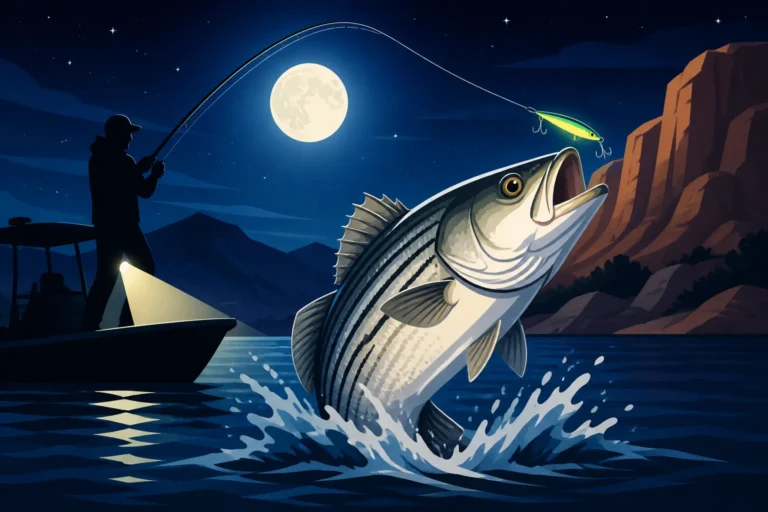
If you have a boat, use your fish finder not just to look for stripers, but primarily to locate bait balls. In the fall, you'll often see these dense bait schools pushed into shallower depths, sometimes just 10-20 feet deep, in areas where you might have only found sparse bait during the summer. Early mornings and late evenings are often the most productive times for this surface action, as stripers take advantage of lower light conditions to feed aggressively. Consider trying out Night Fishing Techniques for Striped Bass too, as stripers can be very active after dark in the shallows during the fall.
Effective Techniques for Fall Shallow Stripers
Once you've located these shallow-water zones, it's time to choose the right tools for the job. Fall shallow-water striper fishing often calls for different presentations than the deep-water jigging or trolling you might do in other seasons.
Topwater Action and Reaction Baits
This is arguably the most exciting part of fall striper fishing in the shallows. When stripers are pushing bait to the surface, they are often in an aggressive feeding mood, making topwater lures incredibly effective. "Walk-the-dog" style baits, poppers, and even large pencil poppers can elicit explosive strikes. The key is to cast these lures into or around active boils or nervous water and work them with a steady, enticing retrieve. It's not just for the visual thrill; these lures perfectly mimic a frantic baitfish trying to escape.
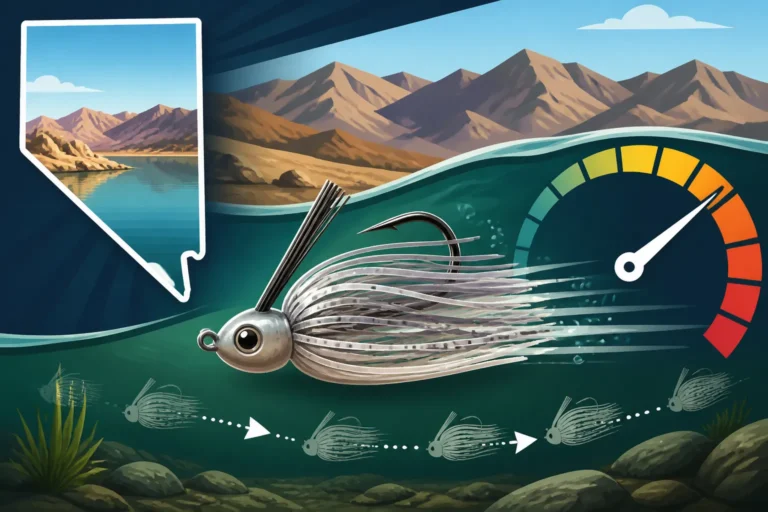
Beyond topwater, reaction baits worked just below the surface are also excellent. Think about large lipless crankbaits, jerkbaits, or even spinnerbaits. These lures are designed to provoke a strike from an actively hunting striper by moving quickly and erratically. For instance, a shad-colored crankbait retrieved swiftly through a shallow cove where bait is congregating can draw brutal strikes. When shopping for these, look for options from reputable brands. You can often find a wide variety of effective lures on platforms like Amazon, making it easy to stock up for your next trip. To ensure you're using the right gear, check out our guide on the Best Lures for Striped Bass.
Live Bait and Anchovy Rigs
For anglers who prefer a more traditional approach, live bait can be absolutely deadly for fall shallow-water stripers. If live shad is permitted and available in your area, presenting it on a simple slip-sinker rig or a free-lined setup in shallow coves or near points can be incredibly effective. The natural movement and scent of live bait are often irresistible to hungry stripers.
Even if live bait isn't an option, cut anchovies remain a top choice. While often used for deeper applications, they can be highly effective in shallower water too. A Carolina rig or a light slip-sinker rig, allowing the anchovy to drift naturally near the bottom or suspend just off it, works wonders. The key here is presenting the bait in a natural way without heavy weights that might spook fish in clearer, shallower water. Make sure your Best Anchovy Rigging Technique for Striped Bass is dialed in for these conditions. Remember, you're trying to mimic a wounded or dying baitfish, an easy meal for a cruising striper.
Navigating Challenges and Maximizing Success
Even with the right knowledge and techniques, fishing can always throw you a curveball. Nevada's unique environment presents its own set of challenges that can impact your fall shallow-water striper success.
Varying Water Levels and Clarity
Nevada's reservoirs are famous for their fluctuating water levels, which can dramatically change the underwater landscape from one season to the next, or even week to week. A cove that was prime shallow striper habitat last fall might be completely dry or significantly deeper this year. It's crucial to stay updated on current lake conditions. Satellite imagery, if available, or simply observing the shoreline during your trip, can help you identify newly exposed or submerged structure that could hold fish. A general rule of thumb is that stable or slowly rising water levels often mean more consistent shallow-water patterns, as fish get comfortable in their new surroundings.
Water clarity is another major factor, especially in shallower water. Our desert lakes can range from gin-clear to somewhat stained, particularly after a big rain event. In very clear water, stripers can be incredibly spooky. This means you'll need to make longer casts, use lighter line (if conditions allow), and approach your target areas quietly, perhaps even shutting off your trolling motor well before you start fishing. Conversely, slightly stained water might allow you to get a bit closer and can even make stripers more aggressive, as they rely more on their lateral line and scent than sight. Understanding How water level affects fishing at Lake Mead is vital, as changes can drastically alter fish location.
Weather Fronts and Barometric Pressure
Just like any other fish, striped bass are influenced by changes in weather and barometric pressure. A sudden cold front pushing through Nevada can temporarily shut down a hot bite, even in the shallows. Often, before a front hits, barometric pressure drops, and fish can become incredibly active, sensing the change and feeding aggressively. After the front passes and the pressure stabilizes (usually higher), fish activity can slow down significantly, and they might move deeper or become more finicky about what they'll strike.
It's not uncommon for stripers to temporarily abandon shallower feeding grounds and suspend over deeper water during a post-front lull. They might still be there, but they're less likely to chase a fast-moving topwater lure. During these periods, slowing down your presentation, using live bait, or trying vertical Jigging Techniques for Lake Mead Stripers in adjacent deeper water might be more effective. Being aware of an approaching front or fishing immediately after one will help you adjust your strategy. Our guide on Fishing After a Nevada Cold Front offers more insights into these challenging conditions.
| Factor | Shallow Fall Striper Fishing | Deep Fall Striper Fishing (Transition/Winter) |
|---|---|---|
| Primary Location | Coves, points, tapering flats, shorelines | Main lake channels, submerged humps, deep drop-offs |
| Baitfish Behavior | Pushed to surface, congregating in warmer, shallower zones | Suspended in open water, often near structure deep down |
| Best Lures/Baits | Topwater, crankbaits, jerkbaits, swimbaits, live bait | Jigs, spoons, umbrella rigs, dead sticked anchovies (deeper) |
| Time of Day | Early morning, late evening (active feeding) | All day, but often slower; fish can be more lethargic |
| Primary Challenge | Spooking fish, finding active schools | Locating fish in vast deep water, deeper presentations |
Ultimately, the answer to "Do stripers move shallow in the fall?" is a resounding yes! But like all things in fishing, it's not a simple switch. It's a dynamic process influenced by a myriad of factors. By understanding the underlying reasons for their movement, identifying key shallow-water structures, and adapting your techniques, you can enjoy some of the most exciting and productive fishing that Nevada's Best Places to Fish in Nevada have to offer. Keep an eye on those changing water temperatures, listen to the gulls, and prepare for some incredible surface action! For a broader understanding of your target species, be sure to check out our comprehensive guide on Striped Bass Fishing in Nevada.
Disclaimer
This article is for general informational purposes only and does not constitute professional advice. Laws, prices and regulations vary by location and change over time. Consult a qualified professional for guidance on your specific situation.