Striped Bass Fishing in Nevada
There's a special kind of thrill that comes with chasing striped bass in Nevada's vast reservoirs. Many anglers, myself included, have spent countless hours on the water, battling the unpredictable nature of these powerful fish. It can be incredibly frustrating when you know they're there, but you just can't seem to get them to bite, or worse, you can't even locate them in the sprawling depths. That feeling of anticipation, mixed with the challenge of finding and reeling in a true Nevada striper, is what keeps us coming back. This guide is designed to demystify striped bass fishing in Nevada, providing you with the comprehensive knowledge and practical tips you need to turn those frustrating outings into triumphant tales of epic catches.
Understanding Nevada's Striped Bass
Striped bass, often simply called "stripers," are one of Nevada's most exciting sport fish. Their aggressive nature and impressive fighting ability make them a favorite among anglers, especially in the large, warm-water reservoirs of the southern part of the state. Getting to know the striped bass – what they look like, where they prefer to hang out, and what fuels their voracious appetites – is the first step toward consistent success on the water.
Striped Bass Introduction and Identification
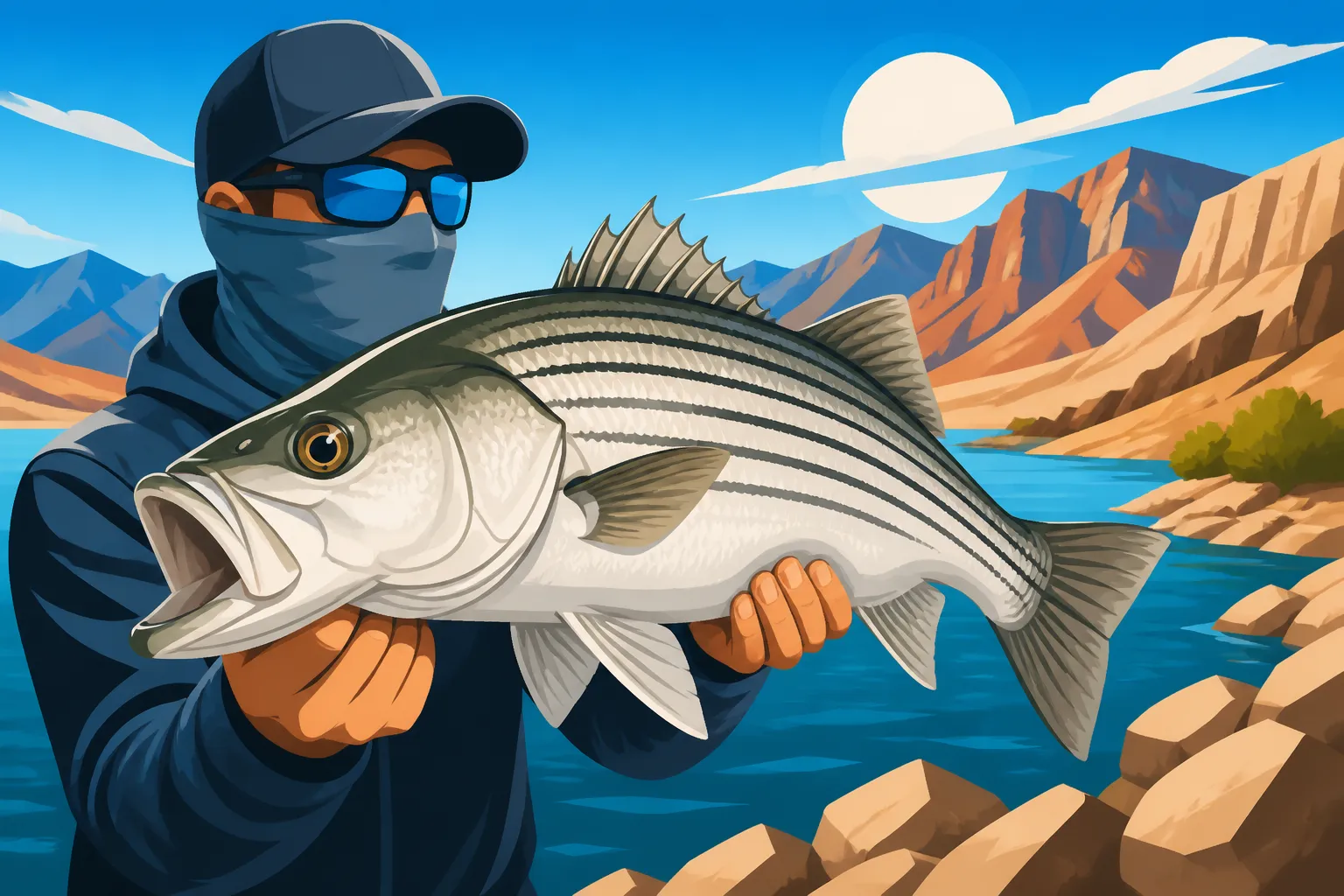
Striped bass ( Morone saxatilis) are instantly recognizable once you know what to look for. They have a sleek, elongated body, typically silver with a darker, sometimes greenish-gray back. What really sets them apart are the distinct, horizontal dark stripes that run from their gills to the base of their tail. These stripes are usually continuous and prominent, unlike some similar species. Their mouths are quite large, indicating their predatory nature, and they have two dorsal fins, the first spiny and the second soft-rayed.
Here in Nevada, particularly in Lake Mead and Lake Mohave, striped bass are not native. They were introduced decades ago and have since established thriving populations, becoming a cornerstone of the local fishery. They're a migratory species in their native ocean environment, but in landlocked reservoirs like ours, they behave a bit differently, often schooling in massive numbers and following baitfish schools throughout the year. Their size can vary wildly, from "shakers" just over a pound to true trophy fish weighing into the double digits. I've seen some monsters pulled from Lake Mead that would make your jaw drop!
Striped Bass Habitat and Behavior in Nevada Reservoirs
Striped bass in Nevada's large reservoirs like Lake Mead and Lake Mohave are pelagic, meaning they prefer open water rather than sticking close to structure like many other bass species. However, that doesn't mean they're just swimming aimlessly. They are highly migratory within these lakes, constantly on the move, following their food source, which typically consists of shad and other baitfish. You'll often find them schooling in massive numbers, creating what anglers refer to as "boils" or "blasts" when they drive baitfish to the surface in a feeding frenzy.
Their habitat preferences change with the seasons and water temperatures. In cooler months, they might be found shallower, but as the Nevada sun heats the water, stripers will seek out cooler, deeper sections of the lake. They often relate to underwater structure such as submerged humps, ledges, old creek channels, and canyon walls, using these features to ambush baitfish or to school up before a feeding event. Understanding these patterns is key. It's not uncommon to find them suspended over deep water, sometimes hundreds of feet down, only to have them rocket to the surface in a feeding frenzy, creating chaos and excitement for anyone lucky enough to witness it. Striped Bass Feeding Patterns delves deeper into what drives these fish.
Striped Bass Diet and Forage
The diet of striped bass in Nevada's reservoirs is predominantly baitfish. In Lake Mead and Lake Mohave, this primarily means threadfin shad and gizzard shad. These small, silvery fish form the base of the food chain for stripers, and locating schools of shad is often synonymous with locating schools of stripers. Striped bass are opportunistic predators and will actively chase down their prey.
They are incredibly efficient hunters, often working together in large schools to corral baitfish. This cooperative hunting is what leads to those exciting surface boils. When the shad are driven to the surface, the stripers feed aggressively, hitting anything that looks like a distressed baitfish. Beyond shad, stripers will also consume small sunfish, bluegill, and even crayfish if the opportunity presents itself. Mimicking these natural food sources, both in appearance and action, is paramount to selecting the right baits and lures. Knowing what they're eating helps you "match the hatch" so to speak, even if it's a reservoir "hatch."
Top Nevada Striped Bass Fishing Locations
When you think of striped bass fishing in Nevada, two names immediately come to mind: Lake Mead and Lake Mohave. These vast, sprawling bodies of water, part of the Colorado River system, are the undisputed champions for stripers in the Silver State. While there might be other smaller, less notable spots, these two giants offer the most consistent action and the best chance at a trophy fish.
Lake Mead: The Striper Capital
Lake Mead, stretching across the Nevada-Arizona border, is truly the striper capital of Nevada. Its immense size and diverse underwater topography offer countless opportunities for anglers. The lake is fed by the Colorado River and boasts a robust population of threadfin and gizzard shad, providing an abundant food source for its thriving striped bass population. Anglers come from all over to experience the thrill of a Lake Mead striper boil, where hundreds of fish churn the surface in a feeding frenzy.
Popular areas on Lake Mead for stripers include Hemenway Bay, Government Wash, and the vast expanse of the Overton Arm. These areas often have extensive flats, submerged humps, and old river channels where stripers congregate. The depths can be staggering, but stripers will move up and down the water column, so being versatile with your techniques is crucial. Access is generally good, with multiple boat ramps and plenty of shoreline for those who prefer bank fishing. Whether you're trolling, jigging, or tossing swimbaits, Lake Mead has the potential for an unforgettable striper experience. You can find more specific advice in Lake Mead Striped Bass Hotspots.
Lake Mohave: A Gem for Stripers
Just downstream from Lake Mead, carved between the rugged Black Canyon and the Newberry Mountains, lies Lake Mohave. This lake, while smaller and narrower than Mead, is another excellent destination for striped bass. Mohave is known for its clear, cooler waters, which can sometimes make for a different fishing challenge compared to the warmer, often murkier waters of Mead. The stripers here are equally aggressive and can grow to impressive sizes, offering a fantastic fight.
Willow Beach, located in the Black Canyon, is a particularly famous spot on Lake Mohave for its consistent trout stockings, which in turn attract large striped bass looking for an easy meal. Beyond Willow Beach, the broader lake offers numerous coves, submerged rock piles, and deep channel areas where stripers actively pursue shad. Much like Mead, covering water is often key, whether by boat or by strategically fishing different points and cuts from the shore. The clear water here can sometimes mean longer leaders and more subtle presentations, but the payoff can be huge.
Other Potential Waters
While Lake Mead and Lake Mohave are undoubtedly the main events for striped bass, it's worth noting that the Colorado River itself, both above and below these reservoirs, can hold migratory stripers. These fish might move in and out of the lakes with changing water levels or seasonal patterns. However, for a dedicated striped bass trip, the large reservoirs offer the most consistent and abundant opportunities.
It's always smart to check with local bait shops or the Nevada Department of Wildlife for the latest information on where stripers might be active, especially in less conventional spots. While you won't find them in a place like Pyramid Lake Nevada Fishing Guide due to its unique ecosystem, understanding the flow and connectivity of the Colorado River system can sometimes lead to unexpected encounters for adventurous anglers.
Essential Gear for Striped Bass
Equipping yourself properly for striped bass fishing in Nevada is paramount. These are powerful, hard-fighting fish, and your gear needs to be up to the task. Skimping on tackle can lead to heartbreak when that trophy striper finally hits, only to snap your line or break your rod. Think robust, reliable, and comfortable.
Rod and Reel Selection
For striped bass, you'll generally want a medium-heavy to heavy action rod, typically 6'6" to 7'6" in length. This provides the backbone needed to cast heavier lures and baits, as well as the power to turn a hard-fighting striper away from snags. Whether you opt for a spinning or baitcasting setup depends on your preference and the specific technique you're using.
Spinning setups are popular for casting lighter lures, making long casts from shore, or for beginners due to their ease of use. A 4000-6000 series reel with a smooth drag system is a good starting point. For baitcasting, which offers more power and control for heavier lures and deeper jigging, a robust reel with a good gear ratio and strong cranking power is essential. Brands like Penn, Shimano, and Daiwa offer excellent options that you can often find on Amazon with good reviews. Regardless of your choice, ensure the reel has a strong, reliable drag, as stripers will test it mercilessly. A good rod and reel combo, while an investment, will pay dividends in battling these strong fish. Best Rod and Reel Combo for Beginners offers some excellent starting points, though stripers demand a bit more heft.
Line and Terminal Tackle
When it comes to line, braided line is a popular choice for striped bass due to its incredible strength-to-diameter ratio, minimal stretch, and sensitivity. A 30-50 lb test braided line is common, allowing you to feel even the slightest tap and providing the muscle to winch in big fish. You'll typically want to tie a fluorocarbon leader (15-30 lb test) to your main braided line, especially in clearer waters like Lake Mohave. Fluorocarbon is nearly invisible underwater and offers good abrasion resistance.
Terminal tackle includes everything from hooks, swivels, and sinkers. Strong, sharp hooks are non-negotiable. Circle hooks are excellent for live bait fishing, promoting jaw hooks and reducing gut-hooking, which is great for the fish if you plan to release it. Swivels, particularly high-quality ball-bearing swivels, prevent line twist, which can be a major headache when trolling or using certain lures. A variety of sinker weights will be necessary, depending on the depth and current you're fishing. Having a well-stocked tackle box is key, and you can easily find a wide array of terminal tackle options on Amazon.
Electronics and Other Useful Tools
In the vastness of Nevada's reservoirs, electronics are often a game-changer for striped bass fishing. A good fish finder or sonar unit can help you locate schools of baitfish and, by extension, the stripers that are likely feeding on them. Look for units with clear displays, good depth penetration, and side-scanning capabilities if your budget allows. Many modern units also offer GPS mapping, which is invaluable for marking productive spots and navigating safely. Best Fish Finder for Reservoir Fishing goes into more detail.
Beyond electronics, a few other tools are highly recommended:
- Net: A large, sturdy landing net is essential for safely landing big stripers without damaging the fish or your gear.
- Pliers/Forceps: For quickly and safely removing hooks.
- Cooler: A good-sized cooler with plenty of ice is critical if you plan to keep your catch, especially during the hot Nevada summers.
- Sun Protection: Don't forget sunscreen, a wide-brimmed hat, and polarized sunglasses. The Nevada sun is no joke, and proper protection will make your day on the water much more enjoyable and safer.
Effective Techniques for Catching Stripers
Striped bass are aggressive predators, but they can also be finicky. Success often comes down to employing the right technique at the right time and place. Being versatile and willing to adapt is key, as conditions on these big lakes can change rapidly.
Trolling for Striped Bass
Trolling is perhaps one of the most consistent ways to cover large areas and locate schooling stripers, especially when they aren't actively boiling on the surface. This technique involves dragging lures or baits behind a moving boat at a set speed and depth. The goal is to present your offering to fish that might be suspended in the water column or cruising along underwater contours.
You'll need a good trolling motor or your main outboard, along with specific trolling gear. Downriggers or lead core line can help you get lures to precise depths where fish are holding. Popular trolling lures include large crankbaits, swimbaits, and even umbrella rigs designed to mimic a school of baitfish. Varying your speed, making wide turns, and watching your fish finder for bait balls are all critical elements of successful trolling. I've had many days on Lake Mead where trolling was the only way to find those deeper, more lethargic stripers. For more on this, check out Jigging Techniques for Lake Mead Stripers and adapt the depth strategies.
Bank Fishing Strategies
Don't have a boat? No problem! Bank fishing for striped bass in Nevada, especially on Lake Mead and Lake Mohave, can be incredibly productive if you know where to go and what to do. The key is to find areas where deep water is accessible from shore, or where stripers might push baitfish close to the bank. Points, coves, and areas near submerged structure are often excellent starting points.
Long casts are frequently required, so a longer rod (7-9 feet) paired with a good spinning reel can be very advantageous. Techniques include casting and retrieving large swimbaits, spoons, or topwater lures if stripers are active on the surface. Using cut bait (like anchovies or shad) fished on the bottom with a sliding sinker rig can also be very effective, especially at dawn or dusk, or after dark. Look for areas with a quick drop-off into deeper water. Patience is a virtue when bank fishing, but the reward of hooking into a powerful striper from shore is unmatched.
Jigging and Casting Techniques
When stripers are schooling, or when you've located them on your fish finder in deeper water, jigging and casting can be incredibly effective. Jigging involves vertically presenting a heavy lure, often a metal spoon or a large soft plastic, directly to the fish you see on your screen. The motion of lifting and dropping the jig mimics a wounded baitfish, often triggering an aggressive strike. This is a very active form of fishing and requires constant attention to your line and your electronics.
Casting, on the other hand, is versatile. When stripers are boiling, casting topwater lures or fast-retrieved spoons into the chaos can lead to explosive strikes. When they're not on the surface, casting large swimbaits or lipless crankbaits and retrieving them through the middle of the water column can entice suspended fish. The key is to match the size and profile of your lure to the baitfish they are currently feeding on.
Live Bait Fishing
For many experienced striper anglers, nothing beats live bait. The natural movement and scent of a live baitfish are often irresistible to a hungry striper. Threadfin shad are the absolute gold standard for live bait in Nevada's striper waters. Catching your own shad with a cast net can be part of the adventure, though some bait shops might offer them seasonally.
Rigging live bait typically involves a large circle hook through the nose or back of the shad, allowing it to swim naturally. You can fish them free-lined if stripers are near the surface, or use a slip sinker rig to present them at specific depths. Another popular method is suspending live bait under a bobber in areas where stripers are known to congregate. The excitement of watching your bobber disappear or feeling that solid thud of a striper hitting a live bait is something every angler should experience.
Best Baits and Lures for Nevada Stripers
Choosing the right bait or lure is often the difference between a slow day and a banner day. Striped bass can be surprisingly particular, and having a variety of options in your tackle box will increase your chances of success.
Live Bait Favorites
As mentioned, threadfin shad are king when it comes to live bait for Nevada stripers. Their natural movement and profile are exactly what stripers are looking for. If you can get your hands on some, live shad are almost guaranteed to draw strikes when stripers are in a feeding mood.
Other effective live baits include anchovies and sardines, often purchased frozen and then thawed. These oily fish have a strong scent that can attract stripers from a distance. They are particularly effective when chunked and used in a chumming operation to draw fish close to your boat or shore spot. While not truly "live," their freshness is key. Some anglers also have success with bluegill or small sunfish where legal, particularly for targeting larger, more aggressive stripers.
Top Artificial Lures
The world of artificial lures for striped bass is vast and exciting. Here are some of the go-to options:
- Swimbaits: Large soft plastic swimbaits, often paddle-tail designs, rigged on heavy jig heads are incredibly effective. They mimic shad perfectly and can be retrieved at various depths. Colors like white, silver, and chartreuse are perennial favorites. You can find a huge selection of quality swimbaits on Amazon.
- Spoons: Metal spoons, like Kastmasters or Crippled Herring, are excellent for casting into boils or vertical jigging. Their flashing, erratic action drives stripers wild. Silver, chrome, and blue/silver combinations are usually best. Best Lures for Striped Bass offers more specific recommendations.
- Crankbaits: Large diving crankbaits can be trolled or cast to reach suspended fish. Choose models that dive to the depths where you're seeing fish. Shad patterns, chrome, and bluebacks are productive.
- Topwater Lures: When stripers are actively blasting bait on the surface, nothing beats the excitement of a topwater lure. Poppers, walk-the-dog baits, and even large prop baits can trigger explosive strikes. Seeing a striper blow up on a topwater lure is truly an adrenaline rush.
- Umbrella Rigs: These multi-lure rigs, often used for trolling, simulate a school of baitfish. They can be incredibly effective when stripers are spread out and you need to present a larger, more enticing target.
Chumming and Scent
Chumming, when done legally and responsibly, can significantly increase your chances of success. It involves dispersing small pieces of bait into the water to attract fish to your fishing area. Chopped anchovies or sardines are commonly used. The scent and visual presence of free food can draw in schools of stripers and keep them interested.
However, be mindful of regulations regarding chumming in specific waters. Once stripers are drawn in, you can then present your live or cut bait, or even artificial lures, into the chum line. Adding scent attractants to your artificial lures can also give them an edge, especially on slower days. These products, often available from brands found on Amazon, can mimic the natural oils and pheromones of baitfish, making your presentation more appealing.
Seasonal Strategies for Striped Bass Fishing
Striped bass behavior in Nevada changes dramatically with the seasons, largely dictated by water temperature and the movement of their primary food source. Adapting your approach throughout the year is essential for consistent success.
Spring: Pre-Spawn and Spawn Aggression
As the water temperatures begin to rise in early spring (typically March through May), striped bass become increasingly active. This is the pre-spawn period, and fish are often moving shallower, feeding heavily to build energy for the upcoming spawn. They'll be found in bays, coves, and along warmer main lake points where shad schools congregate. This is an excellent time for both casting and trolling.
During the actual spawn (which for landlocked stripers is more of a broadcast spawning event rather than nest building, usually when water temps hit the mid-60s F), stripers can be incredibly aggressive, though sometimes hard to pin down. They will be focused on reproduction, and finding those active groups can lead to fast and furious action. Look for signs of schooling and surface activity, especially early in the morning and late in the evening. Trolling umbrella rigs or large crankbaits can be very effective as they cruise for bait.
Summer: Deep Water and Night Fishing
Nevada summers are notoriously hot, and this heat drives striped bass into deeper, cooler waters during the day. You'll often find them suspended over significant depths, sometimes 50 to 100 feet or more. This is when your fish finder becomes your best friend, helping you locate these schools. Vertical jigging with heavy spoons or large swimbaits is a prime technique. Trolling deep-diving crankbaits or using downriggers is also very productive.
However, summer also brings incredible night fishing opportunities. As the sun sets and the surface cools, stripers will often move shallower to feed under the cover of darkness. Fishing with cut bait on the bottom or under a glow bobber, or even casting large swimbaits, can lead to some epic battles. Many trophy stripers are caught at night during the summer months. For more on this, check out Night Fishing Techniques for Striped Bass.
Fall: Feeding Frenzies
Fall is arguably one of the most exciting times to fish for striped bass in Nevada. As water temperatures begin to cool, stripers enter a massive feeding frenzy, gorging themselves in preparation for winter. This is when those legendary surface boils become most frequent and intense. Schools of stripers will aggressively chase shad to the surface, creating a chaotic spectacle that's hard to forget.
Anglers should be on the lookout for birds diving, frantic baitfish jumping, and the tell-tale splashes of stripers breaking the surface. Casting topwater lures, spoons, or fast-retrieved swimbaits into these boils is a sure-fire way to hook up. Trolling remains effective between boils, as stripers will still be cruising for food. Focus on main lake points, channel bends, and open water where large schools of baitfish are present. The cooler air makes for more comfortable fishing too!
Winter: Slow and Deep
Winter fishing for striped bass requires a change in tactics and a bit more patience. Stripers become more lethargic in the colder water, slowing down their metabolism and holding in deeper, more stable thermal layers. They won't be as actively chasing bait, so your presentation needs to be slower and more deliberate.
Look for stripers stacked up in deep channels, over submerged humps, or near canyon walls. Vertical jigging with smaller, more subtle presentations can still work, but live bait or cut bait fished slowly on the bottom often shines. Your fish finder is crucial for locating these deeper, less active schools. While the action might not be as fast and furious as spring or fall, winter can still produce some truly massive stripers who are just waiting for an easy meal. Where fish go in a reservoir during winter can help you understand their patterns.
Regulations and Conservation
Before you head out to chase those powerful stripers, it's absolutely crucial to be aware of Nevada's fishing regulations. These rules are in place to ensure the health of the fishery and the safety of all anglers. Responsible fishing also includes understanding conservation efforts.
Nevada Striped Bass Regulations
The Nevada Department of Wildlife (NDOW) sets specific regulations for striped bass, which can vary slightly by body of water. Typically, Lake Mead and Lake Mohave have very liberal limits on striped bass, often encouraging anglers to keep what they catch. This is because striped bass are not native to these waters and, while providing a fantastic sport fishery, they can also put pressure on native species or the overall baitfish population.
It's vital to check the current Nevada Fishing Regulations Explained booklet or the NDOW website before each trip. Pay close attention to:
- Daily Bag Limit: The maximum number of fish you can keep in a single day.
- Possession Limit: The maximum number of fish you can have in your possession at any given time, including those at home.
- Size Limits: While many Nevada waters don't have a minimum size limit for striped bass, it's always good to verify, as some specific areas or temporary regulations might apply.
Ignoring these rules can lead to fines and penalties, so always be informed!
Catch and Release vs. Harvest
The decision to catch and release or harvest striped bass often depends on personal preference and the specific regulations. Given the abundance of striped bass in Lake Mead and Lake Mohave, and their non-native status, NDOW generally encourages anglers to harvest stripers to help manage their population. They are excellent table fare, with firm, white meat that's delicious baked, grilled, or fried.
If you do choose to practice catch and release, especially for smaller fish or if you're targeting a trophy, it's important to handle the fish with care to maximize its survival chances. Wet your hands before touching the fish, support its body horizontally, and use pliers to quickly remove the hook. Avoid excessive handling or dragging the fish onto hot surfaces. For more on proper fish handling, especially with vigorous species, consider resources like Handling and Releasing Lahontan Cutthroat Trout, adapting the principles to stripers.
Invasive Species and Water Safety
Fishing in Nevada's large reservoirs also comes with the responsibility of preventing the spread of invasive species, particularly quagga and zebra mussels. These tiny mussels can wreak havoc on ecosystems and infrastructure. Always Clean, Drain, and Dry your boat and gear after every outing. This means inspecting your boat, trailer, and all fishing gear for any mussels or aquatic vegetation, draining all water from your boat, and allowing everything to thoroughly dry before launching in another body of water. Ignoring these protocols can have severe consequences for our precious waterways.
Beyond invasive species, general water safety is paramount. Always wear a life jacket, especially when boating. Inform someone of your float plan, check weather forecasts, and carry essential safety gear such as a first-aid kit, whistle, and throwable flotation device. The vastness and sometimes unpredictable weather of lakes like Mead demand respect and preparedness.
Advanced Tips for Trophy Stripers
So, you've got the basics down, you're catching fish, and now you want to take it to the next level: targeting those truly massive, brag-worthy striped bass. Landing a trophy striper in Nevada is a challenge, but with some refined tactics, it's definitely achievable.
Reading Water and Fish Finders
Becoming proficient at reading the water and interpreting your fish finder is crucial for consistently finding bigger stripers. Trophy stripers often behave differently than smaller schooling fish. They might be more solitary, or they might hang on the fringes of large schools, picking off the largest baitfish. Look for subtle changes in bottom contour, isolated bait balls, or larger individual fish marks on your sonar.
Pay attention to factors like current, wind direction, and water temperature breaks. Stripers will use these elements to their advantage when hunting. A good fish finder can show you these subtle details, revealing where bigger fish might be lurking. Learning to differentiate between small shad schools and larger fish marks can make a huge difference. Sometimes, a single large arc on your screen might be that trophy you're looking for, even if there's no "boil" to speak of. How to use a fish finder to locate suspended stripers can deepen your understanding.
Targeting Larger Fish
Catching large stripers often means thinking differently. While smaller stripers might hit almost anything during a frenzy, bigger fish tend to be more wary and selective. They've grown large by being smart! This means often upsizing your baits and lures. A 6-inch swimbait or a large crankbait might deter smaller fish but will be just what a 20-pound striper is looking for.
Focus on areas with larger baitfish, as big stripers prefer a substantial meal. Fishing during low-light conditions (dawn, dusk, or night) can also increase your chances, as larger fish often feel more comfortable feeding when there's less light. Using live bait, particularly larger shad or even trout (where legal and appropriate, like at Willow Beach), can be a highly effective strategy for enticing those behemoths. Remember, these fish have seen it all, so a subtle, natural presentation can sometimes outperform flashy, aggressive retrieves.
Safety and Preparedness
When you're out chasing trophy stripers, you're often in remote areas of massive lakes. This amplifies the need for thorough safety and preparedness. Always have extra water, food, and emergency supplies on board. A marine radio or satellite communication device is a smart investment, as cell service can be spotty in many areas.
Double-check your boat's fuel levels, navigation lights, and all safety equipment before each trip. The potential for a sudden storm or high winds on Lake Mead or Lake Mohave is always present, and being caught unprepared can be dangerous. Fishing with a buddy is also a great idea, not just for safety, but also for sharing the excitement when you finally land that monster striper. The more prepared you are, the more you can focus on the fishing and enjoy the incredible experience Nevada's striped bass fisheries offer.
| Season | Typical Depths | Preferred Techniques | Best Lure/Bait Types | Key Considerations |
|---|---|---|---|---|
| Spring | Shallow to Mid-Depth (10-40 ft) | Trolling, Casting, Live Bait | Swimbaits, Crankbaits, Shad | Pre-spawn aggression, look for active fish |
| Summer | Deep (40-100+ ft), Shallower at Night | Jigging, Deep Trolling, Night Fishing | Heavy Spoons, Live Shad, Cut Bait | Heat drives fish deep, night action is prime |
| Fall | Mid-Depth to Shallow (10-60 ft) | Topwater, Casting, Trolling | Spoons, Swimbaits, Topwater, Shad | Feeding frenzies, "boils" common, highly active |
| Winter | Deep (60-120+ ft) | Slow Jigging, Bottom Fishing | Live Shad, Cut Bait | Fish are lethargic, precise presentations needed |
Disclaimer
This article is for general informational purposes only and does not constitute professional advice. Laws, prices and regulations vary by location and change over time. Consult a qualified professional for guidance on your specific situation.