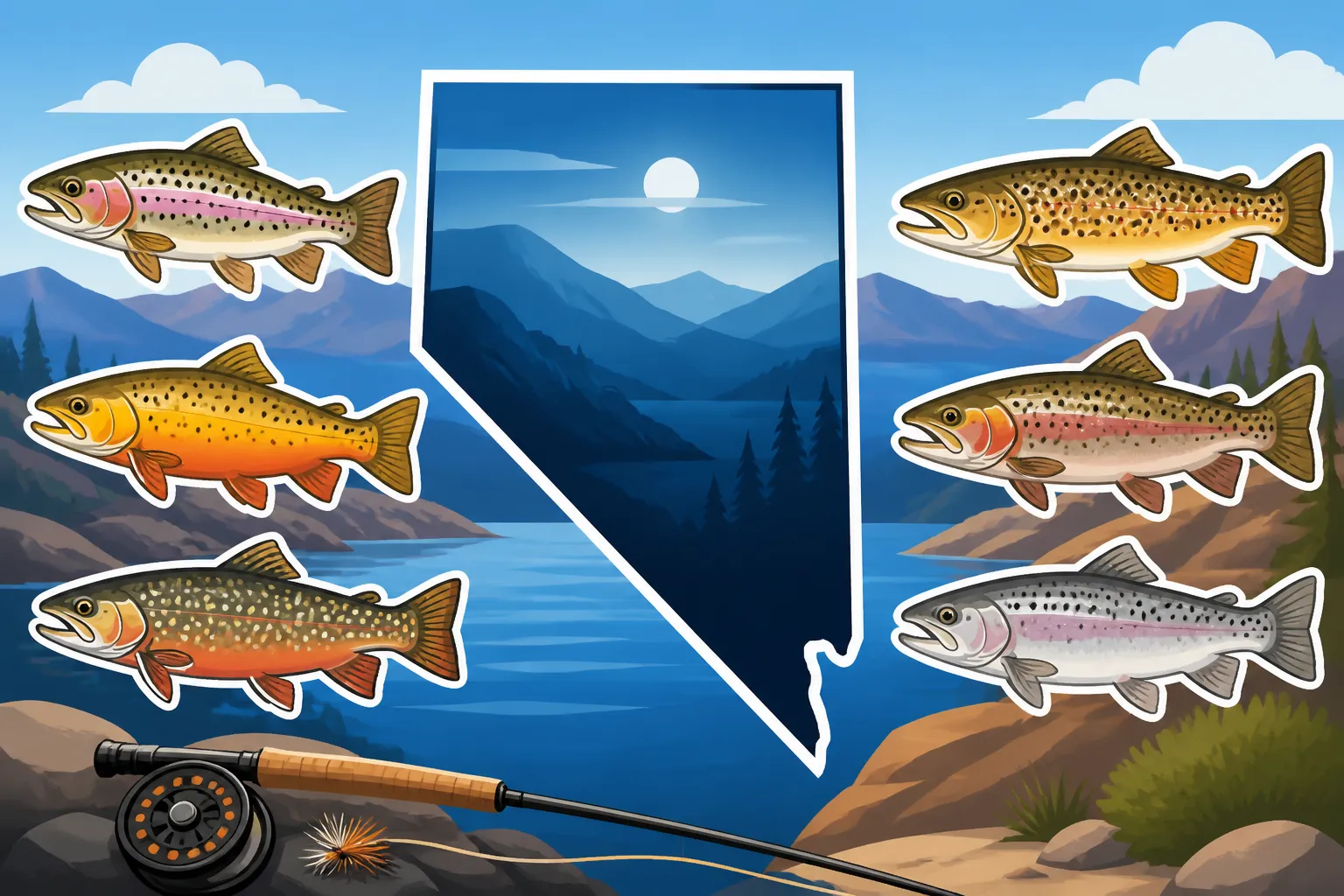
Number of trout species that live in Nevada
Ever stood by a Nevada stream or lake, reeling in a beautiful trout, and wondered exactly what species it was? With Nevada's diverse waters, from high mountain lakes to desert reservoirs, distinguishing between native, stocked, and wild trout can feel like a real puzzle. This guide aims to clear up that confusion, offering a comprehensive look at the different trout species you can expect to encounter across the Silver State.
The Native and Introduced Trout of Nevada
When you're out fishing in Nevada, you're interacting with a delicate balance of native species that have called these waters home for millennia and introduced species that have been stocked for recreational angling. Understanding this distinction is not just academic; it helps you appreciate the unique ecological stories behind each catch and understand the specific regulations that apply.
Lahontan Cutthroat Trout: Nevada's Iconic Native
Hands down, the most historically and ecologically significant trout in Nevada is the Lahontan cutthroat trout. This isn't just a trout; it's the native trout of the Great Basin, and its story is one of incredible resilience and dedicated conservation. These fish are a true testament to survival in some of the most arid environments, once thriving in ancient Lake Lahontan. Today, their stronghold is famously Pyramid Lake, where you can find genuine giants. Catching a Lahontan cutthroat, especially a large one, is a bucket-list item for many anglers. The sheer power of these fish and their striking colors, often with deep red slashes under their jaw, make them unforgettable.
The history of the Lahontan cutthroat is intertwined with the history of Nevada itself. They were a primary food source for Native American tribes and played a crucial role in the ecosystem before European settlement. While their populations faced severe declines due to overfishing, habitat loss, and the introduction of non-native species, significant conservation efforts have brought them back from the brink, particularly at Pyramid Lake. Learning about these incredible fish adds so much more to the angling experience. To dive deeper into their significance, check out our guide on Lahontan Cutthroat Trout in Nevada. You might even want to consult a specialized field guide, easily found on Amazon, to help you identify the subtle nuances that distinguish them from other trout.
Rainbow Trout: The Stocking Workhorse
If you've caught a trout in Nevada, chances are it was a rainbow trout. These vibrant, adaptable fish are the undisputed champions of stocking programs across the state, from urban ponds in Las Vegas to countless reservoirs and streams in both northern and southern Nevada. The Nevada Department of Wildlife (NDOW) consistently stocks rainbow trout to provide readily accessible fishing opportunities for anglers of all skill levels. They grow quickly, fight hard, and are generally quite willing to bite, making them a fantastic target for family outings or a quick trip to a local pond.
Rainbow trout are identifiable by the distinct pinkish-red band running along their sides, often fading to a silvery belly and a greenish-blue back, all covered in small black spots. While they aren't native to Nevada's specific waters, they've become a beloved and integral part of the recreational fishing scene. You can find detailed information on when and where these fish are released in the Nevada Trout Stocking Schedule. For those looking to understand the different sizes you might encounter, our article on Stocked rainbow trout size in Nevada is a great resource. You'll find them in almost every fishable body of water, offering consistent action year-round, although specific techniques might vary with the seasons.
Brown Trout: Elusive and Wily
For anglers who love a challenge, the brown trout offers a truly rewarding experience. These beautiful fish, originally from Europe, were introduced to Nevada's waters and have established wild, self-sustaining populations in many areas, particularly in colder streams and larger reservoirs with good forage. Unlike the often-eager rainbow trout, brown trout are notoriously elusive, cautious, and can be incredibly difficult to fool, especially the larger, more mature specimens. Their territorial nature and preference for cover make them a formidable opponent, but when you finally land a beautiful brown, the satisfaction is immense.
Brown trout are characterized by their golden-brown to olive-green backs, fading to yellowish-brown flanks and a creamy belly. They are covered in distinctive dark spots, often with a pale halo, and frequently have red or orange spots mixed in. You'll find them lurking near submerged structures, undercut banks, and deep pools, waiting to ambush unsuspecting prey. Targeting these fish often requires more subtle presentations and a keen understanding of their habitat. For tips on where these wily fish might be hiding, delve into our guide on Brown Trout in Nevada Reservoirs or read about Where to catch brown trout in Nevada.
Less Common and Hybrid Trout Species
While rainbow, cutthroat, and brown trout make up the bulk of Nevada's trout fishing, the Silver State also offers opportunities to encounter a few other distinct species and fascinating hybrids. These less common varieties often provide unique angling experiences, sometimes in specialized environments that add to the adventure.
Brook Trout: High Mountain Gems
Brook trout, despite their name, are actually a type of char, but they are generally grouped with trout for angling purposes. These stunning fish are a joy to behold, with their vibrant colors – often dark green to brown backs, mottled with worm-like patterns (vermiculations), bright red spots with blue halos on their sides, and white-edged fins. They typically thrive in the coldest, clearest waters of high-elevation streams and alpine lakes, making them a reward for those willing to hike into more remote areas.
While not as widespread as rainbows, brook trout offer a unique, often solitary, fishing experience in Nevada's pristine mountain environments. They are typically smaller than other trout species you'll encounter, but their aggressive strike and breathtaking beauty more than make up for their size. Fishing for brookies often involves light tackle and stealthy approaches. If you're looking to explore some of these picturesque locations, our guide to the Best Nevada Trout Lakes will point you toward some incredible high-country fishing.
Lake Trout Mackinaw: Deepwater Giants
Another char species often referred to as a trout is the lake trout, or "Mackinaw" as they are affectionately known, particularly in the deep, cold waters of Lake Tahoe. These are true monsters of the deep, growing to impressive sizes and living for many years. Unlike their stream-dwelling cousins, Mackinaw prefer the frigid depths of large, oligotrophic lakes, spending much of their lives far below the surface. Catching one requires specialized techniques, often involving heavy tackle, downriggers, and a good fish finder to locate their preferred depths.
Lake Tahoe is the prime destination for Mackinaw fishing in Nevada, offering anglers a chance at truly trophy-sized fish. They are characterized by their dark grey to olive-green bodies, covered in light, irregular spots, and a deeply forked tail. Targeting these powerful fish is a serious undertaking and a rite of passage for many dedicated anglers. To learn the secrets of pursuing these freshwater leviathans, be sure to read our comprehensive guide on Mackinaw Lake Trout at Lake Tahoe and How to Catch Mackinaw Trout at Lake Tahoe. Remember that specialized gear for deepwater trolling, like heavy spoons and dodgers, can often be found readily available on Amazon.
Hybrid Trout: Unique Nevada Catches
Nevada's waters also sometimes produce fascinating hybrid trout species, often through deliberate stocking programs designed to create fish with desirable traits like fast growth or disease resistance. The two most notable hybrids you might encounter are the tiger trout and the bowcutt trout.
Tiger trout are a striking cross between a brown trout and a brook trout, and they are easily recognizable by their distinctive, dark, worm-like patterns (resembling a tiger's stripes) over a brownish-yellow background. These sterile hybrids are known for their aggressive nature and beautiful appearance. NDOW sometimes stocks tiger trout in specific waters, such as Wildhorse Reservoir, to add variety and a unique challenge for anglers. Our article Tiger Trout Hybrid at Wildhorse Reservoir explores where you might find these magnificent fish, and What a tiger trout is provides more detail on their unique characteristics.
Bowcutt trout, on the other hand, are a cross between a rainbow trout and a cutthroat trout. These hybrids are also often sterile and can exhibit a mix of characteristics from both parent species, sometimes showing the distinctive red slash marks of a cutthroat combined with the general body shape and spotting of a rainbow. They offer a blend of fighting characteristics and can be a fun surprise for anglers who might otherwise expect a pure rainbow or cutthroat. Learning about their unique appearance is key, and our guide to Bowcutt Trout Hybrid Identification can help you tell them apart. These hybrids underscore the dynamic and sometimes experimental nature of fish management in the state.
Understanding Nevada's Trout Ecosystem
Nevada's diverse trout populations don't just happen by accident. They are the result of careful management, historical introductions, and the unique geographical features of the state. Understanding the reasons behind the presence of different species helps you appreciate the efforts that go into maintaining such rich fishing opportunities.
Why So Many Species? Stocking and Conservation
The presence of multiple trout species in Nevada is a direct result of both historical circumstances and ongoing conservation and management efforts by agencies like the Nevada Department of Wildlife. Native species like the Lahontan cutthroat are the focus of intense preservation, restoration, and genetic purity programs, especially after decades of decline. These efforts are crucial for maintaining the ecological heritage of the state.
Simultaneously, the extensive stocking of non-native species, primarily rainbow trout, serves to meet the high demand for recreational fishing. These fish thrive in many of Nevada's reservoirs and urban ponds, providing consistent angling opportunities without putting pressure on sensitive native populations. Brown trout, while introduced, have often found suitable habitats to establish wild populations, contributing another layer of complexity and challenge to the fishing scene. This blend of conservation for natives and active management for introduced species creates the rich tapestry of trout fishing that Nevada offers. It's a testament to balancing ecological responsibility with recreational enjoyment. Detailed information on managing fish populations can be found in resources like Nevada Fishing Regulations Explained and Nevada Trout Season Dates.
Identifying Your Catch: Field Guides and Resources
With such a variety of trout, proper identification is not just interesting, it's often crucial for adherence to fishing regulations, as different species or even different waters may have varying bag limits, size restrictions, or special rules (e.g., barbless hooks for native cutthroat). It's easy to get confused, especially with hybrids or when encountering a species for the first time.
Having a reliable field guide is your best friend when faced with an unfamiliar fish. These guides often feature detailed descriptions, illustrations, and distribution maps that can help you quickly and accurately identify your catch. Many experienced anglers keep a small, waterproof guide in their tackle box, which can be invaluable out on the water. You can find an excellent selection of fish identification books and regional guides for Western states on Amazon, sometimes even specialized ones for Nevada or the Great Basin. Taking the time to properly identify your catch not only ensures you're fishing legally but also deepens your understanding and connection to the unique aquatic life of Nevada. For a broader look at all the fish you might encounter, see our Nevada Fish Species Guide.
Nevada truly offers a diverse trout fishing experience, with each species providing its own unique challenge and charm. From the ancient Lahontan cutthroat to the ubiquitous rainbow, and the elusive brown, there's a trout for every angler and every adventure.
Here's a quick overview of the main trout and char species you might encounter in Nevada:
| Species Name | Native/Introduced | Primary Habitat | Key Identification Features |
|---|---|---|---|
| Lahontan Cutthroat Trout | Native | Pyramid Lake, various streams | Red/orange slash marks under jaw, large spots, often silver/gold |
| Rainbow Trout | Introduced | Widespread (stocked), some rivers | Pinkish-red band, small black spots, silvery sides |
| Brown Trout | Introduced | Rivers, larger reservoirs | Brown/olive back, yellowish sides, red/orange spots with halos |
| Brook Trout | Introduced | High-elevation streams/lakes | Worm-like patterns on back, red spots with blue halos, white fin edges |
| Lake Trout (Mackinaw) | Introduced | Deep, cold lakes (Lake Tahoe) | Dark grey/olive, light irregular spots, deeply forked tail, large |
| Tiger Trout | Hybrid | Specific stocked waters | Distinct "tiger stripe" patterns, aggressive |
| Bowcutt Trout | Hybrid | Specific stocked waters | Mix of rainbow and cutthroat features, sometimes red slash |
Disclaimer
This article is for general informational purposes only and does not constitute professional advice. Laws, prices and regulations vary by location and change over time. Consult a qualified professional for guidance on your specific situation.