Fish species living in the Colorado River in Nevada
If you're an angler looking to cast a line in the Silver State, the Colorado River is a truly unique and diverse fishery, but understanding what you're likely to catch, and why, can be a real head-scratcher. This guide dives deep into the fascinating array of fish species that call the Nevada portion of the Colorado River home, helping you prepare for a successful and informed fishing adventure.
The Colorado River's Unique Ecosystem in Nevada
The Colorado River's journey through Nevada is nothing short of spectacular, winding through rugged canyons and expanding into vast, deep reservoirs. This stretch of river, significantly impacted by the Hoover Dam and Davis Dam, has created a complex aquatic environment, far different from the free-flowing river of yesteryear. It’s a place of incredible contrasts, from the cold, clear waters directly below the dams to the warmer, nutrient-rich depths of Lake Mead and Lake Mohave.
The River's Journey Through the Silver State
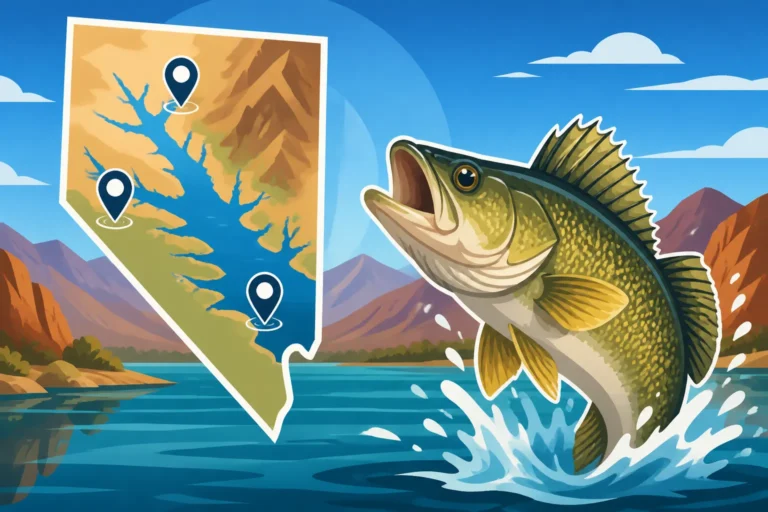
As the Colorado River flows into Nevada, it first fills the massive expanse of Lake Mead, an iconic body of water known for its stunning desert backdrop and impressive fish populations. Below Lake Mead, the river continues its course, eventually forming Lake Mohave, another significant reservoir, before making its way towards Arizona and California. The varying depths, structures, and water temperatures across these different sections mean that the types of fish you'll encounter can change dramatically. For example, the deeper, cooler waters of the canyon sections or below the dams might hold species that prefer colder temperatures, while the expansive, warmer coves of Lake Mead and Lake Mohave are ideal for species that thrive in warmer environments. Understanding these micro-environments is key to knowing what fish species live where, and how best to target them.
Native vs. Non-Native Species Dynamics
The story of the Colorado River's fish populations is largely one of transformation. Historically, this river system was home to a unique suite of native fish species, many of which were incredibly well-adapted to the river's fluctuating flows and sometimes harsh desert conditions. However, the construction of dams, the creation of large reservoirs, and the subsequent introduction of numerous non-native fish species for sport fishing purposes dramatically altered this ecosystem.
Today, the dominant fish populations in the Nevada stretch of the Colorado River are primarily non-native species, many of which were introduced decades ago and have since established thriving, self-sustaining populations. These include many of the popular game fish that anglers love to pursue. While some native species still persist, they often face significant challenges due to habitat changes and competition from their introduced counterparts. This dynamic creates a fishery that is incredibly diverse, offering a wide range of angling opportunities, but it also underscores the delicate balance of the river's ecosystem.
Common Game Fish You'll Encounter
The Nevada portion of the Colorado River is a veritable playground for anglers, boasting a robust population of popular game fish. Whether you're a seasoned pro or just starting out, there’s likely a species here that will capture your angling imagination and put a bend in your rod.
The Mighty Striped Bass
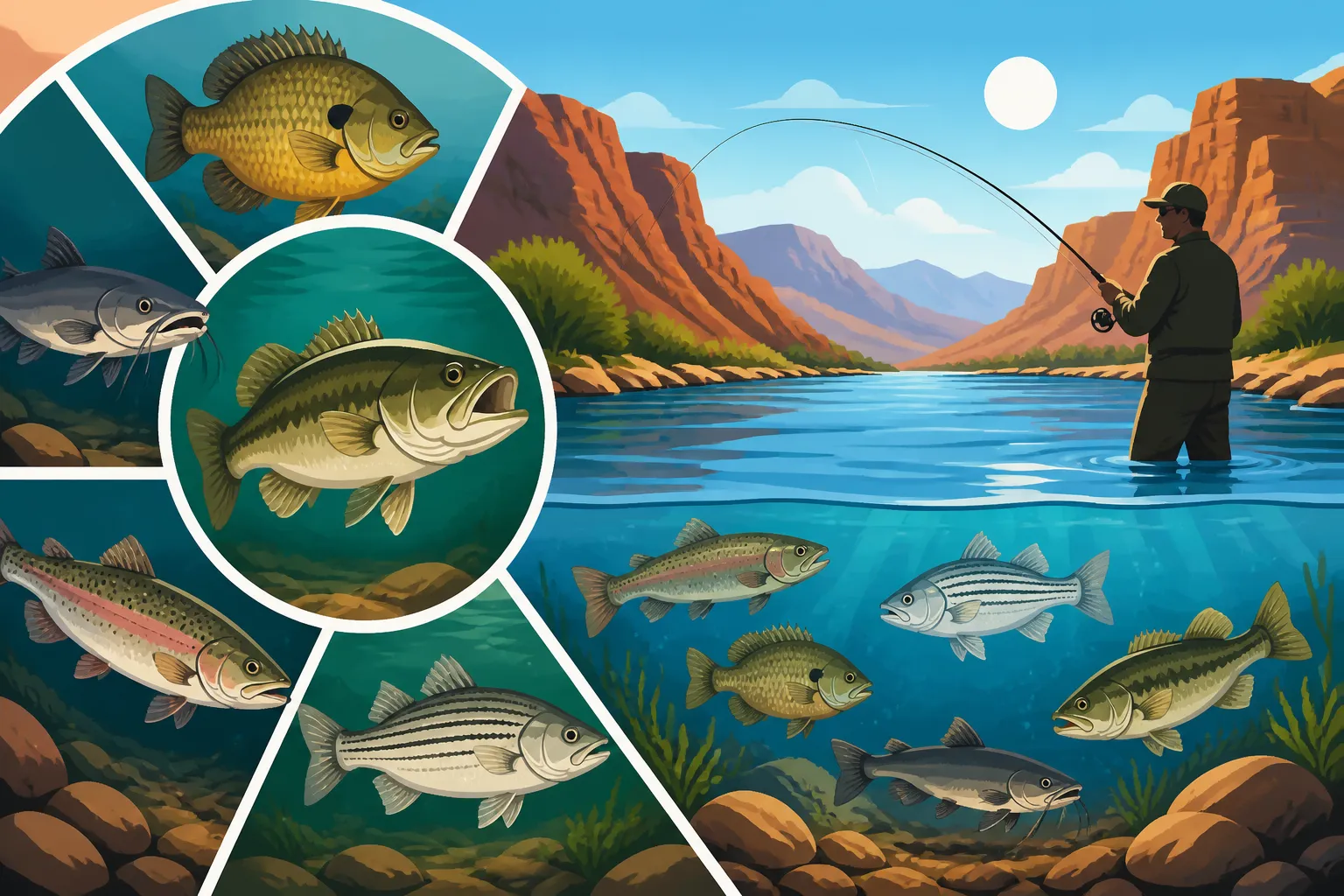
Perhaps no fish is as synonymous with Lake Mead and Lake Mohave as the striped bass, or "striper." These powerful, schooling predators are a massive draw for anglers, known for their aggressive strikes and formidable fighting ability. Stripers are easily identifiable by the distinct horizontal stripes running along their silver bodies. While the average size of striped bass in these waters might typically range from 1 to 10 pounds, trophy-sized fish weighing 20, 30, or even 40 pounds are caught regularly, making every cast a potential encounter with a true giant.
They thrive in the open, deeper waters of both Lake Mead and Lake Mohave, often found chasing schools of threadfin shad, their primary food source. Anglers frequently target them by trolling, casting large swimbaits or jigs, or even using cut bait or live anchovies. When they get into a feeding frenzy, often signified by birds diving and fish boiling on the surface, the action can be fast and furious! If you're looking to specifically target these hard-hitting fish, our guide on Striped Bass Fishing in Nevada provides an excellent overview of techniques and tactics. You might find a wide array of specialized lures and heavy-duty rods on platforms like Amazon to tackle these powerful fish.
Largemouth and Smallmouth Bass
When it comes to bass fishing, the Colorado River system in Nevada offers both largemouth and smallmouth bass, each with their own distinct preferences and fighting styles.
Largemouth Bass: These are the classic "bucketmouth" bass, with a jaw that extends past their eye. They prefer warmer, shallower waters with plenty of cover, such as submerged brush, rocky outcrops, and weed beds. In Lake Mead, you'll find them lurking in the countless coves and points, waiting to ambush unsuspecting prey. They typically range from 1 to 5 pounds, but bigger ones are always a possibility. Largemouth Bass Fishing in Nevada goes into great detail about finding and catching these elusive fish.
Smallmouth Bass: Often called "bronzebacks" due to their coloration, smallmouth bass are identifiable by their smaller mouth that does not extend past the eye, and their vertical barring. These bass prefer cooler, clearer water with rocky structures, ledges, and drop-offs. They are incredibly strong fighters for their size, known for their acrobatic jumps when hooked. You'll find them in similar areas to largemouth but often in slightly deeper, rockier terrain. Both species respond well to a variety of lures, including plastic worms, jigs, and crankbaits. For more ideas on effective lures, check out our piece on Best Lures for Nevada Bass.
Channel Catfish and Bullheads
For those who enjoy a different kind of fight and excellent table fare, channel catfish and bullheads are prevalent throughout the Nevada stretch of the Colorado River.
Channel Catfish: These whiskered warriors are characterized by their smooth, scaleless skin, deeply forked tail, and barbels around their mouth. They thrive in the deeper, slower-moving sections of the river, as well as the warmer coves and muddy bottoms of the lakes. Catfish are primarily bottom feeders and are most active during the low light hours of dawn, dusk, and especially at night. They can grow quite large, with fish in the 5-15 pound range being common, and much larger specimens possible. Many anglers find success using stink baits, chicken liver, or cut bait fished directly on the bottom. If you're planning a nighttime catfish excursion, our article on Best Bait for Channel Catfish at Night is a must-read.
Bullheads: While not reaching the size of channel catfish, bullheads (black bullhead being the most common) are smaller, stouter, and have a square or slightly rounded tail. They are often found in similar habitats, especially in muddier, shallower areas. They are excellent for younger anglers or those looking for consistent action, readily taking smaller pieces of worm or bait.
Rainbow Trout and Other Cold-Water Species
While the Colorado River in Nevada might be thought of as a warm-water fishery, there are significant cold-water opportunities, particularly in the sections directly below the Hoover Dam.
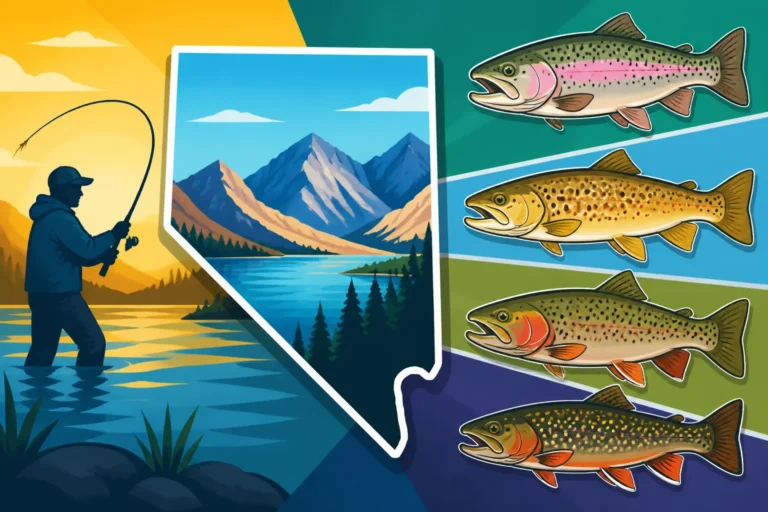
Rainbow Trout: These beautiful, feisty fish are a staple in the cold, oxygen-rich waters released from the bottom of the dam. The Nevada Department of Wildlife (NDOW) regularly stocks rainbow trout in these sections, providing fantastic angling opportunities, especially in the river stretch between Hoover Dam and Willow Beach. Rainbows are easily recognized by the reddish band running along their side. They are eager biters and can be caught on a variety of baits like PowerBait, worms, or small spinners and flies. If you're curious about targeting these vibrant fish, our Rainbow Trout Fishing in Nevada guide offers fantastic insights. You'll often find specific trout baits and light spinning gear perfect for these conditions available on Amazon.
Though less common in the main river channel due to warmer temperatures, the cooler tributaries and specific spring-fed areas might also hold other cold-water species, like brown trout, though they are not a primary target in this section of the Colorado River.
Panfish: Bluegill and Crappie
For a relaxed day of fishing, or introducing kids to the sport, the panfish populations in the Colorado River's Nevada reservoirs are hard to beat.
Bluegill and Sunfish: These colorful, small fish are abundant in the shallower, vegetated coves of Lake Mead and Lake Mohave. They are aggressive eaters, making them incredibly fun for anglers of all ages, especially children. They readily take small pieces of worm, crickets, or tiny jigs. While not large, their sheer numbers and willingness to bite provide constant entertainment. Discover more about where to find these little fighters in our guide on Bluegill and Sunfish in Nevada Ponds, as the habitat preferences are quite similar.
Crappie: Both black and white crappie can be found in the Colorado River system, particularly around submerged brush, timber, and deeper structures in the coves. These fish are known for their delicious white flesh and are a favorite among many anglers. They tend to congregate in schools, so once you find one, you're likely to find more. Small jigs, minnows, and soft plastics are highly effective for crappie fishing. For more detailed information on where and how to catch these popular panfish, be sure to check out our piece on Crappie Fishing in Nevada.
Other Fascinating Aquatic Residents (Beyond Game Fish)
While game fish often steal the spotlight, the Colorado River in Nevada is home to a host of other fascinating aquatic species. Some are non-native introductions that have become established, while others are incredibly important native fish that play a crucial role in the ecosystem, even if they aren't typically targeted by anglers. Understanding these other residents paints a more complete picture of the river's biodiversity.
Carp and Tilapia
Among the most common non-game fish you'll encounter are carp and tilapia, both of which have established strong populations in the warmer, shallower sections of Lake Mead and Lake Mohave.
Common Carp: These large, powerful bottom-feeders are widespread throughout the Colorado River system. Recognizable by their large scales, barbels around their mouths, and often golden-brown coloration, carp can grow to impressive sizes, frequently reaching weights of 10 to 30 pounds, with some specimens pushing much heavier. While often overlooked by sport anglers, carp offer a tremendous fight on appropriate tackle, and some anglers specifically target them for their challenging nature. They are opportunistic eaters, feeding on insects, crustaceans, and plant matter, and can be caught using dough balls, corn, or various baits fished on the bottom. For a deeper dive into their presence and impact, read our article on Common Carp in Nevada Waters.
Tilapia: Several species of tilapia, particularly Mozambique and Blue Tilapia, have become well-established in the warmer waters of the Colorado River, especially in Lake Mead. These fish are native to Africa and were introduced to various parts of the U.S. for aquaculture or weed control. They are characterized by their compressed bodies and often colorful patterns. While not typically considered a sport fish in the same vein as bass or stripers, they are caught by anglers, sometimes incidentally, and are known for their firm, white flesh, making them a popular food fish in many cultures. They can be caught on small worms, corn, or even tiny pieces of bread. Our guide on Can you catch tilapia in Nevada? offers more specifics on these interesting fish.
Native Fish of Conservation Concern
Beyond the introduced species, the Colorado River system in Nevada is also a critical habitat for several native fish that are now considered threatened or endangered. These species are a testament to the river's unique evolutionary history and are protected by state and federal laws. Anglers must be aware of these species, as encountering them requires special care and understanding.
Species such as the Razorback Sucker and Bonytail Chub are prime examples. These fish are remnants of a vast, ancient river system and are uniquely adapted to the natural conditions of the Colorado River before significant human alteration. They typically have elongated bodies and specific mouth structures adapted for feeding in riverine environments. While it's unlikely for an average angler to intentionally catch these species, accidental catches do happen. If you ever find yourself with one of these protected fish on your line, it is absolutely critical to handle it with extreme care and release it immediately and unharmed. These species are not to be possessed or harvested. Learning about these vulnerable populations is part of being a responsible angler and helps ensure their survival. You can find more comprehensive details on these important fish in our article about Threatened and Protected Fish Species in Nevada.
Conservation and Management Efforts for Colorado River Fish
The health of the Colorado River's fisheries in Nevada is not just a matter of chance; it's the result of dedicated, ongoing conservation and management efforts. Both game fish and the river's fragile native species require careful stewardship to ensure their populations remain healthy for future generations of anglers and for the ecosystem itself.
The Role of NDOW and Partner Agencies
The Nevada Department of Wildlife (NDOW) plays a pivotal role in managing the fish populations within the state's portion of the Colorado River. Their responsibilities are vast and encompass several key areas:
- Stocking Programs: NDOW regularly stocks certain species, like rainbow trout, in specific areas, especially in the cold-water stretches below Hoover Dam, to enhance angling opportunities and maintain viable populations where natural reproduction might be limited.
- Population Monitoring: Biologists continuously monitor fish populations, studying their health, growth rates, and reproductive success. This data helps them make informed decisions about stocking, harvest limits, and habitat improvements.
- Habitat Restoration and Protection: Efforts are made to restore and protect critical fish habitats, which can include managing water flows, improving water quality, and protecting riparian zones. These efforts are particularly crucial for native species that rely on specific, undisturbed habitats.
- Regulation Enforcement: NDOW game wardens enforce fishing regulations, ensuring that anglers comply with bag limits, size restrictions, and gear restrictions. These rules are put in place to prevent overfishing and protect vulnerable populations. Understanding these rules is critical, and our Nevada Fishing Regulations Explained article covers the essentials you need to know before heading out.
- Research and Education: Ongoing research helps NDOW better understand the complex dynamics of the river's ecosystem and how different species interact. Educational programs help inform the public about responsible angling practices and the importance of conservation.
Beyond NDOW, other federal agencies, such as the National Park Service (which manages areas like Lake Mead National Recreation Area) and various wildlife refuges, also play a significant part in the overall management and protection of the Colorado River's natural resources. Collaborative efforts are essential for managing such a vast and complex interstate river system.
How Anglers Can Help
As anglers, we have a vital role to play in supporting these conservation efforts and ensuring the long-term health of the Colorado River's fish populations. Every action, no matter how small, can make a difference.
- Know and Follow Regulations: This is paramount. Always familiarize yourself with the current Nevada fishing regulations before you go fishing. Rules regarding bag limits, size restrictions, and specific gear types are designed to protect fish stocks. Ignorance of the law is never an excuse.
- Practice Catch and Release: For many species, especially those native fish or those you don't intend to keep for consumption, practicing proper catch and release techniques is crucial. Minimize handling time, use barbless hooks when appropriate (check regulations!), and release fish gently back into the water.
- Prevent the Spread of Aquatic Invasive Species: Invasive species like quagga and zebra mussels can devastate aquatic ecosystems. Always "Clean, Drain, and Dry" your boat, trailer, and fishing gear before moving it from one body of water to another. This prevents the unintentional transfer of harmful organisms.
- Dispose of Trash Properly: Pack out everything you pack in. Leave no trace of your visit. Discarded fishing line, plastics, and other litter can harm wildlife and degrade the beauty of our natural spaces.
- Report Violations: If you witness illegal fishing activities or environmental damage, report it to NDOW. Your vigilance helps protect the resource for everyone.
- Support Conservation Organizations: Many non-profit organizations work tirelessly to conserve the Colorado River's fish and habitats. Consider supporting them through donations or volunteer work.
- Choose Responsible Gear: When purchasing your fishing gear, whether from a local tackle shop or online retailers like Amazon, consider brands that demonstrate a commitment to environmental stewardship. Many companies now offer sustainable products or contribute a portion of their profits to conservation efforts.
By being informed, responsible, and proactive, anglers can ensure that the incredible diversity of fish living in the Colorado River in Nevada continues to thrive for generations to come. It’s a privilege to fish these waters, and with that privilege comes the responsibility to protect them.
Colorado River Game Fish at a Glance
For a quick reference on some of the key game species you're likely to encounter, here's a handy comparison:
| Fish Species | Typical Size (Nevada) | Preferred Habitat | Common Baits/Lures | Notes |
|---|---|---|---|---|
| Striped Bass | 1-10 lbs (up to 40+ lbs) | Open water, deep channels, points | Anchovies, swimbaits, jigs, topwater | Powerful fighters, often school. |
| Largemouth Bass | 1-5 lbs | Structure, coves, submerged vegetation | Plastic worms, crankbaits, jigs | Ambush predators, typically near cover. |
| Smallmouth Bass | 0.5-3 lbs | Rocky points, ledges, clear water | Small crankbaits, tubes, grubs | Strong fighters for their size, acrobatic. |
| Channel Catfish | 1-15 lbs | Deep pools, slower currents, muddy areas | Stink baits, cut bait, chicken liver | Nocturnal feeders, excellent table fare. |
| Rainbow Trout | 10-20 inches | Cold, oxygenated water below dams | PowerBait, worms, spinners, flies | Regularly stocked, feisty. |
| Bluegill / Sunfish | 4-8 inches | Shallow, vegetated areas, docks | Worms, crickets, small jigs | Abundant, great for beginner anglers. |
| Crappie | 6-12 inches | Submerged brush, timber, deep structure | Small jigs, minnows, soft plastics | Schooling fish, delicious white meat. |
Disclaimer
This article is for general informational purposes only and does not constitute professional advice. Laws, prices and regulations vary by location and change over time. Consult a qualified professional for guidance on your specific situation.