Best boat size for Lake Mead fishing
Oh, Lake Mead! It's truly a magnificent body of water, isn't it? But if you've ever stood on its shores, or even just looked at a map, you know it's massive. Deciding on the best boat size for Lake Mead fishing can feel like trying to choose the perfect pair of shoes for a marathon – you need something that's going to handle the distance, the terrain, and keep you comfortable all day long. This guide is going to walk you through all the considerations, from the choppy open waters to the serene coves, so you can pick a vessel that makes your next fishing adventure truly epic, not an exercise in frustration.
Understanding Lake Mead's Unique Challenges and Opportunities
Lake Mead isn't just any lake; it's a colossal desert reservoir, and that brings with it a very specific set of characteristics that directly impact your boat choice. You wouldn't take a rowboat out into the ocean, and while Lake Mead isn't the ocean, it demands respect and the right equipment to enjoy it safely and effectively.
The Sheer Scale and Variable Conditions of Lake Mead
Let's be real, Lake Mead is enormous. We're talking about hundreds of miles of shoreline and depths that can plunge hundreds of feet. This isn't your local pond where you can see the other side. This vastness means you often need to cover significant distances to get to prime fishing spots, whether you're chasing elusive striped bass or exploring remote coves for largemouth.
The weather on Lake Mead can also change in a heartbeat. One moment it's glassy calm, and the next, a stiff desert wind can whip up whitecaps that make smaller boats feel like corks. This isn't just uncomfortable; it can be genuinely dangerous. A boat that's too small or ill-equipped for these conditions can quickly turn a fun day into a worrisome struggle. You need a vessel that offers a good measure of stability and safety, even when Mother Nature decides to throw a tantrum. Nobody wants to be pounded by waves for an hour just trying to get back to the ramp.
Diverse Fishing Zones and Techniques
The beauty of Lake Mead for anglers lies in its incredible diversity. You've got vast open water where schools of striped bass chase baitfish, deep channels perfect for trolling, and countless intricate coves and submerged structures that are heaven for largemouth and smallmouth bass. Then there are the deep spots for catfish or even the occasional elusive crappie.
Each of these fishing zones and preferred techniques has implications for your boat. If you're planning on covering a lot of ground quickly, perhaps to follow migrating stripers, then speed and fuel efficiency might be key. If you're focused on stealthily approaching bass beds in shallow coves, then a boat with a lower draft and quiet electric motor might be more suitable. Anglers targeting larger species or fishing in the middle of the lake will appreciate the stability and gear capacity of a larger boat. What works for How to Fish for Striped Bass in Nevada might be different than what works for targeting bass in a quiet backwater. This diversity means your "best" boat size really depends on how you intend to fish most often.
Matching Boat Size to Your Fishing Style
When it comes to picking a boat for Lake Mead, there's no single "right" answer. It's all about matching the vessel to your specific needs, how you like to fish, and who you're usually bringing along. Think of it like choosing a fishing rod; you wouldn't use a fly rod for deep-sea fishing, and you wouldn't use a heavy surf rod for delicate stream trout.
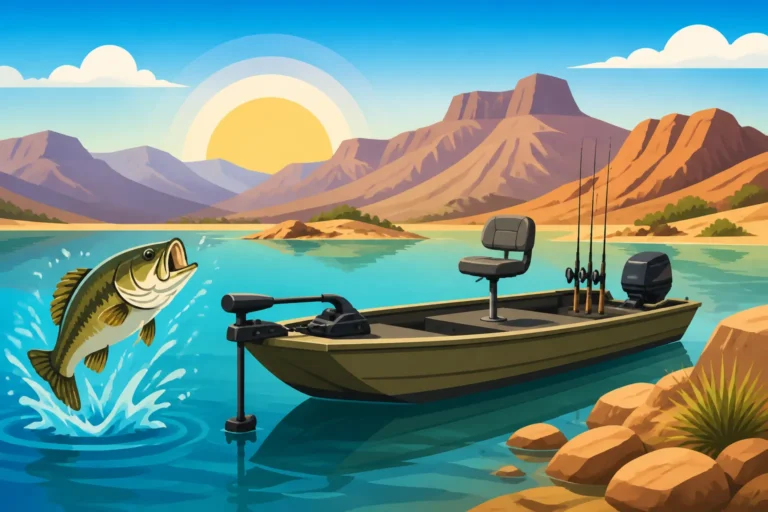
Small Boats (16-18 feet): Kayaks, Jon Boats, and Smaller Skiffs
For many anglers, especially those just starting out or focusing on specific, sheltered areas, smaller boats can be a fantastic entry point to Lake Mead. We're talking about things like kayaks, canoes, small aluminum jon boats, or compact fiberglass skiffs. These boats are generally much easier on the wallet, both in terms of initial purchase and ongoing costs like fuel and maintenance. Launching and retrieving them can often be done by a single person, which is a huge plus if you're a solo angler.
They excel in accessing shallower waters and tight coves that larger vessels simply can't reach, offering a stealthy approach to fish hiding in structure. For instance, if you're really into exploring the nooks and crannies for bass or just enjoying a quiet day near a specific shoreline without the roar of a big engine, a kayak is phenomenal. You might want to check out Kayak Fishing Gear for Nevada for what you'd need. However, their major drawback is their vulnerability to Lake Mead's infamous winds and chop. If the weather kicks up, these boats can quickly become unsafe or at the very least, incredibly uncomfortable. Storage space is usually minimal, and they're best suited for one or two anglers at most, and only in calmer conditions or specific protected areas like Hemenway Harbor.
Mid-Size Boats (19-22 feet): Bass Boats, Center Consoles, Deck Boats
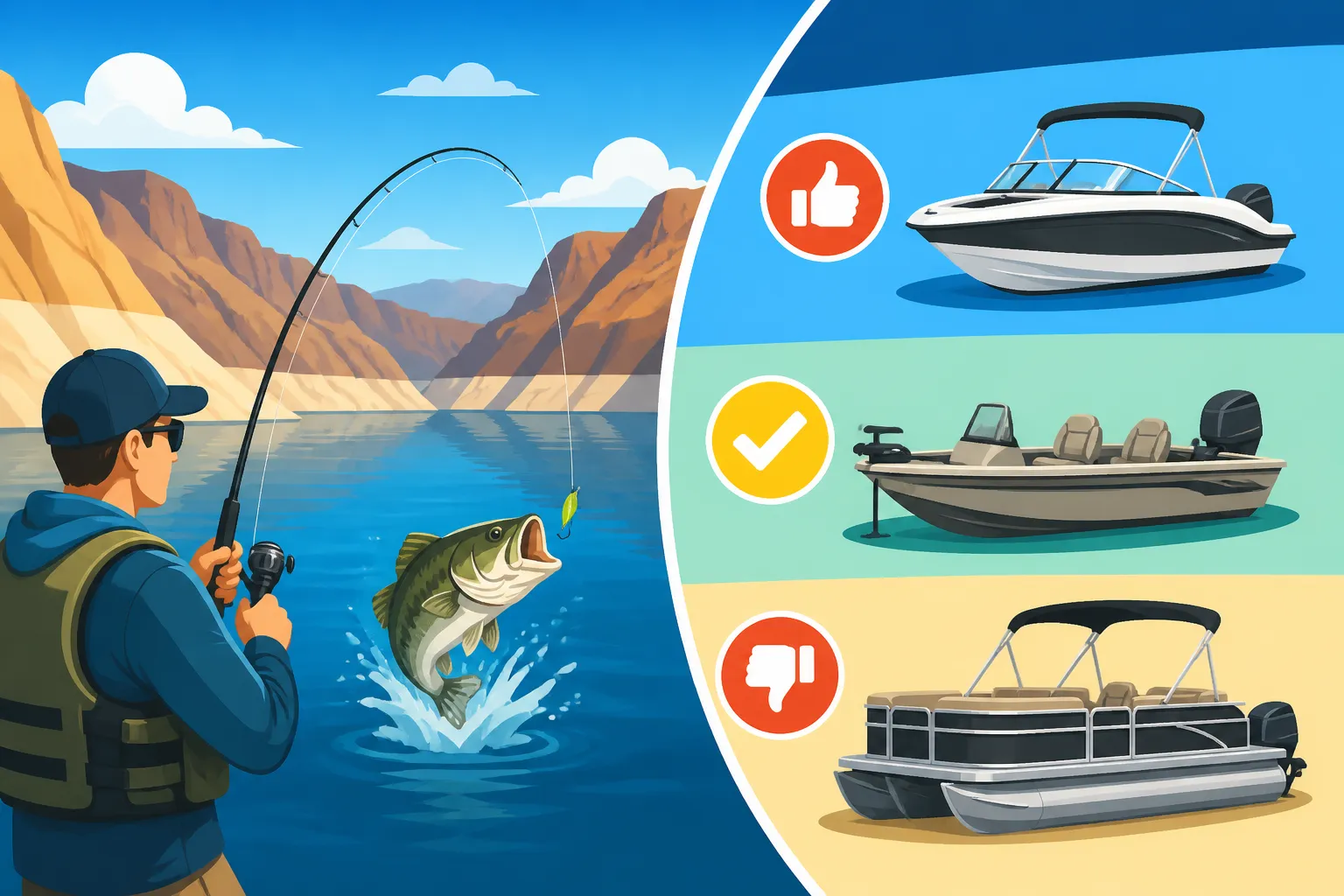
This category represents a sweet spot for many Lake Mead anglers. Here, you'll find a wide array of versatile boats, including dedicated bass boats, center consoles, and recreational deck boats. These vessels strike a good balance, offering enough size and stability to handle moderate chop while still being maneuverable enough for most launch ramps and coves. They can generally accommodate two to four anglers comfortably, making them ideal for family outings or fishing trips with a few buddies.
Bass boats, in particular, are designed with fishing in mind, boasting features like powerful engines for quick runs, multiple livewells, ample rod storage, and large casting decks. Center consoles offer excellent 360-degree fishability and are robust enough for more open water, while deck boats provide comfort and space for both fishing and general recreation. They offer a significant upgrade in comfort and safety compared to smaller boats when conditions get a bit bumpy, allowing you to venture further out to Lake Mead Striped Bass Hotspots or troll for longer periods. Of course, this increased capability comes with a higher price tag for the boat itself, more fuel consumption, and often requires a larger tow vehicle and a bit more effort at the launch ramp. Many anglers find the investment worthwhile for the versatility and peace of mind these boats provide on a lake of Mead's scale. For a broader look at options, take a peek at Best Boats for Nevada Reservoir Fishing.
Larger Boats (23+ feet): Cruisers, Larger Center Consoles, Pontoon Boats
For those who prioritize comfort, stability, and the ability to handle almost any condition Lake Mead throws at them, larger boats are the way to go. This includes substantial cruisers, bigger center consoles, and large pontoon boats. These behemoths offer a smooth ride even in rough water, a high degree of safety, and plenty of space for larger groups, gear, and amenities. If you're planning multi-day trips or regularly bringing along a big family or several friends, the sheer capacity and comfort of a larger vessel are unmatched.
Think about a pontoon boat for a family day where some want to fish, some want to swim, and everyone wants space to relax. Best Pontoon Boat for Family Fishing Trips covers this well. These boats often come equipped with more powerful engines, deeper V-hulls for cutting through waves, and luxurious features like full heads, galleys, and comfortable seating. They are perfect for extended excursions across the entire lake, reaching those truly remote Best Places to Fish in Nevada. The trade-off, as you might expect, is significant. Larger boats are substantially more expensive to purchase, operate, and maintain. They require robust tow vehicles, often need professional launching services, and can be challenging to maneuver in tight spaces. Parking and storage also become a much bigger consideration. However, for the serious angler who values space, stability, and creature comforts on a lake as vast as Mead, a larger boat offers an unparalleled experience.
Practical Considerations Beyond Length
While the length of a boat is often the first thing people think about, it's really just one piece of the puzzle. There are several other crucial factors that play a huge role in how a boat performs, how safe it is, and how enjoyable your Lake Mead fishing experience will be. Ignoring these can lead to buyer's remorse faster than a striper can hit a topwater lure.
Beam, Hull Design, and Freeboard
These three elements work together to define a boat's stability, ride quality, and how protected you'll feel when the waves start to stack up.
Beam refers to the boat's width. Generally, a wider beam means more initial stability. On a lake like Mead, where boat wakes and wind-generated chop are common, a stable platform is incredibly important. It makes casting easier, moving around the boat safer, and simply sitting still more comfortable. A narrow boat might be faster, but it will rock and roll much more in choppy conditions, which can be exhausting over a long day.
Hull design dictates how the boat interacts with the water. A deep-V hull, common on many offshore fishing boats and larger center consoles, is designed to cut through waves rather than ride over them. This provides a much smoother, drier ride in rough water – a blessing on Lake Mead when those afternoon winds pick up. Flatter-bottomed boats, like many jon boats, are fantastic in calm, shallow water but will pound unmercifully and get you soaked in any significant chop. Modified-V hulls offer a compromise, balancing speed, stability, and ride comfort.
Freeboard is the distance from the waterline to the top of the boat's side. Higher freeboard offers greater protection from spray and waves. On Lake Mead, with its potential for large swells, higher freeboard can mean the difference between staying dry and taking a drenching. More importantly, it adds a crucial layer of safety, especially if you're out with kids or in unpredictable weather, helping to prevent water from coming over the gunwales and offering a more secure feeling inside the boat.
Motorization and Fuel Capacity
Lake Mead is enormous, and covering significant distances is often part of the game. That means your engine and fuel tank are not just accessories; they're vital organs of your fishing machine. An underpowered boat on Lake Mead isn't just slow; it can be dangerous. Trying to navigate against a strong headwind with too little horsepower means your boat struggles, burns more fuel, and leaves you vulnerable to rapidly changing conditions. You need enough power to get on plane quickly, maintain a reasonable cruising speed, and have enough reserve to get you out of a tight spot. Even if you're just considering Best Small Outboard Motor for a Desert Lake Boat for a smaller craft, ensure it's adequate for the conditions.
Equally important is fuel capacity. Many prime fishing spots are a long run from the nearest marina. Running out of gas miles from shore is not just inconvenient; it can be a serious safety issue, especially if you lose power and drift into a busy channel. Always factor in extra fuel for unexpected detours, rough water (which burns more fuel), and emergencies. It's always a good practice to follow the "one-third rule": one-third fuel to get there, one-third to get back, and one-third in reserve. Don't rely on getting gas quickly; plan your trips wisely.
Storage, Livewells, and Comfort Features
Fishing isn't just about the boat, it's about the experience, and the right features can make a huge difference.
Storage is critical. You'll have rods, tackle boxes, safety gear, food, drinks, extra clothing, and more. Adequate, organized storage keeps your deck clear, prevents trip hazards, and protects your valuable equipment. Look for dedicated rod lockers, dry storage compartments, and easily accessible tackle storage areas. A well-designed boat makes it easy to find what you need without clutter.
For serious anglers, particularly those targeting bass or other species they intend to keep, a livewell is non-negotiable. A good livewell keeps your catch healthy and alive, whether for a tournament weigh-in or just to take home for dinner. Look for aerated, insulated livewells with good circulation.
Finally, comfort features enhance the overall experience. This could include comfortable seating, a Bimini top or T-top for shade (crucial in the Nevada sun!), a marine toilet for longer trips, or even just accessible cup holders. Electronics, like a quality fish finder and GPS, are also vital for navigating and locating fish, especially in a complex reservoir like Lake Mead. While you might pick up smaller gadgets from Amazon, larger units are often best installed by professionals. These aren't just luxuries; they contribute to an enjoyable and prolonged day on the water. When you're planning your Nevada Fishing Gear Essentials, remember your boat's features are part of that essential gear.
Making Your Decision and Next Steps
Choosing the right boat for Lake Mead is a significant investment and a personal decision. There's a lot to consider, and taking the time to truly evaluate your needs and options will pay off with years of enjoyable fishing.
Assessing Your Needs and Budget
Before you even start looking at models, sit down and honestly assess your fishing habits and desires. How many people will typically be on board with you? Is it just you, or are you usually bringing the whole family, including little ones who need extra space and safety? What kind of fishing do you really do most often? Are you a dedicated bass angler, constantly flipping into coves, or do you prefer trolling the open water for stripers? Knowing this helps narrow down the types of boats that are genuinely suitable.
Equally important is a realistic look at your budget. This isn't just about the purchase price of the boat. Factor in the cost of a trailer, registration fees (check out Nevada Boat Registration and Titling Guide), insurance, ongoing maintenance, fuel, and all the essential safety gear like life jackets, which are covered in Essential Safety Gear for Boating on Lake Mead. Don't forget the necessary fishing equipment from places like Bass Pro Shops, specialized for Lake Mead, or the smaller accessories you might pick up on Amazon. A boat that's affordable to buy but breaks the bank to own and operate isn't a good deal in the long run. Be honest about what you can comfortably afford, not just now, but for years to come.
Considering Used Boats and Rentals
Buying new is exciting, but it's not the only path to getting on the water. Used boats can offer incredible value, allowing you to get a larger or more feature-rich boat for a fraction of the cost of a new one. However, the used market requires diligence. Always inspect a used boat thoroughly – the engine, hull, electronics, and trailer. If you're not mechanically inclined, consider hiring a marine surveyor to perform a pre-purchase inspection. A well-maintained used boat can provide years of reliable service, but a neglected one can quickly become a money pit.
If you're not ready for the commitment of ownership, or if you only plan to fish Lake Mead occasionally, rentals are a fantastic option. Many marinas around Lake Mead offer a variety of boat rentals, from small fishing skiffs to larger pontoons. This allows you to experience different boat sizes and types without the financial burden and responsibilities of ownership. It's also a great way to "try before you buy," giving you real-world experience on Lake Mead with a particular style of boat to see if it truly fits your needs. Plus, on Nevada Free Fishing Day Guide, you might find special rental deals to get you out on the water!
Pre-Purchase Checklist and Essential Safety Gear
Once you've narrowed down your choices, whether new or used, there are a few final steps to ensure you're making a smart decision and are prepared for the water.
Always perform a sea trial. This means getting the boat out on the water, ideally on Lake Mead itself, to experience how it handles. Does it feel stable in chop? Is the engine responsive? Are there any unexpected rattles or issues? This is your chance to really feel if the boat is right for you. If it's a used boat, a compression test on the engine is a wise investment.
Finally, prioritize safety gear. This is non-negotiable for any boat, especially on a large body of water like Lake Mead. Make sure you have:
- Life Jackets: One for every person on board, appropriately sized. Kids need them at all times while underway.
- Throwable Flotation Device: A buoyant cushion or ring for emergencies.
- Fire Extinguisher: Properly maintained and easily accessible.
- Sound-Producing Device: A whistle or horn.
- Navigation Lights: If you'll be out at dawn, dusk, or night.
- Visual Distress Signals: Flares or an orange flag.
- First-Aid Kit: Stocked for common injuries.
- Anchor and Line: Adequate for Lake Mead's depths and bottom conditions.
- Oars or Paddle: For emergency propulsion on smaller boats.
Always carry a fully charged cell phone (though service can be spotty in some areas of Lake Mead), and consider a marine VHF radio for more reliable communication in an emergency. Preparing for safety means you can focus on the fishing and truly enjoy your time on the water.
Here's a quick comparison to help you visualize some options:
| Boat Type | Typical Length (feet) | Pros for Lake Mead | Cons for Lake Mead | Ideal Use Case |
|---|---|---|---|---|
| Kayaks/Canoes | 10-16 | Stealthy, access shallow coves, very fuel-efficient | Unstable in chop, limited range/storage, 1-2 person | Exploring calm, shallow coves; quiet bass fishing; close to launch point |
| Jon Boats | 14-18 | Simple, durable, good for calm water | Poor in chop, wet ride, limited comfort | Calm water, close-to-shore fishing; budget-friendly |
| Bass Boats | 18-22 | Fast, specialized for fishing, good storage/livewell | Lower freeboard, less versatile for non-fishing, more fuel | Tournament bass fishing, quick runs to hotspots, 2-3 serious anglers |
| Center Consoles | 19-26 | Great 360-degree fishability, handles chop well | Can be exposed to sun/elements, higher cost | Open water striped bass, trolling, versatile fishing; moderate groups |
| Deck Boats | 19-24 | Spacious, comfortable, good for recreation/fishing | Less specialized for serious fishing, can be slower | Family outings, combination fishing/watersports, casual angling |
| Pontoon Boats | 20-28+ | Very stable, huge capacity, comfortable, shade | Slower, less maneuverable, not for rough open water | Family groups, leisurely cruising and fishing, entertaining, calm conditions |
| Small Cruisers | 23-30+ | Max comfort/amenities, handles big chop, overnight | High cost/fuel, difficult to trailer/launch, maintenance | Extended trips, overnight stays, large groups; very serious open water fishing |
This table provides a general overview, but remember, every boat model is different. What works for one angler might not work for another. The best boat for you on Lake Mead will be the one that comfortably and safely gets you to your fishing spots, supports your style of angling, and fits your budget, allowing you to make unforgettable memories on this incredible desert gem.
Disclaimer
This article is for general informational purposes only and does not constitute professional advice. Laws, prices and regulations vary by location and change over time. Consult a qualified professional for guidance on your specific situation.