Wildhorse Reservoir Nevada Fishing Guide
Trying to find that perfect, off-the-beaten-path fishing destination in Nevada can sometimes feel like searching for a needle in a vast, sagebrush-covered haystack. Many anglers get stuck heading to the same few popular spots, missing out on some truly spectacular hidden gems. This guide aims to pull back the curtain on one such treasure: Wildhorse Reservoir, offering everything you need to know for an incredible fishing adventure in this high desert oasis.
Welcome to Wildhorse Reservoir: A High Desert Oasis
Nestled in the remote and stunning northeastern corner of Nevada, Wildhorse Reservoir isn't just another body of water; it's a vibrant ecosystem that offers a unique blend of high desert beauty and fantastic fishing opportunities. For those willing to make the journey, it promises an escape into nature where the biggest challenge might just be deciding which fish to target next. It’s a place where the air is crisp, the stars shine bright, and the fish are often biting.
Location and Accessibility: Getting There
Wildhorse Reservoir is situated roughly 65 miles north of Elko, Nevada, near the unincorporated community of Wild Horse. While it might sound a bit out of the way, the drive itself is part of the adventure, offering breathtaking views of the varied Nevada landscape. The reservoir is managed by the Nevada Division of State Parks and the Nevada Department of Wildlife (NDOW), ensuring good access and facilities. The final stretch of the road, once you turn off major highways like US-93 or NV-225, will be well-maintained gravel, but it’s easily navigable by most vehicles, though 4WD can be reassuring in adverse weather. Just be sure to check road conditions, especially during late fall or early spring, as snow can sometimes make access tricky.
Reaching Wildhorse means a commitment to the journey, but it's a truly rewarding one. From Elko, you'll head north on NV-225, which eventually leads you directly to the state park and reservoir. This route provides ample opportunities to spot wildlife, from antelope grazing in open fields to eagles soaring overhead. For many, the remote nature of Wildhorse is part of its charm, offering a peaceful retreat away from crowded urban centers. It’s the kind of place where you can truly disconnect and immerse yourself in the natural rhythms of the wild.
Why Wildhorse Stands Out: Unique Features
What makes Wildhorse Reservoir so special in a state known for its dramatic landscapes? For starters, it’s a high-elevation reservoir, sitting at an impressive 6,200 feet, which means cooler temperatures and a different kind of fishery than the warmer desert lakes to the south. The reservoir is fed by the Owyhee River, providing a constant influx of fresh, nutrient-rich water that supports a thriving fish population. Its relatively shallow nature, compared to deeper lakes like Tahoe or Mead, means that fish are often more accessible and react differently to seasonal changes.
The surrounding Wildhorse State Recreation Area offers more than just fishing; it's a haven for wildlife viewing, hiking, and camping. The unique high desert ecosystem means you'll see flora and fauna adapted to this specific environment. Plus, the sheer quiet and solitude you find here are increasingly rare in today's world. Many anglers appreciate that Wildhorse retains a rustic, unspoiled feel, despite having good amenities. It strikes a perfect balance between being accessible enough to enjoy, yet remote enough to offer true wilderness immersion.
Brief History and Formation
The creation of Wildhorse Reservoir dates back to 1937, when an earthen dam was constructed on the Owyhee River by the Bureau of Indian Affairs. The primary purpose was to provide irrigation water for agriculture in the Owyhee Valley, particularly for the Shoshone-Paiute Tribes of the Duck Valley Indian Reservation. Over the decades, its role expanded to include flood control and, importantly for us, recreation. The reservoir quickly established itself as a premier fishery due to its clean, cold water and abundant food sources for fish.
Originally, the dam was a simpler structure, but it underwent significant improvements and enlargement in the 1960s to increase its storage capacity. This expansion allowed the reservoir to hold more water, benefiting both agricultural needs and the growing recreational demand. Today, it remains a critical resource for irrigation and a cherished destination for outdoor enthusiasts. Understanding its history helps appreciate its value, both as a natural resource and a recreational treasure that has been sustained through careful management and community effort.
Fish Species You'll Encounter at Wildhorse Reservoir
Wildhorse Reservoir is renowned for its diverse and robust fish populations, making it a favorite among anglers targeting a variety of species. From cold-water trout to feisty warm-water fish, there’s something here for every preference and skill level. The healthy ecosystem ensures that the fish are not only plentiful but also grow to impressive sizes, offering truly memorable catches.
Trout Galore: Rainbow, Brown, and Tiger Trout
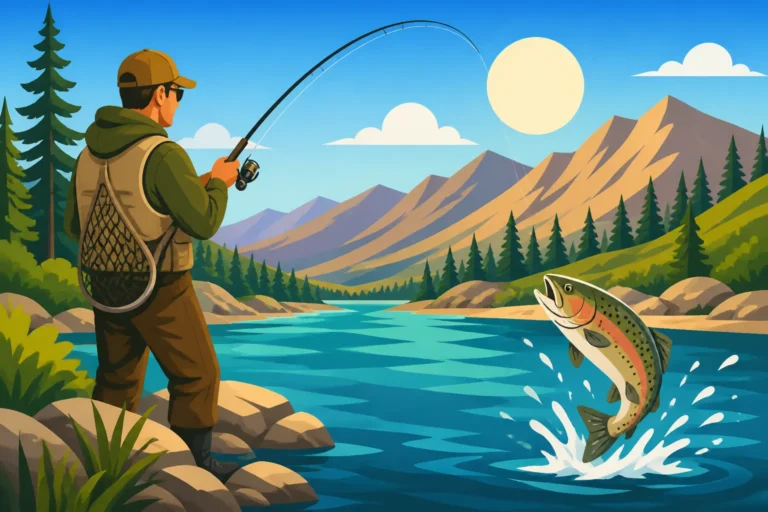
If you're a trout enthusiast, Wildhorse Reservoir is a dream come true. Rainbow trout are the most commonly stocked species by NDOW, providing consistent action throughout the year. These hard-fighting fish are often caught from shore or boat, responding well to a variety of baits and lures. They are a staple of the reservoir, with many anglers reporting catches of rainbows in the 15-20 inch range, and even larger ones aren't uncommon. The regular stocking program ensures a healthy population and excellent angling success rates.
Beyond the rainbows, Wildhorse also boasts a strong population of brown trout, known for their elusive nature and powerful fights. Browns tend to be more wary than rainbows, often preferring deeper water or lurking around submerged structures. They can grow quite large here, offering a true trophy opportunity for patient anglers. The reservoir also features the unique tiger trout, a sterile hybrid cross between a brown trout and a brook trout. These stunning fish, identifiable by their distinctive vermiculated patterns, are highly sought after for their aggressive strikes and strong fighting capabilities. You can learn more about Tiger Trout Hybrid at Wildhorse Reservoir in our detailed guide. Anglers often find success targeting tigers with aggressive lure presentations or larger minnow imitations, particularly around rocky points and drop-offs.
Perch and Other Panfish: A Family Favorite
For those looking for continuous action or introducing kids to fishing, Wildhorse Reservoir’s yellow perch population is an absolute delight. These panfish are abundant, relatively easy to catch, and delicious. They provide excellent sport, especially during the warmer months and throughout the ice fishing season. Perch often school together, so once you find them, you can typically catch several in a short amount of time. They are perfect for teaching beginners how to feel a bite and set a hook, making Wildhorse an ideal spot for family fishing trips.
In addition to yellow perch, you might also encounter other panfish species like bluegill or sunfish, though perch are definitely the dominant panfish here. These smaller fish thrive in the reservoir’s diverse habitats, from shallow weedy areas to deeper submerged structures. Light tackle is all you need, and simple baits like worms or small jigs are incredibly effective. Their willingness to bite makes for a fun, action-packed day on the water, providing plenty of excitement for anglers of all ages.
Warm Water Species: Smallmouth Bass and Wiper
While trout and perch often steal the spotlight, Wildhorse Reservoir also offers exciting opportunities for warm-water species. Smallmouth bass have established a healthy population, providing thrilling action for those who enjoy targeting aggressive, hard-fighting bass. These bronzebacks prefer rocky shorelines, submerged ledges, and transition areas where they can ambush prey. They can grow to respectable sizes at Wildhorse, offering excellent battles, especially during the warmer parts of the year when they are most active. Anglers specifically targeting these fish often use crankbaits, jigs, or soft plastics that imitate baitfish or crawfish. Our guide on Wildhorse Reservoir Warm Water Fishing Areas offers more insights.
Another exciting warm-water species found in Wildhorse is the wiper, a hybrid cross between a striped bass and a white bass. These powerful fish are known for their incredible fighting strength and aggressive feeding habits. Wipers grow quickly and provide some of the most intense battles in the reservoir. They often school in open water, chasing down baitfish, making them a prime target for casting or trolling. Catching a large wiper is a true adrenaline rush and a testament to the diverse fishery Wildhorse offers. Look for them breaking the surface when they are actively feeding, or target deeper areas with fast-moving lures.
Understanding Wildhorse Reservoir's Fishing Regulations and Permits
Fishing in Nevada, especially at a state-managed location like Wildhorse Reservoir, requires adherence to specific regulations. These rules are put in place to protect fish populations, ensure fair chase, and preserve the natural environment for everyone to enjoy. It’s crucial for every angler to be familiar with these guidelines before casting a line.
Nevada State Fishing License Requirements
Before you even think about packing your tackle box, the first thing you absolutely need is a valid Nevada fishing license. This isn't just a suggestion; it's a legal requirement for anyone 12 years of age or older who plans to fish in the state's public waters, including Wildhorse Reservoir. Licenses come in various forms – annual, short-term (like a 1-day or 5-day permit), and resident/non-resident options, each with different costs. Choosing the right one depends on your residency and how long you plan to be fishing. For a detailed breakdown, check out our comprehensive Nevada Fishing License Guide.
The Nevada Department of Wildlife (NDOW) is the agency responsible for issuing these licenses and managing the state's fisheries. You can easily purchase your license online through the NDOW website, or visit various sporting goods stores and authorized vendors throughout Nevada. It’s always a good idea to buy your license in advance to avoid any last-minute stress, especially if you’re traveling to a remote area like Wildhorse where retail options might be limited. Always keep your license with you while fishing, as game wardens regularly check for compliance.
Specific Wildhorse Reservoir Rules and Limits
While your Nevada fishing license covers your right to fish, Wildhorse Reservoir often has specific regulations that go beyond the general statewide rules. These might include unique daily possession limits, size restrictions for certain species, or even special gear restrictions. For example, the Nevada Trout Daily Limit Rules might have specific nuances at Wildhorse, especially concerning mixed species catches. It's imperative to consult the current Nevada Fishing Regulations booklet, available online through NDOW or at license vendors, as these rules can change annually. Pay close attention to the section pertaining to the Northeastern Region, which includes Wildhorse.
These site-specific rules are designed to maintain the health and balance of the reservoir's distinct fishery. For instance, there might be particular slot limits for trout to encourage the growth of larger fish, or specific limits on panfish like perch to prevent overharvesting. Always double-check these details to ensure you're fishing legally and responsibly. Ignorance of the law is never an excuse, and violations can lead to hefty fines or even loss of fishing privileges. Taking the time to understand these nuances ensures a worry-free and enjoyable trip.
Special Considerations: Ice Fishing Regulations
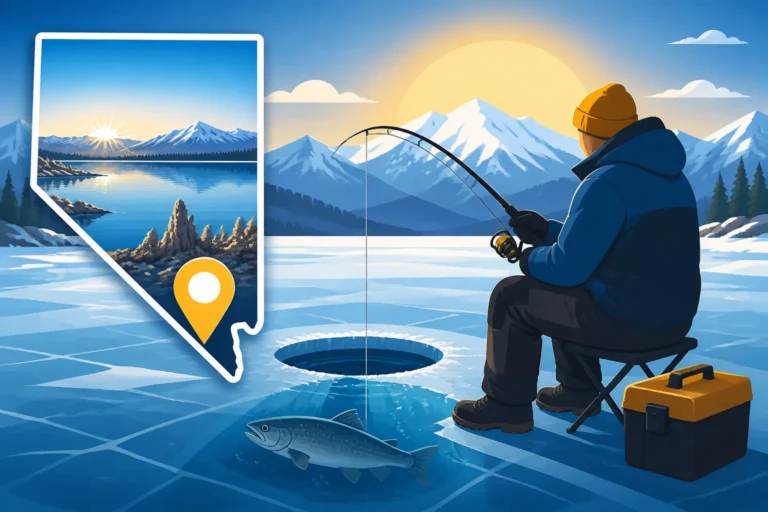
Wildhorse Reservoir is a popular ice fishing destination in winter, but this activity comes with its own set of rules and safety guidelines. While your general Nevada fishing license is still required, there might be specific regulations regarding the number of lines you can use through the ice, the type of shelter allowed, or even specific safety recommendations from the State Park. Ice Fishing in Nevada is a fantastic experience, but safety should always be your top priority. Always check ice thickness before venturing out, and be aware of changing weather conditions.
Additionally, regulations might cover things like marking your holes or limits on vehicle access onto the ice. It’s not uncommon for some remote areas or state parks to have stricter rules for ice fishing than open water fishing, simply due to the added safety concerns. Always look for any posted signs at the reservoir, and again, refer to the most current NDOW regulations booklet for the Northeastern Region. Responsible ice fishing means not only following the rules but also practicing proper safety measures to ensure a fun and secure outing for everyone on the frozen surface.
Optimal Seasons and Times for Fishing Wildhorse
Understanding the best times to fish at Wildhorse Reservoir can significantly impact your success and overall experience. Like any body of water, fish behavior at Wildhorse is heavily influenced by the seasons, water temperature, and weather patterns. Knowing what to expect throughout the year will help you plan your trip for maximum enjoyment and angling success. Our guide to the Best Time of Year to Fish in Nevada can provide some general context, but let's dive into Wildhorse specifics.
Spring: Thawing Waters and Active Trout
Spring is arguably one of the most exciting times to fish Wildhorse Reservoir. As the ice melts and water temperatures begin to rise, fish become incredibly active after a long winter. Trout, especially rainbow and brown trout, start to move into shallower areas, looking for food and preparing for their spawning runs. This is when they are often most aggressive and accessible, making it a prime time for both shore and boat anglers. You'll find success with a variety of presentations, from small spinners and spoons to PowerBait and worms under a bobber.
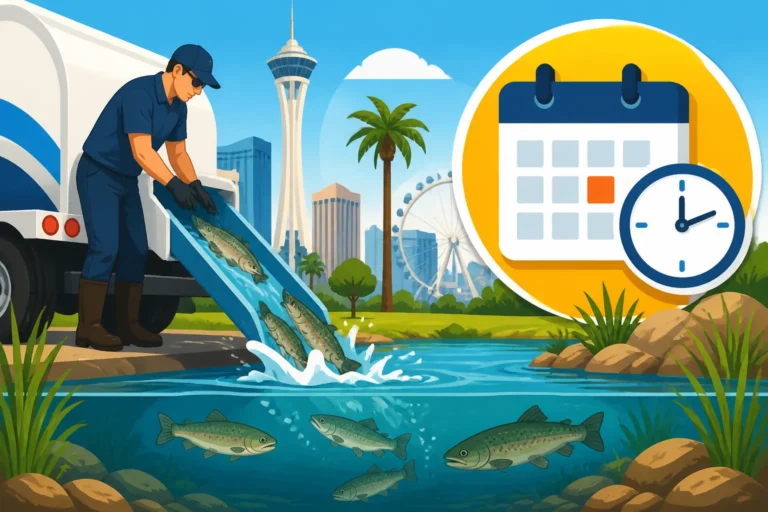
The late spring, generally May and early June, sees water temperatures stabilize, leading to a consistent bite. NDOW often conducts its Nevada Trout Stocking Schedule during this period, replenishing populations and ensuring a fresh supply of catchable fish. The weather can still be unpredictable, with sunny days quickly turning to chilly, windy conditions, so packing layers is essential. However, the reward of vibrant, hard-fighting trout in a beautiful, thawing landscape makes spring an undeniable favorite for many Wildhorse regulars.
Summer: Early Mornings and High-Altitude Strategies
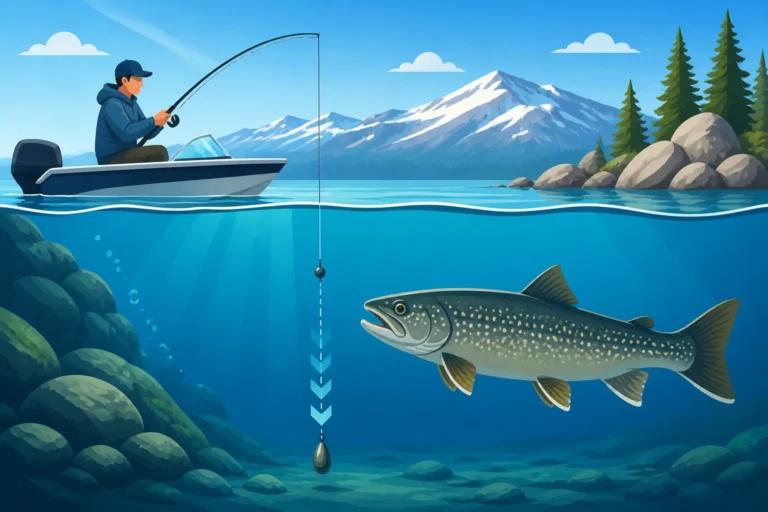
Summer fishing at Wildhorse, particularly from July through August, brings warmer water temperatures, which can push trout into deeper, cooler zones. This means that early mornings and late evenings often offer the best bite for trout, as they move into shallower water to feed under lower light conditions. During the heat of the day, boat anglers using downriggers or lead core line to present lures at specific depths will often find more success. This is also a fantastic time to target the reservoir’s warm-water species, like smallmouth bass and wipers, which thrive in the warmer temperatures.
For smallmouth bass, focus on rocky points, submerged structures, and areas with access to deeper water. Wipers will often be found chasing schools of baitfish in open water, providing explosive topwater action during low-light hours. Perch fishing remains excellent throughout the summer, often schooling in large numbers in both shallow and moderately deep areas, making them an ideal target for families. Despite the warmth, Wildhorse’s high elevation keeps things relatively comfortable compared to lower desert lakes, making it a pleasant summer escape.
Fall: Trophy Hunting and Pre-Winter Feeding Frenzy
Autumn at Wildhorse Reservoir is nothing short of spectacular, both for its vibrant fall colors and its incredible fishing. As water temperatures begin to drop, many fish species enter a pre-winter feeding frenzy, bulking up for the colder months ahead. This period, from September through November, is often considered the best time for trophy trout. Brown trout, in particular, become very active and aggressive as they prepare for their spawn, often taking larger lures and bait.
The cooler temperatures make for comfortable fishing conditions, and the crowds tend to thin out after the summer rush. Fish are often found in shallower waters again, making them more accessible to shore anglers. This is a prime time for casting spoons, crankbaits, or even fly fishing with streamers, imitating the abundant baitfish. Smallmouth bass also remain active, often found in transition areas between shallow and deep water. The combination of beautiful scenery, comfortable weather, and aggressive fish makes fall a truly magical time to visit Wildhorse.
Winter: The Ice Fishing Experience
When winter fully settles in, Wildhorse Reservoir transforms into a popular ice fishing destination. Once the ice is safely thick enough, typically from December through March, anglers flock to the frozen surface for a unique fishing experience. Trout, particularly rainbows and occasional browns, are active under the ice, often responding well to small jigs tipped with bait, or even tiny spoons. Yellow perch are another major draw for ice anglers, providing consistent action throughout the day.
Safety is paramount during the ice fishing season. Always check with local authorities or bait shops about current ice conditions before heading out. Bring appropriate gear, including an auger, ice scoop, and a reliable ice shelter to brave the elements. Ice Fishing Gear for Nevada Lakes often includes specialized rods and reels designed for the cold. The solitude and crisp winter air make for a serene experience, and the thrill of pulling a feisty trout or a stringer full of perch through a hole in the ice is unforgettable. It's a testament to Wildhorse's year-round appeal for dedicated anglers.
Effective Fishing Techniques and Gear for Wildhorse Reservoir
Successfully fishing Wildhorse Reservoir requires adapting your techniques and gear to its unique environment and diverse fish species. Whether you’re casting from the bank, trolling from a boat, or using specialized ice fishing gear, having the right approach will significantly increase your chances of a memorable catch.
Shore Fishing and Bank Access Strategies
Shore fishing is incredibly popular at Wildhorse, offering excellent access to anglers without boats. The reservoir features numerous accessible points, particularly around the state park area and along the main roads bordering the lake. When How to Fish for Trout in Nevada from shore, consider targeting areas with drop-offs, submerged rocks, or points that extend into deeper water. These structures attract baitfish and provide cover for larger predatory fish. Using bait such as PowerBait, worms, or corn on a slip-sinker rig is highly effective for trout. Casting small spinners or spoons (like Kastmasters or Roostertails) can also yield great results, especially in spring and fall.
For yellow perch, focus on shallower, weedy areas with light tackle and small baits like pieces of worm or maggots under a bobber. When targeting smallmouth bass from shore, look for rocky shorelines and cast jigs, crankbaits, or soft plastics that mimic crawfish or baitfish. Always be mindful of your surroundings, as the terrain can be uneven. Bringing a comfortable chair and a good cooler (our guide on Best Cooler for Keeping Fish on Hot Days offers tips) will make your shore fishing experience much more enjoyable, allowing you to settle in for extended periods.
Boat and Kayak Fishing Approaches
For those with a boat or kayak, Wildhorse Reservoir opens up a vast array of fishing opportunities. Powerboats allow you to quickly cover ground, exploring different coves, points, and open water areas. Trolling is a highly effective method for trout and wipers, especially in deeper sections during warmer months. Using various spoons, stickbaits, or even flies behind a dodger or flasher can entice strikes. Downriggers are invaluable for presenting lures at precise depths where trout are holding.
Kayak fishing is also gaining popularity at Wildhorse, offering a stealthy and efficient way to explore shallower coves and access areas that larger boats can’t reach. Kayaks are particularly excellent for targeting smallmouth bass around rocky structures with casting lures and plastics. For both boat and kayak anglers, a good fish finder can be a game-changer, helping you locate schools of fish, identify submerged structures, and understand the depth contours of the reservoir. Regardless of your vessel, always check the Wildhorse Reservoir Boat Ramp and Camping information for launch access. If you're planning a guided trip or need to rent a boat, services like FishingBooker can help you find local charters or rentals that operate in the region, ensuring you have the right vessel for your adventure.
Best Baits, Lures, and Flies for Each Species
Choosing the right bait or lure is key at Wildhorse. For rainbow and brown trout, common successful baits include PowerBait (in various colors like garlic or rainbow), nightcrawlers, and salmon eggs. Lures like the Kastmaster, Panther Martin, Rooster Tail, and Rapala countdowns are consistent producers. Fly anglers will find success with nymph patterns (Prince Nymph, Hare's Ear), woolly buggers, and various streamer patterns.
For yellow perch, live worms (red wigglers or nightcrawlers), mealworms, and small jigs tipped with a grub or Gulp! bait are highly effective. Light tackle with small hooks (size 8-12) works best. For How to Fish for Bass in Nevada when targeting smallmouth bass, jigs (tube jigs, football jigs), crankbaits (shad or crawfish patterns), and soft plastics (grubs, senkos) are go-to choices. Topwater lures can be explosive during low-light conditions.
Finally, for wipers, aggressive lures that mimic baitfish are best. Large spoons, lipless crankbaits, swimbaits, and topwater poppers or walk-the-dog baits are excellent. Live shad or large shiners can also be deadly when fished in schools of actively feeding wipers. Remember that local conditions can influence preferences, so don't be afraid to experiment with different colors and retrieve speeds. A well-stocked Nevada Fishing Gear Essentials tackle box is always a good idea!
Beyond the Fishing: Amenities and Activities at Wildhorse
Wildhorse Reservoir offers much more than just excellent fishing; it’s a full-service recreational area designed for outdoor enthusiasts. From comfortable camping spots to convenient boat launches and proximity to other natural attractions, there’s plenty to do for the whole family, even for non-anglers.
Camping and Lodging Options
The Wildhorse State Recreation Area boasts well-maintained campgrounds that cater to both RVs and tent campers. The main campground offers sites with electric hookups, picnic tables, and fire rings, making it easy to settle in for an extended stay. Restrooms with flush toilets and showers are also available, providing a touch of comfort in the wilderness. For those who prefer a more rustic experience, primitive camping is often allowed in designated areas around the reservoir, offering greater solitude and direct access to prime fishing spots.
For anglers looking for a bit more comfort than camping provides, there are also cabins available for rent within the state park. These can be a fantastic option, especially during colder months or for those who prefer not to tow an RV. Reservations, particularly for cabins and electric RV sites, are highly recommended, especially during peak seasons like spring and fall. You can often book these through the Nevada State Parks website. While the immediate area around Wildhorse doesn't have a huge array of hotels, nearby Elko offers a wider selection of lodging if you prefer to make a day trip to the reservoir.
Boat Launches and Marina Facilities
Accessing the water at Wildhorse Reservoir is made easy with well-maintained boat launch facilities. The state park typically has at least one concrete boat ramp suitable for launching a variety of vessels, from small fishing boats to larger pleasure crafts. These ramps are usually accompanied by ample parking for trailers and vehicles, ensuring a smooth launch and retrieval process. Always check the water levels before your trip, as extreme drought conditions could occasionally impact ramp usability, though Wildhorse generally maintains good levels.
While Wildhorse isn't a bustling marina with extensive services, you can typically find basic amenities like fuel (sometimes seasonal), a small general store for essentials, and bait/tackle supplies. It's always a good idea to bring most of your provisions with you, as selections can be limited in such remote locations. For those without their own boat, options for renting a small fishing boat or kayak might be available locally, or you might look into booking a guided trip through platforms like FishingBooker, where local guides might offer boat-inclusive packages.
Nearby Attractions and Services
While Wildhorse Reservoir itself offers plenty to keep you busy, its remote location means it's also a gateway to exploring other parts of northeastern Nevada. The stunning Ruby Mountains, often called "Nevada's Alps," are within a reasonable driving distance and offer incredible hiking, backpacking, and wildlife viewing opportunities. Lamoille Canyon, a glacially carved canyon in the Ruby Mountains, is particularly picturesque and worth a visit.
For those interested in local culture and history, the city of Elko, about an hour's drive south, serves as the regional hub. Elko offers a broader range of services, including grocery stores, restaurants, gas stations, and even a few casinos. It's also home to the Western Folklife Center and hosts the annual National Cowboy Poetry Gathering, showcasing the rich cultural heritage of the American West. So, even if you’re primarily coming for the fishing, there are plenty of reasons to extend your stay and explore the diverse offerings of this unique part of Nevada.
Insider Tips for a Successful Wildhorse Reservoir Trip
Embarking on a fishing trip to Wildhorse Reservoir can be an incredible adventure, but a little insider knowledge can turn a good trip into a truly unforgettable one. From understanding the nuances of the water to packing smartly, these tips will help you maximize your enjoyment and success.
Reading the Water and Weather Patterns
Wildhorse Reservoir is a high desert lake, meaning weather can be unpredictable and water conditions can change quickly. Before you even cast a line, take a moment to Reading Water Temperature for Trout Fishing and observe the water. Look for signs of activity: ripples from feeding fish, baitfish scattering, or birds diving. Pay attention to wind direction and strength; strong winds can make fishing challenging, but moderate winds can create "walleye chop" conditions that often stimulate feeding activity for various species.
Temperature is also crucial. In spring and fall, fish might be found shallower, but in summer, thermal stratification can push trout deeper. Understanding these patterns, perhaps by using a fish finder or simply observing where other anglers are having success, is key. Check the local weather forecast diligently before and during your trip. High desert storms can roll in quickly, bringing sudden changes in temperature, rain, or even snow, even outside of winter. Being prepared for varying conditions will ensure your safety and comfort on the water.
Essential Gear for Comfort and Safety
Given its remote location and varied climate, bringing the right gear for comfort and safety is non-negotiable for a Wildhorse trip. Layers of clothing are paramount, as mornings can be chilly, and afternoons can warm up significantly, even in spring and fall. A good quality rain jacket is always a wise addition, regardless of the forecast. Sun protection is also crucial; the high elevation means the sun's rays are intense. Pack plenty of high-SPF sunscreen, a wide-brimmed hat, and polarized sunglasses. Staying hydrated is also key, so bring ample water, especially during warmer months.
Beyond personal comfort, safety gear for boating is essential. If you're on a boat or kayak, ensure everyone has a properly fitting life jacket. A first-aid kit, whistle, paddle (even for powerboats, as a backup), and a fully charged cell phone (though service can be spotty in remote areas) are vital. For ice fishing, an ice pick, throw rope, and spud bar to check ice thickness are absolute must-haves. Don't forget bug spray, especially in summer, as mosquitoes and other biting insects can be present, particularly near the shorelines during calmer hours.
Preserving the Resource: Catch and Release Practices
While Wildhorse Reservoir offers generous limits on many species, practicing responsible catch and release, especially for larger fish or species that are not intended for the dinner table, helps preserve the fishery for future generations. When handling fish you intend to release, minimize their time out of water. Use wet hands to avoid removing their protective slime coat, and handle them gently, supporting their body weight. Avoid squeezing fish, especially around the gills or belly.
Using barbless hooks, or pinching down the barbs on your hooks, can make hook removal much easier and less traumatic for the fish. If a fish has swallowed the hook deeply, it’s often better to cut the line as close to the hook as possible rather than attempting to rip it out, which can cause internal damage. Releasing fish properly ensures their survival, contributing to a healthy and thriving ecosystem at Wildhorse. It's a small effort that makes a huge difference in maintaining the quality of this fantastic Nevada fishing destination.
Disclaimer
The information provided in this guide is for general informational purposes only and is based on publicly available data and general fishing knowledge. Regulations, conditions, and amenities can change without notice. Always consult the most current Nevada Department of Wildlife (NDOW) regulations booklet, check local weather conditions, and inquire with the Wildhorse State Recreation Area directly before planning your trip to ensure you have the most up-to-date and accurate information. Fishing and outdoor activities carry inherent risks; always prioritize safety and personal responsibility.