Best Nevada Bass Lakes
Many anglers planning a trip to the Silver State often picture pristine alpine lakes brimming with trout or the mysterious depths of Pyramid Lake holding giant Lahontan cutthroat. While those experiences are certainly incredible, it's easy to overlook that Nevada also offers some truly phenomenal bass fishing opportunities that will challenge and reward any serious angler. Trying to navigate which lakes hold the best largemouth and smallmouth action in such a diverse landscape can feel daunting, but you're in the right place! This comprehensive guide will take you on a deep dive into the absolute best bass lakes in Nevada, helping you uncover top-tier spots for thrilling bass battles across the state.
The Surprising World of Nevada Bass Fishing
Nevada, with its vast deserts and towering mountain ranges, might not be the first place that springs to mind for world-class bass fishing. However, thanks to the mighty Colorado River system and a network of expertly managed reservoirs and urban ponds by the Nevada Department of Wildlife (NDOW), the state boasts a vibrant and often underrated bass fishery. Forget the stereotype of arid landscapes; beneath the surface, a thriving ecosystem supports robust populations of both largemouth and smallmouth bass, not to mention a few exciting hybrids.
Beyond the Trout Streams: Why Nevada is a Bass Hotspot
For years, many anglers focused their efforts on Nevada's cold-water fisheries, chasing rainbows, browns, and cutthroats. But a growing number of fishing enthusiasts have discovered that the state's warmer waters, particularly its sprawling reservoirs, are prime habitat for black bass. These lakes often feature diverse underwater structures, ample forage fish, and consistent warm seasons that allow bass to thrive and grow to impressive sizes. It’s a completely different kind of challenge and thrill compared to trout fishing, offering explosive topwater bites, aggressive strikes on crankbaits, and fierce fights in heavy cover. The sheer variety of environments, from vast open waters to intricate coves and submerged timber, means there’s always something new to explore.
Target Species: Largemouth, Smallmouth, and Wipers
When we talk about bass in Nevada, we're primarily focused on two main species: the largemouth bass and the smallmouth bass. Each offers a distinct fishing experience. Largemouth bass, known for their preference for heavy cover like submerged brush, docks, and weed beds, provide powerful, short-burst fights. Smallmouth bass, on the other hand, are typically found in clearer, rockier waters and are famous for their acrobatic jumps and relentless tugs. Understanding the habitat preferences and behaviors of these species is key to success.
Beyond the classic black bass, some Nevada waters, notably in the Colorado River system, also offer the exciting challenge of targeting striped bass, often simply called "stripers." While technically not a black bass, these hard-fighting predators are a huge draw and often coexist in the same waters, providing incredible bonus action for bass anglers. Furthermore, the occasional "wiper" – a hybrid between a striped bass and a white bass – can be found, offering a truly unique fight. Knowing your target species helps you select the right gear and techniques, which we cover in detail in our guide on Nevada Fish Species Guide.
Lake Mead: A Bass Fishing Oasis Near Las Vegas
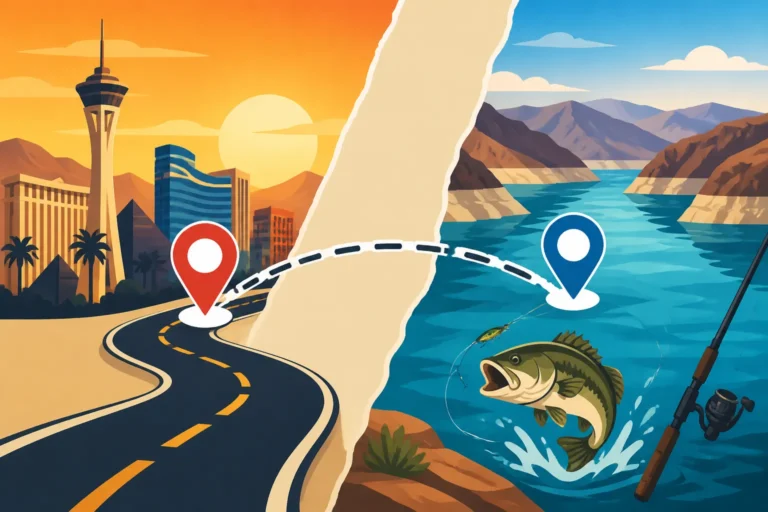
Lake Mead is arguably the most famous and productive bass fishery in Nevada. Spanning over 1.5 million acres of land and water, this colossal reservoir on the Colorado River, just a short drive from Las Vegas, offers an incredible diversity of fishing environments. While water levels fluctuate, Lake Mead consistently produces impressive numbers of both largemouth and smallmouth bass, making it a must-visit destination for any serious bass angler. The sheer size of the lake means there's always a new cove, submerged canyon, or rocky point to explore, promising endless adventure.
Largemouth Bass Havens and Tactics
For largemouth bass enthusiasts, Lake Mead presents an array of prime real estate. The countless coves, brush-lined shorelines, and submerged structures provide ideal ambush points. Areas like Government Wash, Hemenway Bay, and the vast expanse of the Overton Arm are renowned for their largemouth populations. When targeting largemouth here, think about covering water effectively. Crankbaits in shad patterns, spinnerbaits around brush, and Texas-rigged plastic worms or creature baits worked slowly through cover are often incredibly effective.
During the warmer months, especially in spring and early summer, topwater lures like poppers and walk-the-dog baits can trigger explosive strikes in the early morning or late evening. As the water heats up in the Nevada summer, largemouth will often move deeper, seeking cooler temperatures and shade. This is when deep-diving crankbaits, jigging spoons, or even drop-shot rigs become essential. Remember to focus on areas with natural or man-made cover, such as submerged trees, rock piles, or old foundations, which provide security and feeding opportunities for these territorial fish. Learning about Largemouth Bass Fishing in Nevada can really up your game here.
Smallmouth Bass Strongholds and Deep Water Strategies
While largemouth get a lot of attention, Lake Mead also boasts a phenomenal smallmouth bass fishery, often overlooked by those solely focused on their green-backed cousins. Smallmouth prefer clearer water and rocky structures, making the main lake body, points, humps, and steep bluffs their preferred haunts. The sheer endless miles of rocky shoreline and submerged canyons provide perfect conditions for these bronze bombers. Fishing around boulder fields, ledges, and transition areas where rocks meet sand can be particularly productive.
Successful smallmouth tactics on Lake Mead often involve finesse techniques. Drop-shotting small worms or minnow imitations, Ned rigs, and shaky head jigs are go-to presentations. For more aggressive bites, small crankbaits that mimic crawfish or shad, tube jigs, and swimbaits can be deadly when retrieved along rocky contours. Pay close attention to your electronics to locate submerged structure and baitfish schools, as smallmouth will often hold near these features. During the spawn in late spring, they can be found shallower, but for much of the year, you'll be targeting them in 15-40 feet of water. If you're really looking to hone your skills, check out our guide on Smallmouth Bass Fishing in Nevada.
Striped Bass Action: A Bonus for Bass Anglers
One of the unique advantages of fishing Lake Mead for bass is the incredible opportunity to hook into striped bass. These powerful, schooling predators are abundant in Lake Mead and will readily strike many of the same lures used for largemouth and smallmouth. Imagine fighting a feisty smallmouth, only to suddenly be locked into a battle with a 10-pound striper! This unexpected bonus adds an exciting dimension to any bass trip on Lake Mead.
Stripers often chase schools of shad in open water, creating boils on the surface where they aggressively feed. Keeping an eye out for bird activity is often a dead giveaway for schooling stripers. When you find them, casting topwater lures, spoons, or swimbaits into the fray can result in non-stop action. Trolling with deep-diving crankbaits or bucktail jigs is also a popular method for locating dispersed schools of stripers. While they require different strategies than black bass, their presence means you're almost guaranteed to catch something hard-fighting. For a deeper dive into the lake's overall potential, our Lake Mead Nevada Fishing Guide offers even more insights. When you're ready to experience this firsthand, finding a local guide through platforms like FishingBooker can provide invaluable expertise, especially if it's your first time tackling such a vast fishery.
Lake Mohave: Clear Waters and Diverse Bass Opportunities
Just downstream from Lake Mead, Lake Mohave offers another fantastic bass fishing experience, often characterized by its clearer, colder waters and spectacular canyon scenery. Stretching over 67 miles between Davis Dam and Hoover Dam, this long, narrow reservoir provides a different kind of challenge and reward for bass anglers, with distinct habitats for both largemouth and smallmouth bass. The clear water can make the fish a bit warier, but the rewards are often chunky, hard-fighting specimens.
Targeting Largemouth in Mohave's Coves
Lake Mohave's largemouth bass tend to congregate in the numerous coves and bays that punctuate its shoreline. These areas often have more stained water, which largemouth prefer, along with ample submerged vegetation and rocky outcrops that provide cover. The northern end of the lake, closer to Hoover Dam, tends to have more canyon-like structure, while the southern end opens up a bit more, offering wider coves suitable for largemouth. Key areas to explore include Willow Beach, Cottonwood Cove, and the various smaller inlets tucked away along the shoreline.
When fishing for largemouth in Lake Mohave's coves, focus on pitching and flipping jigs or creature baits into heavy cover. Senkos, plastic worms, and small swimbaits rigged weedless are also highly effective, especially when worked slowly along the edges of weed beds or submerged brush. The clear water here means you might need to use lighter fluorocarbon lines and more subtle presentations than you would in a murkier lake. Early morning and late evening bites are often the most productive, particularly with topwater lures in low-light conditions.
Chasing Smallmouth on Rocky Bluffs and Points
Lake Mohave truly shines as a smallmouth bass fishery. Its incredibly clear water, abundant rocky structures, and steep canyon walls are textbook smallmouth habitat. These fish thrive on the plentiful crawfish and baitfish that inhabit the ledges, drop-offs, and boulder fields throughout the lake. Unlike the largemouth, smallmouth here are often found relating directly to the main lake points, sheer rock faces, and underwater humps.
Successful smallmouth tactics here typically involve a lot of structure fishing. Drop-shot rigs are paramount, allowing you to present small plastics vertically to fish holding tight to structure at various depths. Ned rigs, dartheads, and small football jigs are also excellent choices for dragging along rocky bottoms. Pay close attention to changes in depth and bottom composition, as smallmouth will often patrol these transition zones. Trolling small crankbaits along main lake points can also be a good way to locate active schools. Given the clear water, long casts and a stealthy approach are often crucial to avoid spooking these wary fish. Our dedicated Lake Mohave Nevada Fishing Guide provides an even deeper look at this incredible fishery.
Access and Best Seasons for Mohave Bass
Access to Lake Mohave is relatively straightforward, with several boat ramps and shoreline access points available. Popular launch areas include Willow Beach and Cottonwood Cove, both offering amenities for anglers. Whether you're planning a trip with your own boat or looking to hire a local guide, getting out on the water is generally convenient. You can always check FishingBooker to find experienced captains who specialize in Lake Mohave bass fishing and can put you on the fish quickly.
The best seasons for bass fishing on Lake Mohave are typically spring (March to May) and fall (September to November). During these transitional periods, water temperatures are ideal, and bass are often more active and found in shallower to mid-depth ranges, making them more accessible. Summer can also be productive, especially for smallmouth, but you'll need to target deeper, cooler water during the heat of the day. Winter fishing can be tough but can yield some truly massive bass for those willing to brave the cold and employ slow, deep-water techniques. Always be sure to check the Nevada Bass Daily Limit and Size Rules before heading out.
Rye Patch Reservoir: Northern Nevada's Walleye and Bass Gem
Venturing north into more arid landscapes, Rye Patch Reservoir, located on the Humboldt River near Lovelock, offers a unique and often surprising bass fishing experience. While it's more widely known for its walleye and catfishing, Rye Patch holds a strong population of largemouth and smallmouth bass that provide excellent angling opportunities, especially for those looking to explore beyond the Colorado River system. This sprawling, often windy reservoir presents a different set of challenges and rewards.
Exploring Rye Patch's Largemouth Potential
The largemouth bass at Rye Patch Reservoir often relate to the scattered brush, flooded timber, and rocky points found throughout the lake. Because water levels can fluctuate, adapting to current conditions is crucial. When the water is up, newly flooded terrestrial vegetation creates excellent cover. When levels are lower, anglers often find success targeting old creek channels, rock piles, and submerged foundations. The upper reaches of the reservoir, where the Humboldt River enters, can also be productive, especially during periods of stable water flow.
Effective techniques for largemouth here include pitching jigs and Texas-rigged plastics into visible cover, or casting spinnerbaits and crankbaits along the edges of submerged weed lines. Topwater baits can be exciting in the mornings and evenings, particularly around areas with standing timber or reeds. Given the often stained water, lures with plenty of vibration and flash can be particularly enticing. Keep an eye on any changes in water depth and current, as these can concentrate bass into predictable areas.
Finding Smallmouth in the Reservoir's Unique Structure
Rye Patch's smallmouth bass thrive in the reservoir's rockier sections, particularly along the dam face, main lake points, and the numerous rocky bluffs that line its shores. These bronze beauties eagerly feed on the abundant crawfish and baitfish found in these areas. The water clarity can vary, but smallmouth generally prefer the slightly clearer sections of the main lake body. Targeting the transition zones between rocky and softer bottoms can also be a highly effective strategy.
Finesse techniques like drop-shotting small worms, Ned rigs, and tube jigs are often key to unlocking Rye Patch's smallmouth potential. Working these baits slowly along rocky ledges and shelves can entice bites from even the wariest fish. For more active fish, small crankbaits or jerkbaits that mimic crawfish or shad, fished with erratic retrieves, can draw aggressive strikes. The wind can be a significant factor on Rye Patch, often pushing baitfish and concentrating smallmouth, so don't shy away from fishing windy points and shorelines, especially if you can maintain boat control or find sheltered eddies.
Seasonal Considerations and Gear for Rye Patch
The best times to target bass at Rye Patch Reservoir are typically spring and fall, when water temperatures are moderate. In spring, as the water warms, both largemouth and smallmouth move shallower for spawning, making them more accessible. Fall sees them feeding aggressively in preparation for winter. Summer can be good, but you'll likely need to target deeper water during the midday heat. Winter fishing can be slow but offers opportunities for large, lethargic bass on slow-moving baits.
Due to the often windy conditions, having a boat with a good trolling motor and a reliable anchor is a big advantage. When it comes to tackle, a versatile medium-heavy spinning rod or baitcasting setup capable of handling both finesse presentations and heavier reaction baits will serve you well. Don't forget a selection of the Best Lures for Nevada Bass, including plastics, jigs, crankbaits, and spinnerbaits, to adapt to the varied conditions. Anyone planning a trip should also consult the Nevada Fishing Regulations Explained to ensure compliance with all local rules.
Topaz Lake: A High Desert Bass and Trout Fishery
Straddling the Nevada-California border south of Gardnerville, Topaz Lake is a picturesque high desert reservoir primarily known for its excellent trout fishing. However, many anglers are pleasantly surprised to discover a healthy and growing population of largemouth bass within its clear, cool waters. This unique blend of cold-water and warm-water species makes Topaz a fascinating destination, offering the chance to catch both a trophy trout and a feisty bass in the same outing.
Bass Fishing the Structure and Shoreline of Topaz
Topaz Lake's bass population often relates to the rocky shoreline, submerged boulders, and any available brush or weed beds. While it doesn't have the extensive shallow coves of Lake Mead, its structured bottom and deeper sections provide ample habitat. The bass here tend to be concentrated in areas where they can find cover and ambush baitfish. Focus your efforts around rocky points, ledges, and transition areas where the bottom composition changes. Areas near the dam and along the western shore often hold good bass numbers.
When targeting bass in Topaz, versatility is key. Plastics like Senkos and small worms, fished weightless or on a light Texas rig, can be highly effective when worked slowly along the bottom or allowed to fall naturally near structure. Small crankbaits and jerkbaits that imitate baitfish are also excellent choices, especially when retrieved erratically. Given the lake's generally clear water, stealth and natural presentations are often rewarded. Pay attention to any submerged timber or brush piles, as these are classic largemouth hideouts.
Seasonal Bass Patterns and Productive Lures
The seasonal patterns for bass at Topaz Lake largely revolve around water temperature. Spring (April to early June) is arguably the best time, as warming waters bring bass into shallower areas for their spawning rituals. During this period, they are more active and aggressive, making them susceptible to a wider range of lures. Fall (September to October) also offers excellent fishing as bass feed heavily before the cold winter months. During the peak of summer, bass will retreat to deeper, cooler waters, often suspending over structure or holding tight to shaded areas.
For lures, consider a mix that can handle clear water and varying depths. Green pumpkin or watermelon-colored soft plastics are perennial favorites. Small, natural-colored crankbaits that dive to moderate depths can be great for covering water. Don't forget about topwater lures during the early morning and late evening, especially if you find bass busting bait on the surface. Understanding the Best Time of Year to Fish in Nevada will help you plan your Topaz Lake bass adventure perfectly.
Tips for Combining Bass and Trout Fishing
One of the unique appeals of Topaz Lake is the opportunity to target both bass and trout simultaneously. This means you might be rigging for bass one minute and then switching to a trout setup the next, or even catching both on the same lure! While bass prefer warmer, shallower areas with cover, trout often patrol deeper, cooler water. However, there are overlap zones, especially in spring and fall.
If you're looking to maximize your chances for both species, consider a versatile approach. Trolling small crankbaits or spoons that appeal to both bass and trout can be effective. When bank fishing, you might set up one rod with PowerBait or worms on the bottom for trout, while actively casting jigs or plastics for bass with another. This multi-species approach adds an exciting dimension to your fishing day and allows you to enjoy the full bounty of Topaz Lake. Just make sure you understand the specific regulations for both species, including the Nevada Trout Daily Limit Rules and bass limits.
Wildhorse Reservoir: High Country Bass Action
Nestled in the remote and beautiful mountains of northeastern Nevada, Wildhorse Reservoir offers a truly unique bass fishing experience. While primarily known for its phenomenal trout and wiper fishing, this high-elevation impoundment also harbors a healthy population of both largemouth and smallmouth bass. The pristine mountain setting, combined with the often cooler water temperatures, presents a different challenge and rewards anglers with exceptionally strong, hard-fighting fish.
Largemouth and Smallmouth in Mountain Settings
Wildhorse Reservoir's bass populations thrive in a slightly different environment than their lowland cousins. The largemouth tend to prefer the shallower, warmer coves and areas with submerged willows or brush, especially in the upper reaches of the reservoir where the Wild Horse River flows in. These areas provide the classic ambush cover that largemouth love. Smallmouth, true to their nature, dominate the rockier sections of the lake, particularly along the dam, main lake points, and any significant rocky outcroppings. The clean, cool water of Wildhorse is perfectly suited for smallmouth, often leading to robust and aggressive fish.
When fishing for largemouth here, focus on pitching jigs, Texas-rigged plastics, or small swimbaits into the edges of cover. Spinnerbaits can also be effective for covering water in the shallower bays. For smallmouth, finesse techniques are often key. Drop-shot rigs, Ned rigs, and tube jigs worked slowly along rocky contours are highly productive. During the warmer months, small crankbaits that mimic crawfish or minnows can draw strikes from active smallmouth patrolling the points.
Adapting Techniques to Cooler Waters
The higher elevation of Wildhorse Reservoir means cooler water temperatures overall, which influences bass behavior. While bass still respond to warming trends, their metabolism can be a bit slower than in hotter desert lakes. This often translates to a need for slower presentations and more patient fishing. Don't be afraid to let your lures soak longer or retrieve them at a more deliberate pace. The clearer water also necessitates a stealthy approach and often lighter line.
The best fishing typically occurs from late spring through early fall, when the water has warmed sufficiently to activate the bass. Even in summer, early morning and late evening bites can be fantastic, but the fish might not go as deep during the day as they would in Lake Mead or Mohave. Consider using natural colors in your lures, especially in the clearer sections, and pay attention to subtle bites. Fly fishing for bass can also be exceptionally rewarding here, with streamers and poppers drawing exciting strikes.
Access and Camping for Extended Trips
Wildhorse Reservoir is a bit more remote than some of Nevada's other premier bass lakes, but the scenic drive and pristine environment make it well worth the effort. There are boat ramps available for easy access, and the surrounding Wild Horse State Recreation Area offers excellent camping facilities, making it ideal for extended fishing trips. This allows anglers to fully immerse themselves in the high country experience and dedicate multiple days to exploring the reservoir's bass potential.
Being prepared for varying mountain weather conditions is crucial. Even in summer, temperatures can drop significantly at night, and afternoon thunderstorms are not uncommon. Packing layers, plenty of water, and checking the forecast before you go are essential. Whether you're bringing your own boat or planning to fish from shore or a float tube, Wildhorse offers a serene and productive bass fishing adventure that's truly off the beaten path. For those who love the peaceful solitude of mountain lakes, Wildhorse provides a truly unforgettable experience.
Echo Canyon Reservoir: Eastern Nevada's Hidden Bass Gem
Deep in eastern Nevada, near the picturesque community of Pioche, lies Echo Canyon Reservoir – a smaller, yet incredibly productive bass fishery that often flies under the radar. Part of the Echo Canyon State Park, this scenic reservoir is known for its clear waters, rugged beauty, and healthy populations of both largemouth and smallmouth bass, providing a fantastic fishing destination away from the crowds of the bigger lakes. Its manageable size makes it an excellent choice for anglers using smaller boats, kayaks, or fishing from shore.
Targeting Bass in Echo Canyon's Scenic Waters
Echo Canyon Reservoir boasts a diverse underwater landscape, featuring rocky shorelines, submerged brush, and some scattered timber, all of which provide excellent habitat for bass. The largemouth bass tend to concentrate in the shallower coves and any areas with heavier cover, particularly during the warmer months. These are the classic ambush predators, waiting patiently for baitfish or crawfish to swim by. The smallmouth bass, on the other hand, will typically be found along the rocky points, ledges, and drop-offs, making the main body of the lake and the area near the dam prime territory.
When fishing for largemouth in Echo Canyon, try casting plastic worms, jigs, or spinnerbaits into and around visible cover. During low light conditions, topwater lures can be incredibly effective and exciting. For smallmouth, finesse baits like drop-shot rigs with small plastics, Ned rigs, or tube jigs are excellent choices. Work these slowly along the bottom, paying close attention to transitions in depth and rock formations. The clear water can mean bass are a bit more wary, so longer casts and subtle presentations are often the key to success.
Best Times and Methods for Success
Like most Nevada bass fisheries, the spring and fall offer the most consistent action at Echo Canyon Reservoir. In spring (typically April to June), as water temperatures rise, bass move into shallower areas to spawn, making them more active and easier to target. This is an excellent time for sight fishing and using a variety of reaction baits. Fall (September to October) brings another surge of activity as bass feed aggressively in preparation for winter.
During the summer, bass will generally retreat to deeper, cooler water, but early morning and late evening topwater bites can still be fantastic. Midday summer fishing will require you to fish deeper structure with jigs, deep-diving crankbaits, or drop-shot rigs. The reservoir's size makes it ideal for a variety of fishing methods, including bank fishing, float tubing, kayak fishing, and small boat fishing. Its serene setting enhances the overall experience, making it a peaceful and productive place to spend a day on the water.
Local Insights and Facilities
Echo Canyon State Park provides good facilities for anglers, including a boat launch ramp, picnic areas, and primitive camping sites. While it might not have the extensive services of a larger resort lake, its charm lies in its quiet, undeveloped feel. It's always a good idea to check with NDOW or local resources for the most up-to-date information on water levels and fishing conditions before planning your trip.
For those venturing to eastern Nevada, Echo Canyon Reservoir is a true hidden gem for bass anglers. It offers a chance to catch quality largemouth and smallmouth in a stunning, less-pressured environment. It's a perfect spot for a weekend getaway focused on tranquil fishing and appreciating Nevada's natural beauty. Remember to always carry your Nevada Fishing License Guide and understand all local regulations specific to the state park.
Nevada's Urban Ponds: Accessible Bass for Everyone
Not all great bass fishing requires a long drive into the wilderness or a large boat. For anglers living in or visiting major metropolitan areas like Las Vegas, Nevada's urban ponds offer incredibly convenient and often surprisingly good bass fishing opportunities. Managed by NDOW, these ponds are designed to provide accessible angling for families and beginners, but they also hold some respectable bass that can challenge experienced anglers.
Floyd Lamb Park and Sunset Park: Family-Friendly Bass
In the Las Vegas area, parks like Floyd Lamb Park and Sunset Park are shining examples of successful urban fisheries. These ponds are regularly stocked with trout during the cooler months, but they also maintain resident populations of largemouth bass, bluegill, and catfish. While you won't typically find trophy-sized bass here, they offer consistent action and are perfect for introducing kids to the sport or for a quick fishing fix without traveling far. The tranquil settings and family-friendly amenities make them a joy to visit.
Floyd Lamb Park features several small ponds connected by waterways, offering plenty of shoreline access. Sunset Park boasts a larger central pond that provides diverse fishing environments. Both locations are well-maintained, with easy parking, restrooms, and often playgrounds nearby, ensuring a comfortable outing for the whole family. For a deeper dive into these specific locations, check out our Las Vegas Nevada Urban Pond Fishing Guide.
Techniques for Pond Bass Success
Fishing for bass in urban ponds often requires a slightly different approach than on larger reservoirs. Since these waters are often smaller and receive more fishing pressure, finesse tactics tend to be more effective. Small plastic worms, creature baits, and jigs are excellent choices, fished slowly and deliberately around any available cover like reeds, lily pads, or submerged structures. Topwater lures, especially small poppers or frogs, can also be thrilling in the early morning or late evening.
Remember that bass in these ponds can be pressured, so subtle presentations and fluorocarbon leader lines can make a big difference. Pay attention to changes in depth, even minor ones, and look for shaded areas or points where bass might be holding. Light spinning gear is ideal for these situations, allowing for accurate casts and delicate presentations. Don't be afraid to experiment with different baits and retrieve speeds until you find what the fish are keying in on.
Regulations and Stocking Schedules
While urban ponds offer convenient fishing, it's crucial to be aware of the specific regulations for each location. Daily limits and size restrictions for bass and other species apply, and these can sometimes differ from statewide regulations. Always check the current Nevada fishing regulations booklet or the NDOW website before you go. Additionally, while these ponds are regularly stocked with trout, bass populations are typically self-sustaining or supplemented less frequently.
The stocking schedule for trout is a great indicator of when the ponds are actively managed, and these periods can also be good for bass as they prey on the newly introduced trout. These accessible spots are fantastic resources for the community, providing an easy entry point into the world of fishing without the need for extensive travel or specialized equipment. Even a simple rod and reel with a few basic lures can provide hours of enjoyment and the chance to hook into a feisty urban bass.
Table: Top Nevada Bass Lakes Comparison
To help you decide where to cast your line next, here's a quick comparison of some of Nevada's best bass lakes:
| Lake Name | Primary Bass Species | Best Season | Key Features | Notable Tactics |
|---|---|---|---|---|
| Lake Mead | Largemouth, Smallmouth, Striper | Spring, Fall | Huge, diverse habitat, close to Vegas | Finesse, crankbaits, topwater, jigging |
| Lake Mohave | Largemouth, Smallmouth | Spring, Fall | Clear water, canyon scenery, rocky structure | Drop-shot, Ned rig, small crankbaits |
| Rye Patch Res. | Largemouth, Smallmouth | Spring, Fall | Remote, windy, walleye bonus, varied cover | Jigs, Texas rigs, spinnerbaits, tubes |
| Topaz Lake | Largemouth (Trout too!) | Spring, Fall | High desert, clear water, mixed fishery | Plastics, small crankbaits, jerkbaits |
| Wildhorse Res. | Largemouth, Smallmouth | Late Spring, Summer | High elevation, pristine, cooler water | Finesse, small swimbaits, slower retrieves |
| Echo Canyon Res. | Largemouth, Smallmouth | Spring, Fall | Scenic, smaller, less pressured, easy access | Plastics, jigs, topwater |
Nevada Fishing Licenses and Regulations
Before you even think about hitting these incredible bass lakes, it is absolutely essential to ensure you have the correct Nevada fishing license. The Nevada Department of Wildlife (NDOW) is responsible for managing the state's fisheries, and holding a valid license is a legal requirement for most anglers. This isn't just about avoiding a fine; it's about contributing to the conservation efforts that make these fisheries possible in the first place.
Navigating the various license options can sometimes feel a bit confusing, especially for out-of-state visitors. You'll need to determine if you need a resident or non-resident license, and whether a short-term permit (like a 1-day or 5-day) or an annual license makes the most sense for your trip. For example, a tourist planning a weekend getaway might find a Nevada 1-Day Fishing Permit Details more economical, while a local planning multiple trips will benefit from an annual pass.
Beyond the license itself, it's paramount to understand the specific regulations for each body of water and species you're targeting. This includes daily bag limits, possession limits, and size restrictions. For bass, these rules are in place to ensure sustainable populations and often vary by lake. For instance, the Nevada Bass Daily Limit and Size Rules will outline what you can and cannot keep. Always consult the most current NDOW fishing regulations booklet, available online or at license vendors, as rules can change seasonally or annually. Being informed not only keeps you compliant but also makes you a responsible steward of Nevada's precious natural resources. You can easily obtain your license online or find local vendors, making the process quite convenient.
Essential Gear for Nevada Bass Fishing
Having the right gear can make all the difference between a frustrating day and a successful outing on Nevada's bass lakes. While you don't need the most expensive equipment, a basic understanding of what works best in these diverse environments will significantly improve your chances. From rods and reels to the specific lures that entice those Nevada bass, being prepared is key.
For starters, a versatile rod and reel combo is crucial. A medium-heavy power spinning or baitcasting rod, ranging from 6'6" to 7'6" in length, will cover most bass fishing scenarios. This setup allows you to handle a variety of lure weights and offers enough backbone to fight feisty largemouth in cover or acrobatic smallmouth in open water. Pair this with a reliable spinning reel in the 2500-3000 size range, or a baitcasting reel with a medium gear ratio for versatility. For detailed recommendations, our guide on Best Fishing Rods for Nevada Lakes offers excellent insights.
When it comes to line, 10-15 lb fluorocarbon or monofilament is a good all-around choice for main line, especially in the clearer waters of Mohave or Topaz. Some anglers prefer braided line (20-30 lb) with a fluorocarbon leader for increased sensitivity and strength, particularly when fishing heavy cover for largemouth. Your tackle box should be stocked with a variety of lures tailored to bass. Think plastic worms (Senkos, creature baits), jigs (football, swim, flipping), crankbaits (shallow and deep diving), spinnerbaits, and topwater lures (poppers, walk-the-dog baits). Natural colors like green pumpkin, watermelon, and shad imitations are consistently effective. For a comprehensive list of what to pack, refer to our Best Tackle for Nevada Bass Fishing guide. Don't forget essentials like pliers, a net, sunscreen, and plenty of water, especially during the hot Nevada summers!
Planning Your Nevada Bass Adventure
Embarking on a bass fishing trip in Nevada, whether it's a quick visit to an urban pond or a multi-day excursion to a vast reservoir, requires a bit of planning to ensure a smooth and successful experience. From understanding local conditions to considering professional guidance, taking a few preparatory steps can significantly enhance your enjoyment and your catch rates.
First and foremost, always check the weather forecast. Nevada's weather can be unpredictable, especially in the high desert and mountain regions. Wind can be a major factor on large reservoirs like Lake Mead and Rye Patch, making boat control challenging and fishing difficult. Water temperatures and levels also play a huge role in bass behavior, so staying informed about current conditions is beneficial. Many local tackle shops or online forums can provide real-time updates that are invaluable.
If you're new to a particular lake or to bass fishing in Nevada in general, considering a fishing guide can be an excellent investment. A local guide possesses invaluable knowledge about hot spots, current patterns, and effective techniques, saving you countless hours of searching. Platforms like FishingBooker are a great resource for finding reputable, experienced bass fishing guides across Nevada, offering options from half-day trips to full-day excursions. They can provide all the necessary gear and expertise, allowing you to focus purely on the fishing. For those bringing their own vessel, ensure your Nevada Boat Registration and Titling Guide is up to date, and you are familiar with all boating safety requirements.
Finally, remember to practice good conservation habits. Catch and release is a great practice, especially for larger breeding bass, ensuring healthy populations for future generations. If you do keep fish, only keep what you'll eat and adhere strictly to all bag and size limits. Leave no trace, pack out all your trash, and be respectful of the natural environment and other anglers. A well-planned and responsible approach will guarantee a memorable and rewarding bass fishing adventure in the Silver State. You can also explore Best Places to Fish in Nevada for broader options.
Disclaimer
The information provided in this guide is for general informational purposes only and is subject to change. Fishing regulations, water conditions, and fish populations can vary. Always consult the latest official regulations from the Nevada Department of Wildlife (NDOW) before planning any fishing trip. Adherence to all local, state, and federal laws is the sole responsibility of the angler. Fishing carries inherent risks, and participants should always prioritize safety.