Is Echo Canyon Reservoir good for bass?
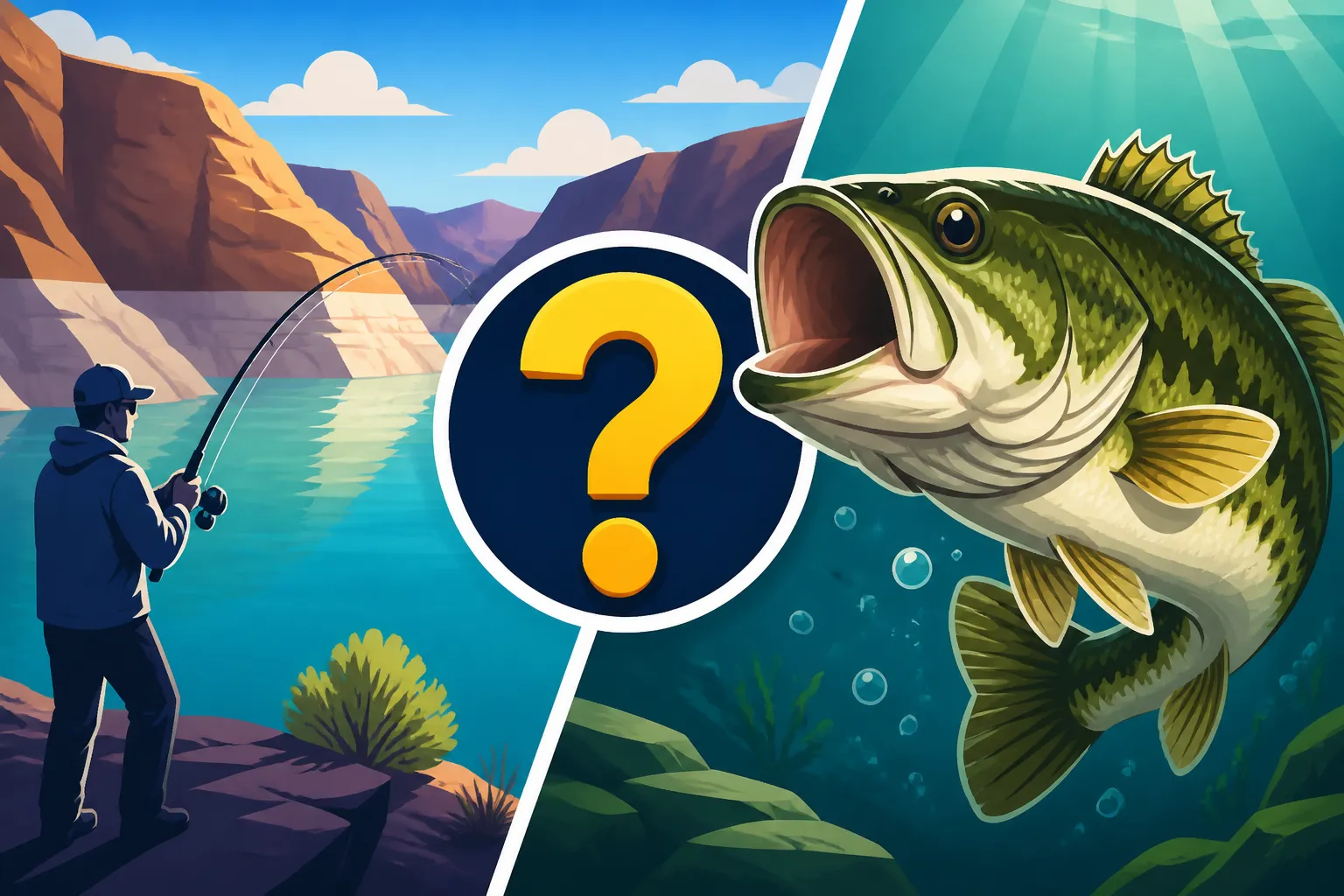
It’s a common frustration for anglers in Nevada: you hear whispers about a certain lake, maybe it’s great for trout, but what about bass? You’re picturing that satisfying thump on the line, the powerful fight, and the thrill of landing a hefty largemouth. But finding reliable information for specific, smaller reservoirs can feel like searching for a needle in a haystack. This guide is here to shed some light on Echo Canyon Reservoir, specifically addressing whether it's a good spot for bass fishing and how you can maximize your chances of success.
Echo Canyon Reservoir as a Potential Bass Fishery
When people talk about fishing in Nevada, places like Lake Mead or Lake Mohave often steal the spotlight for bass. But don't overlook some of the smaller, hidden gems scattered throughout the state. Echo Canyon Reservoir, nestled in Eastern Nevada near Pioche, is one such spot that, while often celebrated for its trout, holds a quiet potential for largemouth bass that many anglers might miss.
The Lake's Reputation and General Fish Population
Echo Canyon Reservoir is part of Echo Canyon State Park, known for its scenic beauty and recreational opportunities. The Nevada Department of Wildlife (NDOW) does a fantastic job of regularly stocking the reservoir, primarily with rainbow trout, which is why it's a popular destination for those chasing "bows." You'll often find families casting PowerBait from the shore or trolling small spinners from a boat, and they'll likely go home with a stringer full of trout.
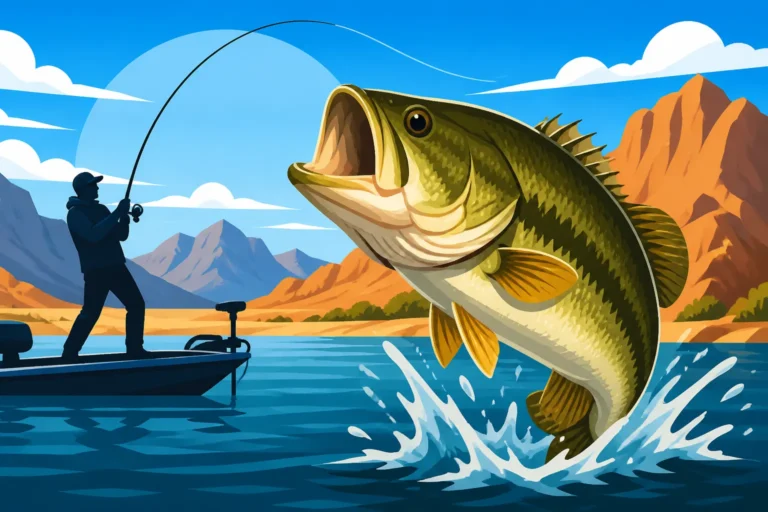
However, beneath the surface, especially away from the heavily fished stocking points, there's a different story unfolding. Largemouth bass have established a presence here, creating a more diverse fishery than many casual visitors realize. While it might not be a trophy bass factory like some of the larger, warmer reservoirs further south, Echo Canyon offers a legitimate opportunity to catch some respectable bucketmouths, especially if you understand their habits in this unique environment. Don't expect to break a state record here, but a fun day of bass action is definitely on the table.
Water Characteristics and Ideal Bass Habitat
Echo Canyon Reservoir is a relatively small body of water, roughly 65 acres when full, fed by a stream and snowmelt. This means its water temperatures can fluctuate more dramatically than a massive lake. For bass, this is a critical factor. During the colder months, bass will become lethargic and seek deeper, more stable temperatures. But when the Nevada sun warms the shallows, especially during late spring and summer, the bass become active.
The reservoir features a good mix of rocky points, submerged timber (from old trees when the canyon was flooded), and some weedy areas, particularly in shallower coves. These structural elements are exactly what largemouth bass are looking for. They'll use these areas for ambush points, sunning themselves, and finding cover from predators and harsh sunlight. The relatively clear water, common in many Nevada reservoirs, means bass can be sight-feeders, but also means they can be spooked easily by careless approaches. It’s a delicate balance; you need to be stealthy, but aggressive enough to draw a strike.
NDOW Management and Bass Health
While NDOW's primary focus at Echo Canyon is often trout stocking, the presence of other species like largemouth bass, black crappie, and channel catfish indicates a healthy, balanced ecosystem. NDOW monitors these populations, and while specific bass stocking reports for Echo Canyon might not be as prevalent as trout, their existence and ability to reproduce naturally point to favorable conditions. The overall health of the fishery is good, and you can expect healthy, hard-fighting bass.
Understanding the broader Nevada fishing ecosystem and specific regulations is key to responsible angling. To ensure you're always in compliance, it's a good idea to brush up on the comprehensive Nevada Fishing Regulations Explained. Knowing the rules helps preserve these beautiful natural resources for everyone.
Understanding Bass Habits at Echo Canyon
Successfully targeting largemouth bass at Echo Canyon Reservoir requires a good understanding of their seasonal patterns, preferred habitats, and effective presentation techniques. This isn't a "chuck and wind" bass fishery; it demands a more thoughtful approach.
Seasonal Patterns and Best Times
Like most freshwater fish, bass behavior at Echo Canyon is heavily influenced by the seasons:
- Spring (April – May): This is arguably the prime time for bass fishing at Echo Canyon. As the water begins to warm up into the 50s and 60s Fahrenheit, bass move out of their deeper winter haunts and into the shallower coves and rocky flats to spawn. They'll be actively feeding to build energy for the spawn, and later, guarding their beds. This is when you can find them closer to shore, making them accessible to both bank and boat anglers. Look for sunny, protected areas.
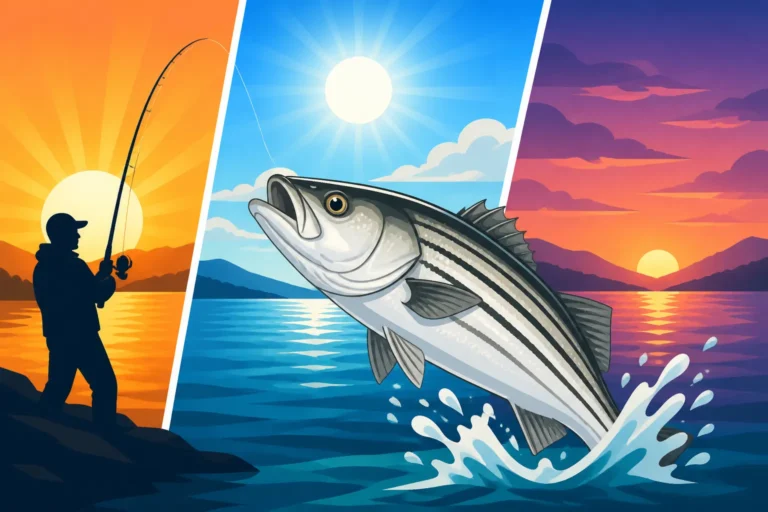
- Summer (June – August): As water temperatures climb, bass will often move deeper during the day, seeking cooler water and more oxygen. Early morning and late evening, or even night fishing, can be productive as they venture into shallower areas to feed. They'll often hold tight to any available cover—submerged brush, rock piles, or shaded ledges. Hot, bright midday sun usually makes for tough fishing. You might also want to consult a guide on the Best Time of Day to Fish in Summer Heat to refine your strategy.
- Fall (September – October): Similar to spring, fall can offer excellent bass fishing as water temperatures cool, and bass go on a feeding frenzy to prepare for winter. They'll be more active throughout the day, often schooling up and chasing baitfish. Look for them along drop-offs, points, and near schools of trout (their natural forage).
- Winter (November – March): Fishing for bass in winter can be challenging. They'll be in their deepest, most lethargic state. You'll need to fish slowly and with finesse, targeting deep structure with small baits. This is typically trout season for most anglers at Echo Canyon, but persistent bass anglers can still find success.
For a more general overview of how bass behave throughout the year across the state, you can read up on Nevada Bass Season and Spawn Timing.
Prime Locations and Structure
Finding the right spot is half the battle. At Echo Canyon, keep an eye out for these key features:
- Rocky Points and Ledges: Bass love to ambush prey from these areas. Fish the sunny and shaded sides, looking for structure changes.
- Submerged Timber and Brush Piles: Any underwater wood is a magnet for bass. Cast Texas-rigged worms or jigs into these areas to tempt them out.
- Weed Beds: While not overly abundant, patches of aquatic vegetation, especially in shallow coves, provide excellent cover and feeding grounds. Fish the edges and any open pockets.
- Inflow and Outflow Areas: The areas where the main creek feeds into the reservoir or where water exits can concentrate baitfish and oxygen, attracting bass.
- Dam Face: The rocky face of the dam can offer deep water access close to structure, especially during colder months.
Remember, Echo Canyon allows only electric boat motors, which means no roaring gas engines to spook the fish. This makes it an ideal spot for quiet stealth, whether you're in a small boat, kayak, or float tube. If you're considering expanding your fishing adventures, our guide to Nevada Boat Registration and Titling Guide can help you get started with a vessel.
Recommended Lures and Techniques
Given the relatively clear water and the mix of structure, a versatile tackle box is your best friend:
- Soft Plastics: These are king for bass in many Nevada waters.
- Texas-Rigged Worms/Creature Baits: Excellent for probing submerged brush and rocky bottoms. Colors like green pumpkin, watermelon, and black/blue are always reliable. A 3/0 or 4/0 EWG hook with a 1/8 to 1/4 oz bullet weight is a great setup. Slowly drag or hop these along the bottom.
- Drop Shots: When bass are finicky or holding tight to vertical structure, a drop shot rig with a small finesse worm (4-6 inches) can be incredibly effective. Light line and a subtle quiver are key.
- Jigs: Flipping and pitching jigs (1/4 to 1/2 oz) with a craw-style trailer into heavy cover is a classic bass tactic. Black/blue, brown, or green pumpkin jigs work well.
- Crankbaits and Lipless Crankbaits: For covering water, especially along points or flats in spring and fall. Shallow diving crankbaits in shad or crayfish patterns are good. Lipless cranks are great for burning through schooling fish or probing weed edges.
- Spinnerbaits and Bladed Jigs: When bass are aggressive, especially after a cold front or in slightly stained water, these can draw reaction strikes. White, chartreuse, or perch patterns are good choices.
- Topwater Lures: During low light conditions (dawn/dusk) or overcast days in warmer months, topwater baits like poppers, walking baits, or hollow-body frogs fished over weed mats can be exhilarating.
- Swim Baits: Small paddle tail swimbaits rigged on a weighted swimbait hook or jig head can imitate the trout that bass sometimes prey on, especially larger bass.
To really get into the specifics of what works across the state, check out our detailed guide on the Best Lures for Nevada Bass. Don't be afraid to experiment! Sometimes, a unique presentation is what it takes to trigger a strike from a cautious Echo Canyon bass. If you're ever looking for expert advice or a guided trip to truly understand the nuances of a specific lake, platforms like FishingBooker can connect you with experienced local guides who know these waters intimately.
Essential Gear and Practical Tips for Bass at Echo Canyon
Having the right gear and a smart approach can significantly increase your chances of success when targeting bass at Echo Canyon Reservoir. This isn't just about having expensive equipment; it's about having the right equipment for the conditions.
Rod, Reel, and Line Selection
For bass fishing at Echo Canyon, you'll want versatile setups that can handle various techniques:
- Medium-Heavy Casting Rod (6'6" – 7'3"): This is your workhorse for jigs, Texas rigs, spinnerbaits, and medium crankbaits. Pair it with a baitcasting reel with a gear ratio between 6.4:1 and 7.1:1 for good all-around performance. Spool it with 12-17 lb fluorocarbon or 30-50 lb braided line with a fluorocarbon leader for abrasion resistance around rocks and wood.
- Medium-Light to Medium Spinning Rod (6'6" – 7'0"): Essential for finesse techniques like drop shots, wacky rigs, and small swimbaits. A 2500 or 3000 size spinning reel is ideal. Spool it with 8-10 lb fluorocarbon or 10-15 lb braided line with a 6-10 lb fluorocarbon leader. The clear water here often necessitates lighter lines for stealth.
Remember that line choice is critical in clear water. Fluorocarbon's low visibility and sensitivity make it a favorite for many bass anglers. If you're new to fishing, getting a reliable Best Rod and Reel Combo for Beginners can simplify your gear choices.
Terminal Tackle and Lure Choices
Beyond the main lures, don't forget the small but mighty components of your tackle box:
- Hooks: A variety of EWG (Extra Wide Gap) hooks (3/0 to 5/0) for Texas rigging, straight shank hooks for punching, and drop shot hooks (size 1 to 2/0) are crucial.
- Weights: Bullet weights (1/8 oz to 1/2 oz) for Texas rigs, drop shot weights (1/8 oz to 1/4 oz), and jig heads for swimbaits. Tungsten weights are preferred by many for their smaller profile and increased sensitivity.
- Swivels and Snaps: Though less common for bass direct-tying, they can be useful for certain presentations like Carolina rigs, or for quick lure changes if using snaps (though many purists prefer direct tying for sensitivity).
- Line Cutters and Pliers: Essential for tying knots, cutting line, and safely removing hooks.
- Net: A rubber-coated landing net is helpful for safely landing bass, especially if you plan to practice catch and release. This minimizes harm to the fish's protective slime coat.
- Sun Protection: This is Nevada, after all! Sunscreen, a wide-brimmed hat, and polarized sunglasses are non-negotiable. Polarized sunglasses are particularly helpful for spotting submerged structure and even cruising bass in the clear water. For more insights on staying protected, check out our guide on Desert Fishing Gear and Sun Protection.
Here's a quick comparison of popular bass lures for Echo Canyon:
| Lure Type | Best Conditions | Key Features | Target Bass Behavior |
|---|---|---|---|
| Texas Rig Worm | Heavy cover, rocky bottoms, sluggish fish | Weedless, versatile, subtle presentation | Bottom feeders, holding tight to cover |
| Drop Shot Rig | Finicky bass, clear water, vertical structure | Finesse, excellent bait suspension, natural action | Suspended, structure-oriented, pressured bass |
| Jigs | Heavy cover, ambush points, cold water | Heavy profile, slow fall, imitates crawfish | Ambush predators, seeking larger meals |
| Crankbaits | Covering water, active fish, searching for schools | Aggressive action, vibration, varied dive depths | Actively feeding, chasing baitfish |
| Spinnerbaits | Stained water, windy conditions, reaction strikes | Flash and vibration, weedless capabilities | Aggressive, reacting to disturbance |
| Topwater Lures | Low light, calm water, aggressive surface feeders | Exciting strikes, imitates injured prey | Feeding on surface, highly active |
Practical Bank and Boat Fishing Advice
Whether you're fishing from shore or a boat, a few tactical tips will help you out:
- Stealth is Key: Especially in clear water, bass can be easily spooked. Keep a low profile on the bank, avoid loud noises, and make long, accurate casts to avoid disturbing the fish. When boating, use your electric motor sparingly and approach spots slowly. Our guide to Bank Fishing Techniques for Desert Lakes has more great pointers.
- Fan Casting: Don't just cast in one direction. Work an area thoroughly by fan casting, starting with shorter casts and gradually increasing your distance to cover the entire water column around your chosen spot.
- Pay Attention to Your Line: Many bass bites, especially with finesse techniques, are incredibly subtle. Watch your line for any twitch, jump, or unnatural movement. If you feel anything out of the ordinary, set the hook!
- Be Patient: Bass fishing isn't always about constant action. Sometimes it requires patience, slowly working your bait, and waiting for that distinct "thump."
- Go Local for Wisdom: If you're serious about mastering Echo Canyon or any new fishing spot, sometimes the best investment is local knowledge. Websites like FishingBooker can be an invaluable resource to find experienced guides who specialize in bass fishing on specific Nevada reservoirs, saving you countless hours of trial and error. A good guide can teach you more in a day than you might learn in a month on your own.
Beyond Bass: Other Species and Regulations
While our focus has been squarely on chasing those elusive largemouth, it’s worth remembering that Echo Canyon Reservoir offers a diverse fishing experience. Knowing what else is swimming around and understanding the local rules will make your trip more enjoyable and responsible.
Other Fish You Might Catch
Don't be surprised if your bass lure attracts a different kind of fighter! Echo Canyon is a multi-species fishery:
- Rainbow Trout: These are the most commonly stocked fish, and you'll catch plenty of them, especially if you're using smaller lures or bait. They are often aggressive and make for a fun fight. For specific details on these popular game fish, check out our Rainbow Trout Fishing in Nevada guide.
- Brown Trout: While less frequently stocked than rainbows, brown trout are present and can grow quite large. They tend to be more elusive and prefer deeper, cooler water, often targeting larger baitfish or even smaller trout. A bigger jerkbait or swimbait might entice one of these beauties.
- Black Crappie: Echo Canyon has a healthy population of crappie, especially around submerged brush and trees. These schooling fish are excellent table fare and a blast to catch on light tackle. Small jigs, grubs, or minnows under a bobber are highly effective.
- Channel Catfish: Catfish are bottom dwellers and will readily hit stink baits, cut bait, or even a well-presented jig. They tend to be more active at night or during overcast conditions.
This variety means that even if the bass aren't biting, there's usually something else willing to take your bait, ensuring a productive day on the water.
Key Regulations and Permits for Echo Canyon
Always, always double-check the current regulations before you head out. These can change, and ignorance is no excuse for a violation.
- Nevada Fishing License: Absolutely essential. Anyone 12 years or older needs a valid Nevada Fishing License Guide. You can purchase them online through the NDOW website or at various vendors.
- Trout Stamp: If you plan on keeping trout, a Nevada Trout Stamp is required in addition to your regular license. However, if your target is purely bass and you're practicing catch-and-release, it's not strictly necessary. But it's good to know the Nevada Trout Stamp Requirements for future reference.
- Echo Canyon State Park Fees: As the reservoir is within a State Park, there may be day-use or camping fees. It's always a good idea to check the Nevada State Parks website before your visit.
- Boat Regulations: Only boats with electric motors are allowed on Echo Canyon Reservoir. This is a crucial regulation to observe. Non-motorized vessels like kayaks and canoes are also welcome. Ensure your boat is properly registered if applicable.
- Bag and Size Limits: While we've focused on bass, be aware of the daily bag and possession limits for all species. For largemouth bass, specific limits apply, which you can find in the Nevada Bass Daily Limit and Size Rules. Always consult the current NDOW fishing regulations booklet for the most up-to-date information for the Eastern Region.
A quick check of these details beforehand can save you a lot of hassle and potential fines. If you're feeling a bit overwhelmed by all the regulations, remember that resources exist to help. Many experienced local guides available on platforms like FishingBooker can provide clarity on local rules and ensure your trip is not only successful but also fully compliant with NDOW guidelines. It's a small investment for peace of mind and a better fishing experience.
Disclaimer
Please remember that fishing conditions, regulations, and fish populations can change. Always consult the most current Nevada Department of Wildlife (NDOW) regulations and local advisories before planning your fishing trip to Echo Canyon Reservoir or any other body of water. This guide is for informational purposes only and should not replace official sources.