Where to catch channel catfish in Nevada
One of the most satisfying pursuits in Nevada fishing is targeting channel catfish. Many anglers get frustrated trying to find these whiskered bottom dwellers, often wondering if they're even in the right spots or using the correct approach. It can feel like a guessing game, especially with Nevada's diverse and often challenging aquatic environments. This comprehensive guide is designed to take the guesswork out of your next catfish outing, revealing the prime locations across the Silver State where you can consistently hook into some fantastic channel cats, along with the gear and techniques that will put you ahead of the game.
Understanding Channel Catfish in Nevada
Before we dive into specific locations, it’s really helpful to understand the channel catfish itself. These aren't just any fish; they're strong, often feisty, and their feeding habits dictate where and when you'll find them. Knowing their preferences can significantly increase your chances of a successful trip, turning those frustrating blank days into memorable catches.
Catfish Habits and Preferred Habitat
Channel catfish are incredibly adaptable, which is part of why they thrive in many Nevada waters, from large reservoirs to smaller urban ponds. They prefer warmer, slow-moving or still waters, often congregating in areas with some sort of structure that offers cover and food. Think about places where you find submerged timber, rock piles, drop-offs, or even dense vegetation. These structures provide ambush points for hunting and offer refuge from strong currents or harsh sunlight. They're also bottom feeders by nature, constantly cruising the lake or riverbed for anything edible. This means sandy or muddy bottoms where food accumulates are prime real estate for channel cats. You'll often find them in deeper holes during the day, especially when the sun is high and temperatures rise, then moving into shallower feeding flats during low light conditions or at night. Understanding the typical Channel Catfish Habitat in Nevada Reservoirs is key to narrowing down your search.
These fish are also quite social and tend to school together, particularly the smaller and medium-sized ones. If you catch one, there’s a good chance more are in the vicinity, so don't be quick to leave a productive spot. Their keen sense of smell, aided by those distinctive whiskers (barbels), is their primary tool for finding food in murky water or low light, which is why smelly baits are often so effective. They're opportunistic feeders, meaning they'll eat just about anything they can get their mouths around, from insects and crustaceans to smaller fish, dead or alive. This broad diet makes them a fun target because you can experiment with a wide array of baits.
Best Time of Year and Day to Target Catfish
Timing is everything when it comes to channel catfish. While you can catch them year-round in Nevada, certain seasons and times of day offer significantly better odds. Generally, the warmer months are when channel catfish are most active. Their metabolism picks up as water temperatures rise, making them more aggressive feeders. Late spring, summer, and early fall are prime times to target them.
During these warmer periods, the best fishing often occurs during low light conditions. Think about those beautiful Nevada sunrises and sunsets; these are fantastic times to be on the water. As the sun dips below the horizon, catfish move out of their deeper daytime haunts and into shallower areas to forage. And if you're willing to stick it out, night fishing for channel catfish can be absolutely phenomenal. The darkness provides them with cover, making them bolder and more active. There's a certain magic to sitting under the stars, waiting for that tell-tale tug on your line, especially when you're using something like the Best Bait for Channel Catfish at Night. In the summer heat, midday can be tough, as they'll often retreat to the coolest, deepest parts of the lake. However, after a warm rain, when runoff brings new food sources into the water, catfish can become incredibly active, even during the day. During winter, their activity slows down considerably as water temperatures drop, and they become much more lethargic. You can still catch them, but it usually requires slower presentations and targeting deeper, more stable water temperatures.
Top Nevada Spots for Channel Catfish
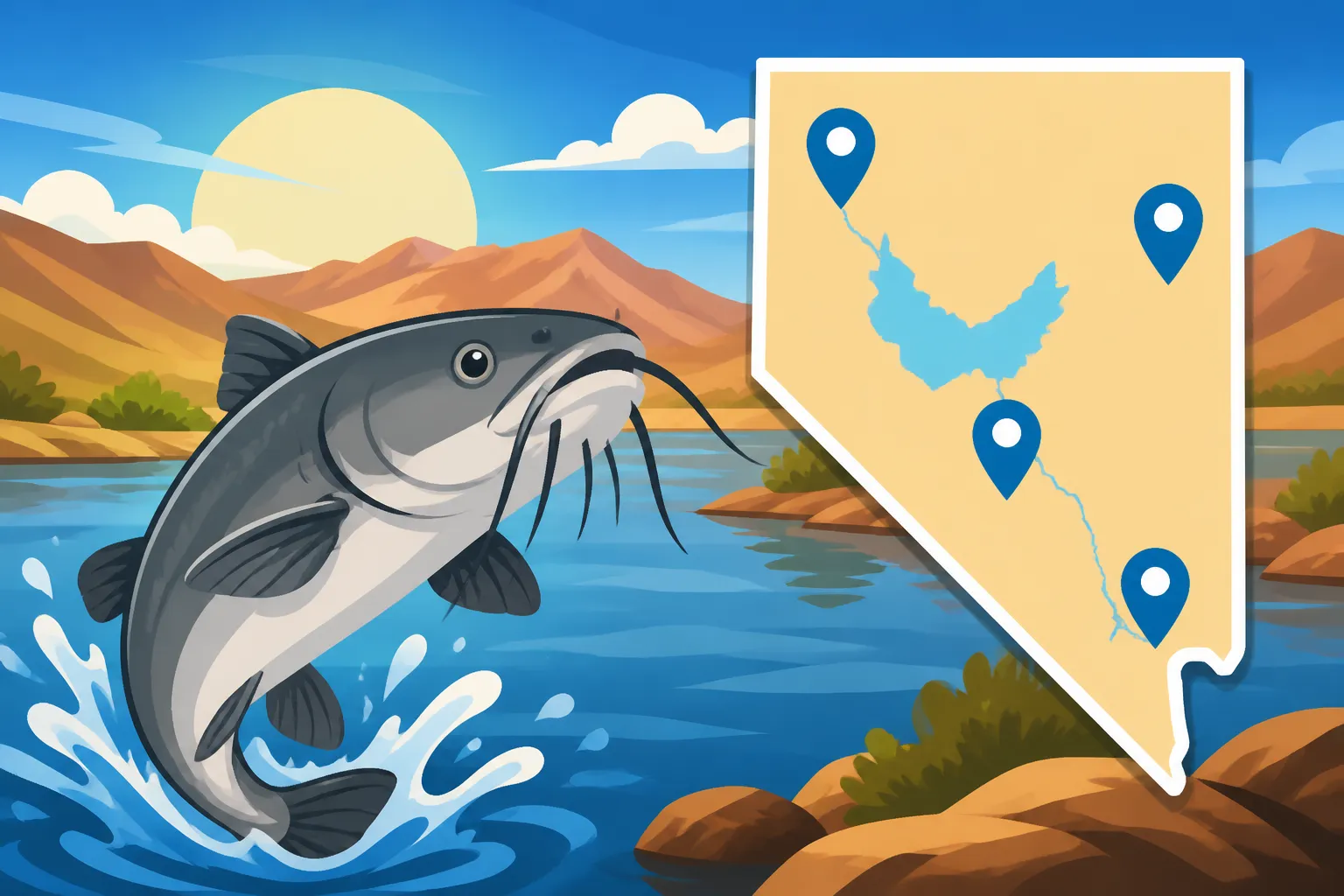
Nevada offers a surprising number of excellent locations for channel catfish, each with its own unique charm and challenges. From the expansive waters of our largest reservoirs to the intimate settings of urban ponds, there's a catfish haven for every type of angler.
Southern Nevada Hotspots
When people think of Southern Nevada fishing, big stripers often come to mind, but the region also boasts some of the best channel catfish opportunities in the state. The large, warm reservoirs of the Colorado River system are particularly productive.
Lake Mead
Lake Mead is arguably the king of catfish spots in Southern Nevada. Its vastness means there are countless coves, points, and flats where channel catfish thrive. The sheer size of the lake can be intimidating, but focusing on certain types of areas can greatly simplify your search. Look for shallower, muddy flats with some submerged brush or rock piles, especially those near deeper channels. Areas like Hemenway Harbor, Government Wash, and Callville Bay are well-known for producing good numbers of channel cats. Night fishing with stink baits or cut bait is incredibly popular and effective here. Anglers often anchor up in a calm cove and cast multiple lines, letting the scent spread through the water. While you're at it, you might even hook into a bonus striper! For more general information on fishing this massive body of water, check out our comprehensive Lake Mead Nevada Fishing Guide. The consistent warmth of Lake Mead's waters throughout much of the year keeps the catfish active, making it a reliable spot for anglers seeking these whiskered beauties. Many local guides listed on platforms like FishingBooker specialize in targeting bottom feeders here, offering insights into the best current hotspots.
Lake Mohave
Just downstream from Lake Mead, Lake Mohave offers similar, though often clearer, waters for channel catfish. While it's famed for its trophy rainbow trout and striped bass, channel cats are abundant, especially in the wider, slower sections of the lake. The coves and backwaters near Cottonwood Cove and Katherine Landing are particularly good. Focus on areas where the current is minimal, and there's a good mix of shallow flats and nearby drop-offs. The same techniques that work for Lake Mead will often translate well here: bottom fishing with cut bait, shrimp, or stink baits. The clearer water might mean they are a bit more cautious during bright daylight, making evening and night fishing even more pronounced as the prime time. You can learn more about this fishery through our Lake Mohave Nevada Fishing Guide. The rugged canyons and stunning scenery of Lake Mohave add to the experience, providing a beautiful backdrop for your catfish adventure.
Las Vegas Urban Ponds
For those looking for a quick and accessible fishing fix right within the city limits, the Las Vegas urban ponds are an absolute lifesaver. Places like Floyd Lamb Park, Lorenzi Park, and Sunset Park are regularly stocked with channel catfish by the Nevada Department of Wildlife (NDOW), offering fantastic opportunities for anglers of all ages and skill levels. These ponds are particularly great for families and beginners, as the fish are often quite eager to bite. The key here is to check the NDOW stocking schedule, as fresh stockings mean active fish. Even outside of stocking times, these ponds maintain healthy populations. Small worms, corn, or commercial catfish baits fished off the bottom with a simple bobber or slip-sinker rig are usually all you need. For more details on these convenient locations, our Las Vegas Nevada Urban Pond Fishing Guide. It's amazing to have such productive fishing spots so close to the hustle and bustle of the Strip!
Northern Nevada and Central Reservoirs
While Southern Nevada has its giants, the northern and central parts of the state also hold excellent channel catfish populations, often in different types of environments. These can be incredible fisheries if you know where to look.
Rye Patch Reservoir
Nestled in Pershing County, Rye Patch Reservoir is a true gem for channel catfish enthusiasts in Northern Nevada. This reservoir, fed by the Humboldt River, has extensive shallow areas, submerged timber, and muddy flats that provide ideal habitat for catfish. Anglers here regularly pull out good numbers of channel cats, with some impressive sizes reported. The tailrace below the dam can also be productive when water is being released. During the warmer months, fishing off the bank with cut bait, chicken livers, or nightcrawlers is a popular and effective method. Boaters can explore the many coves and flooded timber areas for even more success. The key to Rye Patch is finding those subtle depth changes and structure where catfish can ambush prey or hide from the sun. You can find more targeted information on this specific location in our Rye Patch Reservoir Fishing. It's a fantastic place for a dedicated catfish trip, offering a true high-desert fishing experience.
Lahontan Reservoir
Lahontan Reservoir, located southeast of Fallon, is another strong contender for channel catfish in central Nevada. Formed by the Carson River, this large, shallow reservoir with its often turbid waters and numerous submerged structures is perfect catfish territory. The reservoir is known for its channel cats, which can grow quite large here. Like other warm-water reservoirs, the best fishing is typically during the warmer months, especially in the evenings and at night. Target areas with access to deeper water but also adjacent to shallower flats or areas with weed beds. Boat anglers have an advantage in exploring the vastness of Lahontan, but shore anglers can find success around developed access points and coves. Stink baits, cut bait, and even hot dogs are common and effective offerings.
Other Potential Catfish Spots
While Lake Mead, Lake Mohave, Rye Patch, and Lahontan are the heavy hitters, several other Nevada waters hold channel catfish. Some smaller reservoirs and even stretches of rivers can surprise you. For instance, the lower sections of the Truckee River (though primarily known for trout) can occasionally produce catfish, particularly in slower pools. Eagle Valley Reservoir and Comins Lake, while generally known for trout and bass, can also have incidental catches of channel catfish, especially in their warmer, shallower sections. It's always worth checking the local regulations and stocking reports for any smaller bodies of water near your location, as the NDOW occasionally introduces catfish to diversify fishing opportunities.
Essential Gear and Techniques for Nevada Catfish
Having the right gear and understanding effective techniques will dramatically improve your catfish success rate. You don't need highly specialized or expensive equipment, but a robust setup built for pulling strong, heavy fish from cover will serve you well.
Recommended Rods, Reels, and Line
When it comes to catfish, reliability and strength are key. You're not usually finessing these fish; you're often setting the hook hard and pulling them away from snags.
- Rods: A medium-heavy to heavy action spinning or baitcasting rod, typically 6 to 8 feet long, is ideal. This provides the backbone needed to cast heavier baits and sinkers, and more importantly, to wrestle a good-sized catfish out of heavy cover. Look for rods with a stout butt section but enough tip sensitivity to detect those often subtle catfish bites. Brands like Ugly Stik or Berkley Big Game rods are popular for their durability and value, standing up to the abuse that catfishing can sometimes dish out. For those just starting out or looking for an all-around option, checking out general Nevada Fishing Gear Essentials will provide a good foundation.
- Reels: Pair your robust rod with a strong, reliable reel. For spinning reels, a 4000 to 6000 series reel with a smooth drag system and good line capacity is a solid choice. For baitcasting, a reel capable of holding ample heavy line with a strong retrieve will work. The drag is crucial; a powerful catfish can make impressive runs, and a sticky or weak drag can lead to snapped lines or lost fish. Shimano and Penn offer excellent, durable options suitable for catfishing.
- Line: Monofilament line in the 15 to 25-pound test range is a classic choice for catfishing. It offers good abrasion resistance, knot strength, and enough stretch to absorb the shock of a hard strike. If you're fishing particularly snaggy areas or targeting genuinely large cats, you might consider braided line in a similar strength range (20-40 lb test), which offers superior sensitivity and strength for its diameter, but does require a monofilament or fluorocarbon leader to provide a bit of stretch and invisibility. The thicker line is crucial when learning How to rig a bait for catfish in a reservoir, as it helps prevent tangles with heavier weights.
Best Baits and Rigs for Channel Catfish
This is where the fun really begins with channel catfish – they're not picky! Their keen sense of smell makes scent a primary attractor.
Effective Baits
- Stink Baits: These are a catfish angler's bread and butter. Commercial stink baits (like PowerBait Catfish Bait or Sonny's Super Sticky Baits) come in various forms – dough, dip, and punch baits – designed to be extremely odorous. They're often messy but incredibly effective.
- Cut Bait: Shad, carp, anchovies, or even any legal panfish cut into chunks are excellent. The natural oils and blood released by cut bait are irresistible to catfish. Fresh is usually best.
- Chicken Livers: A classic for a reason. Chicken livers are incredibly messy but exude a powerful scent that catfish can't ignore. They're soft, so rigging them carefully on a treble hook or bait holder hook is essential to keep them from flying off during casting.
- Nightcrawlers/Worms: Big, juicy nightcrawlers are always a good bet, especially for smaller to medium-sized catfish. They're easy to get and almost always work.
- Hot Dogs: A surprisingly effective and inexpensive bait! Marinate them in garlic powder or Kool-Aid for an extra kick.
- Shrimp: Raw, peeled shrimp, especially those that have been left out for a bit to get "stinky," can be fantastic.
Popular Rigs
- Carolina Rig (Slip-Sinker Rig): This is arguably the most popular and effective rig for bottom fishing catfish. It consists of a sliding egg sinker above a swivel, with a leader (12-24 inches) tied to a hook. This allows the fish to pick up the bait and run without feeling the weight of the sinker immediately, leading to more confident bites.
- Three-Way Swivel Rig: Ideal for when you want to present bait slightly off the bottom or in areas with current. One eye of the swivel goes to your main line, another to a short leader with a weight, and the third to a leader with your hook.
- Santee Cooper Rig: A variation of the Carolina rig that uses a float on the leader between the swivel and the hook. This lifts your bait slightly off the bottom, making it more visible and keeping it out of the muck, which can be very effective in muddy conditions or over weed beds.
- Basic Bottom Rig: A simple setup with a weight (pyramid or bell sinker) tied to the end of your line, and one or two snelled hooks tied a foot or two above it.
Always use appropriate hook sizes (usually 2/0 to 5/0 circle hooks or J-hooks) based on the bait size and the expected size of the catfish. Circle hooks are highly recommended as they tend to hook fish in the corner of the mouth, making for easier release and less harm to the fish if you plan to practice catch and release.
Planning Your Nevada Catfish Adventure
A successful fishing trip involves more than just knowing where the fish are; it requires proper planning, understanding the rules, and prioritizing safety. Nevada's diverse environments can present unique challenges, so being prepared is essential.
Licensing and Regulations Specific to Catfish
Before you even think about casting a line, ensure you have the proper Nevada fishing license. Whether you're a resident or non-resident, daily or annual, you'll need one. For a complete overview, be sure to consult our comprehensive Nevada Fishing License Guide. Generally, channel catfish fall under the statewide general fishing regulations, but it's crucial to always check the most current NDOW fishing regulations booklet, as rules can vary by water body. For example, some urban ponds might have different bag limits or tackle restrictions. Understanding the general Nevada Fishing Regulations Explained is critical for avoiding any penalties.
It’s also important to be aware of the specific limits for channel catfish. Most Nevada waters have a daily limit for catfish, and usually a possession limit as well. For instance, the general statewide daily limit for channel catfish is usually 25, but this can change, so always verify before you go. Having a clear understanding of the Nevada Statewide Bag Limits Explained is part of being a responsible angler.
Remember, the regulations are there to protect the fisheries and ensure sustainable angling for everyone. Ignorance of the rules is never an excuse, and game wardens in Nevada are diligent in checking licenses and compliance.
Tips for a Successful and Safe Trip
Nevada's desert environment, while beautiful, demands respect, especially during the warmer months. Being prepared for the elements is just as important as having the right bait.
- Hydration is Key: Whether you're fishing in Southern Nevada at Lake Mead or in the central part of the state at Lahontan, the sun can be intense. Bring plenty of water, even more than you think you'll need, especially if you plan an all-day or night fishing trip.
- Sun Protection: Wide-brimmed hats, sunglasses, long-sleeved UPF clothing, and sunscreen are non-negotiable. The sun's rays can be relentless, leading to sunburn and heatstroke if you're not careful.
- Night Fishing Safety: If you're going after those nocturnal cats, bring reliable headlamps or lanterns. Be mindful of your surroundings, especially if you're on unfamiliar terrain near the water's edge. Let someone know where you're going and when you expect to return.
- Cooler and Ice: Catfish are excellent table fare, and if you plan to keep your catch, a good cooler with plenty of ice is essential. The desert heat can spoil fish quickly. A guide on the Best Cooler for Keeping Fish on Hot Days.
- Patience and Persistence: Catfishing often requires patience. Don't be discouraged if you don't get a bite immediately. Experiment with different depths, baits, and locations. Move around if a spot isn't producing after a reasonable amount of time.
- Respect the Environment: Pack out everything you pack in. Leave no trace, and consider disposing of any trash you find. Keeping our fishing spots clean ensures they remain beautiful and productive for years to come.
- Consider a Guide: If you're new to a particular lake or want to maximize your chances, consider hiring a local fishing guide. Platforms like FishingBooker can connect you with experienced catfish guides on Lake Mead or other major reservoirs who can put you on fish and teach you the local nuances. This can be an invaluable investment for learning a new fishery. They know the current patterns, the best baits, and hidden spots that you might never find on your own.
- Check the Weather: Nevada weather can change rapidly, especially in mountainous or high-desert regions. Always check the forecast before you head out and be prepared for sudden winds, thunderstorms, or temperature drops, even in summer.
Here's a quick summary of prime catfish spots and essential tips:
| Location Type | Prime Catfish Spots in Nevada | Key Features for Catfish | Best Fishing Times | Recommended Baits |
|---|---|---|---|---|
| Large Southern Reservoirs | Lake Mead, Lake Mohave | Warm water, abundant coves, submerged structure, muddy flats | Late Spring – Early Fall; Evening & Night | Cut bait (shad, carp), Stink baits, Chicken livers |
| Urban Ponds | Floyd Lamb Park, Lorenzi Park, Sunset Park | Regularly stocked, easy access, controlled environments | Year-round (check stocking schedule); Daytime | Nightcrawlers, Corn, Small commercial baits |
| Northern & Central Reservoirs | Rye Patch Reservoir, Lahontan Reservoir | Expansive shallow areas, turbid water, submerged timber | Late Spring – Early Fall; Evening & Night | Cut bait, Stink baits, Chicken livers, Hot dogs |
| Rivers (Lower Sections) | Lower Truckee River (slower pools) | Slower currents, deeper holes, natural debris | Warm Months; Evening & Night | Nightcrawlers, Cut bait |
Armed with this knowledge, you're well on your way to a successful and enjoyable channel catfish fishing experience in Nevada. Tight lines!
Disclaimer
The information provided in this guide is for general informational purposes only and is subject to change. Always consult the most current Nevada Department of Wildlife (NDOW) regulations and local advisories before engaging in any fishing activities. Fishing conditions, regulations, and fish populations can vary by location and season.