Best time to target wipers in a reservoir
It can be incredibly frustrating to hit a beautiful Nevada reservoir, ready to tangle with some hard-fighting wipers, only to find the water seemingly devoid of life. These aggressive hybrid bass are fantastic sport fish, but they can be elusive if you don't understand their seasonal movements and daily feeding patterns. This guide will walk you through the best times to target wipers in a reservoir, helping you maximize your chances of a successful and exhilarating fishing trip.
Understanding Wipers: The Fish and Their Habits
Before we dive into the "when," it's crucial to understand the "what." Wipers are not your average bass; they're a hybrid species with unique behaviors that dictate when and where you'll find them. Knowing their preferences is the first step to unlocking consistent success.
What Exactly is a Wiper?
A wiper is a cross between a striped bass (often called a striper) and a white bass. They are officially known as hybrid striped bass, and they embody the best fighting qualities of both parents. Imagine the power and stamina of a striper combined with the aggressive feeding habits of a white bass – that's a wiper in a nutshell. These fish are sterile, meaning they don't reproduce in the wild, which is why state wildlife agencies often stock them to provide excellent angling opportunities in various reservoirs. You might find it helpful to learn more about Wiper Hybrid Bass Identification so you can easily distinguish them from other species you might encounter. Understanding the Difference between a striper and a wiper is also key, as their behaviors, while similar, do have nuances.
Why Wipers are a Unique Challenge
Wipers are highly nomadic and school-oriented. Unlike largemouth bass that often relate to specific cover, wipers are pelagic, meaning they spend most of their lives in the open water, constantly on the move in search of baitfish. This makes them challenging because they aren't always in the same place. They follow food sources, temperature changes, and oxygen levels, making a dynamic target. Their aggressive feeding frenzies can be epic, but they can also shut down quickly, leaving anglers scratching their heads. Their sheer power, especially when hooked, requires stout tackle and a ready hand on the drag. It's not uncommon for a wiper to make a blistering run that strips line off your reel faster than you thought possible!
Seasonal Strategies: When Wipers Are Most Active
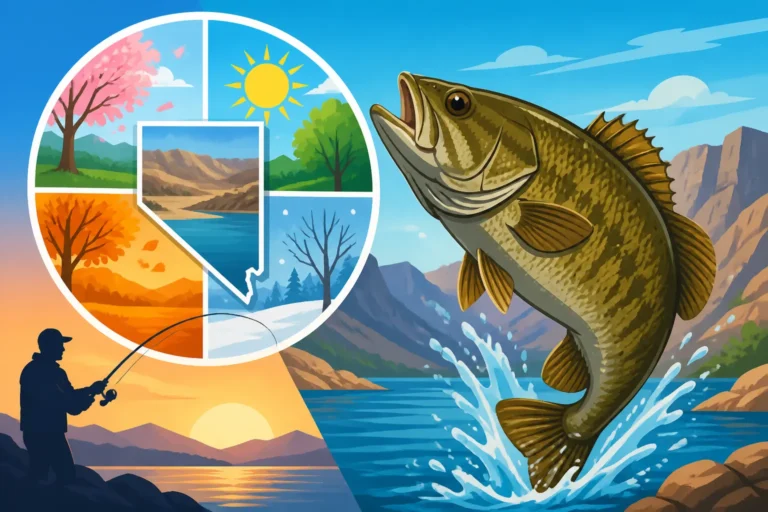
Just like many other fish species, wipers have distinct seasonal patterns that influence their activity levels and locations. Knowing these patterns will dramatically improve your timing and your catch rates, regardless of whether you're fishing in the scorching summer or the chilly winter.
Spring: Pre-Spawn Frenzy
Spring, particularly late spring as water temperatures begin to climb into the 50s and 60s (Fahrenheit), can be an absolutely phenomenal time to target wipers. While wipers don't truly "spawn" in the same way native bass do due to their hybrid nature, they do exhibit strong pre-spawn behaviors. This means they'll migrate up tributaries or towards dam faces and wind-blown points, mimicking the spawning runs of their striped bass relatives. They're driven by instincts to congregate and feed heavily in preparation, making them incredibly aggressive and relatively predictable.
During this period, you'll often find wipers in shallower water than usual, particularly in areas where baitfish are abundant and water is warming rapidly. Look for them around rocky shorelines, submerged humps, and points where current might concentrate bait. Topwater lures can be incredibly effective when wipers are shallow and actively feeding. They'll smash a walking bait or a popper with incredible force.
A key indicator of spring wiper activity is the presence of baitfish in these areas. If you see shad or other forage fish flicking on the surface, wipers are likely not far behind. Focus your efforts on these active zones, casting repeatedly to cover the water column. The window for this aggressive shallow bite can be short, so be ready to capitalize when it happens.
Summer: Deep Water and Night Feeds
As Nevada's summer heat intensifies and surface water temperatures soar, wipers generally move to deeper, cooler, and more oxygenated parts of the reservoir. They'll often suspend over deep channels, humps, and creek beds, typically at depths where the water is more comfortable for them, often 20 to 40 feet down or more. Locating them requires good electronics, like a reliable fish finder, which can be invaluable for finding suspended schools. Many anglers even find great deals on excellent electronics on Amazon to aid in this search. This is when deep jigging, trolling, and fishing live bait become the most effective techniques.
However, summer also opens up incredible opportunities for night fishing. When the sun sets and surface temperatures drop, wipers will often push baitfish up to the surface or into shallow coves, especially under the light of a full moon or near artificial lights. These nocturnal feeding frenzies can be spectacular, with wipers crashing bait on the surface. For more specific insights into how other species react to seasonal changes, you might want to look at Nevada Striped Bass Seasonal Patterns, as wipers share many behavioral traits with their striper parent. Understanding Summer Fishing Techniques for Hot Desert Lakes will give you an even broader perspective on adapting to these conditions.
If you plan to fish at night, be sure to have powerful headlamps, safety gear, and understand the lake's contours to navigate safely. Many anglers use submersible lights to attract baitfish, which in turn attract wipers. Think about the Best Time of Day to Fish in Summer Heat – it's often the coolest parts, which for wipers, can mean after dark!
Fall: Feeding Blitz
Fall is another prime time for wiper fishing in Nevada reservoirs, arguably one of the best. As water temperatures cool down, wipers become incredibly active, going on a massive feeding spree to pack on fat reserves for the upcoming winter. They'll often move back into shallower areas, chasing schools of baitfish that are also preparing for cooler temperatures. This time of year often sees wipers actively cruising flats, points, and coves, frequently busting bait on the surface.
The fall bite can last for weeks, offering consistent action. Look for large schools of wipers herding baitfish, often indicated by diving birds or disturbances on the surface. Casting spoons, swimbaits, and even large inline spinners into these feeding boils can result in multiple hook-ups. The fish are less particular about your presentation and more focused on getting a meal.
A good way to capitalize on this is to follow weather patterns. Stable weather with gradually falling temperatures is ideal. After a strong cold front, the bite might shut down temporarily, but it usually picks back up quickly. This is generally considered one of the Best Time of Year to Fish in Nevada for active, aggressive fish across many species, and wipers are no exception.
Winter: Slow and Deep
Winter fishing for wipers can be challenging but rewarding. As water temperatures drop into the 40s and below, wipers become much less active, their metabolism slowing significantly. They'll typically move to the deepest parts of the reservoir and school up tightly, often near thermal refuge or deep structure like ledges, humps, and submerged timber. They're still feeding, but their movements are more lethargic, and they're less likely to chase baits aggressively.
Vertical jigging with heavy spoons or blade baits directly over suspended schools is often the most effective technique. You'll need good electronics, such as the Best Fish Finder for Reservoir Fishing, to pinpoint these deep schools, and patience is key. Bites can be subtle, feeling more like a slight pressure than an aggressive strike. While it's a different game than the frenzied surface action of spring or fall, catching a big winter wiper is a testament to an angler's skill and perseverance.
It's a stark contrast to techniques used for other cold-water species, like Winter Fishing Techniques for Nevada Trout, which might involve different presentations closer to the bottom or near warmer springs. Wipers still want to feed, but they want an easy meal presented right in front of them.
Daily Patterns: Timing Your Trip for Success
Beyond the seasonal shifts, the daily clock and environmental conditions play a massive role in when wipers decide to turn on the feed. Paying attention to these subtle cues can turn a slow day into an unforgettable one.
Early Morning and Late Evening Prime Time
Much like many predatory fish, wipers are often most active during the low-light periods of dawn and dusk. These times offer them a distinct advantage over their prey, as baitfish are less able to spot predators. In the early morning, as the sun barely peeks over the horizon, wipers often move shallower to feed before retreating to deeper water as the day progresses. Similarly, in the late evening, as shadows lengthen and the light fades, they'll become more active again, often pushing baitfish to the surface.
This is when topwater lures, shallow-running crankbaits, and soft plastics retrieved just under the surface can be deadly. If you arrive at the reservoir an hour before sunrise and stay an hour after sunset, you're significantly increasing your odds. These crepuscular periods are when you'll often witness the most dramatic surface boils and aggressive strikes. Even during the hottest summer days, the first hour of light can be the best, before the heat drives them deep.
Cloud Cover and Wind Considerations
Wipers, being visual predators, often become more active on cloudy days or when there's a good chop on the water created by wind. Overcast skies diffuse sunlight, making it harder for baitfish to see predators and allowing wipers to roam shallower and feed more aggressively throughout the day. Similarly, wind can be your best friend when targeting wipers. A steady breeze creates a "wind lane" or current, concentrating baitfish and disorienting them, making them easy targets for hungry wipers.
Wind also breaks up the surface tension, making your boat less visible and masking your presence. Look for wind-blown points, banks, or dam faces where baitfish might be pushed and piled up. Wipers will often patrol these areas, ambushing their prey. Don't be afraid of a little wind; it often turns on the bite! However, be mindful of strong winds that can make boating unsafe or casting difficult.
Impact of Water Temperature and Clarity
Water temperature is a critical factor for wipers. Their ideal feeding range is typically between 60 and 75 degrees Fahrenheit, though they will feed outside this range. Knowing the current water temperature can help you predict their depth and activity level. In cooler water, they'll be deeper and less active; in warmer water, they'll be shallower and more aggressive, provided it's not excessively hot, in which case they'll seek thermoclines or cooler depths. You can often find compact, reliable water temperature gauges that clip to your gear, available from retailers like Amazon.
Water clarity also plays a role. Wipers generally prefer moderately clear to stained water. In extremely clear water, they can be very skittish and might feed more at dawn, dusk, or night. In very muddy water, their vision is impaired, and they might rely more on their lateral line system, making noisy or vibratory baits more effective. A good general rule is that moderately clear water with a bit of stain often leads to the most consistent daytime action.
Locating Wipers: Where to Find Them During Peak Times
Knowing when to fish is only half the battle; you also need to know where to cast your line. Wipers are constantly on the move, but they do relate to certain types of reservoir structure and, more importantly, to the presence of baitfish.
Understanding Reservoir Structure
While wipers are pelagic, they still use structure as ambush points or to herd bait. Look for submerged islands, humps, points that extend far into the lake, main lake channels, and dam faces. These features act as highways for baitfish and funnel points where wipers can trap their prey. Creek channels, especially those with current or flow, can also be hotspots, particularly in spring.
During summer, when wipers are deeper, they might suspend over the deepest parts of the reservoir, but often they'll be relating to deep ledges or the edges of river channels. Don't just look for fish on the bottom; wipers will often suspend anywhere from the surface down to 60 feet or more, depending on baitfish depth and water temperature. Using your electronics to locate these subsurface structures and identify bait balls will be crucial.
Following the Baitfish
The single most important factor in locating wipers is finding their food source: baitfish. Wipers are relentless predators, and they will go wherever the shad, minnows, or other forage fish are concentrated. If you find large schools of baitfish on your fish finder, wipers are almost certainly in the vicinity, or will be soon. Sometimes, even if you don't mark wipers, finding dense bait schools is a huge clue.
Keep an eye out for surface activity – birds diving, baitfish flicking, or actual boils where wipers are crashing the surface. These are tell-tale signs of a feeding frenzy, and you should head there immediately. Trolling crankbaits or spoons through areas where you've marked baitfish can also be highly effective. If you're struggling to locate them, remember that wipers move with their food. If the bait moves to a new area of the lake, the wipers won't be far behind. Anglers using chumming techniques, similar to how one might How to chum for striped bass at Lake Mead, can sometimes attract wipers as well, bringing the baitfish and, subsequently, the predators closer to their fishing spot.
| Season | Prime Time | Typical Depths | Key Behaviors | Effective Lures/Baits |
|---|---|---|---|---|
| Spring | Late Spring (60s°F water) | Shallow to Mid-depth (5-25 ft) | Pre-spawn congregations, aggressive feeding | Topwaters, Crankbaits, Swimbaits, Spoons, Live Shad |
| Summer | Early Morning, Late Evening, Night | Deep (20-60+ ft), Surface at Night | Seek cooler water, nocturnal feeding | Deep Jigs, Trolling Spoons, Live Bait, Topwaters (Night) |
| Fall | All Day, especially overcast/windy days | Mid-depth to Shallow (10-30 ft) | Heavy feeding for winter, schooling, surface busts | Spoons, Swimbaits, Crankbaits, Topwaters, Jigs |
| Winter | Mid-day (warmer spells) | Deepest areas (30-80+ ft) | Slow metabolism, tight schooling | Vertical Jigs, Blade Baits, Live Bait (slow presentations) |
Disclaimer
This article is for general informational purposes only and does not constitute professional advice. Laws, prices and regulations vary by location and change over time. Consult a qualified professional for guidance on your specific situation.