Largemouth Bass Fishing in Nevada
The pursuit of largemouth bass in Nevada can feel like a riddle in the desert. Many anglers arrive with visions of vast, clear reservoirs but quickly realize that catching these elusive fish requires more than just casting a line. From understanding their preferred habitat in our unique desert waters to mastering the specific techniques that make them bite, it’s a journey with its own set of challenges. This comprehensive guide is designed to cut through the guesswork, offering you the insider knowledge on where to find Nevada's largemouth bass, what gear you'll need, and the best strategies to land them, ensuring your next fishing trip is a success.
Understanding Largemouth Bass in Nevada's Unique Ecosystems
Nevada isn't exactly the first place that comes to mind when you think of lush, bass-filled waters, but don't let the arid landscape fool you. Our state, particularly the southern regions, boasts some fantastic largemouth bass fisheries, primarily in large reservoirs and urban ponds. These bass have adapted to thrive in warmer, often deeper waters with varying levels of structure. Understanding their specific characteristics and habits in this environment is key to consistently finding and catching them.
Nevada Largemouth Characteristics: Size, Appearance, and Behavior
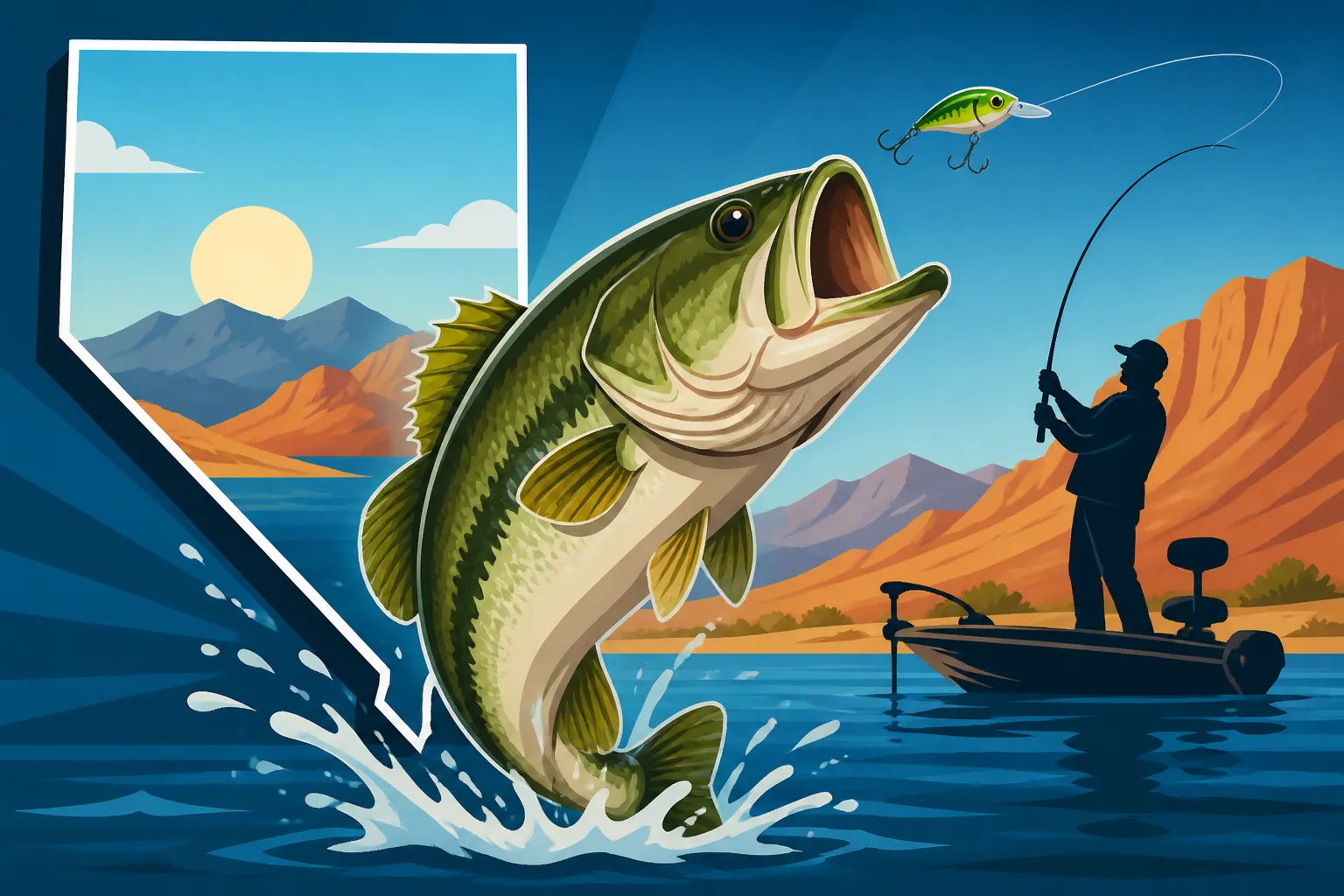
Largemouth bass, or Micropterus salmoides, are easily recognizable by their distinctive jawline that extends beyond the rear edge of the eye when their mouth is closed. Their bodies typically display a dark, jagged lateral stripe running from gill plate to tail, though the intensity of this stripe can vary based on water clarity and habitat. In Nevada's clear desert lakes, they often exhibit lighter, more muted tones, while in stained urban ponds, their colors might be darker and more pronounced.
These fish are apex predators in their ecosystems, known for their aggressive strikes and powerful fights. Their behavior is heavily influenced by water temperature and light conditions. In warmer months, they are more active and feed frequently, often seeking shade or deeper, cooler water during the brightest parts of the day. During colder periods, their metabolism slows, and they become more lethargic, preferring to hold tight to cover and feed less frequently, making them a tougher but still rewarding target. Anglers often discuss the Largemouth Bass Size at Lake Mead, and indeed, some impressive specimens can be found here.
Preferred Habitats: Where Nevada's Bass Hide
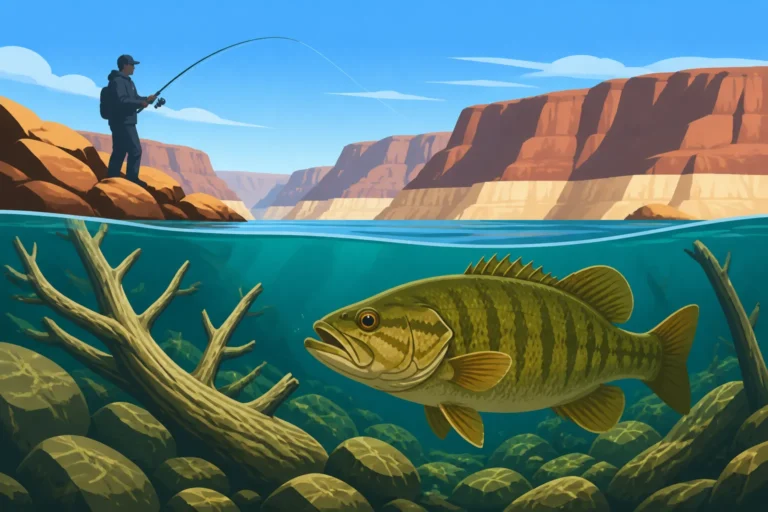
Largemouth bass are creatures of structure and cover. In Nevada's large reservoirs like Lake Mead and Lake Mohave, this often means submerged rock piles, natural bluffs, canyon walls, flooded timber, and artificial fish habitats like brush piles or discarded tires. They love to ambush prey, so any feature that provides shade, concealment, or a current break is a prime location. Points and coves, especially those with deeper water nearby, are also perennial favorites.
In urban ponds and smaller lakes, their habitat preferences shift slightly to include cattail edges, weed beds, submerged vegetation, docks, culverts, and even shopping carts or other sunken debris. The clearer water in many Nevada lakes means bass can be more sensitive to direct sunlight, prompting them to seek deeper water or denser cover during midday. Understanding the unique Largemouth Bass Habitat at Lake Mead is crucial for success on that vast body of water.
Diet and Feeding Habits: What They're Looking For
Largemouth bass are opportunistic feeders with a varied diet. In Nevada, their primary forage includes smaller baitfish like shad, bluegill, and various minnows. They'll also readily consume crayfish, frogs, insects, and even smaller mammals or birds that fall into the water. This broad diet means anglers have a wide array of lure and bait options to choose from.
Their feeding patterns are often tied to light levels and water temperature. They tend to be most active at dawn and dusk, or on overcast days, when they can ambush prey more effectively. During the heat of the day, especially in summer, they might move deeper or into dense shade, becoming less active but still capable of striking if a lure is presented enticingly close. In colder water, they'll conserve energy and may only strike at slow-moving, easy meals.
Top Nevada Hotspots for Largemouth Bass Anglers
While Nevada might be known for its desert landscapes, it's also home to some surprisingly robust largemouth bass fisheries. Knowing where to go is half the battle, and our state offers everything from massive reservoirs to quaint urban ponds, each with its own charm and challenges.
Lake Mead: The Grand Bass Fishery
Lake Mead, straddling the Nevada-Arizona border, is arguably the crown jewel for largemouth bass fishing in Southern Nevada. Its vast expanse, intricate shoreline, and diverse underwater structures make it a legendary destination. Anglers here can find bass relating to steep canyon walls, submerged rock piles, deep coves, and even remnants of old towns now resting beneath the surface. The sheer size of Lake Mead means that consistent success often comes from focusing on specific regions or types of structure.
Popular areas on the Nevada side include the vast expanse of the Overton Arm, with its numerous coves and fingers, and the Boulder Basin, especially around the countless islands and rocky points. Shoreline access is plentiful, but a boat opens up significantly more territory. The fish here can grow to impressive sizes, offering a real challenge and rewarding experience. For a more detailed look, check out our Lake Mead Nevada Fishing Guide.
Lake Mohave: A Striper and Bass Paradise
Just downstream from Lake Mead, Lake Mohave offers another incredible opportunity for largemouth bass. While perhaps more famous for its striped bass, the largemouth fishery here is excellent, particularly in the northern reaches and around the various coves and submerged features. The water in Lake Mohave tends to be clearer and often a bit cooler than Lake Mead, providing a slightly different fishing experience.
Anglers targeting largemouth on Lake Mohave often focus on areas like Cottonwood Cove, Katherine Landing, and the numerous small coves and rocky points that dot the shoreline. The lake's clear water means finesse techniques can be very effective, especially when the fish are pressured. Like Lake Mead, a boat is highly recommended to explore its full potential, but shore access can yield good results too, particularly early and late in the day. Our Lake Mohave Nevada Fishing Guide provides even more specific insights.
Urban Ponds and Smaller Waters: Hidden Gems
Don't discount the smaller, often overlooked urban ponds and community lakes scattered throughout Nevada, especially around the Las Vegas and Reno metropolitan areas. These waters, frequently stocked by the Nevada Department of Wildlife (NDOW), can be fantastic for largemouth bass, especially for anglers seeking a more accessible or family-friendly experience. Lakes like those found at Floyd Lamb Park, Lorenzi Park, and Sunset Park in the Las Vegas area are known for holding good numbers of bass, alongside trout and catfish.
These smaller bodies of water often have abundant vegetation, docks, and other shoreline cover that bass love. While they may not produce the trophy sizes of the large reservoirs, they offer consistent action and are perfect for honing your skills or introducing new anglers to the sport. Being smaller, they are also easier to "read" and understand the bass's movements. You can learn more about these convenient spots in our Las Vegas Nevada Urban Pond Fishing Guide.
| Fishing Spot | Primary Bass Habitat | Common Forage | Best Time of Year | Key Challenge |
|---|---|---|---|---|
| Lake Mead | Rocky points, bluffs, submerged structure, deep coves | Shad, bluegill, crayfish | Spring, Fall | Vast size, varying water levels |
| Lake Mohave | Clear water coves, rocky shorelines, submerged brush | Shad, bluegill, trout | Spring, Fall, Early Summer | Very clear water, heavy boat traffic |
| Urban Ponds | Weeds, docks, culverts, submerged debris, cattails | Bluegill, minnows, insects | Spring, Summer, Fall | Smaller fish, can be pressured |
Essential Gear for Nevada Largemouth Bass Fishing
Having the right tools for the job can make a world of difference, especially when you're targeting largemouth bass in Nevada's diverse waters. From the rod in your hand to the line on your reel, each component plays a crucial role in casting accurately, feeling subtle bites, and ultimately, landing that fish.
Rods and Reels: Matching Your Setup to the Fight
For largemouth bass, a versatile rod and reel setup is paramount. Most anglers opt for a medium-heavy power casting rod, typically between 6'6" and 7'6" in length. This power rating provides enough backbone to cast heavier lures, set a strong hook, and pull bass out of cover, while still offering enough sensitivity for finesse presentations. Rod action, which describes how much of the rod bends under pressure, is often moderate-fast to fast, offering a good balance of casting distance and hook-setting power.
Pairing this with a quality baitcasting reel is common for its precision casting, greater line capacity for heavier lines, and cranking power. Look for a reel with a gear ratio that suits your fishing style – a faster retrieve (7.1:1 or higher) is great for quickly working topwater or burning spinnerbaits, while a slower ratio (6.4:1 or lower) is ideal for powerful retrieves with deep-diving crankbaits or punching through heavy cover. Spin fishing setups can also be very effective, especially for lighter lures or for beginners. A medium power spinning rod with a fast action, paired with a 2500-3000 size spinning reel, makes for a highly versatile alternative. You'll find many excellent options on Amazon for both baitcasting and spinning setups. For more guidance on choosing the right pole, consider our article on Best Fishing Rods for Nevada Lakes.
Lines and Leaders: Choosing the Right Strength and Type
Line selection is critical in bass fishing, impacting sensitivity, casting distance, and abrasion resistance. Monofilament line, typically 10-17 lb test, is a popular choice for its stretch, which can be forgiving when a bass makes a sudden run, and its ease of use. It's great for topwater lures where its buoyancy helps keep baits on the surface. Fluorocarbon, in similar test strengths, offers less stretch, making it incredibly sensitive for feeling subtle bites. Its nearly invisible property underwater is a huge advantage in Nevada's clear lakes, and its abrasion resistance is excellent for fishing around rocks and heavy cover.
Braided line, often 30-50 lb test, is perhaps the strongest and most sensitive option, with virtually no stretch. It's perfect for punching through thick vegetation or pulling fish out of dense cover, but its visibility can be an issue in clear water. Many anglers will tie a fluorocarbon leader (6-10 lb test) to their braided mainline to get the best of both worlds – the strength of braid with the stealth of fluorocarbon. The choice often depends on the specific technique and water conditions you're facing.
Tackle Box Essentials: Hooks, Weights, and Tools
A well-stocked tackle box is an angler's best friend. Beyond your chosen lures, you'll need a selection of hooks appropriate for different soft plastics. This includes offset worm hooks (EWG or straight shank) in sizes 2/0 to 5/0, weighted and unweighted, and perhaps some dropshot hooks or wacky rig hooks. Weights are also crucial for getting your baits to the desired depth and presenting them effectively. Tungsten bullet weights (1/8 oz to 1 oz) are popular due to their small profile and increased sensitivity compared to lead.
Don't forget essential tools: a good pair of fishing pliers (preferably with cutters) for hook removal and cutting line, a set of nail clippers for quick line trimming, a fish gripper or lip tool to safely handle your catch, and a small first-aid kit for any unexpected nicks or scrapes. A reliable measuring tape and small scale are great for documenting your catches before release. A headlamp can be invaluable for early morning or late evening fishing, ensuring you can tie knots and navigate your gear efficiently.
Best Lures and Baits for Nevada Largemouth Bass
When it comes to tempting Nevada's largemouth bass, you've got a vast arsenal of lures and baits at your disposal. The key is knowing which to use, when, and where. Bass are highly responsive to different presentations, and adapting your choice to the conditions can significantly improve your success rate.
Soft Plastics: Worms, Creatures, and Senkos
Soft plastic lures are arguably the most versatile and effective category for largemouth bass, especially in Nevada's clearer waters where a subtle presentation can be key. Plastic worms, ranging from 4 to 10 inches, can be fished in countless ways: Texas-rigged, Carolina-rigged, weightless, or on a shaky head. Popular colors often include green pumpkin, watermelon seed, and junebug, mimicking natural forage or providing contrast. Creature baits, designed to imitate crawfish or other aquatic critters, are fantastic for flipping and pitching into heavy cover. Their appendages create enticing action with minimal movement.
Perhaps no soft plastic has gained more fame than the Senko-style stick bait. Fished weightless or wacky-rigged, its slow, seductive fall is irresistible to bass. These are particularly effective in calm, clear conditions or when bass are shallow. Presentation is often more important than retrieve speed with soft plastics; letting the lure do the work as it falls or lightly twitching it can trigger aggressive strikes. Many anglers will have a dedicated storage compartment for their diverse collection of soft plastics, and you can stock up on a wide array of styles and colors easily on Amazon.
Crankbaits and Jerkbaits: Covering Water and Triggering Strikes
Crankbaits and jerkbaits are excellent choices for covering water quickly and locating active bass, especially when they're scattered or feeding aggressively. Crankbaits, with their diving lip, are designed to dive to specific depths, making them perfect for targeting bass holding on submerged humps, ledges, or along drop-offs. Squarebill crankbaits are great for deflecting off rocks and wood in shallow water, while deep-diving models can reach depths of 15-20 feet or more. Color choices often mimic shad or crawfish, with chrome/blue or red being perennial favorites in Nevada.
Jerkbaits, on the other hand, are designed to be fished with a "rip, rip, pause" retrieve, mimicking a dying baitfish. Their erratic action and suspended nature during pauses can drive bass into a frenzy, particularly in cooler water or when bass are somewhat lethargic. Long pauses between jerks are often critical to trigger a strike. Both lure types are highly effective when bass are actively chasing baitfish in open water or along prominent points. The article Best Lures for Nevada Bass offers further insight into specific models and brands.
Topwater Lures: The Thrill of the Surface Strike
There's nothing quite like a topwater strike – the explosive splash and violent tug as a bass erupts from the water. Topwater lures are designed to be fished on the surface, creating commotion that draws bass up from below. Poppers, with their cupped faces, create a "bloop" sound and splash, mimicking a struggling baitfish. Walk-the-dog baits, like Zara Spooks, glide side-to-side across the surface with a rhythmic retrieve, imitating a baitfish fleeing a predator.
Frogs and toad imitations, often made of soft plastic, are perfect for fishing over dense lily pads, matted vegetation, or thick moss, areas where other lures would snag. Bass lurking underneath see the silhouette and strike from below. Topwater action is typically best during low-light conditions – early morning, late evening, or on overcast days – and particularly shines during warmer months when bass are active near the surface.
Live Bait Options: When Fresh is Best
While artificial lures are incredibly effective, sometimes nothing beats the appeal of live bait. Shiners, shad, or other local baitfish, when legally caught and used, can be irresistible to even the most finicky largemouth. They provide natural scent, movement, and vibration that artificial lures can only imitate. Live bait is often fished under a bobber, allowing it to swim freely near cover, or on a simple Carolina rig to present it on the bottom near structure.
For a more subtle approach, live nightcrawlers or jumbo redworms can also entice bass, especially smaller ones, or when fishing in urban ponds. These are typically fished on a simple hook and sinker rig. Always check Nevada Fishing Regulations Explained for specific rules regarding live bait, as some waters have restrictions on what can be used to prevent the spread of invasive species. While sometimes slower-paced, live bait can be a highly effective method, particularly for challenging conditions or when introducing children to fishing.
Effective Largemouth Bass Fishing Techniques
Catching largemouth bass is as much an art as it is a science, combining knowledge of their habits with skillful presentation. Mastering various techniques will allow you to adapt to changing conditions and consistently put fish in the boat or on the bank.
Casting and Retrieving: Basic Approaches
At the heart of bass fishing are fundamental casting and retrieving techniques. Accurate casting is paramount, allowing you to place your lure precisely near cover or structure where bass are likely hiding. Practice pitching, flipping, and skipping techniques to get your lure into tight spots under docks, overhanging trees, or into dense vegetation. The more accurately you can place your bait, the higher your chances of a strike.
Retrieval methods vary wildly depending on the lure. With crankbaits, a steady retrieve is often all that's needed to get them to their diving depth, sometimes with erratic pauses or speed changes to trigger a reaction strike. Soft plastics require a more nuanced retrieve, often involving slow dragging, lifting, and dropping, allowing the bait to mimic natural movements. Topwater lures demand a specific cadence – whether it's the rhythmic "walk" of a stick bait or the pop-and-pause of a popper – to create the desired surface disturbance. Understanding these basics is the foundation upon which more advanced techniques are built. For beginners, getting comfortable with Casting Techniques for Beginners can significantly boost confidence and success.
Targeting Structure and Cover: Where to Cast
Largemouth bass are inextricably linked to structure and cover. Structure refers to changes in bottom contour, like drop-offs, humps, points, and ledges. Cover refers to objects, either natural or man-made, that provide concealment or shade, such as submerged timber, rock piles, weed beds, docks, and bridge pilings. Bass use these elements for ambush points, protection from predators, and relief from harsh sunlight.
When approaching a fishing spot, always look for these features. On large reservoirs, use your electronics to identify submerged structure like old creek channels or rock formations. In urban ponds, target the edges of weed lines, under overhanging branches, or around any visible man-made objects. Fishing the "edges" of these features is often most productive, as bass will patrol these transition zones. For example, casting parallel to a weed line or along the side of a submerged bluff can often put your lure right in front of a waiting bass.
Seasonal Strategies: Adjusting to the Time of Year
Nevada's distinct seasons profoundly influence bass behavior, necessitating a shift in your fishing strategy throughout the year.
- Spring: This is prime time as bass move shallow for the spawn. Look for them in warmer, protected coves with abundant cover. They'll be feeding aggressively pre-spawn, then guarding nests during the spawn. Soft plastics, especially Senkos and creature baits, are deadly.
- Summer: As temperatures rise, bass often move deeper or seek dense shade during the day. Early morning and late evening topwater action can be fantastic. During midday, target deep points, submerged brush, or areas with good current. Best Time of Day to Fish in Summer Heat is typically at dawn or dusk.
- Fall: Bass become highly active again, feeding heavily to prepare for winter. They can be found chasing baitfish in open water or along main lake points. Crankbaits, spinnerbaits, and even large swimbaits can be very effective as bass gorge on migrating shad.
- Winter: Bass are typically lethargic and hold tight to deep structure, often near the main lake channel or deep timber. Slow, finesse presentations like dropshot rigs, jigs, or slow-rolled swimbaits are usually the most productive. Focus on warmer, sunny days when they might move up slightly. More detailed seasonal information can be found in our Nevada Fishing Seasons by Month guide.
Catch and Release Practices: Keeping the Fishery Healthy
While Nevada has regulations regarding the keeping of bass, many anglers choose to practice catch and release to preserve the fishery, especially for larger, older fish that are vital for reproduction. Proper handling is crucial to ensure the fish's survival. Always use a net to land the fish gently, minimizing its time out of the water.
When handling a bass, support its body horizontally, avoiding hanging it vertically by the jaw, which can damage its internal organs. Use pliers to quickly remove hooks, especially if deeply set. If the hook is too deep, consider cutting the line as the hook will often rust out. Revive the fish by holding it gently in the water, facing into any current, until it can swim away under its own power. These practices, outlined in articles like Catch and Release Techniques for Trout (which can be applied to bass), ensure that future generations of anglers can enjoy Nevada's excellent largemouth bass fishing.
Navigating Nevada Regulations for Bass Anglers
Before you even think about casting a line for largemouth bass in Nevada, it's absolutely essential to understand and abide by the state's fishing regulations. These rules are in place to protect our precious fish populations and ensure sustainable fishing opportunities for everyone. Failing to follow them can result in hefty fines and penalties, definitely not how you want to end a peaceful day on the water.
Nevada Fishing License Requirements: What You Need
The first and most important step is obtaining a valid Nevada fishing license. Almost everyone 12 years of age or older needs a license to fish in Nevada's public waters, whether you're a resident or just visiting. There are different types of licenses available, including annual, short-term (like 1-day or 5-day), and combination licenses that cover both fishing and hunting. The specific cost will vary based on your residency status and the duration of the license.
You can purchase your license online through the Nevada Department of Wildlife (NDOW) website, or in person at various authorized vendors like sporting goods stores, bait shops, and some convenience stores across the state. It's always a good idea to have your license readily accessible while fishing, whether it's a physical copy or a digital version on your phone. For a complete rundown, our Nevada Fishing License Guide is an invaluable resource.
Statewide Bag and Size Limits: Knowing the Rules
Beyond the license, you must be aware of the specific bag and size limits for largemouth bass. These limits can change, so always consult the most current NDOW fishing regulations booklet, available online or at license vendors. Generally, statewide regulations will specify a daily bag limit (the number of fish you can keep in a single day) and a possession limit (the total number of fish you can have on your person, in your vehicle, or at your campsite).
For largemouth bass, there's often a minimum size limit, meaning any bass caught below that length must be immediately released. For instance, the Nevada Largemouth Bass Minimum Size Limit is put in place to protect juvenile fish and allow them to grow to a reproductive age. Always measure your fish carefully and release undersized bass quickly and unharmed. These rules are critical for maintaining healthy bass populations, especially in our desert environments where growth rates can sometimes be slower. You can find comprehensive details in our Nevada Statewide Bag Limits Explained article.
Lake-Specific Regulations: Special Considerations for Certain Waters
While there are statewide regulations, many of Nevada's larger or more unique bodies of water, such as Lake Mead or certain urban ponds, may have their own specific rules that supersede or add to the general regulations. These might include different bag limits, size restrictions (like slot limits where fish within a certain size range must be released), or even specific tackle restrictions.
For example, a particular lake might have a more restrictive bass limit or a "no live bait" rule to prevent the introduction of invasive species. Before fishing any new body of water, it's prudent to check the current NDOW regulations booklet specifically for that lake or reservoir. This will help you avoid any accidental violations and ensure you're fishing responsibly and legally. Staying informed ensures a worry-free and enjoyable fishing experience for all.
Disclaimer
This article is for general informational purposes only and does not constitute professional advice. Laws, prices and regulations vary by location and change over time. Consult a qualified professional for guidance on your specific situation.