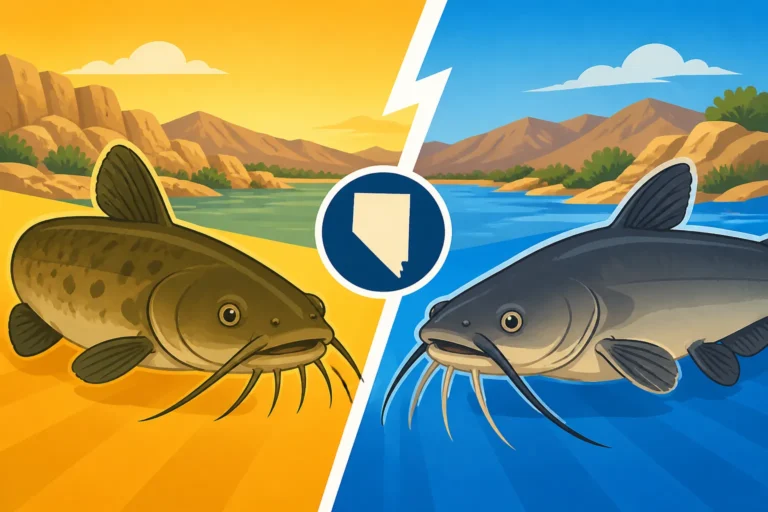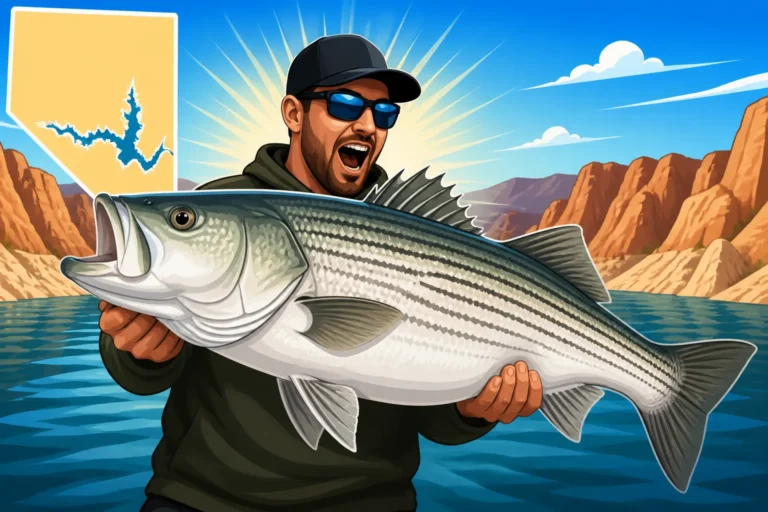
Does Nevada have kokanee salmon?
It’s a common question for anglers new to the Silver State, or even those who’ve fished here for years: does Nevada, with its vast deserts and high mountain lakes, actually have Kokanee salmon? The allure of these vibrant, delicious landlocked sockeye is undeniable, and it’s natural to wonder if they grace our local waters. This guide will dive deep into the presence of Kokanee salmon in Nevada, explore why they might be missing (or not!), and introduce you to the incredible salmonid species that truly thrive in our unique angling environment.
The Quest for Kokanee: Are They in Nevada?
Many folks dream of chasing those feisty, bright red Kokanee, imagining them leaping from clear, cold waters. It's a valid dream, especially if you're coming from states where Kokanee fisheries are a big draw. But when it comes to Nevada, the answer about Kokanee salmon isn't quite as straightforward as a simple "yes" or "no."
The Short Answer and the Nuance
Here's the deal: for all practical angling purposes, Nevada does not have a managed, self-sustaining, or regularly stocked Kokanee salmon fishery that the average angler would encounter. If you're hoping to cast for Kokanee in Nevada's lakes and reservoirs, you're likely to be disappointed.
Now, why the "nuance"? Because nature is funny, and sometimes fish do unexpected things. There might be an anecdotal, isolated report of a stray individual caught in a massive reservoir that connects to other systems, but this is far from a viable fishery. It's crucial to differentiate between a species that might occasionally pop up due to unusual circumstances and a population that is established, managed, and intended for sport fishing. In Nevada, Kokanee fall into the former category – if they appear at all – rather than the latter. Don't let rumors of an odd catch lead you down a long, fruitless path.
Why Kokanee Haven't Taken Hold in the Silver State
Kokanee salmon have very specific habitat requirements, and unfortunately, many of Nevada's waters just don't fit the bill perfectly for these fish to truly thrive and reproduce. Understanding these needs helps us see why they haven't become a prominent species here.
First, Kokanee need deep, cold, and highly oxygenated water year-round. While Nevada has some deep lakes, many of its larger reservoirs, especially in the southern part of the state, experience significant warming in the long, hot summers. This heat can push oxygen levels down in the deeper, cooler layers where Kokanee prefer to live, creating an uncomfortable or even lethal environment. Think about places like Lake Mead or Lake Mohave – while deep, their overall temperature profile in summer isn't ideal for a species that prefers colder climes.
Second, Kokanee are planktivores, meaning their primary diet consists of tiny zooplankton. The specific type and abundance of zooplankton can vary greatly between water bodies. Nevada's reservoirs often have different forage bases that favor other species, like striped bass, largemouth bass, or various trout, which might feed on insects, smaller fish, or different types of invertebrates. The delicate balance of a Kokanee's food chain simply isn't consistently present or robust enough in most Nevada waters to support a healthy population.
Finally, while some lakes might seem suitable, the Nevada Department of Wildlife (NDOW) has focused its stocking efforts on other, more successful salmonid species that are better adapted to Nevada's diverse and often challenging aquatic environments. It's a strategic decision based on what fisheries can be most effectively managed and sustained for anglers. You can learn more about the state's efforts in our Nevada Fishing Regulations Explained guide.
Where Kokanee Salmon Do Thrive
Just because Kokanee aren't a common sight in Nevada doesn't mean they aren't fantastic sportfish elsewhere. Understanding their preferred habitats helps appreciate why they're so prized in other states.
Ideal Kokanee Habitats
Kokanee salmon are, at their core, landlocked sockeye salmon. This means they are an anadromous species that has adapted to complete its entire life cycle in freshwater, never migrating to the ocean. Because of their sockeye heritage, they retain a strong preference for specific conditions. You'll typically find thriving Kokanee fisheries in deep, clear, and cold oligotrophic or mesotrophic lakes (lakes with low to moderate nutrient levels and high oxygen). These are often glacial lakes or large reservoirs fed by snowmelt.
States like Colorado, Montana, Utah, Idaho, Oregon, Washington, and California's higher-elevation lakes are prime examples of where Kokanee salmon flourish. In these regions, the lakes provide consistently cold water, plenty of deep refuge, and a rich supply of the zooplankton they rely on for food. They'll school up in impressive numbers, often congregating in specific depths depending on the season and light conditions. Many of these regions also have strong stocking programs that supplement natural reproduction, ensuring a vibrant fishery year after year.
The Appeal of Kokanee Fishing
For anglers who get to experience it, Kokanee fishing is truly something special. These fish are known for their incredibly vibrant colors, especially as they approach spawning season, turning brilliant shades of red and green. Beyond their striking appearance, they're typically strong fighters for their size, providing an exhilarating tug on light tackle.
What makes them even more appealing is their delicious, bright-orange flesh, which is highly sought after for eating. Techniques often involve slow trolling with specialized gear like flashers, dodgers, and small hoochies or wedding rings tipped with corn or a maggot. The chase involves finding the right depth and speed, often requiring patience and good electronics to locate the schools. It's a unique challenge that many dedicated anglers adore, contrasting sharply with Nevada Bass Daily Limit and Size Rules or the pursuit of larger trout.
Nevada's Salmonid Stars: What You Will Find
While Kokanee salmon might not be on the menu in Nevada, the Silver State boasts an incredible array of other salmonid species that offer fantastic fishing opportunities, from native giants to regularly stocked favorites.
The Mighty Lahontan Cutthroat Trout
If you're looking for a truly iconic Nevada salmonid, look no further than the Lahontan Cutthroat Trout. This is Nevada's state fish, a native species that once roamed vast sections of the Lahontan Basin. Today, the most famous fishery for these magnificent fish is undoubtedly Pyramid Lake, home to the world-renowned "LCT." These aren't just any trout; they can grow to truly enormous sizes, with fish weighing over 10 pounds being relatively common, and true trophies pushing into the double digits.
Fishing for Lahontan Cutthroat at Pyramid Lake is a unique experience, often involving ladder fishing from the shore or trolling from a boat. They are powerful, acrobatic fighters, and landing one is a bucket-list achievement for many anglers. The health and management of the Lahontan Cutthroat Trout fishery are a huge priority for NDOW and the Pyramid Lake Paiute Tribe. Anglers often spend hours, if not days, trying to crack the code on these intelligent and wary fish. To dive deeper into this incredible fishery, check out our guide on Lahontan Cutthroat Trout in Nevada.
Rainbow, Brown, and Other Trout
Beyond the native cutthroat, Nevada's waters are teeming with other popular trout species. Rainbow Trout are arguably the most widespread, thanks to extensive stocking programs by NDOW. You'll find "bows" in urban ponds around Las Vegas and Reno, in high mountain lakes, and in many of the state's larger reservoirs like Lake Mead (in its colder depths), Lake Mohave, and Wildhorse Reservoir. They're a favorite for their feisty fights and willingness to bite a variety of baits and lures, making them perfect for beginners and seasoned anglers alike. Find out more about where to target them in Rainbow Trout Fishing in Nevada.
Brown Trout, known for their wary nature and often larger size, are also present in several Nevada waters, typically in rivers and some reservoirs. They can be a real challenge to catch, appealing to anglers who enjoy a more technical approach. You can find some excellent information on where these elusive fish hide in Brown Trout in Nevada Reservoirs. Furthermore, Nevada occasionally stocks hybrid trout like Tiger Trout (a brown trout/brook trout cross) in specific waters, adding another layer of excitement to the state's diverse trout scene.
Lake Tahoe's Mackinaw Trout
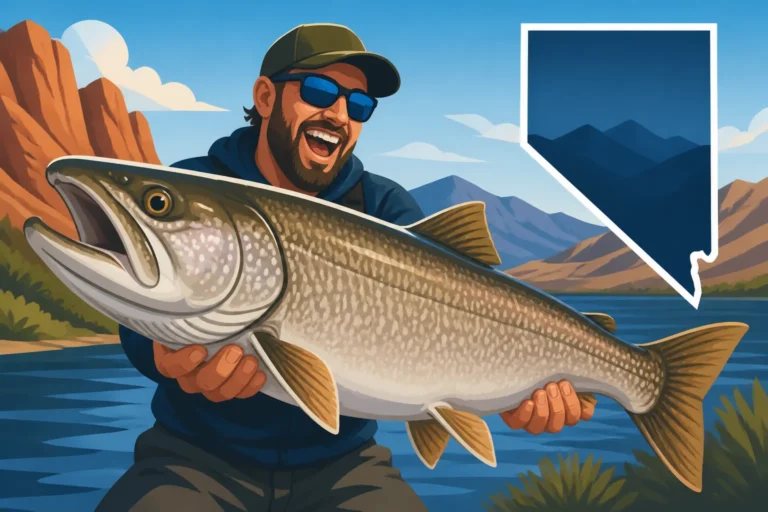
When we talk about deepwater giants in Nevada, the Mackinaw Trout, also known as Lake Trout, from Lake Tahoe immediately comes to mind. These massive, long-lived predators lurk in the frigid depths of Tahoe, making them a true trophy fish. Mackinaw fishing requires specialized techniques, often involving heavy tackle, downriggers, and deepwater lures or bait to reach them. It's a different kind of challenge compared to chasing stream trout or even Pyramid Lake's cutthroat, demanding patience and precision.
Anglers targeting Mackinaw often use large spoons, minnow imitations, or even chunks of chub or other baitfish, trolled at specific depths. The reward is a powerful fight from a fish that can easily top 15-20 pounds, with much larger specimens possible. Learning about these incredible creatures and how to pursue them is well worth the effort, and our Mackinaw Lake Trout at Lake Tahoe guide offers a great starting point.
| Salmonid Species | Presence in Nevada | Typical Habitat | Primary Diet | Average Size Range (Nevada) | Angling Challenge |
|---|---|---|---|---|---|
| Kokanee Salmon | Minimal/None (managed) | Deep, cold, clear lakes (other states) | Zooplankton | 10-16 inches (other states) | Moderate (trolling, specific gear) |
| Lahontan Cutthroat Trout | Abundant (native) | Pyramid Lake, high desert lakes, streams | Baitfish, insects, minnows | 18-30+ inches | High (trophy fish, unique location) |
| Rainbow Trout | Very Abundant (stocked) | Diverse: ponds, rivers, reservoirs, high lakes | Insects, pellets, minnows | 10-20 inches | Easy to Moderate (versatile) |
| Brown Trout | Present | Cooler rivers, some reservoirs | Other fish, insects | 12-24 inches | Moderate to High (wary, predatory) |
| Mackinaw (Lake) Trout | Abundant (Lake Tahoe) | Deep, cold waters of Lake Tahoe | Other fish (chubs, minnows) | 20-30+ inches | High (deepwater, heavy tackle) |
Gear Up for Nevada's True Salmonids
Since Kokanee salmon won't be your target in Nevada, let's talk about the gear you will need to effectively fish for the fantastic salmonid species that call the Silver State home. Having the right equipment makes all the difference, whether you're battling a Pyramid Lake giant or reeling in a stocked rainbow.
Essential Tackle for Trout and Mackinaw
For general trout fishing, especially for the regularly stocked rainbows you'll find in urban ponds and many reservoirs, a light to medium-light spinning rod is your best friend. A 6 to 7-foot rod with a fast action is versatile, paired with a small spinning reel spooled with 4-8 pound monofilament or fluorocarbon line. You can find excellent, affordable options for this setup online, perhaps even browsing a wide selection on Amazon to compare brands and prices. For specific recommendations, our guide on Best Tackle for Nevada Trout Fishing can help you refine your choices.
When it comes to baits, PowerBait, corn, salmon eggs, and worms are consistently effective for stocked trout. For lures, small inline spinners, spoons, and trout jigs can work wonders. If you're targeting Mackinaw in Lake Tahoe, you'll need to step up your game significantly. Think heavy-duty trolling rods, strong reels spooled with braided line, and robust leader material. Downriggers are often essential to get your large spoons, tubes, or baitfish imitations down to the extreme depths where these behemoths reside.
Specialized Gear for Lahontan Cutthroat
Pyramid Lake Lahontan Cutthroat Trout demand a different approach. These fish can be massive, and fishing from shore (often using a ladder for elevation and casting distance) requires stout gear. Many anglers opt for longer, heavy-action spinning or conventional rods, sometimes 10-12 feet long, capable of launching heavy jigs and lures far out into the lake. You'll want a reel with a smooth, reliable drag and plenty of line capacity, typically spooled with 15-20 pound test monofilament or braid.
Popular lures for Pyramid Lake include large bucktail jigs, various spoons, and swimbaits in white, green, or chartreuse colors. Fly fishing is also incredibly popular at Pyramid Lake, requiring specific fly rods (often 7-9 weight), sinking lines, and patterns like Pyramid Lake beetles, popcorn beetles, or balanced leeches. To get a comprehensive list of what you need to hit the water running, our Fly Fishing Gear for Pyramid Lake article is packed with details. Don't forget proper sun protection and waders for those chilly mornings and evenings!
Boating and Electronics
For accessing some of Nevada's larger reservoirs and chasing more elusive fish like Mackinaw, or covering more water for striped bass and larger trout, a boat becomes essential. The type of boat can vary from small aluminum fishing boats to pontoon boats for family outings, or dedicated bass boats for serious anglers. Regardless of your vessel, investing in a quality fish finder can dramatically improve your success, helping you locate structure, schools of baitfish, and the target species themselves. You can find a vast range of sonar and GPS units to suit any budget on Amazon, from basic portable models to advanced networked systems. Our Best Boats for Nevada Reservoir Fishing and Best Fish Finder for Reservoir Fishing guides offer insights into choosing the right equipment for your Nevada adventures. Remember to always have your Nevada Fishing License Guide in hand and be aware of Nevada Fishing Season Dates and Limits for any body of water you plan to visit.
Disclaimer
This article is for general informational purposes only and does not constitute professional advice. Laws, prices and regulations vary by location and change over time. Consult a qualified professional for guidance on your specific situation.