Are there crappie in Nevada lakes?
For many anglers dreaming of casting a line in Nevada, images of monstrous Lahontan cutthroat trout at Pyramid Lake or battling fierce striped bass on Lake Mead often come to mind. But what about the humble crappie? It's a question many visitors and even some locals might ponder, assuming that the Silver State, with its vast deserts and unique fisheries, might not be a prime crappie destination. The truth is, while they might not always get the same spotlight as our trophy fish, crappie are indeed present in many Nevada lakes and can offer some incredibly fun and rewarding fishing experiences. This guide is here to shed some light on where to find them, how to catch them, and why they're a fantastic target for your next angling adventure in Nevada.
Crappie in Nevada: A Surprising Presence
It's a common misconception that crappie are primarily an eastern or southern fish, thriving in brush-filled reservoirs and murky rivers. While they certainly do well in those environments, Nevada's diverse aquatic ecosystems, from massive reservoirs to smaller urban ponds, actually host healthy populations of crappie. They might not be as widespread as trout or bass, but where they do exist, they can provide exhilarating action, especially during their spawning periods. Many anglers are pleasantly surprised to discover that the Silver State, often associated with arid landscapes, has hidden gems where these panfish thrive.
Where Crappie Call Home in the Silver State
Crappie, both black and white varieties, have found suitable homes in various Nevada waters. They tend to prefer structures—sunken brush, submerged trees, rock piles, and even docks—where they can ambush smaller baitfish and insects. This makes them perfectly suited for many of our reservoirs where water levels fluctuate, leaving plenty of cover. You'll find them in some of our larger, well-known bodies of water, but also in quieter, more intimate settings. Their ability to adapt to different water clarities and temperatures means they’ve carved out a niche for themselves across the state.
Why Crappie Might Be Overlooked
So, if crappie are here, why don't we hear about them as much? Part of it comes down to marketing and reputation. Nevada is famous for its unique species like the Lahontan cutthroat trout, and the sheer size and fighting power of Lake Mead's striped bass tend to dominate the angling headlines. Crappie, being smaller panfish, often take a backseat. Additionally, crappie can be a bit more elusive outside of their predictable spring spawning periods. They move to deeper water and can be harder to locate in vast reservoirs. Anglers specifically targeting them often rely on local knowledge or good fish finders, which might deter more casual fishermen. However, for those who put in the time, the reward of a cooler full of delicious crappie fillets is well worth the effort!
Identifying Crappie in Nevada Waters
Before you can reel one in, it's helpful to know exactly what you're looking for! Crappie are distinctive panfish, but they can sometimes be confused with other sunfish species found in Nevada. Knowing the key identification marks will help you correctly identify your catch and adhere to any specific regulations. This is crucial because while many panfish have similar bag limits, some specific species might have different rules. It's always a good idea to consult the Nevada Fishing Regulations Explained booklet to be sure.
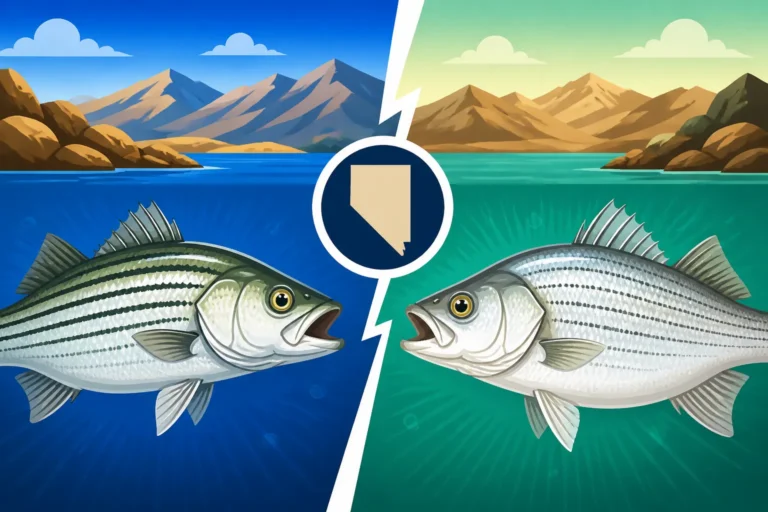
Black Crappie vs. White Crappie: Key Differences
Nevada waters are primarily home to black crappie, though white crappie might appear in some specific systems. Distinguishing between the two is relatively straightforward once you know what to look for:
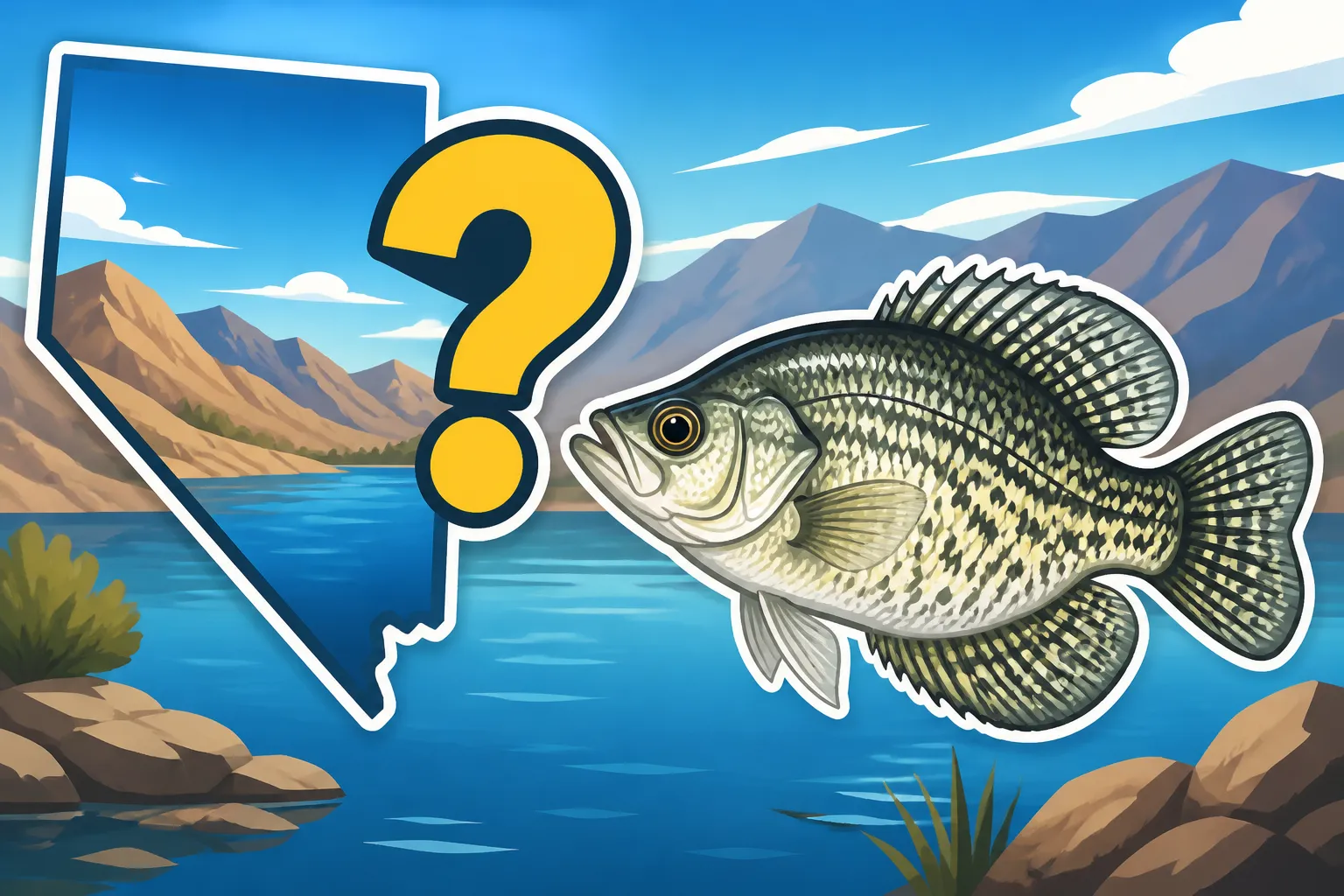
- Black Crappie ( Pomoxis nigromaculatus ): These are the more common variety you'll encounter. They have seven or eight dorsal spines (the hard, pointy rays in their top fin) and their bodies are usually covered in irregular, mottled black spots, almost like they've been splashed with ink. They tend to prefer clearer water and more dense vegetation or structure.
- White Crappie ( Pomoxis annularis ): White crappie typically have five or six dorsal spines. Their bodies are more elongated and feature distinct vertical bars or stripes, rather than the mottled spots of the black crappie. They are generally more tolerant of turbid (cloudy) waters and less dense cover.
Both species can grow to impressive sizes, with large crappie often called "slabs." The state record crappie in Nevada can reach well over 3 pounds, which is a fantastic catch for any panfish angler!
Similar Species and How to Avoid Confusion
When you're out on the water, especially in a new spot, it's easy to mistake a crappie for another common panfish. Here's a quick rundown of species they might be confused with and how to tell them apart:
- Bluegill and Other Sunfish: Bluegill, green sunfish, and redear sunfish are abundant in many Nevada waters, particularly urban ponds and warmer reservoirs. While they are also panfish, bluegill generally have much smaller mouths and a more rounded, disk-like body shape compared to the crappie's more elongated body. Bluegill also typically have a prominent black spot on the "ear flap" of their gill cover. If you're looking for more details on these common catches, check out our guide on Bluegill and Sunfish in Nevada Ponds.
- Perch (Yellow Perch): While yellow perch do exist in some Nevada waters like Wildhorse Reservoir, they have a very different appearance. Yellow perch have distinct vertical dark bars on a golden-yellow body and two separate dorsal fins, unlike the single dorsal fin of crappie.
- Small Bass (Juvenile Largemouth/Smallmouth): Occasionally, a very small bass might be confused with a crappie, especially if you're new to fishing. However, bass have a much larger mouth that extends past their eye, and their bodies are more torpedo-shaped. They also lack the prominent dorsal spines and spotted/barred patterns of crappie.
By paying attention to the dorsal spine count, body shape, and spot/bar patterns, you'll quickly become proficient at identifying crappie.
Prime Nevada Crappie Fishing Spots
Now for the exciting part: where can you actually go to catch these elusive, delicious panfish? While crappie aren't found everywhere in Nevada, there are certainly some standout locations that offer excellent opportunities for a successful crappie fishing trip.
Southern Nevada Hotspots
The large reservoirs in Southern Nevada, particularly those formed by the Colorado River, hold significant crappie populations. These waters offer plenty of submerged structure and forage, making them ideal habitats.
Lake Mead
Lake Mead, despite its fluctuating water levels over the years, remains a fantastic crappie fishery. The crappie here tend to be concentrated around specific areas with submerged brush, mesquite trees, and rock piles. Coves and inlets that offer protection from the main lake's expanse are often prime spots. Areas like Government Wash, Hemenway Harbor, and the Overton Arm can be productive. Anglers often find success focusing on depths ranging from 10 to 30 feet, especially near old submerged creek channels or the edges of old roadbeds. The crappie here are generally black crappie, and they can grow to impressive sizes, offering a great fight on light tackle. When fishing Lake Mead, remember that finding structure is key. Lake Mead Nevada Fishing Guide offers more general information about this immense body of water.
Lake Mohave
Just downstream from Lake Mead, Lake Mohave also boasts a healthy crappie population. Like Mead, the crappie in Mohave will relate strongly to cover. The shallower, brushier coves and areas with submerged willows are excellent places to start. The northern end of the lake, particularly around Cottonwood Cove and the various smaller coves in that region, can be very productive. Crappie here thrive on the abundant threadfin shad. Early mornings and late evenings are often the best times to target them, especially during the spring spawn when they move into shallower water. For more details on this excellent fishery, you can explore our Lake Mohave Nevada Fishing Guide.
Las Vegas Urban Ponds
Believe it or not, some of the urban ponds in the Las Vegas valley are periodically stocked with crappie, or have established populations. While not always the primary target species, crappie can be a pleasant surprise catch in places like Sunset Park Pond, Floyd Lamb Park, and Lorenzi Park. These ponds are often stocked with trout and catfish, but crappie thrive on the smaller insects and baitfish present. They will often hold near submerged brush, aeration bubblers, or man-made structures like fishing piers. This can be a great, convenient option for locals or visitors looking for a quick fishing fix without a long drive. Always check the specific regulations for these urban ponds, as they can sometimes differ from statewide rules.
Northern Nevada Opportunities
While not as dominant as in the south, Northern Nevada also has its crappie havens.
Rye Patch Reservoir
Located in Pershing County, Rye Patch Reservoir is perhaps Northern Nevada's most consistent crappie fishery. This large reservoir on the Humboldt River offers extensive shallow areas with submerged brush and timber, which crappie absolutely love. The crappie here can be abundant, with anglers sometimes catching dozens in a single outing, especially during the spring spawn. The key to success at Rye Patch is often finding those brush piles or flooded willow thickets where the crappie congregate. It's a popular spot for boat anglers, but shore anglers can also find success, particularly near access points where submerged cover is available. For more details, our Rye Patch Reservoir Fishing guide might be helpful.
Other Potential Northern Spots
Other smaller reservoirs and even some of the more natural lakes might hold crappie, though often in lesser numbers or with less reliable populations. It’s always worth checking with local tackle shops or the Nevada Department of Wildlife (NDOW) for the most current information on crappie presence in specific northern waters. Sometimes, a forgotten farm pond or a less-frequented reservoir can be a hidden crappie gem.
Best Techniques for Catching Nevada Crappie
Crappie fishing is an art form, and mastering it in Nevada's unique conditions can be incredibly rewarding. It doesn't require overly complicated gear, but precision and understanding crappie behavior will dramatically increase your success.
Essential Gear for Crappie Success
Crappie are light biters, especially in deeper, colder water, so sensitive tackle is paramount.
- Rods: A light to ultralight spinning rod, typically 5 to 7 feet in length, is ideal. Look for a rod with a fast or extra-fast action tip, which will allow you to feel those subtle bites without spooking the fish. Brands like Ugly Stik or St. Croix offer great options.
- Reels: Pair your rod with a small spinning reel (500 to 1000 size) spooled with light line. The key is a smooth drag system, as crappie have delicate mouths that can tear easily under pressure.
- Line: Monofilament or fluorocarbon line in the 2 to 6-pound test range is usually perfect. Fluorocarbon offers more sensitivity and less stretch, which is great for feeling light bites, while monofilament is a bit more forgiving. You can find excellent options on online retailers like Amazon for all your line needs.
- Electronics: A good fish finder can be a game-changer, especially on large bodies of water like Lake Mead or Mohave. Crappie often suspend in open water or hold tight to submerged structure, and electronics can help you locate these hotspots.
For a broader look at what to bring on your fishing trip, our Nevada Fishing Gear Essentials guide has more universal tips.
Baits and Lures That Crappie Can't Resist
Crappie aren't overly picky, but certain presentations consistently outperform others.
- Jigs: Small jigs (1/32 to 1/8 ounce) are probably the most popular and effective crappie lure. They come in various colors and styles, often tipped with a soft plastic grub, tube, or minnow imitation. Chartreuse, white, and black/chartreuse combinations are perennial favorites. Experiment with slow retrieves, jigging motions, and varying depths.
- Live Minnows: A live minnow, hooked through the lips or dorsal fin and suspended under a small bobber, is a classic crappie killer. This is especially effective during cooler months or when crappie are finicky. Just make sure to check Nevada Fishing Regulations Explained for rules on live bait in specific waters.
- Small Spinnerbaits/In-line Spinners: Micro spinnerbaits or tiny in-line spinners can also entice aggressive crappie, especially if they are feeding on small baitfish. Think small trout lures, which sometimes work for crappie too, as mentioned in Best Bait for Nevada Trout.
- Soft Plastics: Tiny grubs, curly tails, and small tube jigs are fantastic when fished slowly on a lightweight jig head. The subtle action often triggers bites. Look for multi-packs of assorted colors on Amazon to experiment with what works best in your local waters.
Seasonal Strategies for Crappie Anglers
Crappie behavior changes dramatically with the seasons, and adapting your approach is key.
Spring Spawn (March – May)
This is prime time for crappie fishing! As water temperatures rise into the 50s and 60s Fahrenheit, crappie move into shallow water (2-10 feet) to spawn. They'll be found around any available cover: submerged brush, cattails, docks, or even riprap. Vertical jigging or pitching small jigs and minnows into these areas can lead to incredibly fast action. This is when bank anglers have their best shot at good numbers.
Summer Depths (June – August)
Once the spawn is over and water temperatures really heat up, crappie retreat to deeper, cooler water. They'll often suspend over channels, around deep timber, or under boat docks in 15-30 feet of water or more. Trolling with small jigs or crankbaits at specific depths, or vertical jigging over submerged structure, becomes the go-to method. Early mornings and late evenings are still best, as they might move shallower to feed during low light.
Fall Feeding (September – November)
As water temperatures cool, crappie become very active feeders, bulking up for winter. They'll often school up in open water, chasing baitfish, or move back towards shallower structures that still hold warmth. This can be a fantastic time for both casting jigs and trolling. Look for areas where baitfish are abundant, as crappie won't be far behind.
Winter Chill (December – February)
Crappie become more lethargic in cold water and move to deeper main lake basins, often suspending over deep channels or holding tight to massive submerged timber. They'll still feed, but their bites will be very subtle. Very slow presentations with live minnows or tiny jigs are necessary. Ice fishing for crappie, where available and safe, can be incredibly productive during this time.
| Season | Typical Depth (feet) | Key Location | Recommended Technique | Best Baits/Lures |
|---|---|---|---|---|
| Spring | 2-10 | Shallow brush, docks, cattails | Vertical jigging, bobber & minnow | Small jigs, live minnows |
| Summer | 15-30+ | Deep timber, suspended over channels, deep docks | Trolling, vertical jigging, drop-shot | Small jigs, crankbaits, live minnows |
| Fall | 10-25 | Baitfish schools, submerged structure | Casting jigs, trolling, slow retrieve | Small jigs, soft plastics, minnow imitations |
| Winter | 20-40+ | Deep channels, large submerged timber | Vertical jigging (very slow), deadsticking | Live minnows, tiny ice jigs |
Crappie Fishing Regulations in Nevada
Just like with any other species, crappie fishing in Nevada comes with its own set of rules and regulations. It’s absolutely essential to be familiar with these to ensure you're fishing legally and sustainably. Ignorance of the law is never an excuse, and a game warden will definitely want to see your valid fishing license and adherence to limits.
Bag Limits and Size Restrictions
Nevada has statewide general regulations for many species, but it's important to remember that specific waters can have special regulations. Always check the current NDOW Fishing Regulations guide for the specific body of water you plan to fish.
Generally, for crappie and other panfish (like bluegill and sunfish), Nevada often has a generous combined daily bag limit. However, there might be specific size restrictions or lower bag limits for crappie in certain lakes or reservoirs where populations are being managed differently. For instance, some waters might implement a slot limit, allowing you to keep fish below or above a certain size, but not within a specific "slot" to protect breeding-age fish. Always verify these details for your chosen fishing spot. You can often find general information on Nevada Statewide Bag Limits Explained.
Nevada Fishing License Requirements
No matter what species you're targeting, if you're 12 years of age or older, you must possess a valid Nevada fishing license to fish in public waters. This applies whether you're chasing crappie, trout, or bass. Licenses can be purchased online through the NDOW website, at authorized license agents (like many sporting goods stores), or through some bait and tackle shops. There are different types of licenses available, including annual licenses for residents and non-residents, as well as shorter-term permits (like a Nevada 1-Day Fishing Permit Details) which might be perfect for a weekend trip. Always make sure your license is current and with you while fishing. Game wardens regularly check for compliance, so having your license ready is paramount. You can learn more about how to get your license in our How to Get a Fishing License in Nevada guide.
Crappie fishing might not be the most talked-about angling pursuit in Nevada, but it offers a rewarding challenge and a delicious reward for those willing to seek them out. With the right gear, a bit of seasonal knowledge, and adherence to regulations, you can enjoy fantastic crappie action in the Silver State's surprisingly diverse waters.
Disclaimer
This article is for general informational purposes only and does not constitute professional advice. Laws, prices and regulations vary by location and change over time. Consult a qualified professional for guidance on your specific situation.