Smallest game fish you can legally keep in Nevada
Navigating the myriad of fishing regulations in Nevada can feel like trying to untangle a hundred feet of fishing line, especially when you're just trying to figure out what you can actually keep! It’s a common frustration to catch a perfectly good fish, only to second-guess if it meets the legal size requirements. This guide is here to cut through the confusion and help you understand what constitutes the smallest game fish you can legally keep in Nevada, ensuring your time on the water is both enjoyable and compliant.
What Defines a "Game Fish" in Nevada?
Before we dive into sizes, it’s really important to understand what Nevada considers a "game fish" in the first place. This isn't just a fancy term; it's a legal classification that determines which fish are subject to specific regulations regarding licenses, seasons, methods of take, and, of course, size and bag limits. If a fish isn't classified as a game fish, the rules can be entirely different, or there might be no specific keeping rules at all beyond general prohibitions.
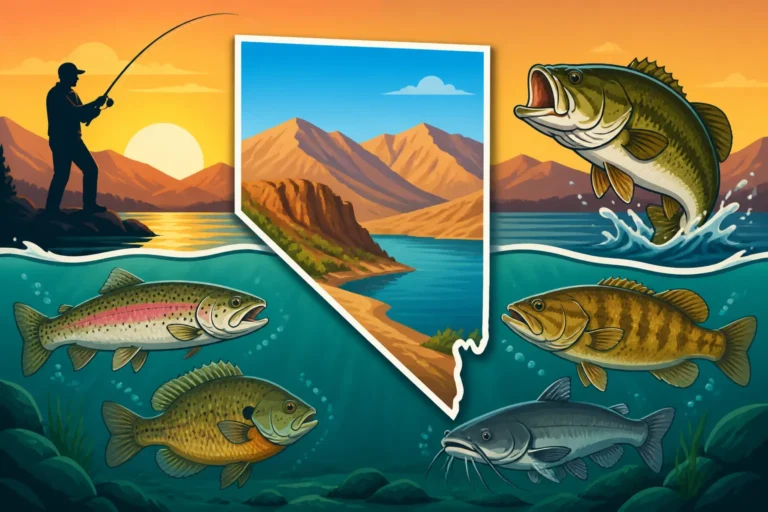
In Nevada, the definition of a game fish generally includes popular species like trout (rainbow, brown, cutthroat, brook), bass (largemouth, smallmouth, striped), catfish (channel catfish), crappie, bluegill, perch, and sometimes even species like wipers or walleye, depending on the specific water body. These are the fish that the Nevada Department of Wildlife (NDOW) actively manages for recreational angling, often through stocking programs and, yes, those sometimes-confusing regulations. Understanding this fundamental distinction is the first step to knowing what you can legally keep and what might be considered a non-game fish, which could have different rules or simply not be something anglers typically target for consumption.
The purpose behind classifying fish as "game fish" is primarily conservation and ensuring sustainable fishing opportunities for everyone. Regulations like size limits are put in place to protect younger fish, allowing them to grow and reproduce, thereby maintaining healthy populations. So, while it might seem like a hassle to measure every catch, remember that these rules are designed to keep our Nevada waters vibrant with fish for generations of anglers to come. Always refer to the current Nevada Fishing Regulations Explained booklet to be absolutely sure, as rules can vary and are updated periodically.
The Importance of Species Identification
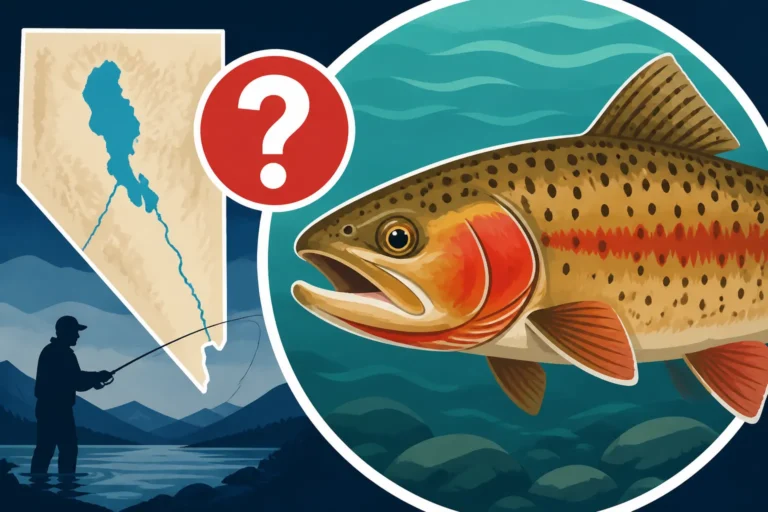
You might think identifying a fish is easy, but sometimes, especially with hybrids or similar-looking species, it can get tricky. For instance, distinguishing between a rainbow trout and a cutthroat trout can be a challenge for new anglers, and their regulations might differ slightly in certain areas. The size limits we're talking about here are almost always species-specific. You wouldn't apply a bass size limit to a trout, for example.
Taking the time to learn the key characteristics of the fish you're targeting is crucial. Look at fin counts, markings, mouth structure, and overall body shape. Many anglers carry a small identification guide or use apps on their phones (though always double-check the source against official NDOW materials). Getting it right ensures you’re not accidentally keeping a protected species or a fish that doesn’t meet the minimum size for its particular type. Remember, a warden checking your catch will expect you to know what you’ve got and if it's legal.
Why Different Fish Have Different Rules
It might seem arbitrary why a bass needs to be 13 inches in one lake, but a trout only 10 inches in another, or why some panfish have no minimum at all. The reason lies in the biology and management goals for each species and fishery. Fast-growing, highly reproductive species like bluegill or crappie often don't need strict size limits because their populations can rebound quickly, and sometimes, thinning them out actually helps prevent overpopulation and stunted growth.
Conversely, species that grow slower, mature later, or face higher fishing pressure, such as largemouth bass or Lahontan cutthroat trout, typically have higher minimum size limits or even slot limits. These regulations ensure that a certain percentage of the population reaches breeding age and can contribute to future generations before being harvested. It's all about balancing angler opportunity with ecological health, ensuring we don't "fish out" our precious resources. The NDOW spends considerable time and resources studying fish populations to set these specific rules, making your compliance a vital part of their conservation efforts.
General vs. Specific Length Regulations in Nevada
Now, let's get down to the nitty-gritty of size limits. This is where many anglers get caught up, and it’s totally understandable why! Nevada doesn't have a single, universal "smallest game fish" rule that applies to every fish in every water body. Instead, it operates on a system of general statewide rules that are then often superseded or modified by specific regulations for individual lakes, rivers, or regions. It's like having a blanket rule for the state, but then each county or city has its own ordinances that are even more detailed.
The general statewide regulation for most trout species, for instance, often includes a minimum length, frequently around 10 inches. However, if you're fishing in a specific urban pond, that minimum might be different, or there might be no minimum at all for certain stocked fish. The same goes for bass; while many reservoirs might have a 13-inch minimum, some smaller ponds or rivers could have different rules entirely. The key takeaway here is that you absolutely cannot assume the rules for one body of water apply to another, even if they're relatively close geographically. You've got to consult the current NDOW Fishing Guide for the specific location you plan to fish.
This layered approach means that the "smallest game fish you can legally keep" can literally change depending on where you drop your line. What’s legal to keep at Lake Mead might not be legal at Lake Tahoe, and certainly not at Pyramid Lake. It underscores the importance of local knowledge and preparation. Before every trip, seasoned anglers always double-check the regulations for their chosen destination. It’s better to spend a few minutes reading than to face a violation or, worse, unknowingly contribute to overfishing a local population.
Statewide Minimums for Common Species
While highly localized rules are common, Nevada does have some overarching regulations that act as a baseline if no other specific rule is noted for a particular water. For example, many of our stocked rainbow trout generally fall under a 10-inch minimum length if no other rule applies. This means a 9-inch rainbow, no matter how delicious it looks, must go back into the water.
Bass species, particularly largemouth and smallmouth, typically have a higher statewide minimum length when one is in effect, often around 12 to 13 inches. This is often the case in larger, popular bass fisheries like Lake Mead or Lake Mohave, where protecting the juvenile bass population is critical for a thriving fishery. These general rules are often published directly in the NDOW Fishing Regulations booklet, usually at the beginning of the species-specific sections, providing a useful starting point before you delve into the exceptions.
Remember that these are minimums. You can always choose to release a fish larger than the minimum, which is a great practice for conservation, especially with larger breeding fish. The goal isn't just to keep fish, but to keep the fishery healthy for future trips.
The "No Minimum" Rule: Often the True Smallest
This is where you'll find the actual smallest game fish you can legally keep in Nevada. For certain species, especially panfish, and sometimes for heavily stocked trout in urban ponds, Nevada regulations often specify "No Minimum Length." This means that as long as the fish is a legal game species and you're within the daily bag limit, you can keep it regardless of its size.
Species commonly falling under the "no minimum length" category include:
- Bluegill and other sunfish: These are prolific breeders and mature at small sizes.
- Crappie (black and white): Similar to bluegill, they reproduce rapidly.
- Yellow Perch: A popular panfish in some Nevada waters, often with no size limit.
- Channel Catfish: In many Nevada waters, channel catfish have no minimum size limit, although daily bag limits still apply. This makes them a strong contender for the "smallest legally kept game fish."
In urban ponds, particularly those frequently stocked by NDOW for youth and family fishing programs, you might also find that freshly stocked rainbow trout have no minimum length for a period, allowing kids to keep their catch regardless of how small it is. Always check the specific rules for locations like Floyd Lamb Park or Sunset Park Ponds, as they often have unique, angler-friendly regulations. You can find more details on these special waters in a guide like Las Vegas Nevada Urban Pond Fishing Guide.
Species-Specific Minimum Size Limits and the Smallest Contenders
To truly pinpoint the smallest game fish you can legally keep, we have to look at various species and their typical regulations. It's a bit of a detective job, comparing notes across different fish.
Trout Species and Their Size Ranges
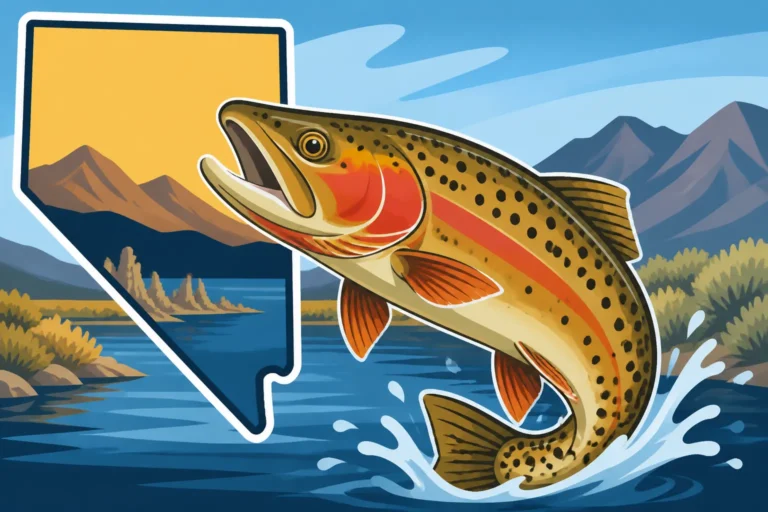
Nevada is a fantastic state for trout fishing, offering everything from stocked rainbows in urban ponds to elusive Lahontan Cutthroat in Pyramid Lake. Most trout species – Rainbow, Brown, and Brook Trout – generally have a statewide minimum length of 10 inches. This means if you catch a vibrant 8-inch rainbow, it's a catch-and-release situation. However, this rule isn't absolute.
For instance, in some urban ponds heavily stocked by the NDOW, especially during "Free Fishing Day" events or for youth programs, the regulations might temporarily or permanently waive the minimum size for trout, allowing anglers to keep fish of any size. Always check the specific regulations for that particular body of water. Meanwhile, unique fisheries like Pyramid Lake often have much stricter, larger minimums or slot limits for Lahontan Cutthroat Trout, emphasizing trophy potential and conservation. So, while a 10-inch rainbow is a legal keeper in many places, it's not the absolute smallest game fish you could legally retain.
Nevada Trout Daily Limit Rules can provide more information on how many of these fish you can keep once they meet the size requirement.
Bass and Catfish Considerations
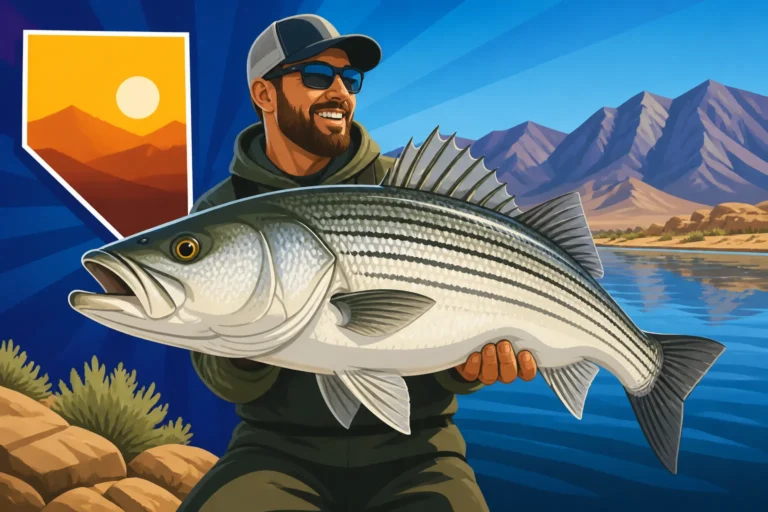
When it comes to bass – Largemouth, Smallmouth, and even Striped Bass – you'll generally find minimum size limits that are considerably higher than those for most trout or panfish. For example, many prime bass fishing spots like Lake Mead or Lake Mohave have a minimum length of 13 or even 15 inches for largemouth and smallmouth bass. These higher limits are designed to protect the breeding stock and allow fish to reach a more substantial size, contributing to the trophy fishery that Nevada is known for. Therefore, bass are highly unlikely to be the "smallest game fish" you can legally keep. For striped bass, while they can grow enormous, there are typically length limits and daily limits as well, preventing them from being the smallest.
Now, let's talk about Channel Catfish. This is where things get interesting in the "smallest fish" hunt! In many Nevada reservoirs and urban ponds, channel catfish often have no minimum length limit. That's right, you can legally keep a channel catfish of any size, as long as you adhere to the daily bag limit. This makes the channel catfish a very strong contender, if not the outright winner, for the smallest game fish you can legally keep in many Nevada waters. They’re a fantastic target for family fishing, as kids can catch and keep even small ones, making for a truly rewarding experience. To learn more about this species, check out our Channel Catfish Fishing in Nevada guide.
Panfish: The Undisputed Smallest Keepers
If you're looking for the absolute smallest game fish you can legally keep in Nevada, you need to turn your attention to the panfish. These are the unsung heroes of many family fishing trips, offering consistent action and delicious fillets, often without restrictive size rules.
- Bluegill and other Sunfish: These ubiquitous little fish are found in many Nevada ponds and reservoirs. They're typically considered game fish, especially for younger anglers, and in most cases, they have no minimum size limit. You can keep bluegill as small as you can catch them, provided you stay within the daily bag limit. This makes them, pound for pound (or rather, inch for inch!), one of the smallest game fish you can legally keep. For more on these accessible species, read Bluegill and Sunfish in Nevada Ponds.
- Crappie (Black and White): Crappie are another popular panfish, cherished for their delicious white meat. Like bluegill, in most Nevada waters where they are present, crappie generally have no minimum size limit. This means you can keep even the smaller crappie, making them an excellent target if your goal is to take home some fresh fish, regardless of size. Our Crappie Fishing in Nevada article has more on catching these tasty fish.
- Yellow Perch: Found in certain Nevada waters like Wildhorse Reservoir, yellow perch are also fantastic panfish. And yes, you guessed it – in many areas, yellow perch also have no minimum size limit. This consistently makes panfish your best bet if you're looking for game fish that you can legally keep at a very small size. If you're targeting these, our Yellow Perch Fishing in Nevada guide can offer more tips.
So, while trout and bass often have minimums that preclude them from the "smallest" title, panfish like bluegill, crappie, and yellow perch, along with channel catfish, are generally the species where you'll find the freedom to keep even your smallest catches, making them ideal for kids or those who simply want to bring home some dinner.
Understanding Slot Limits and Protected Sizes
It's also worth noting that some species, particularly in specific, unique fisheries like Pyramid Lake, might have "slot limits" or protected sizes. A slot limit means you can keep fish below a certain size, or above a certain size, but fish within a specified size range must be released. This is a highly effective conservation tool to protect prime breeding-age fish. For example, Pyramid Lake Season and Bag Limit Rules will detail the specific slot limits for Lahontan Cutthroat Trout, which often protect larger, sexually mature fish while allowing the harvest of smaller ones. These rules are usually for larger, trophy-type fish, so they wouldn't apply to the "smallest game fish" question directly, but they're important to be aware of for overall Nevada fishing.
Table: Typical Minimum Size Limits for Common Nevada Game Fish
Here's a quick reference table for some popular game fish species and their typical minimum size limits in Nevada. Please remember, these are general guidelines only and specific water bodies may have different, overriding regulations. Always consult the official NDOW regulations for the exact water you plan to fish.
| Fish Species | Typical Minimum Length (Inches) | Notes |
|---|---|---|
| Bluegill/Sunfish | No Minimum | Excellent for kids; abundant in many urban ponds. |
| Crappie | No Minimum | Popular panfish, often found in reservoirs and ponds. |
| Yellow Perch | No Minimum | Found in certain northern Nevada reservoirs like Wildhorse. |
| Channel Catfish | No Minimum | Great for bank fishing; often no minimum, but bag limits apply. |
| Rainbow Trout | 10 inches | Common statewide minimum; some urban ponds may have "no minimum" for stocked fish. |
| Brown Trout | 10 inches | Similar to rainbow trout; found in various rivers and reservoirs. |
| Largemouth Bass | 12-15 inches | Varies significantly by water body; generally higher minimums. Nevada Bass Daily Limit and Size Rules |
| Smallmouth Bass | 12-15 inches | Similar to largemouth bass; often found in rocky areas of reservoirs. |
| Striped Bass | Varies by water/region | Lake Mead/Mohave have specific length regulations; check current guide. |
| Lahontan Cutthroat Trout | Often 17-24 inch slot | Pyramid Lake has very specific and often larger slot limits. |
Consulting the Official Nevada Fishing Guide
I cannot stress this enough: The absolute best, most accurate, and up-to-date source for Nevada fishing regulations is the official NDOW Fishing Guide. You can typically pick up a printed copy wherever Where to Buy a Nevada Fishing License or online. It's an indispensable resource for any angler, regardless of experience level. This guide details all the statewide regulations, regional exceptions, and specific rules for individual waters, including bag limits, size limits, and any special conditions (like bait restrictions or open seasons).
Before every single fishing trip, make it a habit to check the current regulations for the specific lake, river, or pond you plan to visit. Things can change, and what was legal last year might be different this year. An oversight, even an innocent one, can lead to fines or penalties, which nobody wants. Many anglers even download the digital version of the guide to their phone so they have it handy while on the water.
This guide will confirm exactly which species are considered game fish in the area you are fishing, and what the precise minimum length requirements are (or if there are none) for each. It's also important to pay attention to the Nevada Statewide Bag Limits Explained, as even if there's no minimum size, there's always a limit on how many fish you can keep per day.
Practical Tips for Measuring Your Catch
So, you've caught a fish, and now you need to see if it's a keeper. Here are a few practical tips to ensure you're measuring accurately and responsibly:
- Use a Reliable Measuring Device: A simple tape measure will work, but a dedicated fishing measuring board or ruler is even better, especially one that has a "nose stop" to ensure you start measuring from the very tip of the fish's snout. You can find these easily on platforms like Amazon or at any sporting goods store.
- Measure Total Length: In Nevada, length is almost always measured as "total length." This means from the tip of the snout to the tip of the tail, with the tail squeezed together (not fanned out naturally). Lay the fish flat on its side for the most accurate measurement.
- Handle with Care: If the fish is undersized and needs to be released, handle it as little as possible. Wet your hands before touching it to protect its slime coat, and measure quickly. If it's a cold weather fish, keep it out of the air for as short a time as possible.
- Know Your Species: As discussed earlier, knowing what species you've caught is paramount before applying any regulation. Different species have different minimums. The general Nevada Fish Species Guide can help you recognize common catches.
- When in Doubt, Release: If you're unsure about the measurement, the species, or the regulation, the safest and most ethical practice is always to gently release the fish. It’s better to be safe than sorry, both for the fish and for your peace of mind.
Bringing a small, flexible ruler or a tape measure is just as essential as your tackle box. This small piece of gear can save you a lot of hassle and ensure you're always fishing within the rules.
In conclusion, while many game fish in Nevada have specific minimum size limits, you'll generally find that panfish like bluegill, crappie, yellow perch, and channel catfish are the smallest game fish you can legally keep, often having no minimum length requirements in most waters. Just be sure to check the local regulations for your specific fishing spot to avoid any surprises!
Disclaimer
This article is for general informational purposes only and does not constitute professional advice. Laws, prices and regulations vary by location and change over time. Consult a qualified professional for guidance on your specific situation.