Best Tackle Box Setup for a Day on the Water
Oh, the tackle box dilemma! We've all been there, standing in front of an overflowing pile of fishing gear, trying to decide what to pack for just a single day on the water. It feels like you need everything but the kitchen sink, yet you want to travel light. This guide is designed to cut through that clutter, helping you curate the absolute best tackle box setup for a productive and enjoyable day of fishing in Nevada, without feeling like you're moving your entire garage to the lake.
Assessing Your Fishing Day Needs in Nevada
Before you even think about grabbing a single lure, the very first step in building the perfect day-trip tackle box is to honestly assess what your day of fishing will entail. Nevada offers such a vast array of fishing experiences, from high desert lakes to alpine streams, that a one-size-fits-all approach simply won't cut it. Thinking through these details beforehand will save you a ton of frustration and unnecessary weight.
Target Species and Water Conditions
Are you heading out with a specific fish in mind, or are you open to whatever bites? This is crucial. If you're chasing the legendary Lahontan cutthroat trout at Pyramid Lake, your gear list will look drastically different than if you're targeting largemouth bass at Lake Mead. Understanding the habits and preferred forage of your target species dictates your lure and bait selection. For instance, trout often respond well to smaller baits and lures that mimic insects or small baitfish, especially in clearer, colder waters. Bass, on the other hand, might be looking for larger, more aggressive presentations that imitate crayfish, shad, or frogs, particularly in warmer, structure-rich environments.
Beyond the species, consider the water itself. Is it crystal clear, like many of Nevada's mountain lakes or Lake Tahoe? Or is it murky, like some of the urban ponds after a rain, or maybe the occasionally stained waters of Lake Mead? Clear water often calls for more subtle presentations, natural colors, and lighter lines, where fish can easily inspect your offering. Murkier water might require brighter colors, more vibration, or stronger scents to attract attention. The depth you plan to fish also matters – shallow water might mean topwater or Texas-rigged plastics, while deeper holes demand jigs, dropshots, or even downriggers. Don't forget to check the local regulations for specific areas, as some waters have unique rules about bait or hook types. Nevada Fishing Regulations Explained can be a lifesaver here.
Trip Duration and Accessibility
How long are you actually going to be out on the water? A quick two-hour shore fishing trip at a local pond demands a much lighter, more minimalist setup than a full 10-hour day exploring multiple coves by boat on a large reservoir. Consider whether you'll be able to easily return to your vehicle for more supplies or if you need everything you might possibly use to be immediately accessible. If you're planning a full day, especially in more remote areas, redundancy in key items like line, hooks, and perhaps even a spare reel is wise.
Accessibility is another big factor. Are you fishing from a fully equipped bass boat with rod lockers and ample storage? Or are you hoofing it a mile down a dusty trail to reach a secluded bank? Maybe you're Kayak Fishing Gear for Nevada specific, which has its own unique space constraints. A lightweight, comfortable backpack-style tackle system is ideal for those long treks or for small watercraft where space is at a premium. If you're boat fishing, you might have the luxury of a larger, heavier box that can stay put. This practical consideration often dictates the type of tackle storage system you ultimately choose.
Regional Considerations in Nevada
Nevada's landscape is incredibly diverse, and so are its fishing environments. What works well in Northern Nevada's alpine lakes might be completely inappropriate for the vast desert reservoirs of Southern Nevada. For instance, if you're fishing the cooler waters of the Ruby Mountains or high-elevation streams, a selection of small spinners, spoons, and fly patterns might be your go-to, alongside some salmon eggs or PowerBait for stocked trout. The trout here might be more finicky, preferring stealthier approaches.
Conversely, if you're hitting Lake Mead or Lake Mohave, especially during warmer months, you'll want to focus on bigger baits and lures for striped bass, largemouth bass, and even catfish. This means sturdy swimbaits, deep-diving crankbaits, heavy jigs, and robust terminal tackle. The desert sun also means you need to prioritize sun protection and hydration gear within your overall fishing kit, not just the tackle itself. Best Places to Fish in Nevada offers a great overview to help you narrow down your regional focus and tailor your gear accordingly.
The Foundation: Choosing the Right Tackle Box or Bag
Once you have a clear idea of what kind of fishing adventure awaits you, it's time to think about how you're going to carry all that carefully selected gear. The vessel for your tackle is just as important as the tackle itself, especially for a day trip where efficiency and portability are key.
Hard Shell Boxes vs. Soft-Sided Bags
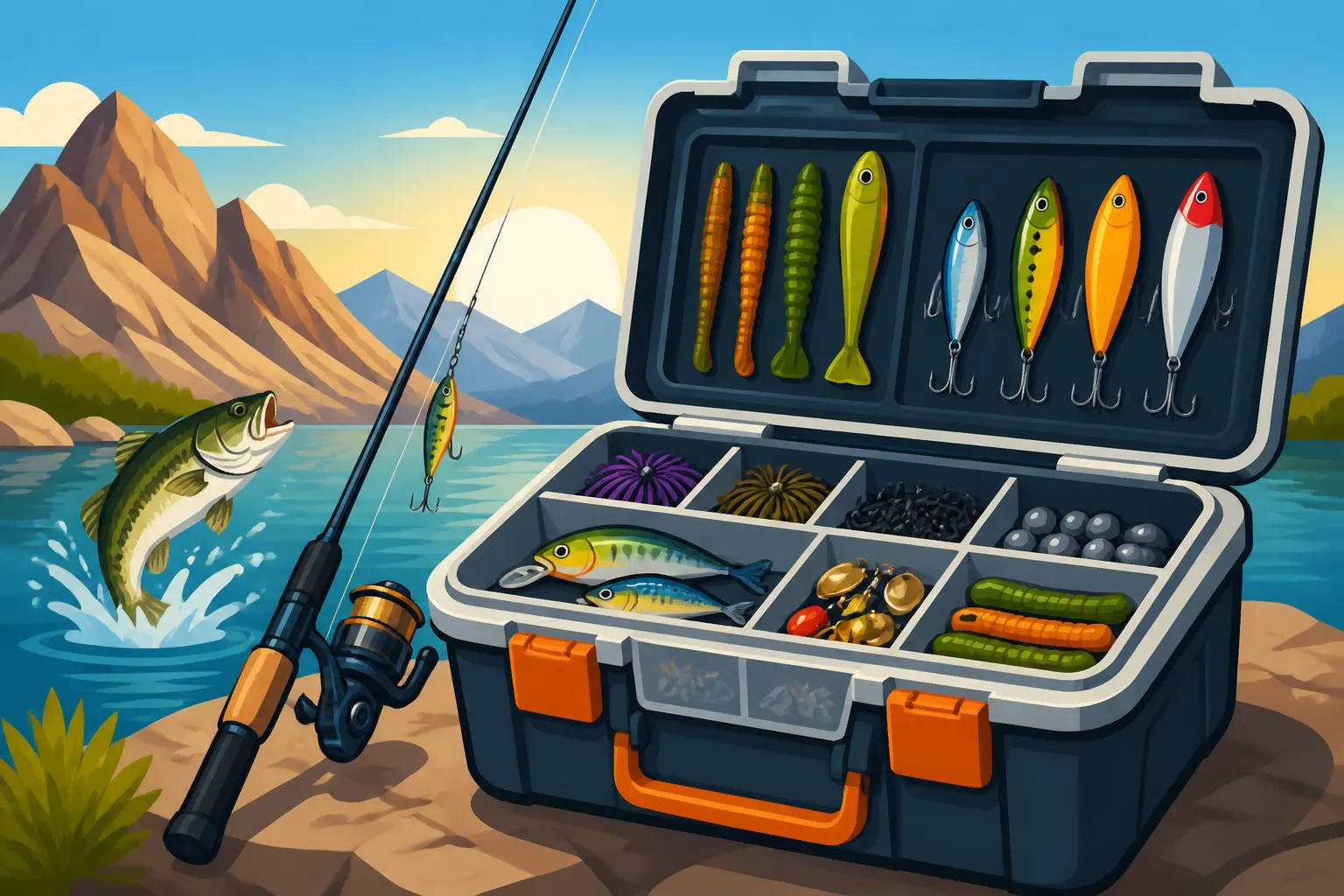
This is perhaps the biggest decision point for your tackle storage. Hard shell tackle boxes are the classic choice, offering rigid protection for your gear. They're typically made of durable plastic, featuring multiple trays that fan out for easy access to compartments. They excel at protecting delicate items, preventing hooks from snagging on fabric, and often float if accidentally dropped overboard (though checking that feature is always a good idea!). They are fantastic for boat fishing or when you're setting up a semi-permanent camp on the shore, giving you a stable, organized workstation. However, their rigid structure can make them bulky and awkward to carry over long distances, and they don't always conform well to tight spaces in a kayak or small boat.
Soft-sided tackle bags, on the other hand, are gaining immense popularity, and for good reason. They're usually made of tough, water-resistant fabric, often featuring multiple external pockets and internal plastic utility boxes (like those made by Plano or Flambeau) that can be removed and swapped out. These bags are far more portable, comfortable to carry, and can compress slightly to fit into smaller spaces. The external pockets are a huge bonus for quick access to tools, licenses, or snacks. While they don't offer the same rigid protection as hard boxes, the internal utility boxes do a good job of keeping tackle organized and protected. For an angler on the move, or anyone with limited space, a soft-sided bag is often the superior choice. You can find a huge variety of both styles at retailers like Bass Pro Shops or by browsing online at Amazon.
Here's a quick comparison to help you decide:
| Feature | Hard Shell Tackle Box | Soft-Sided Tackle Bag |
|---|---|---|
| Protection | Excellent (rigid plastic) | Good (internal boxes, padded fabric) |
| Portability | Less portable, bulky | Highly portable, comfortable to carry |
| Organization | Fixed trays, easy compartment viewing | Customizable utility boxes, external pockets |
| Versatility | Better for stationary fishing (boat, dock) | Better for mobile fishing (shore, kayak) |
| Durability | Very durable, impact resistant | Durable fabric, can be puncture-prone |
| Water Resistance | Often good, some models are waterproof | Varies, usually water-resistant fabric |
Organization and Portability Features
No matter which type you choose, think about its organizational features. Good dividers, adjustable compartments, and transparent lids on utility boxes are invaluable for quickly finding what you need. Nothing kills a bite faster than fumbling through a chaotic mess of hooks and lures. For soft-sided bags, look for systems that allow you to easily swap out utility boxes – perhaps one box for bass lures, another for trout, and a smaller one for terminal tackle. Some bags even have dedicated plier holders, water bottle pockets, or a hard-molded base for extra protection from wet ground.
Portability features are equally critical. Padded shoulder straps, comfortable handles, and even backpack-style straps can make a world of difference, especially if you're hiking into your fishing spot. If you're fishing from a boat, non-slip feet on your tackle box can prevent it from sliding around on a wet deck. Don't underestimate the convenience of external pockets for items you need constantly, like your fishing license, a multi-tool, or a small spool of leader material. A thoughtful design anticipates your needs on the water.
Material Durability for Nevada's Climate
Nevada's climate can be harsh, from intense summer sun to freezing winter temperatures, and everything in between. The materials of your tackle box need to stand up to these conditions. High-quality, UV-resistant plastics for hard boxes will prevent them from becoming brittle and cracking over time. For soft-sided bags, look for robust, rip-stop nylon or polyester fabrics, often with a waterproof or water-resistant coating. Heavy-duty zippers are a must, as flimsy ones will inevitably fail when exposed to dust, sand, and constant use.
Consider whether the material is easy to clean. Fishing can be messy business, with bait residue, fish slime, and dirt. A quick wipe-down or rinse should be all that's needed to keep your tackle storage in good shape. Investing a little more upfront in a well-constructed, durable tackle box or bag from a reputable brand will save you money and headaches in the long run, ensuring it can withstand countless Nevada fishing adventures.
Essential Terminal Tackle for Nevada Waters
Alright, you've got your perfect tackle box picked out. Now, what goes inside? Terminal tackle – the small but mighty components at the end of your fishing line – are the unsung heroes of any successful fishing trip. Without the right hooks, weights, and connections, even the most expensive rod and reel combo won't do you much good. This is where precision matters, and having a well-stocked but not overstuffed selection is key for a day on the water in Nevada.
Hooks, Sinkers, and Swivels
When it comes to hooks, variety is the spice of life, but smart selection is efficiency. For trout fishing in Nevada, especially for stocked rainbows or brown trout, a selection of small bait holder hooks (sizes 6-12) is crucial for PowerBait, worms, or salmon eggs. If you're using artificial lures like spinners or spoons, ensure their treble hooks are sharp and strong. For bass fishing, you'll want a range of worm hooks (Offset EWG, straight shank, sizes 1/0-5/0) for soft plastics, as well as treble hooks for crankbaits and topwater lures. Circle hooks are excellent for live bait fishing, particularly for catfish, as they tend to hook fish in the corner of the mouth, making for easier release. Best Tackle for Nevada Trout Fishing and Best Tackle for Nevada Bass Fishing can give you more specific recommendations.
Sinkers are next. A small assortment of split shot weights (various sizes) is indispensable for light line fishing, bobber rigs, or adding a bit of weight to a worm. For bass fishing, bullet weights (1/8 oz to 1/2 oz) are essential for Texas rigs, allowing your soft plastic to slip through cover. Drop shot weights are another must-have for finesse presentations. Consider a few heavier pyramid or egg sinkers (1/2 oz to 2 oz) if you plan on bottom fishing for catfish or striped bass in deeper water or current.
Finally, swivels. Barrel swivels help prevent line twist, especially when using spinning lures or fishing in current. Snap swivels offer quick lure changes, which is a huge time-saver when trying to find what the fish are biting. Keep a variety of sizes and strengths, matching them to your main line and target species. Ensure you don't overdo it with oversized swivels, which can spook fish.
Leaders and Line Considerations
Having a spool or two of leader material in your tackle box is non-negotiable. Fluorocarbon leader (6-12 lb test) is incredibly versatile due to its low visibility underwater and abrasion resistance. It's perfect for tying to your main braided line when fishing for trout or bass in clear Nevada waters. Some anglers also carry monofilament leader for topwater applications or when a little stretch in the line is desired. The key is to have lengths pre-cut or easily accessible so you're not fumbling with an entire spool on the water.
While your main line will be on your reel, a small emergency spool of monofilament or fluorocarbon (perhaps 6-8 lb test) can be a lifesaver if you suffer a major birds nest or get deeply snagged and lose a significant amount of line. It's a lightweight addition that can completely save a trip if things go wrong. Remember, matching your line to your target species and fishing conditions is paramount. Clear water often demands lighter lines, while heavy cover or powerful fish like big stripers require something more robust.
Tools and Accessories
No tackle box is complete without a few essential tools. A good pair of needle-nose pliers (or fishing-specific pliers with a line cutter) is crucial for removing hooks, crimping weights, and cutting line. Don't forget a set of nail clippers or a dedicated line cutter – they are far more efficient than teeth or dull knife blades. A small pair of scissors can also be handy for trimming soft plastics or opening bait packages.
Beyond tools, think about comfort and convenience. A small towel for wiping hands and fish, a basic measuring tape to ensure your catch meets Nevada Bass Daily Limit and Size Rules or Nevada Trout Daily Limit Rules, and a pair of fish grippers (especially for toothy fish like striped bass or large catfish) are all valuable additions. A small headlamp or flashlight can be incredibly useful if you plan on fishing at dawn, dusk, or even into the night, which can be prime time for certain species in Nevada.
Lures and Baits: Tailoring Your Selection
This is where the excitement really builds! The lures and baits you choose will directly influence what you catch, so tailoring your selection to your target species and fishing style is paramount. For a day trip in Nevada, you don't need every lure you own, but rather a strategic assortment that covers your bases for the conditions you expect.
Trout-Specific Baits and Lures
Nevada offers incredible trout fishing, from stocked urban ponds to wild mountain streams. For a day of trout fishing, your tackle box should definitely include some classic favorites. Live bait or prepared baits like PowerBait (in a few different colors like rainbow, chartreuse, or garlic scent) and salmon eggs are perennial producers, especially for freshly stocked fish. Small worms or nightcrawlers are also highly effective. Best Bait for Nevada Trout will give you even more insights here.
When it comes to artificial lures, spinners (like Mepps, Rooster Tail, or Panther Martin in sizes 0-2) in silver, gold, or brass blades with various colored dressings are consistently successful. Small spoons (like Kastmasters or Daredevils, 1/8 oz to 1/4 oz) that flash and flutter are also excellent choices, especially for casting in larger lakes or reservoirs. For fly anglers, a small selection of nymphs, dry flies, and streamers appropriate for the season and local hatches would be essential, though a dedicated fly box might be more practical for a full fly fishing setup. Remember to keep sizes small – trout generally prefer more subtle presentations unless they're aggressively feeding.
Bass-Specific Lures and Plastics
If you're heading to Lake Mead, Lake Mohave, or other bass-rich waters in Nevada, your lure selection needs to reflect the aggressive nature of largemouth and smallmouth bass. Soft plastics are a must-have: a variety of worms (like Senkos, trick worms, or creature baits in green pumpkin, black and blue, or junebug colors), swimbaits, and craws are incredibly versatile for Texas rigs, Carolina rigs, or weightless presentations. Having a few different sizes and colors will allow you to adapt to changing conditions and fish preferences.
Hard baits also have their place. Crankbaits (shallow, medium, and deep diving) in shad, crawfish, or perch patterns are excellent for covering water and finding active fish. Topwater lures like poppers, walking baits, or frogs are exhilarating to fish, especially during low-light conditions or over matted vegetation. Spinnerbaits and chatterbaits are great for fishing through cover or in stained water, providing vibration and flash. Jigs (football jigs, flipping jigs) paired with creature bait trailers are fantastic for probing structure or pitching into heavy cover. Best Lures for Nevada Bass can help you refine your choices further. Don't forget, Bass Pro Shops and online retailers like Amazon offer a massive selection of all these bass lures, allowing you to stock up on your favorites.
Multi-Species and Opportunistic Baits
Sometimes, you just want to catch something, or you're fishing a water body known for multiple species. Having a few versatile options in your tackle box is a smart play. Jig heads (1/8 oz to 1/2 oz) paired with small curly tail grubs or swimbaits are incredibly effective for nearly any predator fish, from trout and bass to crappie and perch. You can fish them by casting and retrieving, or even vertically jigging.
For targeting striped bass, especially at Lake Mead or Lake Mohave, a few heavy spoons (1/2 oz to 1 oz) or swimbaits are good to have, along with some heavier jig heads and plastics. Anchovies or shad imitations are often productive. For catfish, stink baits, cut bait, or even chicken livers are hard to beat, requiring heavier hooks and sinkers. While you might not dedicate a large portion of your day-trip box to these, a small contingent of versatile lures and baits can turn a slow day into a successful one by allowing you to adapt to whatever the fish are biting, or whatever unexpected species shows up.
Safety and Comfort Gear for Your Tackle Box
A day on the water in Nevada isn't just about catching fish; it's about enjoying the experience safely and comfortably. The desert environment, combined with the unpredictability of nature, means your tackle box shouldn't be solely for fishing gear. Dedicating a small section or an external pocket to essential safety and comfort items is a mark of a prepared angler.
First Aid and Personal Protection
A compact first aid kit is non-negotiable. Fishing involves hooks, sharp objects, and often walking on uneven terrain. Your kit should include bandages, antiseptic wipes, pain relievers, blister treatment, and any personal medications you might need. A small pair of tweezers is invaluable for splinters or removing small hooks. For minor cuts or scrapes, a small roll of medical tape can come in handy. It's not about being a medic, but being prepared for common minor mishaps that can quickly ruin a good fishing day.
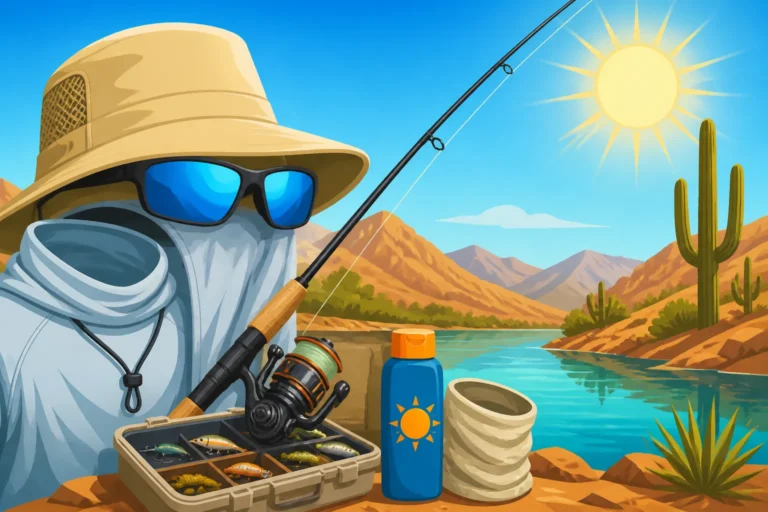
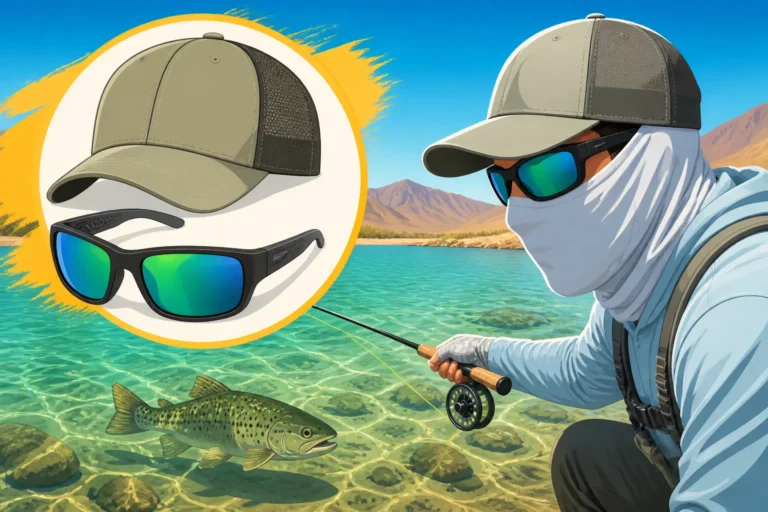
Beyond first aid, personal protection from the elements is critical, especially in Nevada. Sunscreen (high SPF, please!), lip balm with SPF, and insect repellent are essential. The sun in Nevada can be intense, even on cloudy days, leading to severe sunburn or heatstroke. A wide-brimmed hat and polarized sunglasses should already be on your head, but a spare pair of sunglasses or a neck gaiter in your tackle bag can be a lifesaver if yours are lost or damaged. Protecting yourself from the sun will ensure you can fish comfortably all day long. Best Sun Protection Gear for Desert Fishing delves deeper into staying safe from the Nevada sun.
Hydration and Sustenance
Even for a short trip, carrying enough water is paramount, especially in Nevada's dry climate. While not strictly "tackle box" items, a small, collapsible water bottle that can be refilled, or even a few sealed electrolyte packets, can be stashed in a large tackle bag pocket. Dehydration can creep up quickly and impair judgment, turning a fun day into a dangerous situation. Think about it – if you have space for a dozen crankbaits, you surely have space for an emergency snack bar or a small bag of trail mix.
A few non-perishable snacks like energy bars, nuts, or jerky can keep your energy levels up. Fishing, particularly casting and retrieving repeatedly, can be physically demanding. Bonking (hitting the wall from low blood sugar) can lead to poor decision-making and a general lack of enjoyment. A quick snack can revive your focus and enthusiasm, allowing you to keep those lines in the water longer and more effectively. Remember, a good day of fishing isn't just about the catch; it's about the entire experience.
Lighting and Communication
As mentioned earlier, a small, reliable headlamp or flashlight can be incredibly useful. Many species in Nevada, particularly striped bass and catfish, can be very active during dawn, dusk, or even at night. If you find yourself staying out later than expected, or if you're navigating uneven terrain back to your vehicle in fading light, a light source is essential. Make sure it has fresh batteries, or even better, pack a spare set.
While your phone is probably in your pocket, a small, waterproof whistle can be an excellent addition to your safety kit. It requires no batteries and can be used to signal for help if you get into trouble. If you're fishing in a remote area without cell service, this simple item could be vital. Always tell someone where you're going and when you expect to return. A small, dry bag for your phone or car keys, tucked into a tackle bag pocket, will also protect these crucial items from unexpected splashes or rain. These small considerations are what truly separate a casual outing from a well-prepared and enjoyable adventure.
Optimizing Your Tackle Box for Efficiency
A great tackle box isn't just about what's inside, but how it's organized and managed. Efficiency on the water can mean the difference between landing a fish and missing an opportunity. With Nevada's diverse and sometimes challenging fishing environments, having a system that allows for quick adjustments and easy access is a game-changer for a day-long outing.
Streamlining for Quick Access
Imagine this: you've just spotted a school of striped bass boiling on the surface at Lake Mead, or a big Lahontan cutthroat trout rising at Pyramid Lake. You have seconds to react. Fumbling through tangled lines, searching for the right lure, or trying to unclip a sinker from a jumbled mess will cost you that chance. Therefore, streamlining your tackle box for quick access is paramount. Organize by type: keep all your hooks together, all your sinkers in one spot, and your most-used lures readily available in the top tray or an external pocket. Use small, clear utility boxes within your main tackle box to segment different lure types, sizes, or colors. Labeling these boxes can further save precious moments.
Consider creating a "go-to" section for your most effective lures or baits for the day's specific conditions. This might be a pre-rigged worm for bass, a popular spinner for trout, or a specific jig for stripers. Having these few "hot" items instantly accessible means you can switch presentations quickly without breaking your rhythm. Always put frequently used tools, like your pliers or line cutters, in an easily reachable external pocket or designated holder. The goal is to minimize searching and maximize fishing time.
Seasonal and Location-Specific Loadouts
One tackle box doesn't fit all seasons or all locations in Nevada. A smart angler will adjust their tackle box contents based on the time of year and the specific body of water they're targeting. For example, a spring loadout for trout might prioritize smaller, finesse baits and a variety of PowerBait colors to match early season feeding patterns. A summer loadout for bass might lean heavily on topwater lures, deep-diving crankbaits, and heavier plastics to combat warmer water and aggressive feeding. Nevada Fishing Seasons by Month can provide excellent guidance on what to expect.
Similarly, a tackle box for Lake Tahoe Nevada Fishing Guide will likely emphasize Mackinaw trout gear like heavy spoons, tube jigs, and perhaps specialized downrigging equipment, while a box for Las Vegas Nevada Urban Pond Fishing Guide might focus on smaller hooks, bobbers, and corn or worms for panfish and stocked trout. You don't need to completely overhaul your primary tackle box every time, but having a few smaller, pre-packed utility boxes or pouches that you can quickly swap in and out of your main bag is a fantastic way to customize your setup without carrying unnecessary weight.
Post-Trip Maintenance and Restocking
The work isn't over when you get home! A crucial part of an efficient tackle box setup is post-trip maintenance. After each outing, take a few minutes to clean your lures, especially any that have been in the water. Rinse them with fresh water to remove any lake or river residue, and dry them thoroughly to prevent rust. Inspect your hooks for sharpness and corrosion; replace any dull or rusty hooks immediately. Re-sharpening hooks with a small file can extend their life.
Restocking is equally important. Note what you used heavily, what ran out, and what you wished you had. Did you lose a lot of specific lures? Were you running low on leader material? Make a list and replenish your supplies. This is also a good time to cull any lures or baits that you rarely use or that are broken beyond repair. A well-maintained and restocked tackle box is always ready for your next adventure, ensuring you're never caught off guard when the next call of the wild, or the next fishing hotspot, beckons you to the beautiful waters of Nevada.
Disclaimer
This article is for general informational purposes only and does not constitute professional advice. Laws, prices and regulations vary by location and change over time. Consult a qualified professional for guidance on your specific situation.