Lahontan Cutthroat Trout Size Records in Nevada
There’s nothing quite like the thrill of hooking into a truly massive fish, especially when it's a legendary Lahontan cutthroat trout from Nevada. Many anglers dream of catching a trophy that might even break a state record, and it can feel like a daunting challenge to even know where to begin understanding these magnificent fish and the incredible stories behind the biggest ones ever landed. This guide is here to shed light on the impressive size records of Lahontan cutthroat trout in Nevada, explore what makes these fish so special, and offer insights into how you might pursue your own memorable catch.
The Allure of Trophy Lahontan Cutthroat Trout in Nevada
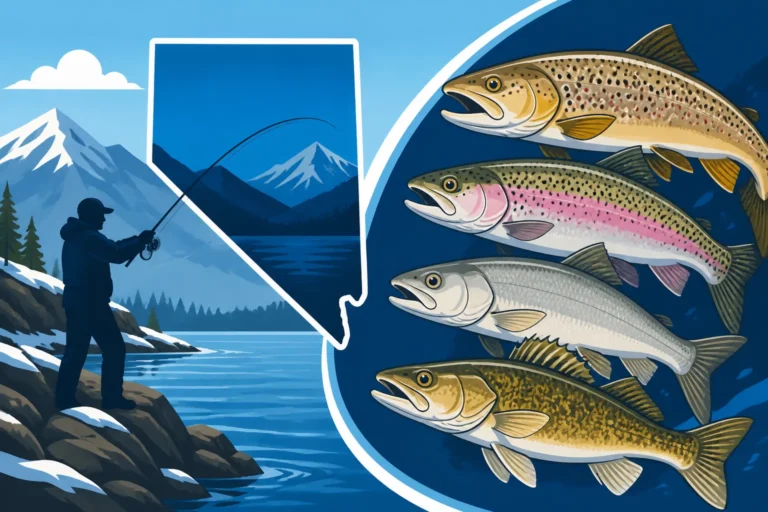
For many, fishing isn't just about catching dinner; it's about the pursuit of something truly extraordinary, something that tells a story for years to come. In Nevada, few fish capture that spirit quite like the Lahontan cutthroat trout, especially those growing to monumental sizes. These native trout, particularly those found in the iconic Pyramid Lake Nevada Fishing Guide, are renowned for their incredible growth potential and the sheer fight they offer, making them a bucket-list species for anglers worldwide.
Why Size Matters to Anglers
It's undeniable: bigger fish often mean bigger bragging rights. But beyond the photo opportunities and the tales spun at the campfire, pursuing a trophy Lahontan cutthroat trout represents a significant accomplishment. It speaks to an angler's skill, persistence, and understanding of complex aquatic environments. Landing a truly large fish often requires meticulous preparation, specialized gear, and a deep respect for the ecosystem. It's a test of patience and technique, pushing anglers to hone their craft. Imagine the meticulous planning, the early morning starts, and the hours spent perfecting your cast, all culminating in that one powerful strike. The journey to catch a trophy is often as rewarding as the catch itself, fostering a profound connection with the wild waters of Nevada.
The Unique Challenge of Pyramid Lake
When we talk about trophy Lahontan cutthroat trout in Nevada, one name always rises to the top: Pyramid Lake. This ancient remnant of Lake Lahontan holds a mystique all its own, being home to the world-famous strain of Lahontan cutthroat trout known for reaching incredible sizes. Fishing here is unlike anywhere else. The vast, often windswept expanse of the lake, combined with its unique geological features and cultural significance to the Paiute Tribe, presents a unique set of challenges and rewards. The fish here are strong, wily, and often require specific techniques, from "dead drifting" with indicator rigs to stripping massive streamers from shore or boat. Understanding the lake's fluctuating water levels, the various depths, and the fish's seasonal movements is crucial. It's a place where legends are made, and where many anglers get their first taste of what a truly gigantic trout can feel like on the end of their line. Remember, fishing Pyramid Lake also requires a special Pyramid Lake Tribal Fishing Permit in addition to your state license.
Understanding Nevada's Lahontan Cutthroat Trout Records
Every angler, deep down, harbors a secret dream of breaking a record. For Lahontan cutthroat trout in Nevada, the existing records stand as a testament to the lake's incredible fishery and the skill of the anglers who landed those giants. These records aren't just numbers; they represent pivotal moments in Nevada's fishing history, inspiring countless others to cast their lines in pursuit of their own monumental catch.
The State Record and Its Legacy
Nevada's state record for Lahontan cutthroat trout is truly something to behold. It's a weight that many anglers can barely fathom, often pushing into truly impressive double-digit figures. This record isn't just a number; it's a legacy. It speaks to the potential of these fish when conditions are right, when they have ample food, and when they reach an old age. The stories behind these record-breaking catches are often filled with drama, perseverance, and a healthy dose of luck. They remind us that while a good angler can increase their odds, nature ultimately decides when and where these giants will strike. When you look at the Nevada State Record Fish List, the Lahontan cutthroat trout stands out, not just for its size, but for its historical and ecological significance as a native species that has overcome significant challenges.
How Records are Validated
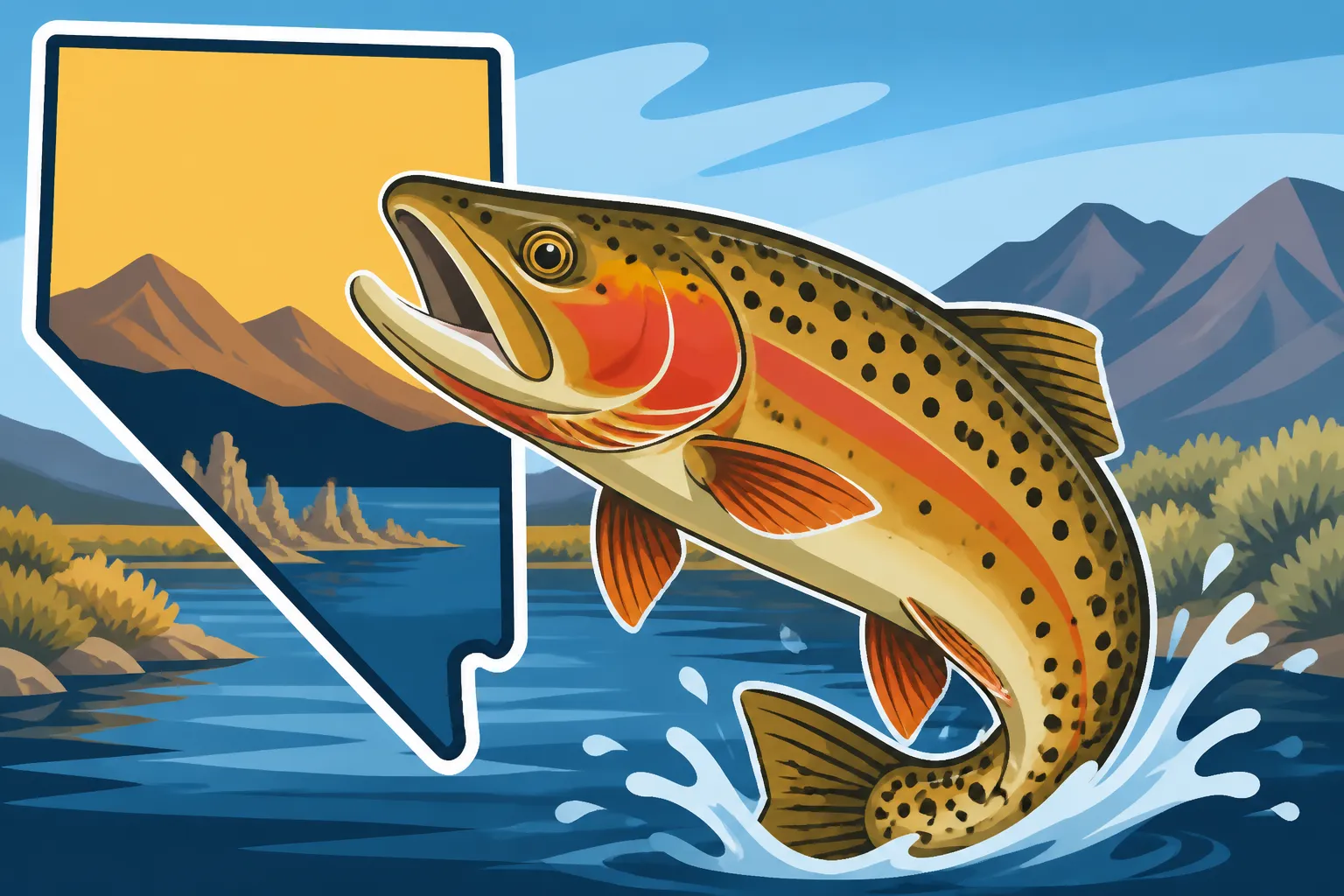
Catching a potential state record isn't as simple as just weighing it on your bathroom scale. There's a strict process in place to ensure fair play and accurate reporting. Typically, a fish must be weighed on a certified scale, usually at a local tackle shop or grocery store, witnessed by multiple individuals. Photos are crucial, often requiring the fish to be clearly visible with the measuring tape. The species must be positively identified – which, for a Lahontan cutthroat, means knowing its distinct markings, such as the characteristic red or orange slashes under the jaw, as described in Lahontan Cutthroat Trout Identification. There are also rules regarding how the fish was caught, ensuring it was taken legally according to Nevada Fishing Regulations Explained. This meticulous validation process means that when a new record is set, it's a truly legitimate achievement, solidifying its place in the annals of Nevada fishing history.
| Attribute | Average Pyramid Lake LCT (Mature) | Trophy Pyramid Lake LCT | Nevada State Record (Historical) |
|---|---|---|---|
| Weight Range | 2-8 lbs | 10-20+ lbs | 41+ lbs |
| Length Range | 18-26 inches | 30-36+ inches | 39+ inches |
| Typical Age | 3-7 years | 8-15+ years | 15-20+ years |
| Primary Diet | Cui-ui, Tui Chub | Cui-ui, Tui Chub, smaller fish | Cui-ui, Tui Chub |
| Catch Method | Fly, Lure, Bait | Fly, Lure (Jigging, Trolling) | Historical |
Note: The historical state record refers to the legendary 41-pound Lahontan cutthroat trout caught in 1925, a testament to the species' incredible potential.
Factors Influencing Lahontan Cutthroat Trout Size
What makes some Lahontan cutthroat trout grow to such gargantuan sizes while others remain more modest? It's a fascinating combination of environmental conditions, genetics, and the availability of sustenance. Understanding these factors can give you an edge in appreciating where and when you might encounter these impressive giants. It's a complex interplay that makes each trophy fish a true marvel of nature.
Diet and Ecosystem Health
Just like any growing creature, Lahontan cutthroat trout need a consistent and abundant food supply to reach massive proportions. In Pyramid Lake, their primary forage consists of the native cui-ui (an endangered suckerfish) and the tui chub. The health and populations of these forage fish directly impact the growth potential of the cutthroat. When the cui-ui and tui chub populations are thriving, the cutthroat have a buffet, allowing them to pack on pounds rapidly.
Beyond just the food source, the overall health of the ecosystem plays a massive role. Water quality, dissolved oxygen levels, and the absence of harmful pollutants are all critical. A balanced ecosystem provides a stable environment for not only the trout but also for the entire food chain that supports them. Environmental factors like drought and changes in lake levels can stress these delicate balances, affecting both the forage base and the trout themselves. A healthy lake means healthy, big fish.
Age and Growth Rates
It stands to reason that older fish are generally larger fish. Lahontan cutthroat trout have a remarkable lifespan, especially in nutrient-rich environments like Pyramid Lake. They can live for many years, giving them ample time to grow. Their growth rate, however, isn't always linear. It can be influenced by how much food is available each year, water temperatures, and even genetic predispositions. A fish that consistently finds abundant food and lives in favorable conditions will grow faster and larger than one facing leaner times or tougher competition. Many of the largest fish caught are often venerable old warriors of the lake, fish that have survived many seasons and grown steadily over a decade or more.
Genetics and Stocking Programs
The genetic makeup of Lahontan cutthroat trout is also a key factor in their size potential. The Pyramid Lake strain, in particular, is genetically predisposed to grow larger than some other strains found elsewhere. This genetic advantage, combined with the lake's unique ecosystem, creates the perfect storm for growing massive fish.
In the past, various stocking programs have introduced different strains of cutthroat into other Nevada waters, but it's the native Pyramid Lake strain that consistently produces the giants. The ongoing efforts by the Pyramid Lake Paiute Tribe and state agencies focus on maintaining the genetic integrity of this specific, fast-growing strain through careful hatchery operations and habitat management. These programs are vital for ensuring that future generations of anglers can continue to pursue these impressive fish, protecting both their numbers and their potential for trophy size.
Techniques for Targeting Trophy Lahontan Cutthroat Trout
Chasing a trophy Lahontan cutthroat trout isn't about blind luck; it's about employing smart strategies, using the right gear, and understanding the fish's habits. These are intelligent, powerful fish, and coaxing a truly big one to bite often requires a blend of patience and finesse, coupled with aggressive tactics when the moment calls for it.
Essential Gear for Big Fish
When you're targeting fish that can weigh in the double digits, your gear needs to be up to the task. Light tackle might be fun for smaller trout, but it's a recipe for heartbreak with a trophy LCT.
- Rods: Opt for medium-heavy to heavy-action spinning or baitcasting rods, typically 7 to 9 feet in length, especially if you're casting from shore. For fly fishing, a powerful 7-9 weight rod is essential to cast large flies and handle strong winds.
- Reels: A robust spinning reel with a smooth drag system (size 3000-5000) or a sturdy baitcasting reel is critical. For fly fishing, a large arbor reel with a strong drag and plenty of backing is non-negotiable.
- Line: You'll want strong line, typically 15-20 pound test monofilament or fluorocarbon, or 30-50 pound braided line with a fluorocarbon leader for spinning and baitcasting. For fly fishing, heavy sinking lines or shooting heads are often preferred for getting flies down deep. You can find many reliable line options on
Amazon. - Lures/Flies: Large spoons, heavy jigs, and swimbaits are popular choices for conventional gear. For fly anglers, oversized woolly buggers, streamers, balanced leeches, and Pyramid Lake's famous popcorn beetles (a type of nymph pattern) are staples. Don't forget to explore options for Best Bait for Pyramid Lake Cutthroat and Best Fly Box Setup for Pyramid Lake.
Having the right gear isn't just about landing the fish; it's about providing the confidence you need when that monster finally strikes.
Seasonal Strategies and Location
Trophy Lahontan cutthroat trout move throughout the year, influenced by water temperature, available forage, and spawning cycles.
- Fall and Winter: These are often considered the prime seasons for big fish. As water temperatures cool, the trout become more active and move into shallower areas to feed more aggressively. This is when bank anglers at Pyramid Lake often have their best chances, especially during calm conditions or before a storm front moves in. Look for areas with structure like drop-offs, ledges, and submerged rocks.
- Spring: Early spring can also be productive as fish stage for spawning, though many waters have specific regulations or closures during this time to protect the fish. Always check Nevada Fishing Season Dates and Limits before heading out.
- Summer: The deep-dwelling nature of large cutthroat often means they retreat to cooler, deeper water during the hot summer months. Trolling or deep jigging from a boat becomes more effective during this period.
Understanding these seasonal shifts and knowing the key access points or boat launch areas (as detailed in a Pyramid Lake Boat Launch Locations guide) will dramatically increase your chances.
The Importance of Presentation
Even with the best gear and knowledge of location, a poor presentation can spell the difference between a trophy catch and a missed opportunity.
- Conventional Gear: When jigging, pay attention to the retrieve rate and how your lure falls. Many strikes occur on the drop. When casting spoons or swimbaits, vary your retrieve speed, add pauses, and try different depths until you find what triggers a bite.
- Fly Fishing: Presentation is paramount. For stripping streamers, experiment with different retrieve speeds and pauses. When indicator nymphing, ensure your flies are drifting naturally with the current, and your indicator is properly weighted to get your flies into the strike zone. Sometimes, a subtle flutter or a sudden dart is all it takes to provoke a reaction from a lethargic giant. Many anglers dedicate time to mastering Fly Fishing Gear for Pyramid Lake to perfect their presentation.
Conservation and the Future of Big Fish
While the pursuit of trophy Lahontan cutthroat trout is exciting, it comes with a significant responsibility: ensuring the health and sustainability of this incredible fishery for generations to come. Conservation isn't just a buzzword; it's a practice that directly impacts the future availability of those record-breaking fish we all dream about.
Catch and Release Practices
For trophy Lahontan cutthroat trout, especially those caught at Pyramid Lake, Why catch and release is required at Pyramid Lake is not just a suggestion, it's a vital part of the management strategy. The larger, older fish are the prime breeders, contributing significantly to the genetic strength and population stability of the species. Releasing these giants allows them to spawn again and pass on their strong genes. When practicing catch and release, it's crucial to minimize stress and harm to the fish.
- Minimize Fight Time: Land the fish as quickly as possible without over-stressing it.
- Wet Hands: Always wet your hands before handling a fish to protect its protective slime coat.
- Barbless Hooks: Many regulations, especially at Pyramid Lake, require barbless hooks to make hook removal easier and less damaging. You can purchase barbless hooks or crimp the barbs on your existing hooks, readily available from retailers like
Amazon. - Proper Handling: Support the fish horizontally, especially large ones. Avoid holding them vertically by the jaw. Keep them in the water as much as possible, only lifting for a quick photo if absolutely necessary.
- Revive Gently: If the fish seems sluggish, hold it gently in the water, facing into a mild current, until it regains its strength and swims away on its own.
Learning Handling and Releasing Lahontan Cutthroat Trout correctly is a skill every angler should master.
Supporting NDOW and Tribal Efforts
The continued success of Nevada's Lahontan cutthroat trout fishery, and especially the trophy potential at Pyramid Lake, is largely due to the tireless efforts of the Nevada Department of Wildlife (NDOW) and the Pyramid Lake Paiute Tribe. These organizations manage fish populations, conduct scientific research, enforce regulations, and implement stocking programs where necessary.
- License and Permit Compliance: When you purchase your Nevada Fishing License Guide and your Pyramid Lake Tribal Fishing Permit, you're directly contributing to the funding of these essential conservation programs.
- Respecting Regulations: Adhering to bag limits, size restrictions, and specific gear rules (like Nevada Barbless Hook and Bait Rules) is paramount. These rules are not arbitrary; they are based on scientific data designed to protect the resource. Even if you're targeting a state record, it's important to be aware of the Daily limit for Lahontan cutthroat trout at Pyramid Lake and release anything outside legal parameters or if you've reached your limit.
- Reporting Violations: If you witness illegal fishing activity, report it to the authorities. Poaching or disregard for regulations undermines everyone's efforts.
By actively participating in responsible angling and supporting these vital conservation efforts, we all play a part in preserving the legacy of the Lahontan cutthroat trout and ensuring that future generations can also experience the thrill of chasing these magnificent fish. The continued existence of Trophy Trout Waters in Nevada depends on it.
Disclaimer
This article is for general informational purposes only and does not constitute professional advice. Laws, prices and regulations vary by location and change over time. Consult a qualified professional for guidance on your specific situation.