Best dry bag for keeping gear safe on the water
There's nothing quite like a fantastic day out fishing on one of Nevada's beautiful lakes or rivers – the sun on your face, the gentle rocking of the boat, and the promise of a big catch. But let's be honest, those serene moments can quickly turn stressful when you realize your phone, wallet, or extra clothes are soaking wet. Whether it's an unexpected splash, a sudden downpour, or just the constant dampness of being on the water, keeping your essential gear dry can feel like a constant battle. This guide is all about helping you conquer that challenge, diving deep into how to choose and use the best dry bag to keep your valuable items safe and sound, no matter what the Nevada waters throw your way.
The Unseen Threat: Why Water is the Enemy of Your Fishing Gear
Anglers know that water is essential to their passion, but it can also be the biggest threat to their electronics, clothing, and other valuables. A single lapse in judgment or an unforeseen event can turn a perfectly good day into a scramble to save soggy belongings. Understanding these risks is the first step toward smart preparation, especially when you're out on vast bodies of water like Lake Mead or fishing a swift river.
The Inevitable Splashes and Unexpected Dips
Let's face it, when you're actively fishing, whether from a boat, a kayak, or even the shore, you're constantly interacting with water. A big fish thrashing at the side of the boat can send a surprising amount of spray over your gear. Someone excitedly reeling in a catch might inadvertently kick water into your personal space. Even just launching or retrieving your Best Kayak for Fishing Nevada Reservoirs can lead to wet feet, and by extension, a wet deck where your bag might be sitting.
Consider a scenario: you're out on Lake Mohave, the sun is shining, and the fish are biting. You've got your phone handy for a quick photo of your catch, and perhaps a small camera to capture the scenic views. Suddenly, a rogue wake from a passing speedboat hits your vessel, sending a wall of water over the bow. In that split second, your phone, sitting innocently on a seat, is submerged. Without a proper dry bag, that's likely the end of your expensive device and all those precious fishing photos. Even if it's not a full submersion, repeated splashes can penetrate zippers or seams not designed for waterproof protection, slowly but surely damaging your items.
Protecting Your Valuables from Desert Extremes
Nevada fishing often means fishing in a desert environment. While it might seem counterintuitive, the desert climate actually amplifies the need for waterproof protection. Sure, rain might be less frequent, but when it does come, it can be intense and sudden. Beyond rain, think about condensation, especially during cooler mornings on a warm lake, or the constant threat of a drink spilling inside your boat.
Furthermore, direct sun exposure on a wet item can exacerbate damage. Water combined with intense UV rays can degrade materials, warp plastics, and accelerate corrosion on electronics far faster than in a milder climate. Your car keys, wallet, and fishing license might not seem vulnerable, but getting soaked and then baking in the sun can damage key fobs, ruin documents, and lead to mildew if not properly dried. A good dry bag acts as a multi-layered defense, not just against direct water, but against the combination of moisture and harsh environmental elements that are so common in the Silver State.
Beyond the Obvious: Protecting Non-Electronic Gear
While phones and cameras are often the first things we think of protecting, there's a whole host of other gear that truly benefits from being kept dry. Your spare jacket, for instance. Imagine the wind picking up unexpectedly on Pyramid Lake, and you reach for your jacket only to find it damp and clammy from earlier splashes. Not only is it useless for warmth, but it can make you miserable. Dry clothes mean comfort and safety.
Then there are things like extra bait, particularly power baits or soft plastics that can get sticky or lose their scent when wet. Your first aid kit, which absolutely needs to stay dry to ensure sterile bandages and functional medications. Even something as simple as a map or your Nevada Fishing Regulations Explained booklet can be rendered unreadable if soaked. Consider your car keys, which these days often contain sensitive electronics. A dunk in the water could leave you stranded. Even a Best cooler size for a full day of fishing can be a great place to keep fish, but its exterior won't protect what you place on top of it from the elements. A dry bag ensures that even these seemingly mundane, but incredibly important, items remain in perfect, usable condition throughout your fishing adventure.
Decoding Dry Bags: Key Features for Nevada Anglers
When you start looking for a dry bag, you'll quickly realize there's a huge variety out there. It's not just about picking any bag that claims to be "waterproof." For the serious Nevada angler, understanding the nuances of different features is crucial to selecting a bag that truly performs when it matters most.
Material Matters: PVC vs. TPU
The material a dry bag is made from is perhaps its most defining characteristic, impacting durability, flexibility, and environmental footprint.
-
PVC (Polyvinyl Chloride): This is the more traditional and generally more affordable material for dry bags. PVC is known for being extremely durable, highly resistant to abrasion, and completely waterproof. It's a robust choice that can take a beating, which is great if you're tossing your bag into a boat or dragging it across rocky shorelines. The downside is that PVC can be stiffer, especially in colder temperatures, making it a bit harder to roll and seal. It also tends to be heavier and less environmentally friendly in its production and disposal. Many reliable options you'll find at big retailers like Bass Pro Shops are made with durable PVC. If you're looking for something that offers maximum protection against scrapes and punctures, PVC is a solid choice.
-
TPU (Thermoplastic Polyurethane): TPU is a newer, more advanced material that's gaining popularity. It's lighter, more flexible, and often boasts a softer feel than PVC. TPU dry bags are easier to roll and pack, and they remain more pliable in varying temperatures. Environmentally speaking, TPU is generally considered a better option, as it's often PVC-free and recyclable. While still highly durable, it might not be quite as puncture-resistant as thick PVC, but its lighter weight and flexibility make it a favorite for hikers, kayakers, and those who prioritize packability. You might find more specialized or higher-end dry bags made of TPU on sites like Amazon, especially those catering to backpackers or minimalist anglers.
For a Nevada angler who might encounter sharp rocks on a bank or fishing gear with pointed edges, PVC offers that extra layer of confidence. However, if you're prioritizing lighter weight for Kayak Fishing Gear for Nevada or portability, a TPU bag might be more comfortable to carry.
Closure Systems: Roll-Top, Zippers, and More
The closure system is where the waterproof magic truly happens. A bag can be made of the most advanced waterproof material, but if the closure fails, your gear is soaked.
-
Roll-Top Closure: This is by far the most common and reliable dry bag closure. It involves rolling the top edge of the bag down three or four times and then clipping the ends together, often forming a handle. The multiple folds create a labyrinth seal that's incredibly effective at keeping water out, even if submerged for a short period. The key to its success is ensuring you roll it tightly and evenly, expelling as much air as possible before clipping. It's simple, robust, and less prone to failure than zippers. This is your go-to for general waterproof protection for items like extra clothes, towels, or even your Nevada Fishing Gear Essentials.
-
Waterproof Zippers: While regular zippers are notoriously leaky, true waterproof zippers (often called T-zip or YKK Aquaseal) are heavy-duty, pressure-sealed zippers that create a watertight barrier. These are typically found on higher-end dry duffels or backpacks because they add significant cost and bulk. They offer quick access to your gear without having to unroll the top, which can be a huge convenience when you need something fast. However, they require more maintenance (lubrication) and can be stiffer to operate. A small grain of sand caught in a waterproof zipper can compromise its seal, so meticulous care is a must. These are fantastic for larger items or situations where quick, frequent access is paramount.
-
Fold-Over/Clasp Systems: Some smaller dry pouches, especially for phones or wallets, might use a fold-over system secured by multiple clasps or a roll-down then velcro and snap closure. These are excellent for small, critical items that need to be accessed frequently, like your phone for checking Nevada fishing hours before sunrise and after sunset or snapping a picture. Always double-check the seal on these, as they often rely on firm pressure from the clasps.
Capacity and Size: Finding Your Perfect Fit
Choosing the right capacity is crucial. Too small, and you'll be leaving essentials behind; too large, and it becomes unwieldy. Dry bags are measured in liters (L).
- 5-10 Liter: Perfect for day trips or minimalists. This size is ideal for your phone, wallet, keys, a small first-aid kit, and perhaps a light snack. Great for a quick outing or as a dedicated bag for Essential Safety Gear for Boating on Lake Mead.
- 15-25 Liter: A good all-around size for a single angler on a day trip. This can hold extra layers, a packed lunch, binoculars, a small tackle box, and all your personal items. It's often the sweet spot for versatility.
- 30-40 Liter: If you're planning a longer day, or need to carry gear for two people, this size offers ample space. Think about a full change of clothes, larger electronics like a tablet, or more substantial food items. This might be used on a Best pontoon boat for family fishing trips where you need to carry more provisions.
- 50+ Liter: These larger dry bags often come in duffel or backpack styles and are for serious multi-day trips or for carrying bulky items like sleeping bags, tents, or a large amount of shared gear.
Consider what you realistically need to keep dry on every trip. It's often better to have a slightly larger dry bag with some empty space than to try to cram everything into one that's too small, risking a poor seal.
Carrying Comfort and Attachment Points
How you plan to carry or secure your dry bag also plays a role in your choice.
- Shoulder Straps: Many medium to large roll-top dry bags come with a single adjustable shoulder strap, making it easy to sling over your shoulder or carry by hand. This is great for short distances from the car to the boat.
- Backpack Straps: Dry backpacks feature two padded shoulder straps, just like a regular backpack. These are invaluable if you'll be hiking to a remote fishing spot or if you need your hands free for carrying other gear like rods or tackle boxes. They distribute weight better and are far more comfortable for longer hauls.
- Grab Handles: Most dry bags will have at least one sturdy grab handle, usually formed by the clipped roll-top closure. This is perfect for quick grabs or attaching to other equipment.
- D-Rings and Loops: Look for bags with multiple D-rings or webbing loops. These are incredibly useful for securing your dry bag to a kayak, boat, or even another backpack. You can use carabiners or straps to lash it down, preventing it from falling overboard or sliding around during transport. This is especially important on windy days on open water.
Durability and Puncture Resistance
Nevada fishing means interacting with rugged landscapes. Rocks, sharp tackle, and even abrasive surfaces in a boat can all be potential hazards for your dry bag.
- Fabric Thickness (Denier): The denier count refers to the thickness of the fibers in the fabric. Higher denier (e.g., 500D or 1000D) indicates a thicker, more robust material, which typically translates to better puncture and abrasion resistance. Thicker material also means more weight, so it's a balance. For general fishing, a mid-range denier (around 200-400D for TPU, or solid PVC) is usually sufficient.
- Welded Seams: Instead of traditional stitching, high-quality dry bags use heat-welded seams. This creates a stronger, completely watertight bond that's less likely to fail than stitching, which can leave tiny holes or degrade over time. Always opt for welded seams for maximum waterproof reliability.
- Reinforced Bottoms: Some dry bags feature a reinforced bottom panel, often with a thicker material or an extra layer, to withstand repeated contact with rough surfaces. If you plan on frequently setting your bag down on concrete, rocks, or sandy beaches, this is a feature worth looking for.
Types of Dry Bags: Tailoring to Your Fishing Style
Just like there are different types of fishing, there are different dry bags designed to suit various needs and preferences. Understanding these categories will help you narrow down the best choice for your specific angling adventures in Nevada.
Roll-Top Dry Bags: The Versatile Workhorse
When most people picture a dry bag, they're probably envisioning the classic roll-top cylindrical style. These are the most common, most affordable, and often the most reliable option for general waterproof storage. They come in a vast range of sizes, from a compact 5-liter sack to a cavernous 60-liter duffel-sized version.
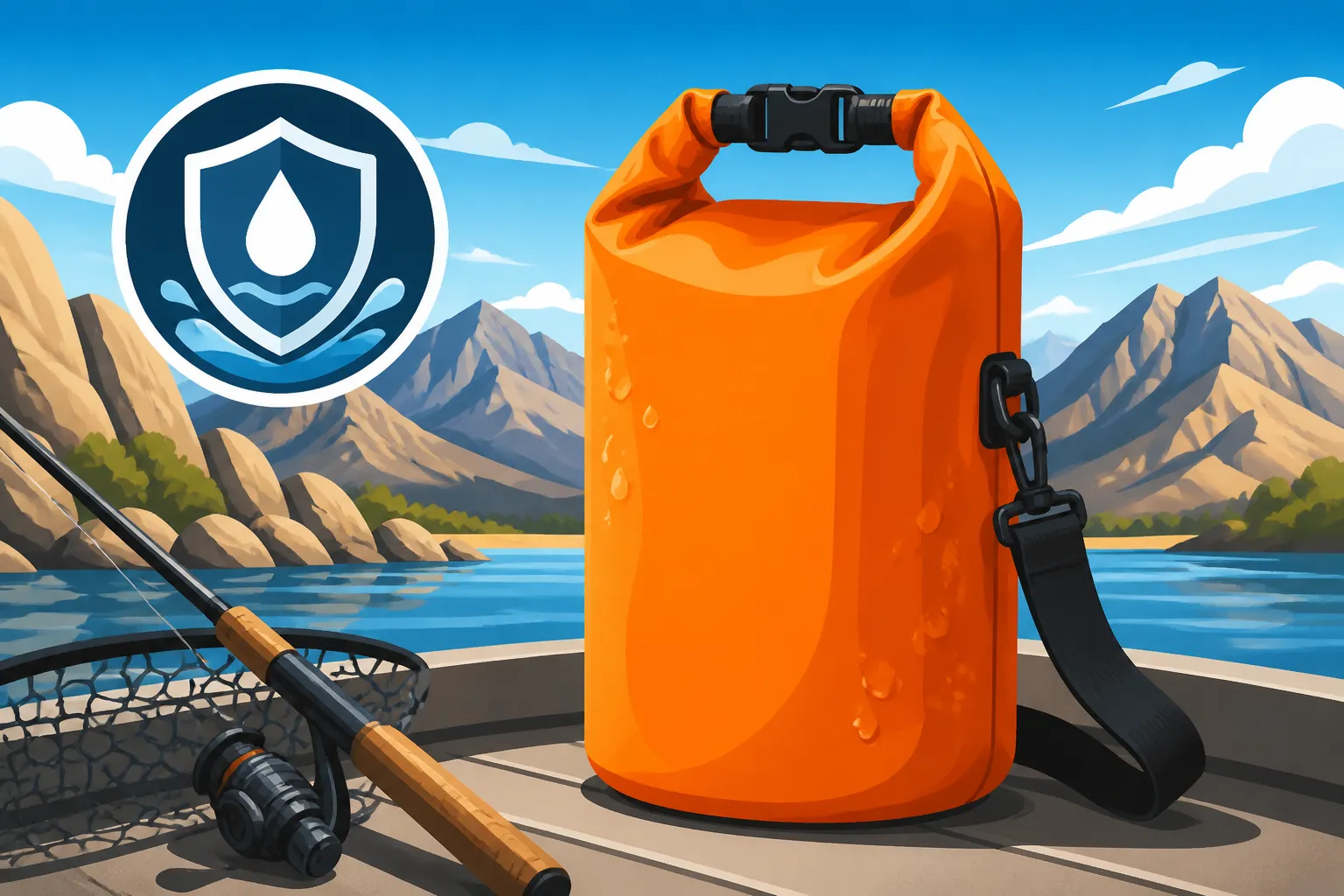
The beauty of the roll-top is its simplicity and effectiveness. You load your gear, squeeze out excess air, roll the top down a minimum of three times, and then clip the buckles together. This creates a tight, impenetrable seal. They're fantastic for stowing away extra clothing layers, towels, non-perishable snacks, and bulkier items that don't need constant access. You can toss one into the hull of your Best Kayak for Fishing Nevada Reservoirs, strap it to the deck of a boat, or simply leave it on the shore while you fish. Brands like Sea to Summit, Earth Pak, and even outdoor generalists like those found on Amazon and Bass Pro Shops offer a wide selection of these. They're the go-to for many anglers because they offer robust protection without breaking the bank. For a standard fishing trip, whether it's on a small lake or a larger reservoir, a reliable roll-top dry bag is often all you need to keep your main stash of gear safe.
Dry Backpacks: Hands-Free Convenience
For anglers who cover ground, whether hiking into a remote stream, walking long distances along a river, or needing to carry gear while launching a boat, a dry backpack is a game-changer. These are essentially roll-top dry bags (though some may feature waterproof zippers) designed with comfortable shoulder straps, and sometimes even a hip belt and sternum strap, just like a regular backpack.
The primary advantage here is hands-free portability. Imagine you're exploring some of the lesser-known streams in eastern Nevada, needing to carry your fishing rod, a small tackle box, and all your essentials. A dry backpack allows you to keep your gear completely dry on your back, leaving your hands free to navigate tricky terrain or carry a cooler. They often have external mesh pockets or bungie cords for quick-access items that don't need to be fully waterproof, like a water bottle or a Best pliers for removing hooks from bass. Some also include padded laptop sleeves inside, making them versatile for daily commutes that might encounter unexpected rain. If you're combining fishing with hiking or simply prefer to keep your hands clear, a dry backpack is an excellent investment.
Dry Duffels: For the Serious Gear Hauler
If you're heading out for an extended fishing trip, perhaps a multi-day camping and fishing adventure at Wildhorse Reservoir, or if you simply have a lot of bulky gear to protect, a dry duffel is your best friend. These are larger, more robust versions of dry bags, often rectangular or cylindrical, with wider openings for easier packing and unpacking. Many feature waterproof zippers (as opposed to roll-tops, though some do have roll-top openings), multiple grab handles, and sometimes even detachable backpack straps.
Dry duffels are built to withstand heavy use and can carry everything from sleeping bags and camping clothes to larger tackle boxes and even small inflatable rafts that you want to keep completely separate from the elements. Their wide mouths make it easy to rummage through your gear without everything getting messy. While they are generally the most expensive type of dry bag due to their size and often more complex closure systems, they offer unparalleled capacity and protection for serious expeditions. Think of them as your mobile, waterproof storage locker, ensuring that every piece of your Best all-around gear checklist for a Nevada fishing trip remains pristine, no matter how long you're out.
Waterproof Pouches and Small Cases: Protecting the Essentials
Sometimes, you don't need to waterproof your entire tackle collection, just those few critical items that absolutely cannot get wet. That's where small waterproof pouches and hard cases shine. These are typically designed for specific items like smartphones, car keys, wallets, or small cameras.
- Waterproof Phone Pouches: These are often soft, clear pouches with a secure zip-lock and roll-top or multiple clasp closure. They allow you to use your phone's touchscreen while it's still protected, making them ideal for navigation, quick photos, or emergency calls. They usually come with a lanyard, so you can wear your phone around your neck. This is essential for preventing accidental drops into the water.
- Small Hard Cases: For ultimate protection of very sensitive electronics like a GPS unit, a small camera, or even a satellite messenger, a small, crushproof hard case is the way to go. These cases, often made by brands like Pelican or OtterBox, have a rubber gasket seal and tough exterior, protecting against water, dust, and impact. They are heavier and bulkier than soft pouches but offer a level of security unmatched by fabric bags.
- Waterproof Wallets/Document Holders: These are invaluable for keeping your Nevada Fishing License Guide, cash, and credit cards dry and secure. They are often thin, flexible pouches that can be slipped into a larger dry bag or kept in a pocket that might get splashed.
Using these smaller, dedicated waterproof containers inside a larger dry bag is a strategy many experienced anglers employ. It provides redundant protection for your most valuable items and allows for quick, individual access when needed without exposing everything else in your main dry bag.
Specialized Dry Bags: When You Need a Little Extra
Beyond the general categories, you'll find some specialized dry bags tailored for unique situations.
- Dry Saddlebags/Deck Bags: For kayakers and canoeists, specific dry bags are designed to attach directly to the deck or sit snugly in the hull. These often have different shapes to fit odd spaces and multiple attachment points. A Best Kayak for Fishing Nevada Reservoirs might benefit greatly from a dedicated deck bag that keeps essentials at arm's reach while paddling, like your map or a small snack.
- Cooler-Dry Bag Hybrids: Some products combine the insulating properties of a soft cooler with the waterproof capabilities of a dry bag. These are perfect for keeping drinks and snacks cold and ensuring that any condensation or melting ice doesn't leak out, or that external splashes don't get in. They're also great for bringing home your catch while keeping your vehicle dry.
- Compression Dry Bags: These bags combine a roll-top closure with external compression straps, allowing you to squeeze out air and compact soft items like sleeping bags or clothing, saving valuable space in your pack or boat.
Knowing the variety available allows you to pick a dry bag that's not just waterproof, but truly enhances your fishing experience by matching its features to your specific needs on the water.
Mastering Your Dry Bag: Packing and Maintenance Tips
Getting the right dry bag is only half the battle; knowing how to use and care for it properly is just as important. A poorly packed or maintained dry bag is about as useful as a leaky bucket.
The Art of Proper Packing: Less is More, Organized is Key
Think of your dry bag as a fortress for your gear. To make that fortress impenetrable, you need to pack it smart. The common mistake is overfilling, which makes it impossible to achieve a proper seal.
- Don't Overfill: This is paramount. For a roll-top dry bag, you need at least 2-3 inches of empty space at the top (or more for larger bags) to allow for the proper rolling and sealing of the closure. If you're struggling to roll it down, your bag is too full. Consider taking out non-essential items or upgrading to a larger capacity.
- Expel Air: As you roll the top, try to push as much air out of the bag as possible. This makes the bag more compact and less likely to float high or bulge, which can stress the seams. It also makes it easier to achieve a tight seal.
- Use Smaller Pouches Inside: For truly critical items like your phone, wallet, or car keys, consider putting them in smaller, individual waterproof pouches inside your main dry bag. This provides a secondary layer of protection, especially for items you might quickly grab and accidentally expose. For example, if you need your phone for Best time of day to fish in summer heat reminders, having it in a smaller pouch means you don't expose all your dry clothes just to check the time.
- Prioritize Access: Place items you might need to access frequently closer to the top. If you know you'll want your sunglasses or a particular lure, don't bury it at the bottom.
- Soft Items First: When packing a roll-top bag, it's often helpful to put softer, bulkier items (like clothing or towels) at the bottom to create a rounded, stable base. Avoid sharp objects or fishing hooks directly touching the interior walls without protection, as they can puncture the material over time.
Sealing It Right: Common Mistakes to Avoid
The integrity of your dry bag lies in its seal. A hurried or incorrect seal can negate all the waterproof protection.
- Not Enough Rolls: As a general rule, you need to roll the top down a minimum of three times for a secure, watertight seal. Four rolls is even better, especially if the bag might be submerged. Fewer rolls mean less material is folded over, creating a weaker barrier that water can more easily penetrate.
- Uneven Rolls: Make sure your rolls are straight and tight across the entire opening. If one side is rolled loosely or unevenly, it creates a potential weak point for water ingress. Take an extra moment to smooth it out as you roll.
- Air Trapped Inside: While some air is natural, too much trapped air can make the bag buoyant and bulky. As mentioned, push out as much air as possible as you roll. However, don't try to vacuum-seal it so tightly that the material is strained. A little bit of air pressure helps the bag maintain its shape and provides some shock absorption for contents.
- Ignoring Zippers (for dry duffels): If your dry bag has a waterproof zipper, it often requires regular lubrication with a special wax or silicone grease (usually provided by the manufacturer). Failing to do so can make the zipper stiff, hard to close properly, and eventually compromise its seal. Never force a waterproof zipper; if it's sticking, it likely needs cleaning and lubrication.
Easy Care for Longevity: Cleaning and Storage
Proper care extends the life of your dry bag and ensures it performs when you need it most.
- Rinse After Use: After every trip, especially if you've been in saltwater or muddy conditions, rinse your dry bag thoroughly with fresh water. Use a mild soap if it's particularly dirty. This removes dirt, salt, and grime that can degrade the material or compromise zipper function.
- Thorough Drying: This is crucial to prevent mildew and odors. Hang your dry bag upside down with the top open in a well-ventilated area until it is completely dry, both inside and out. Don't store it while damp, as mildew can ruin the material and create a persistent smell that's hard to get rid of.
- Inspect for Damage: Before and after each significant use, inspect your dry bag for any small punctures, abrasions, or wear spots. Small holes can sometimes be repaired with specialized patches. Addressing minor issues quickly can prevent them from becoming major leaks.
- Proper Storage: Store your dry bag unrolled and loosely folded in a cool, dry place, away from direct sunlight. Storing it tightly rolled for extended periods can create creases that weaken the material over time, especially with PVC. For zippered dry bags, store them with the zipper slightly open to relieve tension and prevent permanent creasing of the zipper material.
By following these simple packing and maintenance tips, your dry bag will serve you faithfully on countless Nevada fishing adventures, keeping your gear safe and dry through every splash and unexpected turn.
| Feature | Roll-Top Dry Bag | Dry Backpack | Dry Duffel Bag | Small Waterproof Pouch/Case |
|---|---|---|---|---|
| Primary Use | General gear storage, versatile | Hands-free carry for longer distances | Large volume storage, heavy-duty expeditions | Protecting critical small items (phone, keys) |
| Closure Type | Roll-top buckle (most common) | Roll-top buckle, sometimes waterproof zipper | Waterproof zipper, sometimes roll-top | Zip-lock, multiple clasps, or gasket seal |
| Capacity Range | 5L – 60L+ (wide range) | 15L – 40L (medium to large) | 40L – 100L+ (very large) | Small (0.5L – 5L), specific for items |
| Portability | Single shoulder strap, grab handle, D-rings | Padded shoulder straps, sometimes hip/sternum | Multiple grab handles, sometimes backpack straps | Lanyard, belt clip, or pocket-sized |
| Access Speed | Moderate (requires unrolling/re-rolling) | Moderate (requires unrolling/re-rolling) | Fast (zipper access) | Fast (designed for quick item retrieval) |
| Durability | Good (PVC/TPU, welded seams) | Good (PVC/TPU, often reinforced) | Excellent (heavy-duty PVC/TPU, reinforced) | Excellent (thick material, hard shell for cases) |
| Best For | Boat bags, general gear protection, secondary storage | Hiking to fishing spots, carrying diverse gear | Multi-day trips, bulky items, base camp storage | Phones, wallets, keys, first-aid kits |
Disclaimer
This article is for general informational purposes only and does not constitute professional advice. Laws, prices and regulations vary by location and change over time. Consult a qualified professional for guidance on your specific situation.