Kayak Fishing Techniques for Nevada Reservoirs
Stepping onto the shores of Nevada's vast reservoirs can feel incredibly intimidating, especially when you see massive bass boats zipping across the water. Many anglers without a big budget or boat wonder how they can possibly compete or even enjoy fishing these expansive, often windy lakes. But what if I told you there's a peaceful, effective, and incredibly rewarding way to tackle these waters that doesn't require a huge investment? This guide is all about equipping you with the kayak fishing techniques for Nevada reservoirs, helping you unlock hidden coves and silent approaches that bigger boats can only dream of.
Why Kayak Fishing in Nevada's Reservoirs is a Game Changer
There's something uniquely satisfying about propelling yourself across the water, silently gliding toward a promising fishing spot that a loud outboard motor might have spooked. Kayak fishing isn't just a trend; it's a strategic advantage, especially when you're navigating the sprawling, often challenging, waters of Nevada's reservoirs. It offers a level of intimacy with the environment that truly enhances the fishing experience.
The Undeniable Appeal of Kayak Fishing
Let's face it, the idea of being out on the water, close to nature, without the roar of an engine or the constant need for gas, holds a special charm. For many, kayak fishing is an escape, a way to connect with the tranquility of places like Lake Mohave or the vastness of Lake Mead. But beyond the zen, there are tangible benefits. Kayaks allow for incredible stealth. You can sneak up on wary fish in shallow coves or along rocky shorelines that might be instantly put off by the vibrations and noise of a larger vessel. This silent approach often translates directly into more bites, especially when targeting sensitive species like trout or spooky bass. The portability of kayaks is also a huge plus. You don't need a massive truck or a boat ramp that can handle big trailers. Many kayaks can be car-topped or fit in the back of a pickup, opening up access to launch sites that are off-limits to traditional boats. This means fewer crowds and more pristine fishing opportunities in some of the more remote sections of Nevada's extensive waterways.
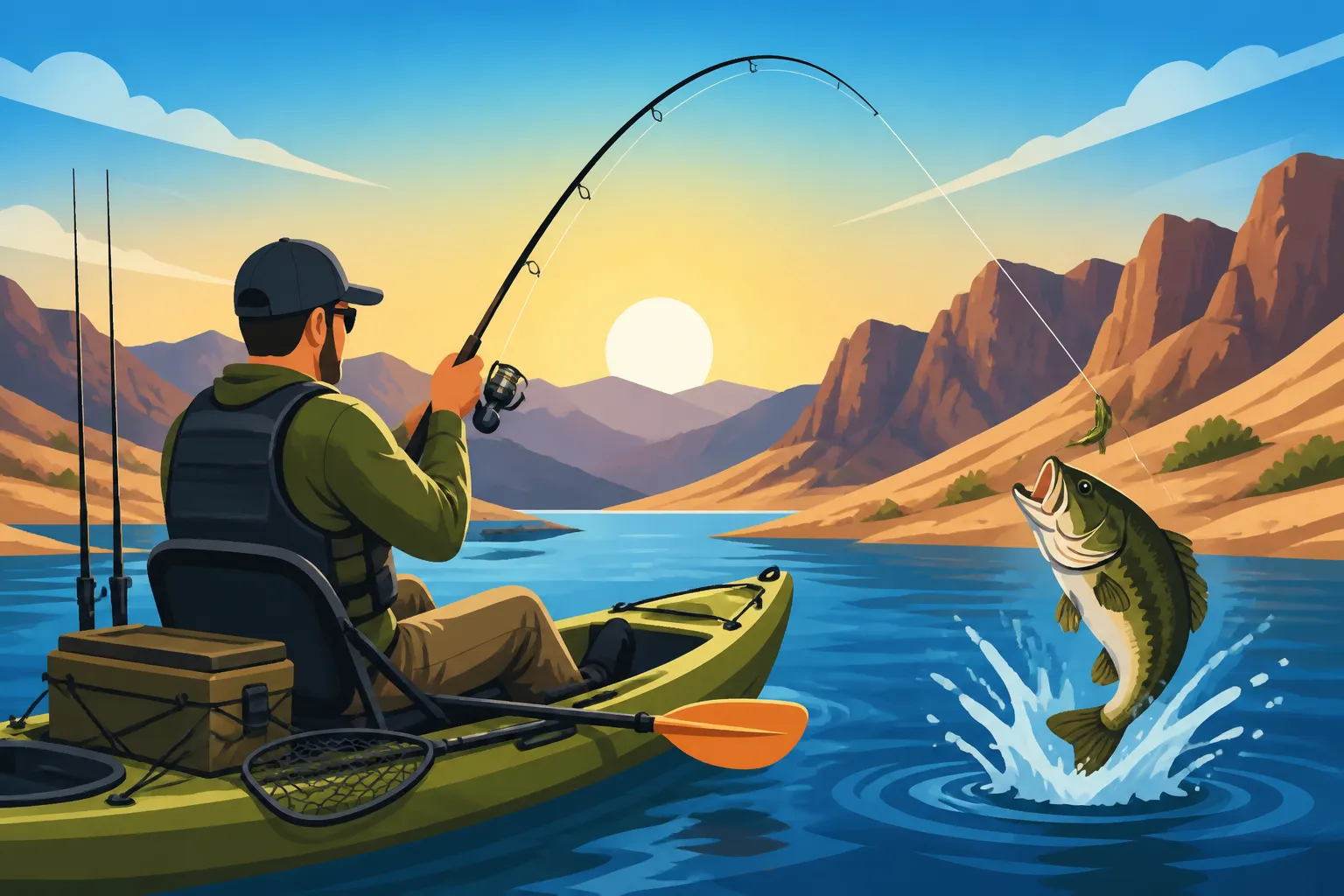
The physical activity itself is another draw. Paddling or pedaling a kayak gives you a fantastic workout, adding another layer of satisfaction to your fishing trip. Imagine hooking into a big striped bass from a kayak; the fight isn't just with the fish, it's an exhilarating dance between you, your rod, and the movement of your small craft on the water. It’s an immersive experience that traditional boat fishing simply can't replicate. Plus, the reduced cost of entry compared to buying and maintaining a powerboat makes it an accessible option for many who previously thought serious reservoir fishing was out of reach. If you're looking for more reasons to dive in, check out our comprehensive guide on Best Boats for Nevada Reservoir Fishing
Overcoming Big Water Challenges with a Small Craft
Nevada's reservoirs, while stunning, can be incredibly vast and intimidating. Lakes like Lake Mead and Pyramid Lake are known for their sheer size and, often, their sudden changes in weather and wind. This is where many might doubt the viability of kayak fishing. However, with the right approach and gear, a kayak can be surprisingly effective, even in these challenging environments. The key is understanding your craft's limitations and how to leverage its strengths. Kayaks excel at accessing tight spots—think narrow channels, submerged timber, or the backs of shallow coves that larger boats simply can't navigate. This often means reaching untouched fish populations that rarely see a lure.
When the wind picks up, which it frequently does in Nevada, a kayak can still be managed. While a large boat might get tossed around, a well-rigged fishing kayak with a proper anchor or a shallow water anchor system can hold its position surprisingly well, allowing you to stay on a productive fishing spot. Modern fishing kayaks are also incredibly stable, designed for standing and casting, which helps immensely with visibility and accurate lure presentation. They're built with anglers in mind, often featuring dedicated rod holders, gear tracks, and ample storage for tackle and coolers. Instead of being a disadvantage, the small size of a kayak forces you to be more strategic, more adaptable, and ultimately, a more skilled angler.
Essential Safety Considerations for Nevada's Winds
The beauty of Nevada's open waters, particularly on lakes like Lake Tahoe or Lake Mohave, comes with a caveat: the wind. It can appear suddenly and transform calm waters into choppy conditions that are no fun, and potentially dangerous, for any small craft. Therefore, safety is not just a recommendation; it's an absolute necessity for kayak anglers in Nevada. Always check the weather forecast before heading out, paying close attention to wind advisories. It’s better to postpone a trip than to get caught in dangerous conditions miles from shore.
A personal flotation device (PFD) is non-negotiable. Wear it. Don't just have it in the kayak; wear it at all times. Even the most experienced paddlers can be caught off guard. Invest in a good quality PFD that is comfortable enough to wear all day. Communication is key: always tell someone your float plan—where you're going, when you expect to return. Consider carrying a marine radio or a fully charged cell phone in a waterproof case, especially if you plan to venture far from shore. For longer trips or larger bodies of water, a signaling device like a whistle or air horn, and a safety flag, are crucial. Additionally, a quality anchor is not just for holding position over fish; it can be a lifesaver in high winds, allowing you to deploy it to prevent being blown across the lake. Remember, the desert sun is also a factor; wear appropriate sun protection and carry plenty of water to stay hydrated. Our guide to Nevada Fishing Regulations Explained covers all the general safety requirements you should be aware of.
Essential Kayak and Gear Setup for Nevada Waters
Stepping into the world of kayak fishing means more than just grabbing any old kayak. For the unique challenges and opportunities presented by Nevada's reservoirs, a thoughtful selection of your craft and gear can make all the difference between a frustrating day and an epic one. It’s about building a mobile fishing platform tailored to your needs.
Choosing the Right Kayak for Reservoir Fishing
The market for fishing kayaks has exploded, offering a diverse range of options. When considering a kayak for Nevada's reservoirs, stability, comfort, and propulsion are primary concerns. Sit-on-top (SOT) kayaks are overwhelmingly popular for fishing due to their open deck, ease of re-entry if you capsize, and ample space for gear. They offer superior stability, which is crucial when casting, fighting fish, or even standing to get a better vantage point. You'll often find models from brands like Old Town, Hobie, or Perception specifically designed for fishing, with integrated features like rod holders and gear tracks.
Propulsion is another major decision. Paddle kayaks are traditional and budget-friendly, offering a great workout. However, pedal-driven kayaks, pioneered by companies like Hobie with their MirageDrive system, or propeller-driven systems from brands like Old Town, have revolutionized kayak fishing. They allow you to move hands-free, continuously propelling your kayak while casting or fighting a fish, which is an enormous advantage, especially in windy conditions or when trolling. While often a higher initial investment, the ability to maintain speed and control without putting your rod down can significantly increase your catch rate. Battery-powered motor systems are also an option for those seeking even more ease, though they add weight and complexity. When considering your purchase, think about the primary bodies of water you'll fish, how far you plan to travel, and what your budget allows. For a deeper dive into options, consider checking out Best Kayak for Fishing Nevada Reservoirs
Here's a quick comparison of common kayak types for Nevada reservoirs:
| Kayak Type | Pros | Cons | Ideal For |
|---|---|---|---|
| Sit-on-Top (SOT) Paddle | Stable, easy re-entry, affordable, simple, good exercise. | Hands-on paddling, slower against wind/current, limited hands-free fishing. | Budget-conscious, shorter trips, smaller reservoirs, calm conditions, exercise. |
| Sit-on-Top (SOT) Pedal | Hands-free propulsion, efficient, good for trolling, great stability. | Higher cost, heavier, more complex maintenance. | Covering long distances, trolling, windy conditions, serious anglers. |
| Sit-in (SIT) Touring/Recreational | Faster, tracks well, protected from elements, lighter. | Less stable, harder re-entry, limited gear access, not fishing-specific. | Light touring, very calm conditions, not recommended for serious fishing. |
Must-Have Gear and Accessories
Once you have your kayak, equipping it properly is paramount. Beyond the kayak itself and a comfortable PFD, there's a host of accessories that transform your vessel into a true fishing machine. A reliable anchor system is non-negotiable for Nevada's often-breezy reservoirs. A collapsible grapnel anchor, paired with a substantial length of anchor rope and a quick-release system, will allow you to hold position in varying depths and retrieve quickly. For shallower areas, a stake-out pole or a Power-Pole Micro anchor offers silent, precise positioning. You can find excellent options for these on sites like Amazon.
Rod holders are essential. Many fishing kayaks come with flush-mount holders, but adjustable, track-mounted rod holders provide versatility for trolling, storing rods while paddling, or adjusting angles for different fishing techniques. A quality cooler or insulated fish bag is vital, especially during Nevada's hot summers, to keep your catch fresh. Look for models that fit securely in your kayak's storage well. For safety and convenience, a visibility flag (often required on larger bodies of water), a paddle leash, and a dry bag for electronics and valuables are also crucial. Lastly, a good pair of polarized sunglasses will help you spot structure and fish beneath the surface, greatly enhancing your success. Remember, building your setup is a gradual process; start with the essentials and add specialized gear as you gain experience and identify your needs. Don't forget to check out our list of Nevada Fishing Gear Essentials for a complete rundown.
Rigging Your Kayak for Success
Rigging your kayak effectively isn't just about adding accessories; it's about optimizing your fishing platform for efficiency, safety, and comfort. The goal is to have everything you need within arm's reach while maintaining a clear deck for casting and fish-fighting. Start by considering your primary fishing style. If you primarily cast and retrieve, you'll want your rods easily accessible in flush-mount holders or forward-facing adjustable holders. If trolling is your game, outward-facing rod holders that allow you to cover wider spreads are key.
Proper placement of your fish finder and its transducer is also critical. Many modern fishing kayaks have transducer-ready scupper holes or designated mounting plates. Ensure your display is mounted in a waterproof area, easily visible, but not obstructing your paddle stroke or casting arc. Look for compact, waterproof models suitable for kayaks, which are readily available on Amazon. Storage is another consideration. Tackle boxes should be secured but easily accessible. Using bungees, crate systems, or even purpose-built kayak tackle bags helps keep gear organized and prevents it from sliding around or falling overboard. Consider investing in a milk crate or a specialized kayak fishing crate for the stern tankwell; these can be customized with rod holders, tool caddies, and additional storage. Finally, think about ergonomics. Adjust your seat for maximum comfort and support, especially for long days on the water. A good seat makes a world of difference in your endurance and enjoyment.
Strategic Fishing Techniques from a Kayak
Fishing from a kayak requires a slightly different approach than from a large powerboat or even from shore. The advantages of stealth and access need to be coupled with smart techniques to maximize your success, whether you're chasing bass in shallow coves or trolling for trout in deeper waters.
Mastering Casting and Maneuvering
One of the biggest advantages of kayak fishing is the ability to approach fish silently and position yourself precisely. This silent approach means you can get closer to cover, shorelines, and structure without spooking fish. Mastering casting from a seated or standing position in a kayak is crucial. Practice different casting angles and distances to ensure you can accurately present your lure to tight spots. Overhand casts are common, but sidearm and skip casts can be invaluable for getting under overhanging brush or docks. Many modern fishing kayaks are stable enough to allow standing, which provides a higher vantage point for sight fishing and better casting leverage, but always assess the conditions before attempting to stand.
Maneuvering your kayak effectively is just as important as your casting skills. With a paddle kayak, gentle, subtle strokes are key to maintaining stealth. Use corrective strokes rather than powerful ones to make small adjustments. Pedal kayaks offer a significant advantage here, allowing for continuous, hands-free propulsion, letting you keep your lure in the water and your hands on the rod while slowly working a shoreline or holding against a breeze. Whether paddling or pedaling, learn to use subtle movements to position your kayak for the ideal cast or to follow a fish fighting around structure. Drifting with the wind or current can also be an effective strategy, allowing you to cover water naturally, but always be prepared to anchor quickly if you hit a productive area.
Targeting Specific Species: Bass, Trout, and Stripers
Nevada's reservoirs offer a diverse range of species, and kayak fishing techniques can be adapted for each.
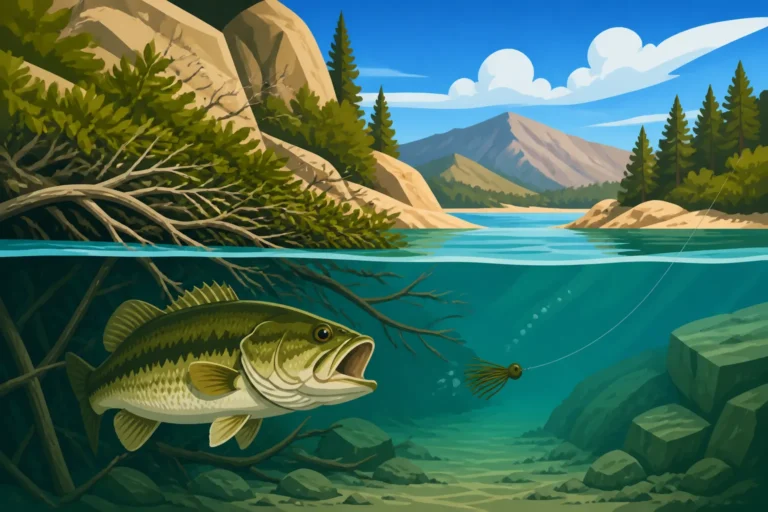
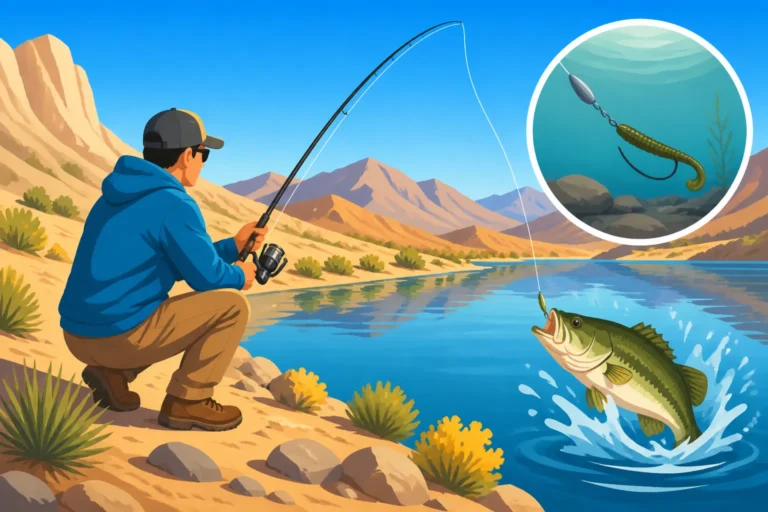
For bass (largemouth and smallmouth), kayak fishing is incredibly effective. Bass often hold in shallow cover, submerged brush, rocky points, and coves that are difficult for larger boats to access. Use your kayak's stealth to quietly approach these areas. Cast soft plastics, jigs, or crankbaits to visible structure, letting your kayak drift slowly along a contour or holding position with a shallow water anchor. The low profile of a kayak also helps you get right into those tight pockets of vegetation or under boat docks where big bass often hide. Targeting bass from a kayak allows for a truly hands-on, intimate experience with the fish and their habitat. If you're passionate about chasing bass, explore our guide on How to Fish for Bass in Nevada.
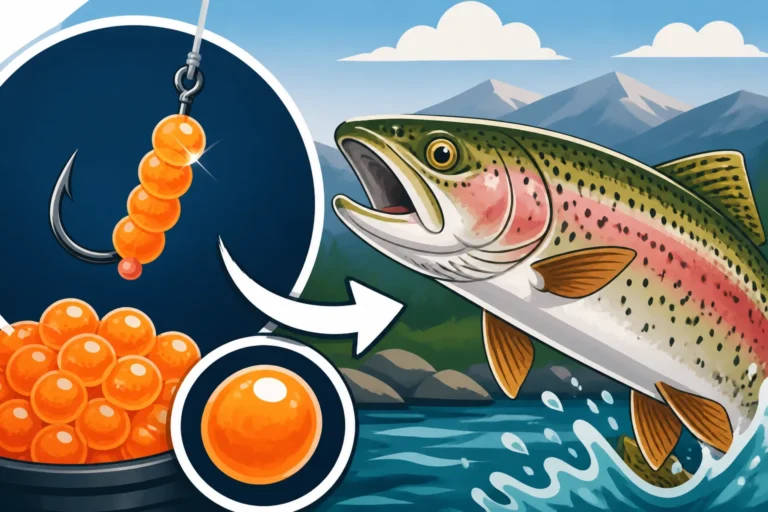
Trout fishing from a kayak in Nevada's deeper reservoirs like Lake Tahoe or Wildhorse Reservoir often involves trolling. With a pedal kayak, you can maintain a consistent speed (typically 1.5-2.5 mph) while covering significant water. Use small spoons, spinners, or even bait rigs suspended at various depths. You can also anchor in known trout hangouts, especially during cooler months, and fish with power bait or nightcrawlers off the bottom. In smaller reservoirs or urban ponds, kayaks provide a great platform for casting small spinners or fly fishing along the edges. For more specific trout strategies, our How to Fish for Trout in Nevada guide is an excellent resource.
Striped bass in reservoirs like Lake Mead or Lake Mohave can be a thrilling challenge from a kayak. Stripers are often found in open water, chasing baitfish schools, or along deep points and submerged humps. Trolling with larger crankbaits or bucktail jigs is effective for covering water. When you spot boils (stripers feeding on the surface), use your kayak's agility to quickly paddle or pedal into casting range. Heavy spoons, large swimbaits, or topwater lures can elicit explosive strikes. The fight of a big striper from a kayak is an unforgettable experience, requiring careful boat control and good rod work to avoid being pulled around. Remember to check out How to Fish for Striped Bass in Nevada for more detailed information.
Utilizing Electronics and Anchoring Strategies
Even in a kayak, electronics can dramatically improve your fishing success. A compact fish finder is a game-changer, helping you locate structure, depth contours, and, of course, fish. Portable models that clamp onto your kayak or easily mount to a track system are perfect. Look for units that offer CHIRP sonar, Down Imaging, or Side Imaging to get a clearer picture of the underwater world. Many come with small, rechargeable batteries that can last for a full day of fishing. Having a good Best Fish Finder for Reservoir Fishing is invaluable for understanding the unseen world beneath your hull.
Effective anchoring strategies are paramount for kayak fishing in Nevada. The ability to hold your position precisely over a productive spot is key, especially in wind or current.
- Traditional Anchor: A collapsible grapnel anchor (around 3-5 lbs) with 50-100 feet of rope is versatile for varying depths. Use an anchor trolley system, which allows you to deploy and retrieve your anchor from the bow or stern, shifting your boat's angle relative to the wind or current.
- Shallow Water Anchors: For depths up to 8-10 feet, a stake-out pole or a powered shallow water anchor system (like a Power-Pole Micro) provides silent, instant anchoring. These are fantastic for stalking fish in skinny water or holding position on flats.
- Drift Sock/Sea Anchor: This is an invaluable tool for slowing your drift in windy conditions, allowing you to present lures more effectively over productive flats or submerged structure. It acts like a parachute in the water, dragging and creating resistance.
Learning to use an anchor effectively is a skill that will pay dividends, allowing you to target precise structure and stay on feeding fish. For more on specific anchoring systems, refer to our guide on Best Anchor for Windy Desert Lakes.
Seasonal Adjustments and Advanced Tips
Nevada's desert environment means significant seasonal changes, which directly impact fish behavior and, consequently, your kayak fishing strategy. Adapting to these shifts and mastering advanced techniques will elevate your success on the water.
Adapting to Nevada's Changing Seasons
Fishing Nevada's reservoirs means being prepared for a wide range of conditions throughout the year.
Spring is often a fantastic time for kayak fishing. As water temperatures rise, fish become more active and move into shallower waters for spawning. This is prime time for bass, which will be found in coves and on rocky points, making them easily accessible from a kayak. Trout fishing can also be excellent, as fish transition from deeper winter haunts to feeding near the surface or along temperature breaks. Keep an eye on the Nevada Fishing Seasons by Month for optimal timing.
Summer brings intense heat, especially in Southern Nevada. This means early morning and late evening (even night fishing for stripers or catfish) become the most productive times. During the day, fish will often seek deeper, cooler waters or heavy shade. Kayak anglers should focus on deep points, submerged humps, or trolling cooler thermoclines for trout and stripers. Using a fish finder to locate these deeper haunts is crucial. Sun protection—hats, long-sleeve shirts, sunscreen, and plenty of water—is non-negotiable.
Fall offers some of the most comfortable and productive kayak fishing. As temperatures cool, baitfish schools become active, and predatory fish like bass, trout, and stripers go on a feeding frenzy to prepare for winter. Fish will often be shallower and more aggressive, making for exciting topwater and reaction-bait fishing. This is a great time to cover lots of water from your kayak, searching for active schools.
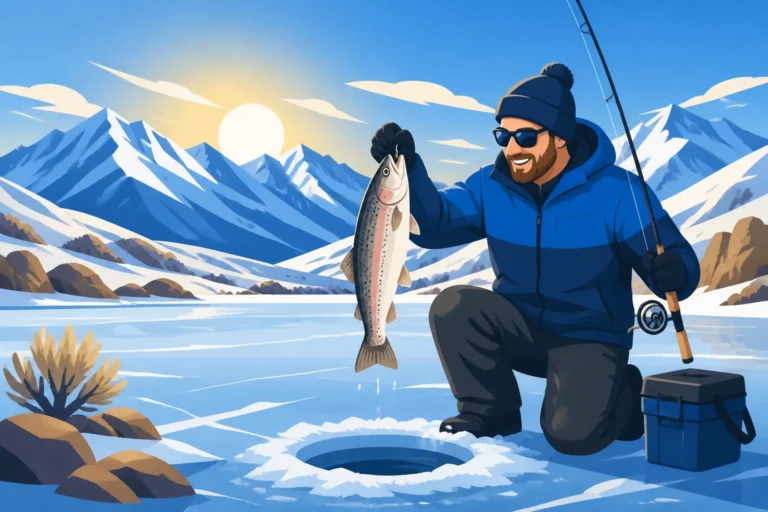
Winter can still be productive, especially in the milder southern parts of the state. Fish will generally move deeper and become less active, requiring slower presentations. Kayak fishing in winter demands warm, waterproof clothing, gloves, and careful attention to safety as cold water poses a significant hypothermia risk. Ice fishing is also an option in some of the higher elevation Northern Nevada reservoirs when conditions allow, but that's a whole different kayak setup if you plan to use it for transportation to your ice fishing spot!
Handling Wind, Waves, and Current
Wind is arguably the biggest challenge for kayak anglers on large, open reservoirs. A strong gust can quickly push you off a spot or make paddling exhausting.
- Use the Wind to Your Advantage: Sometimes, the wind can be your friend. Allow it to slowly drift your kayak across a promising flat or along a shoreline, making controlled casts as you go. A drift sock or sea anchor deployed off the side or stern can help control your speed and angle.
- Anchor Effectively: As discussed, a good anchor system is essential. When anchoring, try to drop your anchor upwind or upcurrent from your target, allowing the kayak to settle over the desired spot. An anchor trolley allows you to adjust your boat's position without re-anchoring.
- Paddle/Pedal into the Wind on Departure: Always try to start your trip paddling or pedaling into the wind. This way, if you get tired, the wind will assist you on your return journey.
- Stay Close to Shore: On very windy days, hug the shorelines or seek out protected coves and bays. These areas offer shelter and often hold fish seeking refuge from rough water.
- Monitor Weather Constantly: Keep an eye on the sky and water conditions. If the wind starts to pick up significantly, don't hesitate to head back to shore early. Your safety is paramount.
Current, while less prevalent in most reservoirs, can be a factor, especially near dam outflows or connecting rivers. When present, current can be used similarly to wind for controlled drifts, but always be mindful of hazards and navigational safety.
Navigating Access and Launching Points
One of the great freedoms of kayak fishing is expanded access, but it still requires some planning, especially in Nevada. Not all reservoirs have designated kayak-friendly launch points. While you don't always need a concrete boat ramp, you do need safe, accessible shorelines.
- Scout Ahead: Before heading out, use online maps (satellite view is excellent) to identify potential launch spots. Look for areas with gentle slopes, sandy or gravelly shorelines, and legal public access. State parks, Bureau of Land Management (BLM) lands, and local parks often provide excellent access. For instance, launching at Hemenway Harbor at Lake Mead is fairly straightforward, but there are numerous smaller coves around the lake where a kayak can be launched with less hassle. Our guide to Pyramid Lake Shoreline Access Points can give you an idea of what to look for at specific locations.
- Parking Considerations: Ensure there's adequate, legal parking close to your chosen launch site, especially if you're car-topping your kayak.
- Rolling Carts and Gear: A kayak cart can be a lifesaver for transporting your kayak from your vehicle to the water, especially if the distance is more than a few steps or the terrain is rough. Consolidate your gear into easily transportable dry bags or crates to minimize trips.
- Permits and Fees: Always check if a particular body of water or access point requires a launch fee or special permit. For example, some areas within the Lake Mead National Recreation Area require an entrance fee. Tribal lands, like those around Pyramid Lake, have their own specific permit requirements, completely separate from a state fishing license. Always ensure you have the necessary documentation.
By understanding these seasonal patterns, mastering boat control in challenging conditions, and planning your access, you'll be well on your way to experiencing the incredible potential of kayak fishing in Nevada's diverse reservoirs.
Disclaimer
Fishing involves inherent risks, and conditions in Nevada's reservoirs can change rapidly. This guide provides general information and techniques; always prioritize safety, adhere to all local and state regulations, and exercise good judgment on the water. The Nevada Department of Wildlife (NDOW) is the official source for all fishing regulations and licensing requirements.